2026-09-08
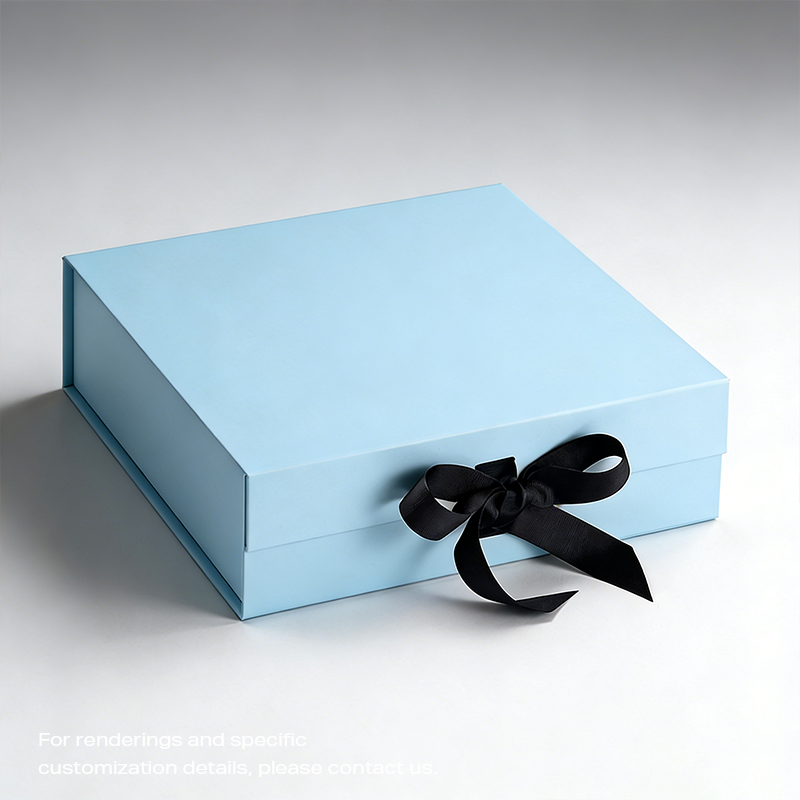
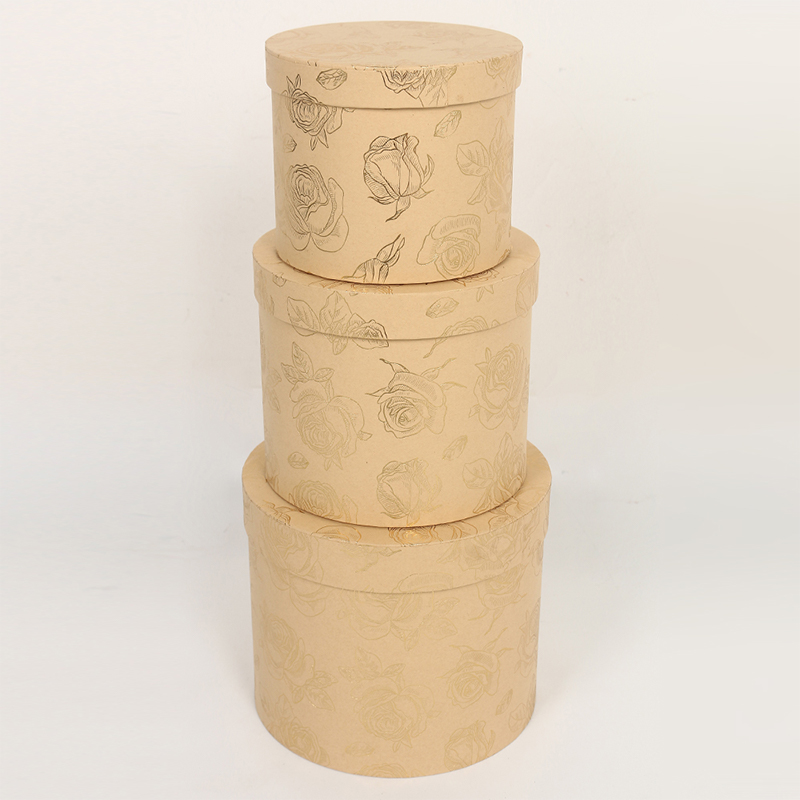
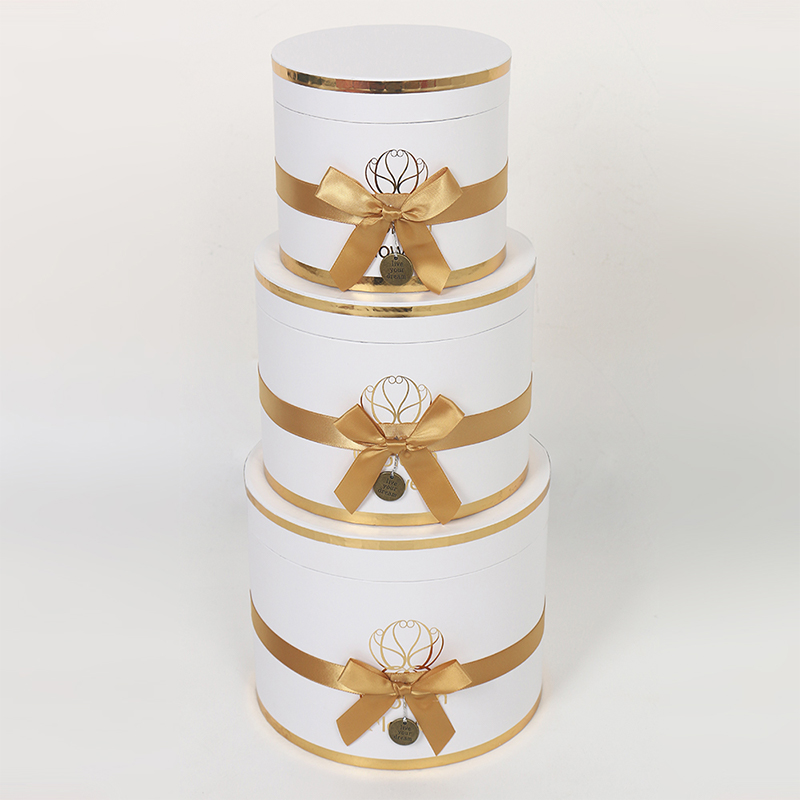
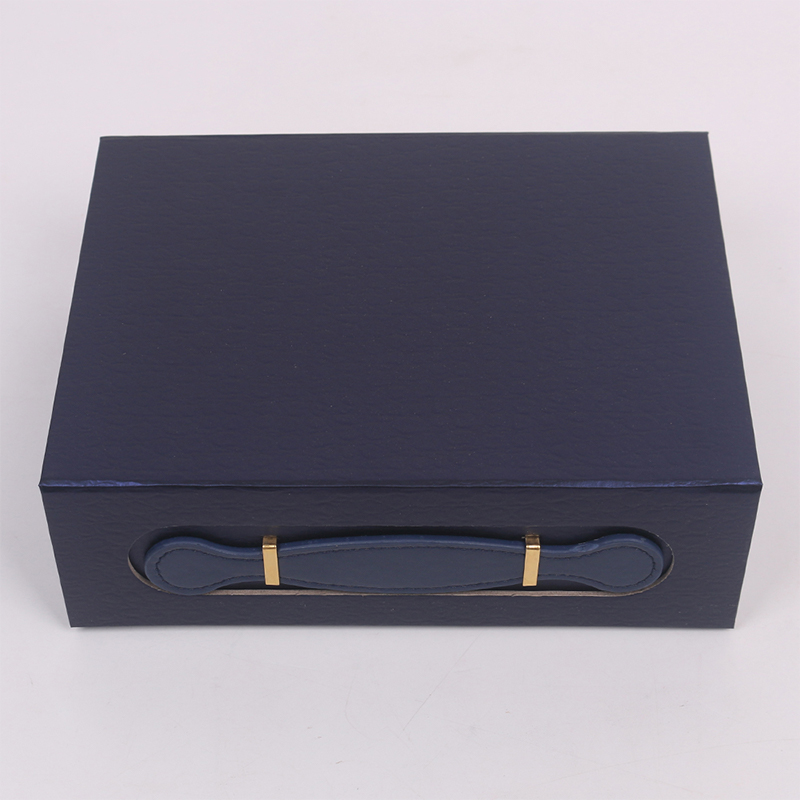
SHC-08 Cosmetic Gift Box
In the beauty and personal care market, packaging is far more than an outer covering. It is the first physical interaction a customer has with a product, the surface that communicates quality before the box is opened, and an important part of the unboxing experience. A well-designed cosmetic gift box can transform an ordinary product set into a premium present, support a brand’s visual identity, protect delicate items during transportation, and encourage customers to share their purchase with others.
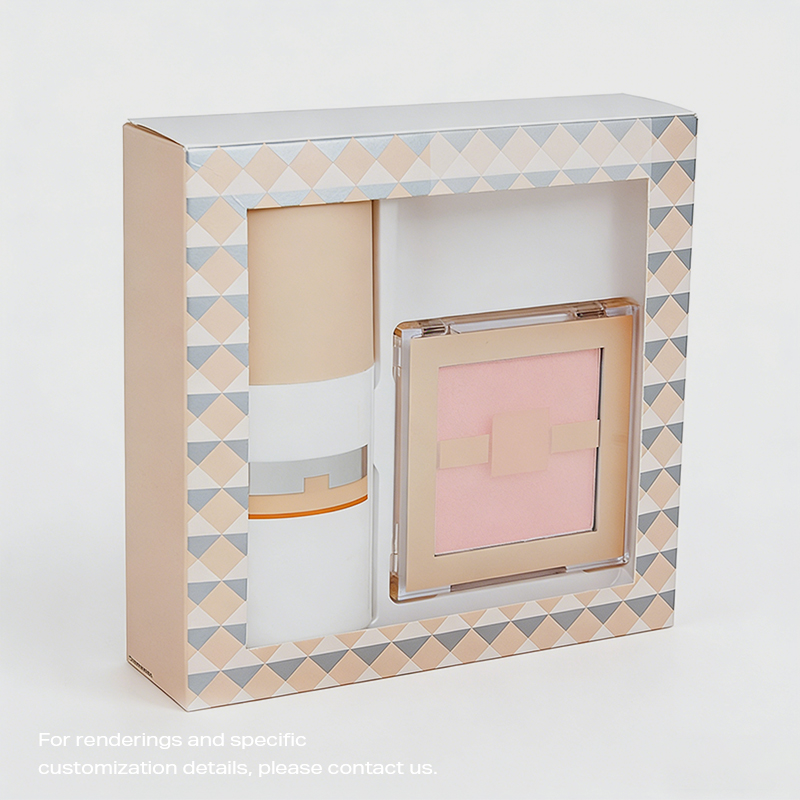
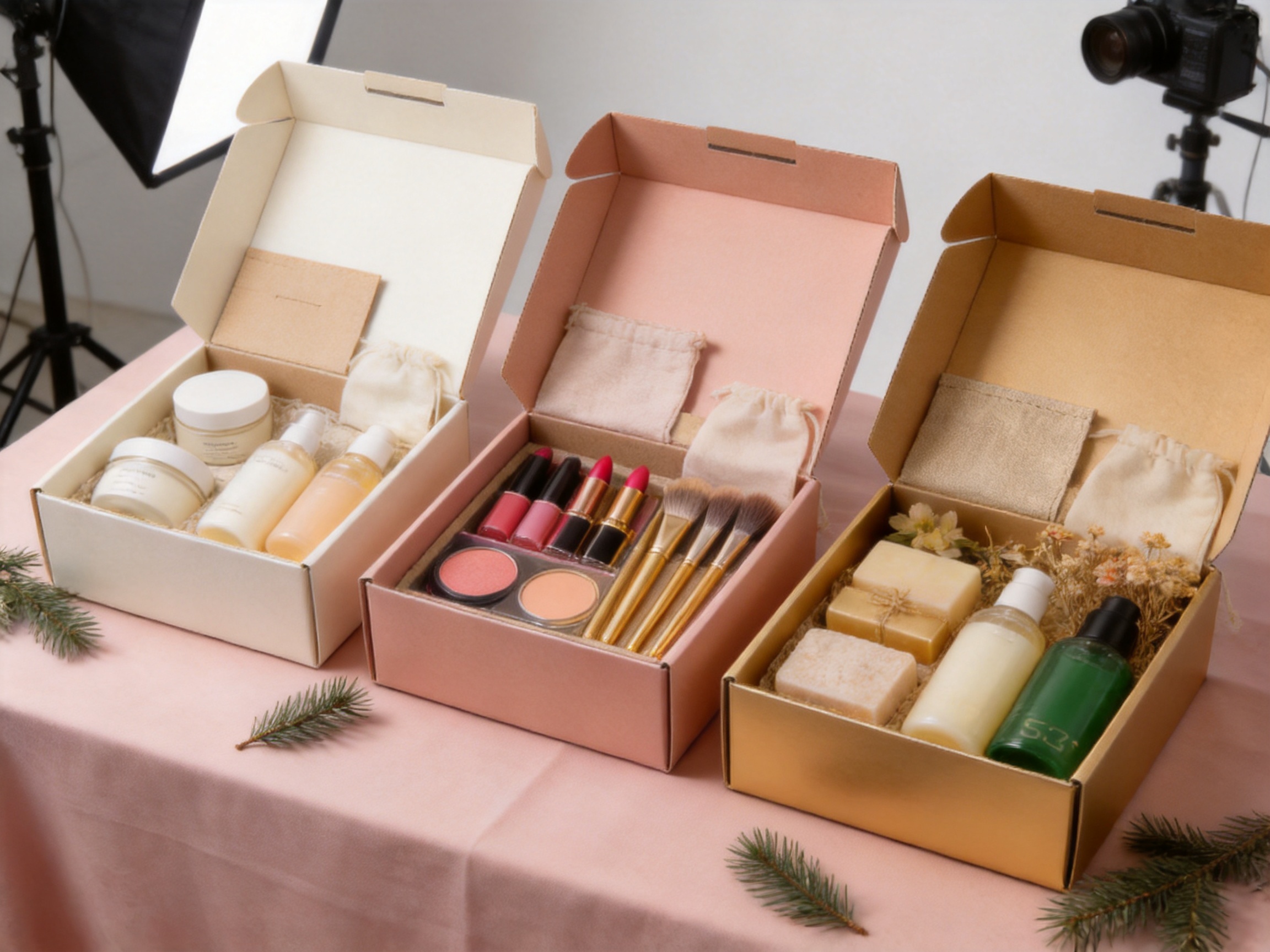
The SHC-08 Cosmetic Gift Box is developed for brands, retailers, promotional agencies, and gift companies that need attractive, practical, and customizable packaging for cosmetics and beauty collections. It belongs to a broader family of paper gift packaging solutions that includes kits, storage boxes, folding boxes, jewelry boxes, and other presentation-focused products. Its design concept is suitable for presenting coordinated cosmetic items such as skincare products, makeup, fragrances, bath products, travel-size collections, and seasonal beauty assortments.
Manufactured by an experienced paper packaging producer in Zhejiang, China, this type of cosmetic gift box combines structural design, printed presentation, protective construction, and scalable manufacturing. The result is a packaging solution that can be adapted to different product combinations and market positions, from accessible promotional sets to high-end beauty collections.
Cosmetics are highly visual products. Consumers often evaluate a beauty item through color, texture, typography, imagery, and presentation before they assess the formula itself. Packaging therefore plays a central role in forming expectations. A clean and elegant box may suggest sophistication, while a colorful and energetic design may communicate youthfulness, creativity, or seasonal excitement.
Gift packaging adds another layer of value. A standard retail carton may be designed mainly for protection and shelf display, whereas a cosmetic gift box is expected to create a complete presentation. It should make the contents feel coordinated, intentional, and ready to give. The box may be opened at a birthday, holiday, wedding, corporate event, product launch, or social media campaign. In each situation, the packaging contributes to the perceived value of the gift.
For beauty businesses, this creates several commercial opportunities. A cosmetic gift box can encourage customers to purchase a set instead of a single item, support limited-edition launches, create a higher average order value, and provide a strong visual tool for online marketing. It can also help a brand distinguish its products from competitors whose packaging uses standard, generic formats.
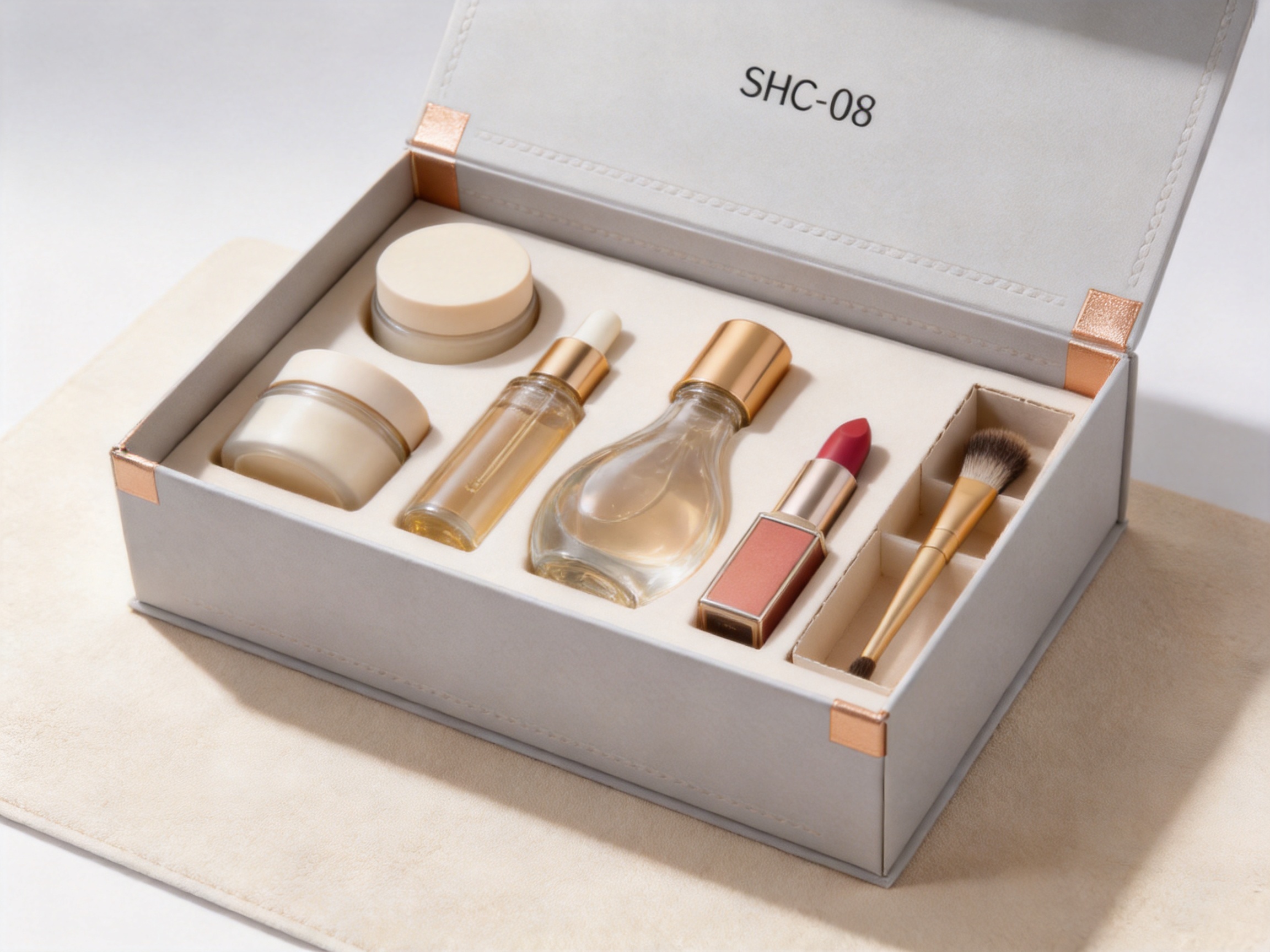
The SHC-08 Cosmetic Gift Box is a paper-based presentation box intended for cosmetic gift sets and related beauty products. Its format can be developed around the size, quantity, and arrangement of the products inside. Depending on the project requirements, the interior may be configured with paperboard inserts, compartments, trays, holders, or other protective components.
The external design can be customized through printed graphics, colors, finishes, logos, patterns, messages, and seasonal artwork. This allows the same basic packaging concept to serve multiple product categories while maintaining a consistent brand appearance. A skincare brand may use a calm, minimal design, while a color cosmetics company may choose vivid patterns and metallic details.
Because cosmetic gift boxes are often purchased for campaigns or product collections, flexibility is especially important. A packaging manufacturer must be able to manage both appearance and function. The box should look refined on a display shelf, remain stable when handled, protect the contents during delivery, and support efficient assembly and packing.
| Product Area | Potential Application | Customization Opportunity |
|---|---|---|
| Skincare | Creams, serums, cleansers, masks, and routine sets | Product-specific inserts, brand colors, usage messages, and premium finishes |
| Makeup | Lip products, palettes, brushes, and coordinated cosmetic collections | Colorful artwork, printed inner panels, compartments, and decorative details |
| Fragrance | Perfume bottles, discovery sets, and scented gift combinations | Rigid support, refined textures, foil effects, and elegant structural layouts |
| Bath and Body | Bath salts, body lotions, soaps, scrubs, and wellness collections | Natural visual themes, recyclable paper options, and seasonal graphics |
| Promotional Sets | Samples, launch kits, event gifts, and influencer packages | Short campaign messages, custom compartments, and quick-turn artwork |
The most important advantage of a cosmetic gift box is its ability to turn several individual items into one complete gift. Products can be arranged in a logical sequence so that the recipient discovers them in an intentional order. The structure can create a sense of anticipation, while the printed exterior communicates the personality of the brand.
Compared with ordinary folding cartons, a gift box can provide a more substantial opening experience. The lid, tray, insert, or layered interior can make the contents feel more carefully curated. This is valuable for beauty sets because the products are often purchased together as a routine or collection. The packaging visually reinforces the relationship between the items.
Generic packaging limits the opportunity for brand communication. Custom printed gift boxes give a company a larger visual area for its identity, product story, campaign message, and design language. A logo can be positioned on the lid, side panels, interior surface, sleeve, or insert. Color selection can be matched to an existing brand system, while typography and imagery can be adjusted for different target audiences.
For premium cosmetic brands, restrained printing may be more effective than excessive decoration. A limited color palette, carefully selected paper texture, and precise logo treatment can communicate confidence and quality. For mass-market or seasonal campaigns, stronger colors, illustrations, and promotional messages may improve visibility. The manufacturing process can accommodate different creative directions when artwork and structural specifications are clearly defined.
Beauty products may contain glass bottles, pressed powders, pumps, jars, tubes, or small accessories. These items can be vulnerable to scratches, movement, impact, and pressure. A properly engineered gift box uses the interior space efficiently and limits unnecessary movement during handling and transportation.
Custom inserts are particularly important when a set contains products with different dimensions. Separate compartments can prevent bottles from contacting one another, while a fitted tray can support the base of a container. Paperboard dividers and holders can also make the arrangement more organized without relying solely on plastic components.
Protection must be balanced with presentation. An insert that is too tight may make packing difficult, while one that is too loose may fail to stabilize the products. The manufacturer therefore needs to consider product measurements, closure pressure, material thickness, assembly method, shipping conditions, and customer opening experience together.
Packaging is a major visual asset in both physical and digital retail. On a shelf, a well-printed cosmetic gift box can create a clear block of color and help a product set stand out. In online listings, the box becomes part of product photography, promotional videos, unboxing content, and social media posts.
Distinctive packaging may also support organic marketing. Customers are more likely to photograph and share products that look attractive when opened. Influencer campaigns, subscription boxes, and product launch events can benefit from packaging that provides a recognizable and repeatable visual experience.
The choice of paperboard or other paper-based material affects the box’s appearance, strength, folding performance, and environmental profile. The correct material depends on the product weight, box dimensions, desired stiffness, printing requirements, finish, and shipping conditions.
For lighter cosmetic collections, a folding paperboard structure may provide an efficient solution. Folding boxes are practical for storage and transportation because they can be shipped in a relatively flat condition before final assembly. For heavier or more premium sets, a more substantial construction may be appropriate. The final selection should be made after reviewing the product samples and intended use.
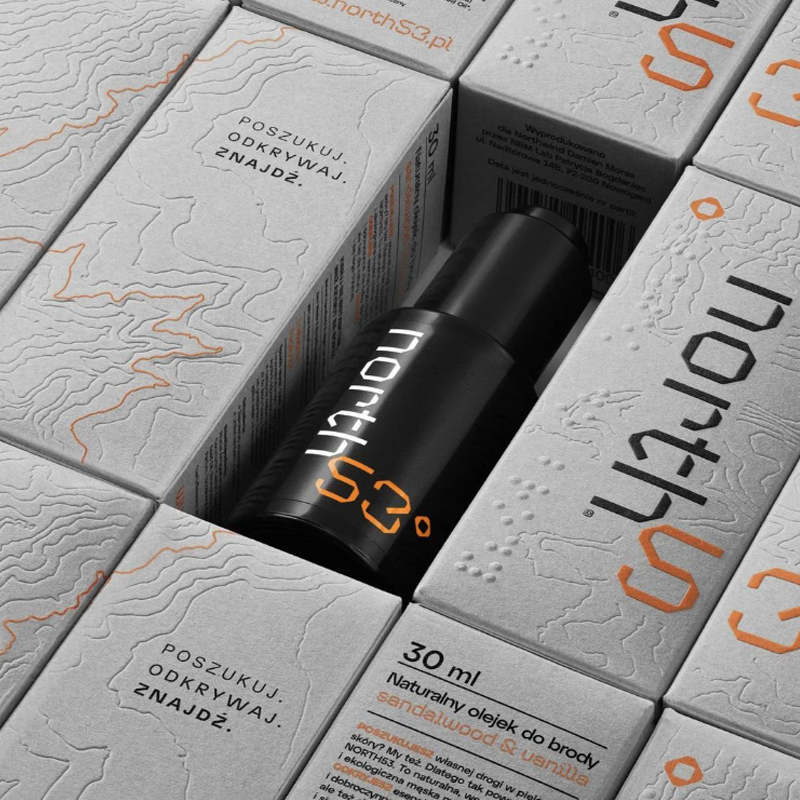
Surface treatment can further influence the customer experience. Options may include matte or gloss lamination, soft-touch effects, embossed elements, debossed patterns, foil accents, spot effects, textured papers, and specialty coatings. Each treatment should support the brand message rather than add decoration without purpose.
For example, a matte surface can create a calm and refined appearance for skincare products. Gloss effects may emphasize bright colors or make a design feel energetic. Embossing can add tactile interest to a logo or botanical pattern. Foil accents may highlight premium positioning, while uncoated or textured paper can support a natural or environmentally conscious visual direction.
Skincare collections often include products used in a specific sequence. A box can be designed to reflect that routine, placing cleanser, toner, serum, cream, or mask products in a clear arrangement. Printed interior panels may provide instructions, ingredient highlights, or a short brand message.
The design language for skincare packaging often benefits from visual clarity. Soft neutral colors, botanical illustrations, clean typography, and controlled spacing can suggest care and reliability. However, the final appearance should be aligned with the brand’s target customers. A clinical skincare company may require a very different design from a natural spa brand or a youthful facial-care label.
Makeup products provide more room for color experimentation. Cosmetic gift boxes for lipsticks, eye products, blushes, brushes, and palettes may use vivid graphics, contrasting colors, artistic illustrations, or fashionable patterns. A well-designed insert can keep small products separated and make the collection easy to view.
Since makeup packaging is frequently photographed, visual consistency is valuable. The exterior, interior, product labels, and promotional materials should work together. A custom box can carry the same campaign theme as the products, display cards, and digital advertising.
Fragrance packaging usually places strong emphasis on elegance, precision, and protection. Bottles may be heavy, fragile, or unusually shaped, making structural design essential. A fitted interior can support the bottle and reduce movement while maintaining a luxurious visual arrangement.
Premium fragrance packaging may use darker color palettes, metallic details, textured surfaces, or restrained typography. The box should feel substantial without becoming unnecessarily complicated. Opening movement, closure quality, and tactile surfaces may all contribute to the perception of value.
Bath and body products are often sold as relaxing, natural, or self-care experiences. Their gift boxes may use warm colors, organic patterns, botanical imagery, or messages associated with comfort and well-being. Paper-based inserts and recyclable design choices can help support a sustainability-focused brand position.
These products may also vary significantly in shape and size. A flexible internal layout can accommodate soaps, jars, bottles, towels, accessories, or small tools in one coordinated presentation. The box can be used for holiday gifts, hotel amenities, spa promotions, and wellness events.
A successful custom packaging project depends on more than a creative design. The manufacturer must translate the artwork into a stable structure, reproduce colors consistently, manage finishing details, control production quality, and meet shipping schedules. Zhejiang Shihao Gift Packaging Co., Ltd. has more than 15 years of experience in the production, research and development, and sales of paper gift packaging boxes.
The company operates from a facility covering approximately 20,000 square meters and employs around 300 people. Its reported average daily production capacity is approximately 5,000 sets of gift boxes. This scale provides an important advantage for brands that need repeatable production, coordinated deliveries, or larger campaign quantities.
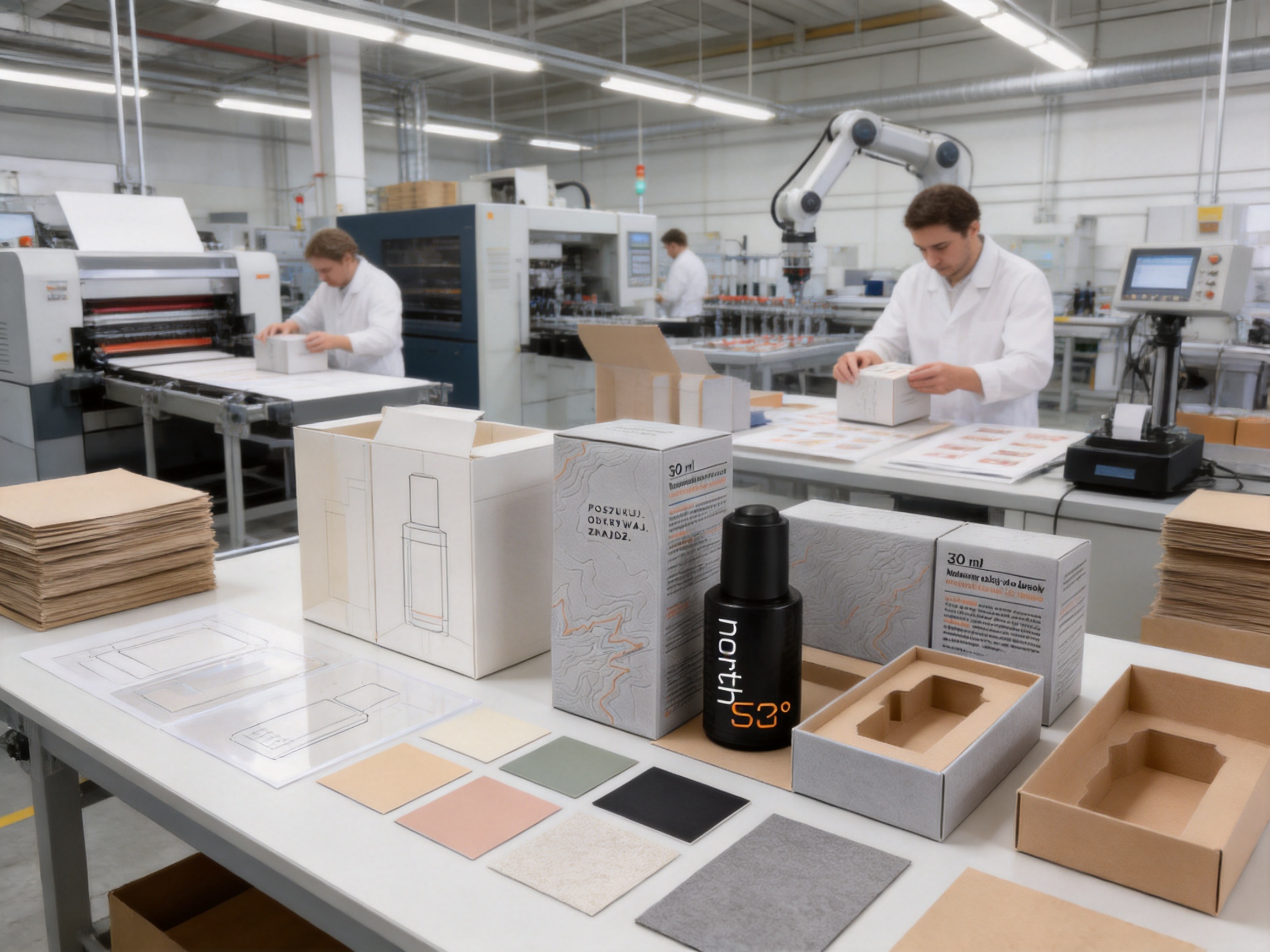
Production capacity is useful only when supported by organization and process control. A packaging factory must coordinate design review, material purchasing, prepress preparation, printing, surface treatment, die cutting, folding, gluing, assembly, inspection, packing, and shipment. Experience across these stages can reduce avoidable problems such as incorrect dimensions, mismatched colors, weak adhesion, surface damage, or inconsistent assembly.
The company maintains its own design team and reportedly updates dozens of products each week. This indicates an active approach to market development and product innovation. For customers, an internal design capability can make communication easier during the early stages of a packaging project.
Design support may include structural suggestions, artwork adaptation, insert planning, material selection, and recommendations for finishes. Although the customer remains responsible for the brand direction, the manufacturer can help identify potential production limitations before mass manufacturing begins.
Early technical review is especially important for cosmetic gift boxes because the package must accommodate actual products. A design that appears attractive on a screen may need adjustment when product weight, bottle shape, closure tolerance, insert thickness, and shipping requirements are considered. Collaboration between the brand and the factory can create a more reliable final result.
A capable paper packaging manufacturer typically manages a sequence of connected operations. The process begins with customer requirements, including product dimensions, target quantity, preferred material, artwork, finishing, delivery destination, and intended retail environment.
After the structure is confirmed, dielines and artwork are reviewed. The factory checks whether important logos, text, folds, seams, and cut lines are positioned correctly. A prototype or sample may then be prepared for evaluation. The sample stage helps verify the appearance, fit, opening method, insert layout, and overall user experience.
Once the sample is approved, production planning begins. Materials are prepared, printing plates or digital files are checked, and finishing requirements are scheduled. Printed sheets are processed through cutting, creasing, folding, and gluing operations. If the box includes separate inserts or trays, those components are produced and matched with the outer structure.
Final inspection can include visual checks, dimensional checks, color review, surface inspection, adhesion checks, and packing verification. Quality standards should be agreed upon before production so that both the buyer and manufacturer share the same expectations.
| Manufacturing Stage | Main Purpose | Value for the Customer |
|---|---|---|
| Requirement Review | Confirm product size, box style, quantity, materials, artwork, and delivery needs | Reduces misunderstandings before sampling |
| Structural Development | Create the dieline, insert layout, closure method, and assembly plan | Improves product fit, stability, and opening experience |
| Sampling | Produce a physical sample for review | Allows practical testing before mass production |
| Prepress and Printing | Prepare artwork and reproduce brand graphics | Supports visual consistency and accurate presentation |
| Finishing | Apply lamination, coating, embossing, foil, or other effects | Adds tactile and visual differentiation |
| Die Cutting and Forming | Cut, crease, fold, and shape the box components | Creates accurate structures with repeatable dimensions |
| Assembly and Inspection | Combine components and check finished products | Helps maintain quality and reduce defective units |
| Packing and Shipment | Prepare finished boxes for delivery | Supports organized logistics and product protection |
Buyers increasingly assess packaging suppliers according to more than price and appearance. They may also consider ethical manufacturing, forestry sourcing, labor standards, production transparency, and environmental responsibility. The company reports BSCI and FSC certifications, which are relevant to customers seeking documented standards in these areas.
BSCI certification is associated with social compliance and responsible workplace practices within supply chains. FSC certification relates to responsible forest management and the traceability of eligible paper and forest-based materials. Certification requirements and scope should always be confirmed for the specific order, material, and production arrangement.
Paper packaging can support sustainability goals when it is designed thoughtfully. A box may reduce unnecessary plastic, use a right-sized structure, avoid excessive material, or incorporate paper-based inserts. However, sustainability is not achieved simply by calling a package recyclable. The complete design should consider material combinations, coatings, adhesives, transport efficiency, product protection, and local recycling systems.
Durability is also part of responsible packaging. If a box fails during transport and products are damaged, the result may be wasted materials, additional shipping, and customer dissatisfaction. A stronger and better-fitted structure can reduce these risks. The most effective solution is usually a balance between material reduction and adequate protection.
One of the main advantages of working with an experienced specialist is the ability to combine customization with production scale. Some small suppliers may offer attractive prototypes but have limited capacity for larger orders. Some high-volume factories may focus on standard products and offer less flexibility for distinctive structures or detailed finishing.
A specialized manufacturer with a broad paper packaging portfolio can provide a more balanced service. Its experience with gift boxes, storage boxes, folding boxes, jewelry boxes, and other paper products creates a wider technical foundation. Knowledge gained from different packaging categories can be applied to cosmetic projects, particularly in structural design, inserts, closures, material selection, and finishing.
Another advantage is the ability to develop packaging for different market levels. The same supplier may support a simple promotional box, a mid-range retail set, or a more luxurious gift presentation. This helps brands maintain supplier continuity as product lines evolve.
Production location can also be commercially important. Zhejiang is a major manufacturing region with established supply networks, skilled labor, transportation connections, and supporting industries. Access to these resources can help coordinate materials and production steps efficiently.
However, supplier selection should always be based on the complete project, not on factory size alone. Buyers should review samples, clarify material specifications, confirm quality procedures, discuss minimum order quantities, and evaluate communication speed. A strong supplier relationship depends on transparent expectations from both sides.
Start by listing every item that will be placed inside the box. Record the length, width, height, weight, shape, quantity, and packaging condition of each product. Include caps, pumps, protective sleeves, and any components that affect the final dimensions.
Products should be measured in their actual packed condition rather than estimated from catalog information. Small differences can affect the insert, lid clearance, box depth, and assembly process. If the product is still under development, the packaging supplier should receive updated measurements as soon as possible.
Decide what the packaging should communicate. Is the set premium, natural, youthful, clinical, festive, minimalist, luxurious, playful, or practical? The answer will influence paper selection, colors, graphics, typography, surface treatment, and structure.
It is also useful to identify competing products and define how the new packaging should differ. Differentiation may come from a unique opening method, an unusual color system, a stronger sustainability story, a more convenient insert, or a memorable interior message.
The structure should match the product set and the intended customer experience. Questions to consider include whether the box should open like a book, lift from the top, slide open, fold flat, or use a separate lid. The best format depends on the products, budget, shipping needs, retail environment, and desired level of ceremony.
For compact cosmetic collections, a fitted tray or divided interior may be effective. For larger gift sets, multiple layers or a removable insert may create a more engaging presentation. The structure should remain practical for packing, storage, and transportation.
Artwork should be prepared according to the approved dieline and printing specifications. Important text should not be placed too close to folds, cuts, or glued areas. Colors should be reviewed in relation to the selected paper and finish, since the same artwork may appear different on coated and uncoated surfaces.
Finishing should be selected with both appearance and cost in mind. A single high-impact detail can be more effective than several competing effects. Embossing, foil, spot coating, or textured material may be used strategically to emphasize the logo, product name, or key pattern.
A physical sample is one of the most valuable steps in custom packaging development. It allows the buyer to test product fit, insert stability, closure performance, visual scale, material feel, and assembly time. Photographs and digital renderings are useful, but they cannot fully replace a real sample.
Sample review should include opening and closing the box repeatedly, checking for loose products, inspecting edges and corners, and evaluating how the box looks under the lighting used for product photography or retail display. Any changes should be recorded clearly before mass production.
Cosmetic gift boxes can be used throughout the year, but their value often increases during key sales periods. Holiday collections, wedding favors, Valentine’s Day promotions, Mother’s Day campaigns, anniversary releases, and year-end corporate gifts all create demand for attractive presentation packaging.
They are also useful for product launches. A brand may send a coordinated set to retailers, media representatives, influencers, or professional partners. The packaging can introduce the product story, explain the collection, and create a consistent visual experience across many recipients.
Subscription and membership programs can use custom boxes to strengthen retention. A recurring package with a recognizable structure and changing seasonal graphics can become part of the customer’s experience. The box may also be designed for reuse as a storage container, which extends its practical value after the products have been removed.
Corporate and event gifting is another important application. Beauty products are frequently selected for employee appreciation, hospitality, conferences, and promotional events. A custom printed cosmetic gift box can present the items neatly while carrying a company message or campaign theme.
Packaging design affects logistics from the factory to the final customer. A box that uses space efficiently can reduce storage requirements and improve carton packing. Folding structures may help lower shipping volume before assembly, while carefully planned inserts can reduce product movement during transport.
Manufacturers and buyers should discuss how finished boxes will be packed for shipment. Considerations include carton size, stacking strength, moisture protection, pallet arrangement, labeling, and loading method. If the boxes will travel internationally, the packaging should be reviewed for the expected shipping route and handling conditions.
Efficient packaging is not simply the smallest possible package. An overly compact design may create assembly difficulties or insufficient protection. The goal is to use materials intelligently while preserving product safety, visual quality, and ease of use.
Clear communication is essential for a successful custom packaging order. Buyers should provide product samples or accurate measurements, reference images, brand guidelines, artwork files, target quantity, desired delivery date, and destination. They should also explain whether the box is intended for retail shelves, direct shipping, events, or gift presentation.
The factory should clarify the available material choices, printing process, finishing options, sample procedure, production schedule, inspection standards, packing method, and shipping terms. Written confirmation of these details reduces the risk of disagreement later in the project.
It is also important to ask which elements are included in the quotation. The total cost may depend on tooling, plates, sampling, inserts, finishing, assembly, packing, and shipping. A lower initial quotation may not represent the lowest total cost if important components are excluded.
For repeat orders, buyers should establish a reference sample or approved standard. This helps maintain consistency in color, dimensions, material, and finishing across future production runs. Any approved changes should be documented so that the factory can update its production files accurately.
The packaging is designed to make a cosmetic collection feel gift-ready while also supporting the physical protection of the products. This combination is more valuable than appearance alone because customers expect a premium box to function reliably.
Custom printing, structural development, inserts, materials, and surface treatments allow brands to create packaging that reflects their own identity. The box does not have to look like a generic beauty package used by multiple competitors.
An experienced production facility with approximately 20,000 square meters of space, around 300 employees, and reported daily output of about 5,000 gift box sets can support both development projects and larger commercial programs.
Experience across gift boxes, folding boxes, storage boxes, jewelry packaging, and kits provides a wider understanding of paper packaging. This can help when a cosmetic project requires an unusual insert, a reusable structure, or a coordinated family of packaging products.
It is intended for presenting cosmetic and beauty product sets, including skincare, makeup, fragrance, bath, body, wellness, promotional, and seasonal collections. The final configuration should be developed around the products being packed.
Yes. Custom printing and artwork can be developed for logos, product names, campaign messages, patterns, instructions, and other brand elements. Artwork placement should be reviewed against the approved dieline before production.
Yes. The interior may be designed with compartments, trays, dividers, holders, or other paper-based components. The correct layout depends on the number, dimensions, shape, and weight of the products.
The buyer should provide product dimensions, product quantity per box, preferred box style, material expectations, artwork requirements, finishing preferences, estimated order quantity, delivery destination, and target delivery date. Product samples are helpful when the shape or weight is difficult to describe accurately.
Yes. A physical sample allows the buyer to check the product fit, insert stability, closure, material feel, color impression, and overall opening experience. It is strongly recommended before mass production, especially for customized structures.
Yes. Paper-based packaging can achieve a premium appearance through structural design, material selection, precise printing, embossing, foil, coatings, textured surfaces, and careful assembly. Premium quality depends on the complete design and manufacturing process rather than on one decorative feature.
The company reports an average daily production capacity of approximately 5,000 sets of gift boxes and operates with around 300 employees in a facility covering about 20,000 square meters. Actual capacity, lead time, and order acceptance should be confirmed for each project.
The company reports BSCI and FSC certifications. Buyers should confirm the current validity, scope, and applicability of each certification to the specific materials and production order.
Yes. Custom artwork and coordinated inserts make cosmetic gift boxes suitable for holidays, product launches, promotional programs, influencer campaigns, special events, and limited-edition collections.
Paper-based packaging can support sustainability goals through responsible material sourcing, efficient structure, reduced unnecessary components, and recyclable design choices. The complete package should be evaluated, including coatings, adhesives, inserts, transport, and local recycling conditions.
A brand can differentiate its packaging through a distinctive opening experience, carefully selected colors, memorable interior printing, useful reuse features, tactile finishes, product-specific inserts, and a clear relationship between the box and the brand story. Effective differentiation should remain practical and consistent with the product’s market position.
The SHC-08 Cosmetic Gift Box represents a flexible packaging direction for beauty brands that want to combine visual appeal, product protection, and customized presentation. Its value lies not only in the outer appearance but also in the opportunity to create a complete customer experience around a cosmetic collection.
With more than 15 years of paper packaging experience, a facility of approximately 20,000 square meters, a workforce of around 300 employees, reported daily production of about 5,000 gift box sets, an internal design team, and experience across multiple paper product categories, Zhejiang Shihao Gift Packaging Co., Ltd. is positioned to support both customized development and scalable manufacturing.
The strongest packaging results come from cooperation between the brand and the factory. Accurate product measurements, thoughtful structural planning, appropriate materials, professional artwork preparation, physical sampling, and clear quality standards all contribute to a successful final product. When these elements are managed carefully, a cosmetic gift box can protect the contents, strengthen brand recognition, increase perceived value, and make the act of opening the package memorable.
For companies seeking custom printed gift boxes for skincare, makeup, fragrance, bath, body, wellness, or promotional collections, a well-developed cosmetic gift box can become an important part of the product strategy. It supports the practical needs of modern supply chains while giving brands a more powerful way to communicate quality, creativity, and care.
1. Company-provided product information for the SHC-08 Cosmetic Gift Box.
2. Company-provided corporate profile and manufacturing capability statement.
3. General principles of paperboard packaging structure, folding carton development, and protective insert design.
4. General guidance on cosmetic product presentation, retail packaging, and customer unboxing experiences.
5. FSC principles concerning responsible forest-based material sourcing and chain-of-custody practices.
6. BSCI-related principles concerning social compliance and responsible supply-chain management.
7. General packaging sustainability guidance concerning material efficiency, recyclability, product protection, and transport impacts.
Recommended Products

Contact Us

No. 15, Xiayang Road, Huangzhai Town, Jinhua, Zhejiang, China

(+86) 579-84230069

(+86) 13085675766


Products

Gift Box Packaging Manufacturer
 English
 Français
 Español
 عربى