2026-10-23
Packaging is often the first physical interaction a customer has with a product. Before a gift is opened, its box communicates quality, care, identity, and value. A well-designed package can transform an ordinary presentation into a memorable experience, while a weak package may reduce the perceived value of even an excellent product. The Z228 Customizable Logo Silver Foil UV Coating Embossed Folding Gift Box is developed for brands, retailers, gift suppliers, and organizations that need attractive presentation together with dependable protection, efficient storage, and flexible customization.
The Z228 combines several high-impact packaging techniques in one folding structure. Custom logo printing allows a brand to create a distinctive visual identity. Silver foil introduces a reflective metallic finish that catches light and attracts attention. UV coating adds a polished appearance and supports surface durability, while embossing creates tactile dimension that customers can see and feel. Inside, a glossy laminated foam lining helps cushion the contents and contributes to a more refined unboxing experience.
Unlike rigid gift boxes that require significant warehouse space before use, the Z228 folding structure can be supplied in a space-saving format and assembled when needed. This design is especially valuable for businesses handling multiple product sizes, seasonal campaigns, promotional gifts, or export orders. The box is available in several dimensions and can be customized in color, artwork, and structural details through professional design support.
Manufactured by Zhejiang Shihao Gift Packaging Co., Ltd., the product benefits from more than 15 years of experience in paper gift packaging. The company operates a 20,000-square-meter facility, employs approximately 300 people, and has an average daily production capacity of about 5,000 sets of gift boxes. Its design, research, production, and export capabilities support both standard orders and tailored packaging programs for international customers.
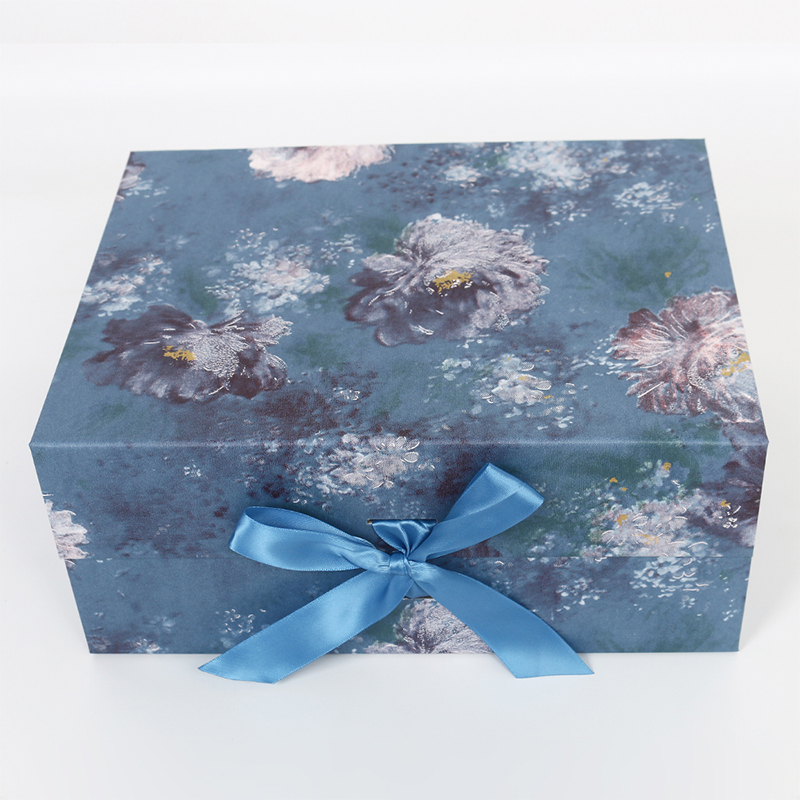
Z228 Customizable Logo Silver Foil UV Coating Embossed Folding Gift Box
The Z228 is a folding gift box designed for applications where presentation quality and practical handling are equally important. It belongs to the folding gift box category and can be used for business gifts, personal presents, retail packaging, seasonal collections, promotional programs, and premium product presentation. Its structure offers a balance between a sophisticated appearance and the operational benefits of a foldable package.
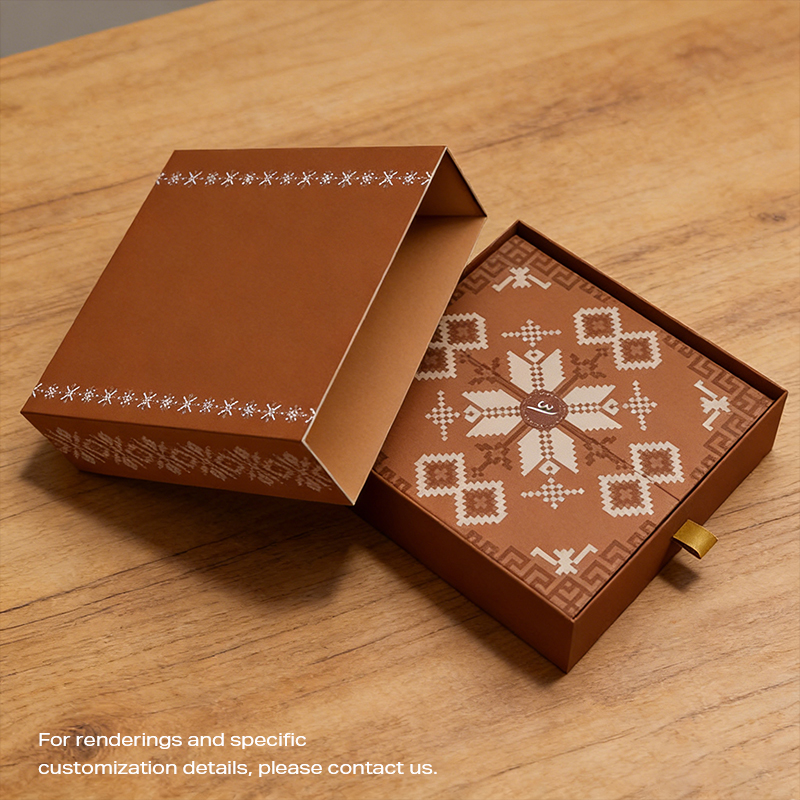
The central concept of the Z228 is customization. A logo, symbol, message, pattern, or other artwork can be incorporated into the box design. This gives businesses an opportunity to make the packaging part of their branding rather than treating it as a simple protective container. A recognizable package can strengthen customer memory, reinforce a premium market position, and improve consistency across different products or campaigns.
The surface treatment combines silver foil, UV coating, and embossing. Silver foil produces a metallic highlight that can be used for a logo, border, decorative element, or selected areas of a printed design. UV coating creates a glossy, high-contrast finish and helps the surface resist everyday handling. Embossing raises selected areas of the package to create a three-dimensional effect. Used together, these techniques provide both visual impact and tactile distinction.
Inside the box, a glossy laminated foam lining provides cushioning for the packaged item. The lining is intended to help keep the product in position and reduce the effects of movement during handling and transportation. It also contributes to a clean, organized interior appearance. Because the lining is easy to clean and reusable, it can support repeated handling or continued use of the box in suitable applications.
The Z228 also responds to modern storage and logistics requirements. A folding box can occupy less space than a fully assembled rigid box, which may reduce storage pressure for distributors, retailers, and fulfillment operations. Flat or partially folded packaging is easier to organize by quantity, move between workstations, and prepare for later assembly.
| Project | Z228 |
| Product category | Folding gift box |
| Logo and artwork | Customizable logo and bespoke designs |
| Surface treatments | Silver foil, UV coating, and embossing |
| Interior | Glossy laminated foam lining |
| Available dimensions | 28.2 × 20.2 × 9.2 cm; 33 × 25 × 12 cm; 33.5 × 26 × 15.5 cm; 39 × 28 × 17.8 cm |
| Color selection | Color library options or bespoke color designs |
| Minimum order quantity | 1,000 pieces |
| Design support | Professional advice and custom artwork development |
| Supported design files | Artificial Intelligence and CorelDRAW formats |
The available dimensions give buyers a starting point for different product categories and gift formats. The four listed sizes can accommodate a range of contents, although the final choice should be confirmed against the product’s actual length, width, height, weight, and cushioning requirements. The manufacturer can also provide professional advice when a customer needs a custom structural solution.
Generic packaging can perform a basic containment function, but branded packaging performs an additional marketing function. A customized box gives a company a physical surface on which to express its identity. The logo, color scheme, typography, and decorative treatment can be coordinated with the brand’s wider visual system, helping customers recognize the package before they read the product label.
For gift products, branding is particularly important because the package is often seen by both the purchaser and the recipient. A well-presented box can influence the purchaser’s confidence at the point of sale and affect the recipient’s perception during the unboxing experience. The package becomes part of the gift itself, adding ceremony and emotional value.
The Z228 supports this purpose through multiple customization options. Customers can select colors from a color library or request bespoke designs. They can also use their own artwork and receive professional support from the manufacturer’s design team. This is valuable for brands that have a clear identity but need assistance converting a visual concept into a manufacturable package.
Embossing is especially useful for logos and short brand messages. A raised mark creates a subtle physical interaction, which can make the package feel more substantial and carefully made. Silver foil can be used to create contrast against dark, light, matte, or printed backgrounds. UV coating can emphasize selected graphics or provide a consistent gloss across the exterior surface.
Compared with a basic printed carton, the combination of foil, UV treatment, and embossing creates more visual layers. The package can look different under direct light, indirect light, and touch. This variation helps the design attract attention on retail shelves, reception tables, event displays, and gift presentation areas.
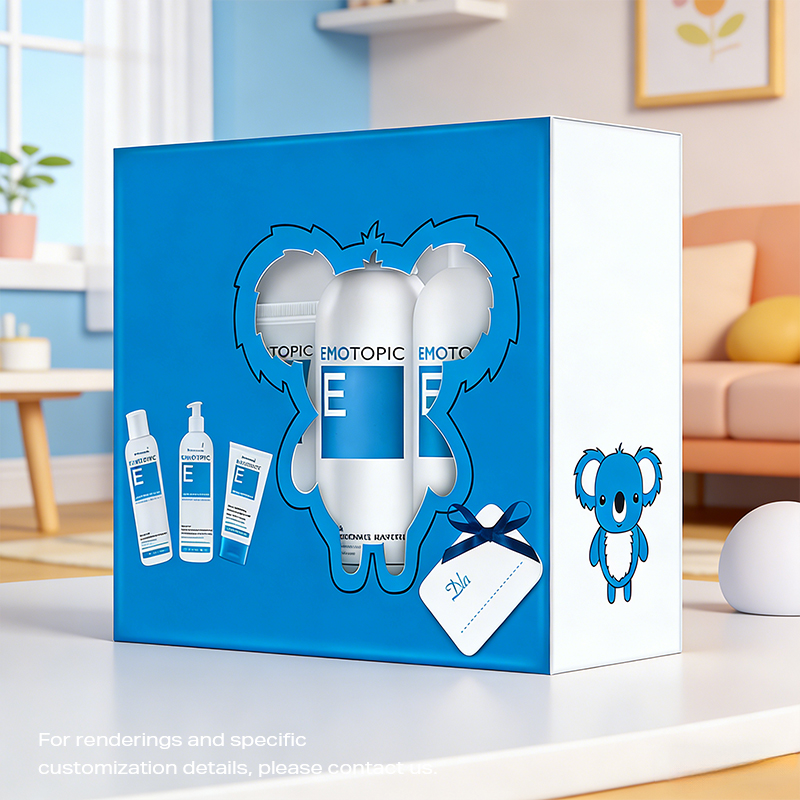
Retail brands can use the Z228 to package products that need a premium shelf presence. A refined box may be suitable for gift sets, personal care products, lifestyle accessories, specialty foods, small household items, and other merchandise that benefits from an elevated presentation. The exact use should be matched to the box dimensions and internal protection requirements.
Corporate buyers can use customized folding gift boxes for employee gifts, client appreciation programs, event materials, and promotional campaigns. The logo and color treatment can align the packaging with a company’s corporate identity. Because the minimum order quantity is 1,000 pieces, the product is suited to planned campaigns and organized procurement programs rather than very small individual orders.
Gift suppliers and wholesalers can choose a standard size from the available range or work with the design team on a private-label version. A customized box can help a distributor offer a more complete service to downstream customers. It can also help differentiate one supplier’s packaging range from low-cost, unbranded alternatives.
Seasonal brands can adapt the artwork while maintaining a familiar folding structure. For example, the same basic construction may be used for holiday, anniversary, launch, or limited-edition campaigns with different colors, foil placements, and printed graphics. This approach can simplify product planning while keeping each campaign visually distinct.
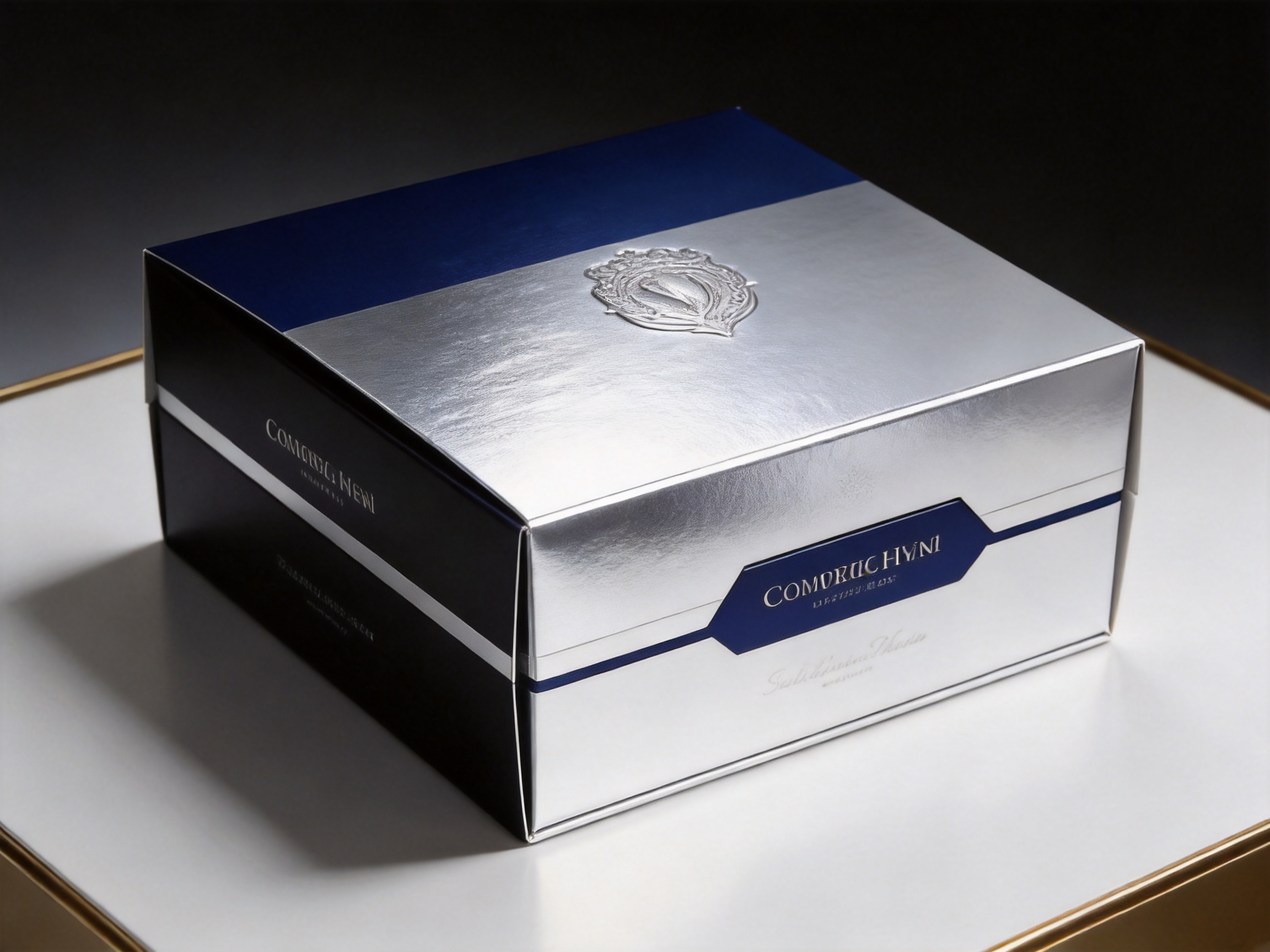
Silver foil is one of the most recognizable premium packaging finishes. Its metallic surface reflects light and produces a crisp highlight that ordinary ink cannot always replicate. When applied to a logo, border, pattern, or selected text, silver foil can make those elements immediately visible without requiring an overly complicated graphic design.
The reflective quality of silver foil works across many visual styles. It can support a minimalist design with a small metallic logo, or it can become part of a more decorative pattern. It may be paired with dark colors for strong contrast, light colors for a clean appearance, or soft colors for a modern and understated effect. The final visual result depends on the artwork, substrate, foil placement, and surrounding colors.
Silver foil also contributes to perceived product value. Customers often associate metallic details with premium goods, limited editions, celebration, and careful craftsmanship. For gift packaging, this association can be commercially useful because the presentation should communicate that the contents are special and intentionally selected.
Compared with using metallic-looking ink alone, foil can provide a more pronounced reflective effect. It gives the design a different appearance when viewed from different angles, which can make the package feel more dynamic. The finish may also be combined with embossing so that a logo is both raised and metallic, creating a strong visual and tactile focal point.
However, foil is most effective when used with design discipline. Excessive metallic coverage may reduce readability or make a package appear visually crowded. The Z228’s professional design support can help customers decide where foil should be placed and how it should interact with the logo, background, folds, and other finishing elements.
UV coating is used to create a glossy, smooth surface that enhances the appearance of printed packaging. It can make colors appear more vivid and can increase contrast between treated and untreated areas. Depending on the approved design, UV coating may be applied across the package or used selectively to highlight specific graphics.
In addition to its visual role, UV coating helps the exterior withstand routine handling. Gift boxes may be moved through production, warehousing, transportation, retail display, and final presentation. A more durable surface can help preserve the appearance of the printed design during these stages. The coating does not eliminate the need for suitable handling and storage, but it supports the package’s practical performance.
The glossy finish is particularly effective when paired with silver foil. The foil provides reflective metallic detail, while the UV surface contributes a smooth, polished background. Embossed areas can then add depth, giving the box a multi-dimensional appearance instead of a flat printed look.
Selective UV treatment can be useful for visual storytelling. A brand logo may receive a glossy highlight while the rest of the box remains less reflective. A pattern may be visible only when light moves across the surface. These details can encourage closer inspection and make the unboxing process more engaging.
For customers comparing suppliers, it is important to evaluate the complete finish rather than a single feature. A box with attractive printing but inconsistent coating may not provide the desired result. Production control, artwork preparation, material selection, curing, inspection, and packaging protection all influence the final appearance. An experienced manufacturer is better positioned to coordinate these steps.
Embossing adds raised or dimensional features to the surface of the box. It changes the way the package feels in the hand and can make a logo or decorative element more memorable. Tactile details are valuable because packaging is not only viewed; it is picked up, opened, closed, carried, and handled by the customer.
A raised logo can communicate precision and craftsmanship. When combined with silver foil, it can become the primary focal point of the package. Embossing can also be used for patterns, borders, symbols, or other elements that support a brand’s visual language. The correct depth and scale depend on the artwork and material structure.
Compared with conventional flat printing, embossing provides a stronger physical presence. It may help a package stand out in a display where many products use similar colors. It can also give a simple design more character without adding a large number of printed elements.
The embossed surface should be planned together with the folds and closure points. A professional structural and graphic design review helps ensure that raised elements appear in the intended location and do not interfere with assembly or product protection. The manufacturer’s own design team can provide advice during this preparation stage.
Embossing is also appropriate for brands seeking a premium but restrained appearance. A small raised symbol on a clean background may be more sophisticated than a heavily decorated box. The Z228 allows customers to choose a treatment level that reflects their market position, product type, and target audience.
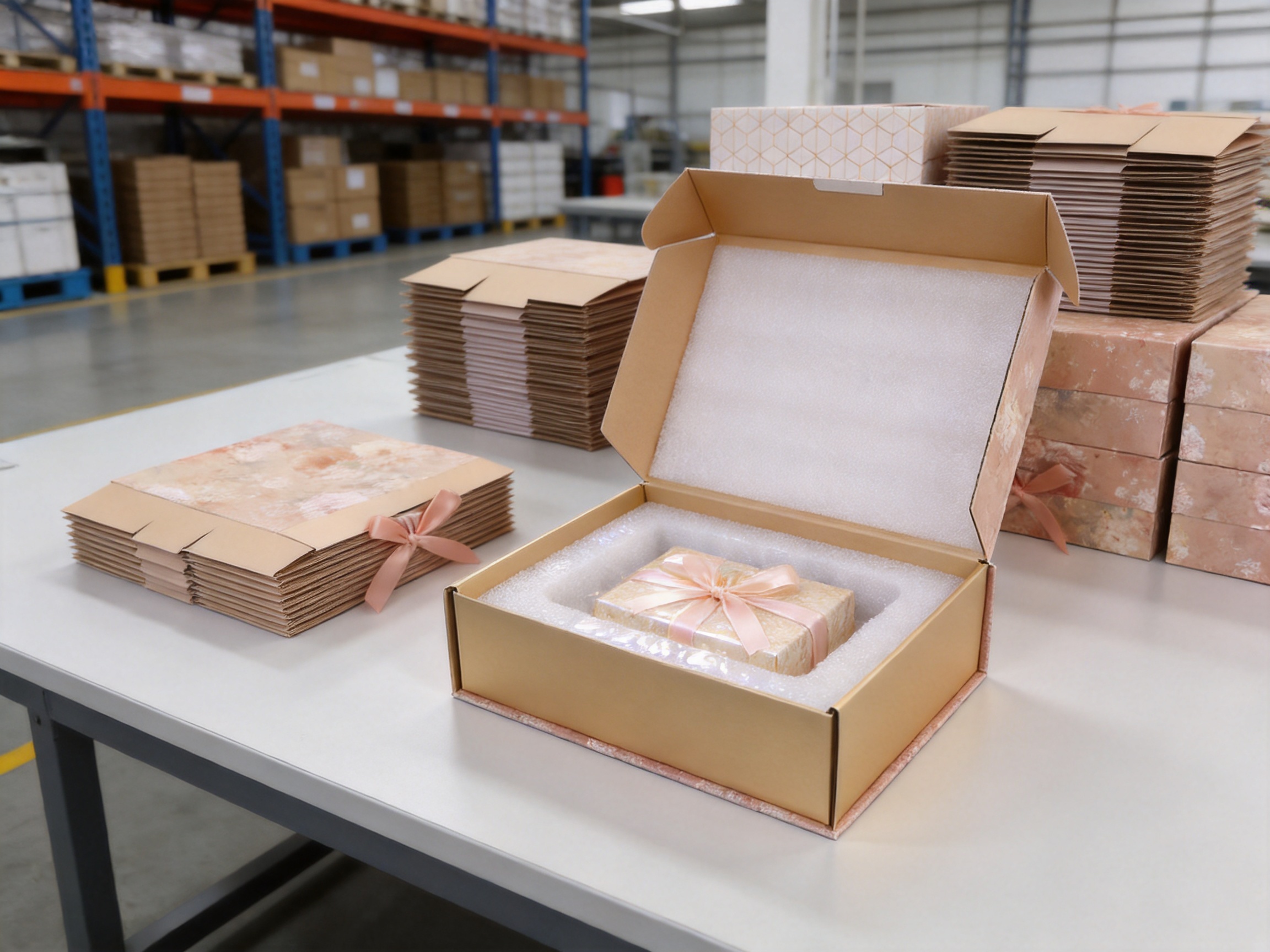
Exterior beauty is important, but the package must also protect its contents. The Z228 includes a glossy laminated foam lining designed to provide cushioning and help hold the product in place. This is particularly useful when the box contains items that may be affected by movement, contact, or minor impacts during ordinary handling.
A fitted or appropriately arranged interior can improve the customer’s first impression when the box is opened. Instead of discovering a product moving loosely inside the package, the recipient sees an organized presentation in which the product appears intentionally positioned. This can support a stronger sense of quality and attention to detail.
The laminated surface contributes to a clean appearance and can make the lining easier to wipe and maintain. Its reusability may be beneficial in suitable applications where the recipient keeps the box for storage or later use. This gives the packaging a function beyond the initial delivery and may extend its useful life.
Customers should provide accurate product information when requesting an interior design. Important factors include product dimensions, shape, weight, fragile components, surface sensitivity, and the way the product will be removed from the box. The foam lining should be designed around the actual contents rather than treated as a universal insert.
The interior can also be considered part of the brand experience. A coordinated lining color, clean finish, and logical product placement can make the opening process feel more deliberate. The contrast between a polished exterior and a protective interior gives the Z228 both marketing value and practical value.
The folding structure is one of the Z228’s most practical advantages. A rigid box is usually stored and transported in an assembled form, which can require considerable warehouse volume. A folding gift box can be supplied in a more compact condition, allowing buyers to store larger quantities without using the same amount of space.
Space efficiency can influence total packaging cost even when the unit price of the box is similar to another format. Warehousing, internal movement, pallet planning, and freight utilization all depend partly on packaging volume. A foldable structure may help businesses organize stock more efficiently and reduce the risk of unused air taking up warehouse capacity.
Folding boxes are also convenient for businesses that assemble packaging according to demand. Retailers and fulfillment teams can keep the boxes stored in a compact form and prepare them close to the time of use. This can be useful for seasonal sales, promotional orders, or products with changing demand.
The folding design supports portability as well. A company attending an event, distributing gifts across several offices, or preparing a campaign in different locations may find compact packaging easier to transport before assembly. Once assembled, the box provides a more polished presentation than a simple paper bag or unstructured carton.
Folding efficiency must be balanced with structural strength. The score lines, panels, corners, closure areas, and material thickness all need to work together. Poorly designed folds can create weak points or an untidy appearance. Professional structural advice and controlled manufacturing are therefore essential to achieving both compact storage and reliable final assembly.
| Comparison factor | Z228 folding gift box | Basic printed carton | Fully rigid gift box |
| Brand presentation | Logo customization with foil, UV coating, and embossing | Usually relies mainly on flat printing | Can offer premium presentation but may require more material and space |
| Storage efficiency | Folding structure helps save space before use | Generally compact, depending on construction | Often occupies more volume when stored |
| Interior protection | Glossy laminated foam lining available | May require a separate insert | Often uses a fitted interior, depending on specification |
| Customization | Color, artwork, logo, and structural support | Usually focused on printed graphics | Can be customized but may involve more complex handling |
| Unboxing experience | Reflective, tactile, and organized | Functional and straightforward | Premium, but potentially less convenient for logistics |
This comparison is not intended to suggest that one box format is suitable for every product. The best choice depends on the item, budget, distribution method, desired presentation, and sustainability goals. The Z228 is particularly suitable when a buyer wants premium visual effects without giving up the logistical convenience of a folding package.
Packaging decisions increasingly include environmental considerations. The Z228 uses recyclable materials and is designed in line with sustainable development principles. Material selection remains important because businesses and consumers are paying closer attention to how packaging is sourced, used, stored, and disposed of.
A paper-based folding structure can support recycling pathways when it is manufactured, labeled, and disposed of appropriately. Customers should consider the complete composition of the package, including coatings, foils, foam, adhesives, and inserts, because recyclability can depend on local recycling infrastructure and the separation of different materials.
The foldable format may also contribute to resource efficiency through compact storage and transportation before assembly. If more units can be organized within a smaller volume, businesses may be able to improve warehouse utilization and freight planning. The actual environmental benefit depends on order quantities, shipping routes, assembly methods, and end-of-life practices.
The company’s FSC and BSCI certifications provide additional evidence of its commitment to responsible sourcing and social compliance. Certification requirements and valid scope should be confirmed for the specific materials and order, but these credentials demonstrate that the manufacturer operates with awareness of environmental and workplace expectations.
Sustainability does not require a package to sacrifice appearance. The Z228 shows how recyclable paper-based packaging can include premium finishing techniques and protective lining while still supporting a more responsible packaging strategy. Buyers can work with the design team to balance finish requirements, material choices, durability, and end-of-life considerations.
The quality of a customized gift box depends on more than the visible design. It also depends on the manufacturer’s ability to manage material preparation, printing, finishing, structural conversion, insert production, assembly, inspection, and export packing. Zhejiang Shihao Gift Packaging Co., Ltd. has developed its capabilities around these connected stages.
With more than 15 years in the paper gift packaging field, the company has experience in product development, research, manufacturing, and sales. Its product range includes kits, storage boxes, folding boxes, jewelry boxes, and other gift packaging formats. This broader category knowledge can help customers select a structure that fits both their product and their market.
The company operates a facility covering approximately 20,000 square meters and employs around 300 people. This scale supports the division of responsibilities among design, production, quality control, sales, and logistics teams. It also provides a foundation for managing larger orders and coordinating multiple packaging projects.
An average daily production capacity of approximately 5,000 gift box sets supports planned commercial programs and international supply. Capacity alone does not guarantee quality, but it can help a manufacturer provide more consistent scheduling and respond to repeat orders. For buyers, the ability to maintain continuity is important when packaging is connected to product launches, retail calendars, or seasonal commitments.
The manufacturer updates dozens of products weekly through its design and research capabilities. This ongoing development can contribute new ideas for structures, decorative treatments, and market-specific packaging solutions. Customers that have a concept but lack an internal packaging department can benefit from this product development experience.
Design support begins with understanding the customer’s product, target market, dimensions, brand identity, and budget. The company offers professional advice and welcomes custom designs. Customers can submit artwork in Artificial Intelligence or CorelDRAW formats, allowing the design team to prepare files for production review.
A strong pre-production process should confirm dimensions, folding lines, logo placement, color references, foil areas, UV regions, embossing positions, foam structure, and assembly requirements. Reviewing these details before mass production reduces the risk of errors and improves the likelihood that the final package matches the approved concept.
Design assistance is especially valuable when artwork crosses panels or approaches folds. A logo that appears centered in a flat file may shift visually after assembly. Similarly, foil and embossing require appropriate spacing and line detail. Professional review can identify these issues before tooling or production begins.
The Z228 requires several finishing stages to work together. Printing establishes the base visual design. Silver foil adds reflective detail. UV coating creates gloss and surface enhancement. Embossing creates raised features. Structural conversion produces the folding form, and the interior lining completes the protective function. Each stage must be coordinated with the next.
Process coordination can affect registration, alignment, surface appearance, fold accuracy, and overall consistency. An experienced factory is familiar with the practical relationships among these operations. Its production team can review whether a design is suitable for the selected material and whether the requested finish is compatible with the box structure.
Quality control should cover both appearance and function. Visual checks may examine color, foil coverage, UV consistency, embossing definition, surface marks, and logo alignment. Functional checks may examine folding, assembly, closure, interior fit, and resistance to ordinary handling. Inspection standards should be agreed with the buyer before mass production.
For a minimum order of 1,000 pieces, consistency becomes a central purchasing concern. A buyer needs the boxes in the same order to share the same dimensions, color appearance, surface treatments, and structural performance. Small variations can be especially noticeable when the boxes are displayed together or distributed as part of a coordinated campaign.
Consistency begins with an approved reference. The reference may include a physical sample, digital artwork, color specifications, structural drawings, and finishing instructions. Once the customer approves the sample or pre-production standard, the factory can use it as a benchmark for mass production.
Material preparation also matters. Paperboard, foam, coatings, foil, adhesives, and other components should be checked before use. Differences in material surface or thickness can affect printing, foil adhesion, embossing definition, and folding performance. A coordinated supply process helps reduce unexpected changes during production.
Inspection may take place at several stages. Early checks can identify issues with printing or finishing before further processing. Structural checks can confirm that the panels and folds are correct. Final checks can verify the assembled box, interior lining, overall appearance, and packing condition. This staged approach is more effective than waiting until the entire order is complete.
International buyers should also discuss packaging for export. Finished boxes need protection against dust, moisture, compression, and rough handling during transportation. Appropriate carton packing, quantity control, pallet planning, and labeling can help the products arrive in usable condition. Shipping requirements should be confirmed for each order based on destination and transport method.

A clear workflow can make the development of a customized gift box more efficient. The first stage is product evaluation. The buyer provides the product’s dimensions, weight, fragility, intended use, and desired presentation. This information helps determine the suitable box size, interior lining, and structural requirements.
The second stage is brand and artwork planning. The buyer supplies the logo, preferred colors, graphics, text, and any regulatory or market-specific information. The design team reviews whether the artwork is appropriate for printing, silver foil, UV coating, and embossing. At this point, the buyer can also select from the listed dimensions or request a custom size.
The third stage is structural development. The manufacturer prepares the folding layout and determines how the panels, folds, closure points, and interior lining will work together. The box should be tested with the actual product whenever possible. This helps confirm that the item fits correctly and that the customer can open and close the package comfortably.
The fourth stage is sample approval. A sample or proof allows the buyer to review the physical effect of the design. It is important to inspect color, foil reflectivity, UV gloss, embossing depth, fold accuracy, lining fit, and overall dimensions. Any changes should be documented before mass production.
The fifth stage is mass production and inspection. Once the specifications are approved, the factory coordinates material preparation, printing, finishing, conversion, lining, quality control, and packing. Buyers may establish inspection criteria covering appearance, functionality, quantity, and packaging condition.
The final stage is delivery and repeat-order management. If the box will be reordered, retaining approved specifications and references can simplify future production. A stable relationship with the manufacturer may also make it easier to develop related packaging for additional products or new campaigns.
The Z228 offers several advantages over a basic unbranded carton. Its customizable logo gives the package a direct branding function. Silver foil, UV coating, and embossing add visual and tactile effects that are not normally available on a standard low-cost box. The laminated foam lining also provides a more organized interior than a simple empty carton.
Compared with a plain folding box, the Z228 provides a more premium finish while retaining the space-saving benefit of folding construction. This combination can be valuable to companies that want a stronger customer experience without moving entirely to a bulky rigid box.
Compared with a fully rigid gift box, the Z228 may offer advantages in storage and pre-assembly logistics. It can be easier to keep in a warehouse, move between facilities, or prepare for a campaign. The choice depends on the product and the desired level of rigidity, but the folding format gives buyers an efficient alternative for many gift packaging applications.
The company’s integrated design and manufacturing capabilities also provide an advantage over fragmented sourcing. When a buyer works with separate suppliers for artwork, structural design, printing, finishing, foam lining, and assembly, communication gaps may create delays or inconsistencies. A manufacturer that coordinates these services internally can simplify project management.
Another advantage is scalability. The Z228 is suitable for an MOQ of 1,000 pieces and can be supported by a factory with substantial production capacity. This makes it appropriate for commercial packaging programs rather than only one-off prototypes. The company’s export experience also supports buyers serving European, American, Middle Eastern, and other international markets.
The Z228 can be adapted to a wide variety of gift packaging programs. Its final suitability depends on the product dimensions and required protection, but several applications are especially compatible with its design.
Corporate gift sets can use the box to combine a branded exterior with an orderly interior. The logo can be placed prominently or used in a more understated way, depending on the company’s identity. Silver foil can reinforce a formal presentation for business occasions, while embossing can provide a refined tactile detail.
Retail gift collections can use the box to create a consistent appearance across multiple product lines. Different colors or foil placements may distinguish product categories while preserving the same basic structure. This approach can help a retailer build a recognizable packaging family.
Promotional products can benefit from the box’s combination of branding and protection. A promotional item presented in a customized box may feel more valuable than the same item delivered in a plain package. This can improve the perceived quality of a campaign and increase the likelihood that the recipient keeps the package for later use.
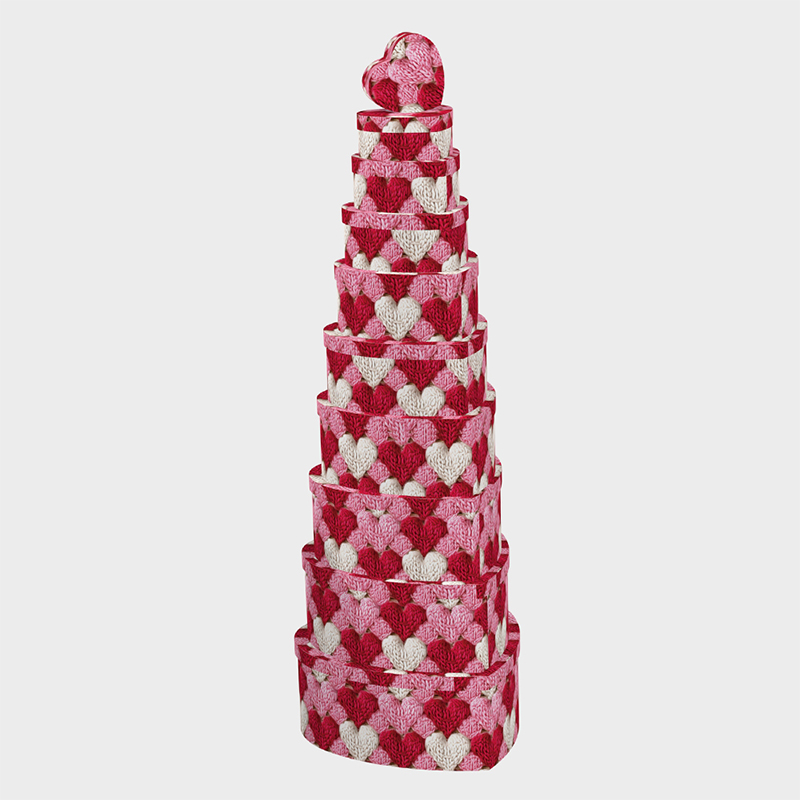
Seasonal and holiday packaging can use reflective foil and embossed artwork to support celebratory themes. The box may be adapted with different color palettes, illustrations, or messages while retaining the folding structure. This can help companies refresh their presentation without redesigning every aspect of the package.
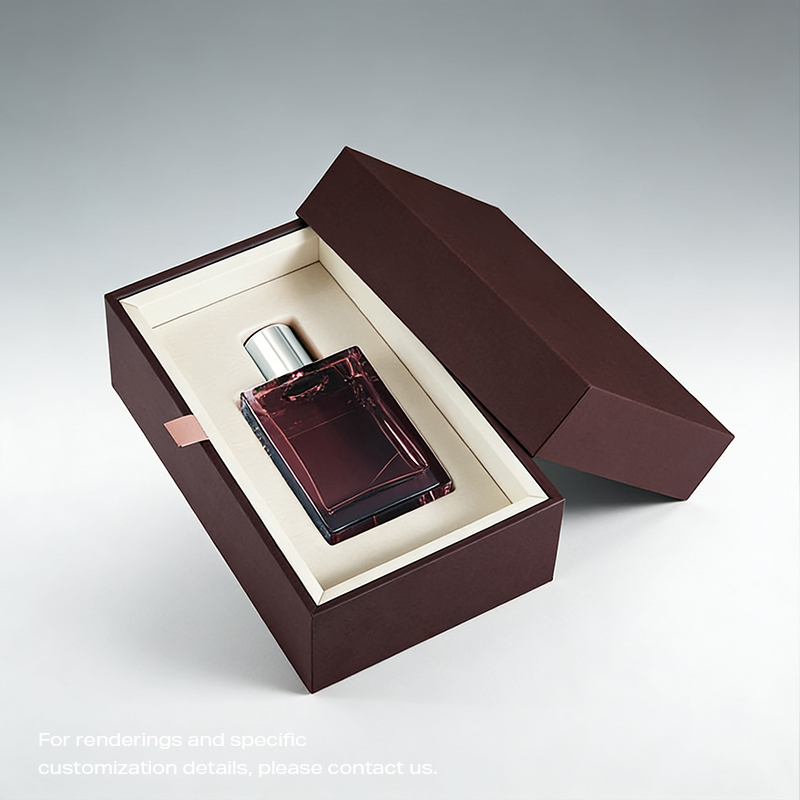
Luxury-oriented small products may also benefit from the Z228 if the selected size and lining are appropriate. The premium surface finishes can support a high-end appearance, while the foam interior helps create a carefully arranged opening experience. Product testing is recommended before confirming the final specification.
Buyers should begin by selecting the closest available dimension from the four listed options: 28.2 × 20.2 × 9.2 centimeters, 33 × 25 × 12 centimeters, 33.5 × 26 × 15.5 centimeters, or 39 × 28 × 17.8 centimeters. The product should be measured with any accessories, protective wrapping, or internal components that will remain inside the box.
The required quantity should also be planned carefully. The minimum order quantity is 1,000 pieces. Buyers should consider expected sales, campaign timing, storage space, and possible future demand before confirming the order. For seasonal packaging, it may be useful to include a schedule for artwork approval, sampling, production, inspection, and shipment.
Color selection can be based on the manufacturer’s color library or a bespoke design. If exact brand color matching is important, the buyer should provide clear color references and approve a physical sample where appropriate. Screen images alone may not represent the final printed result accurately.
Artwork should be supplied in an accepted format and at sufficient resolution. Vector artwork is generally helpful for logos, lines, and text because it supports clean reproduction. The design team can review the file and advise on elements that may need adjustment for foil, UV, or embossing.
Buyers should also explain how the boxes will be used. A box for retail display may require different visual priorities from one used for direct shipping or corporate events. The manufacturer can then recommend suitable surface treatment, interior protection, assembly approach, and export packing.
A gift box can have value after the initial presentation. The Z228’s folding design and reusable laminated foam lining may encourage recipients to keep the box for organizing personal items, storing accessories, or preparing future gifts. Continued use can extend the practical life of the packaging and reduce the likelihood of immediate disposal.
Businesses can also communicate responsible packaging choices to their customers. Information about recyclable materials, responsible sourcing, or reuse may be incorporated into marketing communication when it accurately reflects the final product and local requirements. Claims should be reviewed carefully to ensure that they correspond to the actual materials and certifications used for the order.
The FSC and BSCI certifications associated with the manufacturer demonstrate attention to responsible forestry-related sourcing and social compliance. Buyers should confirm the relevant certificate details, scope, and validity for their specific project. Responsible production is most effective when it is supported by transparent documentation and consistent factory practices.
Finishing treatments should be selected with both appearance and end-of-life considerations in mind. Silver foil and UV coating can create a premium visual result, but buyers should understand how the complete material combination is handled in their target recycling system. A packaging supplier can help identify practical options that balance visual impact and sustainability objectives.
Efficient packaging also includes avoiding unnecessary size and material. Selecting a box that fits the product appropriately can reduce empty space and improve shipping efficiency. The design team can help optimize the structure so that the box remains attractive and protective without becoming unnecessarily large.
The Z228 is a customizable folding gift box featuring a branded logo area, silver foil, UV coating, embossing, and a glossy laminated foam lining. It is designed for premium gift presentation, product protection, corporate gifting, retail packaging, and promotional programs.
Yes. Customers can provide their own logo and artwork. The design team can offer professional advice on placement, scale, color, foil application, UV treatment, and embossing so that the artwork works correctly with the folding structure.
The standard product concept includes silver foil, UV coating, and embossing. These finishes may be coordinated to emphasize the logo or other selected elements. The exact treatment should be confirmed during artwork review and sampling.
The listed sizes are 28.2 × 20.2 × 9.2 centimeters, 33 × 25 × 12 centimeters, 33.5 × 26 × 15.5 centimeters, and 39 × 28 × 17.8 centimeters. Buyers should compare these dimensions with the actual product and interior protection requirements.
The manufacturer welcomes custom designs and provides professional design advice. Buyers should discuss custom structural requirements with the design team, including product dimensions, lining needs, folding method, and target quantity.
The minimum order quantity is 1,000 pieces. Larger quantities can be discussed according to the customer’s product program, delivery schedule, and packaging requirements.
The glossy laminated foam lining helps cushion the contents, reduce movement, and create a more organized interior presentation. It is also designed to be easy to clean and reusable in suitable applications.
Yes. Folding construction can reduce the space required before assembly compared with fully assembled rigid boxes. This may help businesses organize inventory, transport packaging, and prepare boxes according to demand.
The product uses recyclable materials and is developed with sustainable packaging principles in mind. Because the box may include several components and finishing treatments, buyers should confirm local recycling requirements and the exact material specification for their order.
Yes. The manufacturer serves international markets, including Europe, the United States, the Middle East, and other regions. Export packing and shipping details should be confirmed according to the destination, transport method, order quantity, and buyer requirements.
The provided information lists Artificial Intelligence and CorelDRAW design files. Buyers should submit clear, editable artwork whenever possible so that the design team can review foil, UV, embossing, printing, and structural placement.
The company coordinates design, material preparation, printing, finishing, structural production, interior lining, inspection, and export packing. Buyers should establish approval samples and inspection criteria before mass production to ensure that appearance and functionality meet expectations.
The box is suitable for gift brands, corporate procurement teams, retailers, wholesalers, promotional agencies, event organizers, and manufacturers seeking customized premium packaging. It is especially suitable when branding, presentation, interior protection, and storage efficiency are all important.
The Z228 Customizable Logo Silver Foil UV Coating Embossed Folding Gift Box brings together premium appearance and practical packaging performance. Its customizable logo helps businesses turn a box into a branded communication tool. Silver foil creates reflective visual impact, UV coating adds gloss and surface enhancement, and embossing provides a tactile dimension that can strengthen the unboxing experience.
The laminated foam lining supports product protection and presentation, while the folding structure helps conserve storage space before use. The use of recyclable materials and the manufacturer’s FSC and BSCI certifications support responsible packaging considerations. Buyers can further improve the sustainability profile by selecting an appropriate size, minimizing unnecessary material, and planning reuse or recycling after delivery.
The product is supported by a manufacturer with more than 15 years of industry experience, a 20,000-square-meter facility, approximately 300 employees, an average daily capacity of about 5,000 gift box sets, and an in-house design team. These capabilities are valuable for customers requiring more than a standard carton. They support customized artwork, structural development, coordinated finishing, repeat orders, and international supply.
Compared with basic printed packaging, the Z228 offers stronger branding and a more refined customer experience. Compared with fully rigid packaging, it offers the logistical advantages of folding construction. This balance makes it a versatile option for commercial gift packaging programs that require visual distinction, internal protection, efficient storage, and scalable production.
For organizations preparing a new packaging project, the most effective approach is to begin with accurate product measurements, a clear brand brief, suitable artwork, and a realistic order schedule. By working closely with the design and production teams, buyers can develop a package that reflects their identity, protects their products, and creates a memorable presentation from the first glance to the final unboxing.
1. Product specification sheet for the Z228 Customizable Logo Silver Foil UV Coating Embossed Folding Gift Box.
2. Manufacturer-provided information on product dimensions, customization, materials, certifications, and production capabilities.
3. General principles of paper-based packaging design, structural folding, and protective inserts.
4. General guidance on foil stamping, UV coating, embossing, and premium package finishing.
5. General packaging sustainability principles concerning recyclable materials, reuse, responsible sourcing, and efficient logistics.
6. General quality management practices for customized printed packaging and international order fulfillment.
Recommended Products

Contact Us

No. 15, Xiayang Road, Huangzhai Town, Jinhua, Zhejiang, China

(+86) 579-84230069

(+86) 13085675766


Products

Gift Box Packaging Manufacturer
 English
 Français
 Español
 عربى