2026-11-02
Jewelry packaging is more than a protective container. It is the first physical impression a customer receives, the final detail of a gift presentation, and an important part of the emotional experience surrounding a valuable product. A thoughtfully designed box can make a simple piece of jewelry feel more exclusive, create anticipation before opening, and strengthen the perceived value of the item inside. For retailers, jewelry brands, wholesalers, and gift buyers, the right box must combine visual appeal, practical construction, reliable protection, and production flexibility.
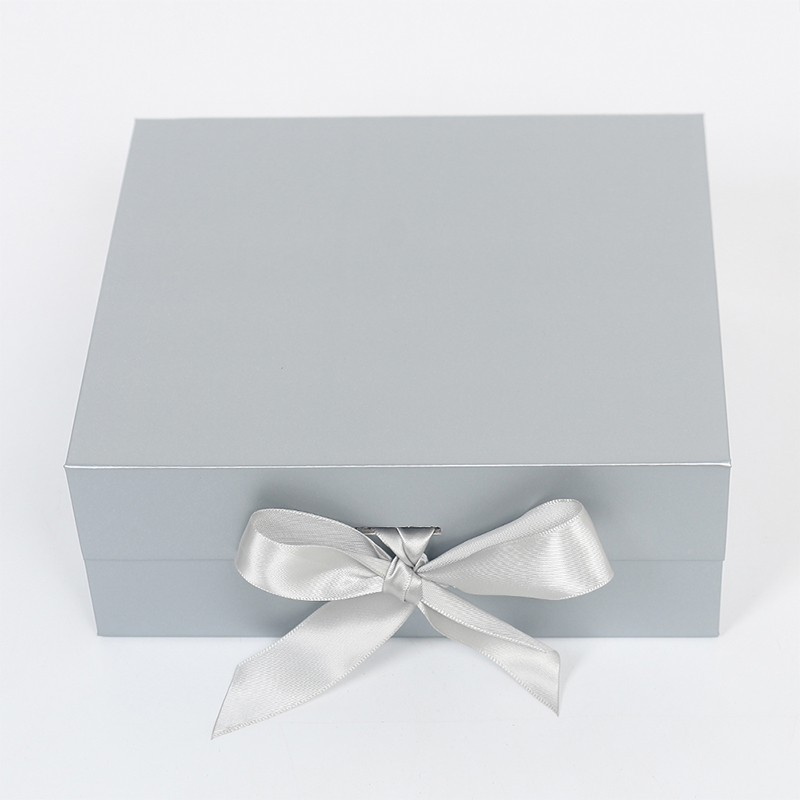
The HY-1 square top-and-bottom cover glitter paper jewelry gift box is designed around these requirements. It combines a classic two-piece structure with a shimmering paper exterior and a decorative ribbon bow. The result is a jewelry presentation box that looks refined while remaining straightforward to open, close, store, customize, and distribute. Its square format offers a balanced appearance and makes efficient use of interior space for different jewelry products.
This article examines the product’s construction, appearance, functional benefits, customization possibilities, manufacturing considerations, and suitability for different markets. It also explains how Zhejiang Shihao Gift Packaging Co., Ltd. supports the product through design development, organized production, quality management, and export-oriented manufacturing capabilities.
Jewelry is closely associated with celebration, personal identity, affection, and achievement. Customers may purchase rings, earrings, bracelets, pendants, or other accessories for birthdays, weddings, anniversaries, holidays, graduations, or personal milestones. Packaging should therefore reflect the emotional importance of the purchase rather than treat the item as an ordinary retail product.
A well-made jewelry gift box performs several functions at the same time. It protects the jewelry from scratches, dust, and unnecessary movement during storage and presentation. It organizes the product in a defined space. It gives the seller an opportunity to communicate quality before the jewelry is removed from the box. It also makes the opening process feel deliberate and ceremonial.
Packaging design is particularly important in competitive jewelry markets. Many products may appear similar when placed beside one another, especially when they are sold through online stores or wholesale catalogs. A distinctive box can help a brand create a stronger visual identity. A glitter paper finish and ribbon bow provide immediate decorative recognition, allowing the packaging to stand out from plain paperboard boxes, basic kraft packaging, or generic plastic containers.
For consumers, the box can influence the perceived value of the gift. An attractive presentation suggests preparation and care. For retailers, an elegant box may reduce the need for additional wrapping. For jewelry brands, a customizable box can reinforce color standards, seasonal campaigns, and product positioning. For wholesalers, a versatile structure can serve multiple product lines without requiring an entirely different packaging format for every item.
The HY-1 is a square jewelry gift box made with a separate top and bottom structure. The lid fits over the base, creating a clean and traditional presentation. This design is familiar to consumers, easy to understand, and suitable for repeated opening and closing when the jewelry is stored after gifting.
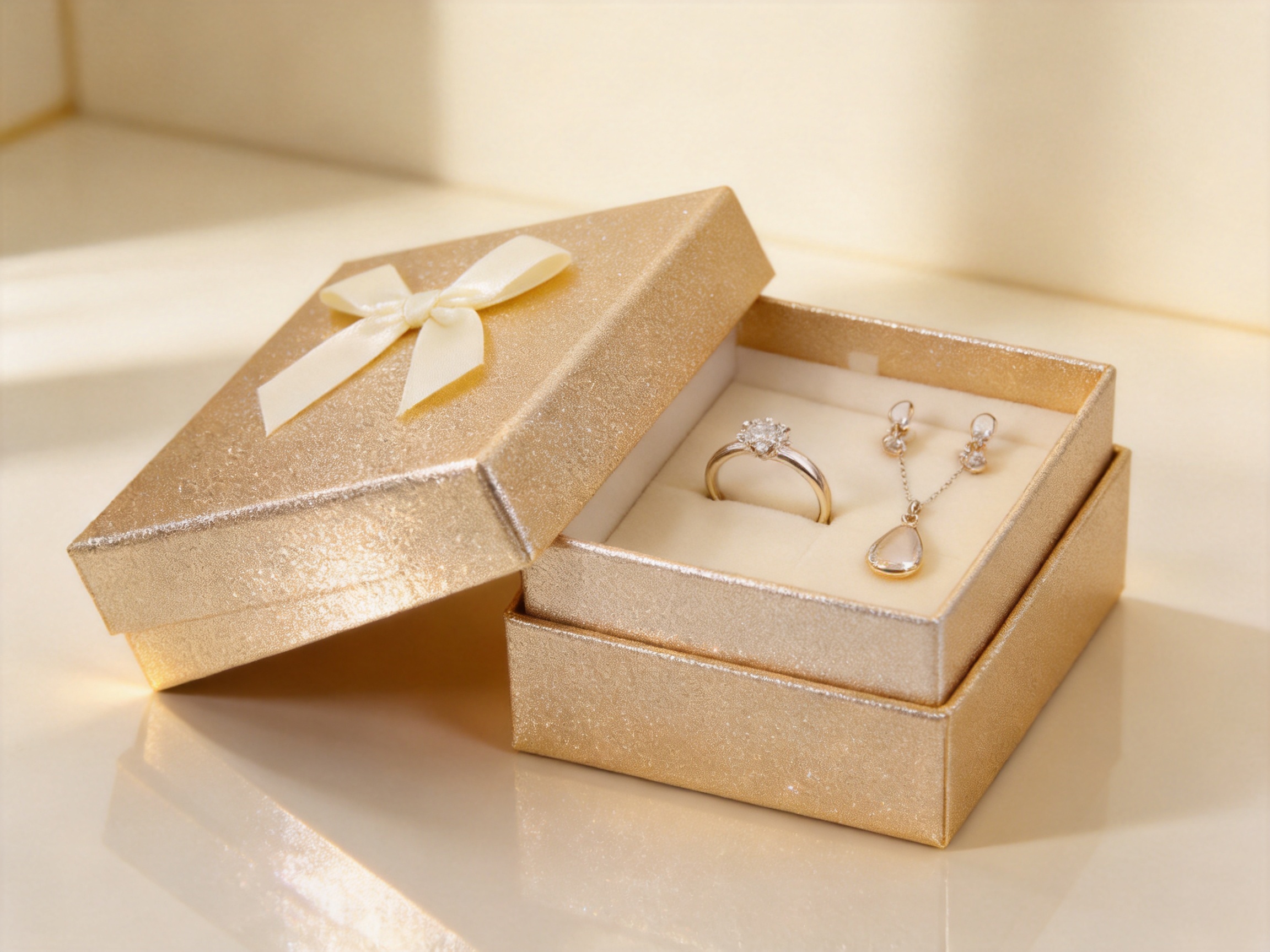
The exterior uses glitter paper. Unlike a completely plain paper surface, glitter paper contains a subtle reflective effect that creates visual movement as the box is viewed from different angles or under different lighting conditions. The shimmer may appear delicate in soft light and more noticeable in display lighting, making the box suitable for counters, showcase presentations, gift tables, and product photography.
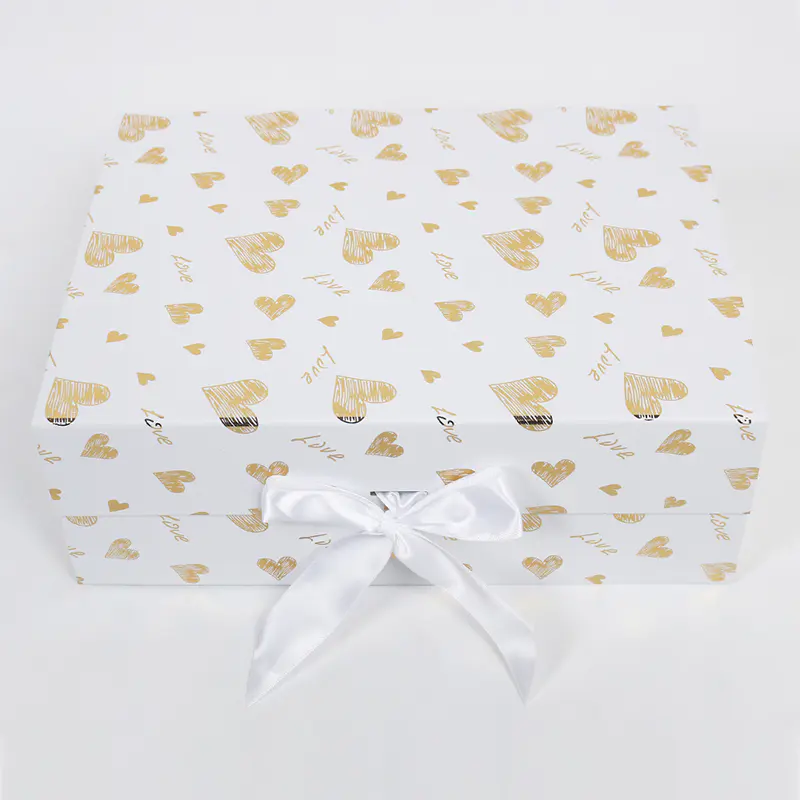
A ribbon bow is placed at the center of the lid. This feature adds a clear gift-oriented character and gives the box a finished appearance without requiring additional wrapping. The bow also creates a focal point on the lid, helping the product appear more decorative when it is displayed on its own.
The box has a square silhouette, which provides visual symmetry and a stable presentation. The form can accommodate different types of jewelry depending on the selected interior arrangement and size specification. It may be used for products such as earrings, rings, pendants, bracelets, small accessories, and coordinated jewelry sets, subject to the dimensions and internal insert selected for a specific order.
| Product Feature | Benefit for Buyers | Practical Application |
|---|---|---|
| Square two-piece structure | Balanced appearance and convenient opening | Jewelry presentation, gifting, retail display, and storage |
| Glitter paper exterior | Reflective, upscale visual effect | Special occasions, premium collections, and seasonal packaging |
| Ribbon bow decoration | Creates an immediate gift-ready appearance | Birthdays, weddings, holidays, anniversaries, and promotional gifts |
| Separate lid and base | Simple construction that is easy to use | Repeated opening, product inspection, and long-term keepsake use |
| Customizable materials and colors | Better alignment with brand identity | Private-label jewelry collections and themed campaigns |
| Paper-based construction | Supports attractive printing and finishing options | Brand communication, seasonal graphics, and coordinated packaging |
The separate lid and base create a straightforward opening experience. The recipient can lift the top away from the bottom without dealing with complicated folds, hidden tabs, or difficult closures. This simplicity is useful for both retail customers and gift recipients because the package communicates how it should be opened immediately.
A simple structure is also practical for staff. Retail employees can place jewelry inside the box, close it, and inspect the presentation quickly. Wholesale customers can pack, count, and arrange boxes with less handling complexity. When packaging is used in large quantities, ease of use can contribute to faster fulfillment and fewer handling errors.
A square top-and-bottom cover structure gives the package a formal and symmetrical appearance. The lid creates a clear upper surface for the glitter paper finish, ribbon bow, logo, or other decorative treatment. The base gives the box visual weight and supports stable placement on shelves, counters, gift tables, and display trays.
Compared with irregular packaging forms, the square shape can create a more organized product layout. Several boxes may be arranged in rows or grouped in a display without leaving excessive unused space. This can be valuable for jewelry stores, department store counters, trade shows, and warehouse storage.
Jewelry boxes often remain in use after the original gift is opened. Recipients may keep the box for storing the jewelry, protecting it from dust, or preserving it as part of the gift memory. The two-piece structure supports this continued use because it can be opened and closed repeatedly without requiring the original wrapping materials.
Reusable packaging can increase perceived value. A box that remains attractive after the purchase gives the customer a useful secondary function instead of becoming disposable immediately. The glitter surface and ribbon bow also make the box suitable for keepsake storage, especially when the recipient wants to preserve a meaningful gift.
Glitter paper is the defining exterior material of the HY-1 design. Its delicate shimmer helps the box attract attention without relying solely on complex structural effects. The reflective particles or textured finish interact with light, creating a changing appearance as the box is moved or viewed from different directions.
This visual quality can support several positioning strategies. A jewelry brand may use glitter paper to communicate elegance and celebration. A gift retailer may select it for holiday collections or special-event packaging. A wedding supplier may coordinate the paper color with the event palette. A fashion accessories brand may use it to create a more glamorous presentation for limited-edition products.
Glitter paper can also improve the appearance of product photography. Highlights on the lid may create depth and texture in photographs, helping the box look more dimensional than a completely flat surface. However, photography should be planned carefully because strong direct lighting can make reflective surfaces appear brighter than they do in ordinary indoor conditions.
The finish does not need to be excessive to be effective. A refined shimmer can communicate quality while preserving a clean overall design. This is an important advantage over packaging that uses too many decorative elements. The HY-1 combines the glitter surface with a central ribbon bow, creating a recognizable focal point while maintaining a relatively organized visual composition.
The visual effect of glitter paper depends on its color, texture, and the surrounding decoration. Light colors may create a soft and delicate appearance, while darker shades can feel more dramatic and luxurious. Metallic or jewel-inspired colors may support premium collections, whereas pastel colors may be suitable for bridal, birthday, or youthful product lines.
The ribbon can be selected to coordinate with the glitter paper or create a deliberate contrast. A matching bow produces a unified appearance. A contrasting bow draws more attention to the center of the lid. For customized orders, buyers can discuss paper colors, ribbon colors, logo treatment, and interior materials so the final packaging supports the intended market position.
The ribbon bow is not merely an added ornament. It changes how the box is understood. Without a bow, a jewelry box may be perceived primarily as a storage or retail container. With a bow, it immediately communicates gifting, celebration, and personal presentation.
Positioning the bow at the center of the lid creates visual balance. It gives the recipient a natural point to look at before opening the box. It also enhances the unboxing sequence: the recipient sees the bow, lifts or removes the lid, and discovers the jewelry inside. This sequence can make the presentation feel more ceremonial and emotionally engaging.
Ribbon material and color can be customized to suit the desired appearance. Satin-like ribbon may create a smooth and polished impression, while other ribbon textures may provide a more casual or handcrafted character. The selection can also be coordinated with the jewelry brand’s packaging system, event theme, or seasonal campaign.
For corporate gifting and promotional programs, the bow can make a relatively compact package feel more complete. For wedding jewelry, it can support a romantic presentation. For holiday retail, a carefully selected ribbon color can help connect the product to the season without requiring extensive printed graphics.
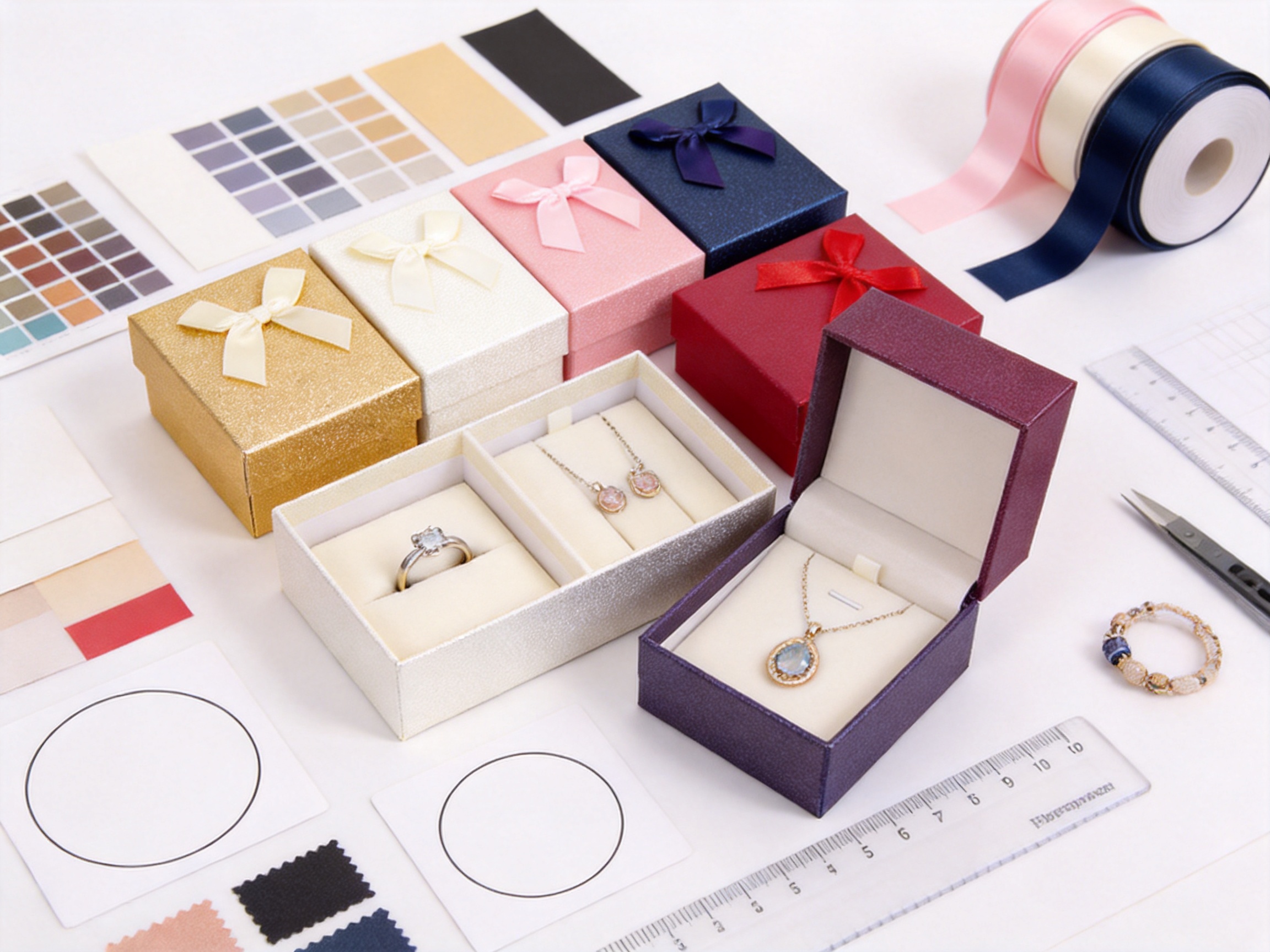
The square shape offers a practical foundation for different internal arrangements. The exact interior should be selected according to the jewelry type, dimensions, weight, and presentation requirements. A ring may need a narrow slot or shaped insert. Earrings may require a fitted card or paired support. A pendant may benefit from a central display area that keeps the chain organized. A bracelet or small jewelry set may need a wider compartment or structured cushion.
An appropriate insert prevents the product from moving unnecessarily inside the box. It can also make the jewelry easier to see immediately after opening. The contrast between the exterior glitter paper and a carefully selected interior lining can improve the overall presentation and make the product appear more defined.
When ordering customized packaging, buyers should provide accurate product measurements and, when possible, physical samples or technical drawings. Important details include the jewelry’s length, width, thickness, weight, clasp position, chain arrangement, and any protective pouch used before placement in the box. These details help ensure that the finished package supports the product rather than forcing the jewelry into an unsuitable space.
The interior color is another design consideration. A neutral lining can create a clean background, while a darker lining may emphasize bright metals and gemstones. A coordinated color can reinforce brand identity. The choice should also consider visibility, surface durability, and the ability to maintain a neat appearance during handling.
The HY-1 competes favorably with basic packaging formats because it combines several desirable features in one design. A plain folding carton may be economical, but it may not provide the same gift-ready impact. A plastic container may offer visibility, but it may lack the warm tactile quality and decorative character of paper packaging. A rigid box with complex hardware may look premium, but it can be heavier, more expensive, and less convenient to produce in varied designs.
The HY-1 occupies a practical middle position. It offers decorative appeal through glitter paper and a ribbon bow while using a familiar two-piece structure. This makes it appropriate for buyers who want a presentation upgrade without moving to an unnecessarily complicated package.
Its advantages can be summarized in four areas: visual differentiation, ease of use, customization potential, and suitability for gift occasions. The product looks more distinctive than an undecorated box. It opens more simply than packaging with complex mechanisms. Its paper, ribbon, color, and printing options can be adapted for different buyers. Its bow and shimmer make it naturally suitable for celebrations.
Another advantage is product versatility. A jewelry company can use the same overall design language for multiple product categories while adjusting the internal insert or size. This creates consistency across a collection without making every package identical. Retailers can also use the box for different campaigns by changing the colors or decorative details.
| Comparison Factor | Basic Plain Box | HY-1 Glitter Paper Gift Box | Highly Complex Premium Box |
|---|---|---|---|
| Visual impact | Functional and understated | Decorative shimmer with ribbon focal point | Potentially very high, depending on hardware and finishing |
| Opening method | Usually simple | Simple separate lid and base | May involve magnets, drawers, or multiple components |
| Gift readiness | May require extra wrapping | Ready for presentation with bow decoration | Usually gift-ready |
| Customization | Often available but visually limited | Paper, color, ribbon, printing, and insert options | Extensive, but may require higher development cost |
| Storage and handling | Generally convenient | Stable square format and practical handling | May require additional storage space or careful handling |
| Market suitability | Everyday retail and basic packaging | Jewelry gifts, celebrations, premium retail, and private labels | Luxury campaigns and highly specialized collections |
It is important to note that packaging selection should always reflect the product, budget, sales channel, and customer expectations. The HY-1 is particularly strong when a buyer needs an attractive gift appearance, manageable construction, and flexible customization rather than the most elaborate possible package.
Jewelry retailers can use the box for customer purchases, seasonal promotions, and upgraded gift services. The glitter finish helps the package look attractive at the point of sale, while the bow reduces the need for separate wrapping. Retailers may select different colors for different collections or use a consistent brand color across all products.
For online sellers, packaging forms part of the unboxing experience. Customers often encounter the box before seeing the jewelry directly. A visually appealing package can create a stronger moment when the order is opened and may encourage customers to share photographs or videos of the purchase.
The box can also help an online brand appear more established. Even a small jewelry item may feel more carefully prepared when it arrives in a structured, decorative package. Brands should ensure that the outer shipping carton provides adequate protection so the gift box arrives clean and undamaged.
The ribbon bow and refined shimmer are well suited to bridal jewelry, bridesmaid gifts, engagement gifts, and wedding favors. Buyers may coordinate the paper and ribbon with wedding colors, floral arrangements, invitation designs, or reception decorations. A customized box can become part of the event experience and serve as a keepsake after the celebration.
Jewelry is frequently selected for birthdays and anniversaries because it carries personal and sentimental meaning. A decorative box helps communicate that the gift was chosen with intention. Different colors and ribbon combinations can be used to create a youthful, romantic, elegant, or festive style.
Jewelry brands often introduce special products during major shopping seasons. Glitter paper naturally supports festive presentation, while ribbon colors can be changed to reflect the season. Seasonal customization can give a familiar box design a refreshed appearance without requiring the development of an entirely new structure.
Companies that distribute jewelry, commemorative accessories, or small branded gifts may use the box to create a more polished presentation. Branding can be applied to suitable surfaces through printing or other decoration methods. The final specification should balance brand visibility with the elegant character of the glitter paper and ribbon.
Customization is important because jewelry companies do not all target the same customers. A youthful fashion brand may prefer vivid color combinations, while a bridal supplier may choose soft tones. A luxury-oriented retailer may require restrained colors and a subtle logo. The same basic box structure can support these different directions through carefully selected materials and finishing details.
Potential customization areas include box dimensions, glitter paper color, ribbon material, ribbon color, interior insert, lining, logo application, printed graphics, and packaging quantity. Buyers should define their requirements early because each change may influence material purchasing, production planning, sample development, and quality inspection.
Dimensions should be selected according to the jewelry rather than based only on the external appearance. An oversized box may cause the product to move during transport, while an undersized box may create pressure on the jewelry or insert. A well-proportioned box looks more professional and uses materials more efficiently.
Ribbon customization should consider both appearance and handling. The bow needs to remain neat during production, packing, shipping, and customer use. Color matching should be evaluated under the lighting conditions where the product will be displayed. Buyers may request pre-production samples to assess the relationship between the ribbon and glitter paper before approving bulk production.
Branding can be applied with different methods depending on the artwork, surface, color, and desired effect. A logo may be printed, stamped, or integrated into another decorative process. The most suitable method should be evaluated with a physical sample because glitter surfaces can reflect light and affect how fine details appear.
The quality of a jewelry gift box depends not only on its design but also on how consistently it is manufactured. A visually attractive concept can lose value if the lid fits poorly, the paper surface is uneven, the bow is inconsistent, or the corners are not properly formed. Reliable production therefore requires coordinated control of materials, forming, assembly, decoration, and inspection.
Zhejiang Shihao Gift Packaging Co., Ltd. is an export-oriented manufacturer specializing in paper gift packaging boxes. The company has more than 15 years of experience in production, research and development, and sales. Its stated facility covers approximately 20,000 square meters and employs around 300 people. This scale supports organized manufacturing and gives the company the resources to handle product development, customized orders, and repeat production.
The company reports an average daily production capacity of approximately 5,000 sets of gift boxes. Capacity of this kind can be important for wholesalers, retailers, and brands that need dependable replenishment. Production capability must still be matched to the specific product, materials, finishing requirements, and order schedule, but a substantial manufacturing base provides a stronger foundation than a small workshop with limited equipment.
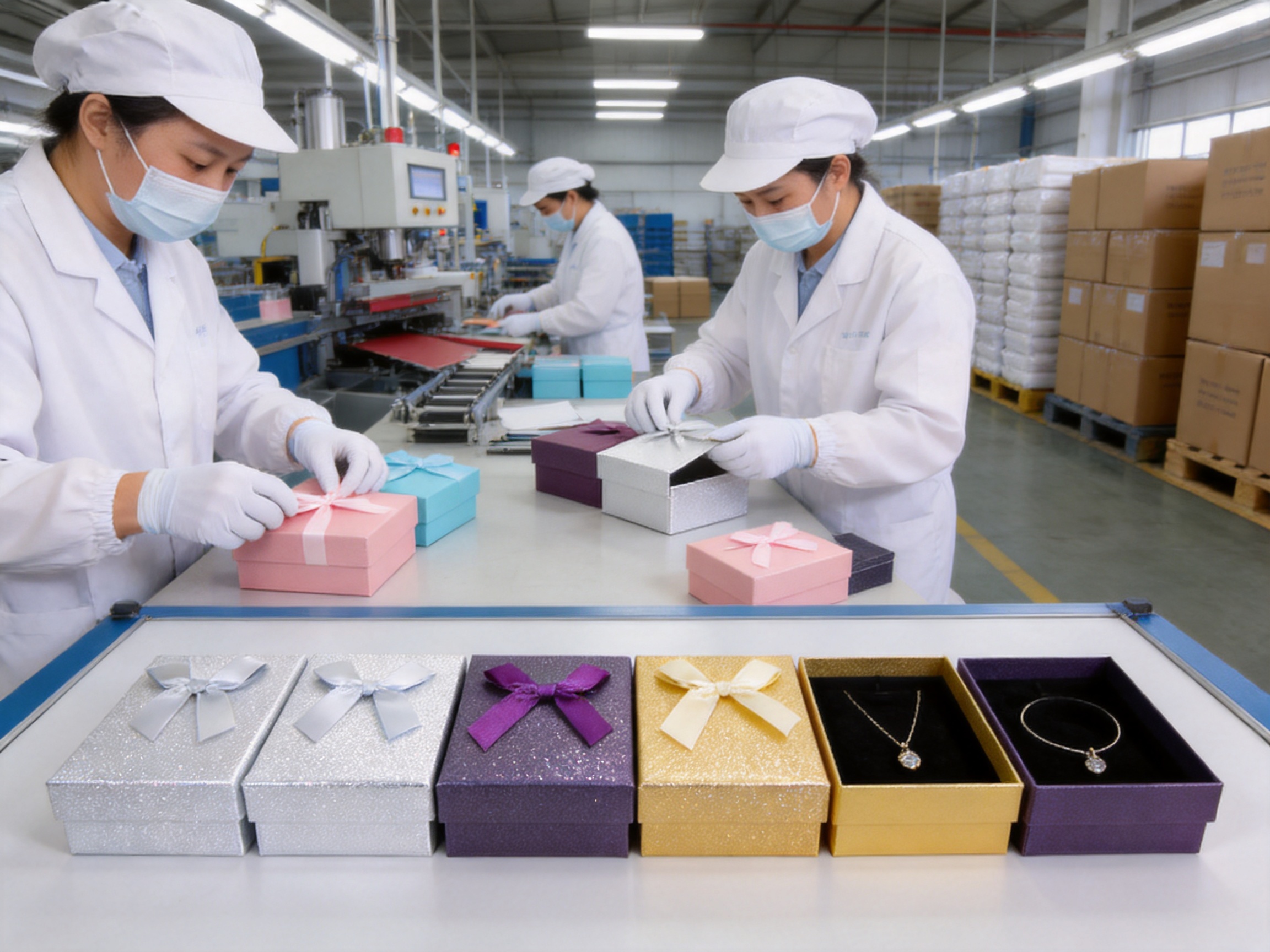
Advanced equipment supports multiple stages of the process. Depending on the order specification, production may involve paper preparation, cutting, printing, surface treatment, board forming, folding, wrapping, ribbon assembly, insert installation, and final packing. Coordinating these stages internally can help reduce unnecessary transfers and improve communication between design, production, and quality teams.
Packaging trends change as consumers respond to new colors, textures, formats, and presentation styles. Shihao maintains its own design team and reports updating dozens of products weekly. An active design program can help the manufacturer develop variations of existing structures while exploring new decorative approaches.
For buyers, this means the manufacturer can contribute more than basic production. A packaging supplier with design capabilities may help refine dimensions, recommend suitable materials, identify structural risks, or adapt a product for a particular market. Buyers should provide clear information about their jewelry, target price, sales channel, desired appearance, and shipping conditions so the design team can make useful recommendations.
The company states that it has passed BSCI and FSC certifications. BSCI relates to social compliance assessment within supply chains, while FSC certification is associated with responsible forest management and controlled paper sourcing under applicable certification requirements. Buyers should confirm the current status, scope, and documentation relevant to their specific order and market.
Certifications do not replace product inspection, but they can provide additional information about a supplier’s operating practices and material management. For international buyers, documented systems may support internal procurement requirements and help improve confidence during supplier evaluation.
Shihao exports products to Europe, the United States, the Middle East, and other regions. Export experience can be valuable because international orders often require attention to packaging specifications, shipping schedules, carton markings, documentation, and communication across time zones.
Different markets may also have different expectations regarding paper sourcing, product safety, labeling, color consistency, and sustainability claims. A manufacturer familiar with export orders is better positioned to discuss these requirements at the beginning of the project. Buyers should still provide their own compliance checklist and confirm every requirement before production begins.
The manufacturing process begins with product definition. The buyer and manufacturer confirm the box structure, dimensions, paper type, surface appearance, ribbon, interior arrangement, printing, packaging method, and order quantity. This stage is critical because a small change in lid depth, paper thickness, insert size, or ribbon placement can affect later production.
Next, materials are prepared. Paper, board, ribbon, adhesive, lining, and interior components should be selected according to the approved specification. Glitter paper requires particular attention because its visual texture and reflective effect need to be consistent across production batches. Color should be checked against an approved sample or reference standard rather than relying only on digital images.
Paper processing may include printing or other surface preparation before the paper is applied to the box components. The board is cut into the required shapes, and creasing or folding lines are created where necessary. Accurate cutting helps the lid and base maintain their intended proportions.
The board components are then formed and wrapped with the selected paper. This stage influences corner sharpness, surface smoothness, and overall structural stability. Skilled operators and suitable equipment are important because glitter paper may show marks or uneven tension if it is handled carelessly.
The ribbon bow is prepared and attached according to the approved position. Consistency matters: bows should have a similar size, angle, fullness, and center placement. If the bow is intended to be removable or tied through a specific construction, that detail should be defined during sampling.
Interior components are installed after the box structure is formed. The insert should fit securely without damaging the box or making the lid difficult to close. A final assembly inspection checks the relationship between the lid, base, insert, paper finish, and ribbon.
Before packing, finished boxes may be inspected for surface marks, loose edges, uneven corners, poor adhesion, incorrect colors, ribbon defects, and structural mismatch. Products that meet the approved standard are arranged for packing and shipment. Protective packing is especially important for glitter surfaces and bows because friction or compression can affect their appearance.
Buyers should evaluate the box through both visual and functional standards. Visual inspection should examine the glitter paper for consistent coverage, clean edges, acceptable color, and freedom from major scratches or stains. The ribbon should be centered, secure, and properly shaped. Printed elements should be clear and correctly positioned.
Functional inspection should verify that the lid fits the base as intended. It should not be so loose that the box opens during ordinary handling, nor so tight that the recipient struggles to remove it. The base should remain stable when placed on a flat surface. The insert should hold the jewelry securely without putting excessive pressure on delicate components.
Sampling is an important part of quality control. A pre-production sample allows the buyer to assess the actual paper, color, proportions, ribbon, and insert before a larger quantity is produced. For repeat orders, a retained approved sample or documented color standard can help reduce variation between production batches.
Shipping tests may also be appropriate. The gift box is usually placed inside a larger shipping carton, so buyers should assess whether the outer packaging prevents crushing, rubbing, moisture exposure, and movement. A beautiful box that arrives with damaged corners or flattened bows will not deliver the intended customer experience.
Glitter paper packaging should be stored in a clean, dry environment away from excessive humidity, direct sunlight, and sources of heat. Moisture can affect paper, adhesives, board, ribbon, and printed surfaces. Direct sunlight may gradually influence color, especially when products remain in display windows for long periods.
Boxes should be stacked in a way that avoids excessive pressure on the lids and bows. If the bow extends above the lid, the cartons should provide enough clearance to prevent flattening. Dividers, tissue, or other protective materials may be used where necessary to reduce surface rubbing.
During transport, the outer cartons should be strong enough for the shipping route and handling conditions. Carton quantity should be arranged to balance protection with efficient use of space. International buyers should consider humidity, temperature changes, customs handling, and long transit times when choosing the shipping configuration.
Retailers should also train staff to handle the boxes by their structural sides rather than pulling on the ribbon. This helps maintain the appearance of the bow and reduces stress on the attachment point. In storage areas, staff should avoid placing heavy products on top of cartons containing decorative gift boxes.
Paper-based packaging can support sustainability objectives when materials are responsibly sourced, efficiently designed, and properly managed after use. The company’s stated FSC certification is relevant to buyers who require information about responsible paper sourcing. However, sustainability claims should always be connected to the specific materials and documentation used for a particular order.
Design efficiency is another consideration. A box that is appropriately sized for the jewelry can reduce unnecessary material use and shipping volume. Buyers should avoid selecting a package that is much larger than the product unless the presentation specifically requires it. Efficient dimensions can benefit both environmental planning and logistics costs.
Reusable value also contributes to the practical life of the packaging. Because the HY-1 can be used for jewelry storage after gifting, it may remain useful beyond the initial transaction. Buyers can communicate this secondary function to customers as part of the product presentation.
At the end of its service life, the recyclability of the box depends on the combination of paper, glitter treatment, ribbon, adhesive, insert, and any additional components. Buyers should request material information and confirm local recycling conditions before making specific disposal claims. Responsible communication is more credible when it avoids broad promises that cannot be verified for every market.
The presentation begins before the box is opened. A brand can coordinate the gift box with its shopping bags, tissue paper, thank-you cards, product certificates, and shipping materials. Consistent colors and typography help customers recognize the brand across multiple touchpoints.
Inside the box, the jewelry should be positioned so that the first view is clean and intentional. Any chain should be arranged to avoid tangling. Earrings should be aligned. Rings should sit securely in their slot. If a message card or care guide is included, it should be placed where it can be seen without covering the jewelry.
The outer box can also become part of a storytelling strategy. A brand may explain the inspiration behind the collection, the meaning of the color, or the reason for selecting a reusable jewelry box. The goal is not to overload the package with text, but to make every element feel connected to the product.
For online brands, the unboxing sequence can be tested through sample shipments. Team members can open the package as customers would and note whether the box arrives clean, whether the lid is easy to remove, whether the bow remains attractive, and whether the jewelry is immediately visible. These observations can lead to improvements in both the gift box and the shipping carton.
Before requesting a quotation, buyers should prepare a complete product brief. The brief should identify the jewelry type, product dimensions, desired box dimensions, estimated quantity, target market, preferred colors, ribbon requirements, branding needs, insert style, shipping destination, and expected delivery schedule.
It is useful to distinguish essential requirements from optional preferences. Structural fit, secure closure, and product protection are essential. Glitter intensity, ribbon contrast, special printing, and additional decorative elements may be adjusted according to budget and positioning.
Buyers should also ask about minimum order quantities, sample charges, production lead time, packaging method, inspection procedures, and available documentation. Clear questions at the beginning help prevent misunderstandings later. If the order is intended for multiple markets, requirements should be listed separately so the manufacturer can identify differences in materials, labeling, or documentation.
For repeat orders, the buyer should maintain an approved reference sample and specification sheet. The reference should identify the paper, color, dimensions, ribbon, insert, logo placement, and acceptable tolerances. This makes it easier to compare new production with the original approval.
A jewelry box may look simple from the outside, but producing it consistently requires control over many small details. The lid must fit properly. Paper must be applied smoothly. Corners must be formed cleanly. Glitter surfaces must remain attractive. Bows must be aligned. Inserts must suit the jewelry. Packing must protect the finished product. An experienced manufacturer is more likely to understand how these factors influence one another.
Zhejiang Shihao Gift Packaging Co., Ltd. combines product development, manufacturing, and export experience within one organization. Its facility size, workforce, reported daily capacity, design team, equipment, and certification background provide a foundation for handling customized paper gift packaging projects.
The company’s product range includes kits, storage boxes, folding boxes, jewelry boxes, and other gift boxes. This broader experience can be useful when a buyer wants to develop a coordinated packaging family rather than a single standalone item. The HY-1 may serve as one format within a wider collection of paper packaging products.
For brands that need frequent design updates, an active development team may also help reduce the time required to explore new formats and finishes. For wholesalers, production capacity and export experience may support more consistent supply planning. For retailers, customization can help create packaging that feels specific to the store or collection.
HY-1 Square Top and Bottom Cover Glitter Paper Jewelry Gift Box with Ribbon Bow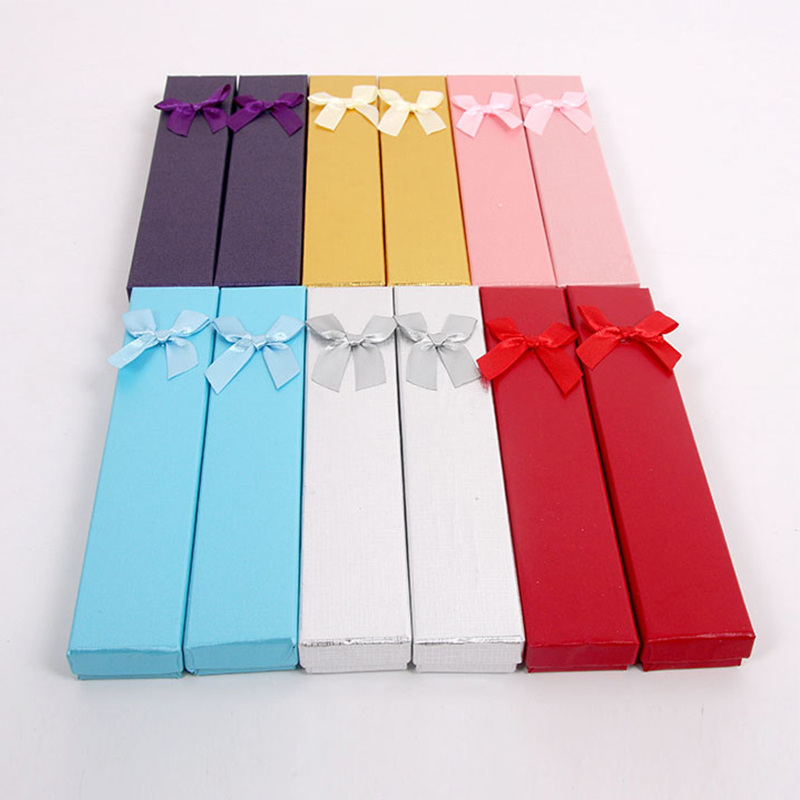
The box can be used for different jewelry types, including rings, earrings, pendants, bracelets, and small jewelry sets, provided that the selected dimensions and interior insert match the product. Buyers should supply accurate jewelry measurements before finalizing the design.
Yes. The glitter paper exterior and ribbon bow give the box a gift-ready appearance. Additional wrapping may still be used for shipping protection, seasonal presentation, or brand-specific retail requirements.
The ribbon material and color can be discussed as part of a customized order. Buyers should confirm available materials, color references, bow size, and attachment method during the sampling stage.
Color customization may be available depending on the selected material, order quantity, and production requirements. An approved physical sample is recommended because glitter surfaces can appear different under different lighting conditions.
Logo printing or other decorative treatments may be possible. The appropriate method depends on the artwork, surface texture, color, and desired visual effect. Buyers should provide high-quality artwork and review a sample before bulk production.
The separate lid and base allow the box to be opened and closed repeatedly, making it suitable for continued jewelry storage. The box should be kept dry and handled carefully to preserve the glitter paper and ribbon.
Useful information includes the jewelry type, product dimensions, quantity, desired box dimensions, color preferences, ribbon requirements, logo artwork, insert design, destination market, packing requirements, and desired delivery schedule.
Zhejiang Shihao Gift Packaging Co., Ltd. specializes in paper gift packaging and provides design, research and development, manufacturing, and sales services. Buyers can discuss customized structures, materials, colors, decorations, and inserts with the company’s sales and design teams.
The company states that it has passed BSCI and FSC certifications. Buyers should request current certification details and confirm whether the certification scope and documentation meet the requirements of their own market or procurement program.
Finished boxes should be packed in protective outer cartons with suitable clearance around the lids and bows. Carton strength, internal separators, moisture protection, stacking limits, and shipping conditions should be reviewed before production and shipment.
The HY-1 provides a more decorative and gift-oriented presentation through its glitter paper surface and ribbon bow. It also offers the familiar opening experience of a separate lid and base. This makes it a practical choice for buyers seeking a stronger visual impression without using a highly complex box structure.
The HY-1 square top-and-bottom cover glitter paper jewelry gift box combines elegant appearance with practical construction. Its glitter paper exterior creates a refined reflective effect, while the centered ribbon bow gives the package a clear gift-ready identity. The square structure supports balanced presentation, easy opening, organized storage, and compatibility with a range of jewelry inserts.
Compared with plain or purely functional packaging, the design offers stronger emotional appeal and greater shelf presence. Compared with highly complicated premium boxes, it provides a more straightforward structure that can be easier to handle, customize, and integrate into regular retail or wholesale operations.
The product is especially suitable for jewelry retailers, online brands, wedding suppliers, gift companies, seasonal collections, promotional programs, and private-label packaging projects. Its effectiveness depends on selecting the correct dimensions, interior support, material combination, ribbon specification, and shipping method.
The manufacturing foundation behind the product is equally important. Zhejiang Shihao Gift Packaging Co., Ltd. brings more than 15 years of experience, a reported 20,000-square-meter facility, approximately 300 employees, advanced equipment, an internal design team, significant daily production capacity, and export experience across several international markets. Its stated BSCI and FSC certifications provide additional points for supplier evaluation, subject to current documentation and order-specific verification.
For a jewelry brand, the box is an opportunity to turn a product delivery into a memorable event. For a retailer, it is a way to add value at the point of sale. For a gift buyer, it creates an attractive presentation without requiring extensive extra wrapping. When the structure, color, ribbon, insert, and branding are carefully coordinated, the HY-1 can support a polished jewelry experience from the first impression to long-term storage.
1. Product information supplied for the HY-1 Square Top and Bottom Cover Glitter Paper Jewelry Gift Box with Ribbon Bow.
2. Company information supplied for Zhejiang Shihao Gift Packaging Co., Ltd., including manufacturing capacity, facility information, product range, export markets, and certification statements.
3. General principles of paperboard packaging design, structural presentation, material selection, and packaging quality control.
4. General considerations for jewelry packaging, gift presentation, product protection, customization, storage, and transportation.
5. General supply-chain considerations related to responsible paper sourcing, social compliance, and export-oriented packaging production.
Recommended Products

Contact Us

No. 15, Xiayang Road, Huangzhai Town, Jinhua, Zhejiang, China

(+86) 579-84230069

(+86) 13085675766


Products

Gift Box Packaging Manufacturer
 English
 Français
 Español
 عربى