2026-09-17
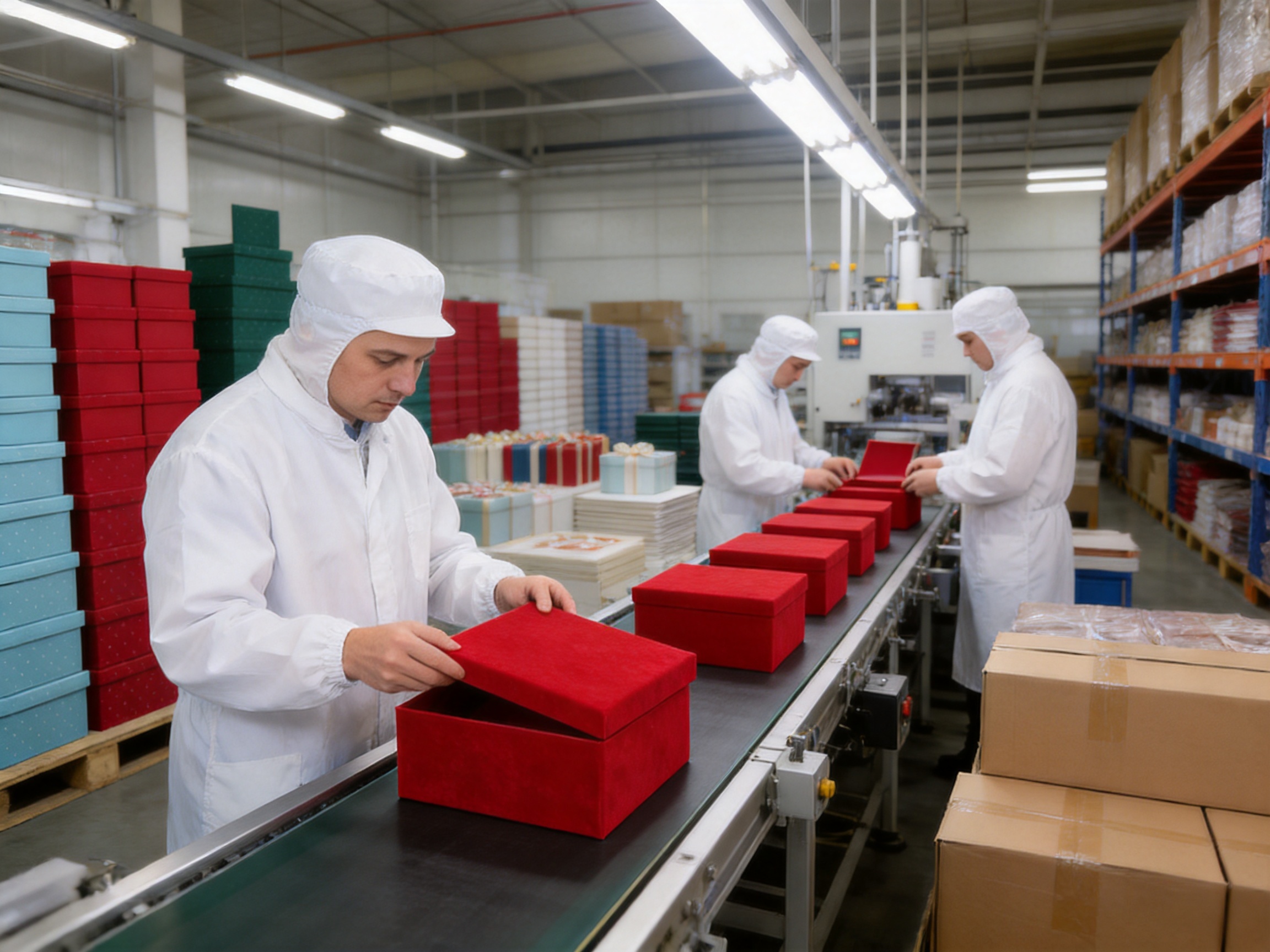
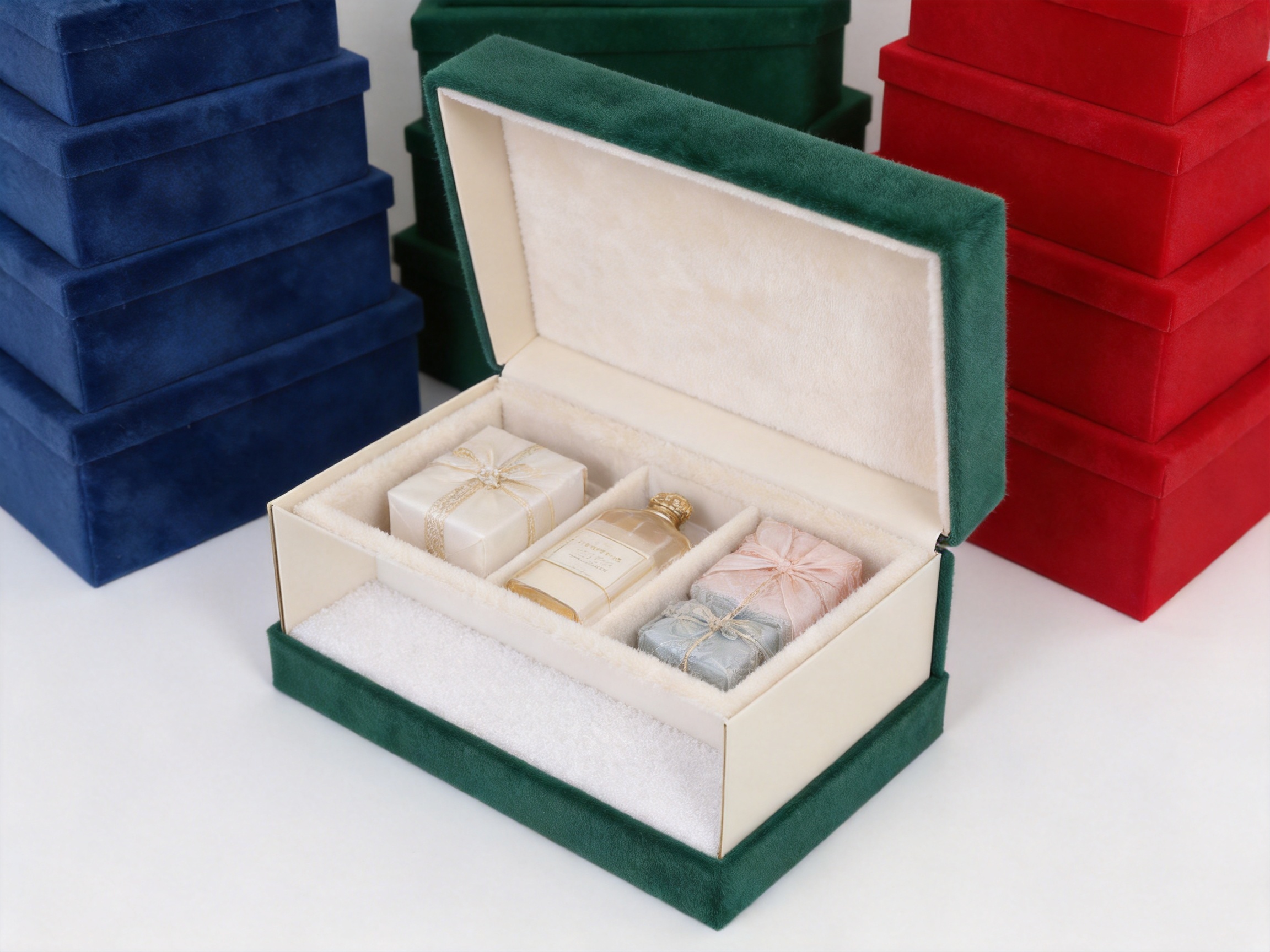
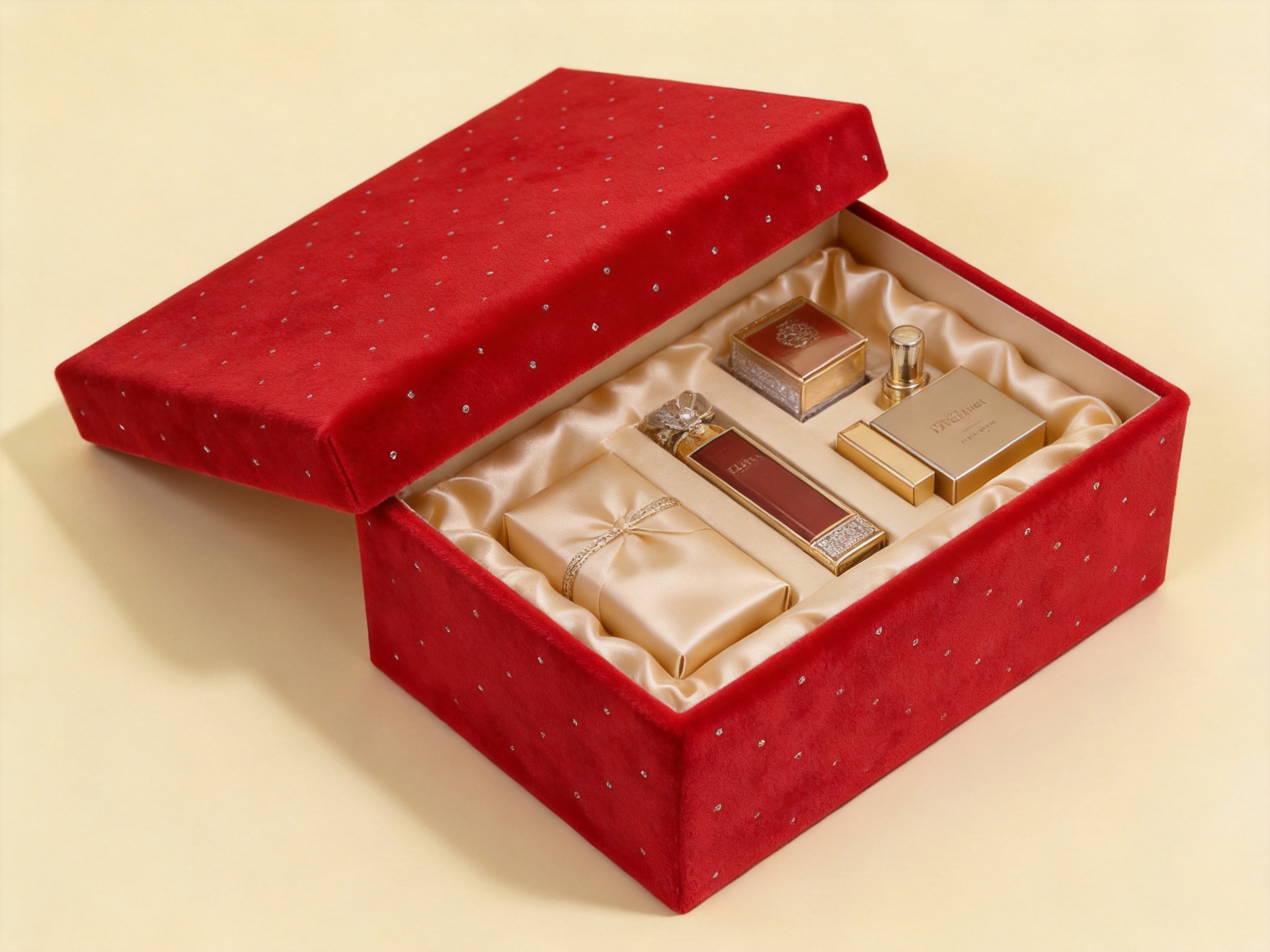
In premium packaging, the box is more than a container. It is the first physical contact between a brand, a gift, and its recipient. A well-designed package can communicate quality before the product is even revealed, create anticipation during opening, and remain useful long after the original contents have been removed. The top-opening spunlace-bottom plush gift box is designed around this complete experience. It combines an elegant presentation structure, a refined plush exterior, a supportive spunlace-based bottom, and flexible customization options for brands seeking a distinctive packaging solution.
This style of gift box is suitable for high-end gifts, seasonal collections, jewelry, cosmetics, crafts, keepsakes, stationery, and many other products that benefit from an enhanced unboxing experience. Its top-opening format gives the user a clear and ceremonial opening motion, while the plush finish introduces softness, visual depth, and a tactile quality that conventional paperboard packaging cannot easily provide.
Manufactured by Zhejiang Shihao Gift Packaging Co., Ltd., the product reflects more than fifteen years of experience in paper gift packaging. The manufacturer operates a 20,000-square-meter facility, employs approximately 300 people, and has an average daily production capacity of around 5,000 gift box sets. These resources support both standard production and tailored packaging programs for customers in Europe, the United States, the Middle East, and other international markets.
The product is identified as model 666# and is available in a range of dimensions, including sizes from approximately 38.5 × 29.5 × 16.5 centimeters to 16.9 × 10.6 × 7.6 centimeters. Customers can request custom colors, patterns, dimensions, and design details, making the format adaptable to different product categories and brand identities.
The main distinction of this packaging format is the combination of four design elements: a top-opening structure, a plush exterior or lining treatment, a spunlace-supported bottom, and a rigid paperboard foundation. Each element contributes a specific functional or visual benefit. Together, they create a box that is both presentational and practical.
The top-opening construction makes the contents immediately visible when the lid is lifted. Unlike packaging that requires tearing, cutting, or extensive unfolding, this arrangement creates a simple and controlled opening sequence. It can be used for individual gifts, curated product sets, promotional packages, and presentation kits where the order and appearance of the contents matter.
The plush surface contributes a premium sensory impression. Its soft texture can make the package feel warmer and more substantial in the hands, while its color and surface character can be matched to a brand’s identity or a seasonal campaign. Plush materials may be produced in different colors and can be coordinated with printed paper, ribbons, inserts, labels, and other decorative features.
The spunlace bottom provides a reinforced support area. In a gift box, the bottom must carry the weight of the contents, withstand handling, and maintain its shape during transportation and storage. A stronger base reduces the risk of deformation and helps the box maintain a neat appearance on shelves, in retail displays, or during delivery.
The paperboard structure provides the necessary rigidity for the box body. The available material specification identifies an art paper-coated cardboard surface, which supports a clean appearance and provides a suitable base for printing, lamination, decorative treatments, and customized finishing. Depending on the project, the surface can be coordinated with the plush component to create a unified visual design.
Opening a gift is an emotional process. A recipient notices how the package feels, how the lid moves, how the contents are arranged, and whether the design appears intentional. The top-opening format supports a carefully planned reveal. The lid can be lifted smoothly to expose the contents in a single visual moment, allowing the packaging to become part of the gift itself.
This opening experience is especially valuable for brands selling products in premium, luxury, lifestyle, beauty, jewelry, and celebration-oriented categories. A carefully constructed box can help communicate exclusivity without relying only on expensive materials. Structure, color, texture, spacing, and finishing work together to create an impression of value.
Compared with simple folding cartons or plain corrugated boxes, the plush gift box offers a stronger display presence. It can be placed directly on a counter, in a showroom, inside a retail cabinet, or on a customer’s table without appearing like temporary shipping material. After purchase, the recipient may also continue using the box for personal storage, extending the visibility of the original brand.
The opening process can also be incorporated into marketing content. Gift unboxing videos, product photography, social media campaigns, and influencer presentations all benefit from packaging that has a visually recognizable structure. A top-opening box gives the camera a clear angle and helps create a consistent reveal across different products or promotional campaigns.
A high-quality gift box must balance appearance, strength, manufacturability, and cost. The 666# format is designed to combine a coated cardboard surface with plush and spunlace components. This combination gives customers more design flexibility than a single-material package.
Art paper-coated cardboard is widely used in premium paper packaging because it offers a smooth surface and a stable base for printed graphics. It can support CMYK printing, Pantone color matching, and custom color development. The coated surface is also suitable for visual treatments that require clean edges and consistent color reproduction.
The plush component introduces softness and depth. Depending on the selected material and production specification, plush may be used across the exterior, inside the lid, as a lining, or as a coordinated decorative panel. It can provide a contrast against smooth coated paper, metallic details, embossed logos, or printed graphics.
The spunlace bottom reinforces the lower part of the package. Spunlace materials are produced by entangling fibers through a controlled process, creating a flexible yet supportive textile-like structure. When incorporated into the bottom design, this layer can help reduce stress on the box base and provide additional cushioning for the contents.
The use of multiple materials allows a project to be optimized according to the product being packed. A lightweight gift may require a different interior arrangement from a heavier craft item or a set of bottles. The manufacturer can advise on the structure, dimensions, material combination, and internal support required for a particular application.
Packaging must look attractive, but it must also protect the product. The reinforced base and structured walls help the box resist ordinary handling during production, packing, transportation, retail display, and customer use. The cushioning effect of the spunlace bottom can help reduce the impact transferred to the contents when the box is placed on a surface or moved during delivery.
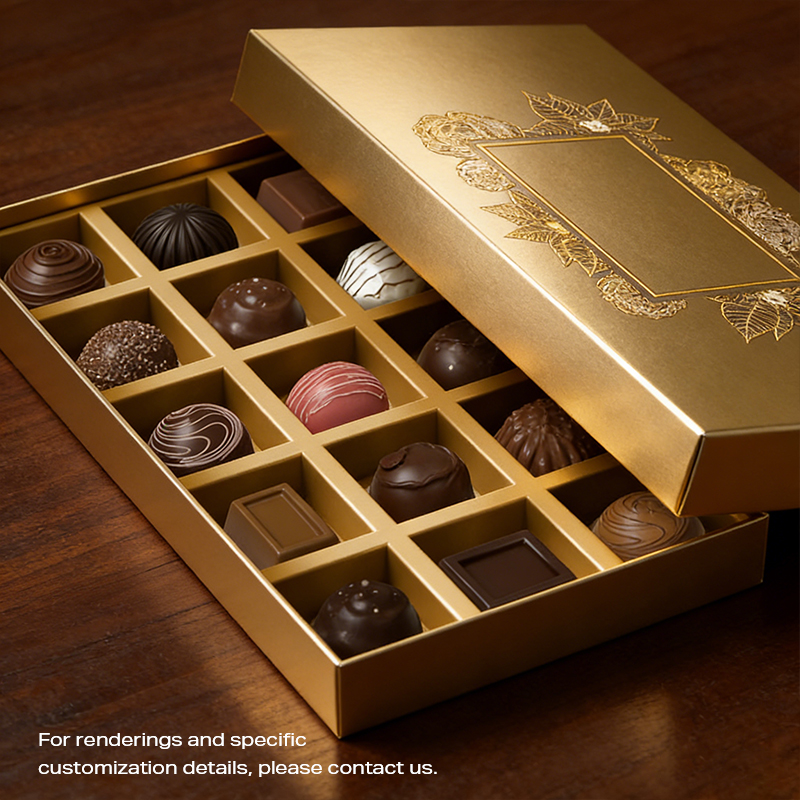
Additional protection can be created through customized inserts. Depending on the product, a project may include paperboard compartments, molded pulp supports, foam inserts, fabric cushions, trays, dividers, or fitted cards. Inserts can keep products separated and prevent unwanted movement inside the box.
The box is suitable for products that require a controlled presentation and a stable interior position. Examples include jewelry sets, beauty products, commemorative items, handmade crafts, stationery collections, small electronics accessories, promotional kits, and holiday gift combinations. The final internal design should be selected according to the product’s size, weight, fragility, surface sensitivity, and transport conditions.
For items affected by temperature changes, plush materials may offer a degree of thermal insulation compared with thin, unlined packaging. This should not be treated as a substitute for specialized temperature-controlled packaging, but it may contribute to a more stable interior environment for suitable products. Packaging engineers should evaluate the complete product and logistics requirements before approving the final design.
The plush surface may also be appropriate for products that can attract dust or be scratched by rough packaging surfaces. A soft lining can reduce direct contact between the item and the rigid structure. Its low-static characteristics may be beneficial in selected applications, although performance depends on the specific material composition, humidity, and operating environment.
One of the major advantages of this gift box is its customization potential. The structure can be adapted for different dimensions, color systems, surface patterns, branding requirements, and interior layouts. This is important for companies that need packaging to match a product family, regional market, retail campaign, or seasonal occasion.
Color options include CMYK printing, Pantone colors, and custom color matching. CMYK is appropriate for photographic images, illustrations, gradients, and detailed printed artwork. Pantone matching is useful when a brand requires a consistent corporate color across different packaging formats. Custom color development can be considered when the project needs a specific shade, material appearance, or seasonal palette.
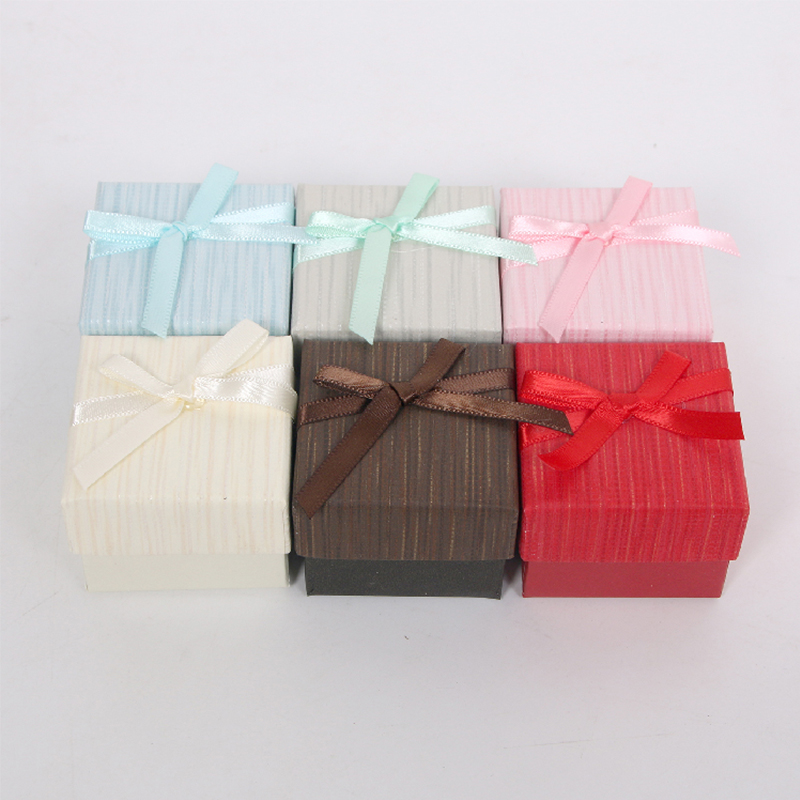
Plush materials can also be selected in different colors to complement the printed exterior. A dark plush interior may create a dramatic contrast for jewelry or premium accessories, while lighter shades may be suitable for wedding gifts, baby products, lifestyle collections, or spring campaigns. Rich colors can support holiday packaging, anniversary editions, and limited releases.
Patterns and graphics may include logos, illustrations, product information, decorative motifs, or culturally relevant artwork. A company can use the box to create a consistent visual language across a complete gift collection. The design team can help balance the printed area, plush surface, opening direction, logo placement, and interior arrangement.
The box can also be customized according to specific gift-giving occasions. Suitable themes may include birthdays, weddings, anniversaries, Valentine’s Day, Christmas, Lunar New Year, corporate events, product launches, and membership programs. A reusable structure allows the package to serve both the original campaign and the recipient’s future storage needs.
Conventional folding cartons are efficient and economical, but they may not provide the same level of rigidity, tactility, or long-term reusability. A folding carton is often designed for a single opening and disposal or recycling cycle. The top-opening plush gift box is designed to remain useful after the product has been removed.
Rigid boxes without a soft finish may provide strength but can feel visually plain or overly industrial. The plush component gives the packaging a more distinctive surface and can help differentiate a product in a crowded retail environment.
Fabric-only bags are soft and lightweight but may not provide sufficient structural protection or a formal presentation. The combination of a rigid paperboard body and a plush treatment creates a balance between structure and softness.
Plain corrugated shipping boxes are effective for logistics but are not normally intended to serve as the final gift presentation. Using a dedicated gift box inside the shipping carton allows the brand to separate transport protection from customer-facing presentation.
Low-cost plastic packaging may offer certain protective features, but it may not provide the same paper-based appearance or tactile character. For brands seeking a more refined and potentially more sustainable packaging direction, a paperboard-centered structure with carefully selected textile components can be a strong alternative.
| Packaging Type | Presentation Quality | Structural Support | Reusable Potential | Customization |
|---|---|---|---|---|
| Top-opening plush gift box | High tactile and visual impact | Reinforced paperboard and spunlace bottom | High | Size, color, pattern, printing, and inserts |
| Standard folding carton | Moderate | Light to moderate | Limited | Strong printing flexibility |
| Fabric gift bag | Soft and informal | Limited structural support | Moderate | Fabric color and printing options |
| Plain corrugated box | Low as a final presentation package | High for shipping | Moderate | Limited premium finishing |
| Rigid box without plush finish | High structural quality | High | High | Broad, though less tactile |
The comparison demonstrates why the 666# format is attractive for brands that need more than basic containment. It combines presentation quality, protection, and customization in a single package. The right choice still depends on the product, budget, logistics, and sustainability objectives, but the plush gift box provides a broad range of benefits for premium applications.
The quality of a customized gift box depends not only on the design but also on the manufacturer’s ability to convert the design into stable, repeatable production. Zhejiang Shihao Gift Packaging Co., Ltd. has specialized in paper gift packaging for more than fifteen years. This experience supports product development, material selection, structural testing, production planning, and quality control.
The company’s reported 20,000-square-meter facility and workforce of approximately 300 employees provide the resources needed for larger and more complex packaging programs. An average daily production capacity of approximately 5,000 gift box sets allows the manufacturer to support both regular orders and scheduled promotional campaigns.
Advanced production equipment helps coordinate several stages of manufacturing. These stages may include paperboard preparation, printing, coating, die cutting, scoring, folding, surface application, plush attachment, bottom reinforcement, assembly, inspection, and packing. Each stage must be carefully coordinated because even a small dimensional variation can affect how the lid opens or how the bottom supports the contents.
In-house design capability is another important strength. Customers can submit their own artwork or work with the manufacturer’s design team to develop a new structure. Professional advice is particularly useful when a project requires custom dimensions, complex inserts, special finishing, or an unusual combination of paper and textile materials.
The company identifies Adobe Illustrator and CorelDRAW as accepted design file formats. These formats are commonly used for packaging artwork and can support vector logos, dielines, typography, and print-ready graphics. Before mass production, the customer should confirm color references, dimensions, material specifications, finishing details, and proof approval requirements.
A successful packaging project begins with a clear product brief. The brief should identify the product dimensions, weight, quantity per box, desired opening experience, target market, color requirements, intended retail environment, expected order quantity, and delivery schedule.
The next stage is structural planning. The manufacturer evaluates the box dimensions, lid construction, base reinforcement, material thickness, interior clearance, and insert requirements. If the package is intended to hold multiple items, the arrangement should be developed at this stage rather than added after the outer box is complete.
Artwork development follows structural planning. Graphic designers prepare the printed areas, logos, patterns, color references, and decorative details. The design must account for folds, seams, edges, overlap areas, and the visual relationship between paperboard and plush sections.
A sample or prototype is highly recommended. The sample allows the customer to check the overall size, opening motion, surface feel, color appearance, lid fit, base strength, and interior arrangement. It can also be used to test the product inside the box and assess whether the contents remain secure during handling.
After sample approval, production planning determines the materials, machinery, labor allocation, inspection procedures, and packing method. The manufacturing schedule may range from seven to forty-five days or be arranged according to customer requirements. Actual timing depends on order size, material availability, design complexity, finishing requirements, sample approval, and shipping arrangements.
During mass production, quality checks should cover paperboard dimensions, color consistency, printed registration, surface cleanliness, plush adhesion, corner formation, lid alignment, base stability, insert fit, and overall appearance. Finished products are then packed for shipment according to the approved carton configuration.
Quality control for a top-opening plush gift box should focus on both appearance and function. A box may look attractive but still fail if the lid is difficult to open, the base flexes excessively, or the plush surface is uneven. The manufacturer’s production team must therefore evaluate the finished package as a complete user experience.
Dimensional accuracy is essential. The lid should align with the base, and the internal space should be sufficient for the intended product without excessive movement. Consistent dimensions are also important when several boxes are displayed together or packed into larger shipping cartons.
Surface inspection should identify stains, scratches, loose fibers, wrinkles, uneven adhesion, color variation, and visible manufacturing marks. Printed areas should be checked for clarity, correct color, registration, and accurate reproduction of approved artwork.
Structural inspection should examine corners, edges, seams, hinges, lid movement, and bottom reinforcement. The box should remain stable when placed on a level surface. If it is intended for heavier contents, the customer and manufacturer should agree on suitable load and handling tests.
Packaging inspection should confirm the number of pieces per set, the number of sets per carton, protective separators, carton labeling, and shipping marks. Clear packing procedures reduce the risk of quantity errors and damage during transportation.
The supplied packaging information specifies ten pieces per set and four sets per carton, with carton dimensions of approximately 61 × 40 × 35 centimeters and a stated carton volume of approximately 0.085 cubic meters. These details help buyers estimate warehouse requirements, freight planning, and container utilization.
Because gift boxes can be affected by pressure, moisture, and abrasion during transportation, the external carton should provide adequate protection. Individual boxes may require separation or wrapping to prevent surface friction, especially when plush finishes or decorative coatings are used.
The primary port identified for the product is Ningbo, although other arrangements may be discussed according to customer requirements. Export planning should consider the destination country, shipping method, customs documentation, lead time, and seasonal demand.
For international orders, buyers should confirm the final packing configuration before production. Small changes in dimensions, inserts, or the number of pieces per carton can affect the total cubic volume and shipping cost. Early confirmation supports more accurate purchasing and logistics calculations.
The plush gift box can be used for more than one type of product. Its structure is suitable for gift packaging, storage, gifts, and crafts, and it can be adapted to products that require a refined presentation and a reusable container.
Jewelry brands may use compact versions for necklaces, bracelets, earrings, watches, or coordinated accessory sets. The box can be paired with a fitted insert, protective cushion, or compartment tray to keep small items organized.
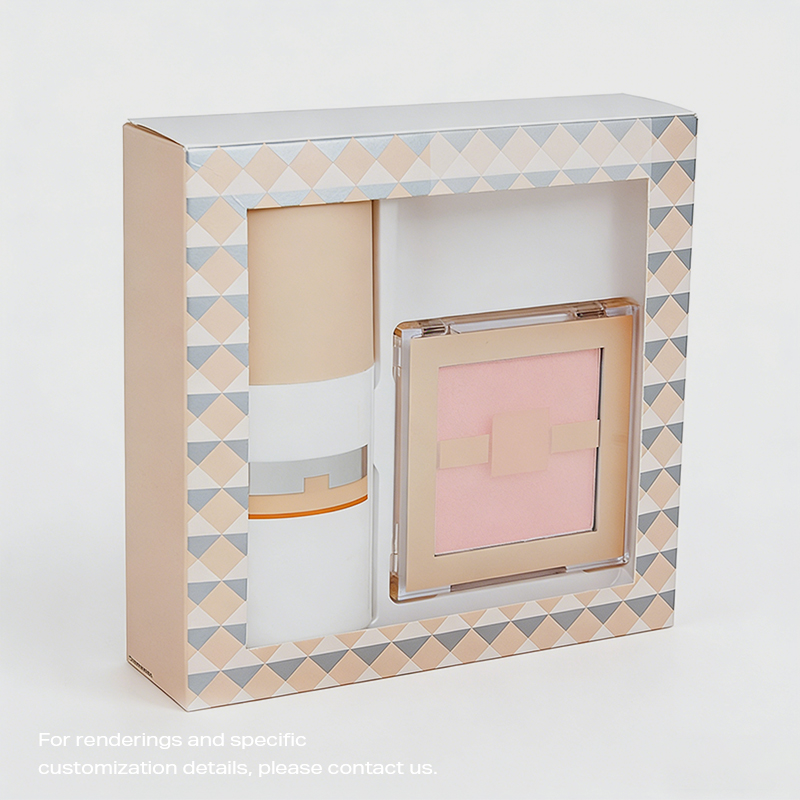
Beauty and personal care brands can use larger formats for skincare sets, fragrance collections, cosmetics, grooming products, and promotional combinations. A plush exterior can create an elegant appearance for limited editions, holiday bundles, and influencer kits.
Stationery companies may use the box for writing sets, notebooks, pens, greeting cards, art supplies, and premium office accessories. After the contents have been used, the box can become a storage container for correspondence, craft materials, or desk accessories.
Craft and lifestyle brands can use the packaging for handmade products, collectibles, decorative items, ceramics, textiles, and seasonal ornaments. A distinctive box can reinforce the handcrafted character of the product and encourage customers to retain the packaging.
Corporate buyers may select customized boxes for employee gifts, client appreciation programs, event materials, awards, and promotional kits. Corporate colors, logos, messages, and product combinations can be integrated into the design.
Retailers can also use the structure as a reusable storage box. The long-term utility of the package can increase perceived value and reduce the likelihood that it will be discarded immediately after opening.
Sustainability in packaging involves more than selecting one material. It includes the package’s useful life, material efficiency, production process, transport requirements, and end-of-life options. The reusable nature of a rigid gift box can extend its functional life beyond the initial purchase.
A customer may reuse the box to store jewelry, stationery, photographs, accessories, seasonal items, or craft supplies. This continuing use can reduce the need for additional small storage containers and maintain the relationship between the package and the original brand.
The company reports the use of environmentally oriented materials and identifies FSC certification among its certifications. Buyers seeking sustainability documentation should request current certification details, material composition, recycled content information, and local recycling guidance for the final specification.
Design efficiency should also be considered. Avoiding unnecessary layers, optimizing dimensions, selecting suitable inserts, and improving carton utilization can reduce material consumption and transportation volume. A smaller, well-fitted package may be more efficient than an oversized box with excessive void space.
Because the package combines paperboard and textile components, recyclability may depend on how the materials are bonded and on the recycling infrastructure available in the destination market. Customers should evaluate the final construction and communicate appropriate disposal guidance where necessary.
Premium packaging can support a brand in several ways. It can strengthen perceived product value, improve shelf presentation, create memorable unboxing content, and encourage customers to share their purchase experience. The top-opening plush gift box is particularly effective when the packaging is intended to be noticed and remembered.
For a new product launch, a customized box can create a strong first impression and help establish a visual identity. For an established brand, it can provide a consistent format across different collections while allowing individual products to use varied colors or graphics.
For retailers, a high-quality package may simplify gift purchasing. Customers often choose products that already look ready to present. A well-finished box can reduce the need for additional wrapping and make the product more suitable for seasonal displays.
For corporate and promotional buyers, the reusable box provides a larger surface area for brand communication than a small label or sleeve. Logos, messages, campaign graphics, and product information can be integrated into the overall design without making the package feel like disposable advertising.
The minimum order quantity for the 666# product is listed as 300 sets. This quantity is suitable for many boutique brands, seasonal campaigns, corporate programs, and regional product launches. Larger orders can support more efficient production planning and may allow greater flexibility in material sourcing and scheduling.
Delivery time is generally stated as seven to forty-five days or according to customer requirements. The final schedule should be confirmed after reviewing artwork, sample needs, material choices, order quantity, and shipping destination.
Payment is generally handled by T/T, although other payment methods may be discussed. Buyers should confirm quotation validity, sample charges, tooling or setup costs, production balance requirements, inspection terms, and shipping responsibilities before placing an order.
A clear purchase specification should include the model number, external dimensions, internal dimensions, paperboard type, plush material, color references, printing method, finishing details, insert design, packing configuration, quantity, delivery location, and quality acceptance criteria.
Custom packaging is a coordinated engineering and manufacturing project. An experienced supplier can identify problems before mass production, recommend appropriate materials, and help the customer balance appearance with cost and performance.
A supplier with an in-house design team can also shorten communication between concept development and manufacturing. This is valuable when the project includes custom dielines, multiple colorways, special surface treatments, or unusual internal structures.
Production scale matters as well. A daily capacity of approximately 5,000 gift box sets can help support commercial orders while maintaining a planned manufacturing schedule. A large facility and experienced workforce provide additional resources for assembly, inspection, packing, and order coordination.
International experience is another benefit. Export-oriented production requires familiarity with shipping documentation, carton planning, quality expectations, and communication across different markets. The manufacturer’s reported customer base across Europe, the United States, the Middle East, and other regions reflects experience serving international packaging requirements.
Certifications and quality systems should always be reviewed against the specific order and current documentation. The company reports BSCI and FSC certifications, which may be relevant to customers evaluating social compliance and responsible forestry-related material sourcing.
To achieve the best result, customers should treat the packaging as part of the product design rather than as an afterthought. The box should be developed at the same time as the product presentation, photography, retail strategy, and shipping plan.
First, define the opening experience. Decide whether the lid should reveal one product, several products, a message card, or a layered arrangement. The opening sequence should be simple, stable, and visually attractive.
Second, match the material finish to the product. Plush may be emphasized on the exterior for maximum tactile impact or used inside the lid and base for a more restrained appearance. Art paper-coated cardboard may carry the main graphics, logo, and product information.
Third, select dimensions carefully. A box that is too large may increase shipping cost and allow the contents to move. A box that is too small may damage the product or compromise the opening experience. A prototype is the best way to evaluate the fit.
Fourth, coordinate the color system. Printed colors, plush colors, ribbons, inserts, and labels should be evaluated together under suitable lighting. Pantone references can help maintain consistency, but actual material samples should be approved before mass production.
Fifth, plan for the second life of the package. If reuse is part of the brand message, select a durable structure, avoid unnecessary single-use decorations, and consider how the recipient might use the box after the original product has been removed.
Before approving the final packaging, buyers should evaluate the following areas:
Product compatibility: Confirm that the product fits securely and that the internal arrangement protects sensitive surfaces.
Opening performance: Check that the lid opens smoothly, remains aligned, and creates the intended reveal.
Surface appearance: Review plush texture, printed graphics, color matching, coating, seams, corners, and cleanliness.
Bottom strength: Test whether the spunlace-supported base can carry the intended contents during normal handling.
Transport durability: Conduct appropriate handling and transit tests for the selected distribution route.
Brand consistency: Compare the finished box with approved logos, color standards, typography, and campaign artwork.
Storage and reuse: Consider whether the box remains useful and attractive after the first opening.
Carton efficiency: Confirm pieces per set, sets per carton, carton dimensions, total volume, and shipping marks.
Regulatory and sustainability requirements: Review material declarations, certifications, labeling, and disposal considerations for the target market.
Commercial terms: Confirm minimum order quantity, production schedule, payment terms, sample approval, inspection requirements, and delivery arrangements.
It is a premium gift packaging format that combines a top-opening box structure, a plush material treatment, a paperboard body, and a spunlace-supported bottom. The design is intended to provide an attractive opening experience, a refined tactile finish, and additional support for the contents.
The box can be customized for gifts, jewelry, cosmetics, stationery, crafts, accessories, promotional kits, storage items, and other products that benefit from premium presentation. The final size and interior arrangement should be designed around the product’s dimensions and weight.
Yes. The listed model includes dimensions ranging from approximately 38.5 × 29.5 × 16.5 centimeters to 16.9 × 10.6 × 7.6 centimeters. Custom dimensions can also be discussed according to the product and order requirements.
Yes. Available color options include CMYK, Pantone colors, and custom colors. The plush material can also be selected in different colors to coordinate with printed paperboard and other decorative elements.
The spunlace bottom provides additional support and cushioning. It can help the box resist deformation and support the contents during normal handling. The required construction should be matched to the weight and fragility of the packed product.
Yes. Inserts, compartments, trays, cushions, and dividers can be considered as part of a customized packaging project. The insert should be developed together with the outer dimensions to ensure a secure fit and attractive presentation.
Plush materials may offer some stain resistance and can generally be maintained through careful cleaning. Exact maintenance depends on the selected material, color, adhesive, and surface treatment. Customers should request material-specific care recommendations for the final design.
Plush may provide a degree of thermal insulation, which can be useful for suitable products exposed to moderate temperature changes. It should not replace specialized temperature-controlled packaging where strict thermal protection is required.
Yes. The rigid structure makes it suitable for continued use as a storage box. Recipients may use it for jewelry, stationery, accessories, craft materials, photographs, or seasonal items.
The product specification supports CMYK, Pantone, and custom color requirements. The final printing and finishing method should be selected according to the artwork, paperboard surface, quantity, and desired appearance.
Artificial Intelligence and CorelDRAW files are identified as suitable design formats. Customers should provide editable vector artwork where possible and confirm dielines, dimensions, color references, fonts, images, and finishing instructions.
The listed minimum order quantity is 300 sets. The appropriate quantity may depend on the selected design, materials, finishing requirements, and production plan.
The stated delivery time is seven to forty-five days or according to customer requirements. The actual lead time should be confirmed after design approval, sample development, material confirmation, order placement, and production scheduling.
The listed configuration is ten pieces per set and four sets per carton. The carton dimensions are approximately 61 × 40 × 35 centimeters, with a stated volume of approximately 0.085 cubic meters. Buyers should confirm the final configuration before production.
Ningbo is identified as the primary port, although other shipping arrangements may be discussed according to customer requirements and destination.
Its competitive strengths include the ceremonial top-opening design, premium plush finish, reinforced spunlace bottom, paperboard rigidity, broad customization options, reusable structure, and support from an experienced manufacturer with in-house design and substantial production capacity.
The top-opening spunlace-bottom plush gift box provides a balanced solution for brands that need attractive presentation, reliable support, and practical customization. Its plush surface creates a premium tactile impression, while the paperboard structure gives the box form and visual stability. The spunlace-supported bottom contributes additional strength and cushioning, helping the package protect its contents during normal handling.
Its value extends beyond the first opening. The box can become a reusable storage container, helping the packaging remain part of the customer’s daily life. With custom dimensions, CMYK printing, Pantone colors, custom color development, patterns, inserts, and finishing options, it can be adapted to a wide range of product categories and occasions.
The manufacturing resources behind the 666# model further strengthen its commercial potential. More than fifteen years of industry experience, a 20,000-square-meter facility, approximately 300 employees, a reported daily capacity of around 5,000 sets, an in-house design team, and international export experience provide a solid foundation for custom packaging programs.
For companies seeking an alternative to ordinary cartons, plain rigid boxes, or fabric bags, this format offers a distinctive combination of elegance, protection, and reuse. With careful product fitting, prototype approval, material selection, color coordination, and quality inspection, it can help transform a standard package into a memorable brand experience.
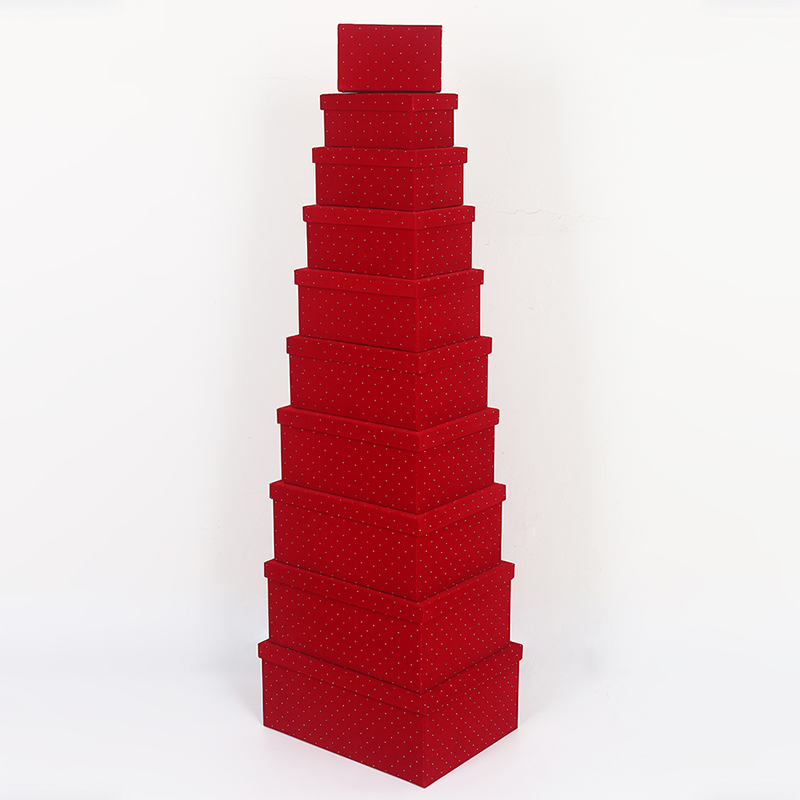
666 Top-opening Spunlace Bottom Plush Gift Box Packaging
1. Product specification for model 666# top-opening spunlace-bottom plush gift box packaging, supplied by the manufacturer.
2. Manufacturer-provided company profile and production capability information for Zhejiang Shihao Gift Packaging Co., Ltd.
3. Manufacturer-provided material, color, dimension, packing, delivery, and minimum order quantity information.
4. General principles of rigid paperboard packaging design, structural protection, and gift presentation.
5. General packaging development practices covering artwork preparation, prototype approval, quality inspection, carton optimization, and export logistics.
6. General sustainability considerations for reusable paper-based packaging and mixed-material gift boxes.
Recommended Products

Contact Us

No. 15, Xiayang Road, Huangzhai Town, Jinhua, Zhejiang, China

(+86) 579-84230069

(+86) 13085675766


Products

Gift Box Packaging Manufacturer
 English
 Français
 Español
 عربى