2026-08-25
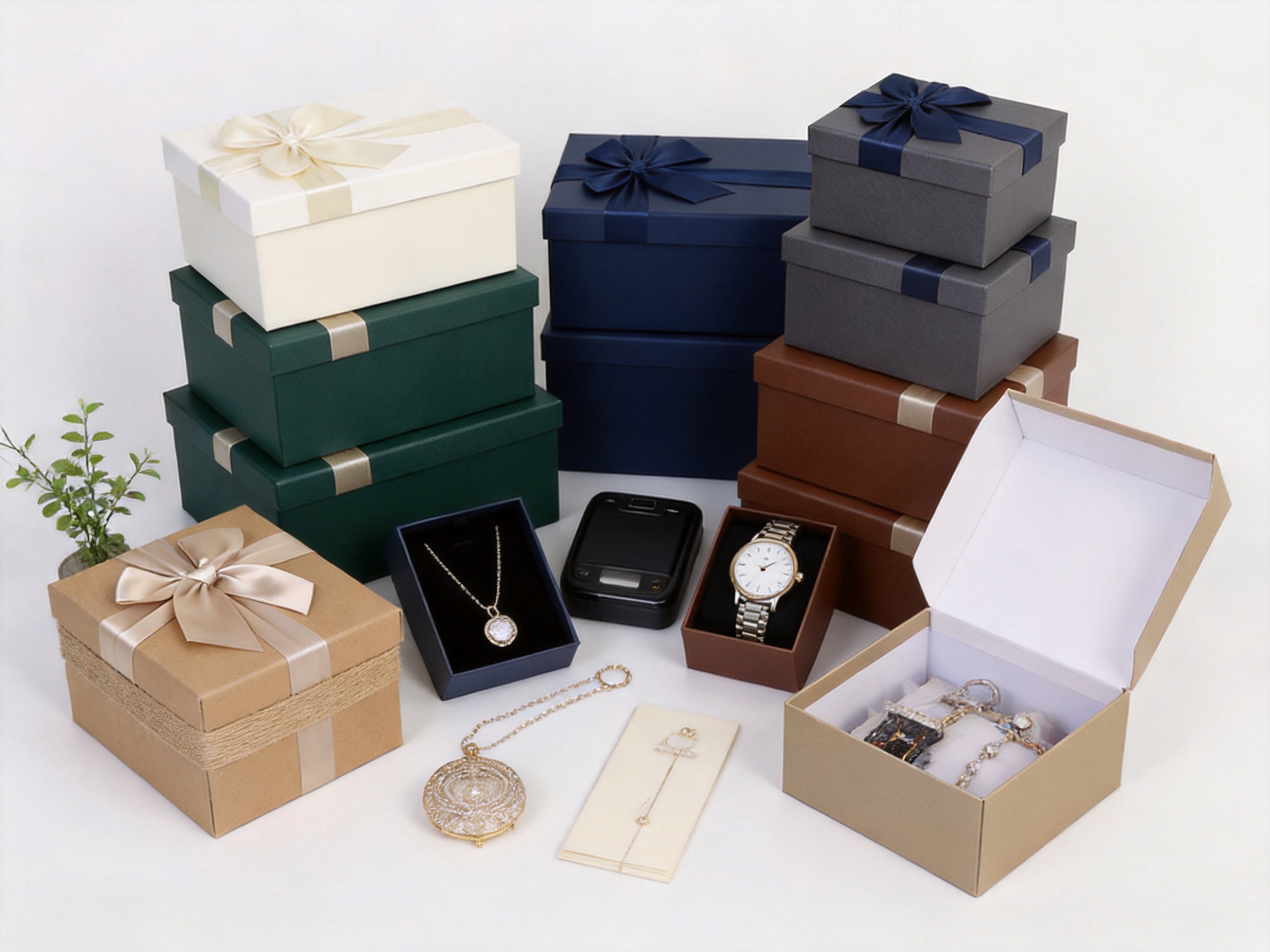
Premium packaging is no longer limited to protecting a product during transportation. In competitive retail, e-commerce, hospitality, jewelry, electronics, and corporate gifting markets, the package has become an important part of the product experience. A well-designed box establishes expectations before the customer sees what is inside, communicates quality through material and construction, and provides a memorable first impression that can influence purchase decisions and brand loyalty.
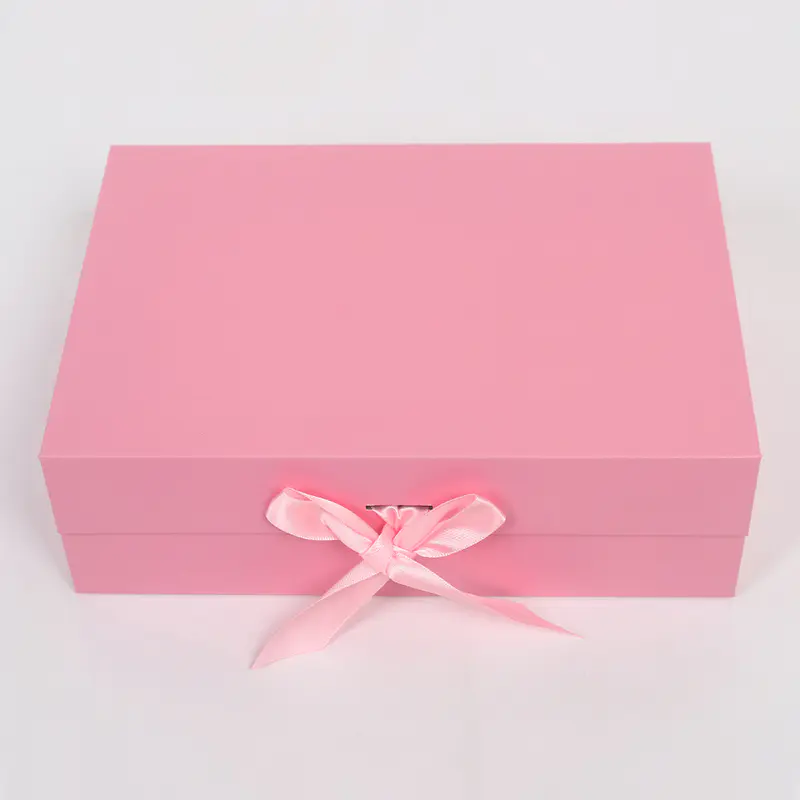
The 604 square high-end specialty paper gift box with yuppie texture is designed for precisely this purpose. Combining a structured square profile, art paper-coated cardboard, a leather-like specialty paper surface, customizable dimensions, and professional production support, this gift box offers a refined packaging solution for brands seeking a premium appearance without relying on excessive decoration. Its visual language is understated, modern, and versatile, making it suitable for jewelry, watches, electronics, cosmetics, ornaments, business gifts, holiday collections, and other products that require a polished presentation.
Unlike ordinary folding cartons or basic paper boxes, this series is developed as a high-end packaging format. The square silhouette gives the box a balanced and stable appearance, while the yuppie-textured surface creates a distinctive tactile experience. Customers can see and feel the difference before opening the package. This combination of structure and texture helps the box stand apart from mass-market alternatives that may use thin paperboard, generic coatings, or limited customization options.
This article examines the design, materials, manufacturing strengths, customization possibilities, sustainability considerations, logistical advantages, and commercial applications of the 604 gift box. It also explains how an experienced gift packaging manufacturer can help brands transform a standard container into a purposeful part of their product identity.
The 604 gift box is based on a simple but effective principle: premium packaging does not need to be visually complicated to appear valuable. A clean square form provides a strong foundation for a wide range of products and brand styles. Its geometry is easy to arrange on retail shelves, in display cabinets, gift sets, and shipping cartons. It also offers a balanced surface area for printed graphics, logos, foil details, labels, patterns, or minimalist branding.
The square structure is particularly useful for gift packaging because it creates a sense of symmetry and order. Many premium products are presented in boxes that feel intentionally designed rather than merely assembled around the product. A well-proportioned square box can make the contents appear more important and carefully selected. It is suitable for both compact items and larger gift formats, depending on the chosen size and internal configuration.
Although the product is identified as a square box, the series is available in multiple dimensions. The listed size range extends from approximately 34 × 26 × 15.3 centimeters for the larger format to approximately 16.8 × 10.8 × 6.5 centimeters for the smaller format. This range allows buyers to select a practical size for different products while preserving a consistent visual identity across a collection.
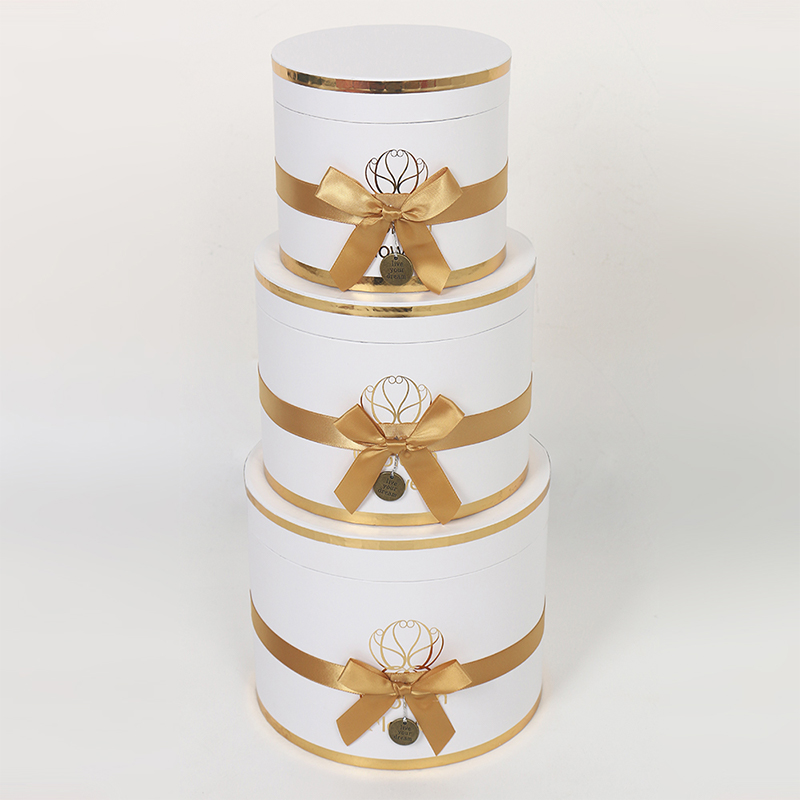
The box can therefore serve as a single premium package or as part of a coordinated packaging family. A jewelry company, for example, may use smaller dimensions for bracelets, earrings, or accessories and a larger version for gift sets. A corporate gifting supplier may use several sizes to package books, stationery, gourmet products, small electronics, or seasonal merchandise. Consistent materials and surface finishes can connect all formats to the same brand presentation.
The most recognizable feature of the 604 series is its yuppie-textured specialty paper. In the product description, this finish is characterized by a leather-like texture that provides both visual depth and a distinctive hand feel. Texture is a powerful element in premium packaging because it creates an immediate physical response. A smooth, ordinary printed carton may communicate function, while a textured surface suggests thoughtfulness, craftsmanship, and a higher level of product value.
The leather-like appearance gives the box a sophisticated character without requiring a heavily embellished exterior. It can work with restrained colors such as black, ivory, charcoal, deep green, navy, brown, or warm neutral shades. It can also support brighter or custom colors when a brand wants a more expressive appearance. Because the texture itself contributes visual interest, the surface does not need to be overloaded with patterns or decorative elements.
This is one of the product’s key advantages over competitors using standard coated paper. Conventional paper packaging may look attractive when first printed, but it often lacks tactile differentiation. A specialty texture can make the package more memorable during product handling, gift exchange, showroom presentation, and unboxing. It can also reduce the need for additional decorative layers, helping a brand achieve a premium effect through material selection rather than excessive finishing.
The texture is also valuable for brands that want a low-key luxury image. Not every premium product needs bright metallic foil, large logos, or complicated structural mechanisms. Some brands prefer packaging that communicates quality quietly. The yuppie-textured surface supports this direction by creating a refined appearance that is visible at close range and appreciated through touch.
For gift recipients, the tactile surface can make opening the box feel more deliberate. The package becomes part of the gift rather than disposable wrapping. For businesses, it can strengthen the perceived value of a product and reinforce the idea that every stage of the customer experience has been considered.
The listed material specification describes an art paper-coated cardboard surface. This construction combines a rigid paperboard foundation with an outer paper layer designed to provide a clean, printable, and attractive finish. Cardboard gives the box the structural strength required to hold its form, while the coated specialty paper improves the surface presentation.
Compared with lightweight paper packaging, a cardboard-based gift box offers greater resistance to bending, deformation, and everyday handling. This is important for products sold through retail channels, delivered as gifts, or stored for long periods before use. A rigid box can help protect the contents and maintain a more professional appearance from production through final presentation.
The outer surface is also suitable for visual customization. Color can be produced using CMYK, Pantone colors, or custom color specifications. This gives brands flexibility when matching an existing visual identity. Pantone references can be useful where color consistency is particularly important, while CMYK printing supports detailed graphics, images, gradients, and promotional artwork. Custom color development may be considered for brands seeking a distinctive packaging palette.
The material choice offers several practical advantages. First, the paper-based structure is compatible with established printing and converting processes. Second, the surface can carry brand marks and decorative elements without sacrificing the tactile effect of the specialty paper. Third, the box can be designed around different product dimensions rather than forcing products into a generic format.
Material selection should always be evaluated alongside the product’s weight, shape, fragility, and intended sales channel. A manufacturer’s design team can advise on board thickness, internal support, closure style, lining, inserts, and protective features. These details influence not only product safety but also the opening experience and the total packaging cost.
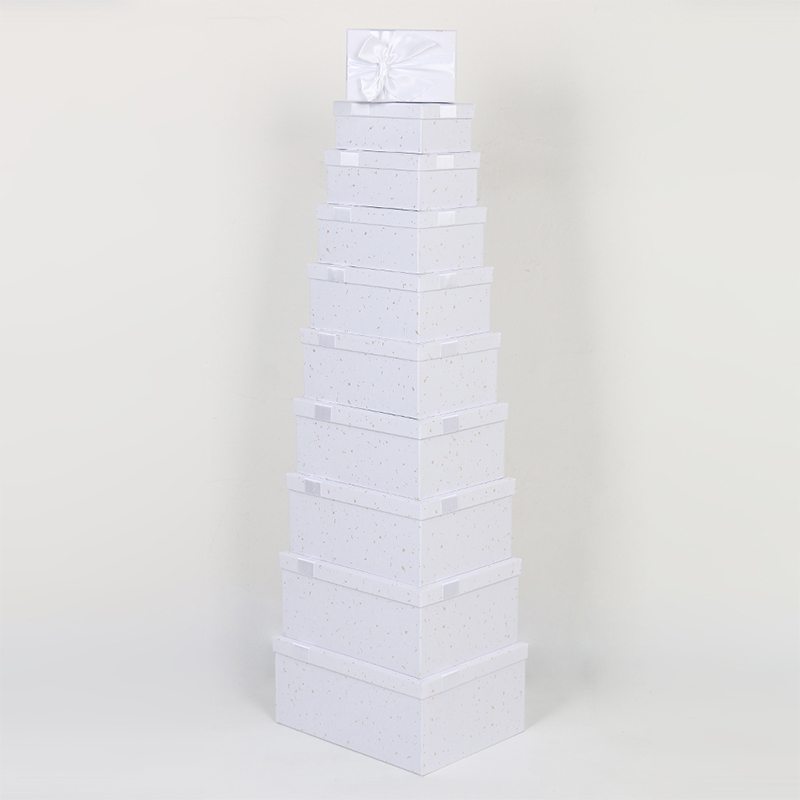
604 Square High-End Specialty Paper Gift Box with Yuppie Texture
Many gift boxes compete for attention using similar combinations of glossy coating, generic colors, and standard rectangular shapes. The 604 series takes a different approach by combining a square silhouette with a specialty textured exterior. This creates differentiation through proportion and material rather than relying only on printed decoration.
A textured surface can help a package remain recognizable even when displayed among many products. Customers may identify it from the shape, color, and feel of the box before reading the brand name. This is particularly valuable for premium product lines that want a consistent packaging signature.
Perceived value is influenced by multiple details, including the rigidity of the box, the precision of its edges, the quality of the surface, the color accuracy, and the opening experience. The 604 box addresses these elements as a coordinated packaging system. Its art paper-coated cardboard construction provides a substantial foundation, while the yuppie texture adds a more luxurious sensory quality.
Compared with a basic paper carton, a premium rigid-style gift box can make the same product feel more suitable for a special occasion. This can support premium pricing, gift-set positioning, and stronger customer expectations. While packaging alone cannot replace product quality, it can frame and amplify the value of the product inside.
A highly specialized box may look impressive but have limited commercial use. The 604 series is more flexible. Its available size range and square structure make it suitable for numerous categories, including jewelry, watches, electronics, ornaments, stationery, crafts, business gifts, and holiday merchandise.
Interior configurations can be adapted to the product. Depending on the design, the box may include compartments, paperboard supports, cushions, molded inserts, removable trays, or other protective components. This allows the same external design language to support different product types while preserving the brand’s packaging consistency.
Generic boxes can create a disconnect between packaging and brand identity. The 604 box is intended for customization, including dimensions, colors, artwork, and overall design. A company can use its logo, typography, brand colors, seasonal artwork, product information, or campaign graphics to create packaging that feels proprietary.
Customized gift boxes also support brand recognition after the purchase. A recipient may keep the box for storage, reuse it for another purpose, or display it in a home or office. When the box has a distinctive appearance and durable construction, the brand can remain visible beyond the original product transaction.
Some competing packaging designs focus on dramatic decoration. That approach may be appropriate for certain products, but it is not suitable for every market. The 604’s textured paper surface makes it possible to create a sophisticated package with restrained graphics. A simple logo, carefully selected color, and precise production can be enough to communicate quality.
This adaptability makes the box useful for premium brands, boutique retailers, corporate gifting programs, and companies that want a modern rather than extravagant image.
The performance of a gift box depends on more than its external concept. The manufacturing process determines whether the final product has accurate dimensions, clean edges, reliable assembly, consistent color, and a surface finish that matches the approved sample. For this reason, the experience and production capacity of the manufacturer are important considerations when selecting a packaging partner.
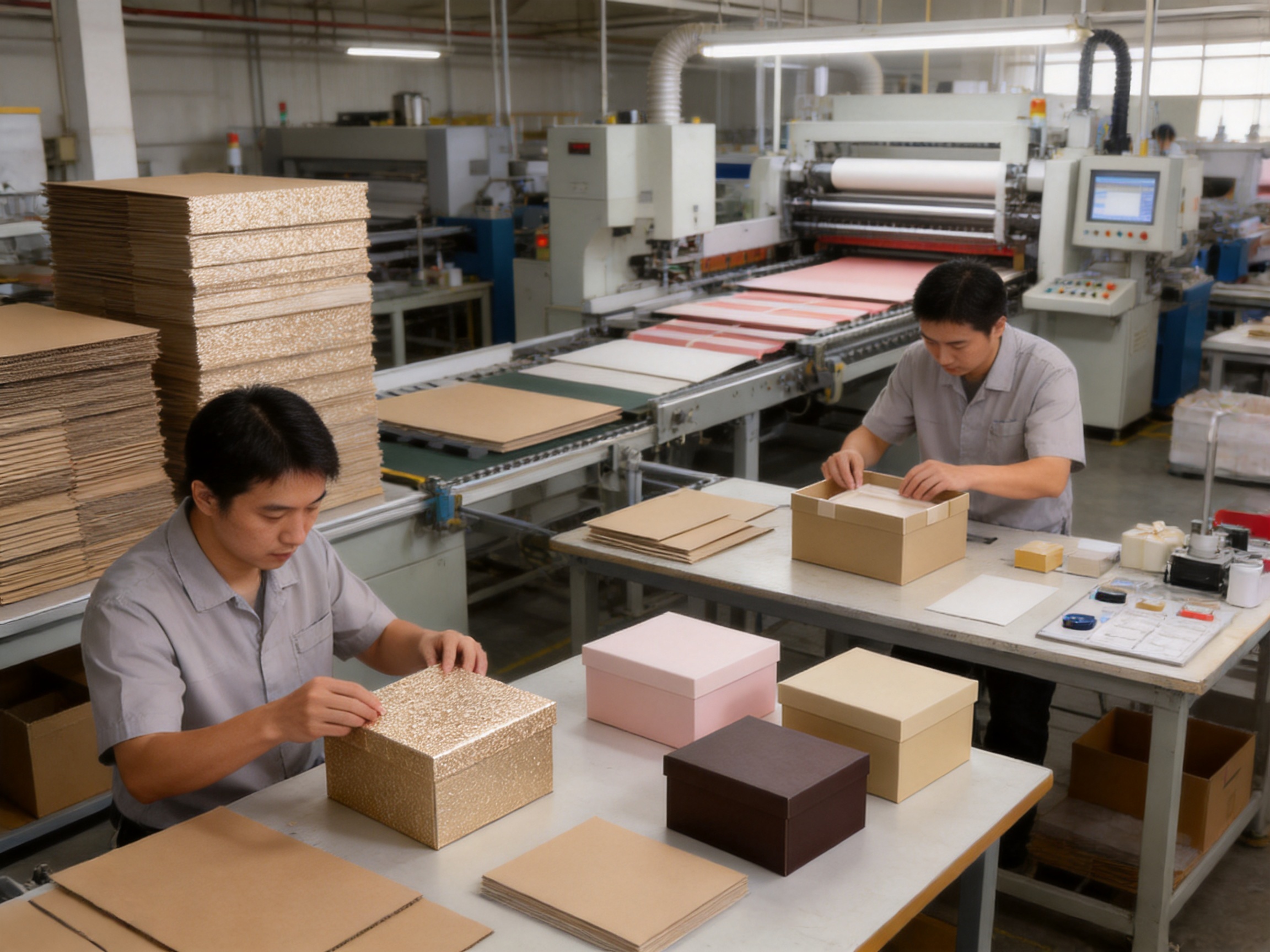
Zhejiang Shihao Gift Packaging Co., Ltd. is described as an export-oriented manufacturer specializing in the research, development, production, and sales of paper gift packaging boxes. The company has more than 15 years of industry experience, operates across approximately 20,000 square meters, and employs around 300 people. These resources indicate an established production organization rather than a small trading operation dependent entirely on external suppliers.
The company reports an average daily production capacity of approximately 5,000 sets of gift boxes. Such capacity can be beneficial for customers that need repeat orders, coordinated seasonal launches, or large quantities for multiple markets. A manufacturer with dedicated production resources can also provide better continuity between sampling, mass production, and replenishment.
Manufacturing strength is particularly important for specialty paper packaging. Textured materials can require careful handling during printing, wrapping, folding, gluing, and assembly. Excessive pressure, inaccurate alignment, unsuitable adhesive application, or inconsistent handling can affect the appearance of the surface. Experienced production teams are better positioned to manage these variables through process control and inspection.
The company’s product scope includes kits, storage boxes, folding boxes, jewelry boxes, and gift boxes. This range suggests familiarity with multiple paper packaging structures and different requirements for presentation, protection, and storage. The 604 series also belongs to a broader product category that includes gift boxes, other paper products, and stationery storage boxes.
A packaging project often begins with an idea rather than a finished technical drawing. The manufacturer states that it has an in-house design team capable of offering professional advice and accepting custom designs. This is valuable when a customer knows the desired appearance but needs help converting it into a stable, manufacturable structure.
The listed design file formats include Artificial Intelligence and Core Drawing, referring to common vector-based artwork workflows. Proper vector files allow the production team to review dimensions, cutting lines, folding areas, color separations, and graphic placement more accurately. Early technical review can reduce errors during sampling and help identify conflicts between artwork and structural components.
An in-house design team may also help customers determine whether a proposed box size is appropriate for the product, whether the opening method suits the user experience, and whether the selected material is practical for the desired quantity. This consultation can prevent costly changes after production has begun.
The company reports that it updates dozens of products weekly. Continuous product development can benefit customers in several ways. It indicates exposure to current packaging trends, emerging surface materials, new box structures, and changing market preferences. It also gives buyers access to a wider library of concepts that can be adapted for new product launches.
Research and development are especially relevant to brands that need packaging to evolve over time. A supplier that understands current design directions can help a company move from a basic box to a more distinctive format, introduce a seasonal edition, or develop a coordinated collection of packaging sizes.
The company is described as having passed BSCI and FSC certifications. BSCI is associated with social compliance and responsible business practices within supply chains. FSC certification relates to responsible forest management and the traceability of qualifying forest-based materials. Buyers should confirm the exact scope, validity, and applicability of certifications for a specific order, but these credentials are relevant indicators when evaluating an export packaging supplier.
The specialty paper material is also described as environmentally friendly and recyclable. Paper-based packaging can support sustainability goals when the materials, adhesives, coatings, inks, and finishing methods are selected appropriately. Recyclability may depend on the final construction and local recycling infrastructure, so buyers should request detailed material information and confirm the requirements of their target market.
Although the exact production sequence may vary according to the final structure and decoration, a professional gift box project generally involves several controlled stages. Understanding these stages helps buyers appreciate why manufacturing expertise matters and why a high-quality result requires more than simply printing a logo on paper.
The first step is to define the product, target market, quantity, dimensions, opening method, visual style, and functional requirements. The manufacturer may request product samples or detailed measurements. Important questions include whether the contents are fragile, whether the box must support a particular weight, whether inserts are required, and whether the package will be sold in a retail environment or shipped directly to consumers.
At this stage, the customer should also identify the desired level of luxury. A minimalist textured surface may require different finishing decisions from a box with foil stamping, embossing, ribbon, windows, or complex internal structures. Clarifying priorities early helps the manufacturer balance appearance, function, and cost.
The structural design defines the box’s length, width, height, wall construction, lid or closure system, internal components, and assembly method. For a square gift box, dimensional accuracy is important because even small inconsistencies can affect the fit of the lid or the alignment of the exterior surfaces.
The available dimensions for the 604 series provide a starting point, but custom sizes can be developed for individual products. The correct internal clearance should protect the contents while avoiding unnecessary empty space. An oversized box may increase material use and shipping cost, while an undersized box may damage the product or create an awkward opening experience.
Once the structure is established, artwork is prepared for the printable areas. The design team checks color specifications, logo proportions, text legibility, bleed areas, folds, seams, and other technical details. CMYK, Pantone, and custom colors can be considered based on the visual requirements.
Premium packaging often benefits from restraint in artwork placement. A textured surface may already contain enough visual character, so a small logo or carefully positioned graphic can create a stronger result than full-surface decoration. At the same time, the box can support more elaborate artwork when the brand identity calls for it.
The art paper-coated cardboard and specialty outer paper are prepared according to the approved specification. Printing may include brand colors, product information, patterns, illustrations, or seasonal designs. Color control is important for repeat orders because customers expect subsequent production runs to maintain the same identity as the original launch.
Where Pantone colors or custom colors are used, the buyer should approve a physical sample when exact appearance is important. The texture of the paper can influence how colors are perceived, so digital artwork alone may not fully represent the final result.
After printing, the paper surface is mounted or wrapped onto the cardboard structure. This stage requires accurate positioning and controlled adhesive application. The paper must be smooth and properly aligned while preserving the intended texture. Corners, edges, seams, and folds receive particular attention because they are highly visible on premium boxes.
Forming and assembly then turn the prepared components into the finished box. Depending on the construction, this may involve folding, pressing, gluing, fitting, and installing internal parts. A well-managed process helps ensure that the box opens cleanly, closes securely, and maintains its shape during handling.
Quality inspection may include checks for color, surface defects, scratches, wrinkles, glue marks, dimensional accuracy, structural stability, and assembly consistency. Boxes that do not meet the approved standard should be separated before packing.
The listed packing information states 10 pieces per set and 4 sets per carton, with carton dimensions of approximately 54 × 35 × 33 centimeters. Buyers should confirm the final packing configuration for the selected size, as larger or customized boxes may require different carton quantities. Correct packing protects the boxes during transport and helps customers plan warehouse storage.
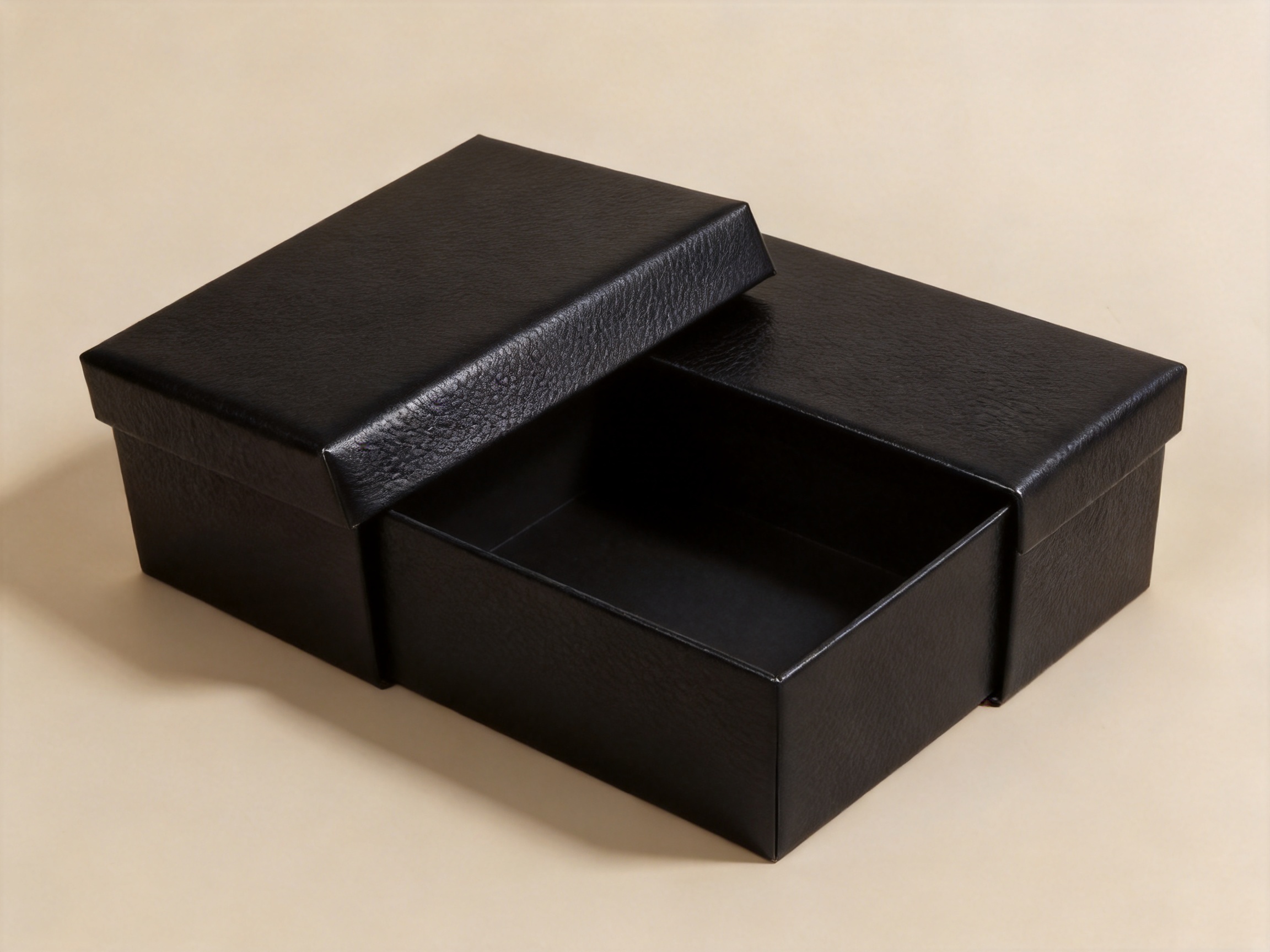
Customization is one of the strongest commercial advantages of the 604 box. Rather than using a one-size-fits-all package, brands can adapt the product to their merchandise, customer profile, and sales channel. Customization can involve both visible elements and functional details.
Custom dimensions allow the box to fit products more efficiently. Jewelry, watches, stationery, small electronics, ornaments, and gift sets have very different space requirements. A tailored box can reduce movement inside the package, improve presentation, and minimize wasted material.
Proportion also influences the visual impression. A low square box may be suitable for flat accessories or stationery, while a taller format may work better for bottles, decorative objects, or layered gift sets. The manufacturer can evaluate the product and recommend a size that balances visual impact with practical protection.
The product supports CMYK, Pantone colors, and custom colors. This range is useful for both established brands and new companies. Established brands may need to match an existing color system across packaging, retail displays, and marketing materials. New brands may use custom colors to establish a recognizable identity from the beginning.
Color selection should consider the texture and reflectivity of the paper. Dark tones can emphasize the leather-like effect, while light colors can create a softer and more contemporary appearance. Metallic or high-contrast details may be added where appropriate, provided that they complement rather than overpower the specialty surface.
Brand logos, monograms, product names, campaign messages, and decorative patterns can be integrated into the exterior design. A company may choose a small front-facing logo for a discreet luxury appearance or use a larger graphic system for stronger shelf visibility. The inside of the lid, base, or insert can also carry brand messages, care instructions, or gift notes.
Printed artwork should be prepared with attention to legibility and durability. Small text must remain readable at the final size, and important graphics should not be placed over folds or seams. The in-house design team can help adapt artwork to the technical requirements of the box.
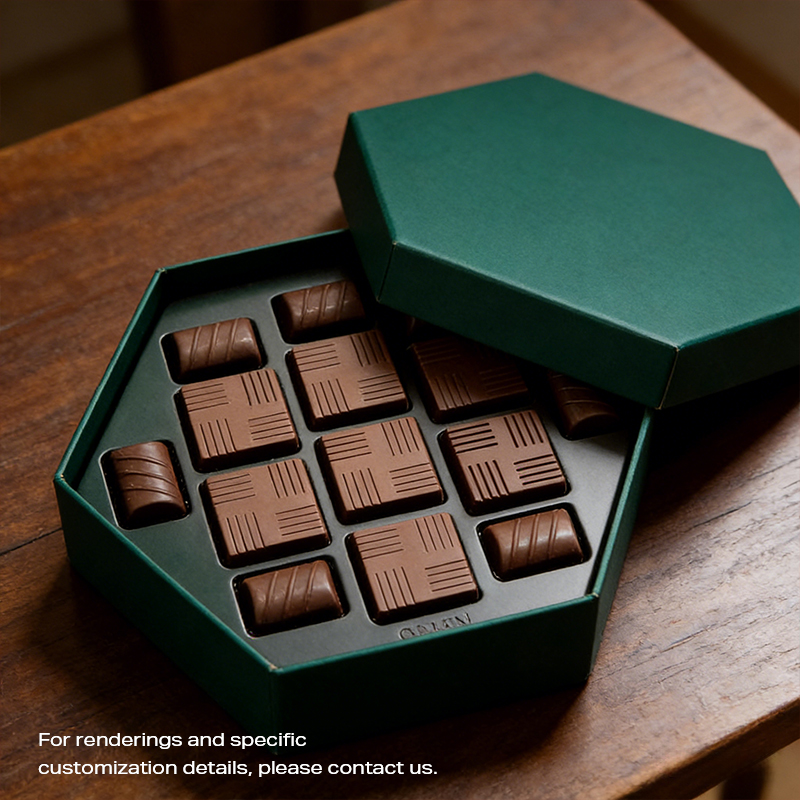
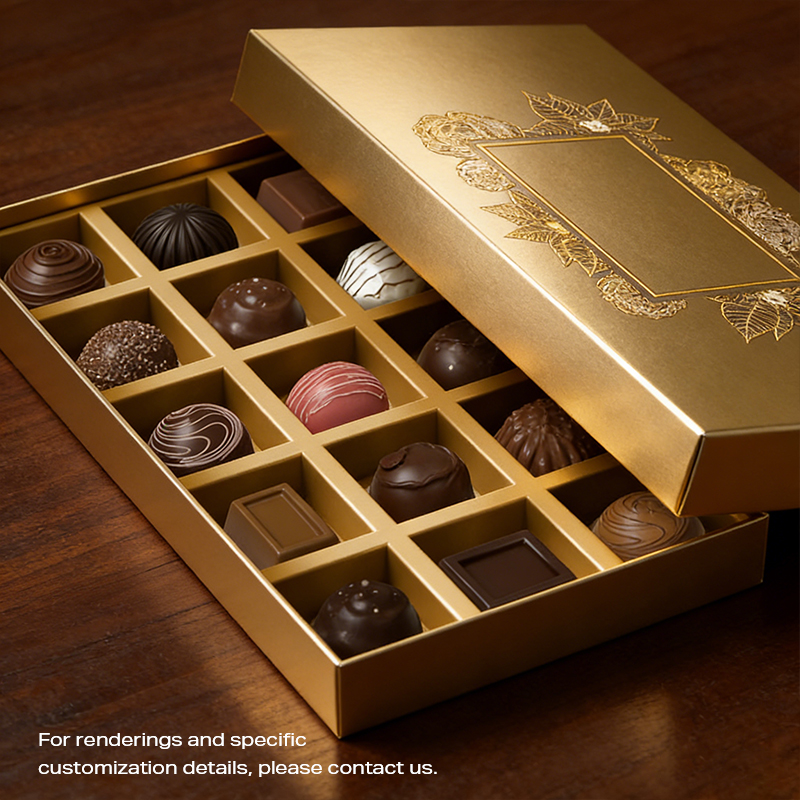
The outside of the box attracts attention, but the interior determines how the product is revealed. Depending on the application, the box may be designed with a simple open cavity or a more organized interior. Inserts can hold jewelry, watches, electronics, stationery items, ornaments, or multiple products in a gift set.
Interior design can also improve perceived value. A product that is centered, supported, and revealed gradually may create a more impressive opening experience than one that shifts loosely inside a large container. For corporate gifts and holiday packaging, interior compartments can help organize several coordinated items.
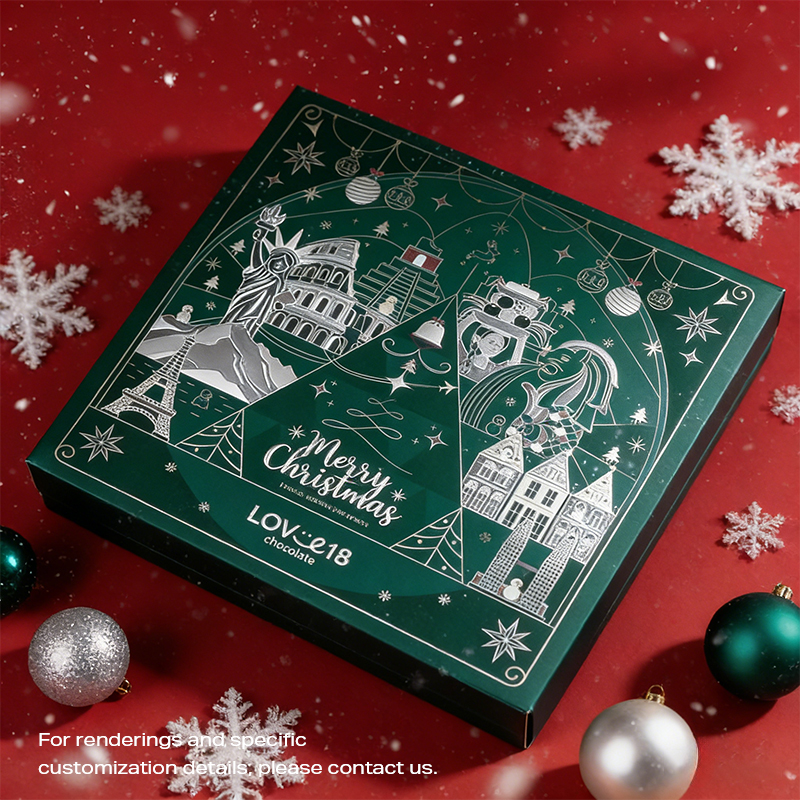
The 604 format can be adapted for holidays, anniversaries, product launches, wedding gifts, business events, and limited editions. The square structure provides a dependable base while colors and graphics change according to the campaign. This allows brands to maintain a recognizable box shape while refreshing the design for different occasions.
Seasonal packaging can encourage gift purchases and make a standard product feel timely. Limited editions may also create collectability when the box is attractive enough to be reused. These benefits are more difficult to achieve with generic packaging that lacks a distinctive form or material identity.
Jewelry requires packaging that conveys delicacy and value. A textured square box can provide a refined setting for necklaces, bracelets, earrings, rings, or coordinated jewelry sets. The exterior can remain minimalist while the interior uses a fitted insert to keep the item secure and visually centered.
For jewelry brands, the box may become part of the long-term customer relationship. Recipients often retain jewelry packaging for storage, and a durable, attractive box can keep the brand present in the customer’s daily environment.
Watches benefit from structured packaging because the product is often purchased as a significant personal or business gift. The square format can accommodate a watch cushion, documentation, and additional accessories. A leather-like paper texture is also visually compatible with the traditional associations of watchmaking, craftsmanship, and refined materials.
Small electronics, headphones, charging accessories, smart devices, and related products require protection as well as presentation. The cardboard structure can be adapted with internal supports to limit movement. Printed information, operating details, or brand graphics can be incorporated into the package while maintaining a premium exterior.
The product category includes stationery storage boxes and other paper products. The 604 box can be used to organize notebooks, writing instruments, cards, art supplies, or desk accessories. A textured storage box may be especially appealing for office, home, and lifestyle brands that want their packaging to remain useful after purchase.
Corporate gifts require packaging that looks professional and communicates respect. A custom square gift box can carry a company logo, event identity, or executive gift theme. It may be used for awards, commemorative products, client gifts, employee recognition items, or conference merchandise.
For business gifting, the package often represents the organization before the recipient sees the product. Clean color control, precise branding, and reliable assembly are therefore essential. The 604 series offers a formal yet flexible base for these requirements.
Holiday gift boxes need to balance visual appeal with production efficiency. The 604 format can be developed in seasonal colors, printed with celebratory artwork, or used as part of a coordinated gift set. Multiple sizes can help package different combinations of products while maintaining a unified campaign appearance.
Handmade products, ornaments, decorative goods, and craft items often benefit from packaging that reflects the care invested in the product. A specialty textured box can help independent makers and lifestyle brands present their goods as thoughtfully designed gifts rather than ordinary retail items.
Environmental performance has become an important factor in packaging decisions. The 604 box uses a paper-based material system and is described as environmentally friendly and recyclable. This aligns with the growing demand for packaging that can reduce reliance on plastic-heavy alternatives.
Paperboard packaging can offer several sustainability benefits. It is made from a renewable material category, can often be collected through paper recycling systems, and can be designed for reuse. A durable gift box may serve as a storage container after the original product is removed, extending its useful life.
However, responsible packaging requires a complete assessment rather than a single material claim. Buyers should consider the paper source, coating, inks, adhesives, decorative finishes, insert materials, and shipping requirements. If a box combines paper with non-paper components, recycling procedures may differ. It is therefore advisable to request material documentation and confirm the recycling conditions in the destination market.
The company’s reported FSC and BSCI certifications are relevant to responsible sourcing and supply-chain evaluation. FSC-related materials can support traceability objectives, while BSCI-related social compliance practices may help international buyers assess supplier responsibility. Certification details should be reviewed for the specific facility and order requirements.
Design can also reduce environmental impact. An accurately sized box uses materials more efficiently and may require less void fill during shipping. Reusable construction can increase the useful life of the packaging. Coordinating box dimensions across a product range can improve carton utilization and warehouse efficiency.
Sustainability should be balanced with product protection. If inadequate packaging causes damage, returns, or replacement shipments, the environmental cost may increase. A well-designed paper gift box should therefore protect the product, support reuse, and avoid unnecessary material without compromising the customer experience.
International buyers typically require consistency across large quantities and repeat shipments. The company’s export-oriented background and reported sales to Europe, the United States, the Middle East, and other regions indicate experience with international packaging requirements and overseas logistics.
Quality control for premium gift boxes should cover both appearance and function. Surface inspection can identify paper scratches, wrinkles, uneven texture, color variation, or adhesive marks. Structural inspection can verify dimensions, lid fit, corner alignment, stability, and opening performance. Packing inspection can confirm the number of units per set, carton configuration, labeling, and protection during transport.
Sampling is an important part of this process. Before mass production, the customer should review a physical sample or approved pre-production model. The sample can be evaluated for color, texture, box strength, internal fit, and overall presentation. Any changes should be documented before the production run begins.
Repeat orders benefit from retained specifications and approved standards. When the manufacturer maintains the original design files, color references, dimensions, and packing instructions, future production can be compared more efficiently with the original sample. This is particularly useful for seasonal products and brands that reorder packaging throughout the year.
The stated delivery time is 7 to 45 days or according to customer requirements. The actual schedule may depend on the design complexity, sample approval, order quantity, material availability, printing, finishing, and shipping arrangements. Customers should request a detailed production timeline before confirming an order.
The listed minimum order quantity is 300 sets. This quantity may be suitable for small and medium-sized brands, promotional programs, boutique retailers, and initial product launches that require more flexibility than very large factory minimums. Buyers should clarify whether the minimum applies to one size, one design, one colorway, or a combined order.
The packing information states 10 pieces per set and 4 sets per carton. Since the source information also lists a carton dimension of approximately 54 × 35 × 33 centimeters, buyers should confirm how these figures apply to the selected box size. Customized dimensions may change the number of units per carton and the required shipping volume.
Cost planning should include more than the unit price. Buyers should evaluate tooling or sampling expenses, printing and finishing, inserts, packing materials, carton quantity, shipping, import charges, and storage. A premium box may have a higher initial unit cost than a basic carton, but its marketing value, reusability, and contribution to perceived product quality can justify the investment.
For companies launching a new product, a staged approach may be practical. The first order can establish the structure and visual identity, while later orders can refine the quantity, interior components, and seasonal artwork. A manufacturer with design and production capabilities can support this process from prototype through replenishment.
Packaging is a physical expression of brand positioning. A company that sells premium products but uses weak or generic packaging may create an inconsistent customer experience. Conversely, a carefully designed box can communicate quality before the product is used.
The 604 box supports brand image through several coordinated elements: the square structure communicates order and stability; the specialty texture communicates refinement; the art paper-coated cardboard provides a substantial feel; and customization creates a direct connection with the brand. Together, these features can make the packaging feel intentional and recognizable.
Brand recognition is strengthened when packaging is consistent across different products and sales channels. A company can use the same texture, color family, logo treatment, and structural style for jewelry, accessories, gift sets, and seasonal editions. Customers then begin to associate the box itself with the brand.
The box can also improve the unboxing experience. A recipient may notice the texture, weight, proportions, and opening sequence before seeing the item inside. These details create a series of sensory impressions that contribute to memory. For gift products, this emotional response is particularly important because the package is often seen by both the buyer and the recipient.
In a business-to-business context, custom packaging can support professionalism. A branded box used for client gifts, event materials, or executive merchandise signals preparation and attention to detail. It can help an organization present itself consistently across meetings, campaigns, and customer communications.
| Packaging option | Typical strengths | Potential limitations | Advantages of the 604 series |
|---|---|---|---|
| Basic folding carton | Lightweight, economical, efficient for high-volume retail products | Usually less rigid and less tactile; may appear less premium | Offers a more substantial structure and specialty textured surface |
| Plain paper gift bag | Simple to produce and convenient for immediate gifting | Limited protection and weaker long-term storage value | Provides a more structured presentation and can be reused as a storage box |
| Generic rigid box | Good strength and premium appearance | Often limited in surface identity, dimensions, or customization | Combines rigid-style presentation with yuppie texture and custom design support |
| Plastic presentation box | Can offer visibility and resistance to moisture | May conflict with sustainability goals and feel less refined for certain products | Uses a paper-based system with recyclable potential and a softer luxury aesthetic |
| Wooden gift box | Strong, durable, and traditionally associated with luxury | Heavier, more expensive to ship, and less flexible for large-volume programs | Provides premium presentation with lower material weight and broader design flexibility |
This comparison does not mean that one package is ideal for every product. Packaging should be selected according to the product, budget, market, sustainability objectives, and customer expectations. The advantage of the 604 series is its balanced position: it offers a premium tactile and visual experience while remaining based on a customizable paper packaging system.
Before requesting a quotation, measure the product accurately and identify its weight, fragility, orientation, and accessories. Provide information about whether the box needs an insert, cushion, divider, or document compartment. This allows the manufacturer to recommend a suitable structure instead of quoting a box that may not perform correctly.
A useful design brief should include the target customer, desired price level, brand colors, logo files, preferred texture, reference products, expected order quantity, and delivery deadline. If the box is intended for a holiday or launch campaign, the required arrival date should include time for sampling, approval, shipping, and warehousing.
Physical samples are essential for specialty packaging. The customer should inspect the texture, color, rigidity, dimensions, seams, edges, lid fit, and interior presentation. Photographs and digital renderings are useful during early design but cannot fully replace a physical evaluation.
If environmental claims are important to the brand, ask about paper sources, FSC applicability, recycled content, coatings, adhesives, inks, and recycling guidance. Clear documentation helps the buyer communicate responsibly with retailers and customers.
Gift boxes occupy more volume than flat cartons, especially when they are assembled. Buyers should calculate warehouse requirements and confirm carton dimensions before ordering. The manufacturer’s stated packing configuration can be used as a planning reference, but customized products should be reviewed separately.
When possible, develop several sizes and related formats together. A consistent family of packaging can improve brand recognition and simplify future product launches. It may also make it easier to coordinate color, artwork, and material procurement across different box types.
A gift box manufacturer contributes more than production machinery. The best results often come from collaboration between the brand and the supplier. The brand provides the product knowledge, customer insight, and identity, while the manufacturer contributes structural expertise, material knowledge, artwork preparation, production control, and logistics experience.
For the 604 series, this partnership is valuable because the specialty surface and premium construction need to be integrated carefully. A designer may envision a beautiful box, but the manufacturer must ensure that it can be produced consistently at the required quantity. The manufacturer can advise on how to preserve the texture, position graphics, reduce assembly problems, and protect the finished boxes during transport.
Zhejiang Shihao Gift Packaging Co., Ltd. presents itself as a supplier capable of supporting this complete process. Its reported factory area, workforce, daily capacity, design team, international market experience, and range of packaging products provide a foundation for larger and more complex projects. The company’s stated business philosophy emphasizes innovation, quality, practicality, and benefit, which are all relevant to packaging development.
For buyers, the practical benefit is a more streamlined development process. Instead of coordinating separate structural designers, printers, paper converters, and assembly suppliers, a customer can seek support from a manufacturer experienced in multiple stages of paper gift box production. This may reduce communication gaps and make it easier to maintain accountability.
It is a premium square gift box made with an art paper-coated cardboard structure and a yuppie-textured specialty paper surface. The leather-like texture gives the box a refined visual and tactile character. It is designed for gift packaging, storage, jewelry, watches, electronics, stationery, crafts, business gifts, and holiday products.
The yuppie texture creates a leather-like surface effect that can be seen and felt. It adds visual depth and a premium hand feel, helping the box stand apart from smooth, generic paper packaging. It is especially suitable for brands that want understated luxury rather than excessive decoration.
Yes. The product information states that custom sizes are available. Listed dimensions range from approximately 34 × 26 × 15.3 centimeters to 16.8 × 10.8 × 6.5 centimeters, while the final size can be developed according to the product and packaging requirements.
The listed color options include CMYK, Pantone colors, and custom colors. Buyers should provide brand references and approve physical samples when accurate color matching is important.
Yes. Custom designs are welcome, and the box can be adapted with logos, typography, printed graphics, color schemes, and other brand elements. Artwork should be supplied in an appropriate vector format, such as Artificial Intelligence or Core Drawing files, for technical review.
The box is suitable for jewelry, watches, electronics, ornaments, stationery, storage items, gifts, crafts, business gifts, and holiday gift sets. Interior inserts or supports can be considered according to the product’s size, shape, and protection requirements.
The specialty paper material is described as environmentally friendly and recyclable. Buyers with specific sustainability requirements should confirm the exact paper, coating, ink, adhesive, and insert specifications, as recyclability can depend on the complete packaging construction and local recycling facilities.
The listed minimum order quantity is 300 sets. Customers should confirm whether this minimum applies to one design, size, color, or a combined order program.
The listed delivery time is 7 to 45 days or according to customer requirements. The actual schedule depends on the design, sampling, materials, order quantity, production workload, approval timing, and shipping method.
The available information states 10 pieces per set and 4 sets per carton. It also lists a carton dimension of approximately 54 × 35 × 33 centimeters. Because customized sizes may change the packing arrangement, buyers should confirm the final carton plan before shipment.
Yes. The company states that it has an in-house design team and can provide professional advice. It accepts custom designs and can assist with developing a package that balances appearance, structure, production feasibility, and product protection.
The company is described as having passed BSCI and FSC certifications. Buyers should request current certification documents and confirm their scope when certification is a contractual requirement.
Yes. The manufacturer is described as export-oriented and reports shipments to Europe, the United States, the Middle East, and other regions. Buyers should still confirm destination-specific labeling, material, shipping, and documentation requirements for each project.
The 604 square high-end specialty paper gift box offers a strong combination of premium appearance, tactile differentiation, structural versatility, and customization potential. Its yuppie-textured surface creates a leather-like impression that helps it compete against ordinary smooth paper boxes. Its square form provides a balanced, elegant presentation for many product categories, while the art paper-coated cardboard construction gives the package a substantial and dependable foundation.
The product is especially appropriate for brands that want to communicate quality through material and proportion rather than relying entirely on decorative effects. Jewelry, watches, electronics, stationery, ornaments, crafts, corporate gifts, and holiday sets can all benefit from the format. Custom sizes, CMYK printing, Pantone colors, custom colors, brand artwork, and interior configurations allow the package to be adapted to different products and markets.
Its commercial value is strengthened by the manufacturing resources associated with Zhejiang Shihao Gift Packaging Co., Ltd. More than 15 years of industry experience, a reported 20,000-square-meter facility, approximately 300 employees, an average daily capacity of about 5,000 sets, an in-house design team, international export experience, and BSCI and FSC certifications provide a strong foundation for custom packaging projects.
For companies seeking a gift box packaging factory or custom gift box manufacturer, the most important consideration is not simply whether a supplier can produce a box. The supplier should also be able to help define the structure, manage specialty materials, prepare artwork, maintain quality, support repeat orders, and coordinate international delivery. The 604 series demonstrates how a carefully developed paper gift box can become a practical packaging tool and a meaningful part of the brand experience.
When the right dimensions, materials, artwork, interior protection, and production standards are combined, the result is more than a container. It is a premium presentation that can strengthen customer impressions, support product positioning, encourage reuse, and help a brand remain memorable long after the gift has been opened.
1. Zhejiang Shihao Gift Packaging Co., Ltd., product specification information for the 604 square high-end specialty paper gift box.
2. Zhejiang Shihao Gift Packaging Co., Ltd., company profile and manufacturing capability information.
3. Forest Stewardship Council, general principles for responsible forest-based material sourcing.
4. Business Social Compliance Initiative, general guidance on social compliance in global supply chains.
5. General packaging design principles concerning structural protection, material selection, printing, quality control, and customer unboxing experience.
Recommended Products

Contact Us

No. 15, Xiayang Road, Huangzhai Town, Jinhua, Zhejiang, China

(+86) 579-84230069

(+86) 13085675766


Products

Gift Box Packaging Manufacturer
 English
 Français
 Español
 عربى