2026-10-23
A printed packaging sample may look attractive on screen, but the finished box can reveal issues that are difficult to identify from digital artwork alone. Incorrect dimensions, misplaced windows, loose transparent film, and unsuitable product inserts can affect both retail presentation and packaging performance. Addressing these details before bulk production helps buyers avoid unnecessary revisions and maintain consistent product presentation.
At Shihao, we view sample approval as an important stage of customized packaging development. Our custom window box packaging solutions can be developed around product dimensions, viewing requirements, printing preferences, and structural specifications. Reviewing a physical sample gives our customers an opportunity to confirm essential details before approving the production version.

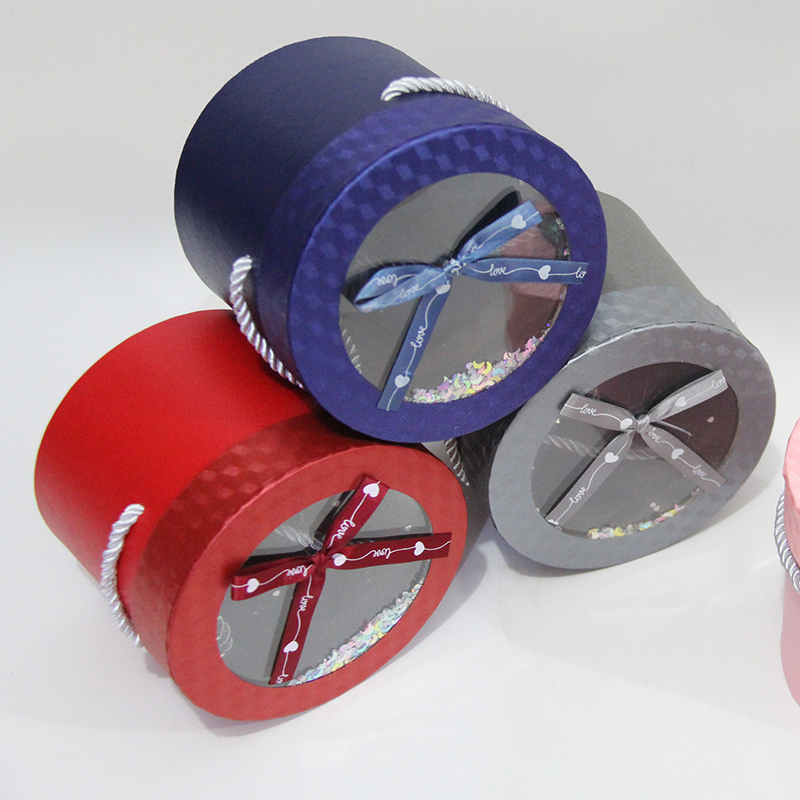
The window determines which product details customers can see on the retail shelf. A poorly positioned opening may hide important product features, expose an unintended area, or leave insufficient space for branding and printed information.
At Shihao, we recommend checking window placement with the actual product inside the sample. This helps identify alignment problems before the cutting layout and printed artwork are finalized.
A box that matches a drawing may still be unsuitable for the finished product. Manufacturing tolerances, accessories, protective wrapping, and insert dimensions can affect the available internal space.
During sample evaluation, buyers should:
For cosmetics, toys, accessories, and gift items, the insert may be just as important as the outer carton. A correctly positioned product helps maintain the intended appearance through storage, display, and handling.
Some window boxes use a transparent film patch behind the die-cut opening, while other designs leave the opening uncovered. The suitable construction depends on the product, presentation goals, and packaging requirements.
| Inspection Item | What Buyers Should Check | Potential Concern |
| Film clarity | Check visibility under relevant lighting | Haze, glare, or surface marks |
| Patch alignment | Compare the film position with the cutout | Uneven borders or exposed adhesive |
| Adhesive attachment | Inspect the full bonded perimeter | Lifting edges or loose sections |
| Cutout quality | Examine edges and corners | Rough cuts or unwanted deformation |
| Product contact | Check whether the contents touch the window | Scratches, pressure marks, or restricted movement |
Buyers should also confirm the specified window material rather than approving a sample based solely on appearance. The approved material, attachment method, and finishing details should be recorded before mass production.
A physical sample helps buyers evaluate branding details that may appear different on a monitor. Printed colors can vary with the paper surface, ink system, printing method, and finishing process. Digital samples may also differ from packages produced using the final production method.
At Shihao, we encourage customers to identify which characteristics the sample actually represents. A structural prototype can confirm dimensions and assembly, while a printed sample provides additional evidence about artwork and appearance. Any unverified production detail should remain subject to confirmation.
A sample can reveal design and assembly problems, but it cannot guarantee that every unit in a large order will be identical. Production consistency also depends on material specifications, equipment settings, assembly procedures, and quality inspection.
Before approving the order, buyers should establish a written reference covering:
Any changes to the material, dimensions, window design, or finishing process should be reviewed before production proceeds. Keeping an approved reference sample and a documented specification helps both the buyer and Shihao maintain a shared understanding of the required result.
Clear project information helps our team evaluate the packaging structure and prepare a sample that reflects the intended application. Buyers can provide the following details when discussing a new window box project with Shihao.
These details allow us to discuss structural options, material combinations, sample requirements, and production specifications with greater clarity.
A packaging sample is a practical way to identify problems with window positioning, product fit, film attachment, printing, and assembly before bulk production begins. However, sample approval should cover both the physical package and its written specifications, with any untested characteristics clearly identified.
At Shihao, we support customized packaging projects through specification review and sample evaluation. Contact our team with your product details, artwork, and window box requirements to discuss a packaging design that supports your retail presentation and production needs.
Recommended Products

Contact Us

No. 15, Xiayang Road, Huangzhai Town, Jinhua, Zhejiang, China

(+86) 579-84230069

(+86) 13085675766


Products

Gift Box Packaging Manufacturer
 English
 Français
 Español
 عربى