2026-06-19
Jewelry packaging has moved far beyond simple protection. A growing number of brands now rely on tactile storytelling, where surface texture becomes part of the perceived value of the item inside. An Imitation Leather Textured Paper Jewelry Box sits at the center of this shift, combining visual sophistication with material efficiency. The leather-like finish applied on paper-based structures creates an upscale appearance while keeping production flexible and lightweight. Industry references show that leatherette paper is widely adopted due to its ability to mimic natural grain patterns while supporting printing, embossing, and color customization with ease.
The core idea behind this packaging style is simple: deliver a refined look without relying on genuine leather or heavy rigid materials.
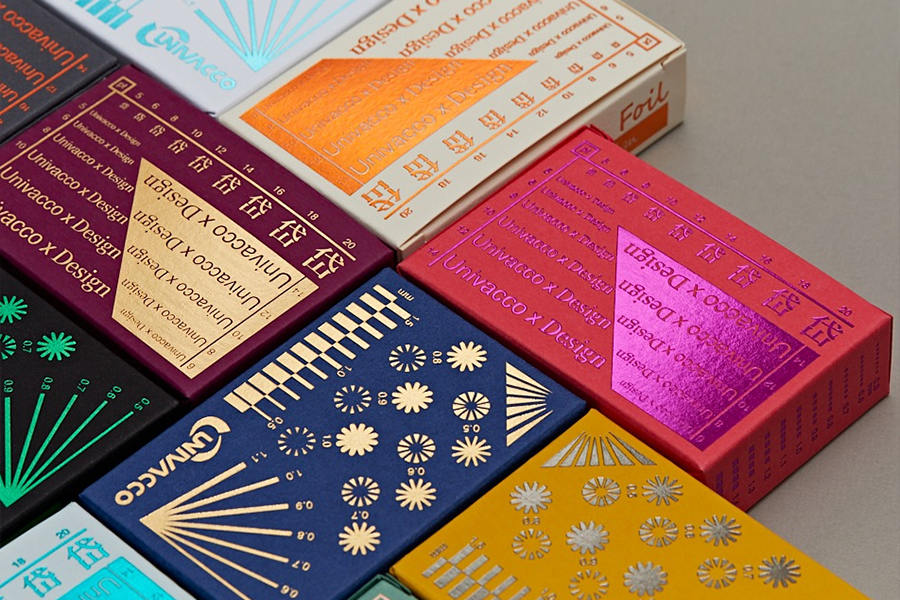
The outer layer of these jewelry boxes typically uses leatherette-coated specialty paper bonded onto a greyboard or reinforced cardboard core. This combination creates a firm structure with a soft visual surface.
Common material composition includes:
Textured finishes such as cross-grain, pebble grain, or diagonal embossing help simulate real leather aesthetics while maintaining cost efficiency. Some designs even use PU-coated paper to increase abrasion resistance and enhance tactile depth.
This layered construction allows the box to maintain shape integrity while still feeling refined in hand.
The appeal of leather-textured paper lies in how it interacts with light and touch.
Design techniques often include:
Unlike plain paperboard packaging, textured surfaces create a perception of craftsmanship. The irregular micro-patterns imitate natural hide surfaces, producing a sense of authenticity even though the material is fully engineered.
Consumers often associate these visual cues with higher product value, especially in jewelry presentation.
A jewelry box must do more than look attractive. Structural stability and protection remain essential.
Typical performance advantages include:
Because leatherette paper is flexible yet durable, it can be folded and shaped into complex box structures without cracking or peeling. This makes it suitable for hinged lids, magnetic closures, or telescopic designs.
Many manufacturers also highlight that this material supports eco-friendly production processes using water-based inks and reduced chemical coatings, aligning with modern packaging standards.
The contrast between exterior leather texture and interior softness plays a key role in the unboxing experience.
Common interior configurations include:
The goal is to stabilize jewelry while creating a visual transition from rugged exterior texture to soft interior finish. This duality enhances the sense of refinement during opening.
Imitation leather textured jewelry boxes are available in multiple dimensions depending on product type.
Typical sizing examples:
| Box Type | Approximate Dimensions | Usage Scenario |
| Ring box | 50 × 50 × 40 mm | Single rings, small studs |
| Pendant box | 80 × 80 × 50 mm | Necklaces, charms |
| Bracelet box | 200 × 50 × 30 mm | Bangles, chains |
| Set box | 150 × 120 × 60 mm | Jewelry collections |
Compact sizes emphasize portability and retail display efficiency, while larger formats focus on premium gifting experiences.
Packaging has become an extension of brand identity. Leather-like surfaces provide a neutral yet elegant foundation for visual branding.
Common customization techniques include:
Because the texture already conveys sophistication, branding elements do not need to dominate the design. Subtle application often delivers a stronger luxury impression.
Consumer perception studies in packaging design suggest that tactile surfaces significantly influence purchase decisions, particularly in jewelry categories where emotional value is high.
Key psychological triggers include:
Discussions across packaging communities also highlight that smooth, structured leather-like surfaces can reveal imperfections more clearly, pushing manufacturers to refine production precision and finishing quality.
This sensitivity to detail reinforces the importance of consistent embossing and clean edge wrapping.
Although primarily used for jewelry presentation, imitation leather textured boxes are increasingly applied in other product categories:
The adaptability of the material makes it a versatile choice for brands seeking elevated presentation without shifting to expensive raw materials.
Recommended Products

Contact Us

No. 15, Xiayang Road, Huangzhai Town, Jinhua, Zhejiang, China

(+86) 579-84230069

(+86) 13085675766


Products

Gift Box Packaging Manufacturer
 English
 Français
 Español
 عربى
عربى