2026-01-23
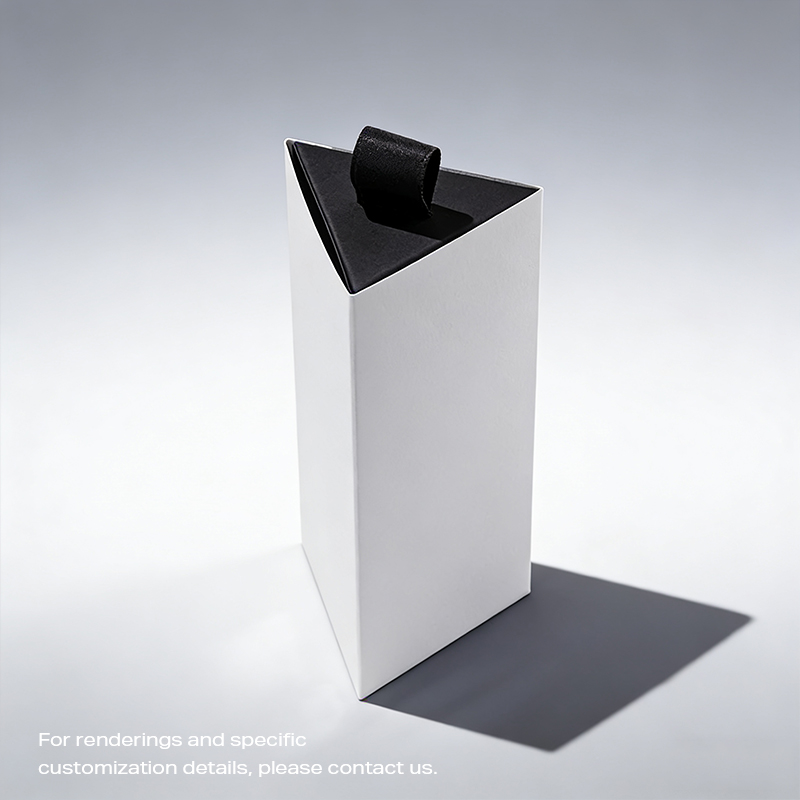
Folding Paper Box packaging has become a practical solution for brands that value both presentation and logistics efficiency. Unlike rigid packaging, this box structure can be collapsed flat during storage and transportation, then assembled into a stable, three-dimensional form when needed. This flexibility supports smoother supply chain planning without compromising visual appeal.
From a manufacturing standpoint, folding structures enable consistent output while accommodating different sizes and finishes. The balance between space efficiency and display readiness makes folding paper boxes suitable for a wide range of product categories.
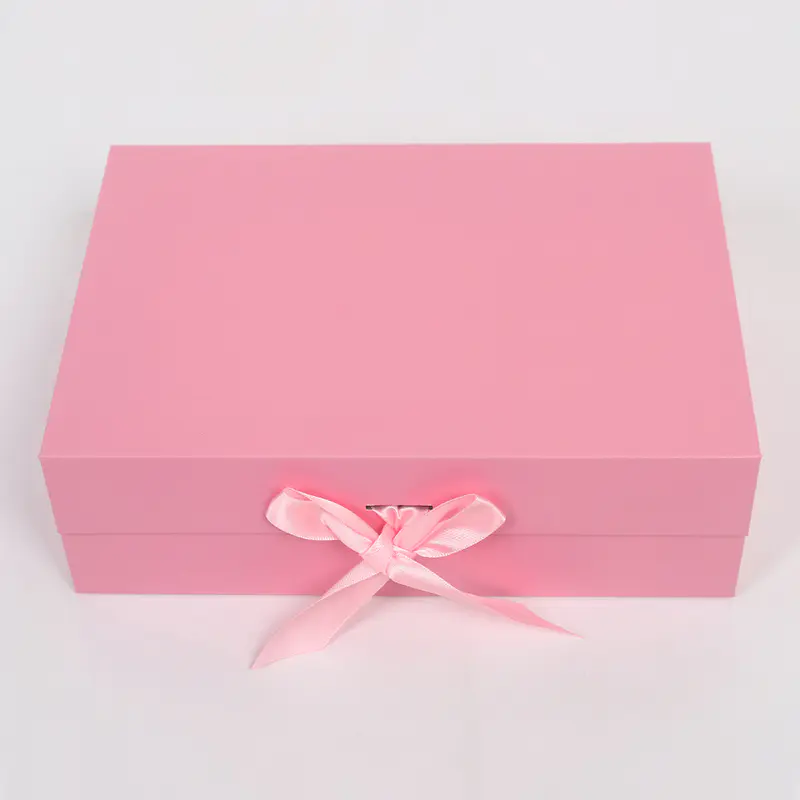
One of the main reasons folding paper boxes are used is their space-saving nature. When folded flat, they occupy a fraction of the volume compared to assembled boxes. This characteristic reduces warehousing pressure and supports cost-aware logistics planning, especially for cross-border distribution.
Another reason is visual consistency. Once assembled, a folding paper box maintains clean edges and defined angles, allowing it to perform well in retail displays or gift presentations. The folding process is designed to be smooth, resulting in a structured appearance that feels intentional rather than temporary.
Coated paper provides a smooth surface suitable for printing and finishing. Lamination adds durability and surface protection, helping the box maintain its appearance during handling.
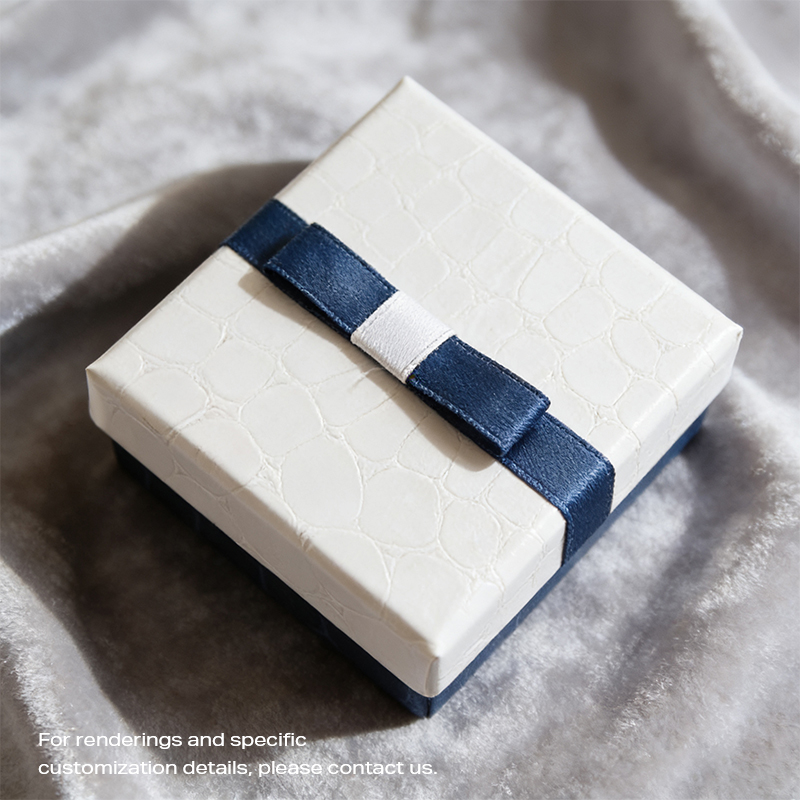
Specialty papers introduce visual and tactile variation. Textured finishes add depth to the surface, making the folding paper box feel more distinctive without altering its structure.
Recyclable and responsibly sourced paper materials are commonly used in folding box production. These materials align with sustainability goals while still supporting structural strength.
Folding paper boxes are available in multiple structural formats to suit different applications. Tuck-end boxes are simple to assemble and commonly used for smaller items. Magnetic closure boxes add a refined opening experience while keeping the box securely closed.
Drawer-style folding boxes introduce an interactive element through a sliding mechanism. Pillow-shaped boxes provide a softer visual form, often used for compact gifts. Fold-flat boxes are designed specifically for efficient storage and transport, making them suitable for large-volume projects.
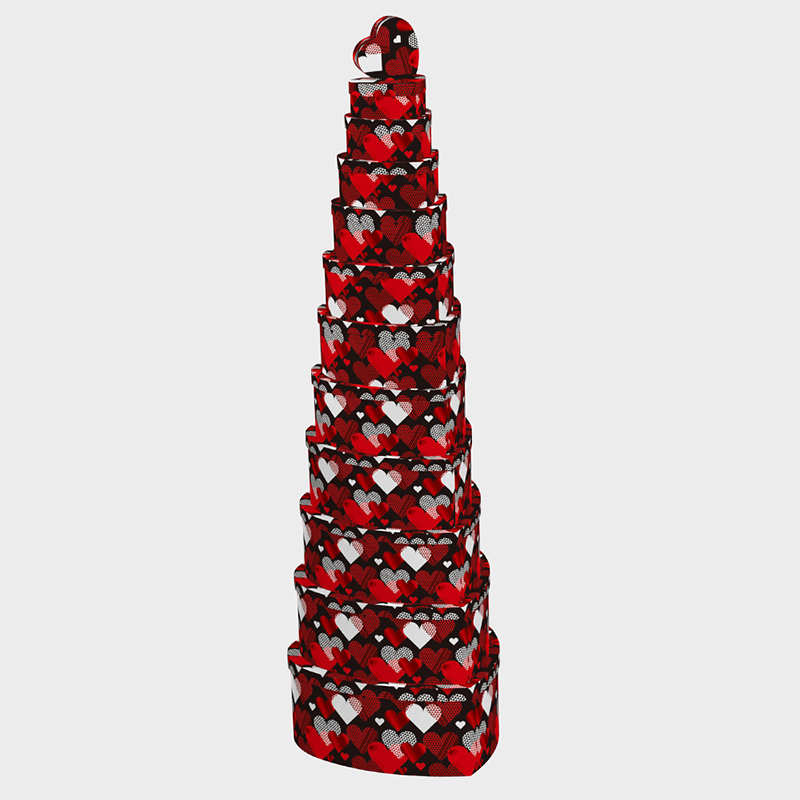
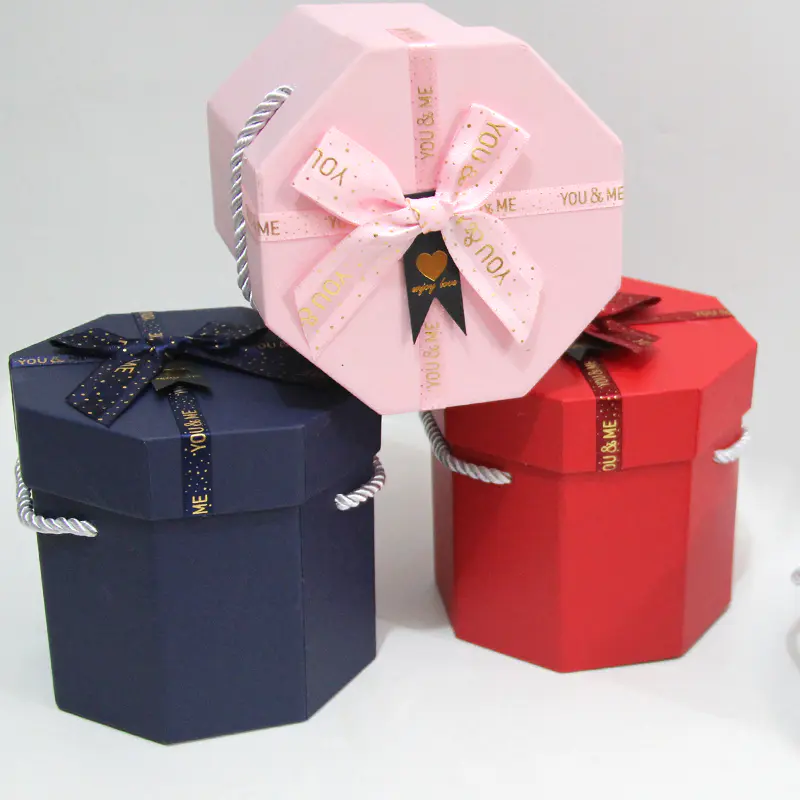
Surface treatment plays a major role in defining the character of a folding paper box. Printing allows logos, patterns, and brand colors to be applied with clarity and precision. Hot stamping and foil accents introduce metallic highlights that add contrast and visual interest.
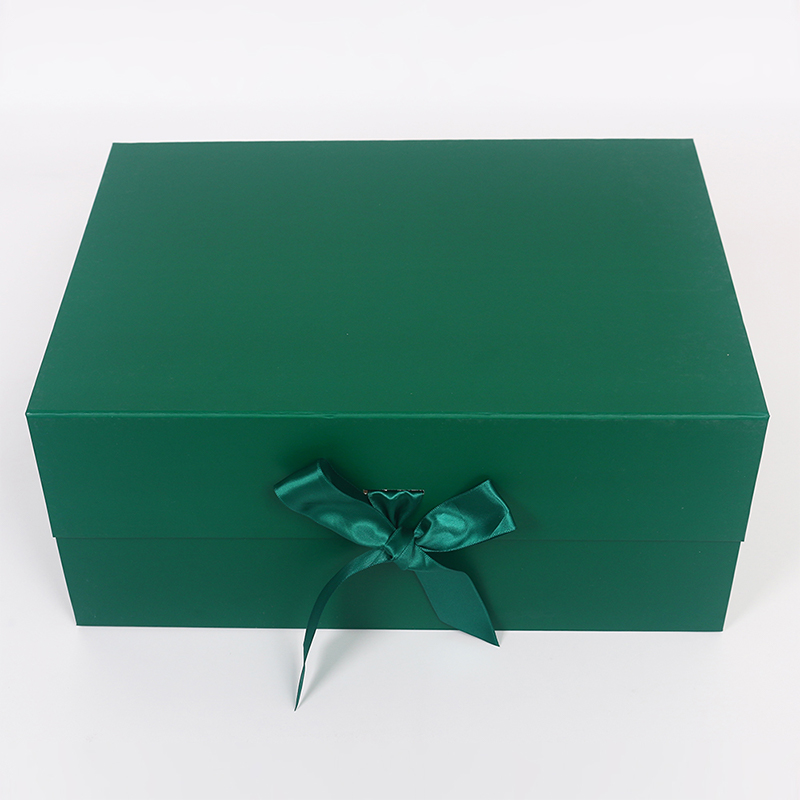
Embossing and debossing create texture by raising or recessing design elements. Spot UV finishes draw attention to specific areas of the box, adding layered visual depth without overcrowding the surface. These techniques allow the box to remain lightweight while presenting a refined appearance.
Although folding paper boxes prioritize efficiency, they also provide reliable protection for products. Precise scoring and creasing create clean folds that maintain box integrity after assembly. Internal inserts or dividers can be added to hold products in place and reduce movement.
For items requiring additional support, thicker paper grades or layered structures can be used. This approach strengthens the box while preserving its foldable nature.
A Folding Paper Box Manufacturer typically offers customization across size, structure, surface finish, and internal layout. Boxes can be tailored to product dimensions, helping maintain a snug and balanced fit.
Brand elements such as logos, color schemes, and finishing details are integrated during production rather than added later. This approach supports visual consistency and simplifies assembly. Internal linings, such as cardboard inserts or foam supports, can also be adapted to meet specific product needs.
Recommended Products

Contact Us

No. 15, Xiayang Road, Huangzhai Town, Jinhua, Zhejiang, China

(+86) 579-84230069

(+86) 13085675766


Products

Gift Box Packaging Manufacturer
 English
 Français
 Español
 عربى
عربى