2026-07-17
Chocolate gifting has quietly shifted from a simple exchange of sweets into a carefully constructed sensory experience. Before taste ever enters the conversation, the visual and tactile impression of the packaging begins forming expectations in the mind of the recipient. An Exquisite Chocolate Gift Box is no longer just a container; it acts as a psychological signal that influences perceived quality, emotional response, and even anticipated flavor intensity.
Research in sensory marketing confirms that packaging cues such as color, texture, structure, and opening style shape how consumers interpret taste before consumption begins. Studies show that identical chocolates are often rated differently depending on packaging design, proving that perception starts long before the first bite.

Chocolate belongs to a category where emotion and presentation carry significant weight. The decision to purchase or accept a box is often influenced within seconds, driven more by appearance than ingredient knowledge.
Industry analysis highlights that packaging functions as a “sensory gateway,” where visual cues establish expectations of luxury, freshness, and taste quality.
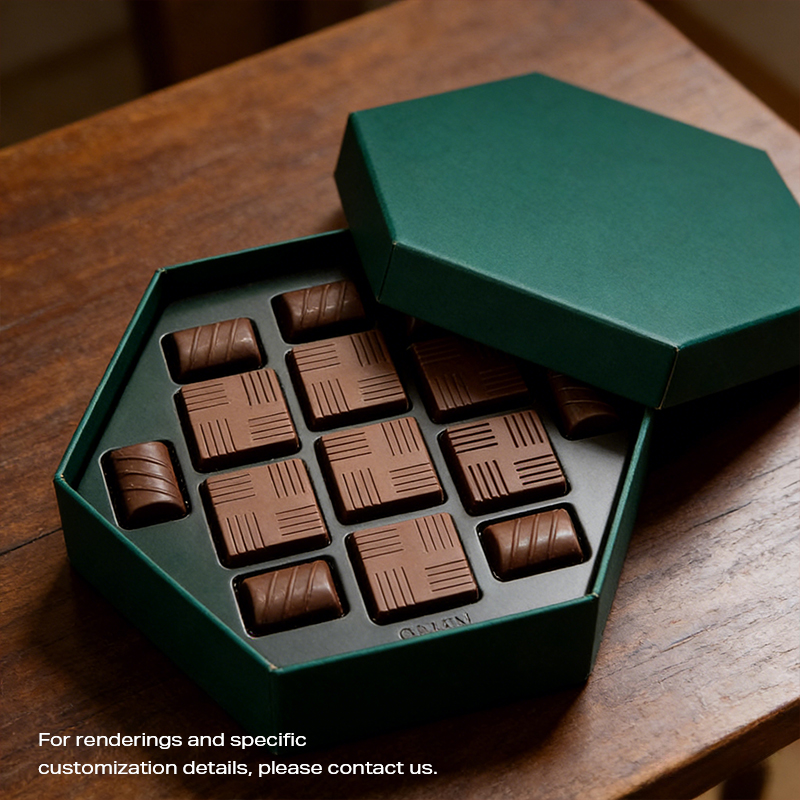
While decorative elements attract attention, structural design determines how the product is experienced upon opening. A well-designed chocolate box ensures that each piece remains in position, preserving both visual order and emotional impact.
Premium chocolate packaging commonly uses rigid cardboard between 1.5–2.5 mm thickness. This provides stability during transport and creates a substantial hand-feel that reinforces perceived quality.
The internal tray or insert often plays a greater role than the exterior shell. It defines spacing, alignment, and protection for each chocolate piece.
Packaging studies consistently show that insert design directly affects product presentation quality during unboxing, sometimes more than exterior decoration improvements.
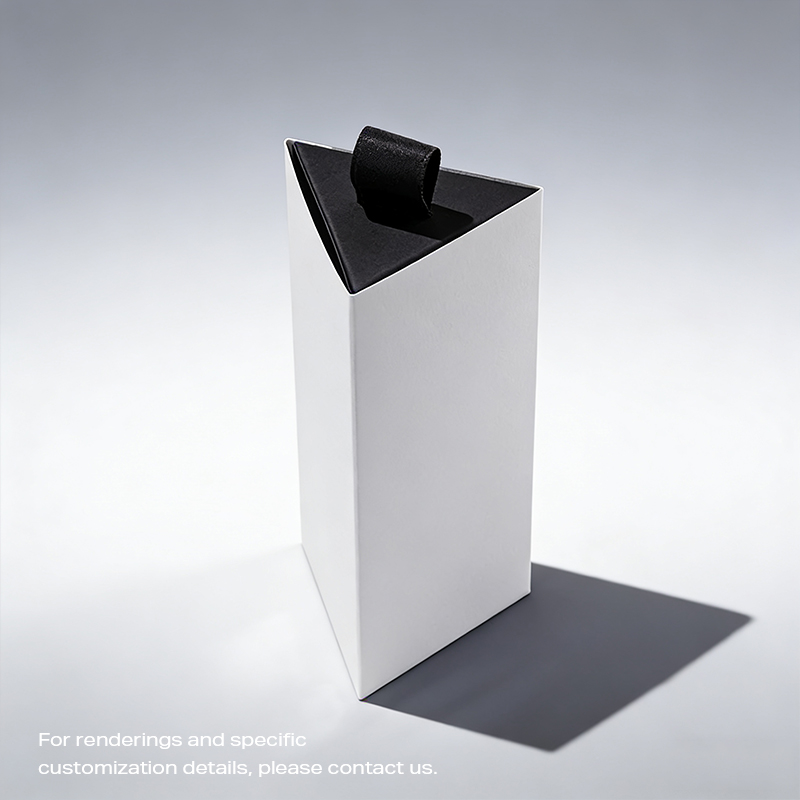
The act of opening a chocolate box has become a staged moment. Magnetic closures, drawer slides, and lift-off lids all create different pacing in the reveal process.
Scientific findings indicate that more interactive unboxing mechanisms increase perceived attractiveness and emotional engagement, even when the chocolate itself remains unchanged.
A common psychological effect appears during chocolate gifting: the gap between expectation and actual product experience is often shaped before tasting begins.
Visual richness can elevate perceived flavor intensity, while weak or inconsistent packaging may reduce perceived quality even when the chocolate is identical.
This phenomenon is supported by research showing that packaging cues influence willingness to pay and emotional evaluation prior to consumption.
Several packaging details operate subtly but strongly in shaping expectations of an Exquisite Chocolate Gift Box.
Heavier packaging tends to be associated with higher value perception. Soft-touch coatings and matte finishes reduce glare and create a more refined sensory impression.
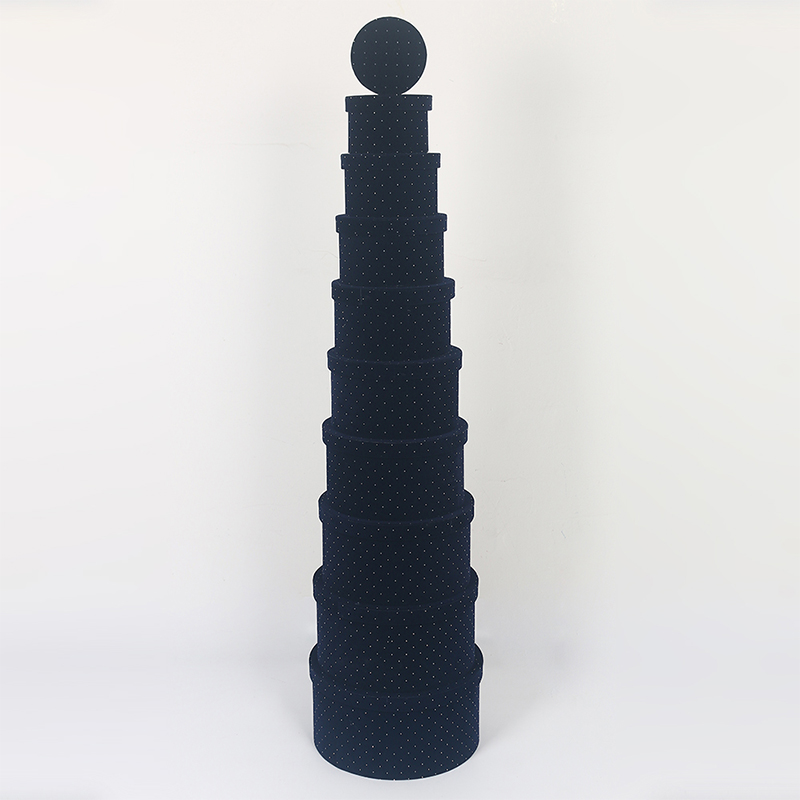
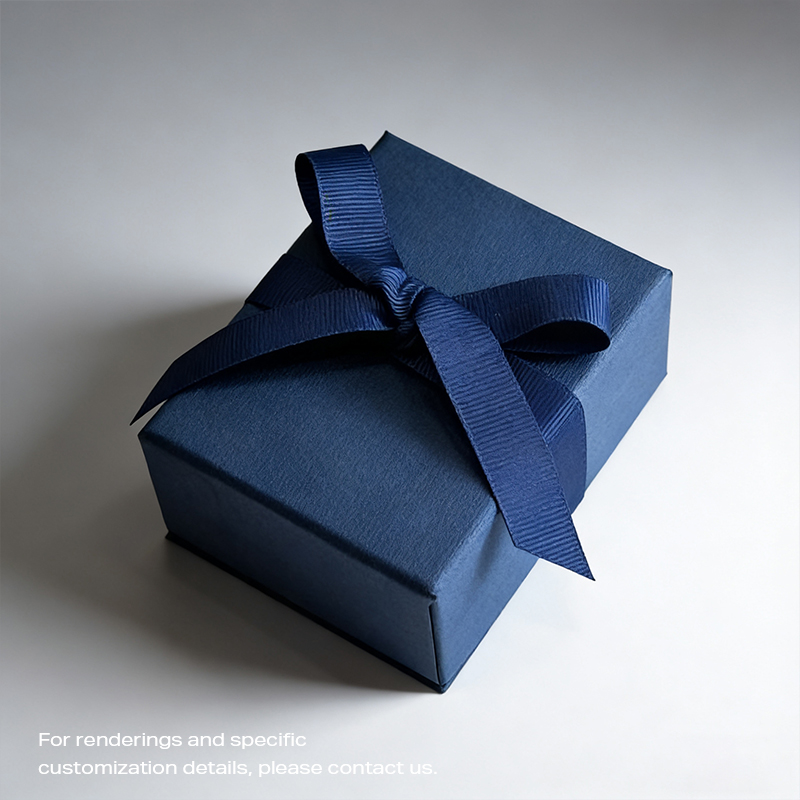
Deep tones such as burgundy, gold, and navy often communicate richness, while pastel palettes suggest lighter, more playful flavor profiles.
Minimal layouts are frequently associated with premium positioning, while dense visual elements may suggest mass-market positioning.
| Packaging Element | Perception Impact | Consumer Interpretation |
| Rigid structure | High stability | Premium product expectation |
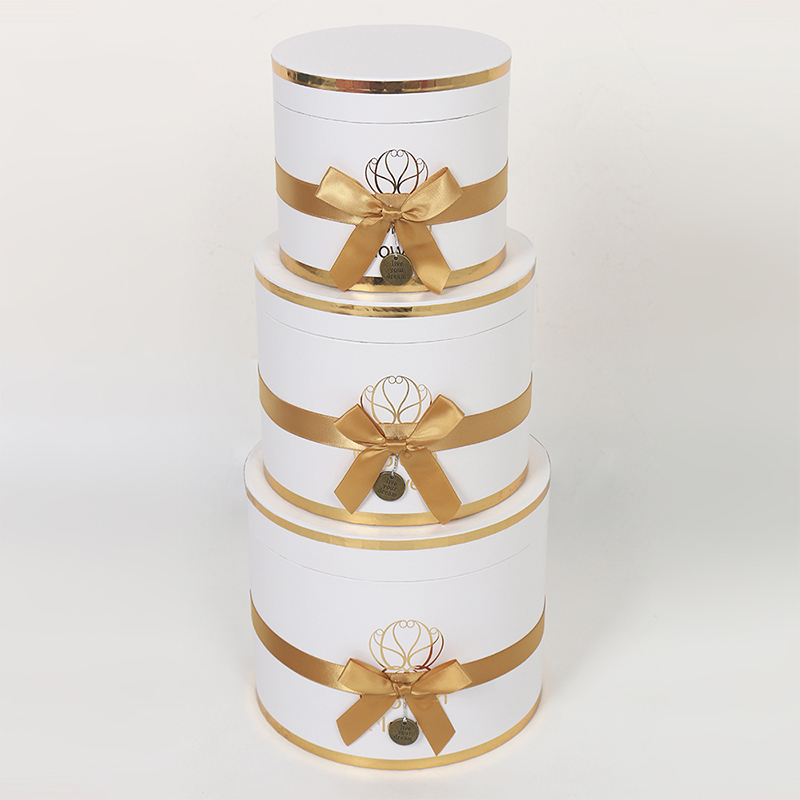
| Foil stamping | Visual highlight | Luxury and celebration |
| Transparent window | Product visibility | Trust and authenticity |
| Magnetic closure | Tactile interaction | Controlled premium experience |
Modern chocolate branding increasingly treats packaging as an inseparable extension of the product itself. The box is no longer only protective; it actively participates in shaping emotional response, storytelling, and perceived taste.
In some cases, decorative packaging becomes so influential that it outweighs the actual consumption moment in memory formation. Consumers often recall the opening experience, visual arrangement, and tactile sensation more clearly than individual flavor notes.
An Exquisite Chocolate Gift Box carries more influence than it appears to hold. It sets expectations before taste, frames emotional response during unboxing, and shapes memory after consumption.
Chocolate itself may remain unchanged, yet perception shifts dramatically depending on how it is presented. That invisible layer of packaging design continues to define how value is interpreted, proving that what surrounds the chocolate often speaks just as loudly as what is inside.
Recommended Products

Contact Us

No. 15, Xiayang Road, Huangzhai Town, Jinhua, Zhejiang, China

(+86) 579-84230069

(+86) 13085675766


Products

Gift Box Packaging Manufacturer
 English
 Français
 Español
 عربى
عربى