Home / News / Industry News / Rigid Christmas Boxes vs. Folding Cartons: Which Fits Your Shipping Budget
2026-11-20
Christmas packaging budgets involve more than the price of an individual box. Storage requirements, transportation volume, packing labor, and product protection all influence the final purchasing cost. A rigid gift box may provide a premium presentation, while a folding carton can reduce storage and freight expenses through its flat-packed structure.
At Shihao, we work with international buyers on customized paper packaging for seasonal gifts, retail products, and promotional collections. During packaging discussions, we help customers compare different box structures according to their products, distribution channels, and budget requirements. Understanding the differences between rigid and folding constructions can make Christmas packaging decisions more practical.
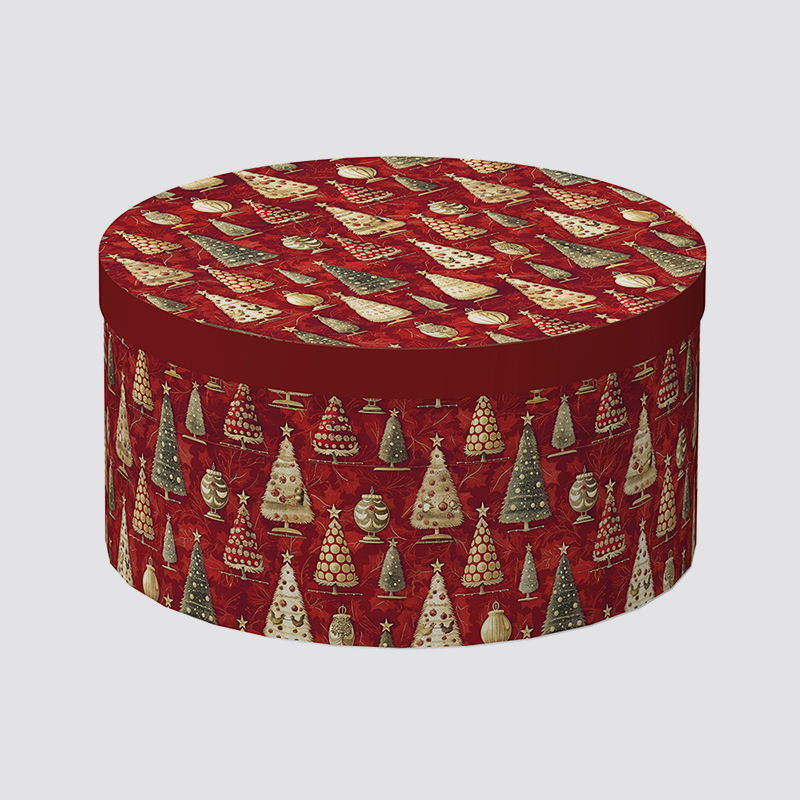
The construction method is the main difference between rigid christmas gift boxes and folding cartons. Each structure requires different materials, manufacturing processes, and storage arrangements.
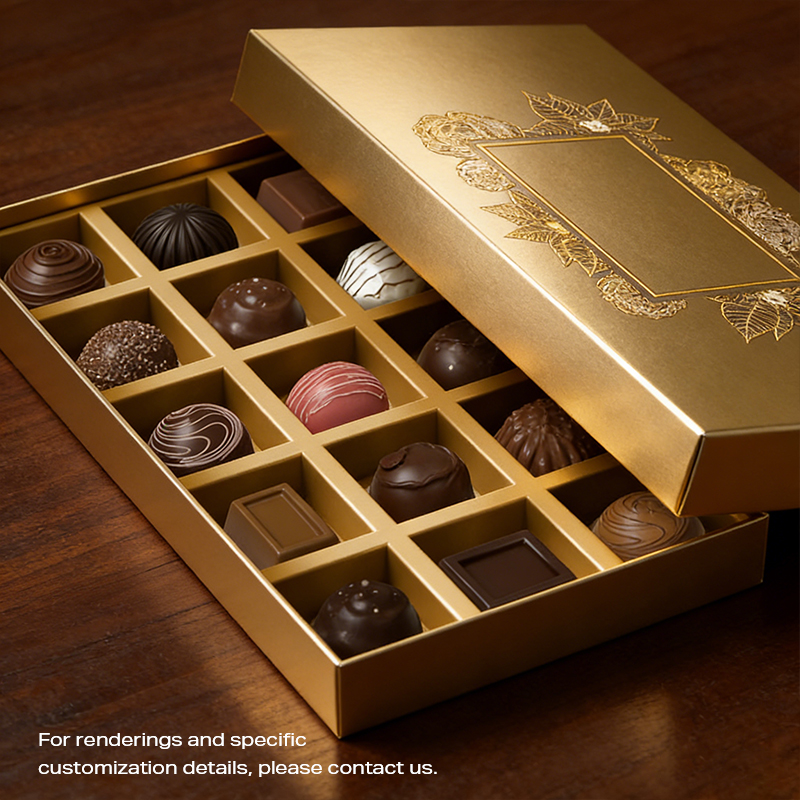
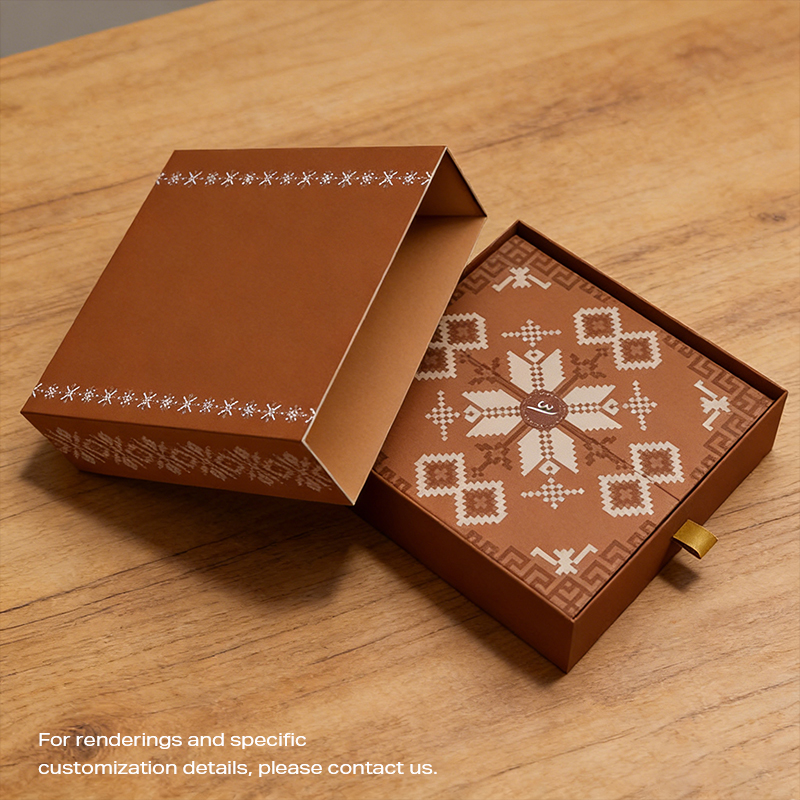
Rigid boxes generally use thick greyboard as their structural core, covered with printed paper or decorative wrapping materials. Common styles include lid-and-base boxes, drawer boxes, book-style boxes, and magnetic closure boxes.
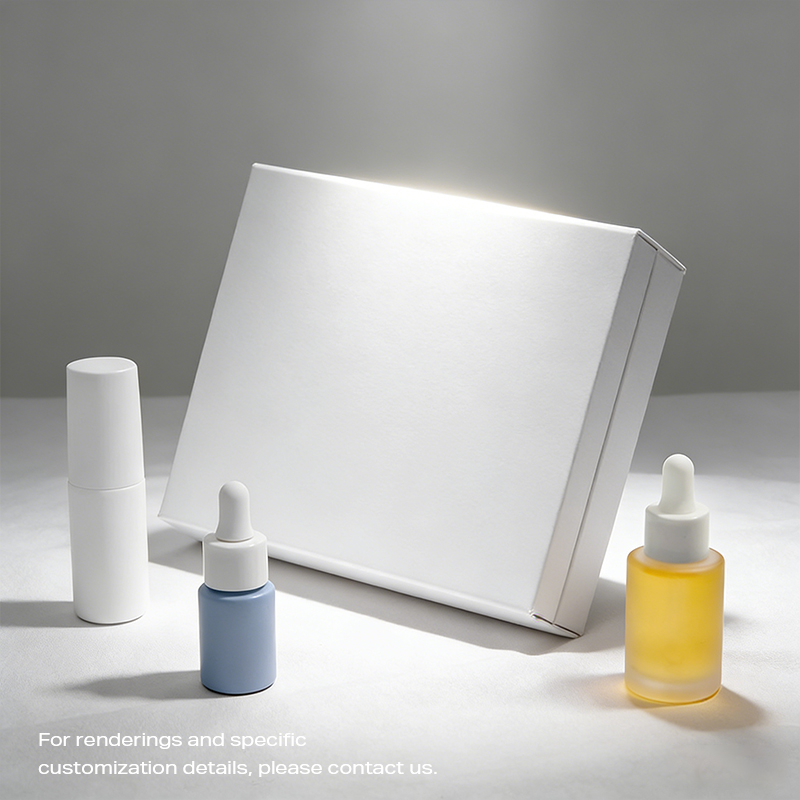
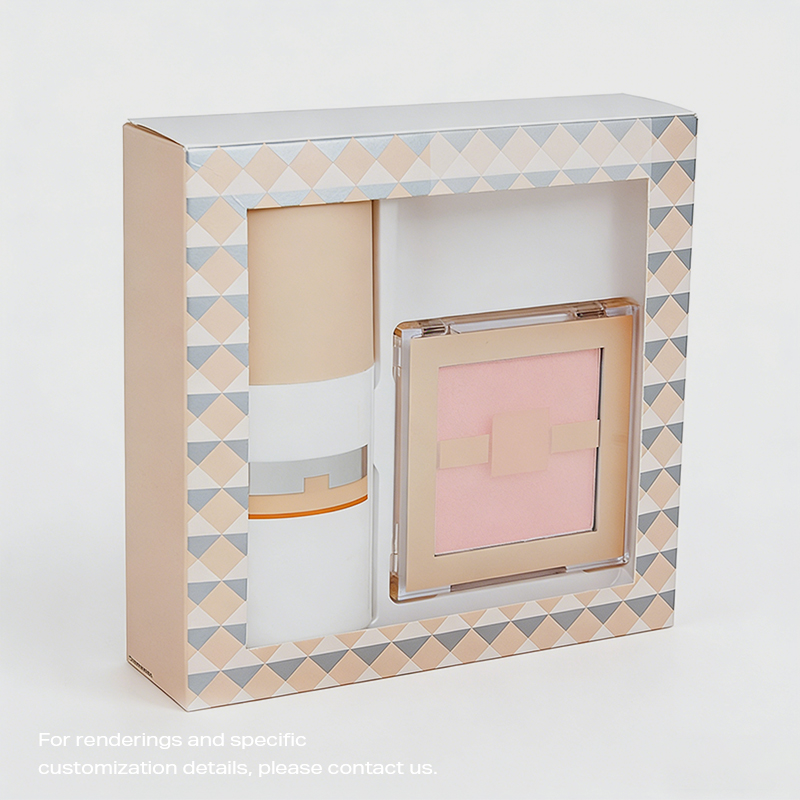
Folding cartons are produced from printable paperboard that is die-cut, creased, and folded into a box shape. They are generally supplied flat, allowing buyers to store larger quantities within a smaller warehouse area.
A lower quotation does not necessarily represent a lower total packaging expense. Buyers should evaluate material costs, manufacturing processes, storage, transportation, and packing labor together.
| Cost Factor | Rigid Gift Boxes | Folding Cartons |
| Unit Cost | Generally higher due to thicker board and additional assembly | Generally lower for comparable standard designs |
| Storage Space | Requires more space when supplied assembled | Compact flat-packed storage |
| Inbound Freight | Higher volume per shipment may increase freight expenses | Flat delivery helps improve carton loading efficiency |
| Packing Labor | Usually ready for filling | Requires folding and forming |
| Product Presentation | Structured, premium appearance | Flexible retail presentation |
| Protection | Rigid walls provide structural support | Depends on board grade, design, and additional protection |
For accurate comparisons, we recommend requesting quotations based on identical dimensions, printing coverage, finishing requirements, and order volumes. This makes the differences between packaging options easier to evaluate.
Transportation volume is an important consideration for international Christmas packaging orders. Conventional rigid boxes are usually shipped in their assembled condition, meaning empty space inside each box occupies part of the shipping carton.
Folding cartons, by comparison, can be stacked as flat pieces before delivery. This arrangement may allow more packaging units to fit into the same transportation space.
Buyers should request the following information from their packaging supplier:
For example, a buyer ordering 2,000 Christmas gift boxes should compare the total CBM of assembled rigid boxes against the flat-packed volume of folding cartons. Actual savings depend on box dimensions, packing methods, and the supplier's carton arrangement.
Shipping budget calculations should also account for the protection required during transportation. Rigid gift boxes have firm walls, but their structure alone does not guarantee safe delivery. Suitable outer cartons and protective materials remain important.
At Shihao, we recommend matching the packaging structure to the contents and distribution conditions:
We also suggest conducting a packing trial using actual products before confirming large seasonal orders. This helps identify potential movement, insufficient clearance, and assembly difficulties.
The appropriate packaging format depends on how products are sold and delivered. Retail presentation, corporate gifting, wholesale distribution, and e-commerce fulfillment have different packaging priorities.
| Sales Application | Suggested Structure | Purchasing Consideration |
| Premium Christmas Gift Sets | Rigid Boxes | Presentation and internal product arrangement |
| Retail Holiday Products | Folding Cartons | Storage and unit packaging expenses |
| Corporate Christmas Gifts | Rigid or Magnetic Boxes | Branding and gift presentation |
| High-Volume Promotional Gifts | Folding Cartons | Freight volume and packing efficiency |
Some businesses also use a combination of both structures. A folding carton can serve as the main retail package, while selected premium gift collections receive rigid packaging. This approach allows brands to manage packaging expenditure across different product categories.
At Shihao, our packaging development services cover different paper box structures, material options, printing processes, and decorative finishes. Our manufacturing capabilities include printing, die-cutting, laminating, embossing, and box assembly.
To help us prepare a suitable quotation for your Christmas packaging project, we recommend providing:
Our team can review these details and discuss the differences between rigid and folding packaging based on your budget and application.
Rigid gift boxes and folding cartons serve different packaging purposes. Rigid structures suit premium Christmas collections where presentation and a substantial appearance matter, while folding cartons offer advantages in flat storage and inbound transportation volume.
At Shihao, we help international buyers evaluate packaging structures, materials, and customization requirements before production. Contact our team to discuss your Christmas gift box project and request a packaging proposal based on your product specifications, shipping destination, and purchasing budget.
Recommended Products

Contact Us

No. 15, Xiayang Road, Huangzhai Town, Jinhua, Zhejiang, China

(+86) 579-84230069

(+86) 13085675766


Products

Gift Box Packaging Manufacturer
 English
 Français
 Español
 عربى