2025-12-31
Before the contents are revealed, the packaging establishes a tone of anticipation, care, and value. While flexible gift bags and simple wrapping paper offer convenience, there remains a distinct and irreplaceable role for the structured, tangible form of the rigid gift box. These boxes serve as more than mere containers; they are foundational to the experience of receiving. This is particularly evident during the festive season, where the traditional rituals of Christmas gift-giving present a compelling contrast between modern curated sets and classic packaging forms.
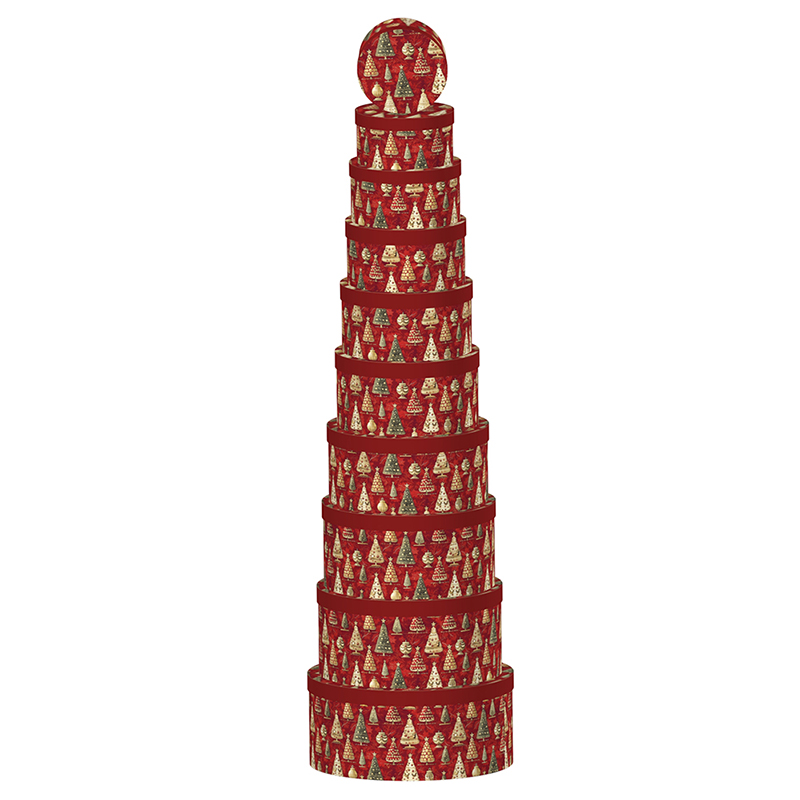
The decision to use a rigid gift box is a deliberate investment in the quality of the giving experience. Its benefits extend far beyond basic containment, offering structural, aesthetic, and psychological advantages that less substantial packaging cannot match. The following table outlines the core reasons for their enduring use.
|
Consideration |
Practical and Perceptual Benefits of Rigid Gift Boxes |
|
Protection & Security |
Rigid boxes, typically made of sturdy paperboard or cardboard, provide protection for their contents. They resist crushing and bending during transport and handling, safeguarding fragile, delicate, or irregularly shaped items from damage. They are the default choice for luxury goods, electronics, and fine foods where product integrity is paramount. |
|
Perceived Value & Luxury |
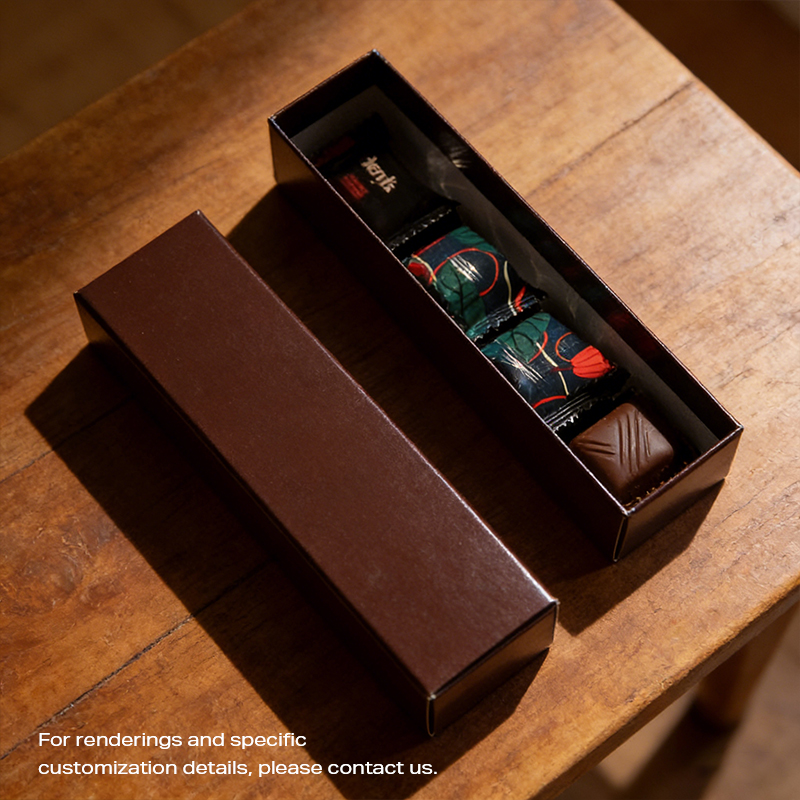
The weight, solidity, and "heft" of a rigid box immediately elevate the perceived importance of the gift inside. The act of lifting the lid, often from a snug-fitting base, creates a sense of ceremony and discovery that a flimsy package cannot replicate. This tactile experience communicates a high level of care and investment from the giver. |
|
Unboxing Experience |
Modern gift-giving places significant emphasis on the ritual of unboxing. Rigid boxes are engineered for this moment. Features like magnetic closures, ribbon pulls, plush interiors, and custom inserts create a multi-sensory journey that builds anticipation and transforms the act of opening into a memorable event in itself. |
|
Brand Presentation & Reusability |
For businesses, rigid boxes are a powerful branding tool. Their flat, stable surfaces are ideal for high-quality printing, embossing, or foil stamping, turning the package into a keepsake that extends brand presence long after the purchase. Their durability encourages recipients to repurpose them for storage, reinforcing positive brand association through continued use. |
|
Versatility & Professionalism |
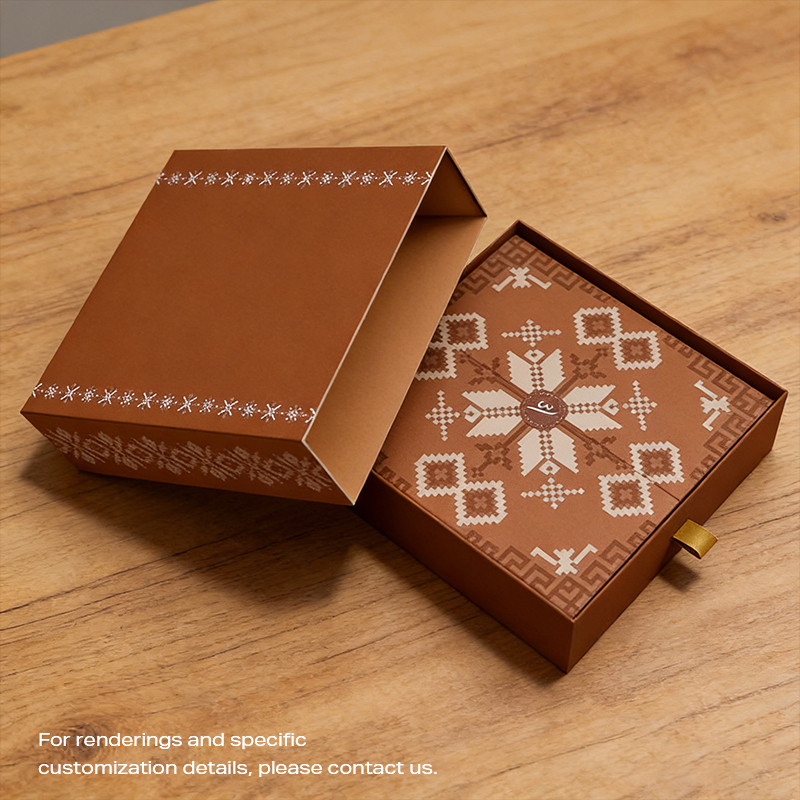
Available in countless shapes, sizes, and configurations (e.g., two-piece, drawer, or collapsible styles), rigid boxes can be tailored to fit virtually any product. This custom fit presents a polished, professional appearance, eliminating the need for excess filler and creating a clean, organized presentation upon opening. |
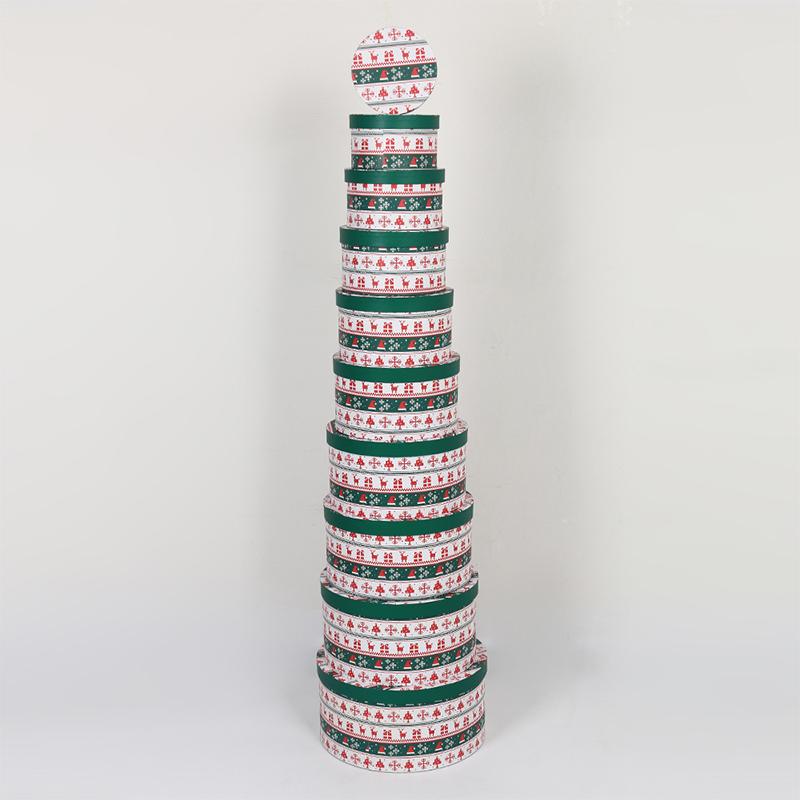
The festive season brings this contrast into sharp relief, as two distinct packaging philosophies emerge to serve different gifting intentions.
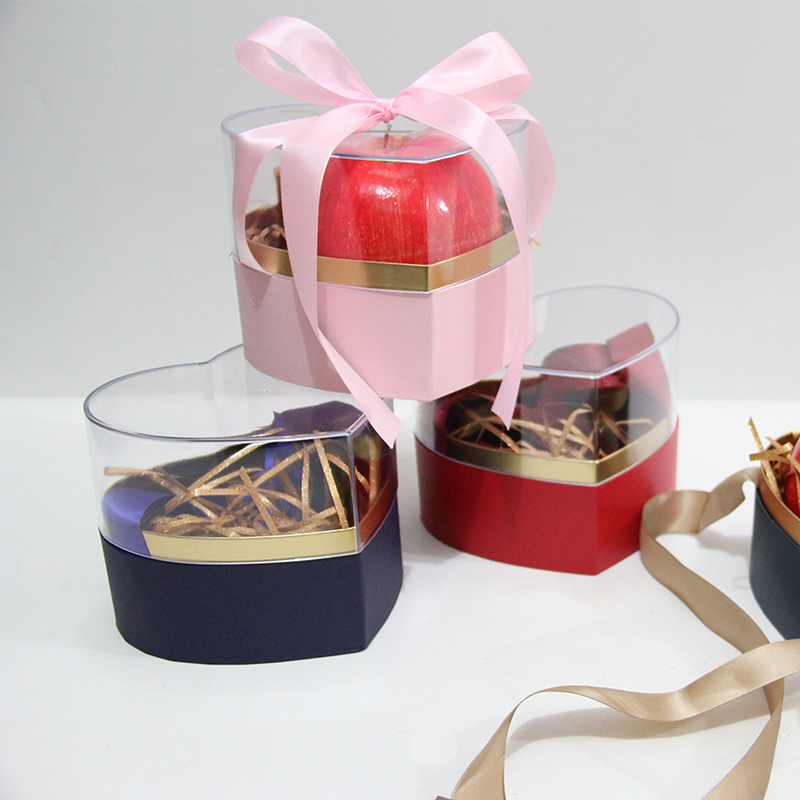
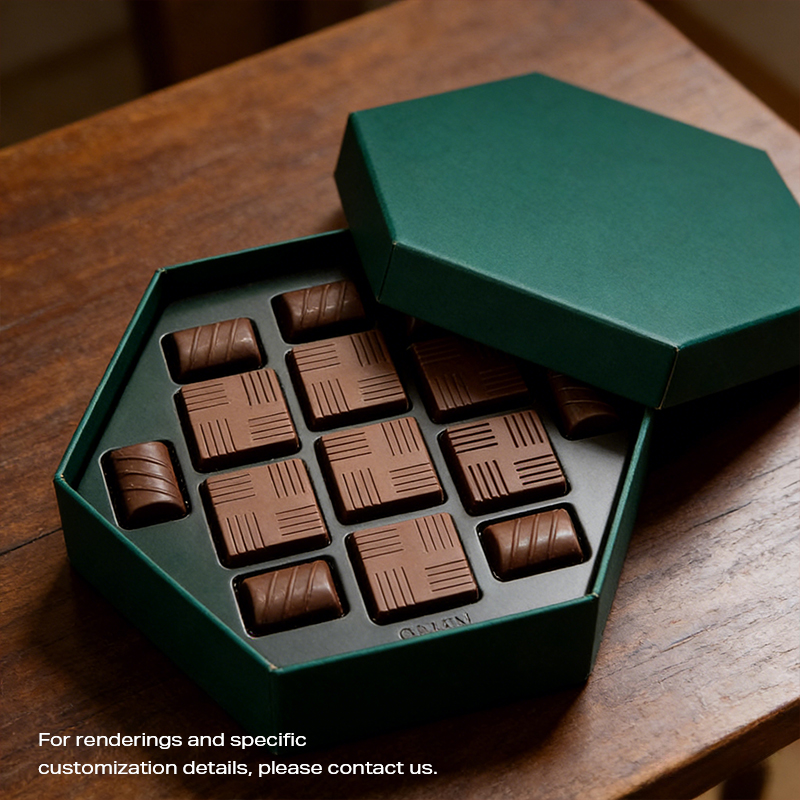
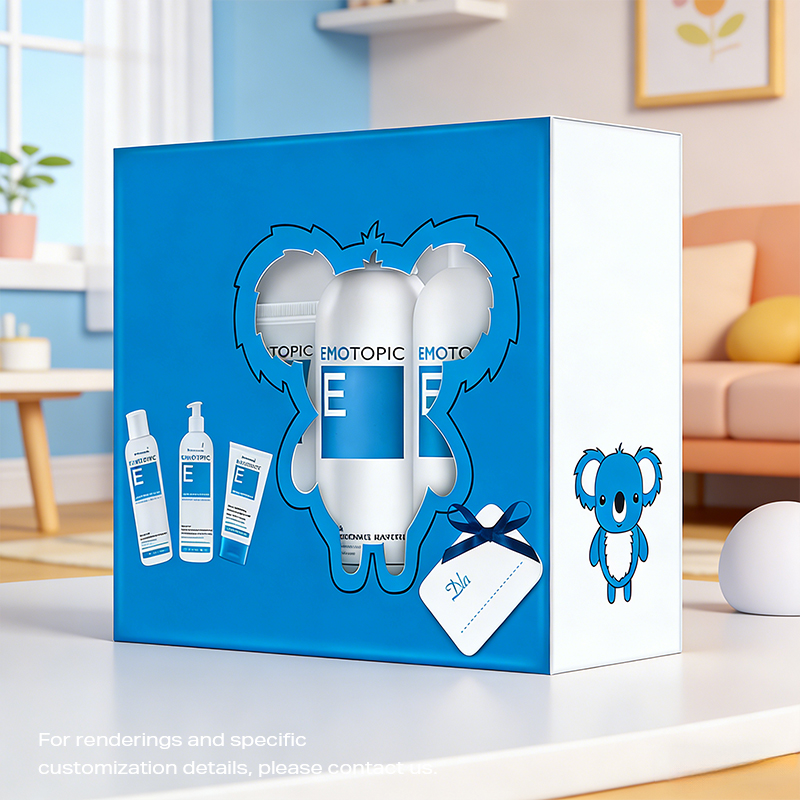
The Christmas Gift Box Set represents a modern, curated approach to giving. It is a complete, pre-assembled experience contained within a single, often thematic, rigid box. The focus is on cohesion and theme. For example, a set might contain a coordinated collection such as gourmet hot chocolates, a pair of mugs, and artisan marshmallows, all nestled together in a box decorated with a winter forest scene. The primary gift is the entire collection; the box itself is designed to showcase this unity. These sets prioritize convenience for the giver and offer the recipient a ready-made experience—a "spa night," a "cocktail kit," or a "winter wellness retreat." The packaging is integral to the product's identity and is often designed to be part of the gift, perhaps reusable as a decorative storage box long after the contents are enjoyed.
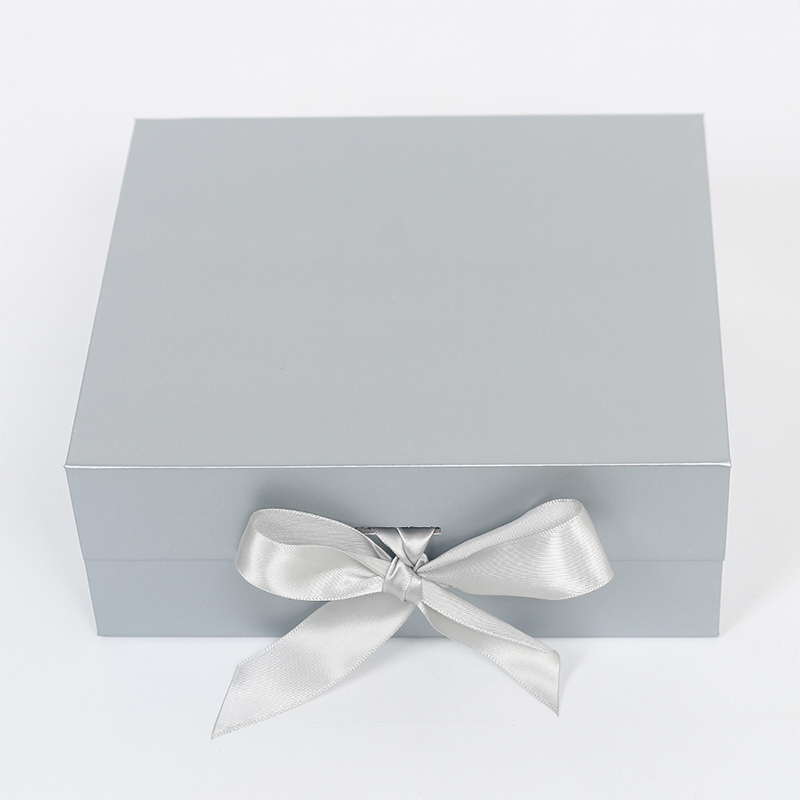
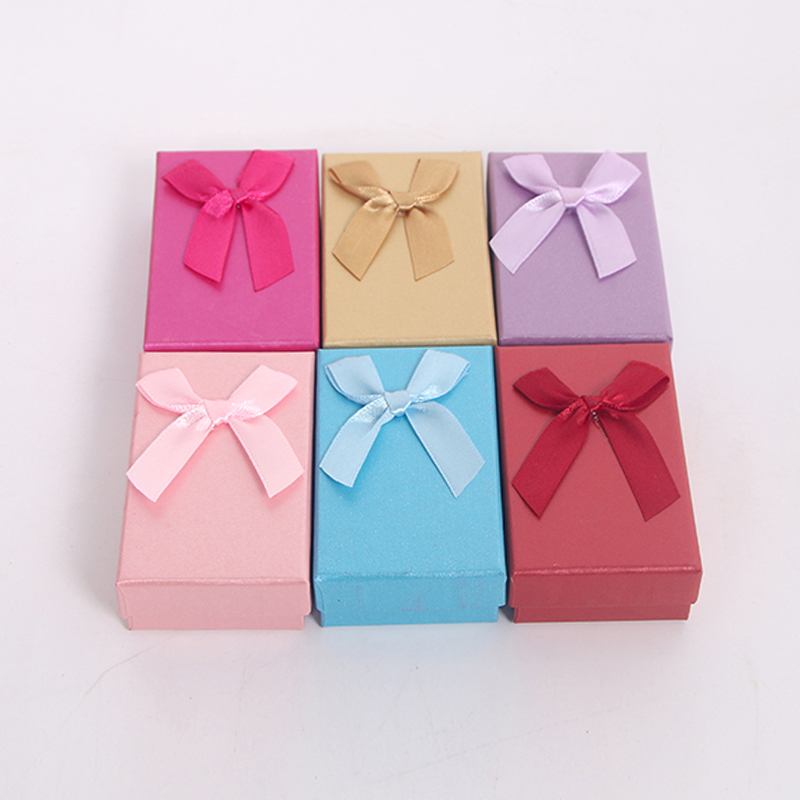
Conversely, the Traditional Gift Box refers to the classic, often singular, container used to present an individual item. Its purpose is to elevate and protect a specific gift, such as a sweater, a piece of jewelry, or a bottle of perfume. The box is a beautiful but functional vessel, typically less thematic and more generic or elegant in its decoration—think simple matte finishes, satin ribbons, or subtle embossing. The relationship between the box and its content is different; the box serves the item, not the other way around. After the gift is revealed, the traditional box may be set aside or reused, but its primary job is complete. This style of boxing allows for greater personalization by the giver, who selects and wraps an individual item that speaks directly to the recipient, rather than offering a pre-determined collection.
The Christmas set offers a curated, thematic experience where the packaging is a key component of the gift's story. The traditional box offers a tailored, individual presentation where the packaging acts as a dignified frame for a carefully chosen centerpiece.
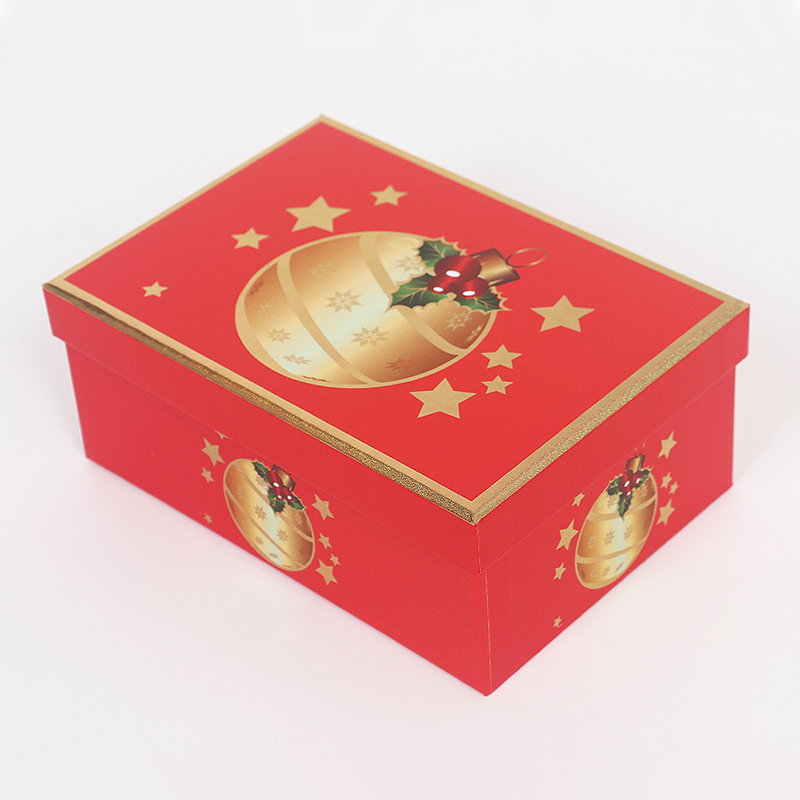
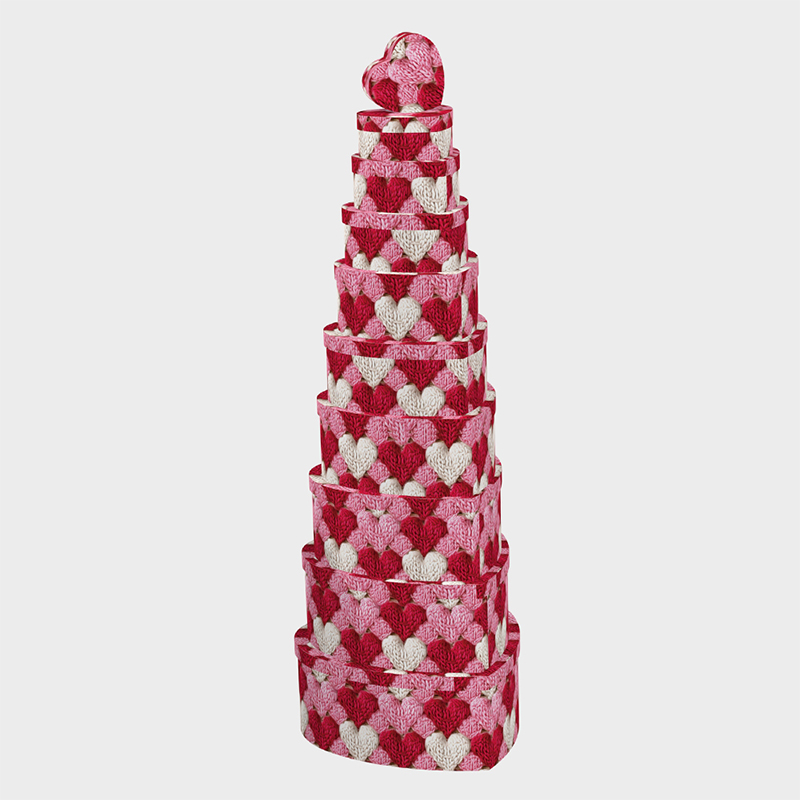
Christmas packaging boxes are a specialized category of rigid (and sometimes semi-rigid) boxes explicitly designed for the aesthetics and practical demands of the holiday season. They are distinguished by their thematic decoration, incorporating iconic imagery, colors, and motifs associated with Christmas, such as evergreen trees, snowflakes, reindeer, stars, and traditional patterns like tartan or fair isle. Their uses are multifaceted, serving practical, emotional, and organizational roles during the festive period.
They are used for presentation and concealment. A beautifully designed Christmas box builds immediate festive anticipation. It transforms an ordinary object into a Christmas gift, building excitement for the reveal on Christmas morning. The thematic wrapping acts as a universal symbol of the occasion.
Beyond the basic wrap, these boxes are extensively used for curated gifting and hampers. As discussed, they are the ideal vessel for assembling multi-item gifts. A large, rigid "hamper-style" box can be filled with an assortment of festive treats—baked goods, cheeses, chocolates, and small decorations—creating a generous, shareable gift that feels abundant and celebratory.
An equally important use is for organization and storage in the lead-up to the holiday. Dedicated rigid boxes are employed to safely store and organize delicate Christmas ornaments, lights, and decorations during the off-season. Their sturdy construction protects these cherished items, and when clearly labeled, they simplify the annual ritual of decorating.
They play a significant role in corporate and client gifting. Businesses use custom-branded Christmas boxes to distribute gifts to employees, partners, and clients. The box communicates seasonal goodwill and reinforces brand identity in a festive context, often containing a selection of premium food items, branded merchandise, or vouchers. The rigidity and custom design ensure the gift arrives in impeccable condition, reflecting well on the company.
From the inherent strengths of a rigid structure to the seasonal specialization of Christmas designs, the gift box is a dynamic and essential participant in the act of giving. It is a functional protector, a psychological amplifier of value, and a canvas for emotional and brand storytelling. Whether housing a curated set that defines a festive experience or framing a singular, thoughtfully chosen treasure, the rigid box provides a stage upon which the gift's significance is artfully presented and enduringly remembered.
Recommended Products

Contact Us

No. 15, Xiayang Road, Huangzhai Town, Jinhua, Zhejiang, China

(+86) 579-84230069

(+86) 13085675766


Products

Gift Box Packaging Manufacturer
 English
 Français
 Español
 عربى
عربى