2026-08-10
Gift packaging is no longer judged only by its appearance. Buyers, retailers, brands, and consumers increasingly evaluate packaging according to its environmental profile, structural performance, convenience, storage efficiency, and ability to create a memorable presentation. The Z226 biodegradable laminated embossed art paper magnetic folding gift box responds to these changing expectations by combining refined visual design with practical folding construction and paper-based materials.
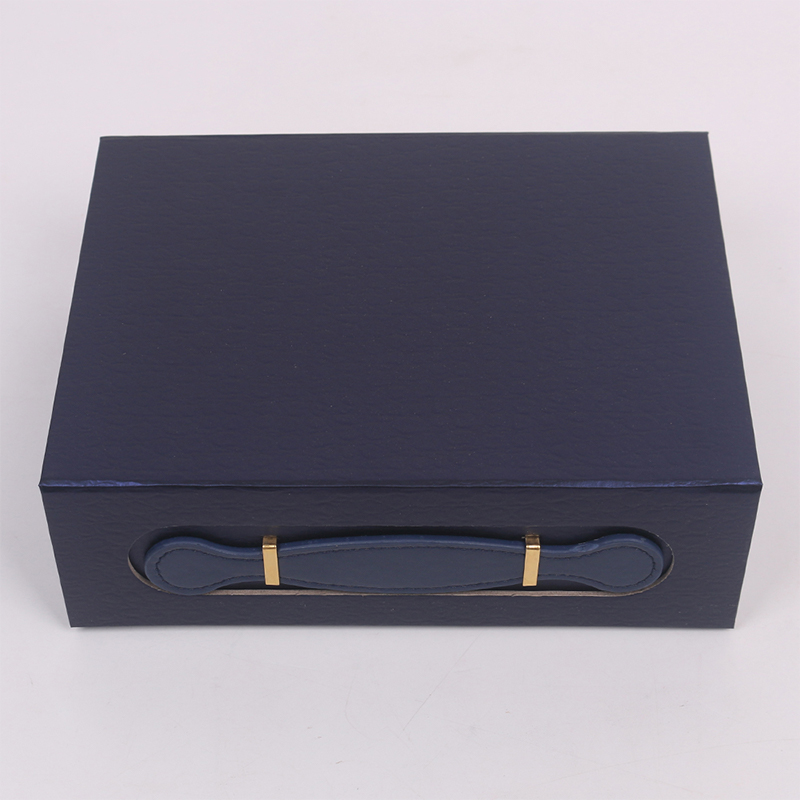
Designed for premium presentation, the box uses sturdy 1200gsm cardboard laminated with 128gsm art paper. Its embossed surface adds tactile depth, while the magnetic closure creates a smooth and convenient opening experience. Unlike rigid gift boxes that require extensive storage space, this folding format can be collapsed more efficiently before use, helping reduce transportation volume and warehouse requirements.
The product is suitable for gift sets, stationery, accessories, cosmetics, lifestyle products, promotional items, and many other applications. Its balanced combination of structure, customization, environmental considerations, and manufacturing flexibility makes it a strong alternative to ordinary folding cartons, conventional plastic packaging, and bulky rigid boxes.
Packaging has become an important part of the product itself. A box protects its contents, but it also communicates quality, supports brand positioning, simplifies logistics, and influences the customer’s first impression. For premium and promotional products, weak packaging can reduce perceived value even when the product inside is excellent.
At the same time, companies are under increasing pressure to reduce unnecessary plastic, improve material transparency, and select packaging that reflects responsible business practices. Consumers are more aware of how products are packaged, and many brands now seek alternatives that are visually attractive without relying heavily on traditional plastic structures.
These requirements can be difficult to satisfy with a single packaging format. A package may look attractive but lack strength. Another may protect the product effectively but be difficult to store. Some boxes offer excellent rigidity but require large amounts of material and permanent assembly. Others are inexpensive but lack the presentation quality expected in premium markets.
The Z226 folding gift box is designed around a more balanced approach. It provides a firm cardboard structure, an appealing laminated art paper exterior, a decorative embossed finish, and a magnetic folding mechanism. The result is packaging that is practical for manufacturers and distributors while remaining elegant and engaging for end users.
The Z226 is a biodegradable laminated embossed art paper magnetic folding gift box categorized as a folding gift box. Its construction is based on 1200gsm sturdy cardboard with a 128gsm art paper surface. The exterior paper can be produced in colors selected from an established color library or developed according to a customer’s custom design requirements.
The standard product dimensions are 28.2 × 20.2 × 9.2 centimeters. This size provides a useful internal volume for many gift combinations, product kits, stationery collections, personal accessories, and retail presentation sets. Exact internal layouts, inserts, compartments, and printed elements can be discussed during the design and sampling stages.
The magnetic folding structure allows the box to be delivered and stored in a folded condition, then shaped into its usable form with minimal effort. Because the construction is designed around folding panels and integrated magnetic closure components, the package does not depend on extensive glue or tape during normal customer use. This supports a cleaner presentation and a more convenient opening experience.
The embossed art paper surface adds a distinctive texture. Embossing can make selected patterns, lines, logos, or decorative elements appear raised or tactile. In addition to its visual effect, this surface treatment creates a sensory difference that ordinary smooth paper packaging cannot easily provide.
| Product name | Z226 biodegradable laminated embossed art paper magnetic folding gift box |
| Product category | Folding gift box |
| Main board | 1200gsm sturdy cardboard |
| Surface paper | 128gsm art paper with laminated finish |
| Surface treatment | Embossed decorative texture |
| Closure | Magnetic folding closure |
| Standard dimensions | 28.2 × 20.2 × 9.2 cm |
| Minimum order quantity | 1,000 pieces |
| Color options | Color library selection or custom designs |
| Design file formats | AI or CorelDRAW files |
The material structure is one of the most important advantages of the Z226. The 1200gsm cardboard provides a firm foundation for the folding panels, base, lid, and side walls. Compared with lightweight paperboard used in basic cartons, this board offers a more substantial hand feel and improved resistance to ordinary handling during packing, transportation, display, and use.
A thick board does more than make a box feel premium. It helps maintain shape, supports the product during presentation, and reduces the likelihood that the package will appear weak or easily deformed. For gift packaging, this structural confidence is important because the box may be opened repeatedly or handled by several people before it reaches the final recipient.
The 128gsm art paper laminated to the surface creates a smooth foundation for printing and decorative finishing. Lamination can help protect the printed surface from everyday scuffing, light moisture exposure, and handling marks. It also supports a more consistent color appearance and gives the package a refined finish that is difficult to achieve with uncoated board alone.
The combination of heavy board and finished art paper creates a layered construction. The cardboard delivers strength, while the art paper delivers visual quality and surface character. This division of functions allows the manufacturer to optimize both performance and appearance instead of expecting one material to provide every benefit.
For businesses seeking paper-based packaging, the board and art paper combination offers a practical foundation. It can be adapted to a wide range of printed patterns, color systems, finishing effects, and brand identities. Customers can therefore use the same basic box concept for multiple product lines while adjusting the surface design to suit each collection.
Environmental performance is increasingly connected to material selection, product lifespan, shipping efficiency, and end-of-use considerations. The Z226 is developed around biodegradable paper-based structural materials, helping reduce reliance on traditional plastic-heavy packaging formats. Its cardboard and art paper construction supports brands that want to communicate a more responsible packaging direction.
It is important to evaluate packaging sustainability as a complete system rather than focusing on one feature alone. A package should be assessed according to its material composition, manufacturing process, durability, transport requirements, ability to be reused, and local recycling or disposal conditions. The Z226 contributes to this broader approach through its paper-based structure and folding logistics.
Paperboard packaging can be easier for consumers and recycling systems to recognize than complex mixed-material packaging. However, actual recycling outcomes depend on local facilities and the specific combination of paper, lamination, magnets, inks, and other components. Brands should confirm the requirements of their target market before making detailed disposal claims.
The folding design also has an environmental and logistical benefit. When rigid boxes are shipped fully assembled, empty space can occupy a significant portion of a carton or pallet. Folding boxes can be transported in a flatter condition, potentially improving loading efficiency and reducing the amount of space required before final assembly or use.
Storage efficiency can be especially valuable for seasonal gift programs, promotional campaigns, and products with fluctuating demand. Distributors may hold a larger quantity in the same warehouse area, while retailers can reduce the amount of back-room space allocated to empty packaging. These operational benefits complement the material advantages of the box.
The box also supports reuse. Because the structure is sturdy and the magnetic closure is convenient, recipients may continue using it for stationery, keepsakes, accessories, documents, or household organization. A package that remains useful after the original product has been removed can provide additional value and help extend the functional life of the material.
Surface appearance has a direct influence on how consumers interpret a gift. Embossed art paper gives the box a raised texture that can be felt as well as seen. This tactile quality creates a stronger interaction between the user and the package, helping the box stand apart from flat printed cartons.
Embossing may be used across the entire surface or limited to selected areas. A subtle repeating pattern can create an understated luxury effect, while a raised logo or decorative emblem can draw attention to a brand identity. Linework, geometric forms, botanical motifs, and custom textures can all be considered during design development.
Texture can also support product positioning. A soft or delicate pattern may suit personal care products and lifestyle gifts. A geometric pattern may be appropriate for technology accessories or corporate programs. A formal monogram, crest, or repeating brand element may help create a sophisticated presentation for business gifts.
The laminated art paper surface gives designers a broad visual foundation. Colors can be selected from a color library or developed through custom artwork. This flexibility is useful for brands that require precise coordination with existing packaging, retail displays, seasonal campaigns, or corporate identity standards.
Compared with simple unprinted boxes, the Z226 provides more opportunities to create a complete visual experience. The outside design can introduce the product, communicate brand values, and establish a premium expectation before the lid is opened. The inside can also be adapted with coordinated colors, printed messages, inserts, or product-specific arrangements.
The magnetic folding mechanism is a major functional feature of the Z226. A magnetic closure provides a controlled opening and closing action without requiring the user to tear adhesive strips or manipulate complicated tabs. This makes the package appropriate for products intended to feel refined, convenient, and reusable.
The closure can also help keep the lid aligned during normal handling. When the box is closed, the magnetic components draw the relevant panels together and create a secure presentation. This is particularly useful for gift products that may be carried by hand, displayed on a shelf, or opened and closed during product demonstrations.
From a design perspective, a magnetic closure allows the box to maintain a clean exterior. The mechanism can be integrated into the folding structure so that the package does not depend on prominent plastic fasteners or visible locking tabs. This supports a more seamless appearance across the lid and front panel.
The folding construction is also valuable during production and logistics. A box that can be folded reduces the volume of unused packaging before it reaches the packing line. Workers can open or form the box as required, place the product inside, and close the magnetic lid. This process can be more efficient than assembling a fully rigid box or applying multiple pieces of tape.
For e-commerce and direct-to-consumer operations, the magnetic folding format can improve the unboxing sequence. The recipient encounters a package that opens smoothly and can be closed again after use. This interaction adds a sense of ceremony to the product presentation while retaining everyday practicality.
The phrase “airtight” should be interpreted according to the intended packaging application and final construction details. The magnetic closure helps bring panels together and can support a well-closed presentation, but it should not automatically be treated as a certified hermetic seal. Products requiring formal barrier or airtight performance should undergo application-specific testing.
Standard folding cartons are widely used because they are economical and efficient for many products. However, they are often made from lighter paperboard, use tuck flaps or adhesive closures, and offer limited tactile differentiation. They may be well suited to mass-market applications but can appear insufficiently premium for gift sets, executive presents, or special-edition products.
The Z226 offers a heavier board structure, a laminated art paper exterior, and an embossed surface. These features improve the perceived value of the package without abandoning the space-saving advantage of a folding format. The product therefore occupies a useful middle ground between a basic carton and a fully rigid luxury box.
Its magnetic closure is another point of difference. Tuck-end cartons can be quick to close, but they may lose shape after repeated use or require the recipient to understand the correct folding sequence. A magnetic lid provides a more intuitive interaction and may support repeated opening and closing throughout the product’s useful life.
The embossed finish also creates a stronger sensory identity than ordinary printed packaging. A surface that can be felt may be more memorable than a design that is viewed only from a distance. For brands competing in crowded retail categories, this additional sensory element can help the package attract attention.
Rigid gift boxes are often associated with premium quality because they provide a solid structure and substantial weight. However, their fixed shape can create challenges during shipping and storage. Empty rigid boxes occupy considerable space, and their larger transport volume may increase handling and warehousing requirements.
The Z226 offers a premium appearance while retaining a folding construction. This allows businesses to benefit from a high-quality surface and firm board without accepting all the space disadvantages of a permanently assembled rigid box. The balance is particularly useful when a business must distribute packaging to different locations or store it for future orders.
Folding construction can also simplify inventory planning. A company may maintain a larger quantity of flat or partially folded boxes without expanding its storage area. This can be beneficial for seasonal products, product launches, event merchandise, and gift programs where packaging demand may change quickly.
The folding design may also reduce the operational complexity associated with shipping empty packaging. A rigid box requires protection against crushing and may need additional outer cartons or separators. A folded box can often be packed more efficiently, although the final transport method should always be tested for the specific order and product.
Plastic packaging can provide moisture resistance and impact protection, but it may not deliver the same tactile warmth or premium paper presentation expected from gift packaging. Plastic-heavy formats can also conflict with sustainability goals or brand messaging focused on renewable and biodegradable materials.
The Z226 gives brands a paper-based alternative with strong visual and structural qualities. Its art paper surface can carry detailed graphics, while its embossed finish creates a more natural and tactile presentation. The paperboard structure also aligns more closely with the material language of many sustainable product collections.
Paper packaging is not automatically sustainable in every situation, and performance depends on sourcing, coatings, inks, adhesives, magnets, and disposal systems. Nevertheless, the Z226 provides a practical foundation for businesses seeking to reduce unnecessary plastic while preserving a premium customer experience.
The standard dimensions of 28.2 × 20.2 × 9.2 centimeters provide a versatile format for many products. The box can be considered for curated gift collections, stationery packages, small lifestyle products, personal accessories, promotional kits, and corporate presentation sets.
For stationery brands, the box can hold notebooks, writing instruments, planners, cards, paper goods, and desk accessories. The reusable structure may later serve as a stationery storage box, reinforcing the usefulness of the package beyond the initial purchase.
For cosmetics and personal care products, the embossed surface can support a premium visual identity. Product-specific inserts can help organize jars, bottles, tubes, or accessories. The internal arrangement should be developed according to the size, weight, fragility, and protection requirements of the products.
For corporate gifts, the box can be customized with company colors, logos, campaign messages, and coordinated interior graphics. A magnetic opening can make the presentation feel more deliberate during conferences, employee recognition programs, customer appreciation campaigns, and business celebrations.
For seasonal gifts, the box can carry holiday patterns, limited-edition colors, or collectible artwork. Since the basic structure can remain consistent while the printed exterior changes, brands may use one packaging platform for multiple campaigns.
For jewelry or accessories, the box can provide a broad outer presentation format, while a dedicated internal tray or smaller insert protects individual pieces. The design team can help determine whether additional cushioning, compartments, ribbons, or support structures are necessary.
For retail gift sets, the box can combine several related products into one coordinated presentation. This can increase perceived value and make the product easier to merchandise as a complete solution rather than as separate individual items.
Customization is essential when packaging must reflect a particular brand identity. The Z226 supports custom color selections, printed artwork, surface decoration, and structural development. Customers can choose from the company’s color library or submit their own design concepts for review.
The manufacturer has an in-house design team that can provide professional advice during the development process. This support is valuable when artwork must be adapted to folding panels, magnetic closure areas, embossed regions, seams, corners, and internal structures. A visually attractive design must also remain technically suitable for production.
Design files can be supplied in AI or CorelDRAW formats. Vector-based artwork helps preserve line quality and supports accurate placement of logos, patterns, text, and technical elements. Before mass production, the artwork should be checked for color requirements, bleed, trim areas, embossing boundaries, and any elements that may be affected by folding.
A successful custom project usually begins with a clear product brief. The brief should identify the product dimensions, weight, quantity, intended market, visual direction, required inserts, printing preferences, delivery expectations, and sustainability objectives. The more complete the brief, the more efficiently the design and sampling stages can proceed.
The company’s design team can also help evaluate whether a customer’s concept is best suited to the standard Z226 format or requires structural modification. In some cases, small adjustments to the depth, panel arrangement, insert, or closure position can improve the final fit without changing the overall character of the box.
Zhejiang Shihao Gift Packaging Co., Ltd. is an export-oriented manufacturer specializing in the research, development, production, and sales of paper gift packaging boxes. The company has more than 15 years of experience in the packaging industry and operates from a facility covering approximately 20,000 square meters.
Its workforce includes around 300 employees, supported by advanced production equipment and dedicated research and development capabilities. The company reports an average daily production capacity of about 5,000 sets of gift boxes. This scale gives the manufacturer the ability to support both standard products and customized orders while maintaining an organized production workflow.
The manufacturing process begins with the confirmation of specifications. Material type, board thickness, art paper, dimensions, color, artwork, embossing pattern, magnetic components, folding structure, and packaging method are reviewed before production. This preparation helps reduce avoidable errors and ensures that the production team understands the intended final result.
Material preparation follows specification approval. The cardboard and art paper are selected according to the agreed construction. Sheets are checked for consistency and prepared for printing, lamination, cutting, or other required processes. Careful material handling is important because surface defects can affect both the appearance and the perceived quality of a premium gift box.
Printing and surface preparation are then coordinated with the approved artwork. The laminated art paper provides a finished surface for the exterior design, while embossing equipment creates the specified raised pattern or texture. Registration and alignment are particularly important when embossing is combined with logos, borders, or detailed printed graphics.
After surface treatment, the paperboard components are cut and creased according to the structural design. Accurate cutting determines the dimensions of the panels, while precise creasing supports clean folding without unnecessary cracking or distortion. The folding pattern must also accommodate the magnetic closure and any internal insert components.
The laminated paper is mounted to the cardboard structure, forming the finished panels of the box. Edges, corners, and folding lines require careful control because they are highly visible on a premium package. A clean finish in these areas helps distinguish a professionally manufactured box from a low-cost product with rough or uneven construction.
Magnetic components are installed according to the approved design. Their position must be coordinated with the lid, front panel, and folding sequence so that the closure operates smoothly. The magnetic force should be sufficient for normal use without making the opening action unnecessarily difficult.
Assembly and forming tests help confirm that the box folds correctly and maintains its intended shape. Quality personnel may inspect dimensions, surface finish, embossing, color, edge treatment, closure alignment, and overall presentation. Product-specific testing may also be performed where the package is intended to hold heavier, fragile, or unusually shaped items.
Final packing is arranged according to the customer’s shipping requirements. Folded boxes can be grouped and protected for transport, while completed gift sets may require additional separators or outer cartons. Export experience helps the manufacturer coordinate packaging documentation, production schedules, and international shipment preparation.
Quality control is important for any packaging order, but it becomes especially significant when a product includes multiple coordinated processes. The Z226 may involve board preparation, art paper lamination, printing, embossing, die cutting, creasing, folding, magnetic installation, and final packing. Each stage can influence the performance of the finished product.
Dimensional accuracy is necessary to ensure that the box accepts the intended product and that the lid aligns correctly. Small deviations in panel size or crease position can affect the folding sequence. For custom projects, the customer and manufacturer should confirm whether the listed dimensions refer to the exterior, interior, or completed folded form.
Surface inspection helps identify scratches, wrinkles, bubbles, color variation, paper lifting, and other visual defects. Since the embossed paper is a central feature of the product, the texture should be checked for consistency and accurate placement.
Closure inspection verifies that the magnetic components are positioned correctly and that the lid opens and closes as intended. The box should be examined both when empty and when loaded with the intended product, because the contents may influence the alignment of the panels.
Structural testing may include repeated opening and closing, stacking, handling, and transport simulation. The exact test program should reflect the product’s use. A box for a lightweight stationery set may require different testing from a box containing glass containers or dense promotional items.
The company’s BSCI and FSC certifications provide additional evidence of its commitment to recognized social and responsible sourcing standards. Certifications should always be reviewed according to their current scope, validity, and relevance to the specific order. They nevertheless demonstrate the manufacturer’s effort to operate within established international expectations.
The company exports gift packaging to Europe, the United States, the Middle East, and other regions. International experience is valuable because packaging requirements vary between markets. Differences may involve labeling, material preferences, printing standards, shipping expectations, environmental policies, and retail presentation.
An experienced export manufacturer can help customers coordinate communication across design, production, quality, documentation, and logistics. This integrated approach reduces the risk of misunderstandings that can arise when these functions are handled by separate suppliers.
International customers may also require consistent production across repeat orders. Maintaining approved samples, artwork files, color references, structural drawings, and inspection standards helps support repeatability. A structured approval process is especially important for brands that use packaging across multiple campaigns or markets.
Shihao’s product range includes kits, storage boxes, folding boxes, jewelry boxes, and gift boxes. This broad specialization allows customers to explore related packaging formats from one supplier. A business may begin with the Z226 and later develop coordinated boxes for other product sizes or categories.
The minimum order quantity for the Z226 is 1,000 pieces. This quantity is suitable for many retail launches, corporate gift programs, promotional campaigns, and regional distribution projects. Customers should confirm the final quantity after considering sampling, production tolerances, spare units, and expected sales volume.
The first step is to provide product information and packaging objectives. This should include the items to be placed inside the box, product dimensions, approximate weight, desired presentation, target market, required quantity, color preferences, and any environmental requirements.
The next step is artwork and structure review. Customers may provide AI or CorelDRAW files, sketches, reference images, or written concepts. The in-house design team can then assess panel placement, print areas, embossing locations, magnetic positions, and possible internal inserts.
A sample or prototype should be evaluated before mass production. The sample provides an opportunity to check the physical dimensions, product fit, surface finish, color, folding action, closure performance, and overall appearance. Adjustments are generally easier and less costly before production begins.
After sample approval, the final specifications should be documented. This may include approved color references, artwork files, embossing details, board thickness, surface paper, dimensions, packing method, inspection requirements, and delivery schedule.
Production then proceeds through the agreed manufacturing stages. Customers may request progress updates or inspection arrangements according to the order’s size and complexity. After completion, the boxes are packed for shipment using a method appropriate to their folded or assembled condition.
The Z226 is most effective when the packaging design is treated as part of the product experience rather than as a simple container. The exterior should establish the brand’s visual language, while the opening sequence should guide the recipient naturally toward the product.
Color selection should reflect the intended audience and product positioning. Neutral colors can communicate understated sophistication, while bright colors may support youthful or seasonal collections. Metallic-looking artwork, deep tones, soft pastels, or natural shades can all be considered, provided they are compatible with the chosen printing and finishing methods.
Embossing should be used strategically. A complex texture across every surface may create a strong effect, but a restrained logo, border, or pattern may communicate quality more effectively for certain brands. The design team can help balance visibility, production feasibility, and cost.
Internal organization should match the contents. A well-designed insert can prevent movement, improve product presentation, and make the box easier to reuse. However, every additional material should be reviewed in relation to sustainability, recycling, and the overall packaging objective.
Brands should also consider how the box will be photographed and displayed. Gift packaging often appears in online listings, social media content, retail showcases, and promotional materials. A coordinated surface, recognizable closure, and tactile finish can improve visual storytelling across these channels.
Packaging affects costs beyond the unit price. Storage, freight, handling, assembly labor, product protection, retail display, and customer returns all contribute to the total commercial impact of a packaging format. The Z226’s folding structure can help address several of these factors.
Flat or folded storage can reduce the space required before the boxes are used. This may help businesses manage larger campaigns in a smaller warehouse or distribute empty packaging to multiple packing locations. Space savings can be particularly important for companies operating in urban fulfillment centers or facilities with limited storage capacity.
The sturdy cardboard structure can reduce the risk of presentation damage caused by ordinary handling. While no package eliminates all transport risk, a well-designed heavy-board box can provide greater confidence than a lightweight carton for products that require a more substantial presentation.
The magnetic closure can reduce the need for separate closure materials during customer use. Eliminating routine tape or additional fastening steps can support a cleaner packing workflow and a more polished unboxing experience.
Because the package is customizable, brands can use one structural format for different product campaigns. Reusing a validated structure may reduce the time required for future development, although new artwork, materials, or product weights should still be reviewed and tested.
Environmental claims should be communicated clearly and accurately. The Z226 is described as biodegradable and is constructed primarily from cardboard and art paper. However, the final environmental profile also depends on lamination, inks, adhesives, magnets, inserts, manufacturing conditions, and local end-of-use infrastructure.
Brands should avoid presenting the box as universally compostable or recyclable unless those claims have been verified for the exact finished configuration and target market. A more responsible communication approach may emphasize the paper-based structure, folding logistics, potential reusability, and reduced dependence on traditional plastic packaging.
Customers should also confirm whether the magnetic components and laminated surface affect local recycling instructions. Clear disposal guidance can help consumers make better decisions and prevent well-intentioned packaging from entering the wrong waste stream.
Responsible packaging is not only about making environmental claims. It is also about designing a box that protects the product, avoids unnecessary oversizing, supports repeated use, and delivers meaningful value. The Z226’s folding and reusable characteristics can contribute to this broader objective when matched with appropriate product dimensions.
The box should be assembled and loaded according to the approved structure. Products should not exceed the intended weight or create excessive pressure against the lid, side walls, or magnetic closure. If the contents are heavy, fragile, sharp, or sensitive to moisture, additional inserts or protective materials may be required.
Users should open the lid by applying gentle, even movement rather than pulling sharply against the folding panels. Keeping the box away from excessive moisture and heat can help preserve the laminated art paper and cardboard structure.
After use, the box can be retained for storing stationery, photographs, letters, accessories, small personal items, or other lightweight goods. Reuse is especially practical because the magnetic closure allows the box to be opened and closed repeatedly without relying on disposable tape.
The Z226 combines 1200gsm sturdy cardboard, 128gsm laminated art paper, embossed surface treatment, and a magnetic folding closure. Standard gift cartons are often lighter, use tuck flaps, and have simpler printed surfaces. The Z226 is designed to provide a more premium appearance and more convenient repeated use while retaining a space-saving folding format.
Yes. The main construction uses sturdy cardboard with a laminated art paper surface. The product is positioned as a biodegradable paper-based packaging solution. The exact end-of-use treatment should be confirmed according to the final specification, including lamination, magnets, inks, adhesives, and local recycling facilities.
Yes. Customers can select from the manufacturer’s color library or provide custom artwork. The in-house design team can help adapt the artwork to the box structure, printing areas, embossed regions, folding lines, and magnetic closure.
Design files can be provided in AI or CorelDRAW formats. Vector artwork is recommended because it supports accurate scaling, line quality, and placement of logos, patterns, and technical details.
The listed dimensions are 28.2 × 20.2 × 9.2 centimeters. Customers should confirm whether they require external or internal measurements and should provide the exact product dimensions before finalizing the structure.
The minimum order quantity is 1,000 pieces. The final production quantity should account for the intended sales volume, sampling requirements, spare units, and any quality-control allowances.
Yes. The format may be suitable for stationery, product kits, accessories, cosmetics, promotional items, corporate gifts, lifestyle products, and other goods that fit the dimensions and weight capacity. Product-specific inserts and testing may be needed for fragile or unusually shaped contents.
The folding magnetic design is intended to simplify closure and reduce the need for tape during normal use. The exact assembly method is confirmed during structural development and sampling. Customers should follow the approved folding instructions for the final version.
Yes. Its folding design supports more space-efficient storage than fully rigid boxes. The exact storage arrangement depends on the production configuration and packing method. Boxes should be stored in a clean, dry environment and protected from excessive pressure or moisture.
Yes. Its sturdy construction and magnetic closure make it suitable for reuse as a stationery organizer, keepsake box, accessory container, or small storage box. Reusability can extend the functional life of the package.
Zhejiang Shihao Gift Packaging Co., Ltd. has more than 15 years of experience in paper gift packaging. The company operates a facility of approximately 20,000 square meters, employs around 300 people, maintains in-house design and research capabilities, and reports an average daily production capacity of about 5,000 gift box sets.
Yes. The company exports packaging to Europe, the United States, the Middle East, and other regions. Its international experience supports coordination of customized production, export preparation, and packaging requirements for different markets.
The company reports BSCI and FSC certifications. Customers should request current certification documentation and confirm the scope and validity applicable to their specific project.
A customer should provide the product dimensions, approximate weight, desired quantity, artwork or concept, color preferences, intended market, internal arrangement, and delivery requirements. The design team can then evaluate the structure, prepare a sample, and confirm the specifications before mass production.
The Z226 biodegradable laminated embossed art paper magnetic folding gift box provides a well-rounded alternative for businesses seeking attractive, functional, and more environmentally conscious packaging. Its 1200gsm cardboard structure delivers a substantial feel, while the 128gsm laminated art paper creates a refined surface for printing and embossing.
The magnetic folding construction distinguishes the box from ordinary cartons by combining convenient closure with more efficient storage and transport. The embossed surface adds tactile value, and the customizable color and artwork options allow the package to support a wide range of brand identities and product categories.
Compared with conventional rigid boxes, the folding design can reduce unused storage volume. Compared with basic folding cartons, the heavy board, magnetic closure, and decorative finish provide a more premium presentation. Compared with plastic-heavy packaging, the paper-based structure supports a packaging direction that is more compatible with biodegradable and responsible-material objectives.
The product is supported by a manufacturer with more than 15 years of industry experience, a substantial production facility, an in-house design team, advanced equipment, international export experience, and reported BSCI and FSC certifications. These capabilities allow the company to support the development of customized packaging from initial concept through sampling, production, inspection, and shipment.
For brands, retailers, corporate buyers, and gift businesses, the Z226 represents more than a container. It is a packaging platform that combines visual presentation, tactile design, structural reliability, logistical efficiency, and reuse potential. With suitable product testing and responsible environmental communication, it can help create a stronger unboxing experience while supporting practical packaging operations.
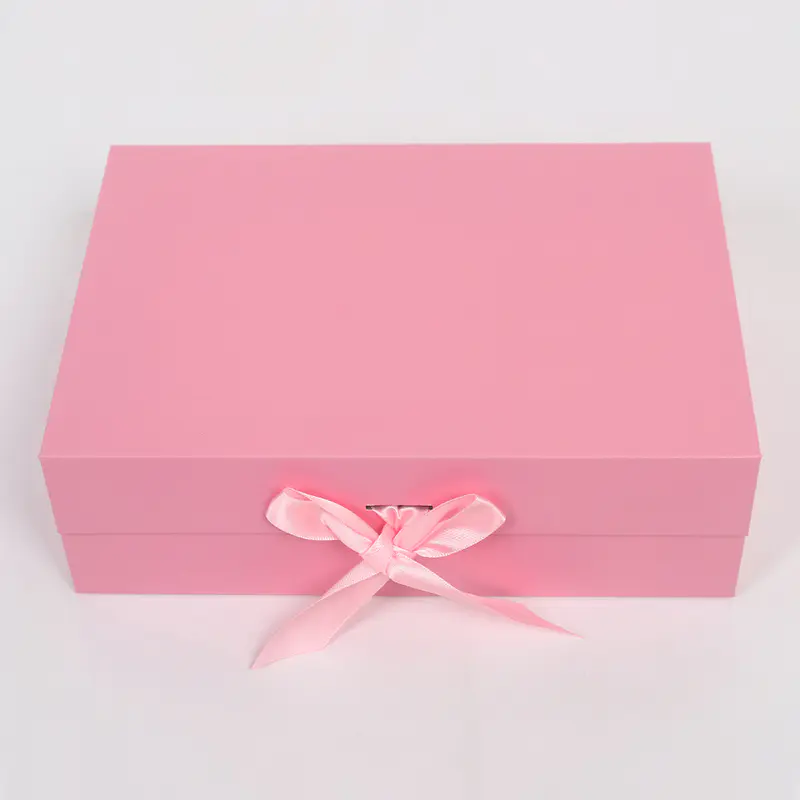
Z226 Biodegradable Laminated Embossed Art Paper Magnetic Folding Gift Box
1. Product specification information for the Z226 biodegradable laminated embossed art paper magnetic folding gift box.
2. Manufacturer information concerning materials, dimensions, customization, production capacity, certifications, and export markets.
3. General principles of paperboard packaging design, folding carton construction, and surface finishing.
4. General guidance on sustainable packaging assessment, material selection, reuse, recycling, and responsible environmental claims.
5. General quality-control practices for printed, laminated, embossed, die-cut, and magnetic folding gift packaging.
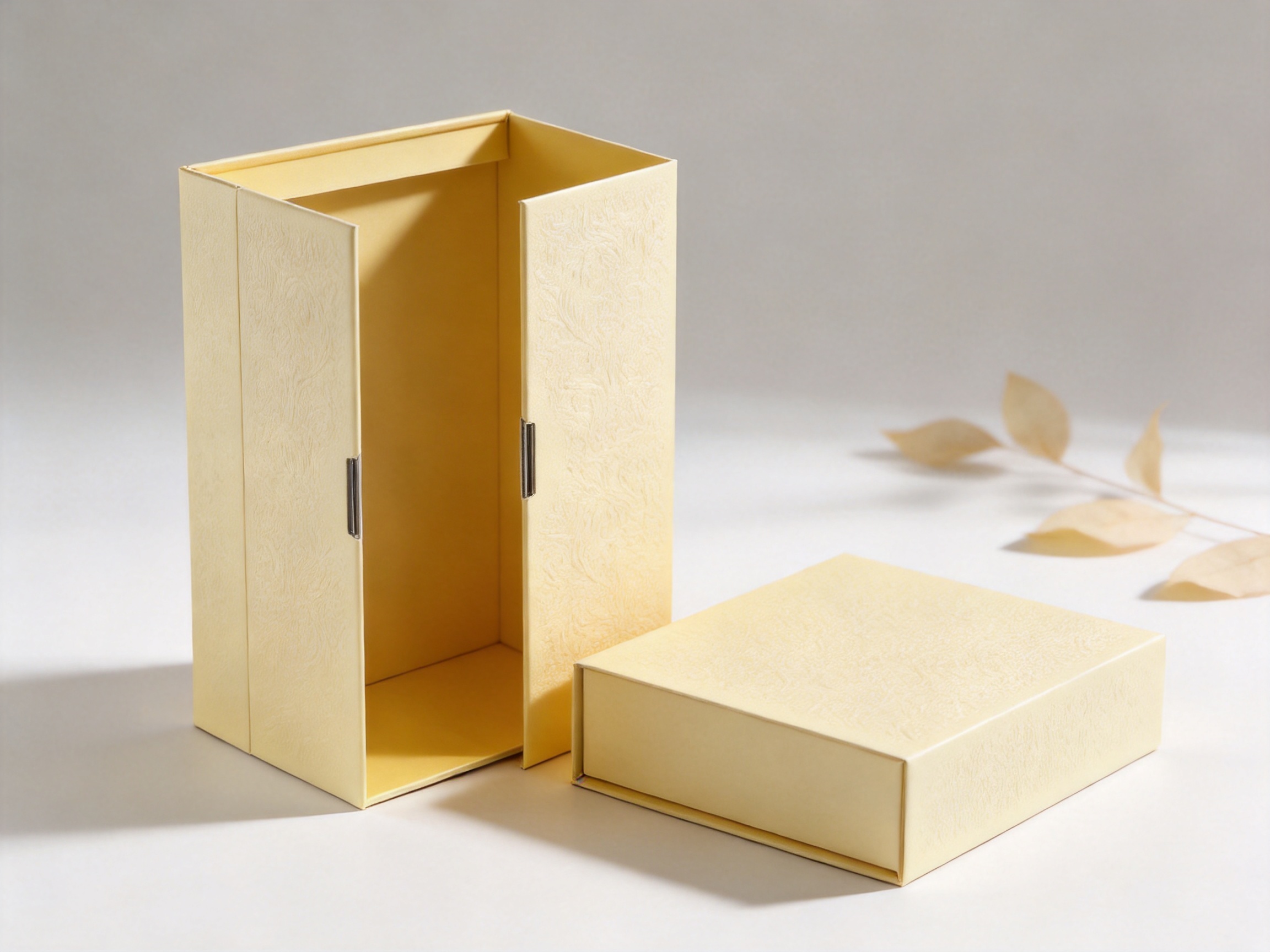
Confirm the product dimensions and internal space required for the intended contents.
Confirm the board thickness, art paper specification, lamination, embossing pattern, and magnetic closure design.
Approve colors, artwork, logos, text, print placement, and design file formats.
Review the prototype for product fit, folding action, magnetic alignment, surface quality, and overall presentation.
Confirm the minimum order quantity, production schedule, packing method, shipping requirements, and inspection standard.
Review the environmental description for accuracy according to the final material configuration and target-market disposal systems.
Request current certification information when BSCI, FSC, or other compliance documentation is required.
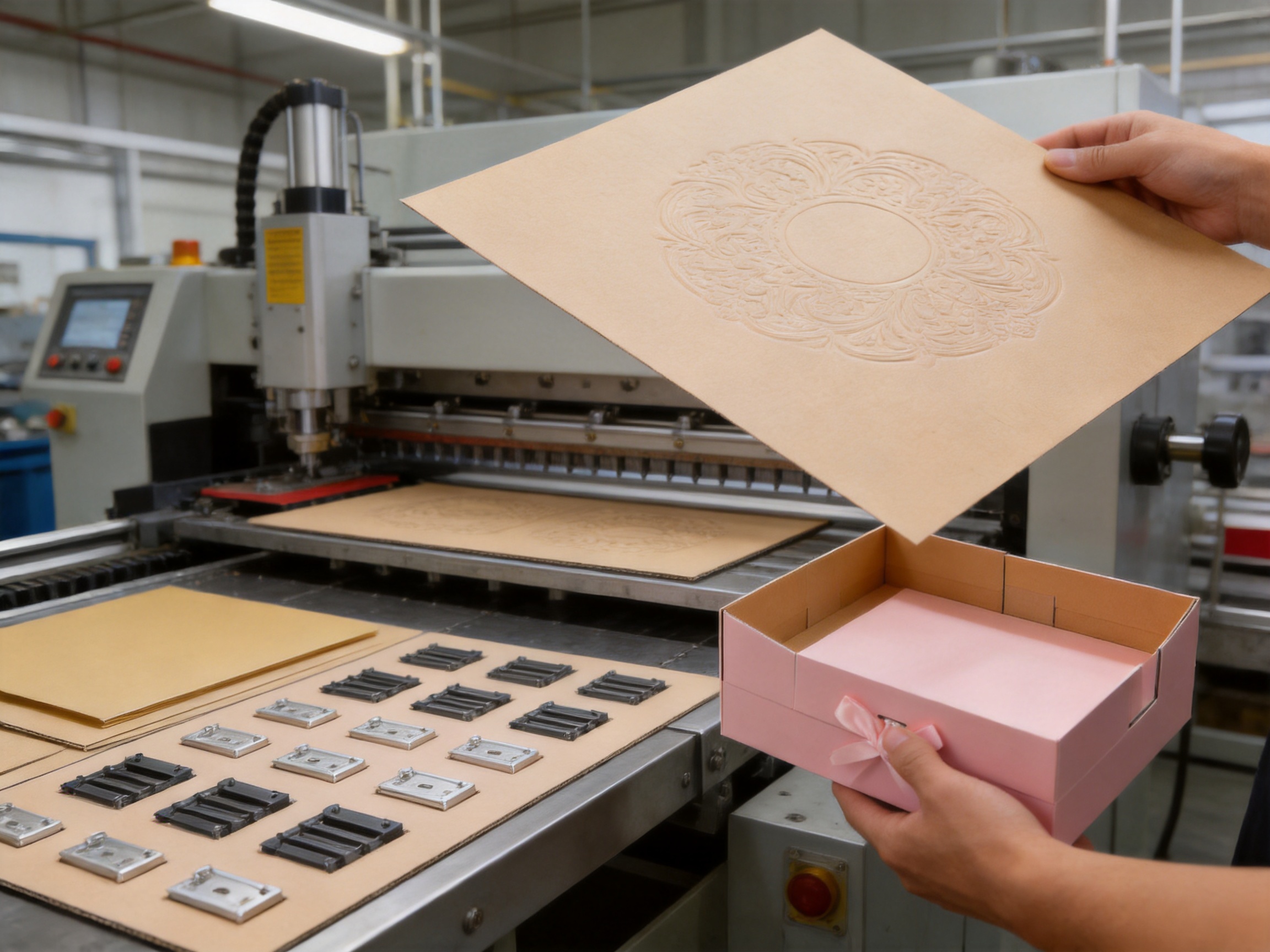
With careful development and accurate specifications, the Z226 can serve as a durable, elegant, and efficient packaging solution for modern gift presentation.
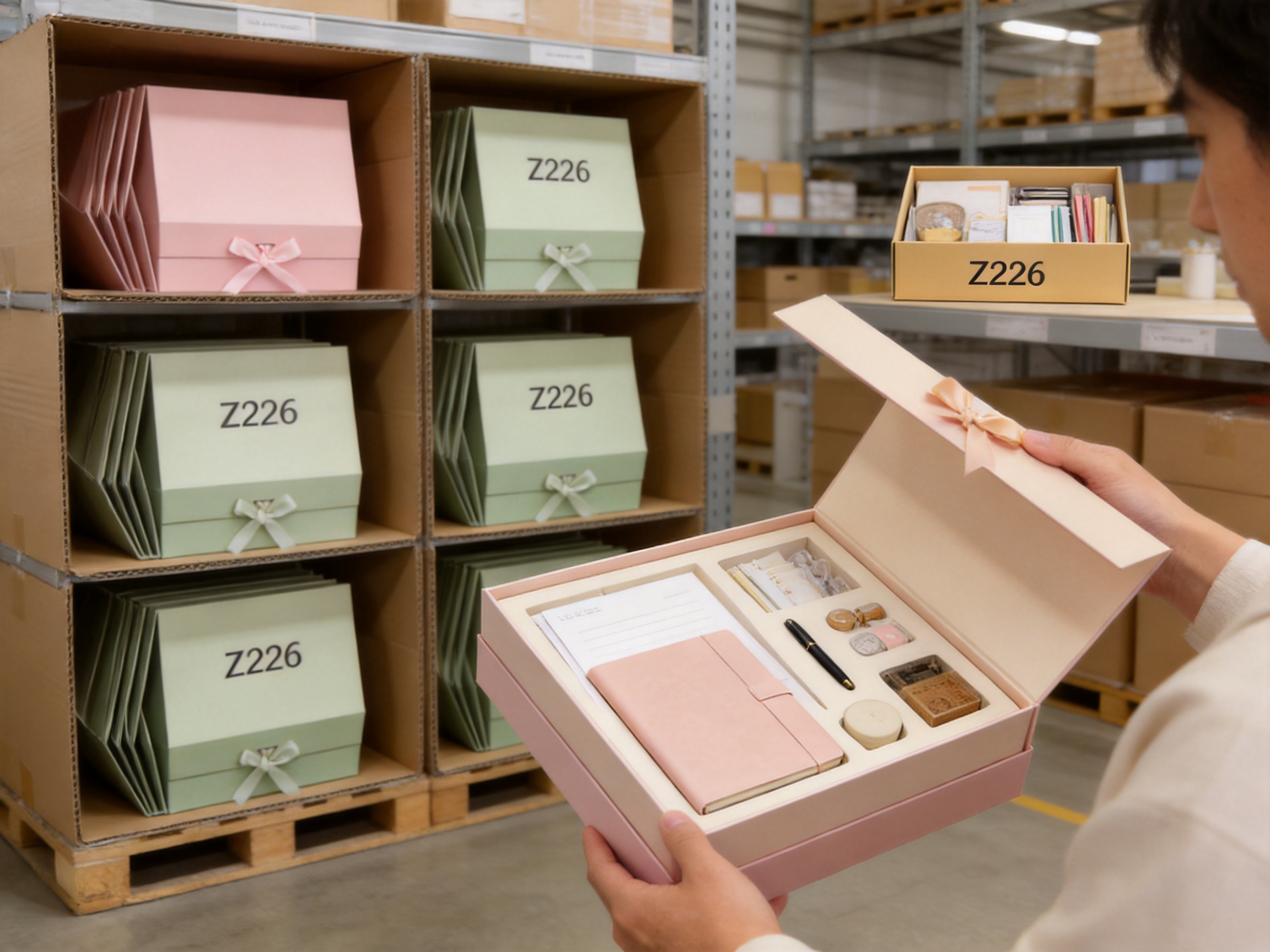
Recommended Products

Contact Us

No. 15, Xiayang Road, Huangzhai Town, Jinhua, Zhejiang, China

(+86) 579-84230069

(+86) 13085675766


Products

Gift Box Packaging Manufacturer
 English
 Français
 Español
 عربى