2026-07-26
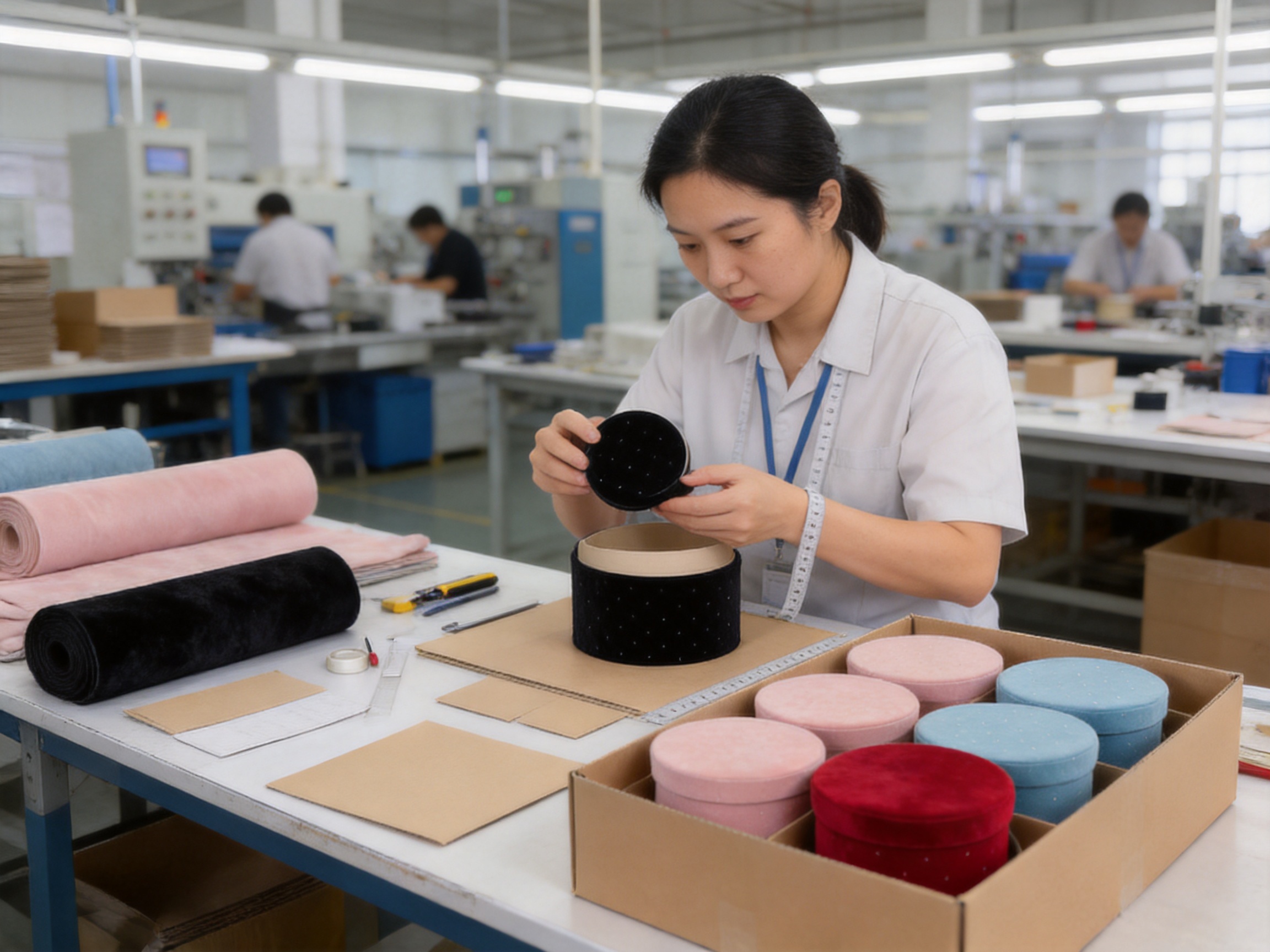
Premium packaging is no longer limited to protecting a product during transportation. In competitive retail and gifting markets, the package itself has become part of the product experience. Customers judge quality through visual appearance, touch, opening performance, storage usefulness, and the sustainability of the materials. A well-designed gift box can therefore strengthen brand recognition, increase perceived value, and encourage customers to reuse the package after the original gift has been opened.
The 813 Cylindrical Velvet Fabric Storage Gift Box is designed around these expectations. Its rounded form, soft velvet-like surface, practical storage capacity, and customizable appearance create a packaging solution that combines presentation with long-term usefulness. Unlike ordinary disposable cartons, it is intended to remain valuable after the gifting occasion. It can hold accessories, keepsakes, cosmetics, stationery, small crafts, and other personal items, helping recipients transform packaging into an attractive organizational tool.
This article examines the structure, appearance, applications, customization possibilities, manufacturing strengths, quality considerations, and commercial advantages of this cylindrical gift box. It also explains why a specialized packaging manufacturer with an experienced design team, large production capacity, export experience, and established quality systems can provide greater value than a supplier focused only on basic box assembly.
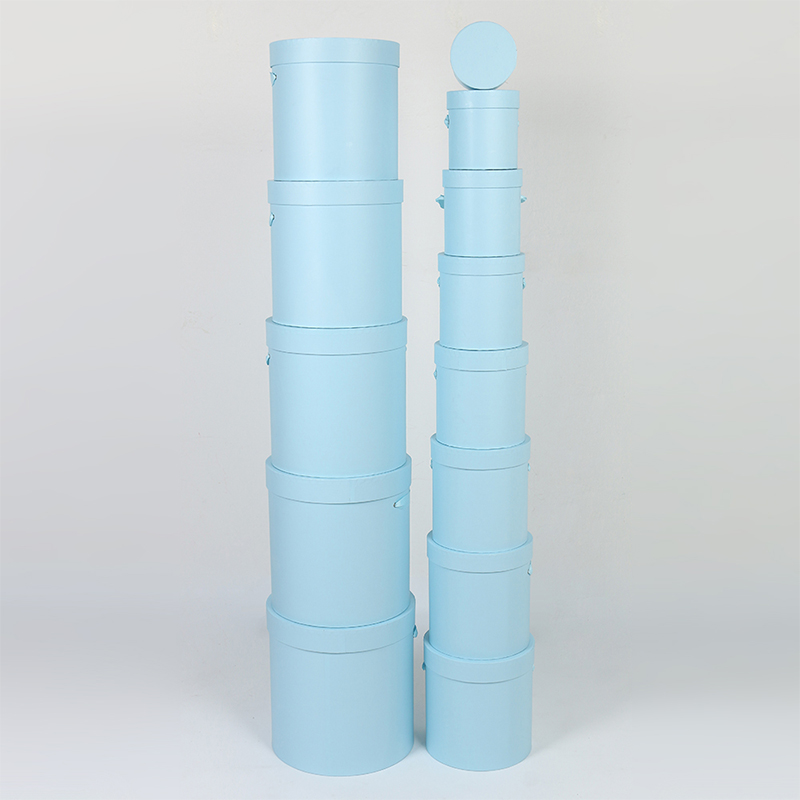
The 813 Cylindrical Velvet Fabric Storage Gift Box is a coordinated set of cylindrical containers developed for gift presentation, storage, and decorative use. Its most distinctive feature is the round silhouette. A cylindrical box differs from the familiar square or rectangular format by introducing a softer visual rhythm and a more memorable unboxing experience. The shape is especially suitable for product collections that need a decorative presentation or for gift combinations in which several sizes are displayed together.
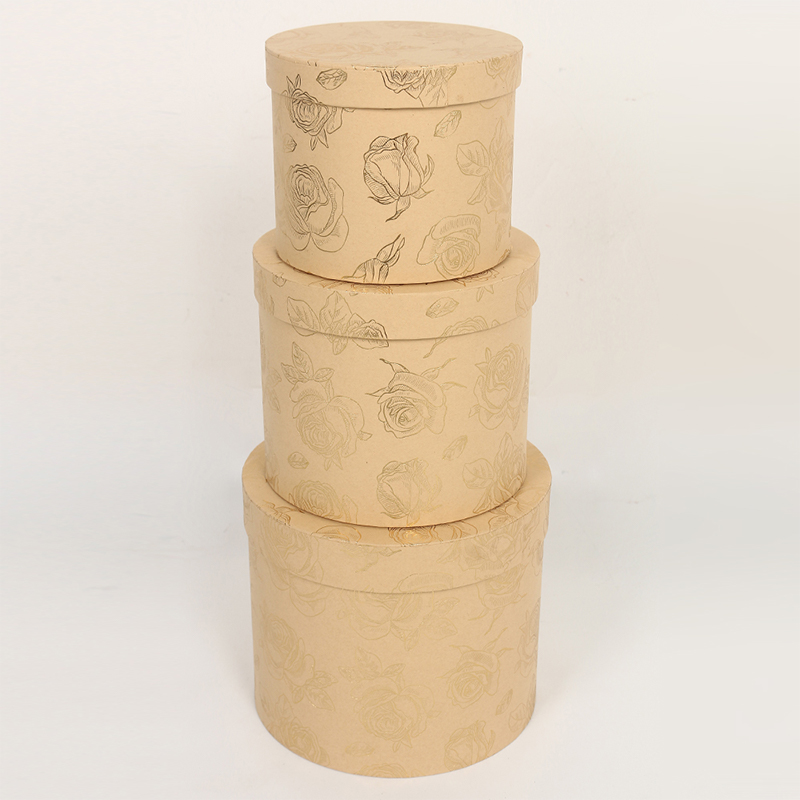
The standard set contains three pieces. The listed dimensions are approximately 18 × 17 cm for the largest box, 16 × 15 cm for the medium box, and 13.5 × 13.5 cm for the smallest box. These sizes can be arranged as a nested collection, displayed individually, or used together to organize different objects. The different diameters and heights provide flexibility for products of varying dimensions while maintaining a unified appearance.
The box is described as a velvet fabric storage gift box, emphasizing the soft-touch exterior and upscale visual effect of velvet. The construction specification also identifies an art paper-coated cardboard surface. In practical packaging production, this means the box can combine a structured paperboard body with an outer decorative covering or coated surface. The result is a balance between rigidity, appearance, weight, and manufacturing efficiency. Depending on the project, the exterior finish, interior lining, printed elements, and structural details can be adapted to the buyer’s requirements.
The product is suitable for gift packaging, storage, gifts, crafts, stationery organization, and other presentation-focused applications. It can be supplied in custom colors, including CMYK, Pantone, and specially matched shades. This makes the box appropriate for seasonal collections, private-label programs, promotional campaigns, wedding gifts, premium retail packaging, and corporate gifting.
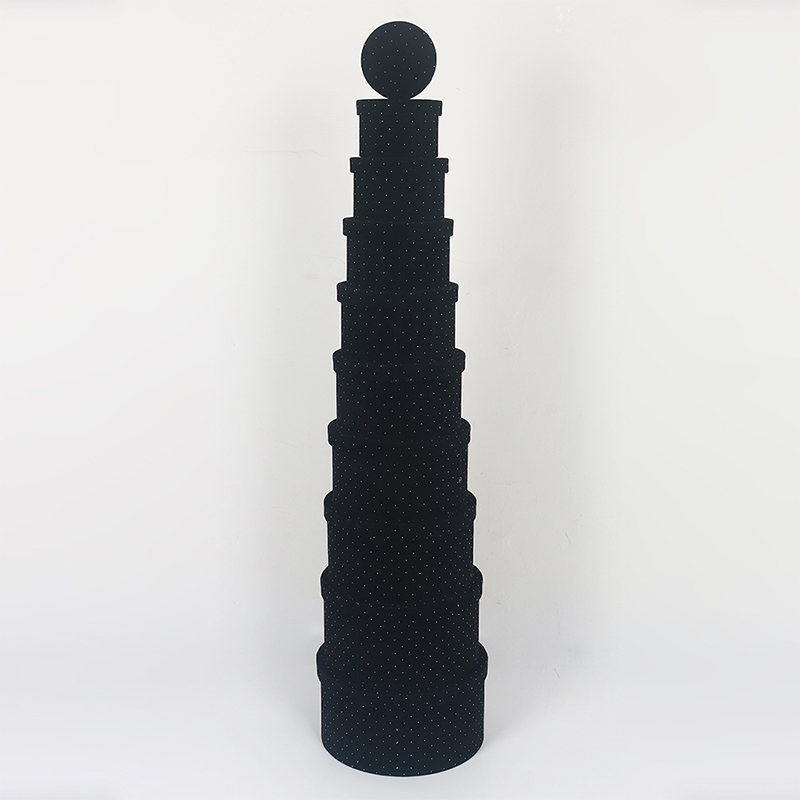
813 Cylindrical Velvet Fabric Storage Gift Box
Many gift boxes use rectangular geometries because they are familiar and easy to produce. Although rectangular packaging remains useful, it can appear ordinary when placed beside competing products. The cylindrical structure of the 813 model gives buyers a way to create a more distinctive visual identity without requiring an overly complicated design.
Round packaging immediately attracts attention because it contrasts with the straight lines of most retail boxes. On a shelf, display table, or online product photograph, the curved profile can make a product collection easier to recognize. It also creates a softer and more decorative impression, which is useful for cosmetics, accessories, crafts, fragrance-related products, wedding favors, and lifestyle gifts.
The cylindrical form can communicate qualities such as elegance, warmth, craftsmanship, and refinement. It is less rigid in appearance than a conventional folding carton and can make a modest gift seem more carefully selected. When combined with a velvet surface, the effect becomes even more tactile and luxurious.
The compact round form is easy to place on shelves, counters, wardrobes, desks, and display cabinets. Multiple boxes can be arranged in a vertical stack or grouped by size. The three-piece set also supports nesting, which can reduce the space occupied during storage and presentation. This feature is valuable for retailers and distributors that need attractive packaging without excessive display volume.
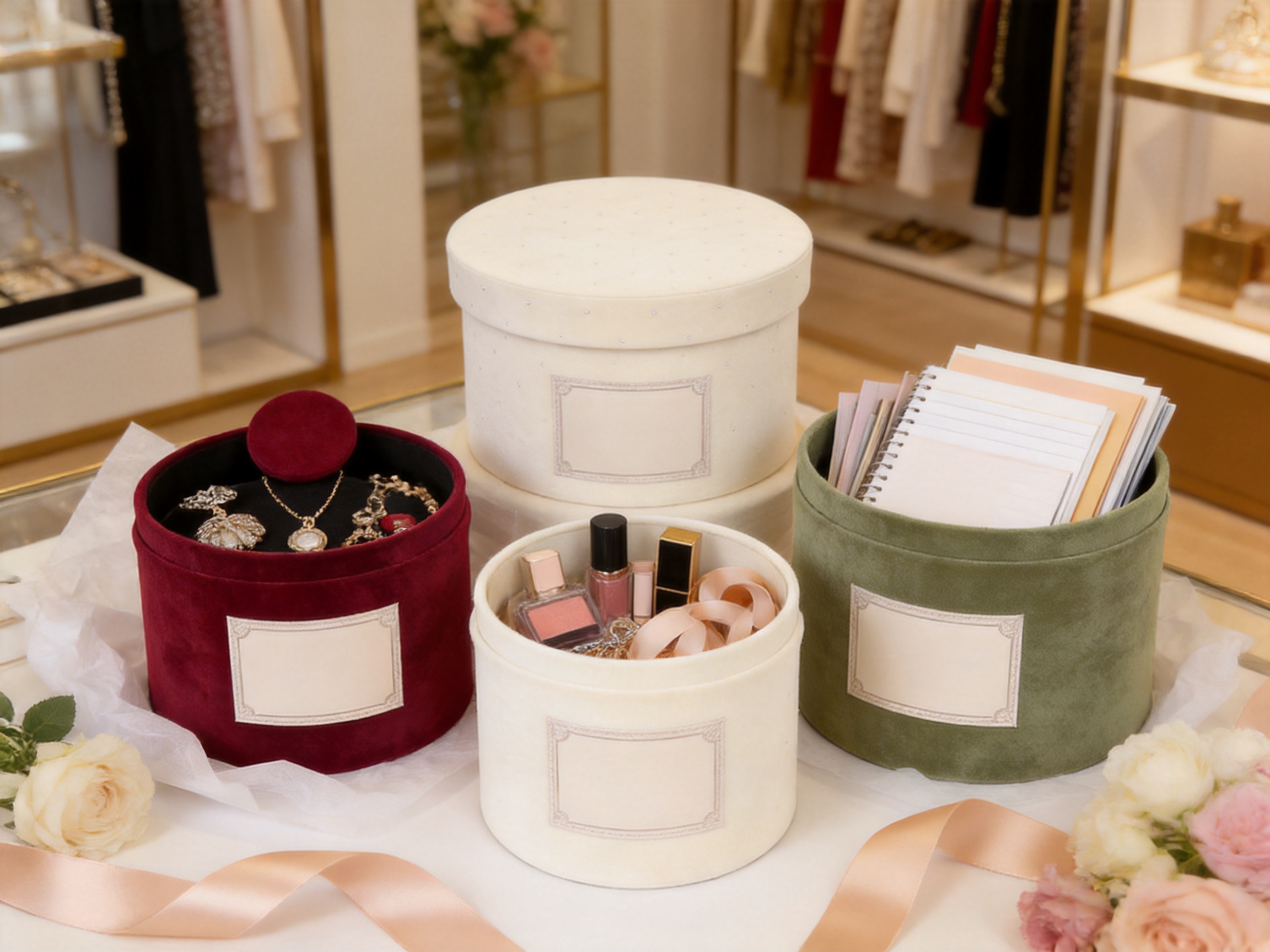
For end users, the boxes can be reused in different rooms and for different purposes. A small box may hold jewelry, hair accessories, stationery items, or craft supplies. The medium box can store cosmetics, ribbons, small toys, or personal accessories. The largest box may accommodate scarves, keepsakes, gift sets, or larger craft materials. The packaging therefore continues to provide value after the original product has been removed.
Packaging influences memory. A distinctive shape and pleasant tactile surface can help recipients associate the opening experience with the gift itself. A velvet-covered box feels different from a plain printed carton, and that difference can increase the perceived care behind the presentation.
The reusable character of the box can also extend the relationship between the recipient and the original brand. If the box remains visible in the home, the company’s colors, patterns, or printed identity may continue to receive attention. This can create a form of long-term product visibility that disposable packaging cannot offer.
Touch is an important but sometimes overlooked part of packaging design. Customers may first see a package, but they often touch it before opening it. A soft velvet fabric exterior provides a comfortable hand feel and gives the surface a visually rich texture. Under suitable lighting, the fibers can create subtle changes in tone, making the box look more dimensional than a flat printed surface.
Velvet is commonly associated with premium products because of its softness, depth, and decorative appearance. On a cylindrical form, the fabric can follow the curve continuously, creating a smooth and uninterrupted outer profile. This can produce a more refined result than a basic paper wrap, particularly when the seams, edges, and lid are finished carefully.
The material supports a broad selection of color directions. Deep jewel tones can create an elegant and luxurious appearance, while light neutrals may be suitable for modern home goods, wedding packaging, or minimalist brands. Soft pink, pale blue, ivory, sage, and lavender can support seasonal or gift-oriented collections. Dark green, burgundy, navy, charcoal, and black can create a stronger premium effect.
Color consistency is essential when several boxes are supplied as a set. A professional production process should control the selected material, monitor shade variation, and inspect finished products under consistent lighting. For printed or coated components, CMYK and Pantone references can be used to guide color matching. For fabric surfaces, physical samples are particularly useful because texture and fiber direction can influence the perceived shade.
The soft surface is designed to be attractive while remaining practical for repeated use. A properly selected and applied covering can resist ordinary handling, light abrasion, and routine storage. The box should still be protected from excessive moisture, sharp objects, and rough treatment, but it is suitable for everyday organization in a home, boutique, office, or studio.
Maintenance is relatively straightforward. Dust can generally be removed with a soft, dry cloth or gentle brush. Small marks should be treated promptly using a method appropriate to the specific fabric and coating. Clear care guidance can be included in a product insert or supplied to distributors when the packaging is intended for repeated consumer use.
The appeal of a gift box must be supported by reliable structure. A package that looks attractive but cannot maintain its shape will not provide a satisfactory customer experience. The 813 model uses a paperboard-based structure that gives the cylindrical body stability while keeping the product lighter and easier to transport than many rigid alternatives.
The circular body offers good resistance to compression around its circumference. When the lid and base are accurately fitted, the container can provide a secure enclosure for small and medium-sized gifts. The exact closure style can be discussed during development, depending on whether the buyer prefers a removable lid, a fitted top, an interior platform, decorative ribbon, or another opening method.
A well-made lid should open smoothly without being excessively loose. It should also resist accidental separation during normal handling. The fit can be tested through repeated opening and closing, basic compression checks, and transportation simulations. These assessments help ensure that the final packaging is both attractive and dependable.
The three sizes in the standard set are a major practical advantage. They allow one purchasing program to cover multiple products or gift combinations. Retailers can use the smallest size for accessories, the middle size for individual gift items, and the largest size for larger sets. The coordinated design ensures that different product sizes still appear to belong to the same collection.
Set packaging also supports merchandising. Three boxes can be presented as a complete gift collection, used as nesting containers, or displayed at different heights. A retailer can sell the set as a storage solution, while a brand can use each size for a different product category. This flexibility reduces the need to develop several unrelated packaging styles.
The interior can be adapted to the item being packed. A simple clean interior may be sufficient for decorative storage. For fragile products, the box can be developed with inserts, paperboard supports, fabric cushions, dividers, or other protective elements. The best interior solution depends on product weight, shape, surface sensitivity, and required presentation.
For jewelry or small accessories, compartments can prevent movement and improve organization. For stationery, a smooth open interior may provide greater capacity. For crafts, an insert can separate individual pieces. For corporate gift sets, the internal layout can be designed to present multiple items in a planned sequence, making the unboxing process more engaging.
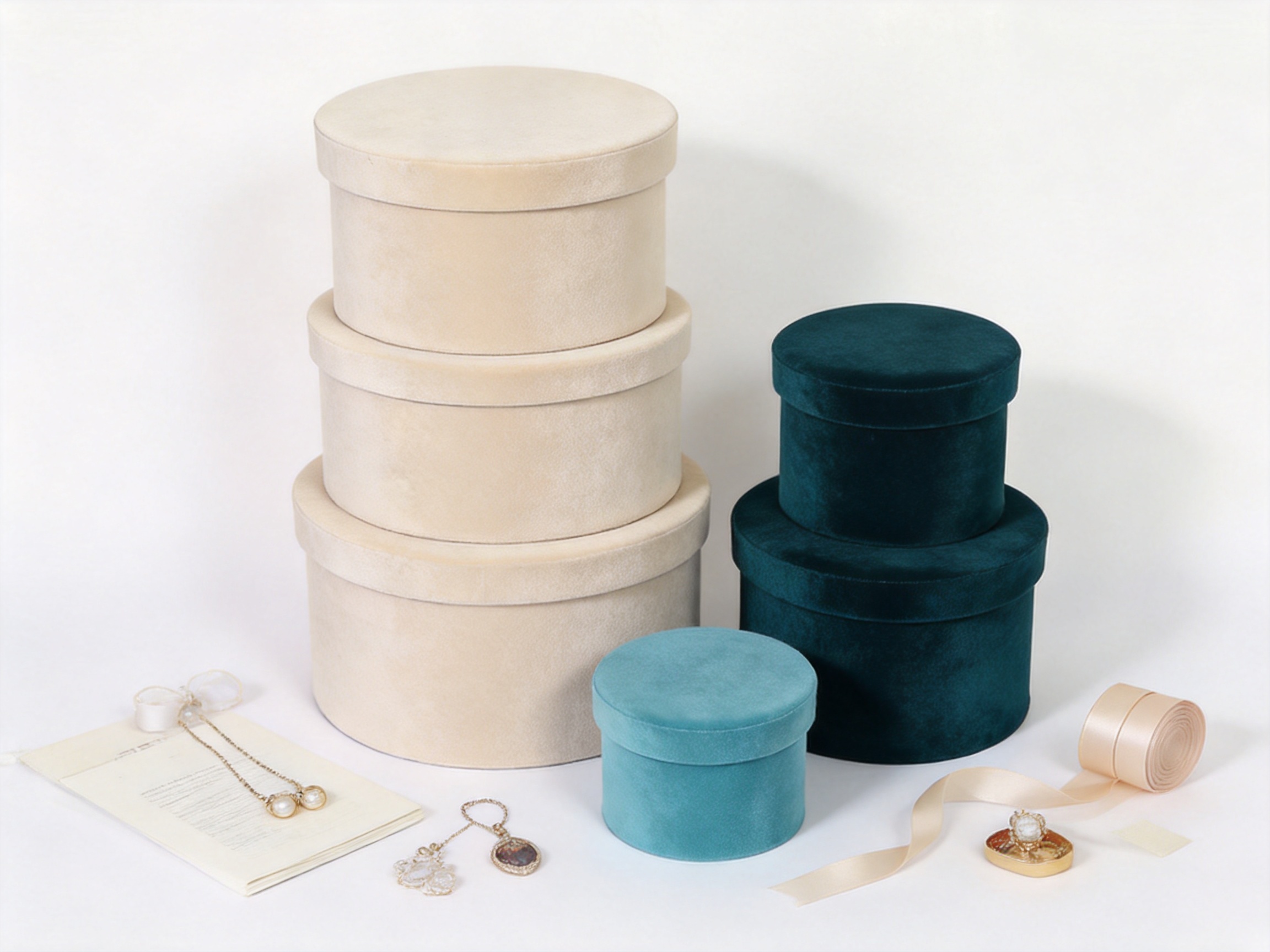
Customization is central to the value of professional gift packaging. Buyers rarely need a generic box alone; they usually need packaging that reflects a product category, target audience, selling season, and brand positioning. The 813 cylindrical format provides a strong base for customization while preserving the core advantages of the design.
Color selection can be specified through CMYK, Pantone references, or custom color samples. CMYK is useful for printed graphics and photographic artwork. Pantone colors provide a more controlled reference for brand identity and special campaigns. Custom colors may be selected when a buyer needs a close match to an existing product line, fabric, logo, or retail environment.
Color decisions should consider the final material rather than relying only on a digital screen. The same color can appear different on coated paper, uncoated paper, velvet fabric, foil, ribbon, or a printed insert. Sampling allows the buyer and manufacturer to review the complete combination before mass production.
Depending on the project, the exterior may include logos, patterns, illustrations, product information, seasonal artwork, or decorative lines. A simple logo can support a minimalist premium appearance, while an all-over pattern can create a stronger fashion or gift-oriented identity.
Additional decorative methods may include hot stamping, embossing, debossing, spot effects, printed labels, ribbons, tags, or contrasting interior colors. These treatments should be selected according to the material and the desired budget. The objective is not to add decoration indiscriminately but to create a clear visual hierarchy in which the product, logo, and packaging surface work together.
The manufacturer provides professional design advice through an in-house design team. This is an important advantage for buyers who have a general concept but need assistance translating it into production-ready packaging. Designers can help evaluate dimensions, artwork placement, structural balance, color relationships, and manufacturing feasibility.
Custom design files can be prepared using common professional formats, including Adobe Illustrator and CorelDRAW workflows. Vector artwork is particularly useful for logos, line drawings, patterns, and cutting references because it can be scaled without losing clarity. During development, the design team can identify potential problems such as insufficient bleed, overly fine lines, unsuitable image resolution, or artwork that does not account for curved surfaces.
The 813 box can serve many industries because it combines decorative presentation with storage function. Its use is not limited to one product type or one selling season.
Jewelry, hair accessories, scarves, belts, small leather goods, and fashion ornaments can benefit from premium packaging. The velvet surface supports a refined product image, while the cylindrical shape provides a distinctive alternative to common rectangular jewelry boxes. Inserts or small compartments can be added when the product requires positioning or separation.
Cosmetic gift sets often need packaging that looks attractive in photographs and on retail displays. A cylindrical box can hold selected skincare items, makeup accessories, fragrance-related products, or personal care collections. The exterior color can be aligned with a seasonal campaign or a product family, while the interior can be adapted to protect bottles, jars, tubes, or tools.
The product category includes stationery storage boxes, making this format suitable for pens, cards, notebooks, ribbons, stickers, drawing accessories, and other small office or craft supplies. The reusable storage function is especially valuable in this category because customers often want a permanent place to organize materials.
Gift packaging plays an important role in weddings, anniversaries, birthdays, holidays, and cultural celebrations. A coordinated set of cylindrical boxes can be used for guest gifts, favors, sweets, decorative keepsakes, or small personal items. Custom colors and printed patterns allow the packaging to match event themes, invitations, table settings, or seasonal visual identities.
Businesses can use the boxes for employee gifts, customer appreciation programs, event merchandise, product launches, and promotional kits. A well-finished reusable box can communicate more value than a disposable package and may remain in the recipient’s workspace or home. Branding can be applied in a restrained manner to maintain a professional appearance.
Artisans, craft retailers, and handmade product companies often need packaging that reflects the personal character of their goods. Velvet fabric and a rounded profile can support a handcrafted or boutique image. The box can be used for candles, ornaments, handmade accessories, decorative objects, and small artisan collections, subject to appropriate interior protection and product dimensions.
Advanced packaging manufacturing involves more than cutting and gluing materials. A reliable production program must coordinate design, material selection, structural forming, surface application, printing, assembly, inspection, packing, and shipment. Each stage affects the appearance and performance of the final box.
The process normally begins with a review of the buyer’s requirements. The manufacturer evaluates the intended product, target dimensions, order quantity, color direction, branding, delivery schedule, and expected sales channel. This initial discussion helps determine whether the standard 813 specifications are suitable or whether changes are needed.
The design team can then prepare drawings, artwork layouts, and structural references. Particular attention is given to the diameter-to-height ratio, lid clearance, wall strength, surface covering, and the relationship between the three sizes. A cylindrical box requires accurate development because curved surfaces do not behave in exactly the same way as flat rectangular panels.
Paperboard, art paper, velvet fabric, adhesive materials, printing components, and interior elements are prepared according to the approved specification. Material inspection can include checking thickness, surface cleanliness, color, texture, moisture condition, and consistency between batches.
Material selection must balance appearance and performance. A board that is too thin may reduce structural strength, while one that is too heavy may increase shipping costs. A covering that is too delicate may not withstand normal handling, while one that is too thick may create difficulty at seams and edges. Professional material evaluation helps achieve the appropriate balance.
When artwork is required, printing is completed according to the approved color references and production method. The printed components are checked for registration, density, clarity, and surface defects. If the design includes special effects, those elements are evaluated for alignment and consistency.
For the velvet exterior, application quality is particularly important. The material should be positioned evenly around the curved structure, with controlled tension and carefully managed seams. Wrinkles, bubbles, exposed board, uneven overlaps, and visible adhesive marks can reduce the premium appearance. Skilled operators and suitable forming equipment help minimize these risks.
The cylindrical body is formed to the required diameter, and the base and lid are assembled with attention to roundness and fit. The structure should remain stable without obvious deformation. The covering is then applied or completed, followed by edge treatment, interior finishing, and any required decorative elements.
Assembly accuracy is essential for a three-piece set. The smallest, medium, and largest boxes should have consistent proportions and coordinated surface treatment. The finished set should look intentional when nested or displayed together. Differences in color, height, lid fit, or seam position should be controlled through process standards and inspection.
Quality inspection may include visual examination, dimensional measurement, surface review, lid-fit testing, repeated opening and closing, stacking checks, and packaging drop or transport evaluations when required. The inspection criteria should be agreed upon before mass production so that the buyer and factory share the same expectations.
Common checkpoints include the following:
1. Confirmation of materials against the approved specification.
2. Verification of diameter, height, and overall set dimensions.
3. Inspection for wrinkles, scratches, stains, loose fibers, and exposed edges.
4. Review of printing, color, logo placement, and decorative details.
5. Testing of lid alignment and opening performance.
6. Examination of interior cleanliness and insert positioning.
7. Confirmation of quantity, set composition, and carton packing.
Quality control is most effective when it is integrated throughout production rather than performed only at the end. Early detection of material or forming problems reduces rework and helps maintain consistent delivery schedules.
Zhejiang Shihao Gift Packaging Co., Ltd. is an export-oriented manufacturer specializing in paper gift packaging boxes. The company has more than 15 years of experience in production, research and development, and sales. Its long operating history supports a practical understanding of material behavior, packaging trends, buyer expectations, and international order coordination.
The company covers approximately 20,000 square meters and employs around 300 people. This scale supports the division of responsibilities across design, development, production, quality inspection, purchasing, packing, and export coordination. A larger organization can also provide better continuity when an order requires several production stages or when a buyer needs to repeat an established packaging program.
The reported average daily capacity is approximately 5,000 sets of gift boxes. This capacity is relevant to customers who need commercial-scale supply rather than occasional handmade production. It allows the manufacturer to support launches, seasonal programs, retail replenishment, and multi-market distribution while maintaining a structured production schedule.
Advanced equipment and strong research and development capabilities support the production of kits, storage boxes, folding boxes, jewelry boxes, and other gift packaging formats. This broader product experience is valuable because the cylindrical velvet box may need to be combined with other packaging styles in a wider product collection. A manufacturer with multiple capabilities can help maintain consistent materials, colors, and design language across different box types.
The company has its own design team and updates dozens of products weekly. Continuous design development helps the manufacturer understand changing market preferences and propose practical alternatives. It also means that buyers can receive guidance beyond a basic catalog selection. A custom project can be evaluated in relation to current packaging trends, retail presentation, and production feasibility.
Shihao has passed BSCI and FSC certifications, according to the supplied company information. BSCI relates to social compliance and responsible working conditions within the supply chain. FSC certification supports responsible sourcing of forest-based materials when the applicable paperboard or paper components are supplied under the relevant certified system. Buyers should confirm the exact scope, certificate status, and documentation required for their individual project.
For the standard configuration, the product information lists three pieces per set and 24 sets per carton. The stated carton dimensions are approximately 74 × 38 × 55 cm, with a carton volume of about 0.155 cubic meters. These details are important for freight planning, warehouse organization, quotation preparation, and container utilization.
Efficient outer-carton planning helps protect the finished boxes while avoiding unnecessary shipping volume. Internal separators, protective wrapping, and suitable void control can reduce movement during transit. Because velvet surfaces may show dust or abrasion if they rub against one another, the packing method should be designed to keep the exterior clean and visually consistent.
The standard minimum order quantity is 300 sets. This quantity is appropriate for many commercial buyers testing a new design, launching a seasonal collection, or supplying a regional retail program. Larger orders may provide improved production efficiency, while smaller custom requirements should be discussed separately to determine material and setup feasibility.
The stated delivery time is generally 7 to 45 days or according to customer requirements. The actual schedule depends on design approval, sampling, material availability, order volume, printing or decoration complexity, and shipping arrangements. Early approval of artwork and samples is one of the most effective ways to reduce avoidable delays.
The main port is Ningbo, although other arrangements may be discussed according to customer requirements. Export buyers should confirm the applicable trade terms, carton markings, shipping documents, inspection procedures, and destination regulations before production begins.
The 813 model offers several advantages compared with basic paper cartons, generic plastic containers, and less specialized gift boxes.
A velvet surface can create a luxury impression without requiring a fully heavy rigid box. The paperboard-based structure provides a practical foundation, while the fabric finish adds tactile value. This combination can help buyers achieve a premium appearance while managing weight and shipping considerations.
Disposable packaging is often discarded shortly after opening. A cylindrical storage box has a second life. Its recipient can use it for organization, decoration, or future gifting. Reusability improves the value proposition and supports a more responsible packaging message.
The three available sizes can accommodate multiple product dimensions. A buyer does not need to use one oversized box for every item or develop three unrelated packages. The coordinated set offers a more efficient approach to product assortment planning.
The round structure creates visual differentiation in a crowded market. It can be especially valuable for brands that want packaging to be recognizable in retail photographs, social media content, gift guides, and unboxing videos.
Color, artwork, surface treatment, interior structure, and decorative elements can be adapted to a specific project. The presence of an in-house design team further improves the buyer’s ability to move from an initial concept to a manufacturable package.
A supplier with long-term experience, established equipment, trained personnel, quality systems, certifications, and export capabilities is generally better positioned to control consistency than a small workshop that handles each order informally. This is particularly important for sets, where even minor differences between boxes can be noticeable.
Sustainability in packaging involves material sourcing, manufacturing efficiency, useful life, transportation, and end-of-life considerations. The cylindrical velvet storage box contributes to sustainability primarily through reusability. A package that remains useful as a storage container can reduce the immediate need for replacement organizers and delay disposal.
The paperboard-based structure may also support responsible material selection when appropriate certified paper sources are used. FSC-related sourcing can help buyers meet internal purchasing standards or sustainability communication requirements, subject to verification of the relevant certification and supply chain documentation.
Durability is another part of the sustainability equation. If a box can be reused many times, the environmental impact associated with its original production is distributed over a longer period of service. Buyers should communicate realistic care instructions and avoid unnecessary decorative components that could make reuse more difficult.
Packaging efficiency also matters. A well-planned carton configuration can reduce wasted space during shipment. The listed set and carton arrangement provide a starting point for logistics planning, although final packing should be validated through actual production samples and transportation testing.
A clear development process helps buyers receive better results and avoid misunderstandings. The first step is to define the product that will be placed inside the box. Buyers should provide product dimensions, weight, fragility, quantity per set, and any special protection requirements.
The next step is to confirm the desired box format. The standard three-piece configuration may be suitable, but the buyer should decide whether all three sizes are required, whether the boxes will be nested, and whether each size will have the same decoration. The lid style and interior arrangement should be discussed early.
Color and material references should be supplied as clearly as possible. Digital color files are useful, but physical samples may be necessary for velvet or other textured materials. The buyer should also specify whether a brand color must be matched strictly or whether a visually similar seasonal shade is acceptable.
Artwork should be prepared in a professional vector format whenever possible. Logos, text, patterns, and cutting information should be separated and labeled. The design team can then check the artwork for curved-surface application, bleed, scale, and production compatibility.
Sampling is strongly recommended. A sample allows the buyer to review the actual dimensions, surface feel, color, lid fit, interior space, and overall appearance. It also provides an opportunity to make changes before a large order is produced.
Finally, the buyer should confirm order quantity, delivery destination, carton details, payment terms, inspection requirements, and shipping schedule. The standard payment arrangement is generally T/T, while other methods may be negotiable depending on the project and commercial relationship.
It is designed for gift packaging, decorative presentation, and reusable storage. It can hold gifts, accessories, stationery, crafts, cosmetic items, and other products that fit the selected dimensions.
The standard configuration contains three pieces. The listed sizes are approximately 18 × 17 cm, 16 × 15 cm, and 13.5 × 13.5 cm. Buyers should confirm the final dimensions and tolerances during project development.
The product is presented as a velvet fabric storage gift box, while the construction information identifies an art paper-coated cardboard surface. This indicates a structured paperboard body with a decorative surface specification. The final material combination should be confirmed through samples and production documents.
Recommended Products

Contact Us

No. 15, Xiayang Road, Huangzhai Town, Jinhua, Zhejiang, China

(+86) 579-84230069

(+86) 13085675766


Products

Gift Box Packaging Manufacturer
 English
 Français
 Español
 عربى