2026-09-06
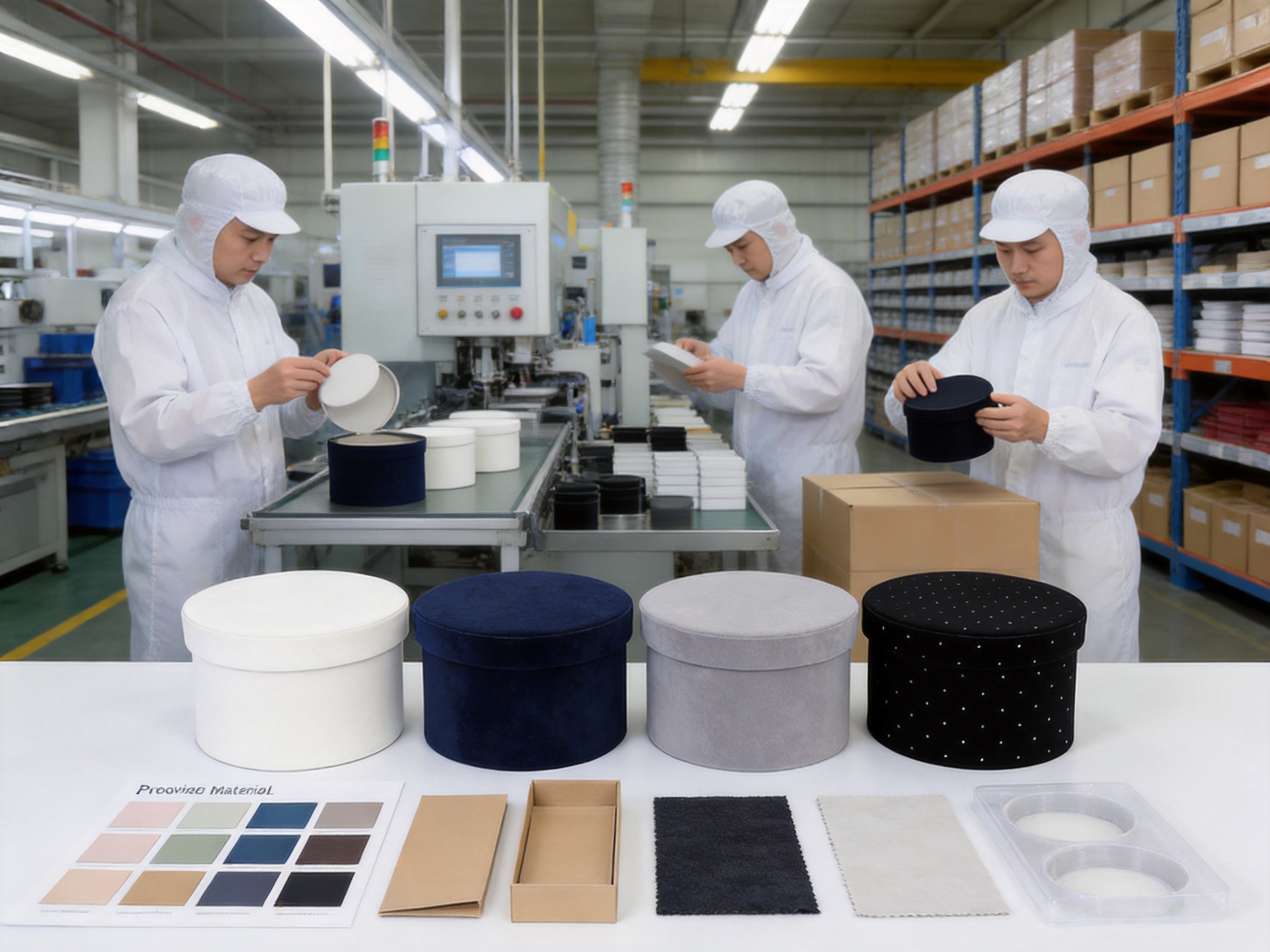
813 Cylindrical Velvet Fabric Storage Gift Box
Gift packaging has developed far beyond the simple function of protecting a product. Today, a well-designed box must communicate quality, support brand positioning, create an attractive unboxing experience, and offer practical value after the gift has been opened. The 813 Cylindrical Velvet Fabric Storage Gift Box responds to these changing expectations with a distinctive round form, a soft velvet exterior, a rigid paperboard structure, and multiple potential uses.
Unlike ordinary rectangular cartons, this cylindrical gift box creates an immediate visual impression. Its curved profile feels modern and refined, while its compact footprint helps save space during display, storage, and transportation. The velvet surface adds softness and depth, giving the package a more luxurious appearance than standard printed paper packaging. At the same time, the rigid construction provides the stability needed for gift presentation and repeated use.
This packaging format is suitable for gift products, crafts, accessories, seasonal collections, personal-care items, keepsakes, and many other applications. It can be used as an elegant presentation box when first purchased and then reused as a storage container in the home, office, boutique, or showroom. This combination of appearance, durability, and functionality makes it a strong alternative to disposable packaging.
The 813 model is a cylindrical storage gift box designed for customers seeking a presentation package with a high-end tactile and visual character. Its basic construction combines a rigid cardboard body with a decorative velvet fabric finish. The paperboard structure helps the box maintain its shape, while the outer fabric gives it a distinctive surface texture that differs from conventional coated paper or plastic packaging.
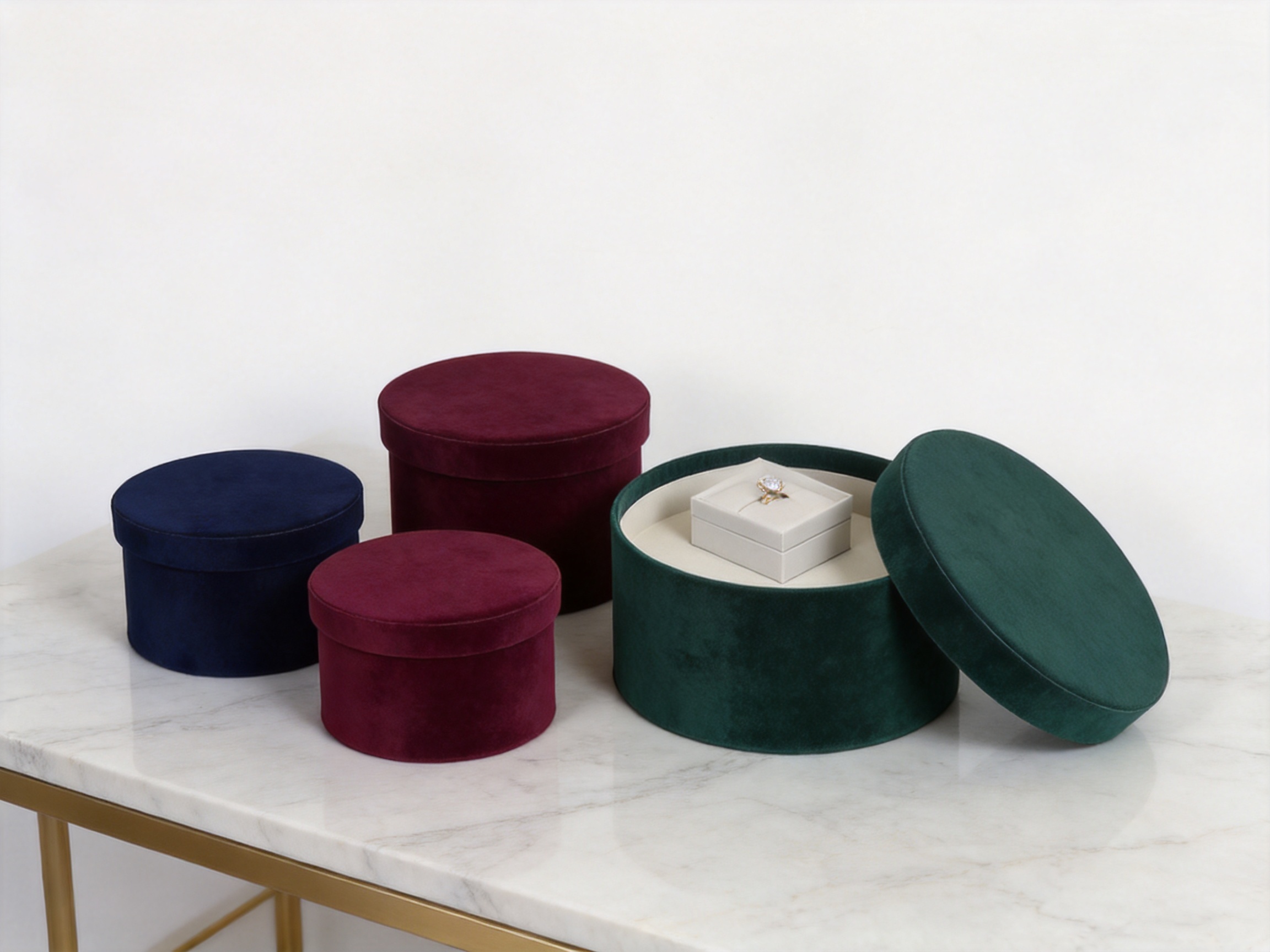
The design is available in a set of three sizes. The listed dimensions are approximately 18 by 17 centimeters for size 1, 16 by 15 centimeters for size 2, and 13.5 by 13.5 centimeters for size 3. The products are supplied as three-piece sets, allowing sellers to create coordinated displays or offer different capacity options within one product range.
The cylindrical form provides a practical balance between capacity and footprint. It avoids the sharp corners associated with conventional square boxes and can be arranged in vertical stacks, grouped into coordinated displays, or positioned individually on retail shelves. Its rounded silhouette is particularly effective for products that benefit from a softer, more decorative presentation.
Although the box is described as a velvet fabric storage gift box, the structural specification identifies an art paper-coated cardboard surface as part of the construction. In practical packaging terms, this means the box uses a rigid paperboard base and an attractive outer finish. Depending on the final customization plan, the exterior may combine coated paper components with velvet fabric elements or use a selected fabric covering over the rigid body. Customers should confirm the exact material composition, lining, closure, and finishing details during the sampling stage.
Shape is one of the first characteristics noticed by a customer. A standard rectangular box may be efficient, but it can look ordinary when placed beside competing products. A cylinder creates a different visual rhythm and immediately suggests a more considered design. The rounded form can make a product appear more giftable, collectible, and suitable for special occasions.
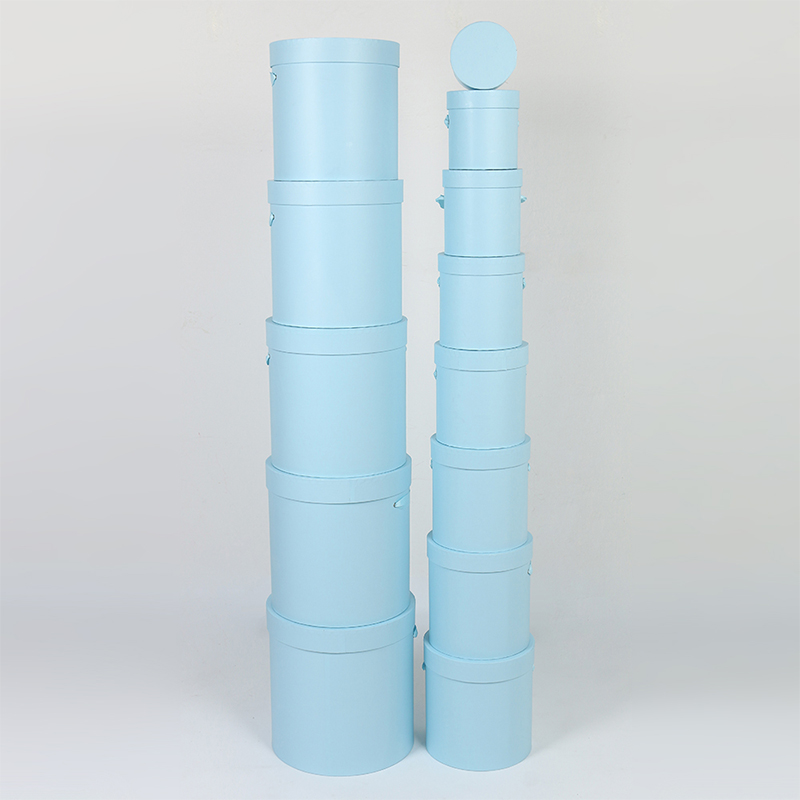
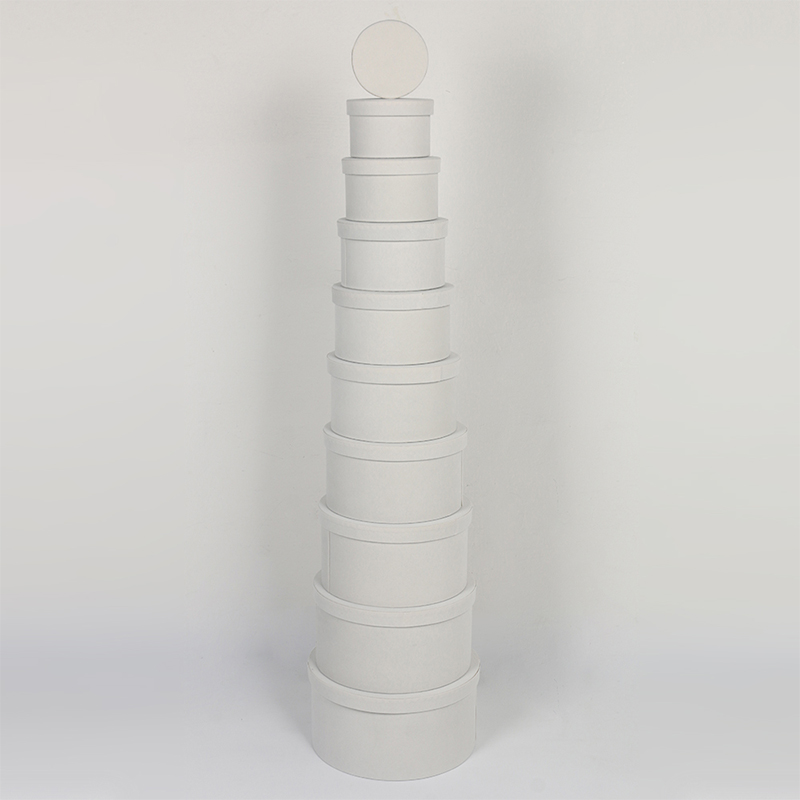
The cylindrical structure also supports efficient organization. Several boxes can be arranged closely together in a display, and the absence of projecting corners reduces the risk of sharp edges catching on adjacent packaging. When stacked with suitable internal support, the boxes can form a coordinated tower or tiered presentation. This is useful for retail counters, event displays, seasonal promotions, and branded gift sets.
Another advantage is the relationship between the external footprint and the internal volume. A cylindrical box can provide useful capacity without occupying as much visual space as a large square package. This is important for retailers and consumers who want attractive packaging without excessive bulk. The compact design may also help reduce shelf congestion and make inventory easier to organize.
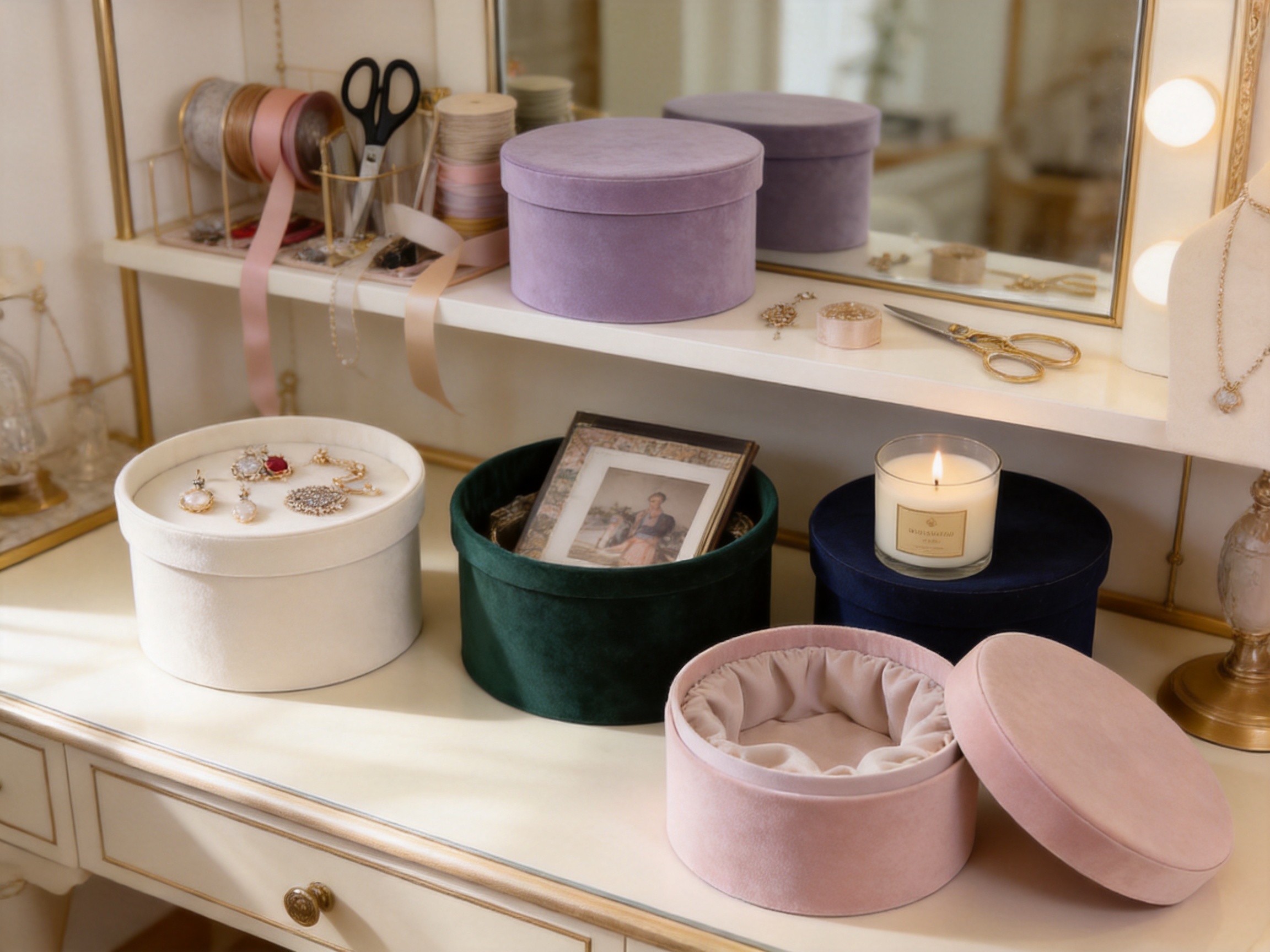
The form is adaptable to many product categories. It can hold small accessories, decorative items, craft products, selected food-related gift products when appropriately lined and certified, cosmetics, candles, scarves, keepsakes, and promotional merchandise. Its versatility allows one packaging structure to support multiple product lines while color, printing, inserts, and finishing details create differentiation.
Velvet is valued in packaging because it produces an immediate sensory response. Its surface is soft to the touch, visually rich, and capable of creating subtle changes in tone as light moves across the fabric. This depth gives the box a premium character that is difficult to achieve with a plain paper surface.
The tactile experience is especially important during unboxing. When a customer touches a soft fabric-covered package, the product can feel more carefully presented before it is even opened. The material encourages the customer to keep the box rather than discard it. This supports the transition from one-time gift packaging to long-term storage.
Velvet also works well with a broad range of colors. Deep shades such as burgundy, navy, forest green, charcoal, and black can create a formal or luxurious impression. Lighter colors, including cream, blush, lavender, and soft blue, may suit weddings, baby gifts, spring collections, and lifestyle products. Custom color matching through Pantone references can help businesses coordinate the box with a broader visual identity.
The fabric finish can also be combined with other decorative treatments. A printed paper label, foil-stamped emblem, woven tag, ribbon, metal nameplate, embossed panel, or custom insert may be added to create a more complete packaging system. The cylindrical surface requires appropriate artwork preparation, but an experienced packaging design team can adapt logos and patterns to follow the curved form accurately.
Velvet packaging should be handled and packed carefully because its surface can collect dust, lint, or pressure marks if it is not protected during production and transport. Professional inspection, suitable inner protection, and appropriate carton packing help preserve the presentation quality until the product reaches the customer.
The rigid paperboard core is a central part of the box’s performance. It provides resistance against deformation during handling and helps the container retain its cylindrical shape. Compared with thin folding paper packaging, rigid board is better suited to premium products, repeated use, and gift presentation.
An art paper-coated surface can provide a smooth base for printing, color development, and decorative finishing. When used in combination with a fabric exterior, it helps support clean construction and a consistent appearance. The final material selection should be based on the intended product, expected weight, shipping conditions, humidity exposure, and desired shelf life.
For products that require additional protection, the interior can be customized with a paperboard insert, molded insert, foam support, fabric lining, or other protective component. An insert can prevent movement inside the box, improve presentation, and create a defined position for each item. It can also support multiple products in one set, such as a gift collection containing several coordinated accessories.
The structure is intended for practical reuse, but it should not be treated as waterproof unless a specific water-resistant construction has been designed and tested. Velvet and paperboard can be affected by high humidity, liquid spills, and prolonged exposure to moisture. Customers can improve performance by selecting appropriate coatings, protective liners, or sealed inner components for the intended market.
With normal care, the exterior can be maintained by gently removing dust with a soft, dry cloth or fabric brush. Strong cleaning chemicals, excessive moisture, and abrasive tools should be avoided. Providing care guidance to end users can help preserve the appearance and extend the useful life of the package.
The following table summarizes the available specifications supplied for the 813 model. Final dimensions, materials, colors, and construction details should be confirmed against an approved sample before mass production.
| Project number | 813# |
| Product type | Cylindrical velvet fabric storage gift box |
| Primary structure | Rigid paperboard with decorative outer finish |
| Surface specification | Art paper-coated cardboard surface and/or selected velvet fabric finish, subject to final confirmation |
| Available colors | CMYK, Pantone colors, and custom colors |
| Size 1 | Approximately 18 × 17 centimeters |
| Size 2 | Approximately 16 × 15 centimeters |
| Size 3 | Approximately 13.5 × 13.5 centimeters |
| Supply format | 3 pieces per set |
| Application | Gift packaging, storage, gifts, and crafts |
| Minimum order quantity | 300 sets |
| Typical delivery time | 7 to 45 days or according to customer requirements |
| Carton packing | 24 sets per carton |
| Carton dimensions | Approximately 74 × 38 × 55 centimeters |
| Carton volume | Approximately 0.155 cubic meters |
| Loading port | Ningbo or another agreed port |
| Payment terms | Generally T/T; other methods may be negotiated |
The first competitive advantage is its unusual silhouette. A cylindrical box can attract attention in a crowded retail environment where many products are packaged in similar rectangular cartons. The shape can make a brand’s gift set easier to recognize and can support a stronger visual identity across product photography, online listings, and physical displays.
The soft velvet finish gives the package a more luxurious touch than ordinary kraft paper, basic coated board, or thin plastic packaging. This tactile quality can reinforce the perceived value of the contents. For premium gifts, the package is part of the product experience, and a soft exterior helps communicate care and refinement before the package is opened.
Many gift packages are discarded after a single use. The 813 model is designed to provide a second function as a storage container. Customers may use it to organize jewelry, hair accessories, craft materials, keepsakes, stationery, small toys, or household items. Reuse can improve customer satisfaction and reduce the perception of unnecessary packaging waste.
Color is a major part of packaging communication. The ability to work with CMYK, Pantone, and custom colors gives businesses more control over seasonal themes, product families, and brand coordination. A manufacturer with an in-house design team can help adapt graphics to a curved surface and recommend practical combinations of fabric, paper, labels, ribbons, and inserts.
The cylindrical shape saves space visually and can be easy to stack and carry. Its compact arrangement can be useful for retailers, event organizers, and companies sending gift packages through distribution networks. While the total shipping efficiency depends on the final dimensions and packing method, the product’s format supports organized carton packing and coordinated storage.
A rectangular box may be strongly associated with one product category, while a well-designed cylinder can serve a wider range of goods. The 813 model can be customized for gift shops, craft brands, wedding suppliers, corporate gift programs, seasonal promotions, lifestyle retailers, and specialty product manufacturers. This flexibility can reduce the need to develop completely different packaging structures for every product line.
Small jewelry collections can benefit from a compact box with a refined exterior. An inner insert can hold bracelets, necklaces, earrings, brooches, or hair accessories in a stable position. Velvet is naturally associated with luxury presentation, making it appropriate for giftable accessories and limited-edition collections.
Beauty brands can use cylindrical boxes for curated gift sets containing cosmetics, fragrance accessories, brushes, skincare tools, or bath products. The interior should be adapted to the shape and weight of the products. If liquids or creams are included, the package should incorporate leak-resistant primary packaging and protective internal components.
The round format is suitable for candles, fragrance accessories, and decorative home products. A rigid structure can help protect the container from ordinary handling, while a custom insert can keep the product centered. Heat-sensitive products should be evaluated carefully, and all relevant safety and transport requirements should be addressed before production.
Handmade brands often need packaging that reflects the personal and artistic nature of their products. A velvet cylindrical box can complement handmade jewelry, ornaments, fabric accessories, small ceramics, decorative crafts, and collector items. The box itself can become part of the brand story by emphasizing craftsmanship, reuse, and thoughtful presentation.
Corporate gifts need to look professional while still creating a memorable experience. A custom-colored cylindrical box with a printed logo, metallic detail, or coordinated insert can present employee gifts, event souvenirs, client appreciation products, and commemorative items. The reusable storage function can keep the company’s visual identity in the customer’s environment for longer than a disposable carton would.
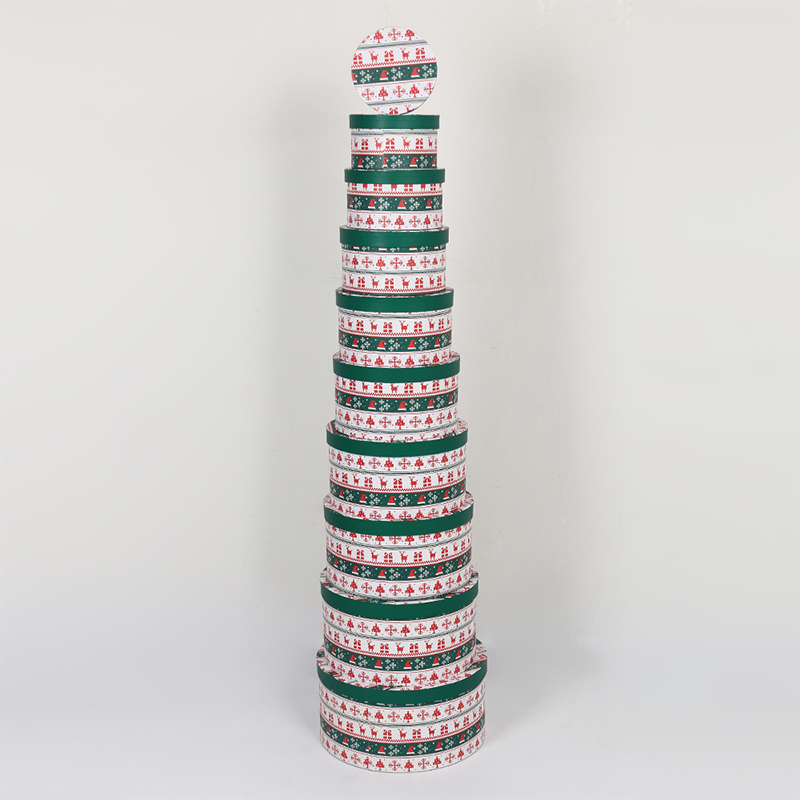
Seasonal packaging often needs to be visually distinctive and easy to coordinate with temporary campaigns. The 813 model can be produced in colors associated with holidays, anniversaries, weddings, festivals, or special retail events. Different sizes can be used together as a tiered collection, helping retailers create displays with varied heights and visual interest.
Customization begins with the external dimensions. Although the standard 813 model includes three listed sizes, customers may discuss alternative measurements when their products require a different capacity. Any dimensional change can affect material usage, tooling, inserts, carton packing, shipping volume, and production cost, so the complete specification should be reviewed before approval.
Color customization is available through CMYK, Pantone, and customer-defined color references. Pantone matching can be helpful when a business needs consistent color across boxes, labels, shopping bags, and printed marketing materials. Because velvet can reflect light differently from paper, the appearance of the same color may vary slightly between materials. Physical samples are therefore more reliable than screen previews for final approval.
Surface decoration can include printed patterns, foil stamping, embossing, debossing, adhesive labels, woven labels, ribbons, cords, decorative bands, and other components. The most suitable treatment depends on the fabric pile, the curvature of the box, the required production quantity, and the desired budget. Simple, carefully placed branding can often create a more sophisticated result than excessive decoration.
Interior customization is equally important. A well-designed interior should hold the product securely, protect delicate surfaces, and make the contents easy to remove. Paperboard compartments may be suitable for lightweight products, while foam, molded pulp, or fabric-lined supports may be more appropriate for fragile or valuable items. The insert should be tested with the actual product rather than relying only on drawings.
Closure design can also be reviewed. Depending on the intended use, the box may incorporate a removable lid, fitted top, ribbon closure, magnetic feature, sleeve, or another opening method. The closure affects the unboxing experience and the long-term storage function. A customer who plans to reuse the box will usually value a closure that remains secure but is easy to open repeatedly.
Packaging design involves more than placing a logo on a surface. The artwork must account for seams, overlaps, curves, panel alignment, material thickness, print tolerances, and the position of decorative elements. A professional in-house design team can help convert a concept into production-ready artwork and identify problems before the order enters mass manufacturing.
The supplied design information identifies Artificial Intelligence and CorelDRAW as accepted design file formats. Customers should provide vector artwork whenever possible because vector files allow logos and text to remain sharp at different sizes. Images used for photographic printing should be supplied at sufficient resolution, with color mode and bleed settings prepared according to the manufacturer’s requirements.
Design consultation can also help businesses choose the right balance between appearance and production practicality. For example, a full-surface pattern may require precise alignment around the cylinder, while a small centered emblem may be more forgiving and cost-effective. Similarly, a fabric color may be selected to reduce the need for heavy printing while still communicating the desired brand message.
Prototype development is strongly recommended for customized packaging. A physical sample can reveal whether the product fits correctly, whether the lid is secure, whether the velvet surface looks uniform, and whether the logo is positioned properly. It also allows the customer to evaluate the package under retail lighting and in product photographs.
Reliable manufacturing begins with material preparation. The paperboard, coated paper, velvet fabric, adhesive, inserts, labels, and decorative components must be checked against the approved specification. Material inspection helps reduce variation in color, thickness, texture, and surface quality before assembly begins.
The rigid board is cut or formed according to the cylindrical structure. Precision is important because even a small dimensional error can affect the roundness of the body, the fit of the lid, and the alignment of the outer covering. Production equipment and experienced operators work together to maintain consistent geometry across a large batch.
The outer material is then prepared for application. Velvet fabric must be cut with attention to grain direction, pile appearance, seam placement, and edge treatment. If art paper or printed components are used, the printed sheets are produced, dried, and checked before being applied to the structure. Adhesive selection and application are important because insufficient bonding can cause lifting, while excessive adhesive may create visible marks or surface irregularities.
During assembly, the covering is applied evenly around the cylindrical body. Operators need to control tension so that the fabric remains smooth without wrinkles, ripples, or distorted patterns. Edges and seams are finished carefully to create a neat appearance. If the design includes a logo, decorative band, or label, its position is checked against the approved artwork.
Lids and other components are fitted after the main body has been formed. The fit should be secure but not unnecessarily tight. A lid that is too loose may reduce the perceived quality and fail during handling, while a lid that is too tight can damage the surface or make the box inconvenient to use. Sample testing helps establish an appropriate balance.
Quality inspection can include dimensional checks, color comparison, surface inspection, adhesion checks, closure testing, insert fitting, carton count verification, and drop or handling evaluations appropriate to the product. Finished sets should be packed carefully to reduce friction, compression, dust accumulation, and movement during transport.
The manufacturer behind the product is an export-oriented paper gift packaging producer with more than 15 years of industry experience. Its reported facility covers approximately 20,000 square meters and employs around 300 people. This scale provides a broader resource base than a small workshop that relies entirely on manual production and has limited capacity for quality management or export coordination.
The company reports an average daily production capacity of approximately 5,000 sets of gift boxes. Capacity at this level can be valuable for customers preparing seasonal launches, promotional campaigns, or large retail programs. It also suggests that the factory has experience coordinating material purchasing, production scheduling, assembly, inspection, and packing across substantial order volumes.
Advanced equipment supports greater consistency in cutting, printing, forming, and finishing. Machinery does not replace skilled labor, especially for fabric-covered products, but it can improve repeatability and reduce avoidable variation. The strongest production systems combine equipment, trained operators, documented procedures, and inspection at multiple stages.
An in-house research and development function can help the factory update its product range and improve its response to changing market requirements. The company states that it updates dozens of products weekly and maintains its own design team. This can benefit customers who want to modify an existing structure rather than begin a completely new project from the beginning.
The product range includes kits, storage boxes, folding boxes, jewelry boxes, and other gift boxes. Experience across these categories may help the manufacturer recommend suitable materials, closures, inserts, and packing methods. A supplier with broader packaging knowledge can often identify practical solutions that are not obvious from the initial product concept.
The company reports BSCI and FSC certifications. Customers should request current certification documentation and confirm which facilities, materials, and production activities are covered. BSCI-related social compliance and FSC-related responsible forestry claims can support procurement requirements, sustainability programs, and retailer documentation when properly verified.
Environmental performance in packaging should be evaluated across the entire product life cycle. A reusable box may have a higher initial material input than a thin disposable carton, but its useful life can be longer if customers retain it for storage. The actual environmental benefit depends on how frequently the box is reused, how it is transported, what materials it contains, and how it is handled at the end of its life.
The 813 box supports reuse by providing practical storage value after the gift has been removed. A consumer may use it for many months or years, especially if the construction remains attractive and the dimensions suit household organization. This continued use can strengthen the relationship between the customer and the packaging brand.
Paperboard components may be recyclable where local systems accept the materials and where they are not heavily combined with non-separable elements. Velvet fabric, adhesives, coatings, labels, and mixed-material construction can affect recyclability. Businesses seeking a specific recycling claim should request a detailed material breakdown and verify the requirements of their target market.
FSC-certified paper materials may support responsible sourcing objectives, subject to valid certification and chain-of-custody documentation. Color selection, efficient cutting, reduced unnecessary components, optimized carton packing, and responsible production planning can further support resource efficiency.
It is important to present environmental claims accurately. The box should not be described as fully recyclable, biodegradable, or waterproof unless the final construction has been tested and documented to meet the relevant claim. Clear communication protects both the supplier and the customer from misleading marketing.
The listed packing method is three pieces per set and 24 sets per carton. This means one outer carton contains 72 individual cylindrical boxes when calculated by piece count, although the final packing configuration should be confirmed with the factory. The listed carton size is approximately 74 by 38 by 55 centimeters, with a reported volume of about 0.155 cubic meters.
Careful carton loading is important for fabric-covered packaging. The boxes should be protected from excessive compression and arranged to limit movement. Inner separation, wrapping, or other protective methods may be considered depending on the surface finish and shipping route. Cartons should be sealed securely and labeled according to the customer’s logistics requirements.
Shipping volume influences freight cost, especially for international orders. Customers should evaluate the packed carton dimensions rather than only the individual product dimensions. A design that looks compact at retail level may require additional protective space during transport. Early packing tests can help identify whether the carton arrangement can be improved without risking product damage.
The stated loading port is Ningbo, although another port may be arranged according to customer requirements. Delivery time is listed as approximately 7 to 45 days, depending on the order, customization, production schedule, materials, and shipping plan. Customers should request a detailed production timeline that separates artwork approval, sampling, material preparation, manufacturing, inspection, and dispatch.
A successful order normally begins with a clear product brief. The brief should identify the product to be packed, its dimensions and weight, the desired quantity, target market, preferred color, branding requirements, expected retail environment, and shipping conditions. It should also state whether the box is intended primarily for presentation, storage, or both.
The next stage is technical discussion. The customer and factory should confirm the dimensions, material structure, surface finish, closure, insert, printing, logo treatment, packaging method, and available color references. If the customer has strict sustainability or compliance requirements, these should be discussed before material purchasing begins.
Artwork is then prepared and reviewed. The customer should check spelling, logo proportions, color references, regulatory text, product information, and placement. Once the artwork is approved, changes may become more difficult or costly, particularly if customized materials or printing plates have already been prepared.
A pre-production sample is recommended for important projects. The sample should be reviewed for visual quality, dimensions, product fit, opening and closing performance, surface consistency, and compatibility with the planned retail display. If adjustments are needed, they should be recorded clearly and reflected in the final production specification.
Mass production begins after sample approval and confirmation of commercial terms. During production, the customer may request inspection arrangements or receive production photographs, depending on the agreement. Finished goods should be counted, inspected, and packed before shipment.
The minimum order quantity is listed as 300 sets. This quantity may be suitable for small and medium-sized brands testing a new packaging concept while still achieving the efficiency of factory production. Customers should confirm whether the minimum applies per color, per size, per design, or per combined order, because the commercial interpretation can vary.
Packaging is a physical expression of a brand’s promise. When a product is presented in a carefully made box, customers may associate the attention to detail with the quality of the item inside. The cylindrical velvet box supports this connection through its material, shape, and reusable function.
A distinctive package can also improve product photography. The rounded silhouette creates more variety in lifestyle images, shelf scenes, and social media content. Multiple sizes can be photographed together, creating a coordinated composition that communicates a complete collection. A carefully selected velvet color can reinforce a seasonal campaign or a long-term brand palette.
Reuse extends the visibility of the package beyond the original purchase. If a customer keeps the box on a desk, dressing table, shelf, or craft area, its design may continue to be seen after the gift occasion. This ongoing presence can provide a subtle reminder of the brand and encourage future purchases or recommendations.
For companies selling premium products, the package can also support price justification. Customers are often willing to pay more when the total experience feels complete, provided that the packaging is functional and not merely decorative. The 813 model combines decorative appeal with storage utility, helping it offer more than a single-use presentation layer.
Compared with a basic folding carton, the cylindrical velvet box generally offers stronger rigidity, a more luxurious surface, and better potential for reuse. The trade-off may be a higher unit cost and a more involved manufacturing process. It is therefore most appropriate for products where presentation and long-term use contribute meaningfully to perceived value.
Compared with a standard rigid rectangular box, the cylinder offers greater visual distinction and a softer silhouette. A rectangular box may provide more efficient use of some storage spaces, so the best choice depends on the product dimensions, retail plan, and shipping requirements. The cylindrical format is especially attractive when differentiation is a priority.
Compared with plastic packaging, the paperboard-based structure can provide a warmer, more tactile, and more gift-oriented impression. It may also align more naturally with paper-based sourcing and reuse objectives. However, plastic may offer stronger moisture resistance in certain applications. The final choice should reflect the product’s protection requirements rather than appearance alone.
Compared with inexpensive fabric pouches, the rigid cylindrical box provides better shape retention and stronger shelf presence. A pouch may be lighter and more flexible, but it may not provide the same level of protection or display structure. The 813 box can combine some of the softness associated with fabric with the stability of rigid packaging.
Before placing an order, buyers should ask which components are made from velvet fabric, coated paperboard, or other materials. They should request the final material specification in writing and confirm whether the construction meets the intended market’s requirements.
Buyers should also ask for a physical sample, especially when color, fabric texture, logo placement, or product fit is important. Digital images cannot fully show surface softness, pile direction, color variation, or the actual relationship between the lid and body.
Other useful questions concern the acceptable tolerance for dimensions, color, fabric alignment, printing, adhesive marks, and surface imperfections. Establishing inspection criteria in advance makes it easier to evaluate the finished order fairly and consistently.
For international sales, buyers should confirm carton details, labeling, export documents, production lead time, port arrangements, payment terms, and the process for addressing shortages or damage. Clear communication at the beginning reduces delays later in the project.
It is a cylindrical velvet fabric storage gift box with a rigid paperboard structure. It is intended for gift presentation, storage, gifts, crafts, and related product applications.
The listed sizes are approximately 18 by 17 centimeters, 16 by 15 centimeters, and 13.5 by 13.5 centimeters. The sizes are supplied as a three-piece set. Customers should confirm whether the dimensions refer to external or internal measurements before finalizing product fit.
Yes. Available customization may include color, printing, surface finish, logo treatment, inserts, dimensions, and other design details. Custom requirements should be reviewed with the factory before sampling.
The listed options include CMYK, Pantone colors, and custom colors. A physical sample is recommended because velvet and coated paper can display color differently under different lighting conditions.
Yes. Its rigid construction and storage-oriented design allow it to be reused for small household items, accessories, crafts, stationery, keepsakes, and other products. Actual service life depends on handling and environmental conditions.
The standard specification does not establish that the box is waterproof. Paperboard and velvet should be protected from liquid and excessive humidity unless a specially tested water-resistant construction is agreed upon.
The box can be used for accessories, crafts, gifts, small lifestyle products, cosmetics, candles, decorative items, and promotional merchandise. The interior should be customized to the product’s size, weight, fragility, and protection requirements.
The listed minimum order quantity is 300 sets. Buyers should confirm whether this quantity applies to a single color, design, and size or can be combined across a product range.
The listed packing method is three pieces per set and 24 sets per carton. The carton is reported to measure approximately 74 by 38 by 55 centimeters, with a volume of about 0.155 cubic meters. Final packing should be confirmed before shipment.
The listed delivery time is 7 to 45 days or according to customer requirements. The actual schedule depends on design approval, sampling, material availability, order quantity, production planning, inspection, and shipping arrangements.
The supplied specification identifies Artificial Intelligence and CorelDRAW files. Vector artwork is preferred for logos, text, and line graphics. The factory should confirm bleed, color mode, resolution, and other file preparation requirements.
The manufacturer reports FSC and BSCI certifications, but customers should request current documentation and confirm the exact materials covered. Sustainability claims should be based on the final construction and the requirements of the destination market.
The listed port is Ningbo, although another port may be arranged according to customer requirements. Buyers should confirm the shipping term, export documents, freight responsibilities, and delivery destination in the quotation.
The general payment term is T/T, while other methods may be negotiable. Exact payment timing and percentages should be included in the commercial agreement.
The 813 Cylindrical Velvet Fabric Storage Gift Box offers a balanced combination of premium appearance, practical structure, reusable value, and design flexibility. Its cylindrical silhouette distinguishes it from common rectangular packaging, while its velvet surface creates a soft and refined tactile experience. The rigid paperboard body supports presentation and storage, making the package useful beyond the initial gifting occasion.
Its advantages are strengthened by multiple size options, custom colors, professional design support, broad application potential, and organized factory production. The reported manufacturing scale, in-house design capability, advanced equipment, export experience, and certification background provide a solid foundation for customers developing customized packaging programs.
For the best result, buyers should define the product requirements carefully, confirm the exact material structure, review a physical sample, approve artwork systematically, and establish inspection standards before mass production. When these steps are followed, the cylindrical velvet box can become more than a container. It can serve as a memorable presentation tool, a reusable storage product, and a lasting part of the customer experience.
1. Product specification sheet for the 813 Cylindrical Velvet Fabric Storage Gift Box, including dimensions, materials, packing details, applications, and order requirements.
2. Manufacturer information concerning production capacity, facility scale, product categories, design resources, export experience, and reported certifications.
3. General principles of rigid paperboard packaging design, structural development, material selection, and protective insert planning.
4. General guidance on textile-covered packaging, velvet surface care, adhesive application, surface inspection, and presentation quality.
5. General packaging sustainability principles concerning reuse, responsible paper sourcing, material combinations, recycling considerations, and accurate environmental communication.
6. General international packaging logistics practices concerning carton loading, dimensional volume, export preparation, quality inspection, and shipment planning.
Recommended Products

Contact Us

No. 15, Xiayang Road, Huangzhai Town, Jinhua, Zhejiang, China

(+86) 579-84230069

(+86) 13085675766


Products

Gift Box Packaging Manufacturer
 English
 Français
 Español
 عربى