2026-10-29

Packaging is often the first physical contact a customer has with a jewelry product. Before a necklace, ring, bracelet, or pair of earrings is examined closely, the box communicates quality, care, style, and occasion. A well-designed jewelry gift box can transform a simple product presentation into a memorable experience, while an unsuitable package can make even a valuable item feel ordinary. The A-7 Rectangular Polka Dot Small Jewelry Gift Box with Bow Ribbon is designed to address this important role through a combination of practical structure, decorative appeal, convenient handling, and flexible commercial use.
With its rectangular form, polka-dot exterior, and integrated ribbon bow, the A-7 gift box is suitable for jewelry retailers, accessory brands, gift shops, promotional programs, and personal celebrations. It is compact enough for small jewelry products, visually distinctive enough for display, and adaptable enough to support different gifting occasions. Its design also reflects the manufacturing capabilities of Zhejiang Shihao Gift Packaging Co., Ltd., an export-oriented paper packaging manufacturer with more than fifteen years of experience, a substantial production facility, specialized equipment, an in-house design team, and established quality and sustainability practices.
This article examines the product in detail, including its construction concept, visual advantages, protective function, customer experience, retail applications, manufacturing process, customization potential, and competitive value. It also explains why a specialized gift box manufacturer can offer advantages beyond the simple production of a container.
The A-7 Rectangular Polka Dot Small Jewelry Gift Box with Bow Ribbon is a purpose-designed package for presenting small jewelry and accessories. Its rectangular shape creates a clean and organized internal space, while its decorative exterior provides immediate visual appeal. The product combines the essential functions of a jewelry box with the emotional qualities expected from a gift package.
Unlike plain stock cartons, this design is intended to look complete when it reaches the customer. The polka-dot pattern creates a lively and approachable appearance, and the ribbon bow adds a finished presentation without requiring additional wrapping. This makes the package especially suitable for situations where speed, appearance, and convenience are equally important.
The box can be used for small jewelry products such as rings, earrings, pendants, bracelets, charms, brooches, and selected accessory items. The rectangular structure is also appropriate for small collections or products that require a longer or more balanced internal layout than a square package can provide.
The design is identified as A-7, making it easier for buyers and production teams to refer to a specific model during quotation, sampling, ordering, and repeat production. Product identification is important in packaging programs because retailers may manage multiple sizes, colors, patterns, and interior configurations at the same time.
| Product Feature | Practical Function | Commercial Benefit |
|---|---|---|
| Rectangular structure | Provides an organized space for small jewelry items | Supports multiple product formats and efficient presentation |
| Polka-dot exterior | Adds pattern, contrast, and visual personality | Helps the package stand out in displays and gift settings |
| Ribbon bow | Creates a finished gift-ready appearance | Reduces the need for additional wrapping materials |
| Compact jewelry-box format | Protects and presents small accessories | Suitable for retailers, brands, gift shops, and personal gifting |
| Paper-based construction | Supports lightweight and customizable packaging | Offers design flexibility and practical shipping advantages |
The overall concept is simple but effective: a package should protect the product, display it attractively, and make the act of giving feel special. The A-7 model combines these objectives in a single coordinated design.
Jewelry is usually purchased because of its emotional, symbolic, or personal value. A piece may represent affection, achievement, celebration, remembrance, or self-expression. Packaging must therefore support more than physical protection. It should reinforce the emotional meaning of the product and create a sense of anticipation when the recipient opens it.
A small jewelry item can be difficult to present effectively without a suitable box. Loose jewelry may become tangled, scratched, misplaced, or visually insignificant. A dedicated box gives the item a defined position and creates separation between the product and the surrounding environment. It also gives the seller a structured way to communicate quality and professionalism.
For gift buyers, an attractive box saves time and reduces the need for extra wrapping. The ribbon bow on the A-7 model immediately signals that the package is prepared for presentation. This can be valuable during busy retail periods, including birthdays, anniversaries, holidays, wedding celebrations, graduation events, and seasonal promotional campaigns.
For jewelry stores and accessory brands, packaging contributes to the total customer experience. A customer may remember the color, texture, pattern, opening method, or decorative details of a box long after the purchase. When the packaging feels coordinated with the product, it can increase the perceived value of the jewelry and make the transaction feel more complete.
Packaging also plays a role after the gift has been opened. A well-presented box may be retained for storage, allowing the recipient to keep the jewelry protected between uses. A compact rectangular design can be placed in a drawer, display cabinet, handbag, or storage area without taking excessive space.
The rectangular format is one of the most practical features of the A-7 jewelry box. Many small jewelry products have linear or elongated forms. Bracelets, pendants, chains, tie accessories, and certain earring arrangements can be displayed more naturally in a rectangular space than in a round or irregular package.
A rectangular box also creates a stable visual orientation. The customer can immediately understand which side is the front, where the bow is located, and how the box should be opened or displayed. This clarity is useful both in retail environments and in personal gifting.
From a merchandising perspective, rectangular packages can be aligned neatly on shelves, counters, trays, and display cabinets. They can be grouped by color, product collection, or occasion without creating a disorganized appearance. Consistent alignment helps retailers make better use of display space and gives the product range a more professional presentation.
The shape may also assist with storage and transportation. Repeated rectangular units can be arranged in cartons with relatively efficient use of space, depending on the selected dimensions and internal configuration. Efficient packing can help reduce unnecessary movement during handling and support more orderly inventory management.
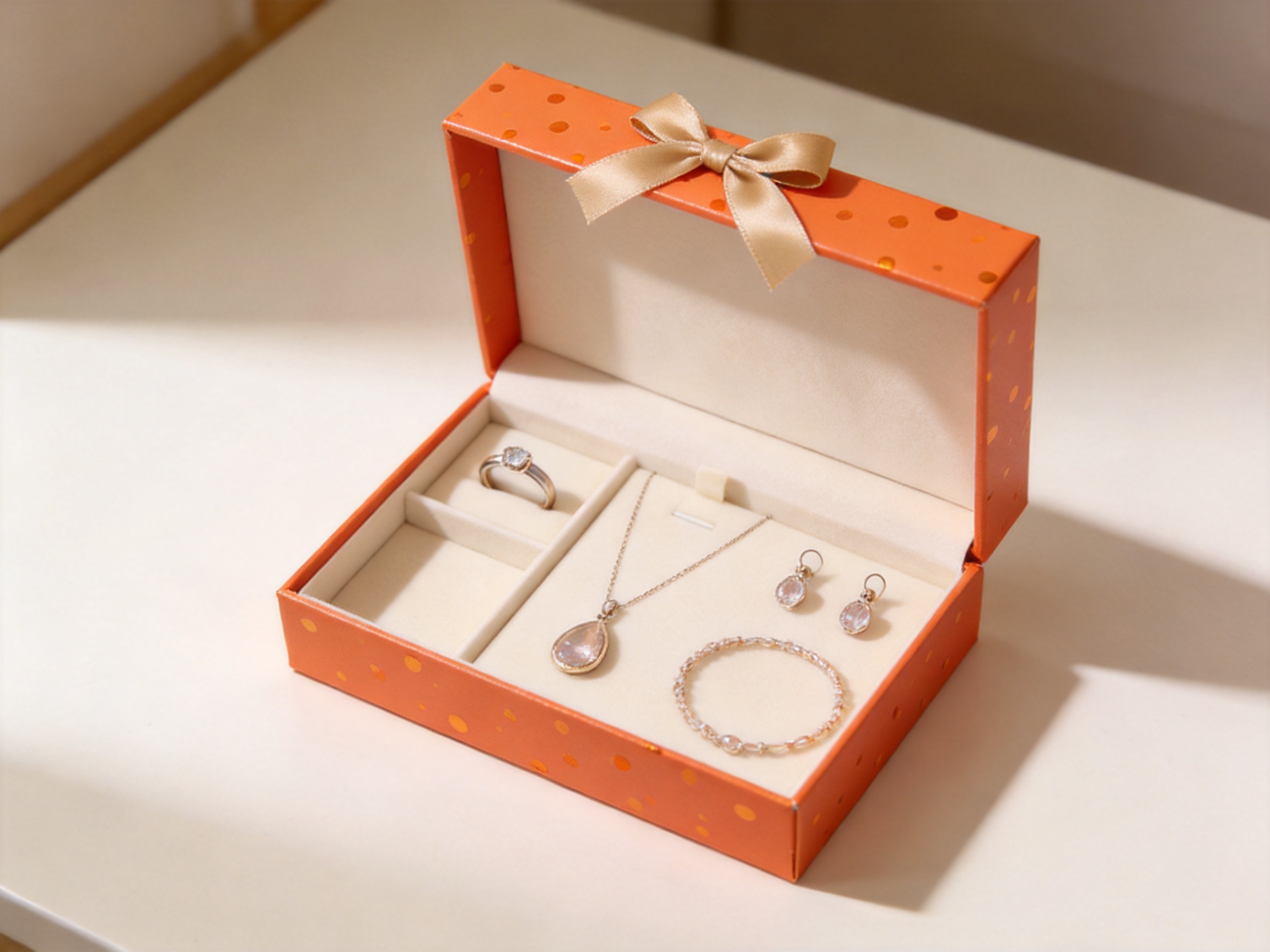
The interior of a jewelry box should hold the product securely enough to prevent excessive rolling or shifting. Although the exact interior insert or fitting may vary according to the order specification, the rectangular outer format provides a practical foundation for a structured jewelry presentation. A suitable insert can be developed for different product types, including earrings, rings, necklaces, bracelets, and small accessories.
Compared with highly decorative but irregular packaging, the rectangular form offers a useful balance between visual design and operational efficiency. It looks attractive while remaining easy to store, display, pack, and manage.
The polka-dot pattern gives the A-7 box a distinctive identity. Dots are familiar, friendly, and adaptable. Depending on the selected colors, scale, and arrangement, the pattern can appear playful, elegant, youthful, retro, modern, or festive. This flexibility enables the same general design concept to serve different customer groups and occasions.
A pattern can also create greater shelf visibility than a plain surface. When several plain boxes are placed together, they may blend into the background. A consistent polka-dot motif adds rhythm and contrast, making the package easier to recognize. This is valuable for independent retailers and brands that want a noticeable presentation without using an excessively complex structure.
Visual recognition is especially important in gift packaging. Customers often make quick decisions based on appearance, particularly when choosing among several small gifts. A box with a finished decorative surface may communicate more warmth and preparation than an unprinted or minimally decorated carton.
The pattern also supports occasion-based marketing. A bright color combination may be appropriate for birthdays or youth-oriented accessories, while softer tones can suit romantic gifts, bridal products, or elegant jewelry. A more restrained palette can help the box fit premium retail environments. Through controlled artwork, printing, or material selection, the basic polka-dot concept can be adapted to different market positions.
Compared with packaging that depends entirely on a logo for recognition, a pattern can provide visual appeal even before brand information is added. This is useful when the box is used for multiple product categories, private-label programs, or gift shop assortments.
The ribbon bow is both a decorative feature and a functional presentation element. It creates an immediate association with celebration, generosity, and personal attention. A customer does not need to add separate wrapping paper or tie a bow by hand to achieve a gift-ready appearance.
Unboxing is a sequence of small sensory and visual moments. The recipient sees the pattern, notices the bow, handles the package, opens it, and discovers the jewelry inside. Each stage contributes to the perceived value of the gift. A ribbon detail makes the opening process feel more ceremonial than opening a plain folding carton.
The bow may also make the package easier to identify in a group of gifts. At a retail counter, it can act as a visual signal that the item is already prepared for presentation. In a personal setting, it adds a sense of occasion even when the gift is modest in size.
In addition, the ribbon can support display. Jewelry stores may place finished boxes in a presentation area, while gift shops may use them as part of a themed seasonal arrangement. The bow introduces height, texture, and dimensional interest to an otherwise flat package surface.
Careful production is important for ribbon details. The bow should be positioned consistently, attached securely, and coordinated with the overall appearance of the box. A specialized packaging manufacturer can control these details through standardized assembly procedures, inspection checkpoints, and experienced production staff.
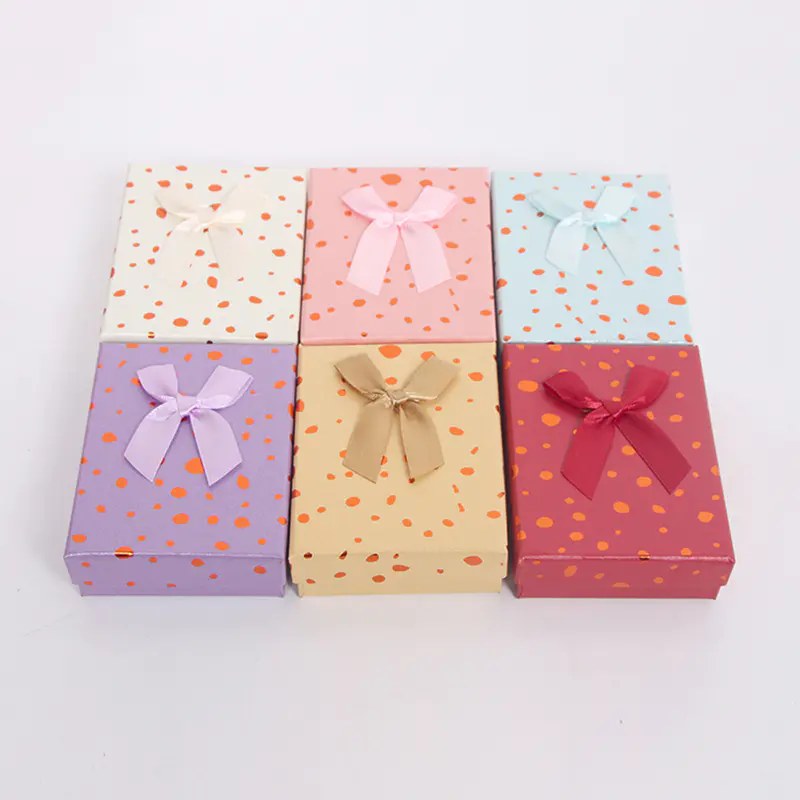
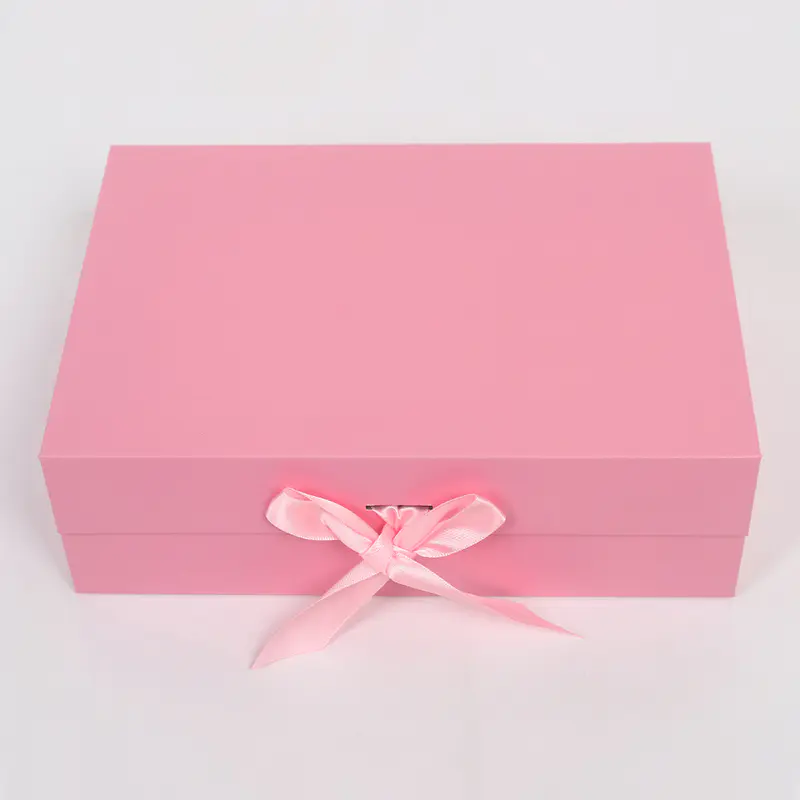
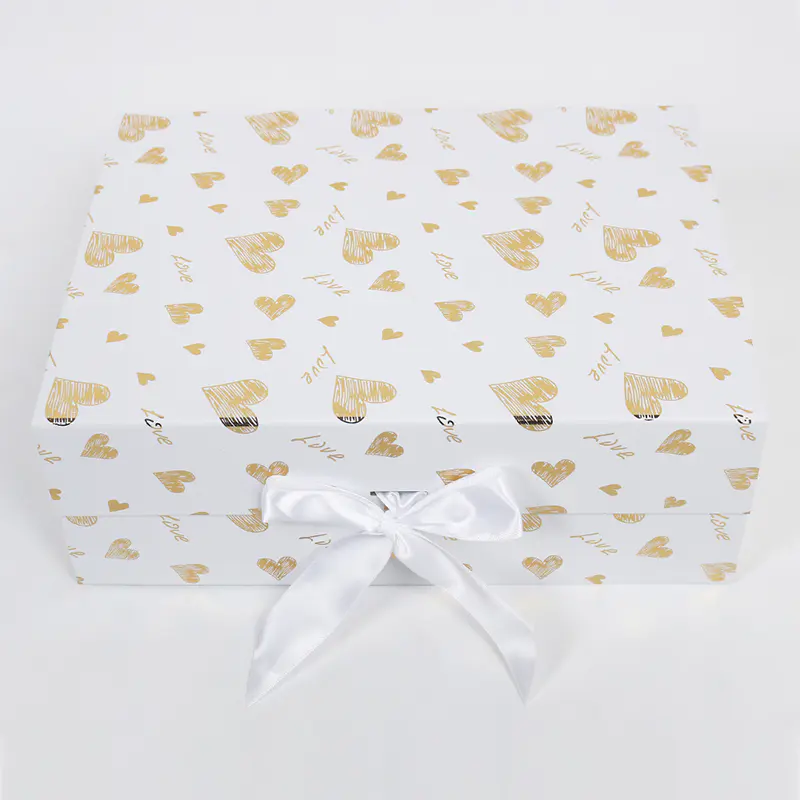
A-7 Rectangular Polka Dot Small Jewelry Gift Box with Bow Ribbon
The primary duty of a jewelry package is to present the item securely and attractively. Small jewelry products are vulnerable to movement, surface contact, tangling, and accidental loss. A properly selected box helps create a controlled environment between the product and external handling.
The rectangular outer shell establishes a defined boundary around the jewelry. When combined with a suitable inner support, it can keep the product positioned during display and ordinary transportation. This is particularly important for chains, pendants, earrings, and other items that may move easily in a larger or less structured package.
Organization also improves the customer’s first impression. A product that is centered, aligned, or placed in a designated fitting appears more valuable than the same product lying loosely in a carton. The packaging gives the jewelry a stage, directing attention toward its shape, material, finish, and details.
For retailers, organized presentation can reduce the time required to prepare an order. Staff members can place the product into the box, check the appearance, close the package, and deliver it to the customer. Standardized boxes also help create consistent presentation across different sales channels.
It is important to recognize that a paper jewelry box is not a substitute for all transport protection. Shipping conditions, product weight, interior fittings, outer cartons, and handling procedures must be considered together. However, within the presentation package itself, the A-7 design provides a practical balance of structure, appearance, and usability.
The box may also support product storage after purchase. Jewelry owners often need a place to keep an item when it is not being worn. Retaining the original package can help prevent loss and preserve the association between the jewelry and the gifting occasion.
The A-7 box offers several advantages over plain unprinted cartons or generic jewelry packaging. The first is immediate visual readiness. A plain box may require wrapping paper, labels, stickers, or additional decoration before it is suitable for gifting. The polka-dot surface and ribbon bow provide a completed appearance from the beginning.
The second advantage is emotional communication. Generic packaging typically focuses only on containment. The A-7 design communicates celebration and thoughtfulness, which are important qualities in jewelry gifting. This additional emotional value can make the purchase feel more satisfying for both the buyer and recipient.
The third advantage is display differentiation. In a crowded retail environment, a distinctive pattern can help a product group attract attention. The package does not need to be structurally complicated to stand apart; coordinated color, pattern, and ribbon details can be enough to create a memorable appearance.
The fourth advantage is versatility. The design can serve personal gifting, retail presentation, promotional distribution, and branded accessory programs. A packaging format that works across several applications may simplify purchasing and inventory planning.
The fifth advantage is the ability to support customization. A manufacturer with design and production capabilities can adjust elements such as print artwork, colors, materials, inserts, labels, and branding details according to the buyer’s requirements. This is generally more valuable than purchasing a fixed generic box that cannot be aligned with a specific product range.
The A-7 design also provides a more balanced alternative to excessively elaborate packaging. Some premium packages use multiple layers, complex openings, or oversized structures that increase material use and storage requirements. A compact rectangular jewelry box can deliver strong presentation without unnecessary complexity.
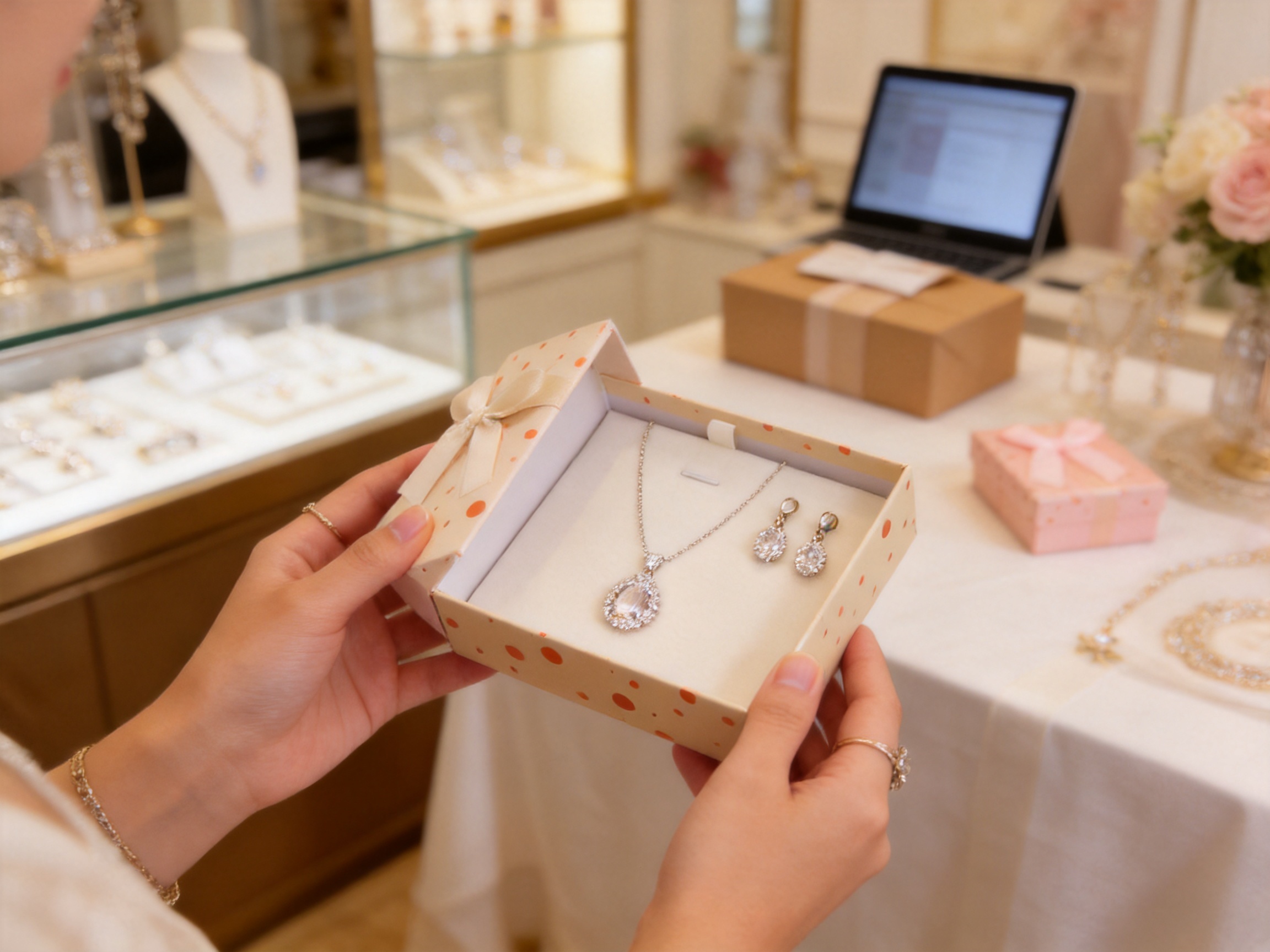
Jewelry stores can use the A-7 box for customer orders, seasonal collections, promotional products, and gift-oriented displays. Its decorative style is suitable for products that are purchased as presents, while its organized format supports efficient counter service.
Online jewelry sellers can also benefit from a gift-ready box. E-commerce customers frequently purchase jewelry for delivery directly to another person. Packaging that already looks presentable can improve the recipient’s experience and reduce the need for the buyer to arrange separate wrapping.
Accessory brands may use the box for small fashion items, charms, hair accessories, compact keepsakes, or limited-edition merchandise. The rectangular format can support a range of products, provided that the internal dimensions and fittings are selected appropriately.
Gift shops can integrate the box into themed assortments. A retailer may combine jewelry, cards, flowers, candles, or small personal accessories with coordinated packaging. The polka-dot motif and bow can contribute to a cheerful display suitable for birthdays, holidays, anniversaries, and celebration-focused merchandise.
Corporate and promotional buyers may use customized versions for employee recognition, customer appreciation, event gifts, or campaign merchandise. A suitable printed surface or added brand element can turn the package into part of a broader marketing experience.
Wedding and event suppliers can also consider this type of box for bridesmaid gifts, guest favors, thank-you jewelry, or commemorative accessories. The package provides a consistent presentation across a group of small items and can be adapted to match an event color scheme.
| Application | Why the A-7 Format Is Suitable | Possible Customization Direction |
|---|---|---|
| Jewelry retail | Creates a polished counter-ready presentation | Brand mark, coordinated colors, and product-specific insert |
| Online gifting | Arrives ready for presentation to the recipient | Occasion artwork, message card, or branded interior |
| Gift shops | Adds visual interest to themed merchandise displays | Seasonal patterns and color collections |
| Events and weddings | Provides consistent packaging for multiple small gifts | Event colors, names, dates, and special ribbons |
| Promotional programs | Combines product protection with brand exposure | Printed identity, campaign graphics, and custom inserts |
Customization allows the same basic product concept to serve different commercial objectives. A retailer seeking an approachable gift image may select bright colors and a high-contrast dot pattern. A premium jewelry label may prefer a quieter palette, refined paper texture, and restrained branding. A seasonal campaign may use colors associated with a particular holiday or event.
Customization can involve the exterior artwork, printing method, paper color, surface finish, ribbon color, bow style, interior fitting, label placement, and additional accessories. The exact options depend on order volume, technical requirements, and the manufacturer’s production capabilities.
Interior customization is especially important. A ring requires a different support arrangement from a pair of earrings or a bracelet. The package should be matched to the product so that the jewelry is displayed securely and naturally. A well-fitted interior can also make the product appear more valuable and reduce unnecessary movement.
Brand customization should be approached with balance. The logo, name, or message should be visible enough to support recognition but not so large that it overwhelms the decorative character of the box. The polka-dot design can remain the primary visual identity while brand details are integrated in a coordinated manner.
For international markets, artwork and messaging may need to reflect local preferences. Color associations, gifting customs, product proportions, and retail presentation standards can vary by region. A manufacturer with export experience can help buyers consider these differences during the development stage.
Customization is most effective when managed through a clear approval process. Buyers should confirm artwork, dimensions, materials, ribbon details, inner fittings, packing methods, and samples before mass production. This reduces the risk of inconsistencies and helps align the final product with the intended market position.
The value of a jewelry gift box depends not only on its design but also on the consistency of its production. A skilled manufacturer must manage paper selection, printing, cutting, folding, forming, assembly, ribbon attachment, inspection, and packing. Each stage affects the final appearance and performance of the package.
Zhejiang Shihao Gift Packaging Co., Ltd. has specialized in paper gift packaging production, research and development, and sales for more than fifteen years. This experience provides an important foundation for handling product development, repeat orders, export requirements, and customized packaging programs.
The company operates a facility covering approximately 20,000 square meters and employs around 300 people. A facility of this scale can support coordinated production across multiple departments, including design, sampling, purchasing, manufacturing, quality control, warehousing, and shipment preparation.
The manufacturer also reports an average daily production capacity of approximately 5,000 sets of gift boxes. Production capacity is valuable for buyers who need consistent supply, particularly during seasonal periods or when launching a successful product collection. Capacity, however, is most useful when combined with quality management and effective scheduling.
Advanced equipment supports accurate and repeatable processing. In paper packaging, equipment may be used for printing, die cutting, creasing, folding, gluing, forming, and other operations. Accurate processing helps maintain consistent dimensions, clean edges, reliable folds, and uniform presentation across a production batch.
Production experience is especially important for boxes with decorative accessories. A ribbon bow must be aligned with the box, attached securely, and presented consistently. Experienced operators and standardized work instructions can help control these details more effectively than an informal assembly process.
Packaging trends change as customer preferences, retail formats, and brand strategies evolve. A factory that only reproduces existing products may struggle to support buyers seeking new designs. Research and development capabilities allow a manufacturer to improve existing formats, explore new structures, and adapt products to different market requirements.
Zhejiang Shihao Gift Packaging Co., Ltd. has its own design team and reports updating dozens of products weekly. This indicates an active product development approach rather than reliance on a fixed, unchanging catalog. For customers, an active design team can provide inspiration and technical support when they are developing a new package.
Design development may involve creating new silhouettes, adjusting opening methods, testing decorative details, improving internal organization, or adapting a package for efficient production. For the A-7 model, development considerations may include the balance between the rectangular structure, polka-dot artwork, ribbon placement, and jewelry-specific internal support.
A strong design process should consider both appearance and manufacturability. A package that looks attractive in a digital drawing may be difficult to assemble, inefficient to ship, or inconsistent during mass production. Experienced designers work with production teams to ensure that the final structure can be made reliably at the required volume.
Sampling is another important part of development. A physical sample allows buyers to assess color, scale, paper feel, bow position, opening behavior, interior fit, and overall presentation. Sample review can identify issues before full production and provide a reference for quality inspection.
The company’s combination of design resources and production experience can be particularly useful for buyers who need more than a standard catalog item. The A-7 box may be ordered in its existing form or used as a starting point for a more customized jewelry packaging solution.
Consistent quality is essential when packaging is used to represent a jewelry brand. Small defects can affect the customer’s perception of the product. Uneven folds, damaged corners, loose ribbons, poor alignment, inconsistent color, or weak closure performance may reduce the sense of quality.
A professional production process should include inspection at several stages. Raw materials can be checked before use, printed sheets can be reviewed for color and artwork accuracy, die-cut components can be examined for clean edges, and assembled boxes can be inspected for structure and appearance.
For the A-7 model, useful inspection points include the rectangular shape, surface cleanliness, polka-dot alignment, ribbon position, bow formation, adhesive performance, lid or opening function, and compatibility with the selected jewelry insert. Packing inspection is also important because finished boxes must arrive without crushing, staining, or deformation.
Quality control should be supported by clear specifications. Buyers and factories should agree on approved samples, acceptable tolerances, color references, material descriptions, packing quantities, and inspection procedures. Clear communication reduces ambiguity and makes repeat production more reliable.
The company’s reported BSCI and FSC certifications are also relevant to responsible sourcing and production management. BSCI relates to social compliance practices, while FSC certification is associated with responsible forest-based material sourcing when applicable to the certified supply chain. Buyers should confirm the specific scope and validity of certifications for their order.
Quality is not limited to appearance. It also includes delivery reliability, documentation, responsiveness, production coordination, and the ability to resolve issues. A capable supplier treats these elements as part of the total product service.
Paper-based gift packaging can support sustainability objectives when materials are selected and managed responsibly. Buyers increasingly evaluate not only the appearance of a package but also its material origin, recyclability, production efficiency, and overall life cycle.
The A-7 box is based on paper gift packaging, which provides opportunities for responsible sourcing and efficient design. Its compact format can reduce unnecessary material compared with oversized packages, while its reusable storage function may extend its useful life beyond the initial gifting event.
The use of decorative elements should be considered carefully. Ribbon, coatings, adhesives, and mixed materials can influence recycling options. Buyers seeking a more environmentally focused package may request material combinations that are easier to separate or process, subject to the required design and durability.
Zhejiang Shihao Gift Packaging Co., Ltd. reports FSC certification and describes sustainable solutions as part of its business direction. For a specific order, buyers should discuss certified material availability, certification claims, printed marks, and documentation requirements before production.
Sustainability also involves waste reduction and efficient manufacturing. Accurate cutting plans, controlled sampling, optimized packing, and responsible inventory management can reduce avoidable waste. A factory with modern equipment and organized production planning may be better positioned to improve material utilization.
Responsible packaging does not require abandoning attractive design. A carefully developed polka-dot box can combine visual appeal with efficient dimensions, suitable paper selection, controlled decoration, and long-term usefulness. The best result comes from considering sustainability during the earliest design discussions rather than after the package has already been finalized.
Packaging buyers often require a supplier that understands more than local production. Export orders involve communication across time zones, documentation, shipping coordination, packing standards, inspection expectations, and market-specific requirements. Experience in international trade can help reduce avoidable complications.
Zhejiang Shihao Gift Packaging Co., Ltd. exports products to Europe, the United States, the Middle East, and other regions. This international customer experience may support buyers who need packaging for different retail environments and distribution systems.
Export capability also encourages attention to protective packing. Finished gift boxes must be arranged in cartons and protected against pressure, moisture, friction, and handling during transit. The appropriate packing method depends on the structure, material, order volume, and shipping route.
Production scale can support both standard orders and larger commercial programs. The reported daily output of approximately 5,000 sets provides a reference point for buyers evaluating supply capacity. Actual lead times and quantities should always be confirmed according to the design, customization level, material availability, and production schedule.
For international buyers, clear technical communication is essential. Drawings, dimensions, material specifications, approved samples, color references, packaging instructions, and delivery terms should be confirmed in writing. A professional factory can help organize these details before production begins.
The A-7 box is designed for small jewelry and accessories, but each product requires thoughtful matching. Buyers should consider the length, width, thickness, weight, and shape of the jewelry. A necklace may require a holder or channel to prevent tangling, while earrings may need paired holes or a soft support area.
Rings generally benefit from a secure slit or cushion that keeps the item upright. Bracelets may require a longer interior area or a wraparound support. Pendants and charms may need a hanging position that allows the design to remain visible when the box is opened.
The interior should not press excessively against delicate surfaces. Materials should be selected to reduce the risk of scratching, staining, or unwanted abrasion. If the jewelry has a special finish, such as polished metal, plating, enamel, or stones, the insert should be evaluated carefully.
Product presentation is also important. The jewelry should be visible immediately when the box opens. If the insert is too deep, too loose, or poorly aligned, the package may not create the desired visual impact. A well-matched interior directs attention to the product and supports a premium impression.
Buyers should test the actual jewelry inside the sample box before approving mass production. Photographs and measurements are useful, but physical testing reveals practical issues such as movement, closure pressure, visibility, and ease of removal.
Brand value is influenced by every point of customer contact. Packaging is especially powerful because it remains physically present during the opening moment, when customer emotions and expectations are heightened. A coordinated gift box can make a small brand appear more established and attentive to detail.
The A-7 design provides a recognizable visual framework. The polka-dot pattern and ribbon bow can become part of a brand’s gifting language, particularly when combined with consistent color choices, labels, cards, and product photography.
A brand does not need to use a large logo to create recognition. Repeated use of a distinctive package format can establish familiarity over time. Customers may begin to associate a particular pattern, bow style, or color family with the retailer or product line.
Packaging can also support premium positioning without requiring a highly complex structure. Customers often judge quality through material feel, neatness, proportion, and finishing details. A compact box that is cleanly produced and attractively presented can appear more refined than a larger package with excessive decoration.
For growing brands, standardized packaging can create consistency across multiple sales channels. The same model may be used in physical stores, online orders, pop-up events, exhibitions, and promotional programs, helping customers encounter a unified visual identity.
Buyers considering the A-7 jewelry gift box should begin by defining the products that will be packaged. The dimensions and interior configuration should be based on the actual jewelry rather than on a general assumption about size.
The next step is to identify the desired market position. Buyers should decide whether the box should appear playful, elegant, romantic, festive, youthful, minimalist, or premium. This decision will influence the polka-dot colors, ribbon choice, paper finish, branding, and insert design.
Artwork should be prepared in a format suitable for production, and all visual elements should be checked carefully. Color expectations should be communicated through approved references whenever possible. A physical sample is recommended before placing a large order.
Packaging quantities and delivery schedules should be discussed early, especially for seasonal campaigns. Jewelry gifting often follows predictable peaks, but production and shipping capacity may become limited during busy periods. Early planning can improve the chance of receiving packaging before the selling season begins.
Buyers should also confirm the packing method, carton quantity, inspection requirements, storage conditions, and documentation. If the packaging will be exported, the shipping route and handling environment should be considered during the development process.
Finally, repeat orders should refer to the approved sample and documented specifications. This helps ensure that later production remains consistent with the original design.
The A-7 Rectangular Polka Dot Small Jewelry Gift Box with Bow Ribbon competes through a combination of presentation, practicality, and customization potential. Its advantage is not based on one isolated feature. Instead, it brings together a rectangular jewelry-friendly structure, a recognizable decorative pattern, a gift-ready bow, compact handling, and the support of an experienced packaging manufacturer.
Compared with basic stock boxes, it provides stronger visual differentiation and a more complete customer experience. Compared with highly elaborate luxury packages, it offers a more compact and operationally practical format. Compared with irregular decorative packages, it is easier to align, store, display, and manage.
Its competitive value is also strengthened by the manufacturer’s infrastructure. A design is more commercially useful when it can be produced consistently, customized responsibly, supplied in appropriate quantities, and supported by export experience. The company’s facility, personnel, equipment, design team, reported certifications, and international customer base contribute to this broader value proposition.
For buyers seeking an attractive jewelry package with practical production support, the A-7 model offers a strong starting point. It can be used as a finished catalog design or adapted to meet the identity and technical requirements of a particular brand or market.
The box is designed for small jewelry and accessories, including rings, earrings, pendants, bracelets, charms, brooches, and similar items. The most suitable configuration depends on the product’s dimensions, weight, and shape. Buyers should test the actual item with the proposed interior fitting before mass production.
The rectangular shape provides an organized presentation area and works well for many elongated or linear jewelry products. It also supports orderly shelf display, storage, carton packing, and product identification. Its clear orientation makes the package easy to handle and present.
The pattern gives the box a recognizable and lively appearance. It can help the package stand out from plain cartons and can be adapted through different color combinations and scales. The design is suitable for cheerful, festive, romantic, youthful, or gift-oriented market positions.
The ribbon bow provides decoration and creates a gift-ready appearance. It can make the opening experience more ceremonial, reduce the need for additional wrapping, and help the package stand out in a retail or event display.
Customization may include colors, printed artwork, logos, ribbon details, paper materials, interior fittings, labels, and other presentation elements. The available options should be confirmed according to the order quantity, technical requirements, and production plan.
Yes, an interior fitting should be selected according to the jewelry type. Rings, earrings, necklaces, and bracelets have different support needs. A product-specific insert can improve security, visibility, and presentation.
Yes. Its gift-ready appearance is useful for e-commerce orders, particularly when jewelry is shipped directly to the recipient. A finished package can improve the unboxing experience and reduce the customer’s need to arrange separate gift wrapping.
Zhejiang Shihao Gift Packaging Co., Ltd. has more than fifteen years of experience in paper gift packaging, a facility of approximately 20,000 square meters, around 300 employees, advanced equipment, an in-house design team, and an average reported daily capacity of approximately 5,000 sets of gift boxes.
The company exports to Europe, the United States, the Middle East, and other regions. Buyers should confirm order details, production schedules, packing requirements, shipping arrangements, and documentation for each international project.
The company reports BSCI and FSC certifications. Buyers should verify the current certification status, applicable scope, and documentation requirements for the specific order and materials being purchased.
Yes. A sample allows the buyer to check dimensions, pattern appearance, color, paper feel, ribbon placement, opening performance, and interior compatibility. It is an important step for reducing production misunderstandings and confirming the intended quality level.
Yes. It can be used for birthdays, holidays, anniversaries, weddings, promotional events, customer appreciation programs, gift shops, and other occasions involving small accessories or keepsakes.
The A-7 Rectangular Polka Dot Small Jewelry Gift Box with Bow Ribbon is a practical and visually appealing solution for small jewelry presentation. Its rectangular structure organizes the product, its polka-dot pattern creates recognition and personality, and its ribbon bow delivers a finished gift experience. Together, these details help the package perform as both a protective container and a communication tool.
The design offers advantages over plain or generic packaging by improving shelf visibility, simplifying gift preparation, supporting emotional presentation, and creating opportunities for brand customization. It is suitable for jewelry retailers, online sellers, accessory brands, gift shops, event suppliers, and promotional programs.
Its commercial value is further supported by the manufacturing capabilities of Zhejiang Shihao Gift Packaging Co., Ltd. The company’s long experience, production facility, workforce, equipment, design resources, reported certifications, export reach, and product development activity provide a foundation for consistent and adaptable packaging supply.
For buyers, the most successful result will come from matching the box with the actual jewelry, approving a physical sample, defining the desired market position, and confirming materials, interior fittings, artwork, ribbon details, quality standards, and delivery requirements in advance. When these elements are coordinated, the A-7 box can enhance not only product protection but also perceived value, customer satisfaction, and the memorability of the unboxing experience.
1. Product information supplied for the A-7 Rectangular Polka Dot Small Jewelry Gift Box with Bow Ribbon.
2. Company information supplied for Zhejiang Shihao Gift Packaging Co., Ltd., including production scale, export markets, design capabilities, certifications, and product categories.
3. General principles of jewelry packaging design, product protection, retail presentation, and customer experience.
4. General considerations for paper-based packaging development, customization, sampling, quality control, and responsible material sourcing.
5. General guidance on gift packaging, unboxing presentation, merchandising, and packaging-related brand communication.
Recommended Products

Contact Us

No. 15, Xiayang Road, Huangzhai Town, Jinhua, Zhejiang, China

(+86) 579-84230069

(+86) 13085675766


Products

Gift Box Packaging Manufacturer
 English
 Français
 Español
 عربى