2026-09-02
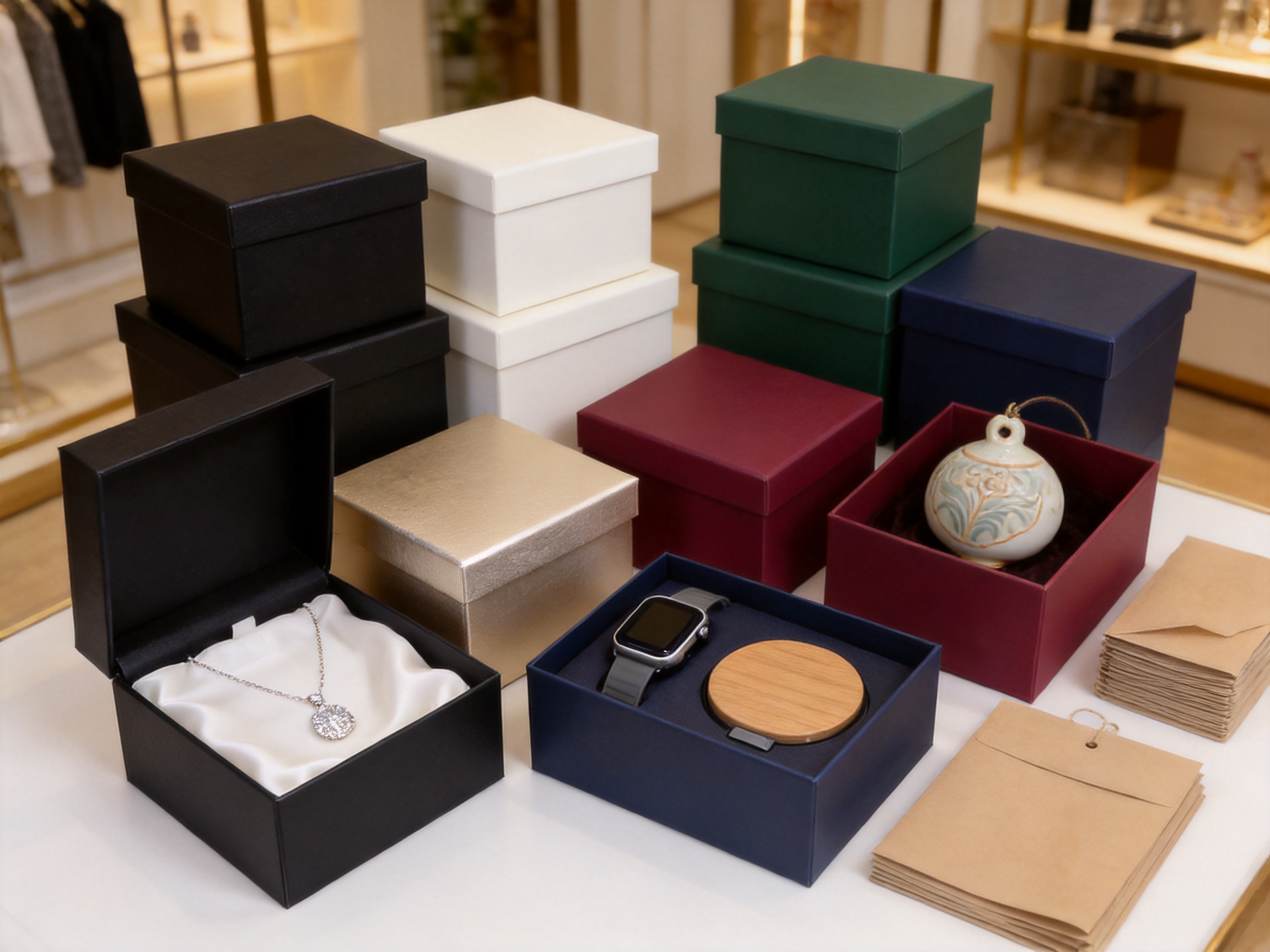
Gift packaging has evolved from a simple protective layer into an essential part of the customer experience. In competitive retail, e-commerce, corporate gifting, jewelry, electronics, and lifestyle markets, the box surrounding a product can influence perceived value before the package is opened. A well-designed package communicates quality, protects the item, supports brand recognition, and creates a memorable unboxing moment. The 604 Square High-End Specialty Paper Gift Box with Yuppie Texture is designed for companies seeking a refined, adaptable, and practical packaging solution for premium products.
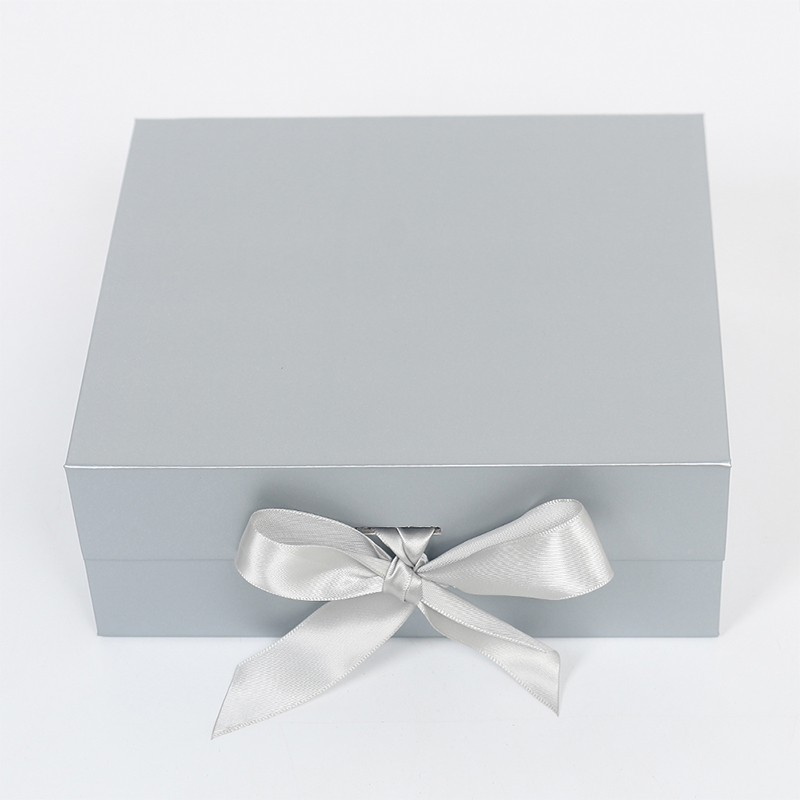
This square gift box combines a rigid paperboard structure with a distinctive specialty-paper surface. Its yuppie texture provides a leather-like visual and tactile effect, giving the package a sophisticated appearance without relying on excessive decoration. The result is a restrained but luxurious box suitable for jewelry, watches, electronics, ornaments, crafts, business gifts, and seasonal presentations.
Beyond its appearance, the product reflects the benefits of working with an experienced paper packaging manufacturer. Custom dimensions, custom colors, professional design support, production experience, quality management, and export capability all contribute to a more reliable packaging-development process. For buyers, this means the box can be adapted to a particular product, sales channel, market preference, and brand strategy rather than being limited to a standard off-the-shelf format.
Packaging is often the first physical contact a customer has with a product. A consumer may recognize a brand through an advertisement, social media post, or online product page, but the packaging becomes tangible when the purchase arrives. The weight, texture, structure, opening method, color, and internal organization of the box all influence how the product is perceived.
For premium products, ordinary packaging can create a mismatch between the product’s value and its presentation. Even when the product itself is well made, a thin, poorly printed, or visually generic package may reduce confidence. Conversely, a carefully manufactured gift box can make a product feel more considered and gift-ready. It can support a higher price position, reinforce a luxury image, and increase the likelihood that the customer will retain or reuse the box.
The 604 gift box addresses these requirements through a combination of structural simplicity and surface refinement. The square format is easy to recognize, stack, store, and display. The specialty-paper finish introduces depth and tactile interest. Instead of competing with the product through complicated decoration, the box creates an elegant background that allows the item inside and the brand identity to remain central.
Premium packaging also has a practical role. A well-formed box helps organize the product during handling, shipping, display, and storage. When paired with a properly designed insert, it can reduce movement inside the package and provide additional protection against scratches, pressure, and minor impact. The exterior can also provide an appropriate area for logos, product information, seasonal graphics, or understated decorative details.
The 604 series is a square, high-end specialty paper gift box intended for gift packaging, product presentation, and organized storage. It is made with an art paper-coated cardboard surface, providing a balance between rigidity, printability, and a smooth base for specialty finishing. Its exterior uses a yuppie-textured paper effect that resembles the grain and visual character of leather.
The term “yuppie texture” in this product context refers to a textured specialty-paper finish rather than a separate structural material. The finish gives the package a subtle pattern and a more tactile surface than conventional smooth coated paper. Under light, the texture can create gentle variations in reflection, helping the package appear more dimensional and substantial.
The box is available in multiple size options. The listed size range extends from approximately 34 × 26 × 15.3 centimeters for the larger specification to approximately 16.8 × 10.8 × 6.5 centimeters for the smaller specification. Buyers can also discuss custom dimensions according to the product being packaged. This flexibility is useful for companies that need packaging for different product families, collections, or gift sets.
Color options include CMYK, Pantone colors, and custom color requirements. This allows packaging teams to coordinate the box with an existing visual identity, seasonal campaign, retail display, or product collection. Depending on the project, the exterior can be developed with a restrained monochromatic palette, a bold brand color, a metallic-inspired tone, or a carefully matched Pantone specification.
The standard application range includes gift packaging, storage, gifts, and crafts. Because the box has a refined appearance, it can be used for premium retail products as well as promotional and corporate gifting projects. Its square proportions also make it suitable for presentation sets in which several boxes need to be arranged together.
The most visible advantage of the 604 box is its specialty-paper texture. Smooth paperboard is common in the packaging market, but a tactile finish can make a product feel more distinctive immediately. The textured surface introduces a subtle sensory element that customers can notice when holding the package.
A leather-like appearance is often associated with durability, refinement, and craftsmanship. Using a paper-based interpretation of this visual language gives brands a premium appearance while retaining the flexibility of paper packaging. The texture is especially suitable for watches, jewelry, accessories, boutique goods, electronic devices, and corporate gifts that require a mature and polished presentation.
The finish is also versatile. It can support minimalist branding, embossed logos, foil details, printed patterns, or a simple unbranded presentation. It does not require elaborate artwork to look complete. This can help brands achieve a premium effect without making the package visually crowded.
The art paper-coated cardboard surface provides a firm foundation for the box. Compared with lightweight folding cartons, a rigid or semi-rigid gift box generally offers a more substantial hand feel. This difference is important in premium packaging because customers often associate weight and structural stability with product quality.
A stable paperboard structure can also support a more controlled presentation. The box is less likely to appear limp or uneven when displayed on a shelf, placed in a gift bag, or photographed for online marketing. When the structure is correctly engineered, the lid, walls, corners, and panels can work together to create a clean geometric appearance.
The final performance of any paperboard box depends on board thickness, construction method, dimensions, inserts, finishing, and handling conditions. These specifications should be confirmed during the sampling stage. The manufacturer can recommend a suitable structure based on the product’s weight, dimensions, fragility, shipping environment, and target price.
Packaging that is too large may allow a product to move inside the box, increasing the need for filler and reducing presentation quality. Packaging that is too small may create pressure on the product or make the opening experience uncomfortable. Custom sizing helps brands achieve a closer fit and a more intentional presentation.
The 604 range provides multiple listed dimensions while also allowing custom size development. This is valuable for businesses with several product categories. A jewelry company might require a compact box for a bracelet, a deeper box for a watch, and a larger box for a coordinated gift set. A technology company may need different dimensions for earbuds, accessories, chargers, or limited-edition collections.
Custom dimensions can also support logistics. Efficient sizing may reduce unused space in shipping cartons, improve pallet utilization, and lower the amount of protective material required. The most suitable size should be selected by considering the product, insert, wrapping method, closing clearance, and external transport requirements together.
Color is one of the strongest tools for visual brand communication. The 604 box supports CMYK printing, Pantone colors, and custom color requirements. CMYK is useful for photographic images, gradients, illustrations, and multi-color artwork. Pantone matching is useful when a brand needs closer consistency for a specific corporate or product color.
Color development should account for the specialty-paper texture and the coating or finishing applied to the surface. A textured material may reflect light differently from smooth paper, so a printed color can appear slightly different under various lighting conditions. A professional packaging team can help evaluate color proofs and recommend adjustments before mass production.
Brands may choose to print a full-coverage color, use a natural specialty-paper appearance, add a small logo, or combine printing with additional finishing. The appropriate choice depends on the desired market position. A luxury product may benefit from a restrained logo and subtle contrast, while a seasonal gift collection may require brighter graphics and more visible campaign messaging.
The square format and premium surface make the box suitable for a broad selection of goods. Jewelry and watches can benefit from the refined appearance and compact proportions. Electronics can use the box for accessories, special-edition products, or corporate presentation kits. Ornaments, crafts, cosmetics, stationery, and lifestyle products can also be presented in this type of packaging when the dimensions and internal support are properly configured.
The box can be used for direct retail sales, online orders, corporate gifts, holiday promotions, event giveaways, membership packages, and limited-edition product launches. This versatility allows a company to develop a consistent packaging language across different campaigns while adjusting size, color, artwork, and inserts as needed.
Packaging buyers often compare specialty gift boxes with folding cartons, plain cardboard boxes, plastic containers, and rigid boxes covered with standard paper. Each format has a place in the market, but the best option depends on the desired balance among appearance, cost, protection, sustainability, and customization.
| Packaging option | Typical strength | Potential limitation | Positioning of the 604 specialty box |
| Plain cardboard carton | Economical and lightweight | May offer limited premium appeal | Provides a more refined tactile and visual presentation |
| Standard smooth paper gift box | Easy to print and widely available | Can look similar to competing products | Adds distinctive texture and stronger shelf differentiation |
| Plastic presentation box | Visible product display and certain forms of durability | May conflict with paper-focused sustainability goals | Uses a paper-based structure and recyclable material direction |
| Basic folding carton | Efficient storage and shipping | May feel less substantial during gifting | Offers a more structured and premium hand feel |
| Decorative rigid box with complex finishing | High visual impact | Can increase cost and production complexity | Creates understated luxury through texture and adaptable design |
The key advantage of the 604 box is not that it replaces every other format. Rather, it occupies a useful position between ordinary paper packaging and highly elaborate luxury packaging. It delivers a premium appearance through material selection and surface texture while retaining the adaptability associated with paperboard packaging.
For brands seeking a quiet luxury style, this balance can be more effective than excessive decoration. The box can look expensive without appearing overly complicated. It can also be adapted for different markets, where preferences may vary between bold graphics, minimalist branding, traditional patterns, and contemporary finishes.
The quality of a premium gift box depends on more than its concept. A successful product requires accurate material preparation, reliable printing, precise cutting, skilled assembly, careful finishing, and effective quality control. Zhejiang Shihao Gift Packaging Co., Ltd. is an export-oriented manufacturer specializing in the research, development, production, and sales of paper gift packaging boxes.
The company has more than 15 years of experience in the sector and operates from a facility covering approximately 20,000 square meters. Its workforce includes around 300 employees, supporting design, production, quality, sales, logistics, and related functions. This scale allows the manufacturer to manage both product development and larger production programs with dedicated resources.
Reported average daily capacity is approximately 5,000 sets of gift boxes. Actual capacity for an individual project will depend on the box structure, materials, finishing, order quantity, and production schedule. Nevertheless, the stated capacity indicates that the company is organized to serve commercial buyers rather than only small sample orders.
The company exports to Europe, the United States, the Middle East, and other regions. International experience is important because export packaging projects frequently involve specific communication requirements, documentation, shipping arrangements, quality expectations, and delivery schedules. A manufacturer familiar with international orders can help identify potential issues before production begins.
The manufacturer has an in-house design team and offers professional advice during product development. This is particularly helpful for buyers who have a general concept but do not yet have a complete packaging structure or production-ready artwork. Design support can include recommendations about dimensions, proportions, material combinations, surface treatment, color application, and brand presentation.
Custom designs are welcome. Buyers may provide their own artwork or work with the supplier’s design personnel to develop a suitable package. Design files are listed as being accepted in Artificial Intelligence and CorelDRAW formats. Before submitting files, customers should confirm the required version, font treatment, linked images, color mode, bleed, dieline, and finishing layers with the production team.
Early design review can prevent common manufacturing problems. For example, a logo placed too close to a fold may become distorted, a small line may disappear after printing, or a dark color may require adjustment on a textured surface. Reviewing these details before mass production improves consistency and reduces unnecessary revisions.
The 604 box uses an art paper-coated cardboard surface. The board provides the structural foundation, while the outer paper contributes to appearance and print performance. Material selection should be matched to the intended box size and product weight. Larger boxes or heavier products may require additional structural reinforcement or an insert.
Surface preparation is essential when working with specialty paper. The paper must be handled carefully to preserve the texture and prevent unwanted marks. Adhesive application, wrapping tension, corner formation, and edge treatment all influence the final appearance. In premium packaging, small defects on corners or panels can be especially noticeable, so production control must be consistent.
When a paper-based material is described as environmentally friendly and recyclable, buyers should assess the complete package specification. Recyclability can be affected by laminates, coatings, foil, magnets, plastic windows, foam inserts, and mixed-material components. The 604 box supports a paper-focused sustainability direction, but the final environmental profile should be confirmed according to the exact materials and finishes selected for each order.
Printing quality influences both brand recognition and perceived value. Uneven color, weak registration, visible streaks, or inconsistent coverage can make a premium box appear less professional. A structured workflow generally includes artwork verification, prepress preparation, proofing, printing, drying or curing, and inspection.
CMYK printing is appropriate for many full-color designs, while Pantone colors can help maintain a recognizable brand tone. Custom colors may be developed through an approval process involving printed samples or color references. Because paper texture and lighting affect visual perception, color approval should be based on physical samples whenever the color is commercially important.
The company’s design and manufacturing resources can help connect creative intent with production reality. A beautiful digital rendering is not enough; the final color must work on the chosen paper, in the selected size, with the required finishing process. This coordination is one of the advantages of using a manufacturer that combines design support with production capability.
After printing and surface preparation, paperboard components must be cut and formed accurately. The dimensions of each panel, the position of each fold, and the alignment of the exterior paper all affect the finished geometry. Square boxes may appear simple, but maintaining sharp corners and even edges requires careful control.
Assembly involves more than joining panels. The production team must manage adhesive placement, pressure, drying time, alignment, and the relationship between the box and its lid or internal components. Excess adhesive can damage the surface, while insufficient adhesive may reduce durability. Uneven wrapping can produce wrinkles or misaligned edges.
For a premium product, the production line should include visual inspection at key stages rather than waiting until the entire order is complete. Early inspection helps identify systematic issues such as color variation, incorrect dimensions, surface damage, or assembly misalignment. Corrective action is more efficient when a problem is found near its source.

604 Square High-End Specialty Paper Gift Box with Yuppie Texture
Quality management is central to the success of any packaging order. Buyers need confidence that the delivered boxes will match the approved sample and that the order will be completed according to the agreed specifications. Important inspection points include material quality, dimensions, color, texture, print registration, structural stability, corner condition, cleanliness, and packing quantity.
For the 604 gift box, quality control should also focus on the consistency of the yuppie texture. The texture should appear uniform across production batches, while the paper should remain free from excessive scuffing, dents, wrinkles, or surface contamination. The exact visual result may vary slightly depending on material batch and lighting, so an approved production sample is useful as a reference.
Dimensional checks are important when the box will be used with custom inserts or products that have limited clearance. A small dimensional variation may affect the fit of a watch cushion, jewelry tray, electronic accessory, or craft item. Buyers should provide accurate product measurements and account for any protective wrapping or internal support required.
Packaging inspection should not stop at the individual box. Carton packing, quantity per carton, carton strength, and pallet or container loading can affect the condition of the goods during transport. The listed packaging information indicates 10 pieces per set and 4 sets per carton, with carton dimensions of approximately 54 × 35 × 33 centimeters. These details should be reconfirmed before shipment because packing arrangements may change with product size, order configuration, or customer requirements.
The company’s BSCI and FSC certifications are additional indicators of its commitment to recognized social and responsible sourcing standards. Certification details, scope, validity, and applicability to a specific order should always be verified during procurement. Buyers may also request relevant documentation when their own internal compliance procedures require it.
A well-organized customization process reduces uncertainty and helps the manufacturer produce a box that meets both aesthetic and functional requirements. The process usually begins with a product brief. This brief should include the product category, product dimensions, weight, target market, expected retail price, preferred materials, desired finish, order quantity, delivery location, and deadline.
The first step is to determine what the box must accomplish. A jewelry brand may prioritize elegance and compact storage. An electronics brand may need impact protection and a clean presentation. A corporate gifting program may need a consistent appearance across multiple product sizes. A seasonal campaign may require special colors and short lead times.
Clarifying the objective helps the supplier recommend an appropriate structure. It also prevents unnecessary finishing. If the surface texture already provides a premium effect, the buyer may not need multiple decorative processes. If the product is fragile, the budget may be better allocated to an engineered insert rather than additional exterior decoration.
Customers should provide the length, width, and height of the product, along with any accessories, manuals, protective sleeves, pouches, cushions, or trays. The design team can then determine the internal clearance and external box dimensions. If the packaging is intended for shipping, the team should also consider the likely movement of the product and the compression created by stacked cartons.
Custom inserts can be made from paperboard, molded pulp, foam, fabric, or other materials depending on the product and sustainability goals. A paper-based box may be paired with different insert systems for different product categories. The insert should fit securely without making the product difficult to remove.
Artwork may include a logo, wordmark, product name, pattern, instructions, barcode, care information, or regulatory details. The buyer should identify which elements must appear on the exterior, interior, sleeve, insert, or shipping carton. A clear artwork hierarchy helps preserve the premium appearance of the box.
Potential surface treatments include standard printing, embossing, debossing, foil stamping, spot coating, or other decorative techniques. The final selection should be based on the material, quantity, budget, and desired visual effect. The yuppie texture itself may be sufficient for a minimalist design, while a small foil logo can provide a focal point without overwhelming the surface.
A physical sample is one of the most valuable stages in packaging development. Digital files cannot fully show texture, rigidity, color, edge quality, or opening behavior. A sample allows the buyer to place the actual product inside the box and evaluate the full customer experience.
During sample approval, buyers should check the box from multiple angles. The corners should be neat, the lid should align properly, and the opening and closing action should feel appropriate. The product should be easy to place and remove. Printed colors should be reviewed under realistic retail and indoor lighting. If the box will be photographed, the buyer should also examine how the texture appears in images.
Once the sample, artwork, materials, dimensions, packing method, and commercial terms are approved, the order can move into production. The listed minimum order quantity is 300 sets. Delivery is stated as approximately 7 to 45 days or according to customer requirements. The actual schedule should be confirmed based on order quantity, customization, raw-material availability, proofing, production capacity, inspection, and shipping arrangements.
Clear communication is essential at this stage. The purchase order should identify the project number, approved sample, material specification, color references, dimensions, quantity, packing requirements, shipping marks, and delivery destination. Any changes after production approval may affect the schedule or cost and should be documented in writing.
Jewelry and watches require packaging that reflects precision and value. The 604 box can provide an elegant outer presentation for rings, bracelets, necklaces, watches, cufflinks, and related accessories. The textured exterior supports a sophisticated identity, while a custom insert can hold the product securely.
For jewelry brands, the package may be used as a permanent storage box rather than disposable transport packaging. A customer who keeps the box for future storage continues to see the brand name and visual identity. The box can also become part of the gifting ritual, especially for birthdays, anniversaries, weddings, and milestone events.
Electronics packaging often needs to combine protection, organization, and modern appearance. The 604 box may be adapted for accessories, premium devices, limited-edition products, or corporate technology gifts. Internal compartments can separate cables, chargers, manuals, and the main item.
The exterior can be designed with clean typography, a restrained color palette, or a discreet logo. A specialty-paper texture can help distinguish a premium collection from mass-market electronic packaging. The product’s weight and fragility should guide the choice of board thickness and internal protection.
Corporate gifts need to communicate professionalism while remaining suitable for different recipients and occasions. A square specialty-paper gift box can be used for executive gifts, employee recognition programs, conference packages, client appreciation sets, and partnership campaigns.
Customization allows the box to display a corporate logo, event name, campaign message, or brand color. The packaging can be coordinated with greeting cards, certificates, notebooks, pens, or other gifts. Its understated appearance is appropriate for organizations that want a premium result without an overly decorative style.
Seasonal packaging provides an opportunity to create limited-edition experiences. The same box structure can be redesigned through color, artwork, labels, ribbons, sleeves, or inserts. A holiday collection may use deep red, green, gold, silver, or other colors, while a spring or wedding collection may use lighter tones.
Because the 604 box is available in different sizes, a brand can develop coordinated packaging for several seasonal products. Consistency across the collection can make a retail display look more professional and help customers recognize that the products belong to the same campaign.
Craft products and ornaments often benefit from packaging that feels personal and carefully made. The specialty texture can complement handmade goods, artisan products, decorative objects, stationery accessories, and small lifestyle items. With a suitable insert, the box can help protect delicate pieces while presenting them attractively.
For small businesses and independent designers, customized gift packaging can help create a stronger identity. The box may be used at markets, boutique stores, online fulfillment centers, and direct-to-customer events. A consistent package can make a small product line appear more established and recognizable.
Paper-based packaging is increasingly important as brands and consumers evaluate the environmental impact of packaging materials. The 604 box uses a paperboard-based structure and specialty paper, supporting a recyclable-material direction. Paper packaging can also be folded, stacked, and transported efficiently compared with some rigid alternatives.
However, responsible packaging decisions require attention to the entire design. Buyers should consider the board source, coatings, adhesives, printing inks, surface treatments, inserts, ribbons, magnets, plastic components, and end-of-life separation. A package designed with fewer mixed materials may be easier for consumers to recycle.
The use of FSC-certified materials may be considered where appropriate. FSC-related claims should be confirmed with the manufacturer and documented for the specific order. Buyers should also check whether the selected specialty paper, printed coating, foil, or lamination is compatible with their target market’s recycling systems.
Environmental performance should be balanced with product protection. If insufficient protection causes products to break or become damaged, the resulting waste may outweigh the material savings from a lighter package. The most responsible solution is often a right-sized box with adequate structural strength and a carefully designed insert.
Reusable packaging can provide another sustainability benefit. A durable and attractive box may be retained for jewelry, stationery, keepsakes, cables, documents, or household items. A package that continues to serve a purpose after the original product is removed has a longer useful life and may create additional value for the customer.
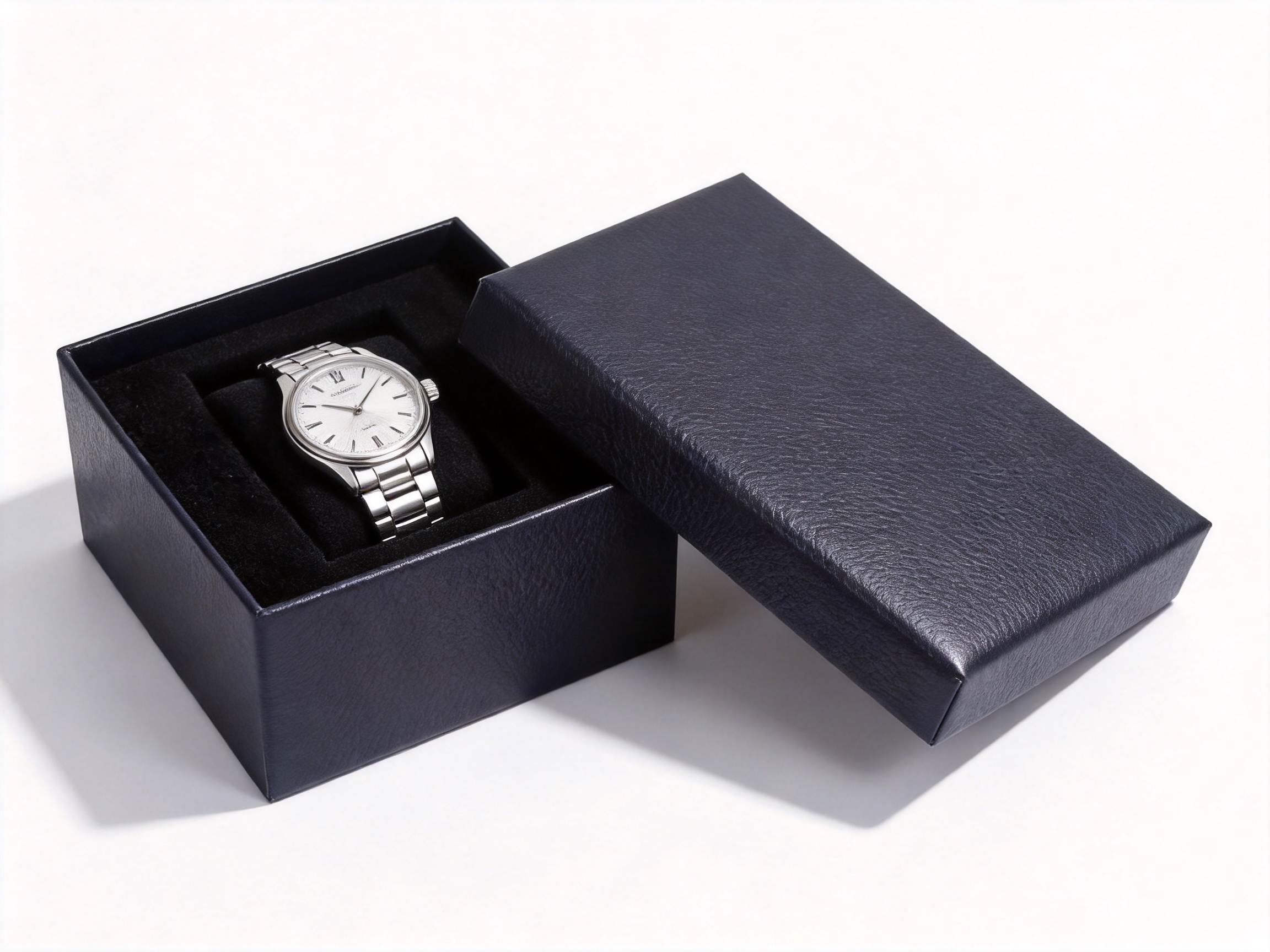
Texture is a powerful but sometimes overlooked branding tool. Colors and graphics are visible from a distance, while texture is experienced when the customer picks up the package. A tactile surface can communicate warmth, quality, authenticity, or exclusivity without requiring a large printed message.
The yuppie-textured surface of the 604 box supports a mature and premium positioning. Its leather-like character may be suitable for brands that want to appear established, refined, reliable, or design-conscious. The texture can also make a simple logo more memorable because the customer experiences the brand through both sight and touch.
Texture should be integrated into the complete design rather than treated as an isolated feature. A small logo, generous spacing, balanced typography, and carefully selected colors can allow the surface to remain visible. If the artwork is too dense, the texture may become visually confusing. If the artwork is too small or low in contrast, it may not reproduce clearly. Professional design review can help find the right balance.
The texture may also influence photography and e-commerce presentation. Under soft light, it can produce gentle shadows and highlights that demonstrate material quality. Product photographers should test the box from different angles to avoid glare or excessive contrast. A strong package image can support online sales by giving customers a clearer impression of what they will receive.
For importers, distributors, and brand owners, supplier capability is as important as product appearance. A manufacturer able to support design, sampling, production, inspection, packing, and export coordination can simplify procurement. This is especially useful for buyers managing multiple packaging projects or selling across different markets.
The company’s product range includes kits, storage boxes, folding boxes, jewelry boxes, and gift boxes. This broader capability may allow a buyer to source related packaging from the same manufacturer. Consolidating packaging development can improve visual consistency and reduce the need to coordinate several suppliers with different production standards.
The company’s reported production capacity supports both regular and customized programs, although lead times should be confirmed for every project. A buyer planning a holiday launch should begin early enough to allow for design approval, sampling, material preparation, production, inspection, and transportation. The stated delivery range of 7 to 45 days indicates that schedules can vary considerably according to project complexity.
Export experience can also help with cartonization and shipping preparation. The listed port information and carton specifications should be checked carefully because the source data presents some fields in an unusual order. Before placing an order, customers should request a formal quotation and packing list that clearly states the number of pieces per set, sets per carton, carton dimensions, gross weight, net weight, and shipping marks.
Buyers should begin by preparing a complete technical brief. This brief should include the product sample or accurate measurements, desired box style, quantity, target price, preferred material, color requirements, logo files, finishing preferences, internal insert requirements, and delivery deadline.
It is useful to explain the customer’s expectations in practical terms. Instead of requesting only a “luxury box,” the buyer can describe the desired hand feel, rigidity, texture visibility, color depth, opening experience, and level of decoration. Specific descriptions help the design and production teams propose a more suitable solution.
Customers should request a quotation that separates major cost factors. These may include tooling, sampling, board, specialty paper, printing, finishing, inserts, assembly, packing, and transport. Understanding these components makes it easier to compare options and identify where changes can reduce cost without damaging the package’s most important features.
Order quantity also affects unit economics. The stated minimum order quantity is 300 sets, making the product suitable for established brands, launch campaigns, corporate programs, and retailers planning coordinated inventory. Buyers with a smaller requirement should ask whether a stock size, shared production arrangement, or simplified finish is available.
Before approving production, the customer should verify the final artwork and sample carefully. Important checks include spelling, logo proportion, color references, barcode readability, legal information, dimensions, opening direction, insert fit, and packing quantity. A signed or documented approval sample helps reduce disputes and provides a common reference for both parties.
Experience contributes to packaging quality in several ways. A manufacturer that has worked with different products is more likely to recognize potential problems related to structure, printing, materials, and logistics. It can draw on previous production knowledge while still developing a new custom solution.
An established manufacturer may also have a more stable network of material and finishing suppliers. This can be important for specialty papers, color-matched materials, and consistent repeat orders. While material availability can never be guaranteed without confirmation, a broad production background generally helps the supplier identify alternatives when a particular material is unavailable.
In-house design capability reduces the distance between concept and factory execution. The design team can consider not only what looks attractive on screen but also what can be cut, wrapped, printed, assembled, inspected, packed, and shipped efficiently. This practical design approach can improve the final result and reduce avoidable production changes.
Certifications such as BSCI and FSC can also support procurement requirements related to social responsibility and responsible forestry. These certifications do not replace project-specific quality inspection, but they can form part of a broader supplier-evaluation process. Buyers should ask for current certificates and confirm that the relevant certification applies to the requested materials and operations.
Finally, an experienced export manufacturer understands that a successful project includes more than making the box. Communication, documentation, production timing, packing, and delivery coordination are all part of the customer experience. This integrated approach is especially valuable for international buyers who need reliable supply for a launch or recurring product line.
The 604 box uses a premium art paper-coated cardboard structure and a distinctive yuppie-textured surface. The leather-like texture creates a stronger tactile impression and a more refined appearance than a basic smooth carton. Its square structure and customizable presentation also make it more suitable for premium gifting and product display.
Yes. The series includes multiple listed size options, ranging from approximately 34 × 26 × 15.3 centimeters to approximately 16.8 × 10.8 × 6.5 centimeters. Custom dimensions can be discussed according to the product, insert, protective requirements, and shipping conditions.
The box is suitable for jewelry, watches, electronics, ornaments, crafts, stationery-related products, business gifts, holiday gifts, and other premium items. The final suitability depends on the product’s size, weight, fragility, and the internal support selected.
Color options include CMYK, Pantone colors, and custom colors. The final appearance should be evaluated on the selected specialty paper because texture, coating, lighting, and printing conditions can affect color perception.
Yes. Custom designs are welcome, and the manufacturer has an in-house design team that can provide professional advice. Buyers may submit production artwork or request support in developing a suitable design. Artificial Intelligence and CorelDRAW file formats are listed for design submission, but file requirements should be confirmed before artwork is prepared.
The specialty paper and paperboard material support a recyclable-material direction. However, the recyclability of the finished package depends on the exact coatings, adhesives, foils, laminates, inserts, and other components. Buyers should confirm the final specification and recycling guidance for their intended market.
The listed minimum order quantity is 300 sets. The exact interpretation of “set” should be confirmed because the provided packaging information states that 10 pieces are packed per set and 4 sets are packed per carton.
The listed delivery time is approximately 7 to 45 days or according to customer requirements. The actual schedule depends on design approval, sampling, material availability, order quantity, finishing, inspection, and shipping arrangements. A confirmed production schedule should be included in the quotation or purchase agreement.
It is designed for commercial packaging and can be prepared for export orders. However, protection during international transport depends on the internal product protection, carton strength, stacking method, handling conditions, and shipping route. Export packing details should be confirmed for each order.
Packaging development normally benefits from a physical sample, and the manufacturer offers design and customization support. Buyers should request a sample or prototype before mass production to evaluate dimensions, texture, color, structure, printing, and product fit.
Yes. A coordinated family of boxes can be developed in different dimensions, colors, or configurations. This is useful for brands with multiple products or seasonal collections that need a consistent packaging identity.
The buyer can approve a physical sample, specify material and color requirements, request production photographs or inspection reports, and define acceptance criteria in the purchase order. Checks should cover dimensions, texture, printing, assembly, cleanliness, quantity, and carton packing.
The 604 Square High-End Specialty Paper Gift Box with Yuppie Texture is a practical option for brands that want premium presentation without an excessively complicated structure. Its strongest differentiator is the leather-like specialty-paper texture, which adds visual depth and tactile value. The square shape provides a clean and versatile foundation, while custom sizes and color options allow the box to adapt to different products and brand systems.
The product is suitable for jewelry, watches, electronics, crafts, ornaments, corporate gifts, seasonal collections, and other items that benefit from a refined presentation. Its paperboard-based construction supports a paper-focused sustainability strategy, although the complete environmental profile must be reviewed according to the final materials and finishing choices.
The manufacturing partner adds value through more than production capacity. More than 15 years of industry experience, a facility of approximately 20,000 square meters, a workforce of around 300 employees, an in-house design team, international export experience, and stated BSCI and FSC certifications provide a strong foundation for customized packaging projects. These capabilities can help buyers move from an initial concept to a production-ready box with fewer technical and communication gaps.
For the best result, customers should provide accurate product information, review the structure carefully, approve physical samples, confirm color and texture expectations, and clarify packing and delivery terms before mass production. When these steps are managed properly, the 604 box can do more than hold a product: it can strengthen brand perception, support gifting occasions, improve storage value, and create a memorable experience from the moment the package is received.
1. Product specification and description for the 604 Square High-End Specialty Paper Gift Box with Yuppie Texture, supplied for this article.
2. Company information concerning manufacturing experience, facility size, workforce, production capacity, export markets, certifications, and product categories, supplied for this article.
3. Packaging development principles concerning structural design, material selection, color control, product protection, sampling, and quality inspection.
4. General guidance on paper packaging sustainability, recyclability, responsible sourcing, and evaluation of mixed-material packaging components.
5. General practices for custom gift-box procurement, artwork preparation, supplier communication, production approval, export packing, and delivery planning.

Recommended Products

Contact Us

No. 15, Xiayang Road, Huangzhai Town, Jinhua, Zhejiang, China

(+86) 579-84230069

(+86) 13085675766


Products

Gift Box Packaging Manufacturer
 English
 Français
 Español
 عربى