2026-08-23
In the jewelry market, packaging is more than a protective container. It is the first physical expression of a brand’s quality, personality, and attention to detail. Before a customer touches a ring, pendant, bracelet, or pair of earrings, the gift box has already created an impression. A well-designed box can make a product feel more valuable, improve the unboxing experience, strengthen brand recognition, and support long-term customer loyalty.
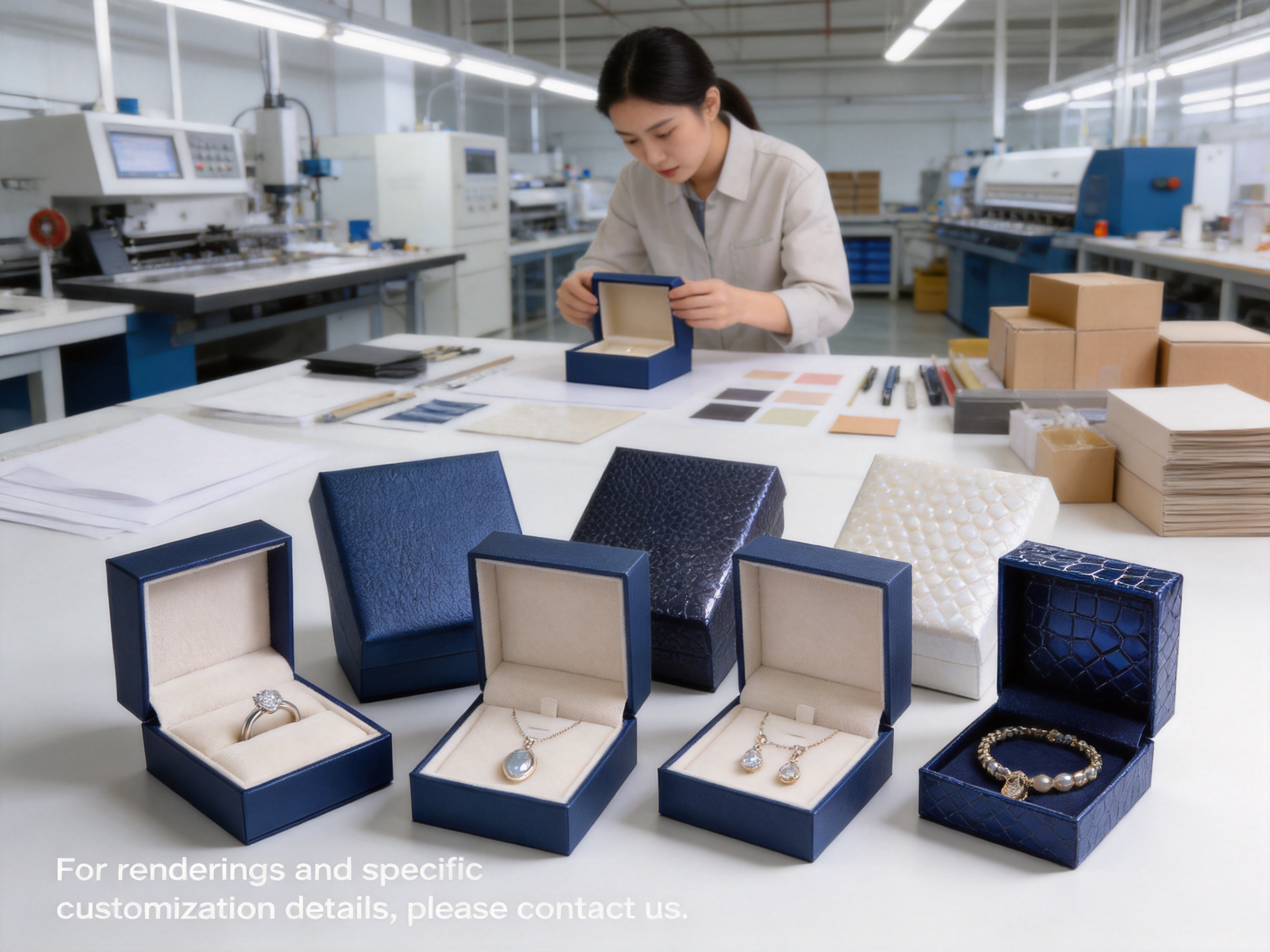
The SHJGB-04 navy blue top-and-bottom jewelry gift box is designed for brands that want to combine refined appearance, reliable protection, flexible interior organization, and custom manufacturing capability. Its deep navy blue exterior creates a formal and elegant visual identity, while the textured surface offers a tactile finish associated with premium packaging. Inside, a soft faux suede lining helps present jewelry attractively and provides a gentle contact surface for delicate ornaments.
This jewelry gift box is suitable for rings, pendants, earrings, bracelets, and other small ornaments. Its two-part construction gives it a classic presentation format that is familiar to luxury, fashion, beauty, wedding, anniversary, and promotional gift markets. At the same time, the box can be adapted through custom logos, interior layouts, material choices, finishes, and environmentally conscious options.
For buyers seeking a practical alternative to generic jewelry packaging, this model provides a balanced combination of appearance, functionality, and production flexibility. It is not simply a standard box with a decorative cover. It is a packaging platform that can be adjusted to meet product dimensions, brand guidelines, market expectations, and presentation goals.
Jewelry is often purchased for emotional reasons. A ring may symbolize commitment, an earring may mark a special occasion, and a bracelet may represent a personal reward or an important relationship. Packaging must therefore support the emotional meaning of the product. A plain or poorly finished container can weaken the perceived value of the jewelry, while a carefully constructed presentation box can make the entire purchase feel more memorable.
Packaging also has a direct role in retail presentation. Jewelry boxes are displayed in stores, photographed for online product pages, used during gifting occasions, and retained by customers for storage. A box that looks attractive from multiple angles can improve shelf presence and contribute to a consistent visual identity across a product range.
The SHJGB-04 is particularly suitable for this purpose because its navy blue color communicates discretion, confidence, and sophistication. Navy is versatile enough for both masculine and feminine jewelry collections. It can support silver, gold, rose gold, gemstones, enamel details, and a wide range of brand color systems. Compared with brighter or highly seasonal packaging colors, navy blue can remain relevant across multiple collections and occasions.
The box also supports the idea of reusable packaging. Customers may keep it for storing jewelry after purchase, which extends the life of the packaging beyond the original unboxing moment. This gives the box an additional functional role and may help brands create a more positive impression of quality and value.
The SHJGB-04 is a top-and-bottom jewelry gift box constructed as two complementary sections. The upper lid fits over the lower base, creating a stable and traditional format for jewelry presentation. This structure allows the box to open smoothly while keeping the product enclosed when closed.
The exterior uses special textured paper. Available texture directions include silk texture, imitation leather lychee texture, pearl texture, glossy crocodile texture, and diamond texture. These options allow brands to select a surface that matches their intended market position. A silk texture may create a subtle and refined appearance, while a lychee texture can produce a stronger leather-inspired effect. Pearl, crocodile, and diamond textures offer different degrees of visual complexity and decorative character.
The interior is described as having a faux suede lining. Faux suede provides a soft, velvety surface that is suitable for jewelry presentation. It can help reduce direct contact between jewelry and harder packaging materials, while also creating visual contrast against metallic surfaces and gemstones. The lining can be integrated with inserts or compartments designed for different types of ornaments.
The model is identified as SHJGB-04, and the logo is customizable. This makes the box appropriate for retailers, jewelry designers, wholesalers, private-label brands, event organizers, and promotional campaigns that require branded packaging.
| Product Attribute | Specification | Customer Benefit |
| Model | SHJGB-04 | Provides a defined reference for quotation, sampling, and production communication |
| Structure | Top-and-bottom lid | Creates a classic presentation format with a separate lid and base |
| Exterior | Deep navy blue textured paper | Delivers a formal, elegant, and versatile visual impression |
| Texture Options | Silk, imitation leather lychee, pearl, glossy crocodile, diamond | Allows surface customization for different brand styles |
| Interior | Faux suede lining | Provides a soft, premium-feeling surface for jewelry presentation |
| Logo | Customizable | Supports brand recognition and private-label packaging programs |
| Applications | Rings, pendants, earrings, bracelets, and small ornaments | Supports multiple jewelry categories within one packaging system |
Color is one of the fastest ways for packaging to communicate a product’s positioning. The navy blue exterior of this jewelry gift box gives it a mature and polished appearance. It is darker and more restrained than many bright promotional colors, but it remains more distinctive than ordinary black or white packaging.
Navy blue can work effectively across a broad range of jewelry styles. With silver-tone pieces, it creates a cool and refined contrast. With yellow gold, it creates a rich and classic pairing. With rose gold, it can create a softer luxury appearance. With colorful gemstones, it provides a neutral background that allows the jewelry to remain the focal point.
The color is also suitable for businesses that want packaging to communicate trust and durability. Jewelry brands often need packaging that feels appropriate for both everyday products and important gifting occasions. Navy blue can support birthday gifts, wedding jewelry, anniversary collections, seasonal campaigns, corporate rewards, and premium retail programs without appearing limited to a single event.
The textured surface adds another layer of visual and tactile appeal. A smooth, plain paper exterior may be economical, but it does not always create the same sense of depth. Special textures can catch light differently, encourage customers to touch the box, and make the package easier to distinguish from mass-market alternatives.
Texture selection should be matched to the brand’s desired personality. A fine silk texture is appropriate for a quiet and elegant presentation. An imitation leather lychee texture may suit brands that want a more substantial, leather-like impression without using genuine leather. A pearl texture can contribute to a delicate and luminous effect, while a glossy crocodile texture may appear more dramatic. A diamond texture can add a decorative and fashion-oriented character.
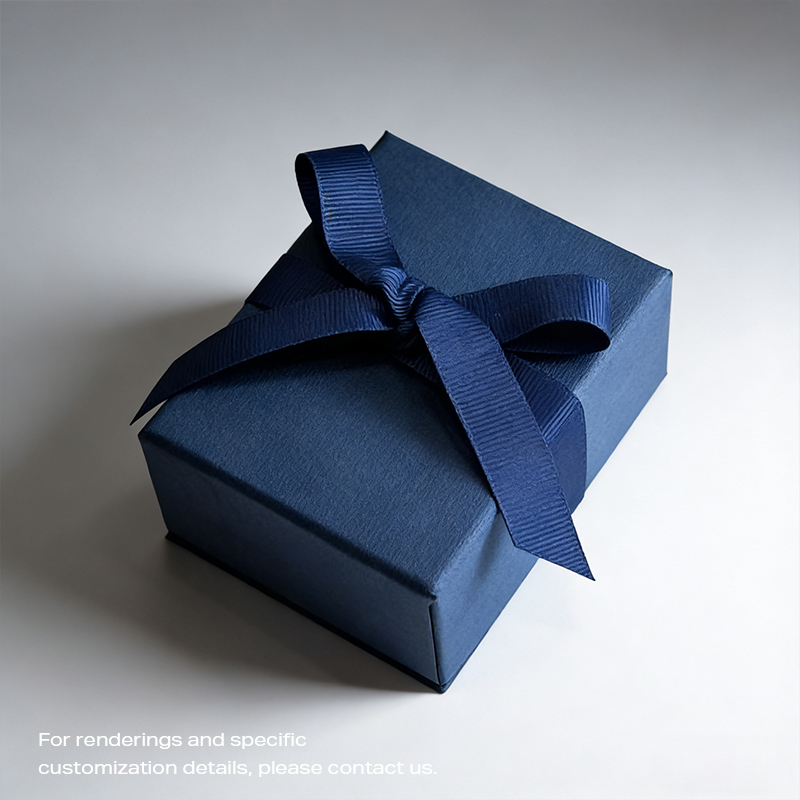
SHJGB-04 Navy Blue Top And Bottom Lid With Faux Leather Suede Lining, Jewelry Gift Box
The inside of a jewelry box is just as important as the outside. Customers expect the interior to present the jewelry clearly and protect it from unnecessary contact with rough or rigid surfaces. The faux suede lining in the SHJGB-04 supports these requirements by creating a soft, smooth, and visually luxurious environment.
Faux suede has a velvety texture that can make jewelry appear more carefully presented. Its soft surface is particularly useful for products with polished metal, plated finishes, delicate chains, or decorative stones. While packaging should not replace appropriate jewelry care procedures, a suitable lining can contribute to a more considerate presentation and help prevent the product from resting directly against hard board or paper surfaces.
The lining also creates a strong contrast with the exterior. The dark navy outside suggests structure and formality, while the plush interior introduces softness and comfort. This transition can make opening the box feel more intentional and engaging. A customer first sees the closed box, then discovers the interior, and finally encounters the jewelry. Each stage contributes to the perceived value of the product.
Interior layouts can be customized according to the ornament being packaged. Ring holders can be designed to keep a ring upright and centered. Earring inserts can provide paired positions for studs, hoops, or small drops. Necklace layouts may include channels or supports to reduce tangling. Bracelet inserts can help hold the item in an attractive position without making the box difficult to close.
Different jewelry categories require different forms of presentation. A box intended for a single ring does not need the same insert as a box used for a pendant and chain. A multi-piece gift set may require several positions, while a minimalist collection may benefit from a single open area that emphasizes the jewelry’s shape. Custom interior planning allows the packaging to support the product instead of forcing every item into a generic format.
The top-and-bottom lid structure is one of the most recognizable forms of jewelry packaging. It consists of a separate upper lid and lower base, creating a straightforward opening movement and a clear distinction between the external cover and the jewelry-holding area.
This construction has several practical benefits. It is visually balanced, easy to understand, and suitable for many retail environments. The separate lid can be removed completely, giving customers an unobstructed view of the interior. This is helpful when the box is used during sales presentations, gift exchanges, wedding ceremonies, or photography sessions.
The structure can also support a firm and orderly appearance. When the lid and base are accurately matched, the closed box presents clean edges and a unified shape. Accurate production is important because an overly loose lid may feel insecure, while an overly tight lid may be inconvenient to open. Professional manufacturing controls help maintain an appropriate fit from sample development through mass production.
Compared with some lightweight folding cartons, a rigid top-and-bottom box generally offers a more substantial presentation. Folding cartons can be useful for economical distribution, but they may not provide the same sense of permanence or premium gifting value. The SHJGB-04 is positioned for customers who want the jewelry to feel special before the box is opened.
The construction is also compatible with multiple exterior finishes. The same basic structure can be adapted with different papers, textures, logos, interior colors, inserts, and decorative effects. This makes it possible to build a coordinated packaging family while keeping a consistent structural format.
Generic jewelry boxes are often designed around basic utility. They may hold a product adequately, but they can lack the visual identity, tactile quality, and customization options that established brands require. The SHJGB-04 offers several advantages for buyers who want a more distinctive and brand-oriented solution.
Ordinary paperboard boxes may use a plain, untextured finish that provides limited sensory interest. The special textured paper options available for this model can create a richer surface experience. Texture helps the box look more intentional and may communicate a higher level of attention to detail.
The deep navy color, top-and-bottom construction, and faux suede interior combine to create a presentation format that is suitable for premium gifting. The customer does not simply receive jewelry in a container; the jewelry is introduced through a sequence of visual and tactile details.
A standard box may only accept a small printed label or a generic sticker. The SHJGB-04 can be customized with a brand logo and other possible finish directions. This makes it more appropriate for businesses that want packaging to become part of their identity rather than remain anonymous.
The model can be adapted for rings, pendants, earrings, bracelets, and other small ornaments. This flexibility can help brands create packaging consistency across multiple collections while still using different internal layouts where necessary.
Because of its structured format and attractive appearance, the box may be retained by customers for jewelry storage. Generic disposable packaging is less likely to remain in use. A box that continues to be useful after purchase can reinforce the customer’s memory of the brand and product.
The product is offered by a manufacturer with design, research, production, and export capabilities. This is important for buyers who need more than a single sample. Packaging programs often involve repeated orders, technical adjustments, artwork coordination, production scheduling, and quality communication. A factory with integrated capabilities can simplify these processes.
Logo customization allows the jewelry box to become a direct extension of the brand. A logo can be applied in a restrained manner for minimalist brands or used as part of a more decorative design for fashion and gift collections. The specific treatment may depend on the brand’s visual guidelines, target price, required quantity, and desired finish.
Branding should be planned together with the box color and texture. On a deep navy surface, a metallic-looking logo may create a premium contrast, while a tone-on-tone mark can produce a more discreet effect. The size and position of the logo also matter. A small centered mark may communicate exclusivity, while a larger treatment may be appropriate for promotional or retail visibility.
Packaging artwork should be reviewed carefully before production. Important factors include logo proportions, color accuracy, edge clarity, placement tolerance, and the relationship between the logo and the box’s opening direction. A professionally managed sampling stage can reduce the risk of producing a large quantity with an incorrect visual result.
Customization may also extend beyond the logo. Brands can consider interior lining colors, insert arrangements, printed messages, product information cards, seasonal details, and coordinated outer packaging. These elements can create a consistent experience across the full customer journey.
Material selection affects appearance, touch, durability, cost, and environmental positioning. The special textured paper options associated with this product provide a range of visual effects while maintaining the paper-based character of the packaging.
Silk texture is generally suitable for brands seeking a refined and understated surface. It can add a delicate visual pattern without overwhelming the logo or jewelry. Imitation leather lychee texture provides a more pronounced grain and can make the box feel substantial. It is useful when a brand wants a leather-inspired appearance while selecting a paper-based packaging direction.
Pearl texture can introduce a soft reflective quality. This option may be appropriate for bridal jewelry, feminine gift collections, beauty-related accessories, or products that benefit from a luminous presentation. Glossy crocodile texture offers a stronger decorative statement and may appeal to fashion-oriented or luxury-inspired campaigns. Diamond texture can create a faceted visual effect that aligns with jewelry themes.
Texture must also be considered in relation to printing and finishing. Highly detailed surfaces may influence how fine logos appear. Gloss levels can change the way colors are perceived. Dark backgrounds may require careful testing to ensure that the brand mark remains legible. A manufacturer with experience in textured packaging can help coordinate these variables during development.
For environmentally conscious projects, buyers can discuss material alternatives and eco-friendly options during the customization process. The appropriate solution depends on the required appearance, structural performance, supply conditions, and certification expectations. The company’s stated FSC and BSCI certifications provide a basis for buyers who include responsible sourcing and social compliance in their supplier evaluation.
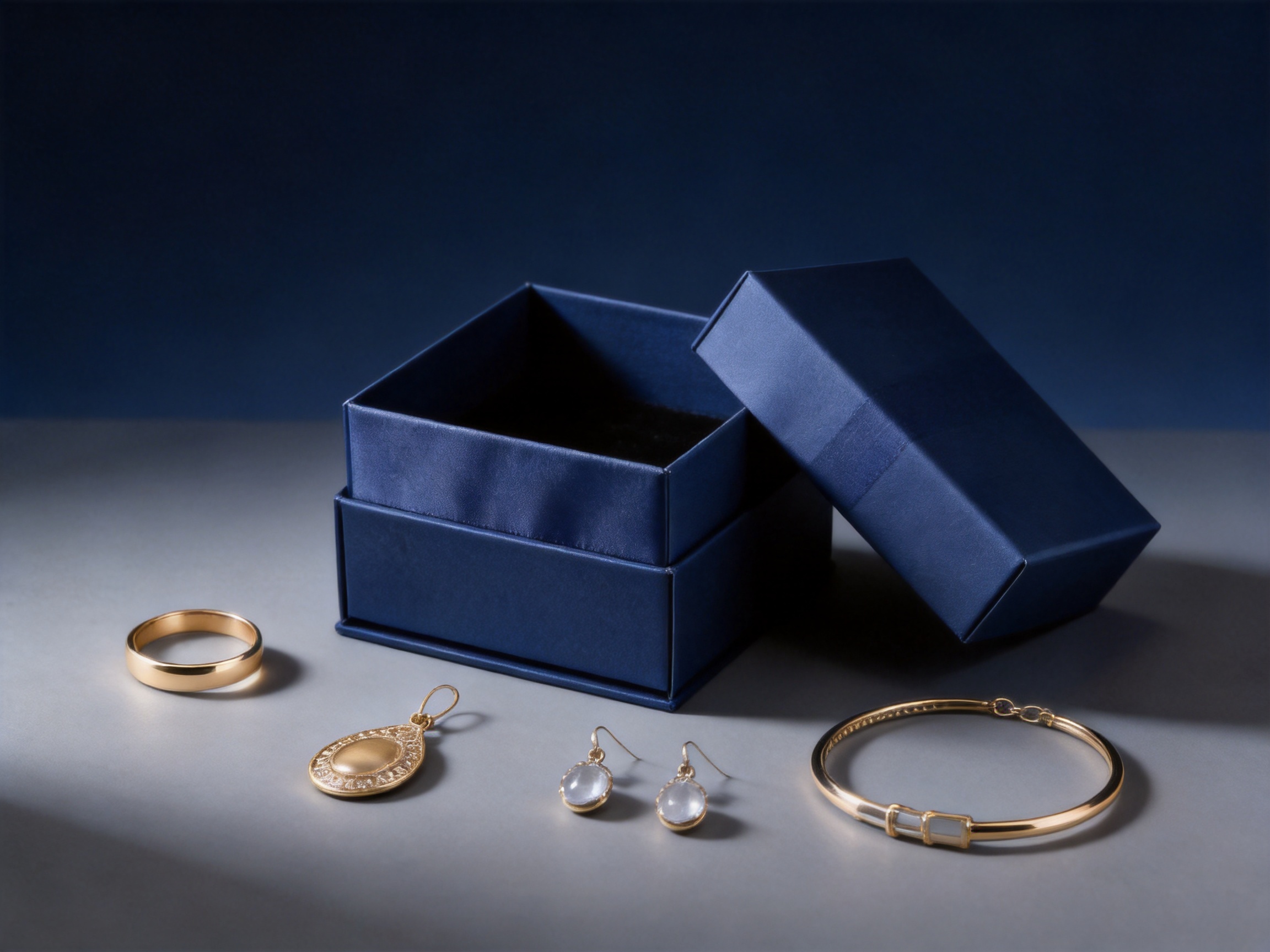
The performance of a jewelry gift box depends not only on its design but also on how consistently it is manufactured. Small inconsistencies in board cutting, wrapping, fitting, lining, or logo placement can affect the customer’s perception of quality. For this reason, factory capability is a central consideration when selecting a packaging supplier.
Zhejiang Shihao Gift Packaging Co., Ltd. is described as an export-oriented manufacturer specializing in paper gift packaging boxes. The company has more than 15 years of experience in production, research and development, and sales. Its accumulated experience supports the practical knowledge required for handling different box structures, materials, finishes, and customer specifications.
The company covers approximately 20,000 square meters and employs around 300 people. This scale provides a broader production foundation than a small workshop that may rely heavily on external subcontractors. A larger organized facility can support clearer workflow management, dedicated production areas, more stable scheduling, and improved coordination between design, sampling, manufacturing, and inspection.
Advanced equipment is identified as part of the company’s manufacturing infrastructure. Equipment is important because precision and repeatability are essential in rigid gift box production. Cutting, creasing, paper application, forming, lining, and finishing must work together accurately. Modern equipment can help improve consistency, reduce avoidable manual variation, and support more efficient production of customized designs.
The manufacturer reports an average daily production capacity of approximately 5,000 sets of gift boxes. This capacity is relevant to customers planning retail launches, seasonal campaigns, promotional programs, or recurring wholesale orders. Although production capacity should always be confirmed for a specific project, a stated daily output of this scale indicates that the supplier is equipped to support orders beyond small trial quantities.
The company also maintains its own design team and updates dozens of products weekly. This design capability can benefit customers who have a clear concept but need assistance developing it into a manufacturable packaging solution. The design team may help evaluate proportions, surface choices, interior arrangements, and visual coordination between the product and the box.
Research and development capability is particularly useful when a customer wants to modify the standard SHJGB-04 format. Customization may involve resizing the structure, changing the insert, selecting a different texture, developing a coordinated set, or adapting the box for a new jewelry category. The ability to work through these changes internally can reduce communication gaps and shorten the path from idea to sample.
Reliable packaging manufacturing requires attention to every stage of production. The process begins with specification confirmation. The buyer and manufacturer should agree on the box dimensions, material direction, color, logo artwork, interior layout, lining, packaging method, and order quantity before production begins.
During sampling, the physical structure should be checked for fit and function. The lid should open and close appropriately. The base should hold the insert securely. The jewelry should sit at the intended angle and remain visually centered. If the packaging is intended for necklaces or bracelets, the internal arrangement should be assessed for tangling and movement.
Exterior inspection should evaluate the paper surface, corners, edges, texture consistency, and color appearance. Textured paper can show variations more clearly than plain paper, so careful handling is necessary. The logo should be checked for position, clarity, and alignment with the box structure.
Interior inspection should focus on the faux suede surface and its attachment to the insert or base. The lining should appear clean and properly fitted. Loose edges, visible adhesive, wrinkles, or uneven tension can reduce the premium impression. A structured quality process helps identify these issues before finished goods are packed for shipment.
For mass production, consistency between units is essential. Buyers may use approved samples as a reference for appearance and construction. Production records, inspection procedures, and communication between departments can help ensure that the finished order remains aligned with the approved design.
Export experience is another important strength. The company exports to Europe, the United States, the Middle East, and other regions. International packaging orders may require attention to documentation, shipping protection, carton organization, delivery schedules, and market-specific expectations. Familiarity with export operations can make cooperation smoother for overseas customers.
Modern buyers increasingly evaluate packaging suppliers according to more than price and appearance. They may also consider labor practices, material sourcing, environmental impact, production transparency, and long-term supplier reliability.
The manufacturer states that it has passed BSCI and FSC certifications. BSCI is associated with social compliance and responsible business practices within supply chains. FSC certification is associated with responsibly managed forest-based materials. Certification details should be confirmed according to the specific project and current documentation, but these credentials indicate that responsible production is included in the company’s broader operating framework.
The use of paper-based packaging can also support brands that want to reduce reliance on certain plastic packaging formats. However, sustainability should be assessed across the entire product system. Buyers should consider the paper source, coatings, adhesives, lining materials, ink systems, production waste, transport efficiency, and end-of-life disposal conditions.
Eco-friendly options can be discussed during product development. A suitable solution may involve a different paper selection, reduced decorative components, recyclable structural elements, or a more efficient box size. The correct choice depends on the target market and the required performance of the packaging. Premium presentation and responsible material selection do not have to be opposing goals when the design is carefully planned.
The SHJGB-04 can serve a variety of commercial and personal gifting applications. Jewelry retailers may use it for private-label collections, premium lines, or special product launches. Jewelry designers can use customized boxes to establish a recognizable identity for handmade or limited-edition pieces.
Ring packaging is one of the most natural applications. The insert can be designed to hold the ring upright so that the customer sees the central stone, setting, or band immediately after opening the lid. This arrangement is suitable for engagement rings, wedding rings, fashion rings, commemorative rings, and promotional jewelry.
Pendant packaging can use an insert that supports the pendant while allowing the chain to remain organized. The interior can be adjusted according to chain length and pendant size. A carefully designed layout reduces the chance that the necklace will appear tangled or hidden when the box is opened.
Earring packaging can include paired positions for studs, drops, hoops, or other small designs. The interior should make it easy to identify both pieces and should provide enough visual space for the jewelry to remain the primary focus.
Bracelet packaging may require a longer or wider insert. Adjustable interior planning allows the box to accommodate different bracelet proportions and closure styles. For gift sets, several jewelry types can be arranged together to create a coordinated presentation.
The box is also suitable for jewelry promotions, holiday collections, wedding favors, anniversary programs, corporate gifts, and boutique packaging. A customized logo can help connect the box with a retail campaign, while the navy blue exterior can provide a consistent appearance across different product categories.
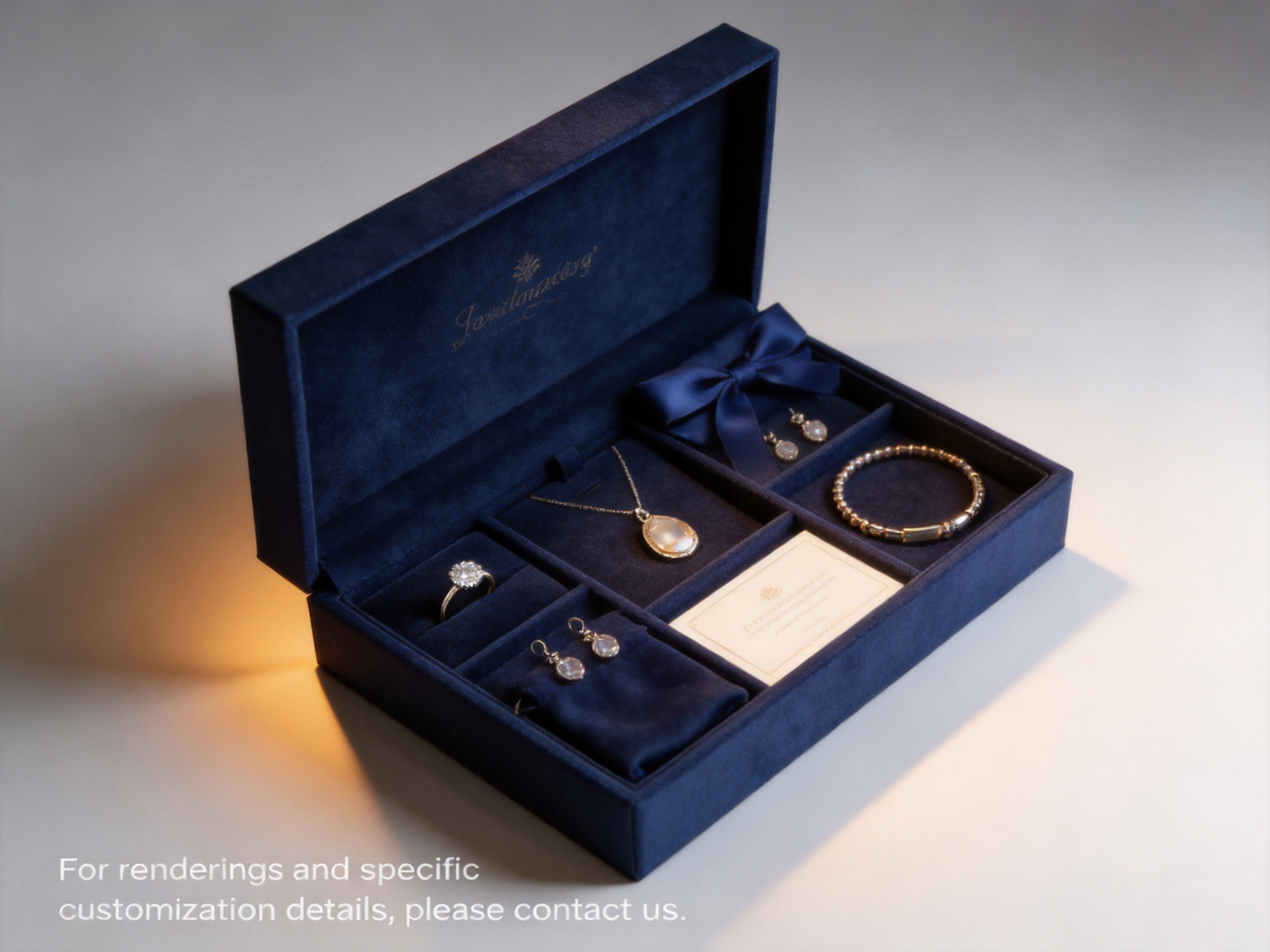
An effective unboxing experience begins before the lid is removed. The customer sees the color, shape, surface, and logo of the closed box. The weight and texture influence the sense of quality. When the lid is lifted, the interior lining and jewelry arrangement guide attention toward the product.
The SHJGB-04 supports this sequence through contrast and structure. The navy exterior creates an elegant first impression, while the faux suede interior introduces a softer and more intimate presentation. The separate lid gives the opening moment a clear physical action, which can make the experience feel more ceremonial than opening a thin folding carton.
Unboxing is especially important for products purchased as gifts. The recipient may see the box before seeing the jewelry, and the package can contribute to anticipation. A well-organized interior reduces confusion and makes the gift look ready to present. This is valuable for birthdays, anniversaries, proposals, weddings, festivals, and personal milestones.
In digital commerce, packaging also appears in customer photographs and social media posts. A distinctive navy blue box with a custom logo may become part of the customer’s shared experience. While no packaging can guarantee online exposure, a carefully designed presentation can make the product more visually appealing when customers photograph or recommend it.
Interior design should begin with the jewelry itself. Buyers should provide accurate product dimensions, weight, shape, closure details, and presentation preferences. A ring with a large setting may require a deeper or more supportive slot than a simple band. A pendant with a long chain may need additional space to prevent bunching.
For earrings, the insert should hold both pieces at a comfortable distance. For bracelets, the structure should keep the item visible without creating excessive pressure. For sets, the layout should balance the jewelry pieces so that one item does not cover another.
The color of the faux suede lining can also affect product visibility. A dark lining may create a dramatic luxury appearance, while a lighter lining may provide stronger contrast for dark metal or gemstones. The best choice depends on the jewelry’s color, surface reflectivity, brand style, and photography needs.
Interior customization should also consider handling. Retail staff need to place products into the box efficiently. Customers should be able to remove and return the jewelry without damaging the insert. If the box will be used repeatedly for storage, the interior should remain practical after many opening and closing cycles.
A successful custom packaging project benefits from a clear workflow. The first step is to define the application. Buyers should identify whether the box is intended for rings, earrings, pendants, bracelets, sets, or a mixed product range.
The next step is to confirm the preferred structure and dimensions. The SHJGB-04 provides a top-and-bottom format, but the size and interior layout can be discussed according to the jewelry. Buyers should also determine whether one box size can serve several products or whether multiple sizes are more appropriate.
Material and texture selection follows. The buyer can review silk, imitation leather lychee, pearl, glossy crocodile, diamond, or other available surface directions. Color should be confirmed through physical samples where possible, since digital screens may display navy blue differently depending on settings and lighting.
Logo artwork should be supplied in a clear and usable format. The placement, size, finish, and color should be confirmed during sampling. If the box will be part of a larger packaging system, the logo treatment should match shopping bags, pouches, cards, and other brand materials.
The interior should then be developed around the jewelry. A sample is important because drawings alone may not show how the product sits in the box. Buyers should inspect the sample with actual jewelry whenever possible.
Before mass production, the final specifications should be documented. This may include approved material, color, texture, dimensions, logo treatment, lining, insert, carton packing, and inspection requirements. Clear documentation helps reduce misunderstandings and supports consistent repeat orders.
| Packaging Approach | Main Strength | Potential Limitation | Best Use |
| Plain folding carton | Lightweight and economical | May offer less structural presence and less luxurious presentation | High-volume economical distribution |
| Generic plastic jewelry box | Simple visibility and basic protection | Limited brand warmth and fewer paper-based customization options | Basic retail or temporary use |
| Standard rigid box | Stronger presentation and structure | May have limited texture or interior choices if purchased from stock | Premium product presentation |
| Custom top-and-bottom jewelry box | Combines structure, branding, texture, and interior flexibility | Requires development and production planning | Branded jewelry, gifting, and long-term packaging programs |
| SHJGB-04 configuration | Navy textured exterior, faux suede lining, customizable logo, adaptable jewelry insert | Final specifications should be developed for each jewelry application | Rings, pendants, earrings, bracelets, and small ornaments |
Choosing a factory rather than relying only on a trading intermediary can offer greater control over product development and communication. A direct manufacturer may be able to discuss materials, structures, equipment, production planning, and quality issues with greater technical detail.
For the SHJGB-04, factory partnership is valuable because customization is central to the product. Buyers may want to alter the texture, interior, logo, dimensions, or material. These changes require coordination between design and production. A manufacturer with in-house design resources and established production systems can help identify practical solutions.
Long-term cooperation can also improve repeat ordering. Once a packaging specification has been approved, the manufacturer can maintain records and use the previous order as a reference. This is especially important for jewelry brands that need consistent packaging over several seasons.
Supplier scale can support different order stages. A new brand may begin with samples or a smaller launch quantity. As sales grow, the same supplier may be able to support larger production volumes. This continuity can reduce the need to redesign packaging or qualify a completely new factory later.
Export experience can further support international buyers. Communication regarding production schedules, shipment preparation, carton quantities, and documentation can be handled within a supplier relationship that understands overseas business requirements.
Retailers can use the box to create a consistent presentation across private-label collections. A custom logo and coordinated interior can help distinguish the retailer’s products from competing items displayed nearby.
Independent designers can use customized packaging to express their creative identity. Texture, color, logo position, and interior arrangement can be selected to match the story behind a collection.
Wholesalers can offer a more complete product package to downstream retail customers. The box can be adapted for different jewelry categories while maintaining a consistent external style.
Wedding planners, event organizers, and gift suppliers can use customized jewelry boxes for rings, favors, commemorative items, and event merchandise. A navy blue presentation can suit formal ceremonies and elegant corporate occasions.
Businesses using jewelry or small ornaments as promotional gifts can add branding directly to the box. The reusable nature of a structured box may help the promotional message remain visible after the campaign ends.
Premium packaging should be planned with both appearance and efficiency in mind. The box’s size should be appropriate for the jewelry so that excess material and shipping volume are minimized. At the same time, the box must provide enough space for the insert and a comfortable opening experience.
Texture and finishing choices affect the final cost and production schedule. Buyers should identify the visual elements that are essential to the brand and distinguish them from optional decorative details. A refined design does not always require the most complex finish. Sometimes a well-selected navy surface, precise logo, and carefully fitted interior are enough to create a premium result.
Order quantity can influence material purchasing, sampling, and production efficiency. Customers should communicate expected quantities and future ordering plans early in the process. This helps the factory evaluate the most suitable production arrangement and may support better consistency across repeat orders.
Shipping protection is also important. Jewelry boxes should be packed in a way that reduces crushing, scuffing, moisture exposure, and movement during transportation. Export-oriented manufacturers can help buyers discuss carton arrangements and shipment preparation according to the order requirements.
The box is suitable for rings, pendants, earrings, bracelets, and other small ornaments. The interior layout can be customized according to the dimensions and presentation requirements of the jewelry.
Navy blue offers a sophisticated and versatile appearance. It can contrast effectively with silver, gold, rose gold, gemstones, and many brand color systems. It is suitable for everyday collections as well as formal gifting occasions.
Yes. The logo is customizable. Buyers can discuss logo position, size, finish, and visual treatment during the sampling and artwork confirmation stages.
The listed material options include silk texture, imitation leather lychee texture, pearl texture, glossy crocodile texture, and diamond texture. The most suitable choice depends on the desired visual effect and brand positioning.
Faux suede provides a soft, velvety surface that creates a premium presentation and offers a gentle contact area for jewelry. It can be combined with customized inserts for different ornament types.
Yes. The interior can be developed for pendants and necklaces. The layout should be based on the chain length, pendant size, and preferred presentation position.
The external design can support a consistent packaging family, while the internal insert can be changed for rings, earrings, bracelets, pendants, or sets. The final configuration should be confirmed according to each product.
A top-and-bottom lid offers a classic presentation format, a clear opening action, and a separate removable lid. It is suitable for retail presentation, gifting, photography, and reusable storage.
Its navy blue textured exterior, faux suede interior, customizable logo, and structured format make it suitable for premium jewelry brands and gift-oriented collections. The final premium effect depends on the selected materials, finishing, interior design, and production quality.
The manufacturer has its own design team, research and development resources, advanced equipment, and production capabilities. These strengths support customized packaging projects involving structure, material, texture, logo, and interior layout.
The company states that it has passed BSCI and FSC certifications. Buyers should request current certification details and confirm which materials and production processes are covered for their specific project.
The company exports to Europe, the United States, the Middle East, and other regions. Its international experience may support overseas customers with production coordination and export order requirements.
Buyers should prepare jewelry dimensions, desired box size, logo artwork, preferred texture, color expectations, interior requirements, estimated quantity, and delivery schedule. A physical sample should be reviewed before mass production whenever possible.
Yes. Eco-friendly material options can be discussed during development. The final selection should balance appearance, durability, recyclability, certification requirements, and the needs of the target market.
The SHJGB-04 navy blue top-and-bottom jewelry gift box offers a strong solution for brands that want packaging to communicate quality before the jewelry is revealed. Its deep navy blue exterior creates a polished and versatile appearance, while the textured paper choices add tactile and visual distinction. The faux suede lining provides a soft interior environment that supports attractive presentation for rings, pendants, earrings, bracelets, and other small ornaments.
Its greatest advantage is the combination of a classic structure with modern customization flexibility. Buyers can adapt the logo, texture, material direction, interior layout, and other design details to create packaging that fits their brand and product range. Compared with plain or generic jewelry boxes, this format can provide a stronger gifting experience, more recognizable brand presence, and greater potential for continued customer use.
The manufacturing foundation behind the product is equally important. More than 15 years of industry experience, a 20,000-square-meter facility, around 300 employees, advanced equipment, an internal design team, research and development capabilities, and reported average daily production of approximately 5,000 gift box sets provide a substantial basis for customized and export-oriented projects. BSCI and FSC certifications further support buyers who consider social compliance and responsible material sourcing.
For jewelry retailers, designers, wholesalers, promotional businesses, and gift packaging programs, the SHJGB-04 can serve as both a protective container and a brand communication tool. With thoughtful customization and careful production planning, it can help transform a jewelry purchase into a more complete, memorable, and premium customer experience.
1. Product specification sheet for model SHJGB-04, including structure, material, applications, and logo customization information.
2. Manufacturer-provided company profile describing production experience, facility scale, workforce, equipment, design capabilities, export markets, and production capacity.
3. Manufacturer-provided certification information concerning BSCI and FSC compliance.
4. General packaging design principles for jewelry presentation, product protection, branding, and customer unboxing experiences.
5. General material selection guidance for textured paper, faux suede linings, rigid gift boxes, and paper-based packaging solutions.
Recommended Products

Contact Us

No. 15, Xiayang Road, Huangzhai Town, Jinhua, Zhejiang, China

(+86) 579-84230069

(+86) 13085675766


Products

Gift Box Packaging Manufacturer
 English
 Français
 Español
 عربى