2026-10-17
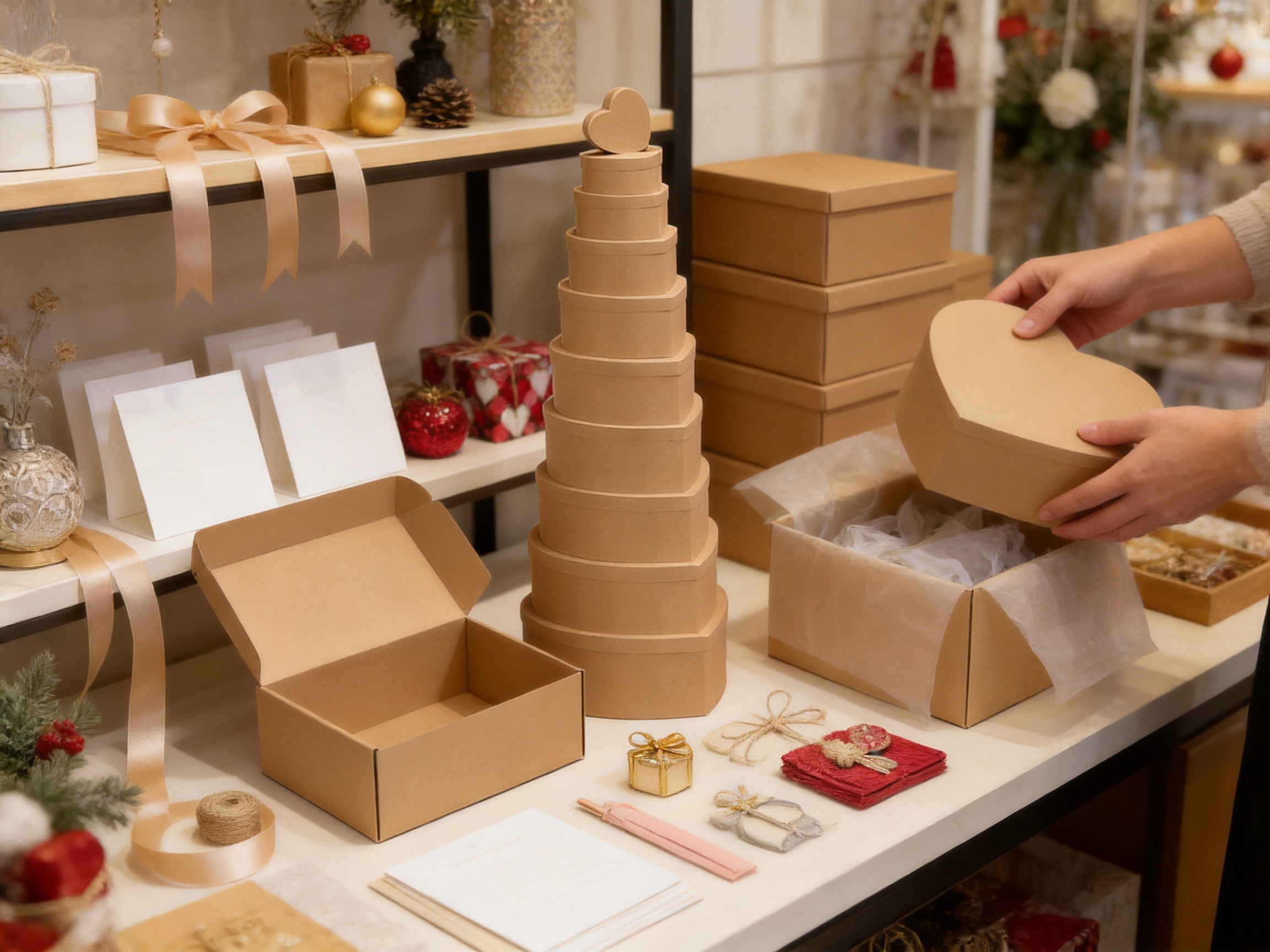
Gift packaging has become much more than a protective outer layer. In competitive retail and e-commerce markets, the package often creates the first physical impression of a product, communicates the values of a brand, and influences how customers remember the purchasing experience. The 1201 Monochrome UV-Coated Recycled Cardboard Laminated Holiday Gift Box is designed for businesses seeking an attractive, durable, customizable, and environmentally responsible packaging solution for seasonal and everyday applications.
This gift box combines recycled cardboard, an art paper-coated surface, monochrome printing, UV coating, and lamination. Together, these processes create a package with a clean visual appearance, improved surface protection, structural stability, and a premium tactile quality. It can be used for Valentine's Day gifts, Christmas products, New Year's collections, business gifts, personal collectibles, crafts, and a wide range of retail products.
The product is manufactured by Zhejiang Shihao Gift Packaging Co., Ltd., an export-oriented paper packaging manufacturer with more than 15 years of experience. The company operates a production facility covering approximately 20,000 square meters, employs around 300 people, and has an average daily production capacity of about 5,000 sets of gift boxes. Its combination of design expertise, manufacturing equipment, quality management, and export experience enables customers to develop packaging that is both visually distinctive and commercially practical.
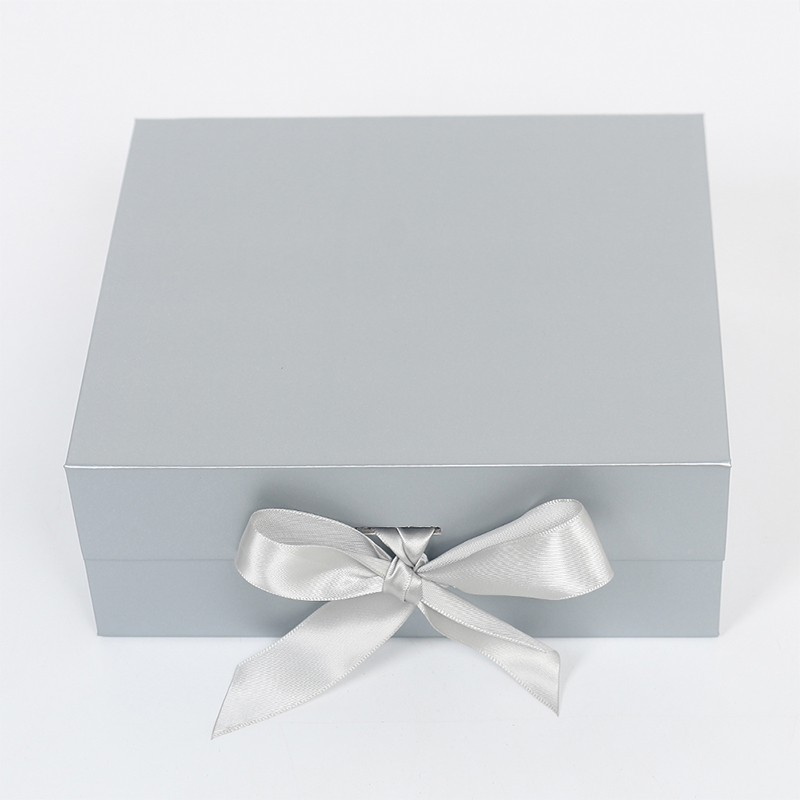
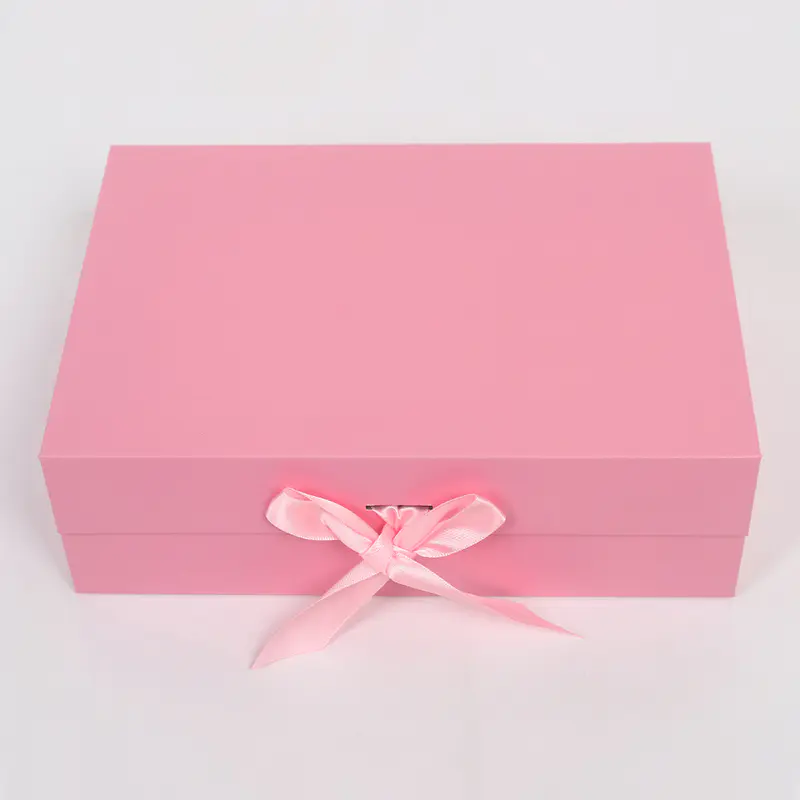
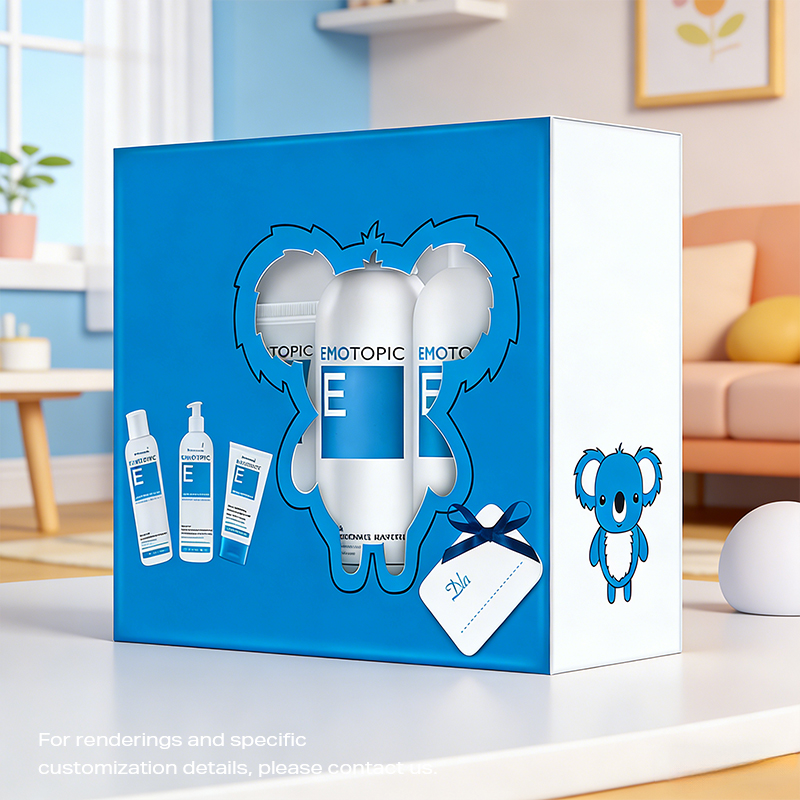
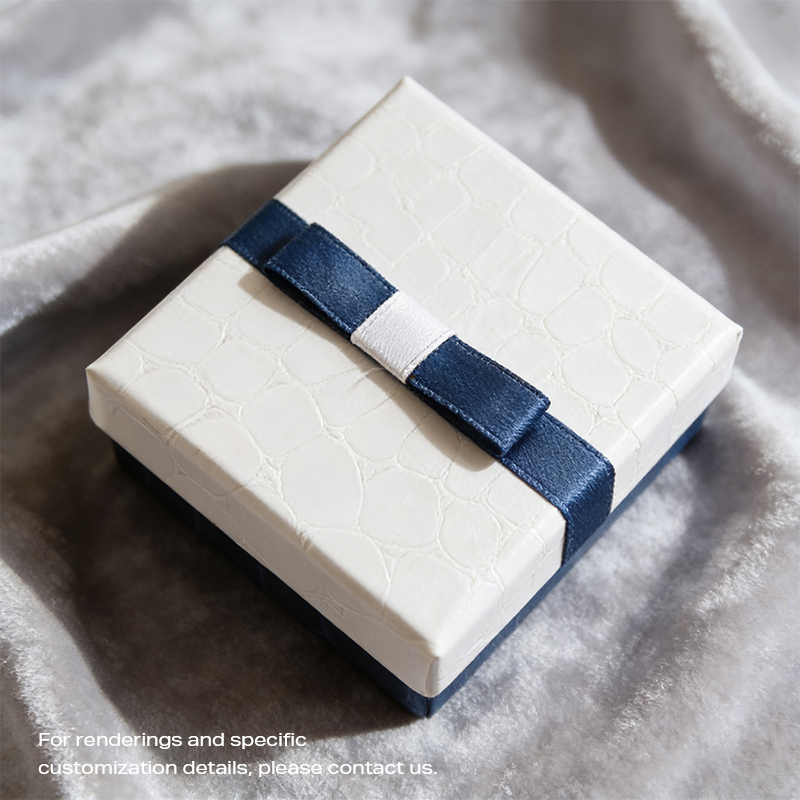
The 1201 gift box is a holiday-oriented paper packaging product with a simple monochrome appearance and a refined laminated finish. Its design is intentionally versatile. Rather than being limited to a single printed illustration or a highly specific holiday pattern, the box can be adapted through custom colors, patterns, dimensions, and surface treatments. This flexibility allows buyers to use the same product structure for different campaigns, collections, and seasonal events.
The box is especially suitable for Valentine's Day gift packaging, but the design can also support Christmas, New Year's celebrations, anniversaries, weddings, corporate gifting, product launches, and promotional campaigns. Its neutral structural format makes it appropriate for many types of merchandise, including confectionery, small household items, personal accessories, crafts, stationery, keepsakes, and curated gift sets.
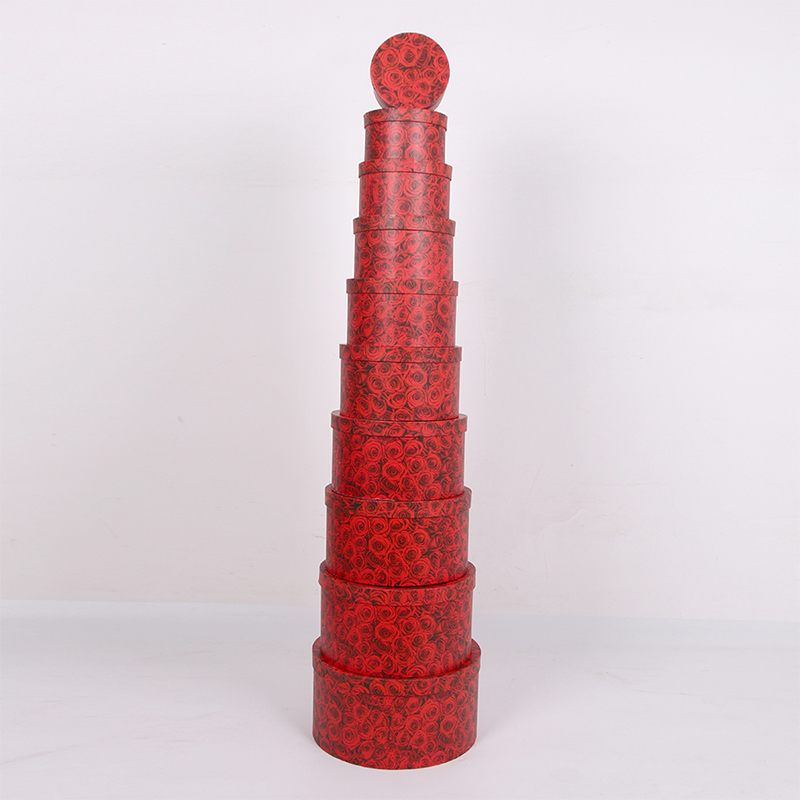
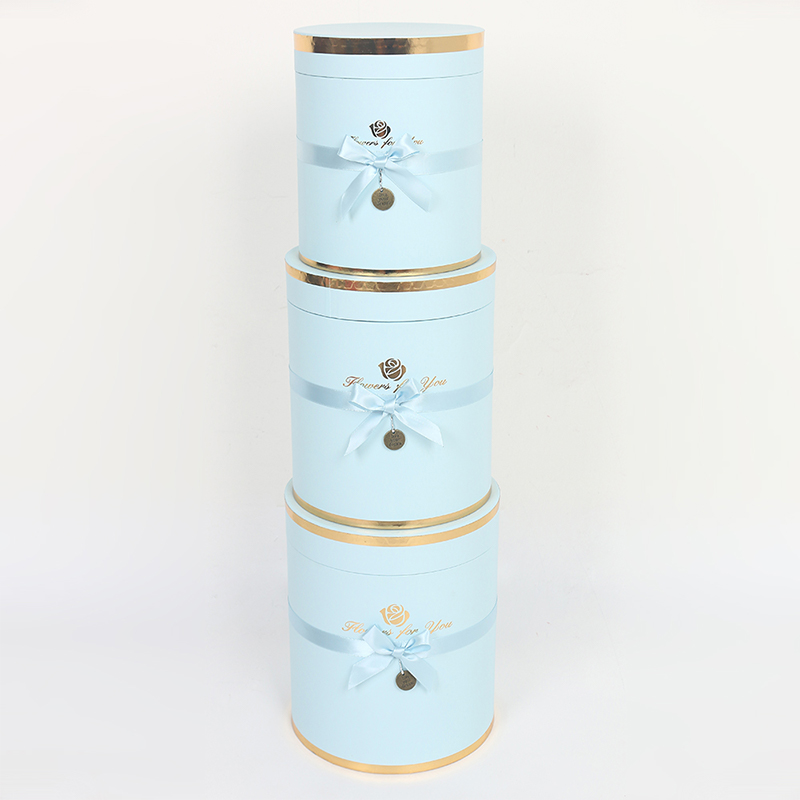
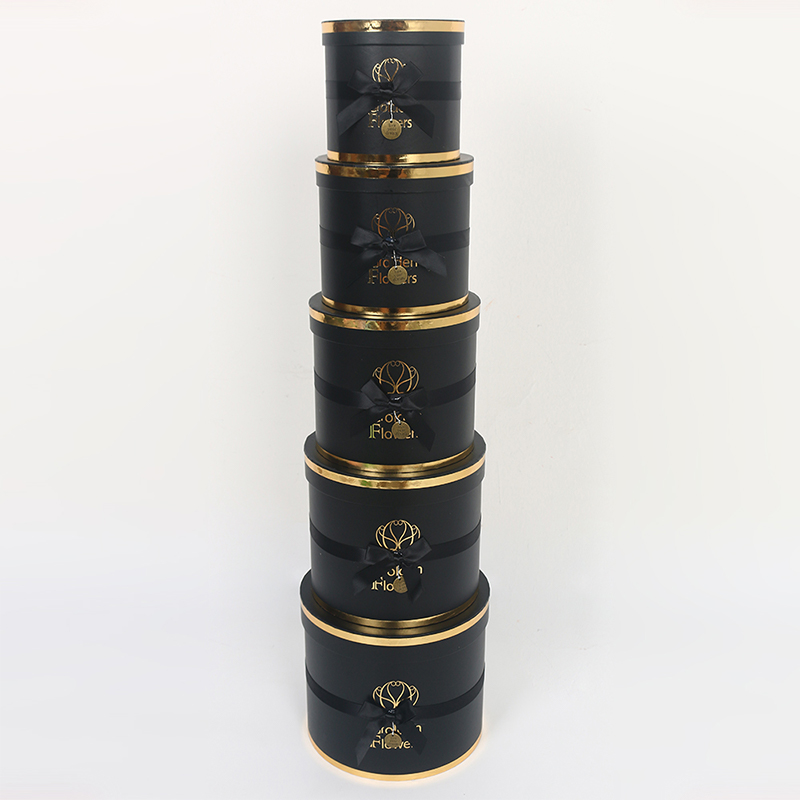
The product range includes multiple sizes. The listed dimensions extend from approximately 33 × 32.3 × 14 centimeters for size 1 to approximately 11 × 10 × 5 centimeters for size 10. This range gives buyers the opportunity to select a box proportionate to the product rather than relying on excessive empty space or unsuitable packaging. Customized dimensions are also available for projects requiring a precise fit.
The design concept combines practical storage with visual appeal. Recycled cardboard provides a stable paper-based structure, while the coated surface supports high-quality printing and finishing. UV coating helps create a more resistant exterior, and lamination contributes additional smoothness and rigidity. The result is packaging that can present a product attractively while helping to protect it during handling, storage, and transportation.
Recycled cardboard is the primary structural material used in the product. Selecting recycled paperboard can reduce dependence on newly sourced fiber and supports the growing demand for packaging materials with a more responsible environmental profile. For businesses that want to demonstrate sustainability without abandoning premium presentation, recycled cardboard provides a practical foundation.
The use of recycled material does not mean that the box must look unfinished or visually basic. Through surface coating, color management, lamination, and professional printing, recycled cardboard can become a polished packaging substrate capable of supporting modern retail presentation. Customers can obtain a clean and professional appearance while communicating a commitment to resource efficiency.
Paperboard also offers useful logistical advantages. Compared with many rigid alternatives, cardboard is relatively lightweight, easy to stack, and efficient to transport. These characteristics can help reduce storage requirements and shipping weight. For companies shipping gift products across regions or international markets, lower package weight can contribute to more manageable logistics costs.
The product information identifies art paper-coated cardboard as the surface material. This coated surface supports smooth printing and gives the packaging a more refined appearance. It is well suited to monochrome designs, solid-color branding, decorative patterns, and holiday-themed graphics.
A coated paper surface can also improve the consistency of printed results. Smoothness helps colors and fine design elements appear more uniform, while the surface provides an appropriate base for additional protective finishing. This is particularly important when a package relies on a simple design, because minimalist graphics leave fewer visual elements to distract from imperfections.
UV coating is applied to enhance the appearance and performance of the outer surface. It can produce a clean, modern finish and may be used to create a uniform visual effect across the package. Depending on the selected specification, UV finishing can emphasize color depth, smoothness, and surface brightness.
In addition to its aesthetic contribution, UV coating helps improve resistance to abrasion and moisture exposure. Gift boxes are frequently handled by warehouse workers, retailers, couriers, and consumers, so surface protection is important. A more resistant exterior is less likely to show minor scuffs or lose its visual appeal during ordinary distribution.
UV coating is also valuable for premium packaging because it creates a more finished appearance than untreated paperboard. When combined with a monochrome layout, it can give the box a sleek and contemporary character. Brands may select an understated single-color presentation or use custom color matching to coordinate the package with a broader visual identity.
Lamination adds another layer of protection and structure to the box surface. It creates a smoother exterior and can increase the perceived quality of the package when customers touch or open it. The laminated surface may also help the box withstand routine handling and maintain a more stable appearance over time.
The combination of lamination and UV coating is one of the defining strengths of the 1201 model. Some competing paper boxes rely on printing alone, leaving the surface more vulnerable to scuffing, moisture, and gradual wear. Other boxes may use heavier materials that increase shipping weight and cost. This product aims to balance surface quality, durability, weight, and cost through coordinated paper-based finishing processes.
Monochrome packaging has a distinctive advantage in modern product presentation. A single-color or limited-color design can appear organized, elegant, and easy to recognize. It avoids visual overcrowding and provides a strong foundation for typography, logos, patterns, and seasonal messages.
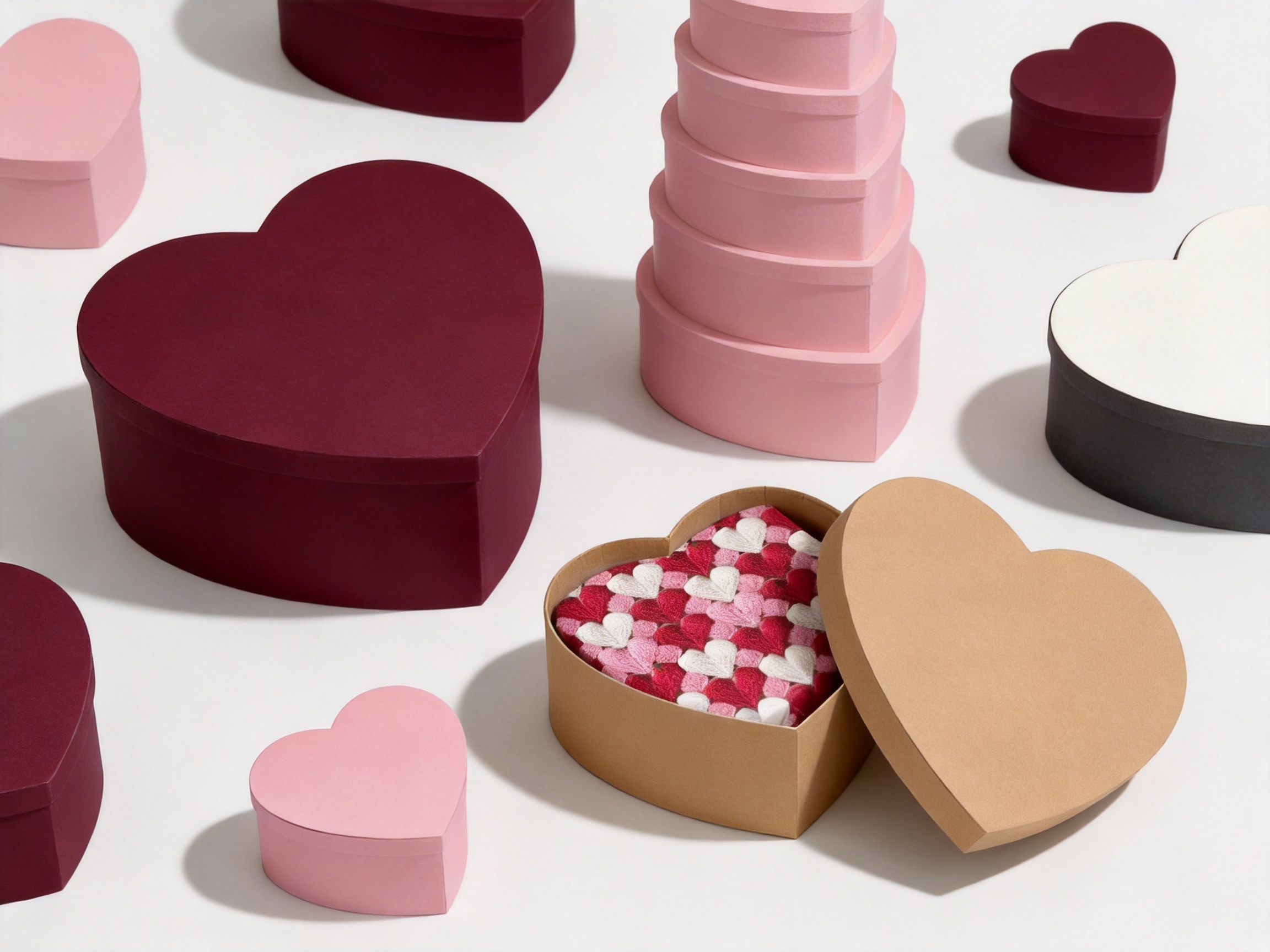
For Valentine's Day, monochrome packaging can be adapted to romantic red, soft pink, deep burgundy, black, white, or custom brand colors. For Christmas, customers may choose a traditional seasonal shade, while New Year's packaging may use metallic-looking color combinations or a sophisticated dark palette. Because the structure is not tied to one printed theme, the box can be reused across multiple product lines and sales periods.
A restrained visual style can also help the contents become the center of attention. When the outer box does not compete with the product through excessive decoration, the package may communicate quality and confidence. This is particularly effective for premium gifts, jewelry-related accessories, boutique products, handmade crafts, and corporate gift collections.
Businesses may also use monochrome packaging as part of a coordinated brand system. A consistent color family can connect gift boxes with shopping bags, product labels, tissue paper, cards, and online marketing materials. This creates a more unified customer experience and makes the package easier to associate with the company or product range.
Custom printing provides further opportunities for differentiation. Buyers may request logos, slogans, patterns, seasonal artwork, product information, or limited-edition graphics. The manufacturer provides professional design advice through an in-house design team, and customers may submit design files in Artificial Intelligence or CorelDRAW formats. Professional guidance can help adapt artwork to the box structure, improve print positioning, and reduce production errors.
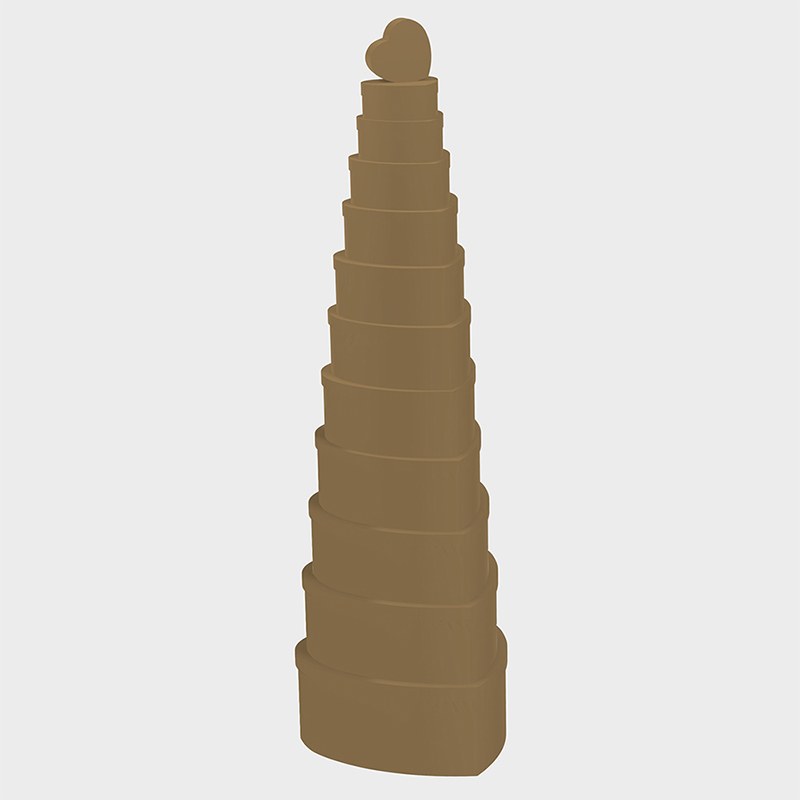
1201 Monochrome UV Coated Recycled Cardboard Laminated Holiday Gift Box
One of the product's most important advantages is its use of recycled cardboard. Consumers and businesses are increasingly attentive to packaging waste, material sources, and the environmental impact of disposable products. A recycled paperboard gift box gives brands a practical way to respond to these expectations.
Compared with packaging made entirely from virgin paperboard, recycled cardboard can support a more resource-conscious product story. Compared with plastic gift packaging, paperboard is often easier to integrate into established paper recycling systems, subject to local recycling rules and the final combination of coatings, adhesives, and components. Companies should communicate material claims accurately, but the recycled foundation provides a strong starting point for sustainability-oriented packaging programs.
Rigid gift boxes can offer excellent presentation, but they may also require more raw material, occupy more storage space, and add weight to shipments. The 1201 model uses paperboard and surface finishing to create a structured and premium-looking package while remaining comparatively lightweight.
This balance is valuable for online retailers and exporters. A gift box that looks substantial but does not add unnecessary weight can help businesses manage shipping costs and warehouse handling. It can also make multipiece gift sets easier to transport from manufacturing facilities to distribution centers and retail stores.
Untreated paper packaging may be vulnerable to fingerprints, abrasion, moisture, and general handling marks. The UV-coated and laminated surface of the 1201 box is designed to improve resistance and maintain a more attractive appearance during its service life.
This is particularly important for seasonal products. Holiday packaging may be produced weeks or months before the selling period. It may be stored in warehouses, moved between facilities, displayed on shelves, and handled by several people before reaching the final customer. Additional surface protection helps the box remain presentable through these stages.
Some gift box suppliers offer only fixed sizes and pre-existing designs. The 1201 product provides broader customization options, including dimensions, colors, patterns, and design support. This helps customers achieve a more exact fit and create packaging aligned with their market positioning.
Custom dimensions can reduce unnecessary internal space, improve product stability, and make the complete gift set look more intentional. Custom colors can support brand consistency, while custom patterns can distinguish limited editions or seasonal collections. The ability to adjust these elements gives businesses more control over the final customer experience.
The product is not restricted to one type of merchandise or one calendar event. It can function as gift wrapping, storage packaging, or a presentation box for gifts and crafts. This versatility can be advantageous for companies with changing product lines or multiple seasonal campaigns.
A single basic box structure may be adapted for Valentine's Day, Christmas, New Year's, birthdays, anniversaries, corporate events, and everyday retail use. This may simplify packaging development and help buyers create a consistent family of products without commissioning an entirely new structural concept for every occasion.
Design and packaging development can be challenging for buyers who do not have an internal packaging engineering team. The manufacturer's in-house design group can provide advice on artwork, dimensions, structural requirements, and production feasibility. This support can reduce the gap between a marketing concept and a manufacturable package.
Professional support is especially useful when a customer wants special dimensions, multiple size variations, unusual color matching, or a design that must be reproduced consistently across large quantities. A manufacturer involved from the early design stage can identify potential issues before mass production begins.
The manufacturing process begins with understanding the product, intended market, dimensions, opening experience, visual identity, and shipping requirements. The manufacturer can work from customer-supplied artwork or develop recommendations through its own design team.
At this stage, the dimensions should be matched to the product and any internal components. The design team may consider clearance, folding or assembly lines, lid fit, stacking, print areas, and the position of logos or decorative elements. Correct preparation at the design stage helps reduce material waste and improves the consistency of the finished box.
Customer artwork supplied in Artificial Intelligence or CorelDRAW formats can be reviewed for print readiness. Important considerations include color mode, bleed, trim lines, image resolution, font conversion, and the placement of graphics in relation to folds and edges.
For monochrome designs, color accuracy is especially important. A single dominant color covers a large visual area, so even modest variation may be noticeable. The production team can help customers select CMYK values, Pantone references, or custom colors according to the project requirements.
Recycled cardboard and coated paper materials are selected according to the required box size, stiffness, surface quality, and application. Material preparation must account for the balance between durability and weight. A box for lightweight crafts may require different structural characteristics from a box intended for a heavier gift set.
Material consistency supports reliable production. Variations in thickness, moisture content, surface texture, or stiffness can affect folding, lamination, printing, and final assembly. Experienced manufacturers use established material specifications and production controls to reduce these risks.
The 1201 model supports CMYK, Pantone colors, and custom colors. CMYK printing can provide a broad range of process colors, while Pantone references may be preferred when a brand requires a more controlled spot-color identity. Custom colors can be developed for special campaigns or distinctive brand palettes.
Color management is not only a visual issue. It also affects how different production batches appear when used together. For large orders, the manufacturer should establish approved color references and production samples before proceeding with the full run. Sampling gives the customer an opportunity to review the tone, layout, and overall appearance.
After printing, the surface can be processed through UV coating and lamination according to the selected specification. These finishing steps require careful alignment and process control so that the surface remains smooth and the artwork is not distorted.
UV coating can add visual depth and surface resistance, while lamination reinforces the outer layer and contributes to a more rigid feel. The correct combination depends on the desired appearance, product positioning, and budget. A manufacturer with experience in both processes can recommend an appropriate specification instead of treating printing and finishing as separate decisions.
Printed and finished sheets are converted into box components through cutting and creasing. Accurate cutting defines the outer profile, while precise creasing allows the paperboard to fold cleanly along the intended lines. Inconsistent creasing can result in uneven corners, poor alignment, or difficulty during assembly.
Forming and assembly must preserve the dimensions established during design. The box should hold its shape, provide a suitable fit for the product, and present clean edges. Quality checks at this stage may focus on structural alignment, surface condition, adhesive application, and overall appearance.
Finished gift boxes are inspected before packing. Typical inspection points include color, printing position, coating uniformity, lamination quality, dimensions, folding accuracy, cleanliness, and visible damage. The exact inspection procedure may vary according to the customer's requirements and the product specification.
The listed packaging arrangement is 10 pieces per set, with four sets per carton. Carton dimensions are provided as approximately 66 × 34 × 30 centimeters, with a stated CBM of 0.066, and an additional carton specification of approximately 66 × 34 × 45 centimeters, with a stated CBM of 0.1. Buyers should confirm the final packing configuration, quantity, and carton measurements before shipment because these details may vary according to size, order mix, and customer requirements.
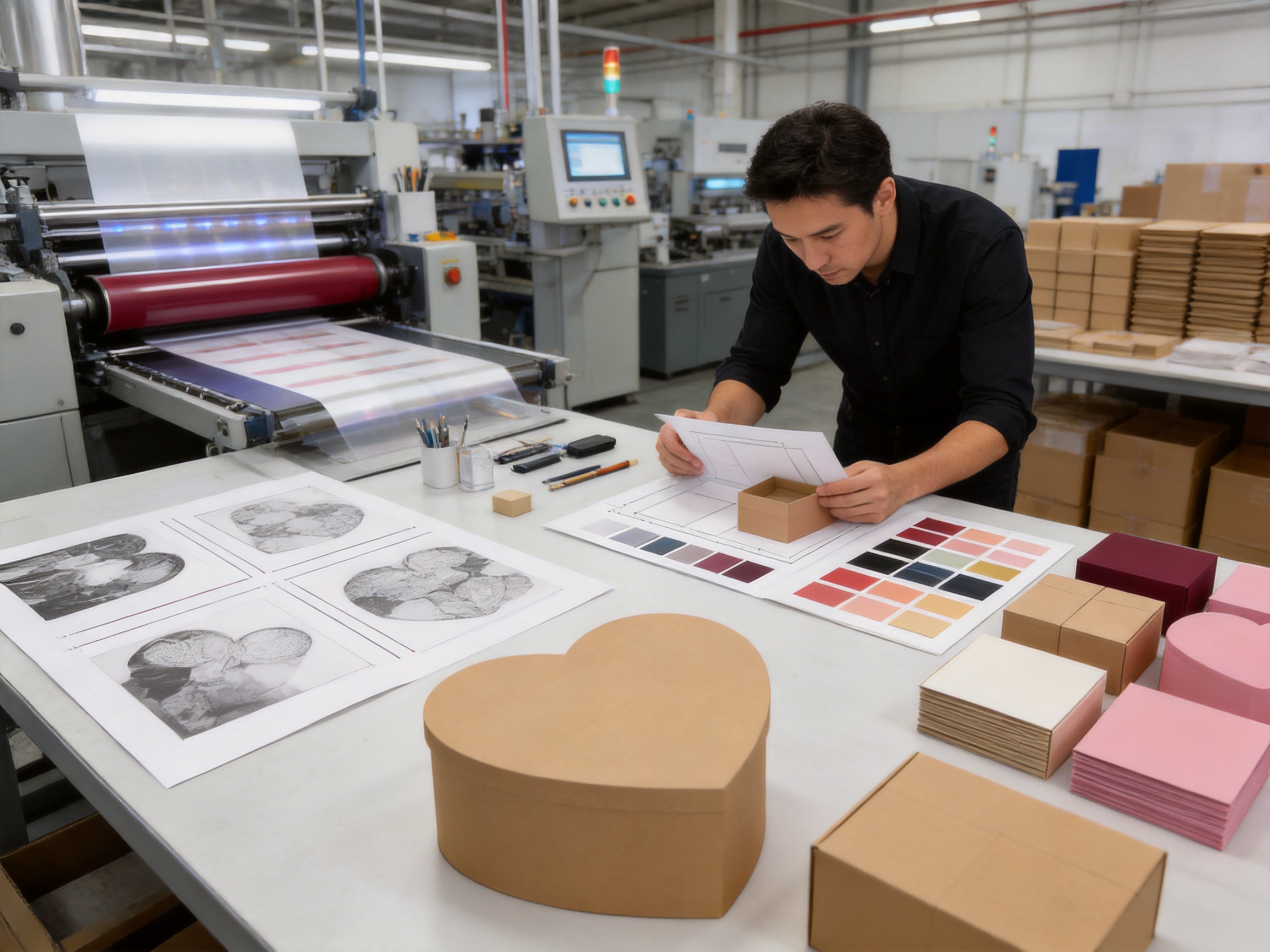
Zhejiang Shihao Gift Packaging Co., Ltd. is an export-oriented manufacturer specializing in paper gift packaging boxes. Its product scope includes kits, storage boxes, folding boxes, jewelry boxes, and gift boxes. This product breadth indicates experience across several packaging structures and applications rather than a narrow focus on one type of paper container.
The company has been operating for more than 15 years, giving it substantial experience in product development, production planning, customer communication, and international order fulfillment. Long-term experience is valuable in custom packaging because each project may involve different artwork, materials, dimensions, finishing requirements, and shipping arrangements.
The manufacturer's approximately 20,000-square-meter facility and workforce of around 300 employees support coordinated production on a commercial scale. Its reported average daily production capacity of about 5,000 sets of gift boxes is relevant to customers planning seasonal promotions or larger retail programs. Capacity does not remove the need for production scheduling, but it can provide a stronger foundation for meeting planned delivery windows.
The company also maintains its own design team. This internal resource can support custom artwork, structural proposals, and product updates. The company reports updating dozens of products each week, which suggests an active approach to market trends, seasonal packaging, and changing customer preferences.
Certifications and responsible sourcing credentials are important considerations for international buyers. The company has passed BSCI and FSC certifications. Buyers should request current certification documentation and confirm which materials or production sites are covered by the relevant certification when making compliance claims. Nevertheless, these credentials indicate that social responsibility and responsible forestry considerations are part of the manufacturer's business framework.
Export experience is another important strength. The company's products are exported to Europe, the United States, the Middle East, and other regions. International packaging orders often require attention to communication, documentation, production approvals, carton planning, port arrangements, and delivery schedules. Familiarity with overseas markets can make coordination more efficient for customers located outside China.
The standard range offers multiple dimensions, from larger gift box formats to compact boxes for small products. Customers can select among available sizes or request a custom dimension. A precise size can improve the visual proportion of the packaging and reduce the need for additional filler materials.
Before finalizing dimensions, buyers should provide the product's length, width, height, weight, and any protective insert requirements. If the package will include multiple items, the arrangement of those items should also be considered. A packaging designer can then determine suitable internal clearance and structural allowances.
Color options include CMYK, Pantone colors, and custom colors. A Pantone reference may be useful for a brand that needs consistent color reproduction across different packaging projects. CMYK may be suitable for designs with gradients, images, or multiple process colors. Custom colors can be developed when a particular shade is central to the marketing concept.
For holiday packaging, color selection can communicate mood and occasion. Warm tones may support Valentine's Day, while deep green, red, gold, silver, or winter neutrals can support Christmas and New Year's collections. Businesses may also choose a neutral monochrome base that works across several occasions.
Customers can submit their own patterns or work with the manufacturer's design team. Artwork may include logos, decorative illustrations, text, product information, or repeated surface motifs. A simple monochrome layout can create an elegant appearance, while selective graphics can make the package more playful or festive.
Design files should be prepared according to the manufacturer's technical requirements. Customers should confirm bleed, trim, color references, minimum line thickness, and image resolution before approval. A physical or digital proof can help identify unexpected results before mass production.
The UV-coated and laminated surface is a central feature of the product, but finishing details may be discussed according to the desired appearance and budget. Buyers may ask about surface sheen, protective requirements, and the compatibility of additional finishing elements with the chosen material and artwork.
When selecting finishes, it is important to consider the complete customer experience. A highly glossy package may create a bright and polished appearance, while a more restrained finish may communicate sophistication. The most suitable option depends on the product category, target market, retail environment, and brand identity.
The product is categorized as a Valentine's Day gift box and is well suited to romantic gift collections. It can hold small presents, confectionery, personal accessories, handmade products, or curated bundles. Custom colors and patterns can help distinguish different price levels or product series within a Valentine's Day campaign.
A well-finished box can add emotional value to the gift-opening experience. The recipient may keep the box for storage or reuse it for another purpose, extending its usefulness beyond the initial purchase. This is one reason why a durable, attractive surface can be commercially valuable.
Seasonal retailers can adapt the same structural concept for Christmas or New Year's products. The box may be printed with winter patterns, festive colors, celebration messages, or a restrained premium design. The ability to customize the artwork allows the package to change without requiring a fundamentally different box format.
For corporate holiday gifts, the box can combine a seasonal theme with company branding. This can create a professional presentation for employee gifts, customer appreciation programs, event merchandise, or partner packages.
Business gifts often require packaging that reflects reliability and professionalism. The monochrome design can create a clean visual impression, while custom printing can incorporate corporate colors and logos. Lamination and UV coating help the package look polished when presented during meetings, events, or formal occasions.
Because the manufacturer supports custom designs and dimensions, businesses can create a package that fits a specific gift set rather than using a generic retail box. This improves presentation and can make the gift appear more carefully considered.
The product can also be used for personal collections, handmade goods, stationery, crafts, and decorative products. The box provides a practical storage function while giving the item a more complete presentation. Small sizes may be especially suitable for compact objects, accessories, cards, or craft kits.
Retail and e-commerce brands need packaging that performs both visually and logistically. The box should attract attention, protect the product, and withstand distribution. Its paperboard construction and protective surface treatments are suited to businesses seeking a balance between presentation and transport practicality.
For e-commerce, the gift box may be placed inside a shipping carton or protective mailer. The box's laminated and coated exterior can help it remain attractive when it is handled through fulfillment operations. Customers should still select appropriate secondary packaging for fragile products and long-distance shipping conditions.
The listed minimum order quantity is 300 pieces, identified in the product information as 300 episodes. Buyers should confirm whether the minimum applies per size, per design, per color, or per combined order. Custom printing and multiple size variations may have separate production requirements.
The stated delivery time is approximately 7 to 45 days or according to customer requirements. Actual timing may depend on artwork approval, sampling, material availability, order quantity, production scheduling, finishing complexity, and shipping arrangements. Early planning is particularly important for Valentine's Day, Christmas, and New Year's campaigns because seasonal demand can affect factory capacity and transportation schedules.
The sampling date is listed as approximately 1 to 3 working days. A sample can help confirm the structure, artwork, color, surface treatment, and overall quality before mass production. Customers should review samples carefully and provide consolidated approval comments to avoid delays.
Payment terms generally use T/T, although other methods may be discussed. The port is identified as Ningbo, with arrangements subject to customer requirements. Buyers should confirm the final trade terms, shipping documents, carton count, loading plan, and responsibility for freight, insurance, customs, and destination charges.
| Item | Specification | Customer Consideration |
|---|---|---|
| Product model | 1201 | Confirm the exact model and selected size before production. |
| Product type | Monochrome UV-coated recycled cardboard laminated holiday gift box | Suitable for seasonal, retail, business, and storage applications. |
| Primary material | Art paper-coated cardboard surface with recycled cardboard foundation | Balance sustainability, appearance, stiffness, and weight. |
| Colors | CMYK, Pantone colors, and custom colors | Approve color references or samples before mass production. |
| Available dimensions | Approximately 33 × 32.3 × 14 cm to 11 × 10 × 5 cm | Multiple sizes are available; custom dimensions may be requested. |
| Applications | Gift wrapping, storage, gifts, crafts, retail, and seasonal collections | Confirm internal product fit and protective requirements. |
| Design support | In-house design team; custom designs welcome | Artwork can be supplied in Artificial Intelligence or CorelDRAW formats. |
| Minimum order quantity | 300 pieces, subject to confirmation | Verify whether the quantity applies by design, size, or color. |
| Sampling time | Approximately 1–3 working days | Use samples to approve structure, artwork, and finishing. |
| Production time | Approximately 7–45 days or according to requirements | Allow additional time for approval and shipping. |
| Packing reference | 10 pieces per set; four sets per carton | Confirm final packing details for the selected box size. |
| Manufacturer certifications | BSCI and FSC reported | Request current documentation and verify scope when required. |
The first step is to define the product that will be placed inside the box. Measure the item at its widest, longest, and tallest points. Include protective wrapping, inserts, cards, ribbons, or multiple components in the calculation. A box that is too tight may damage the product or create an unattractive presentation, while an oversized box may require excess filler and increase shipping volume.
The second step is to determine the intended presentation. If the box will be opened in a retail environment, the external design and shelf visibility may be the priority. If it will be mailed directly to consumers, surface durability and secondary shipping protection may be more important. If it will be used for corporate gifting, a restrained color palette and precise branding may be preferred.
The third step is to select the visual treatment. Customers should decide whether the box will use a single solid color, a limited-color pattern, a logo-centered design, or a more decorative holiday layout. The monochrome structure is particularly effective when a brand wants consistency and a premium appearance without complex graphics.
The fourth step is to confirm the finishing specification. UV coating and lamination provide a practical combination of appearance and protection, but the final surface effect should be evaluated through a sample. Buyers should check how the finish interacts with the selected color, printed text, artwork, and lighting conditions.
The final step is to establish a realistic production and delivery schedule. Seasonal orders should be planned well before the sales period. Artwork approval, sampling, revisions, mass production, inspection, export documentation, and transportation all require time. Early communication helps reduce the risk of rushed decisions and missed market windows.
The use of recycled cardboard is a meaningful feature of the 1201 gift box. Packaging sustainability involves several factors, including material source, manufacturing efficiency, package weight, durability, shipping volume, reuse potential, and end-of-life handling. No single feature defines the entire environmental profile, but recycled paperboard can contribute positively to a broader responsible packaging strategy.
The lightweight structure may reduce the amount of material required compared with heavier rigid packaging. It can also help lower transportation weight and improve warehouse efficiency. When the box is sized accurately, reduced empty space may further improve logistics performance.
Durability is also relevant to sustainability. A package that remains attractive and functional through storage, transportation, and gifting is less likely to be discarded prematurely because of visible damage. If the box is reused for storage or personal organization, its useful life can be extended beyond the original transaction.
Businesses should make clear and accurate environmental claims. The recyclability of a finished package may depend on local collection systems and the combination of cardboard, coatings, laminates, adhesives, inks, and other components. Buyers should consult the manufacturer about the exact material construction and request documentation when environmental certifications or formal claims are necessary.
The manufacturer's reported FSC and BSCI certifications may support responsible sourcing and social compliance discussions, but customers should verify current certificates and applicable scope. This is especially important for brands with formal procurement standards or sustainability reporting requirements.
Custom packaging is not simply a matter of selecting a box from a catalog. It involves design decisions, material selection, artwork preparation, printing, finishing, structural conversion, inspection, packing, and logistics. A manufacturer that can support these stages internally may offer a smoother process than a supplier that only coordinates one production step.
The company's design team can help transform a general concept into a production-ready package. Its experience with gift boxes, storage boxes, folding boxes, jewelry boxes, and kits provides a useful foundation for understanding different structural requirements. Its equipment and production capacity can support both standard products and customized programs.
International customers may also benefit from the company's export experience. Communication about specifications, approvals, packaging, documentation, and port arrangements is often as important as the physical production. An experienced export manufacturer can help customers identify the information needed to move from inquiry to shipment.
For businesses developing a long-term packaging program, working with one experienced manufacturer may improve consistency across multiple products. The same supplier can potentially support different sizes, seasonal artwork, product categories, and future packaging updates while maintaining a recognizable quality standard.
The 1201 model combines recycled cardboard with an art paper-coated surface, UV coating, and lamination. This combination gives it a more refined appearance, improved surface resistance, and greater structural feel than many untreated paper gift boxes. It also offers multiple sizes, custom colors, custom artwork, and professional design support.
No. Although it is categorized as a Valentine's Day gift box, the design can be adapted for Christmas, New Year's celebrations, anniversaries, business gifts, retail products, crafts, and personal storage. Custom colors and patterns allow the same general structure to support different occasions.
Yes. The product has a listed size range from approximately 33 × 32.3 × 14 centimeters to 11 × 10 × 5 centimeters, and customized dimensions are available. Customers should provide accurate product measurements and confirm the final internal and external dimensions before production.
The listed color options include CMYK, Pantone colors, and custom colors. The appropriate option depends on the artwork, brand requirements, and desired level of color control. A physical sample or approved color reference is recommended for important projects.
Yes. Custom patterns and designs are welcome, so a company logo, brand name, slogan, or other approved artwork can be included. Customers should provide print-ready files and confirm placement, size, color, and finishing before production.
The product information identifies Artificial Intelligence and CorelDRAW as supported design file formats. Customers should confirm technical requirements such as bleed, fonts, linked images, color mode, and artwork scale with the design team.
UV coating contributes to a modern, polished appearance and can improve resistance to abrasion and moisture exposure. It helps the surface remain more attractive during storage, handling, transportation, and retail presentation.
Lamination creates a smoother and more rigid surface. It can improve the tactile quality of the box, provide an additional layer of protection, and help the packaging maintain its appearance during routine use.
The listed minimum order quantity is 300 pieces. Customers should confirm whether this minimum applies to each design, size, color, or combined order, especially when ordering multiple variations.
The stated delivery time is approximately 7 to 45 days or according to customer requirements. The final schedule depends on artwork approval, sampling, material availability, order quantity, finishing complexity, production planning, and shipping arrangements.
The listed sampling time is approximately 1 to 3 working days. Customers should allow additional time for shipping the sample, reviewing it, requesting revisions if needed, and approving the final specification.
The box is suitable as product packaging, but direct-to-consumer shipments may require a separate protective mailer or shipping carton. The appropriate secondary packaging depends on the product's fragility, shipping distance, handling conditions, and courier requirements.
Not necessarily. Recycled cardboard is an important material feature, but the recyclability of the completed package can depend on local facilities and the combination of coatings, laminates, adhesives, and other components. Customers should confirm the exact construction and local recycling requirements before making specific claims.
The manufacturer reports BSCI and FSC certifications. Buyers who require certification for procurement or marketing purposes should request current documentation and verify the certificate scope, validity, and relevance to the ordered product.
The company is located in Jinhua, Zhejiang, China, and the listed port is Ningbo, subject to customer requirements. Final shipping arrangements, trade terms, documentation, and destination services should be confirmed during order negotiation.
The 1201 Monochrome UV-Coated Recycled Cardboard Laminated Holiday Gift Box provides a balanced solution for businesses that need attractive, durable, customizable, and environmentally oriented packaging. Its recycled cardboard foundation supports a responsible material story, while the art paper-coated surface, UV coating, and lamination create a smoother and more premium presentation.
The product's advantages extend beyond appearance. Multiple sizes, custom dimensions, flexible color systems, professional design support, and broad application possibilities make it suitable for seasonal campaigns, retail collections, corporate gifts, crafts, storage, and e-commerce products. Its relatively lightweight paper-based construction can also support efficient storage and transportation.
Zhejiang Shihao Gift Packaging Co., Ltd. adds value through more than 15 years of manufacturing experience, an approximately 20,000-square-meter facility, a workforce of around 300 people, an in-house design team, reported daily production capacity of about 5,000 sets, and export experience across Europe, the United States, the Middle East, and other regions. Its reported BSCI and FSC certifications further support discussions about social responsibility and responsible material sourcing.
For buyers seeking a gift box that combines a modern monochrome style with practical protection and custom manufacturing capability, the 1201 model offers a strong foundation. By confirming dimensions, artwork, color references, finishing requirements, order quantities, certification needs, and delivery schedules in advance, customers can develop packaging that protects products, strengthens brand presentation, and creates a more memorable gift-opening experience.
1. Product specification sheet for the 1201 Monochrome UV-Coated Recycled Cardboard Laminated Holiday Gift Box.
2. Manufacturer-provided material information concerning recycled cardboard, art paper-coated surfaces, UV coating, and lamination.
3. Manufacturer-provided company profile and production capability information for Zhejiang Shihao Gift Packaging Co., Ltd.
4. General packaging design principles concerning paperboard construction, printing, surface finishing, structural packaging, and transport protection.
5. General sustainability guidance concerning recycled paper materials, responsible forestry, packaging weight, reuse, and local recycling systems.
Recommended Products

Contact Us

No. 15, Xiayang Road, Huangzhai Town, Jinhua, Zhejiang, China

(+86) 579-84230069

(+86) 13085675766


Products

Gift Box Packaging Manufacturer
 English
 Français
 Español
 عربى