2026-07-28
Gift packaging has become an important part of the product experience. Customers increasingly evaluate not only what is inside a box but also how the product is presented, protected, and delivered. A well-designed gift box can create anticipation, communicate quality, support a brand’s visual identity, and encourage customers to share their experience with others. At the same time, brands are under growing pressure to reduce unnecessary material use and demonstrate responsible environmental practices.
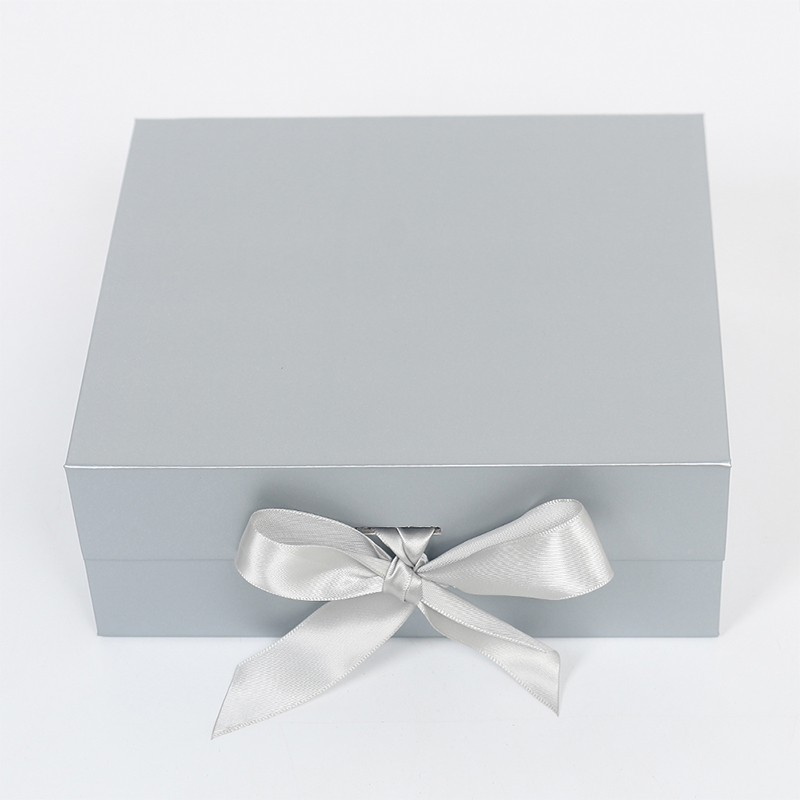
The 1201 monochrome UV-coated recycled cardboard laminated holiday gift box addresses these requirements through a combination of recycled paperboard, protective surface finishing, structural rigidity, customizable dimensions, and refined visual presentation. It is designed for Valentine's Day gift packaging but can also be adapted for Christmas, New Year celebrations, corporate gifting, personal collections, retail products, and other seasonal applications.
Manufactured by Zhejiang Shihao Gift Packaging Co., Ltd., the box is part of a wider range of custom paper packaging products that includes gift boxes, storage boxes, folding boxes, jewelry boxes, kits, and other paper goods. The manufacturer combines professional design support, flexible customization, established production capacity, export experience, and recognized management certifications to serve customers in different markets.
This article examines the structure, material benefits, finishing technology, customization opportunities, production capabilities, logistics considerations, and competitive advantages of the 1201 gift box. It also explains how businesses can use this packaging format to create a more attractive and responsible product presentation.
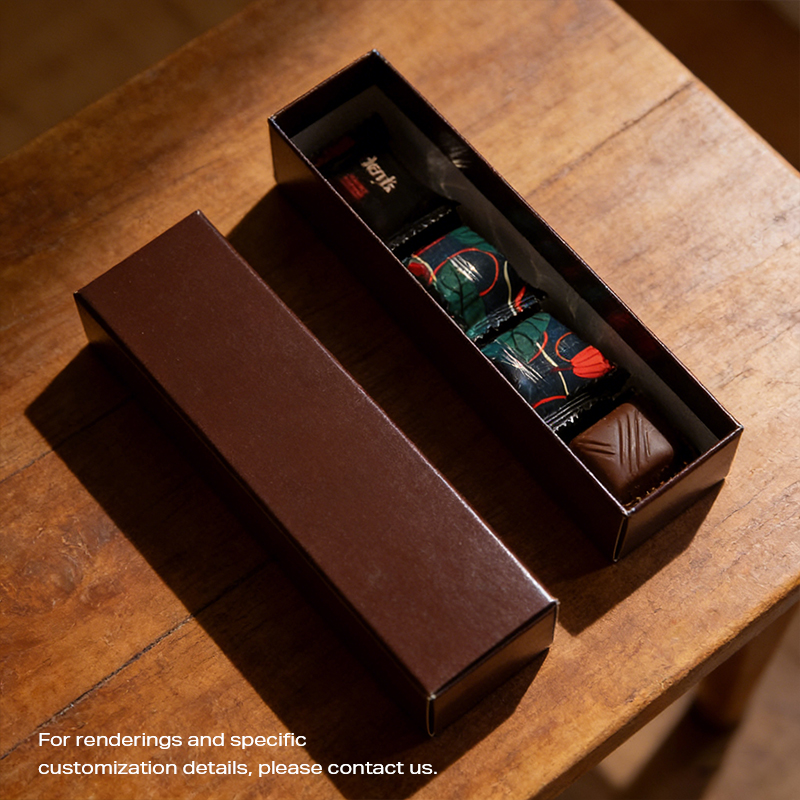
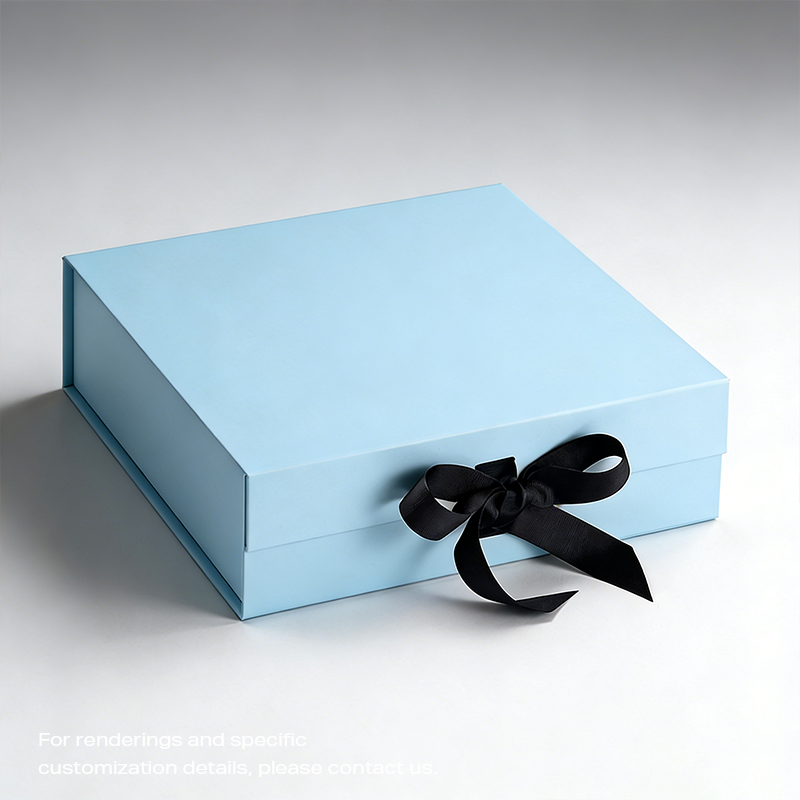
The 1201 gift box is a holiday-oriented paperboard packaging solution with a monochrome appearance, UV-coated surface, recycled cardboard construction, and laminated exterior. Its design combines a clean visual style with practical protection, making it suitable for brands that want packaging to look premium without relying on overly complicated graphics or excessive decorative elements.
The product is categorized under gift boxes, other paper products, and stationery storage boxes. Although it is presented as a Valentine's Day gift box, its simple color treatment and adaptable structure allow it to be used for many occasions. A single packaging concept can therefore support several seasonal campaigns, reducing the need to develop an entirely new box for every holiday.
The standard project number is 1201#. The available dimensional range extends from approximately 33 × 32.3 × 14 centimeters for the largest listed size to approximately 11 × 10 × 5 centimeters for the smallest listed size. This range supports different product categories, from larger gift assortments and decorative sets to small accessories, stationery, crafts, and personal keepsakes.
The box uses an art paper-coated cardboard surface. Color production can be completed with CMYK, Pantone colors, or custom color specifications, allowing customers to match a corporate identity, holiday palette, or retail collection. Professional design advice is available through an in-house design team, and customers may also submit their own design files in suitable formats such as Artificial Intelligence or CorelDRAW files.
As a packaging product, the 1201 box is not limited to basic wrapping. It can function as a product container, storage solution, gift presentation box, collector’s box, promotional package, or seasonal display element. Its combination of structure and surface quality helps it remain useful after the original gift has been opened.
Recycled cardboard provides an important foundation for brands seeking a more responsible packaging option. Paperboard is widely used in packaging because it is lightweight, printable, foldable, and adaptable to many shapes. When recycled fibers are incorporated into the material system, the packaging can support a more resource-conscious product strategy.
The use of recycled cardboard can help reduce dependence on newly produced paper fibers and supports the broader circular use of paper-based materials. Although the environmental performance of any package depends on the complete supply chain, including sourcing, coatings, inks, transportation, and end-of-life handling, recycled paperboard is an important step toward reducing the material impact of many gift packaging applications.
For modern consumers, material selection has become part of brand communication. A recycled cardboard gift box can demonstrate that a brand is considering packaging responsibility as part of its product development process. This message is especially relevant for companies selling lifestyle products, handmade goods, beauty items, stationery, confectionery, accessories, and other products commonly purchased as gifts.
Recycled cardboard also provides a natural connection between packaging and sustainability storytelling. Brands can explain their material choices through product inserts, website content, retail displays, or campaign messaging. A box with a simple monochrome design can reinforce this message by avoiding a visually overloaded appearance and giving the packaging a more thoughtful, contemporary character.
It is important to note that sustainability is not achieved through material choice alone. Businesses should also consider the amount of material used, the durability of the box, the efficiency of shipping, and whether local recycling systems can process the finished package. A durable box that can be reused for storage may provide additional value by extending the useful life of the packaging beyond the first opening.
The 1201 gift box combines UV coating with lamination. These are separate finishing processes that can work together to improve the appearance and performance of the paperboard surface.
UV coating is a surface treatment cured using ultraviolet light. It can create a smooth, refined finish and may be applied to selected areas or to broader portions of the package, depending on the intended visual effect and production specification. On a monochrome design, UV treatment can create subtle differences in reflection, helping the box appear more sophisticated without requiring multiple colors or complex illustrations.
In addition to its visual contribution, UV coating can improve resistance to surface abrasion. Gift boxes are handled at multiple stages, including manufacturing, packing, warehousing, transportation, retail display, and final delivery. A suitable coating can help reduce the appearance of minor scuffs and preserve the visual quality of the package during these stages.
UV-coated surfaces may also provide improved resistance to limited exposure to moisture. This does not mean the box is waterproof or suitable for prolonged contact with water. Instead, the coating can offer an additional protective barrier against occasional splashes, humid handling conditions, or light surface contamination. The exact performance depends on coating coverage, paperboard structure, and the conditions of use.
Lamination applies a thin film or laminated layer to the printed paperboard surface. It can create a smoother tactile finish, increase surface rigidity, and protect the printed design. Lamination is particularly useful when a box must maintain a polished appearance through transportation and repeated handling.
The laminated surface can also help the box feel more substantial in the customer’s hands. This tactile impression is valuable in gift packaging because the act of opening a package is part of the emotional experience. A package that feels firm, smooth, and carefully finished can suggest that the enclosed product has been prepared with equal attention.
When UV coating and lamination are used together, the result is a layered finishing approach. The paperboard provides the structural base, lamination adds surface protection and smoothness, and UV treatment contributes visual character and additional resistance. The combination can deliver a more durable and premium result than an untreated paperboard surface.
Many low-cost gift boxes compete primarily on price and may use thin board, minimal finishing, or basic printing. While these options can be appropriate for short-term promotional needs, they may not provide the visual consistency, rigidity, or surface protection expected by premium retailers and customers.
The 1201 box is positioned differently. Its monochrome style is supported by finishing processes that make the design look deliberate rather than plain. The smooth exterior, protective coating, and laminated structure help the package compete with more elaborate boxes while preserving a restrained and modern appearance.
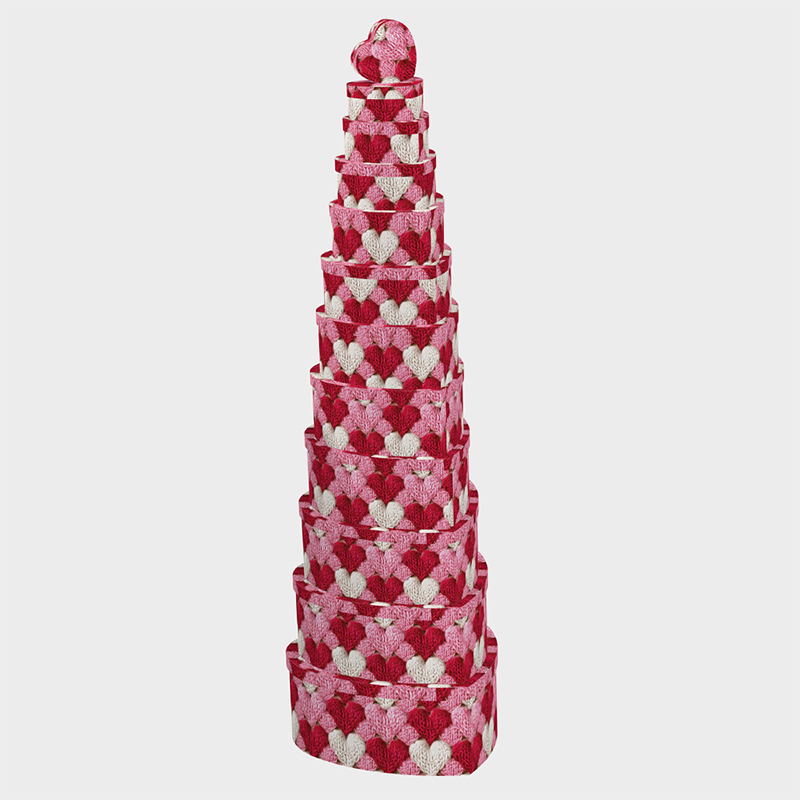
1201 Monochrome UV Coated Recycled Cardboard Laminated Holiday Gift Box
Monochrome packaging uses one dominant color or a controlled single-color visual system. This approach can be highly effective because it creates a clear and recognizable appearance. Instead of depending on many colors, the design can communicate quality through proportion, typography, texture, finishing, and structural form.
For Valentine's Day, a monochrome box can be produced in colors associated with romance, elegance, or softness. Red, pink, burgundy, white, black, and custom brand colors may all be considered depending on the product and target market. For Christmas, the same box structure could be adapted to green, red, white, gold, or another seasonal palette. For corporate gifts, a company’s primary brand color can create a consistent and professional presentation.
The restrained design also improves cross-season usability. A highly specific holiday illustration may be difficult to reuse after one campaign. By contrast, a monochrome format can be updated with a sleeve, label, sticker, ribbon, insert card, or different color treatment. This flexibility may reduce artwork development time and make inventory planning more efficient.
Monochrome packaging can also support premium positioning. Luxury and contemporary brands frequently use limited color palettes because a controlled visual system can make the product appear more confident and intentional. When combined with UV treatment, the box can use contrast between matte and gloss areas, or between smooth and textured surfaces, to create depth without adding visual clutter.
The design is also suitable for companies with strong identity guidelines. A brand can specify exact Pantone colors, logo placement, typography, print coverage, and finishing zones. This makes it easier to maintain consistency across multiple products and packaging sizes.
A gift box must do more than look attractive. It must protect its contents from ordinary handling, stacking, movement, and friction during transportation. The laminated cardboard structure of the 1201 model helps create a more rigid container than a simple paper wrap or lightweight folding sheet.
Improved rigidity can reduce the likelihood of the package bending or losing its shape during distribution. This is particularly important when the box is displayed on a retail shelf or presented directly to a recipient. A box that arrives with crushed corners, surface scratches, or a distorted lid can negatively affect the perceived value of the product inside.
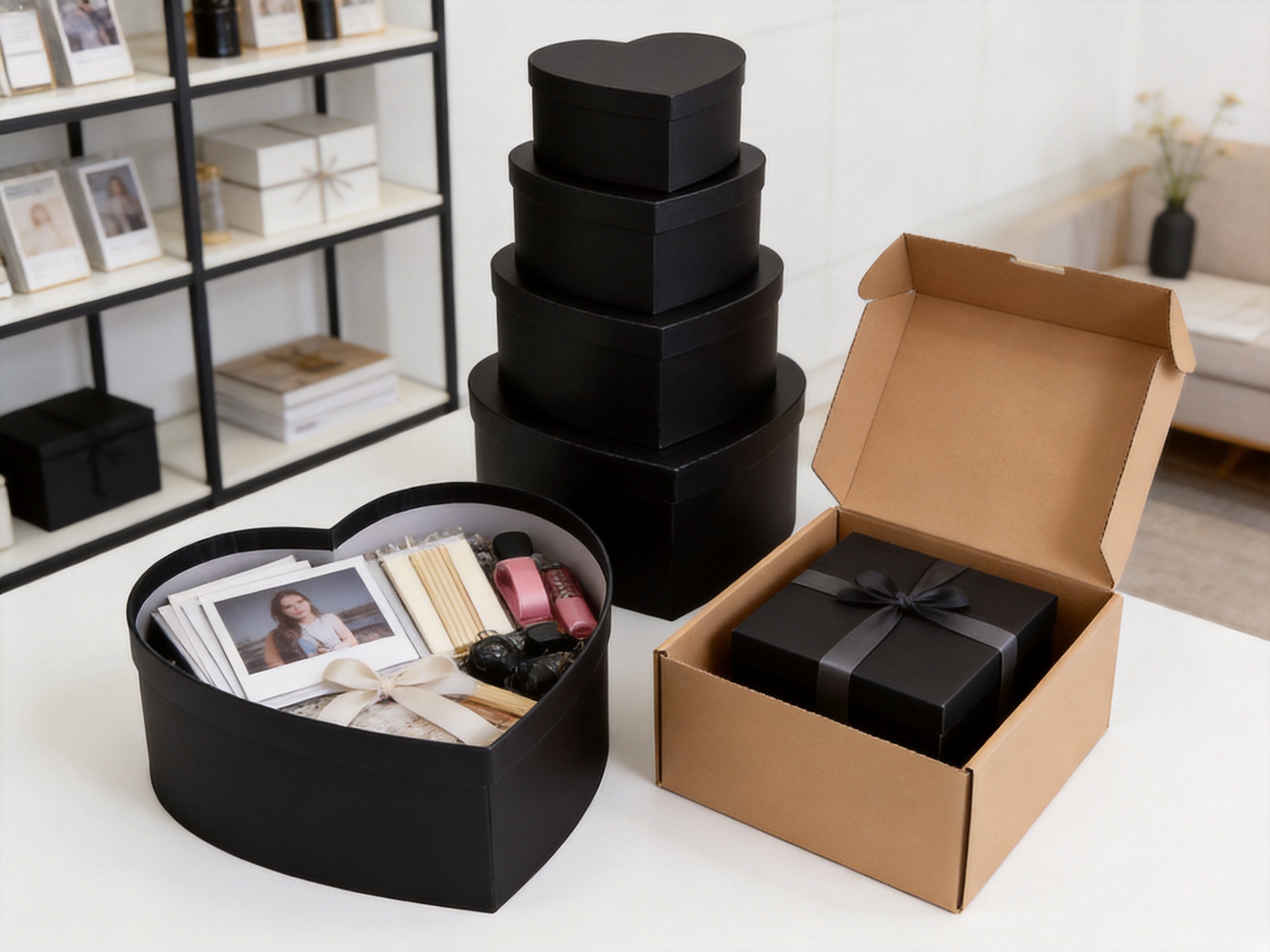
The box is also useful as a storage container after the gift has been opened. Consumers may reuse it for stationery, photographs, accessories, craft materials, small personal items, or keepsakes. This second use can extend the practical life of the packaging and make the box itself part of the gift experience.
For businesses, reusable packaging can provide an additional branding benefit. A box retained in a customer’s home may continue to display a logo, color scheme, or design long after the original purchase. In this way, the package can become a quiet and durable reminder of the brand.
However, packaging should be matched to the product being packed. The appropriate size, board thickness, insert structure, and closure design depend on the weight, fragility, and dimensions of the contents. Customers should provide accurate product specifications during the design stage so that the final box can be engineered appropriately.
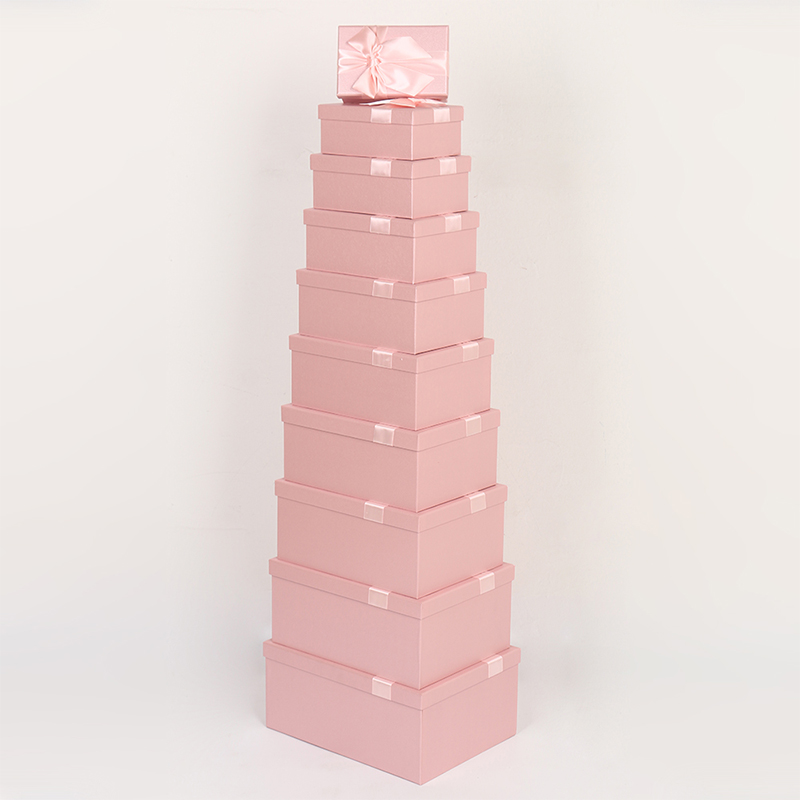
The listed dimensions for the 1201 series range from approximately 33 × 32.3 × 14 centimeters to 11 × 10 × 5 centimeters. This multi-size range allows one design family to serve several product formats. A brand may select larger boxes for gift sets and smaller versions for accessories, jewelry-style items, stationery, or compact promotional products.
Custom sizing is also available. This is a significant advantage over standardized packaging because the box can be designed around the actual product rather than forcing the product into an oversized or poorly fitted container. Proper sizing can reduce empty space, improve presentation, and limit the need for excessive filler material.
A close fit can also support transportation efficiency. When the box dimensions are optimized, more units may fit into a master carton or shipping configuration. This can help reduce wasted volume and potentially improve logistics costs. The final result depends on the product shape, packing method, carton design, and shipping requirements.
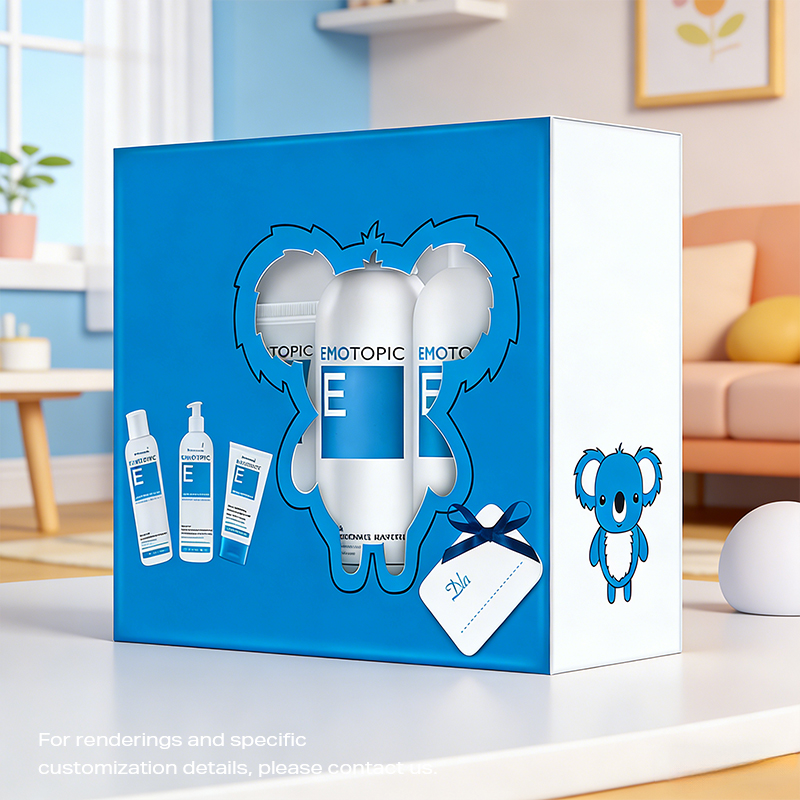
Custom dimensions are especially valuable for brands with unusual product combinations. A gift set may include several small products, a card, a booklet, a decorative item, or a reusable accessory. A custom interior can create organized compartments or a layered opening experience. The manufacturer’s design team can advise on how the box structure should accommodate these elements.
Customers should confirm whether the stated dimensions refer to internal, external, or finished dimensions before approving production. They should also verify tolerances, board thickness, lid clearance, folding allowances, and insert measurements. These details help ensure that the final product fits securely and opens smoothly.
The product supports CMYK, Pantone colors, and custom colors. This gives customers several options for achieving the desired visual result.
CMYK printing is suitable for photographic images, illustrations, gradients, and artwork that uses a broad range of colors. Pantone colors are helpful when a brand needs a more controlled and repeatable spot color. Custom color matching can be discussed when a specific tone is essential to the identity of a product or campaign.
On a monochrome gift box, color accuracy becomes particularly important because the main color occupies a large visual area. Slight differences in tone can affect the overall appearance. A professional prepress and proofing process can help customers evaluate the design before mass production.
The manufacturer’s in-house design team can provide professional advice on artwork preparation, layout, color use, structural details, and finishing coordination. Customers may submit their own design files, while businesses without completed artwork can request assistance developing a suitable packaging concept.
Design support is more than a convenience. Packaging artwork must account for folds, seams, glue areas, die-cut lines, panel direction, surface coatings, and color behavior on the selected material. A design that looks correct on a flat screen may require adjustments when converted into a three-dimensional box.
The product is directly categorized as a Valentine's Day gift box. It can be used for romantic gift sets, personal care products, confectionery, accessories, small decorative items, stationery, and curated collections. A monochrome red, pink, white, or dark-toned finish can create an appropriate seasonal atmosphere while retaining a clean and modern look.
The same box can be adapted for Christmas and New Year campaigns through color changes, seasonal labels, printed messages, or decorative inserts. This makes it useful for retailers that run several holiday programs throughout the year.
Companies can use the box for employee gifts, client packages, event merchandise, promotional sets, and conference materials. Corporate color matching and controlled typography can help create a consistent professional appearance.
Because the box can be reused for storage, it is suitable for stationery, cards, writing tools, craft materials, photographs, and small office supplies. This function aligns naturally with the stationery storage box category.
Retailers and online sellers can use the box as primary packaging or as a gift-ready upgrade. A durable surface can help the package maintain its appearance through fulfillment operations and parcel delivery. Additional protective shipping cartons may still be necessary depending on the product’s fragility and delivery environment.
The box can also hold personal collections, mementos, letters, photographs, and other meaningful objects. Its reusable format gives it value beyond the initial gifting occasion.

Zhejiang Shihao Gift Packaging Co., Ltd. is an export-oriented manufacturer specializing in the production, research and development, and sales of paper gift packaging boxes. The company has more than 15 years of industry experience and operates from a facility covering approximately 20,000 square meters.
The company employs around 300 people and has advanced equipment intended to support design development, printing, finishing, assembly, inspection, and production management. Its reported average daily production capacity is approximately 5,000 sets of gift boxes, providing a foundation for both standard product programs and larger customized orders.
Production capacity is important for buyers that need dependable supply during holiday seasons. Seasonal packaging often involves fixed launch dates, retail booking deadlines, promotional events, and coordinated inventory schedules. A manufacturer with established equipment and personnel can be better positioned to manage these time-sensitive requirements than a small workshop with limited resources.
The company’s production capabilities also support product variety. Its portfolio includes kits, storage boxes, folding boxes, jewelry boxes, gift boxes, and other paper packaging products. Experience across multiple box categories can help the manufacturer recommend suitable structures and finishing methods for different products.
An in-house design team allows packaging development to be handled more directly. Customers can receive advice about structural feasibility, visual presentation, print preparation, and production details without relying entirely on an outside intermediary.
This can shorten communication cycles and reduce the risk of misunderstanding between design and manufacturing departments. It also enables the manufacturer to update product concepts regularly and respond to different market preferences.
The company has passed BSCI and FSC certifications according to the supplied company information. BSCI is associated with social compliance auditing and responsible workplace expectations within supply chains. FSC certification relates to responsible forest management and controlled paper-based sourcing, subject to the specific certification scope and applicable product claims.
Customers should confirm the current certification details, certificate scope, and documentation required for their market before making environmental or social compliance claims. Nevertheless, the stated certifications provide an important foundation for buyers that evaluate supplier responsibility and procurement standards.
The manufacturer exports products to Europe, the United States, the Middle East, and other regions. Experience with international customers can help support communication about specifications, packaging requirements, production schedules, inspection procedures, and shipping documentation.
International buyers should still provide complete information about destination-country regulations, labeling obligations, packaging waste requirements, and import procedures. Supplier export experience is valuable, but compliance responsibilities may be shared between the manufacturer, importer, distributor, and brand owner.
A high-quality gift box is the result of coordinated stages rather than one isolated operation. The following process describes the typical development logic for a product of this type.
The process begins with a discussion of product dimensions, box style, intended use, quantity, color requirements, surface finish, delivery destination, and target schedule. Customers should provide product samples or accurate measurements whenever possible.
The design team develops the box structure, including panels, folds, flaps, lid or closure elements, glue areas, and possible inserts. The goal is to create a package that is attractive, stable, practical to assemble, and suitable for the product’s weight and shape.
Once the structure is approved, artwork is placed onto the correct dieline. The design must account for bleed, fold positions, edges, printing direction, coating areas, and any locations that cannot receive adhesive or surface treatment.
The listed sampling date is approximately one to three working days, subject to the complexity of the project and confirmation of materials. A sample allows customers to evaluate the dimensions, proportions, color, structure, surface, and general presentation before mass production.
For complex gift sets, customers should test the sample with the actual product, insert, tissue paper, card, ribbon, or other components. This helps identify fit and assembly issues at an early stage.
After artwork approval, the paperboard surface is printed using the specified CMYK, Pantone, or custom color approach. Color control is especially important for monochrome products because the primary color is visually dominant.
The printed surface receives the specified lamination and UV treatment. These processes should be coordinated with the artwork and structure to ensure that folds, edges, and glued areas perform properly. The precise finish can be selected according to the desired balance between appearance, tactile quality, abrasion resistance, and cost.
The laminated and coated sheets are cut and creased into the required shape. Accurate die-cutting supports clean edges, consistent dimensions, and reliable assembly. Forming and gluing then convert the flat sheets into finished boxes.
Finished units are checked for appearance, structural integrity, printing consistency, surface defects, and assembly quality. The standard packaging information indicates 10 pieces per set and four sets per carton, although the final packing configuration should be confirmed for each order.
The listed delivery time is approximately 7–45 days or according to customer requirements. The actual schedule may depend on order quantity, artwork approval, material availability, sampling, finishing complexity, production loading, and shipping arrangements.
Holiday packaging should be ordered well in advance. Valentine's Day, Christmas, and New Year campaigns often create concentrated demand. Early planning gives the manufacturer more time to prepare artwork, approve samples, coordinate raw materials, complete production, and arrange transportation.
The listed carton information includes carton dimensions of approximately 66 × 34 × 30 centimeters with a stated CBM of 0.066, and another configuration of approximately 66 × 34 × 45 centimeters with a stated CBM of 0.1. Because the product information combines several packing references, customers should confirm the exact number of sets, units per carton, gross weight, net weight, and cubic volume before shipment.
Efficient packing can help reduce handling damage and use available shipping space more effectively. The manufacturer can advise on carton arrangements based on box dimensions and finished quantities. Buyers should also consider whether finished gift boxes will be shipped flat, partially assembled, or fully formed, as this can affect volume and labor requirements.
The listed port is Ningbo, subject to customer request and shipping arrangements. Buyers should confirm the final port, trade terms, documentation, export responsibilities, and freight method during order negotiation.
Payment is generally handled through T/T, while other payment methods may be discussed. Customers should establish a clear payment schedule, approval procedure, production start date, and balance-payment condition in the purchase agreement.
The listed minimum order quantity is 300 pieces, described in the product information as 300 episodes. Buyers should confirm the exact unit definition before placing an order, especially when the product is packed in sets or cartons.
A minimum quantity of 300 units can be useful for small and medium-sized brands that want customized packaging without committing to very large volumes. It may also suit seasonal product testing, limited collections, corporate events, and new product launches.
To make the most of a smaller custom order, customers should prepare artwork, product dimensions, color references, packing requirements, and delivery information before requesting a quotation. Clear specifications allow the manufacturer to estimate materials, production time, sampling requirements, and shipping volume more accurately.
Businesses should also decide whether they need one colorway, several colorways, multiple sizes, or a combination of these. Splitting an order among many variations may affect minimum quantities, setup costs, and production efficiency. A single structure with several seasonal sleeves or labels may be more economical than producing entirely different boxes.
The 1201 box offers several practical advantages compared with basic paper wraps, thin uncoated cartons, or generic stock gift boxes.
The monochrome design creates a controlled visual identity, while UV treatment and lamination add surface depth and polish. This can make the package appear more premium than an ordinary uncoated box.
Coatings and lamination help protect printed surfaces from ordinary abrasion and limited moisture exposure. This is useful during storage, transportation, retail display, and customer handling.
The laminated cardboard construction provides a more substantial feel and can help the box maintain its shape. This contributes to product protection and customer perception.
CMYK, Pantone, and custom colors allow the package to be adapted to different brands, holidays, and product categories. Custom dimensions further improve fit and presentation.
The box can continue serving as a storage container after the original gift has been removed. This gives the package a longer functional life than disposable wrapping materials.
Recycled cardboard and the manufacturer’s stated FSC-related credentials can support a more responsible packaging strategy, subject to confirmation of certification scope and local recycling conditions.
Access to an in-house design team, professional advice, sampling, and established production facilities can simplify the transition from concept to finished packaging.
Packaging performance depends not only on manufacturing quality but also on how the brand uses the box. The following approaches can help businesses obtain greater value from the 1201 model.
The package should reflect the product’s price, personality, and intended recipient. A refined monochrome box may be suitable for elegant, minimalist, romantic, artisanal, or corporate products. The color, typography, and opening sequence should support the emotional message the brand wants to convey.
Paperboard inserts, molded supports, cards, and dividers can organize the contents and create a more intentional unboxing experience. Inserts should be designed at the same time as the box so that they fit securely without placing excessive pressure on the walls or lid.
A box designed with practical dimensions and a durable finish is more likely to be kept. Brands can encourage reuse by selecting a design that remains attractive after the holiday season and by avoiding unnecessary single-use decorations that cannot be separated from the package.
Brands selling online should test the completed package in realistic shipping conditions. The gift box may require an additional outer carton, protective paper, or cushioning to prevent damage during parcel delivery.
Digital artwork cannot fully demonstrate box rigidity, color appearance, tactile finish, or opening behavior. A physical sample should be evaluated before mass production, especially when the package is part of a premium or time-sensitive launch.
Holiday campaigns should account for design approval, production, shipping, customs, warehouse receiving, product assembly, and retail distribution. Early communication with the manufacturer reduces the risk of rushed production or missed launch dates.
Buyers should establish clear inspection criteria before production begins. These criteria may include paperboard type, thickness, dimensions, color tolerance, printing position, lamination quality, UV coverage, edge condition, glue strength, lid fit, and carton packing.
Color should be evaluated under an agreed lighting condition and compared with an approved sample or reference. Monochrome products can show visible differences if color density changes across production batches.
Surface inspection should check for scratches, bubbles, wrinkles, uneven coating, fingerprints, contamination, and peeling. Edges and corners should be examined because these areas can experience stress during die-cutting, folding, gluing, and transport.
Structural inspection should confirm that the box opens and closes correctly, remains square, supports the intended product, and does not collapse under normal handling. If an insert is included, it should be tested with the actual contents.
Carton inspection should confirm the quantity per carton, internal protection, labeling, gross weight, carton dimensions, and shipping marks. Accurate carton information supports freight planning and warehouse management.
The manufacturer’s experience extends beyond one gift box design. Its product range includes many types of paper packaging, allowing customers to source multiple packaging solutions from one supplier. This can simplify communication, artwork management, quality coordination, and purchasing administration.
More than 15 years of operation indicates established experience in the paper gift packaging sector. The reported 20,000-square-meter facility and workforce of approximately 300 employees suggest an organization with dedicated resources for production and management rather than a purely trading-based operation.
The company’s stated daily capacity of around 5,000 sets supports larger orders and seasonal programs. Its export activity in Europe, the United States, the Middle East, and other markets further indicates experience with international customer requirements.
The company also emphasizes research and development and reports updating dozens of products weekly. For buyers seeking current packaging styles, this product-development focus may provide access to new structures, decorative concepts, and market-oriented solutions.
Its business philosophy—innovation as a foundation, quality as a priority, practicality as an objective, and benefit as a goal—corresponds closely with the needs of commercial packaging buyers. A successful package must be attractive, but it must also be manufacturable, durable, cost-conscious, and suitable for distribution.
| Specification Area | Information to Confirm | Why It Matters |
| Project reference | 1201# or customized project number | Ensures accurate communication and record keeping |
| Material | Recycled cardboard and art paper-coated surface | Determines structure, appearance, and sustainability claims |
| Size | Internal and external dimensions | Ensures the product and inserts fit correctly |
| Color | CMYK, Pantone, or approved custom color | Supports brand consistency and visual accuracy |
| Finishing | Lamination type and UV coating coverage | Defines appearance, tactile feel, and protection |
| Artwork | Approved AI, CorelDRAW, or other production file | Reduces prepress errors and delays |
| Sampling | Physical sample approval before mass production | Allows testing of fit, structure, color, and finish |
| Quantity | Minimum order and exact unit definition | Prevents misunderstanding about pieces and sets |
| Delivery | Required arrival date and shipping method | Supports holiday and campaign planning |
| Carton packing | Units per set, sets per carton, carton size, and weight | Improves freight planning and warehouse preparation |
| Compliance | Certification documents and destination-market requirements | Supports responsible purchasing and regulatory review |
The product is described as a recycled cardboard gift box with an art paper-coated surface. It also uses lamination and UV coating to improve the appearance and surface protection. Customers should confirm the exact board specification, thickness, and finish during quotation and sample approval.
No. Although it is categorized as a Valentine's Day gift box, its monochrome design and customizable colors make it suitable for Christmas, New Year, corporate gifts, retail products, personal collections, stationery, crafts, and other occasions.
Yes. The available color options include CMYK, Pantone colors, and custom colors. A brand can select a color that matches its identity or a particular seasonal campaign.
Custom dimensions are available. The listed size range is approximately 33 × 32.3 × 14 centimeters to 11 × 10 × 5 centimeters, but the final dimensions should be developed around the customer’s product and confirmed through a technical drawing or sample.
UV coating provides a smooth and refined surface and can improve resistance to ordinary abrasion. It may also provide limited resistance to surface moisture. It should not be treated as waterproofing unless a specific waterproof specification has been tested and approved.
Lamination can make the surface smoother, improve the tactile impression, add rigidity, and protect printed artwork. It works together with the cardboard base and UV coating to create a more durable finished package.
Yes. The box is suitable for storage and can be reused for stationery, crafts, photographs, accessories, keepsakes, or other small items. Reuse depends on the box size, product type, and condition after opening.
The listed minimum order quantity is 300 pieces, although the product information uses the term “episodes.” Buyers should confirm whether the quoted quantity refers to individual boxes, sets, or another packing unit.
The listed delivery time is 7–45 days or according to customer requirements. The exact schedule depends on order quantity, artwork approval, material availability, finishing processes, production loading, and shipping arrangements.
The listed sampling date is approximately one to three working days. The actual time may vary according to the structure, artwork, materials, finishing requirements, and sample method.
Yes. The company has an in-house design team and offers professional advice. Customers can submit their own design files, including Artificial Intelligence or CorelDRAW files, or request assistance with development and production preparation.
Potential users include gift retailers, stationery brands, craft companies, lifestyle businesses, corporate purchasing departments, e-commerce sellers, seasonal product manufacturers, and brands that sell curated gift sets or keepsakes.
Yes. The manufacturer is described as an export-oriented company serving Europe, the United States, the Middle East, and other regions. Customers should confirm shipping terms, documentation, certifications, and destination-market requirements for each order.
The supplied company information states that the manufacturer has passed BSCI and FSC certifications. Buyers should request current certificates and verify their scope before using certification-related claims in marketing materials.
It can be adapted for products that require structured presentation, but suitability depends on product weight, fragility, and shipping conditions. Inserts, dividers, cushioning, or an outer shipping carton may be necessary for delicate products.
The 1201 monochrome UV-coated recycled cardboard laminated holiday gift box provides a balanced packaging solution for brands that need appearance, protection, customization, and sustainability-oriented material selection. Its recycled cardboard base supports a more responsible packaging direction, while lamination and UV coating improve the surface experience and help the package withstand ordinary handling.
The monochrome design is one of the product’s strongest commercial advantages. It can look elegant and contemporary, adapt to multiple holidays, support a wide range of brand identities, and remain useful after the original gift has been opened. Custom colors, dimensions, and artwork allow the same basic concept to serve many different product categories.
The manufacturer strengthens the product offering through an established facility, an experienced workforce, in-house design support, advanced equipment, international export experience, and a broad paper packaging portfolio. Its reported production capacity of approximately 5,000 gift box sets per day provides useful support for larger and seasonal orders, while the stated 300-piece minimum order may be accessible to smaller businesses and specialized campaigns.
For the best result, buyers should provide detailed product measurements, approve a physical sample, confirm all packing units, clarify certification documentation, and plan production well before the relevant holiday. When these steps are followed, the 1201 gift box can become more than a container. It can serve as a durable part of the product experience, a reusable storage item, and a visible expression of brand quality and environmental consideration.
1. Product specification information for Project 1201#, including material, dimensions, color options, applications, delivery schedule, packaging, and customization details.
2. Manufacturer-provided company profile describing production experience, facility area, workforce, product categories, export markets, research and development, and daily production capacity.
3. General principles of paperboard packaging design, structural protection, die-cutting, folding, gluing, and product presentation.
4. General industry guidance concerning recycled paperboard, packaging reuse, material efficiency, and responsible packaging communication.
5. General technical information concerning UV-cured coatings, laminated paperboard surfaces, abrasion resistance, tactile finishing, and print protection.
6. General procurement practices for custom packaging, including sampling, artwork approval, inspection criteria, carton configuration, and international delivery planning.
Recommended Products

Contact Us

No. 15, Xiayang Road, Huangzhai Town, Jinhua, Zhejiang, China

(+86) 579-84230069

(+86) 13085675766


Products

Gift Box Packaging Manufacturer
 English
 Français
 Español
 عربى