2026-09-10
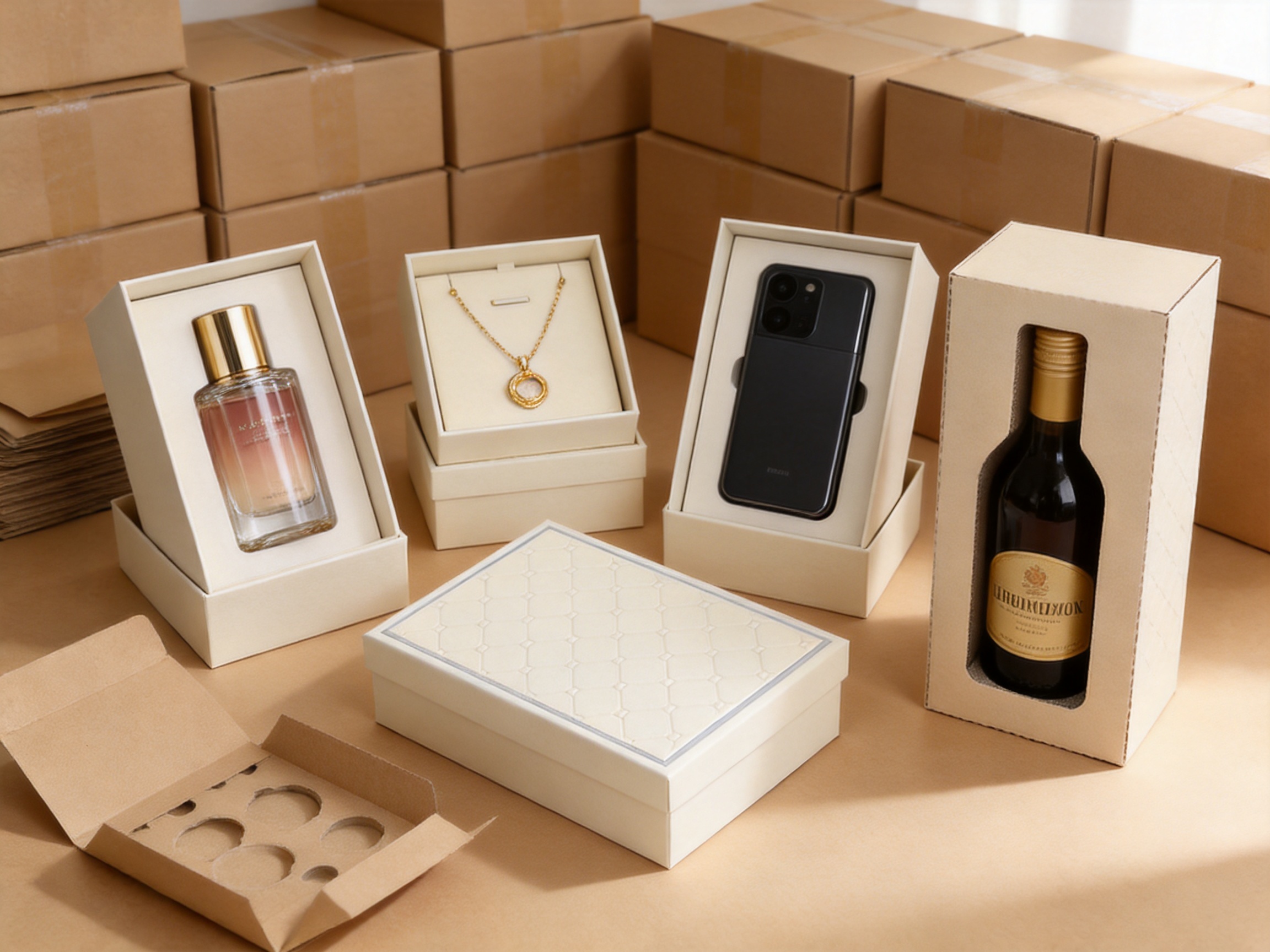
In competitive retail and gifting markets, packaging is no longer merely a protective outer layer. It is an important part of product presentation, brand communication, customer experience, and perceived value. A well-designed gift box can influence how consumers judge the item inside before they open it. Material selection, surface texture, structural stability, color, finishing quality, and customization options all contribute to the final impression.
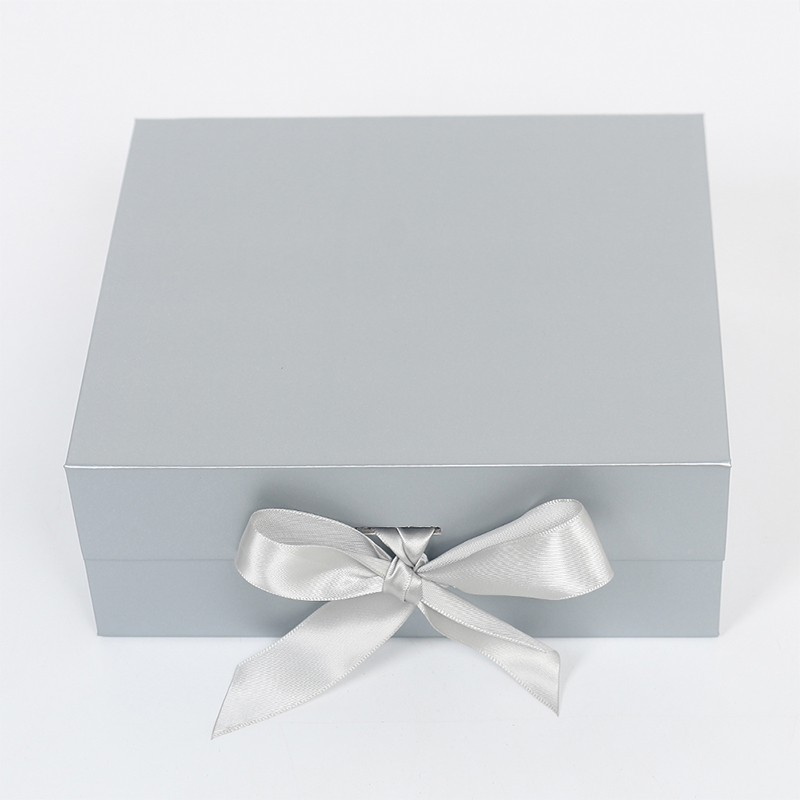
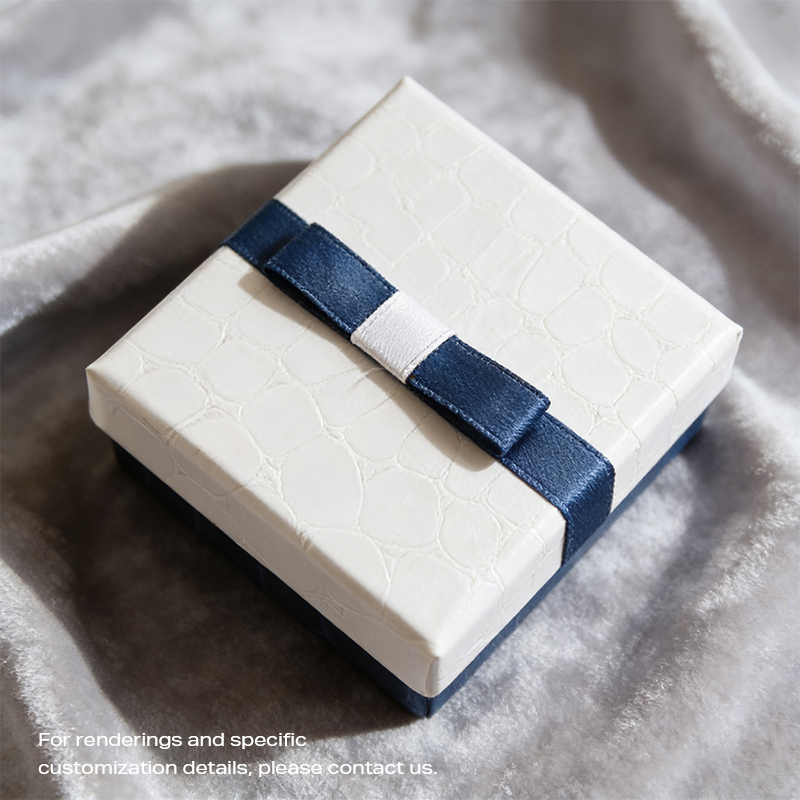
The 1016 Grid Lychee Pattern Embossed Roller High-Grade Specialty Paper Gift Box is designed for businesses that need a refined, durable, and adaptable packaging solution. Its defining feature is a checkered lychee-patterned embossed surface produced through roller embossing. This finish creates a tactile pattern that catches light, adds visual depth, and gives the box an elevated appearance without relying exclusively on printed graphics or metallic decoration.
Manufactured from specialty paper, the box combines presentation quality with practical performance. It is suitable for high-end cosmetics, jewelry, electronics, alcoholic beverages, business gifts, holiday collections, personal keepsakes, and many other premium products. Its available size range supports packaging requirements from smaller delicate items to larger product combinations. The structure and material also provide useful protection during handling, transportation, and storage.
This article examines the product’s design, material, manufacturing process, customization potential, commercial applications, logistics specifications, and advantages over ordinary paper boxes and less specialized packaging alternatives. It also explains how Zhejiang Shihao Gift Packaging Co., Ltd. supports the product with experienced production, research and development, export capability, quality management, and sustainable packaging practices.
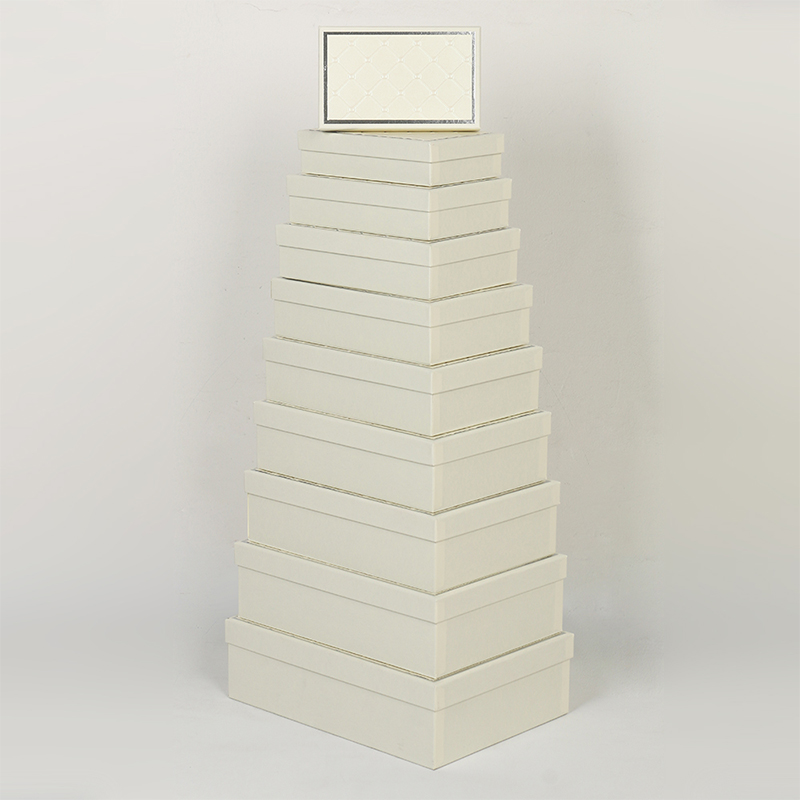
1016 Grid Lychee Pattern Embossed Roller High-Grade Specialty Paper Gift Box
The 1016 gift box belongs to the high-end specialty paper gift box category. It is developed for products that require more than basic containment and protection. The box is intended to create a premium first impression, reinforce product positioning, and provide a memorable opening experience for the recipient.
The most recognizable design element is the grid-like lychee pattern. A roller embossing process presses the pattern into the surface of the specialty paper, creating a series of textured cells with a distinctive natural grain. The design resembles the textured surface of lychee skin while maintaining a controlled geometric arrangement. This combination of organic texture and regular grid structure gives the box a modern yet luxurious character.
Unlike a flat printed pattern, embossed decoration can be experienced through both sight and touch. Light moves across the raised and recessed areas as the box is viewed from different angles. When a customer touches the lid or outer panel, the texture communicates material quality immediately. This sensory effect can help a product stand out on a retail shelf, in a gift display, or during a corporate presentation.
The pattern is also versatile. It can complement minimalist packaging designs, sophisticated monochrome color schemes, metallic accents, logo printing, foil details, or carefully selected labels. The embossed surface itself provides visual interest, allowing brands to create an elegant appearance without overcrowding the package with decorative elements.
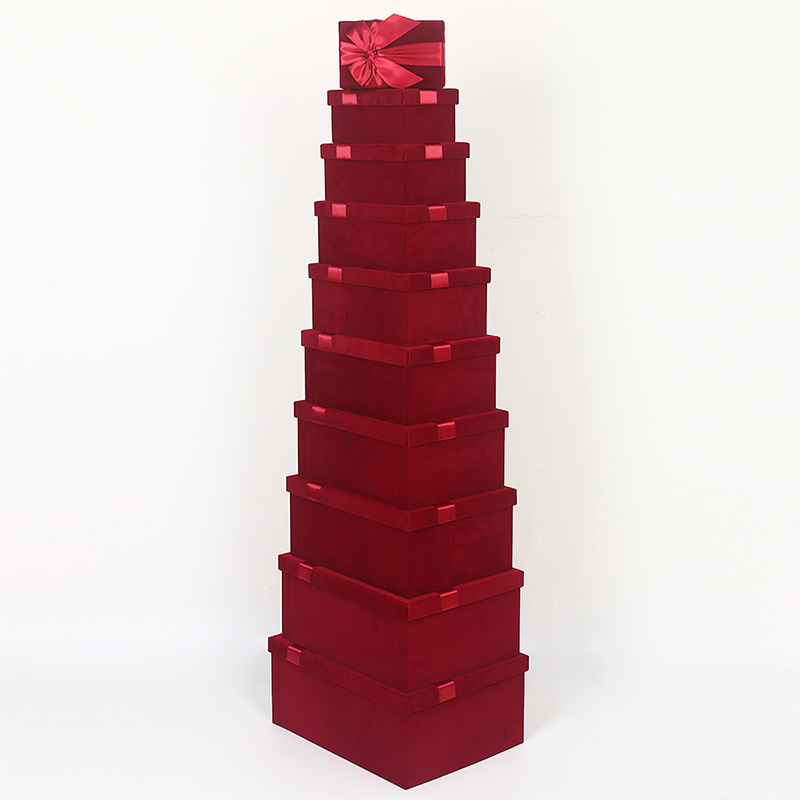
The product is identified as item 1016#. Its minimum listed size is 20 × 12.5 × 4.7 centimeters, corresponding to size 10#, while its maximum listed size is 37 × 27 × 11 centimeters, corresponding to size 1#. These dimensions provide a useful range for different product categories. Exact dimensions and internal arrangements can be discussed according to the customer’s product requirements.
Material selection has a direct influence on the appearance, strength, and environmental profile of a gift box. Ordinary paperboard may be appropriate for short-term or low-cost packaging, but high-end products often require a more carefully selected material. Specialty paper offers a distinct surface character and can be processed to create tactile effects that standard packaging paper may not provide.
For the 1016 box, the specialty paper forms the visual and tactile foundation of the product. Its surface is suitable for embossing, allowing the lychee pattern to become an integral part of the package rather than an applied decoration. This reduces dependence on additional decorative components and helps create a unified appearance across the box panels.
The material also supports a balance between elegance and practical performance. A premium gift box must look refined while maintaining sufficient resistance to pressure, handling, and routine transportation. The specialty paper used for this product is described as durable and capable of providing strong pressure resistance. This helps protect the contents from common external stresses during storage and shipment.
Specialty paper can also support a more responsible packaging strategy. Paper-based materials are generally easier to recycle than many mixed-material packaging formats, particularly when the final construction avoids excessive plastic components. The product’s recyclable paper characteristics can assist brands that are responding to consumer demand for sustainable packaging and more transparent material choices.
Environmental performance should always be evaluated according to the complete packaging design, including coatings, adhesives, inserts, inks, and accessories. Nevertheless, a specialty paper gift box offers a practical foundation for businesses seeking a premium appearance without relying entirely on plastic or complex non-recyclable structures.
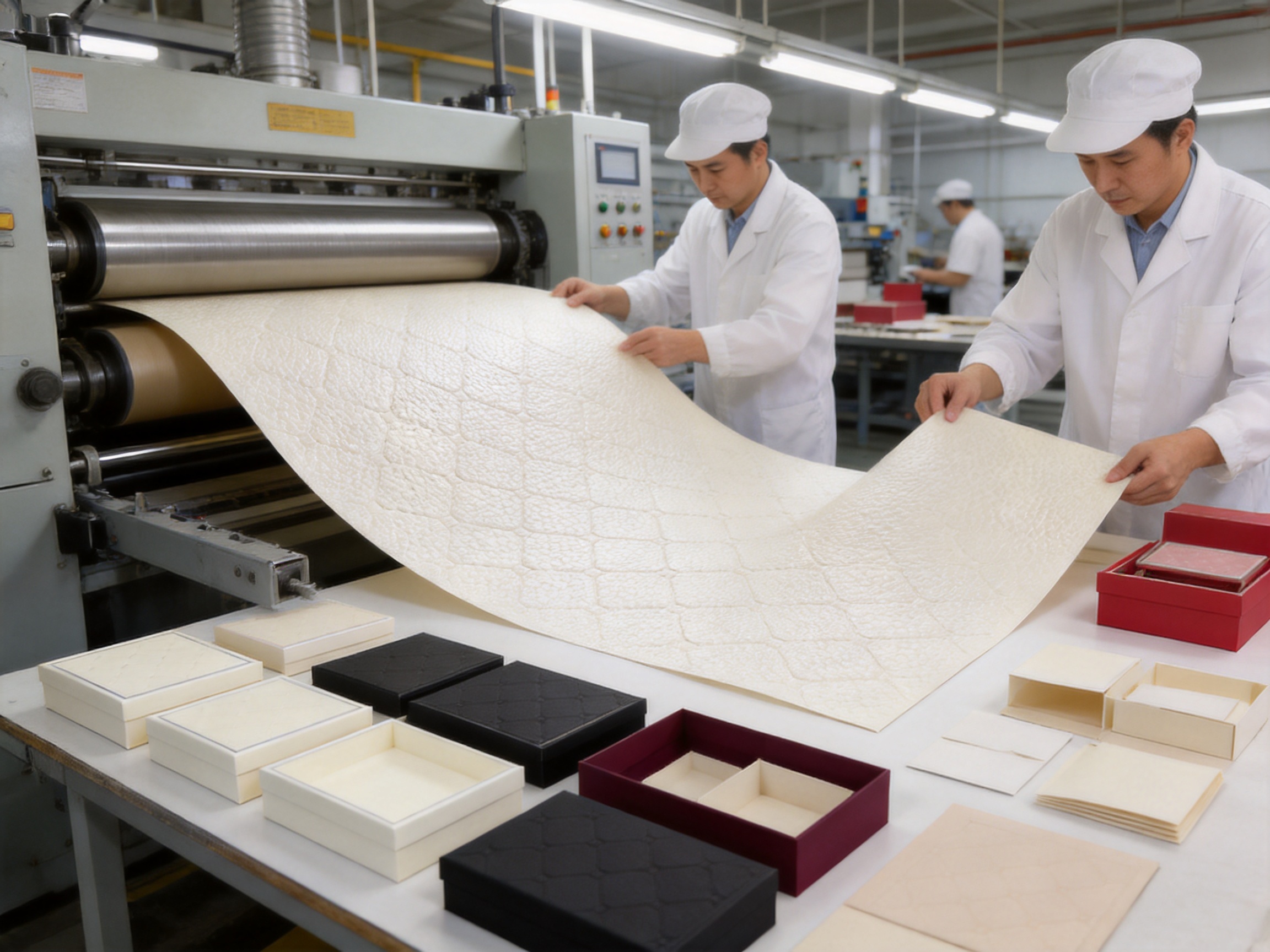
The embossed finish is central to the product’s identity. Roller embossing is a controlled production method in which a patterned roller applies pressure to the paper surface. The paper passes through or under the roller, and the pressure transfers the design into the material. For the 1016 box, this process produces the checkered lychee pattern that gives the packaging its distinctive tactile quality.
Before embossing, the paper must be selected and prepared according to its thickness, flexibility, surface condition, and intended final use. Consistent material characteristics are important because the paper needs to receive the pattern evenly. If the material is too soft, the texture may lose definition. If it is too rigid or incorrectly conditioned, the surface may crack or the embossed effect may appear inconsistent.
Production personnel review the paper specification and prepare it for processing. This stage can include checking the material for surface defects, ensuring suitable moisture conditions, confirming color consistency, and aligning the paper for the next operation. Careful preparation helps reduce waste and contributes to a more uniform final appearance.
During the roller embossing stage, the patterned roller applies controlled pressure to the specialty paper. The roller must be correctly aligned with the sheet, and the pressure and production speed must be coordinated. Consistent pressure is especially important for a repeated grid pattern because variations may be visible across large panels or between separate boxes.
The objective is to create a pattern that is clear enough to be seen and felt while preserving the paper’s integrity. Excessive pressure may weaken the material or cause unwanted deformation. Insufficient pressure may result in a shallow pattern that does not deliver the intended premium effect. Proper process control helps the manufacturer achieve a balance between texture definition and structural reliability.
After embossing, the paper is converted into the panels needed for the box structure. Cutting and creasing must be coordinated with the embossed design. The pattern needs to remain visually coherent across the lid, sides, and other visible surfaces. Accurate cutting also supports clean edges and correct dimensional assembly.
At this stage, production teams pay attention to the orientation of the paper, the position of the texture, and the relationship between decorative areas and folding lines. Correct planning prevents the pattern from appearing misaligned or unintentionally interrupted at prominent corners.
The processed panels are folded and assembled into the final gift box structure. Depending on the selected construction, this may involve mounting specialty paper onto a supporting board, folding panels around the structural core, applying adhesive, and forming the lid or base. Assembly precision is essential for a high-end box because uneven corners, visible adhesive, loose edges, or poorly fitted lids can reduce the perceived value of the product.
The manufacturer’s production capability allows the packaging to be handled through multiple coordinated stages, from material processing to finished assembly. This integrated approach can help improve consistency and reduce the communication problems that sometimes occur when different suppliers handle printing, finishing, structural conversion, and assembly separately.
Completed boxes are inspected for appearance, structure, dimensions, surface quality, and assembly condition. Typical inspection points include checking the clarity of the embossed texture, the cleanliness of the outer surface, the accuracy of folding, the fit of the lid, the strength of glued areas, and the presence of scratches, stains, dents, or wrinkles.
After inspection, the boxes are packed for shipment. The listed packing quantity for item 1016# is six sets per carton, with a carton volume of approximately 0.101 cubic meters. Packing procedures should protect the finished surfaces from friction and compression while making efficient use of shipping space.
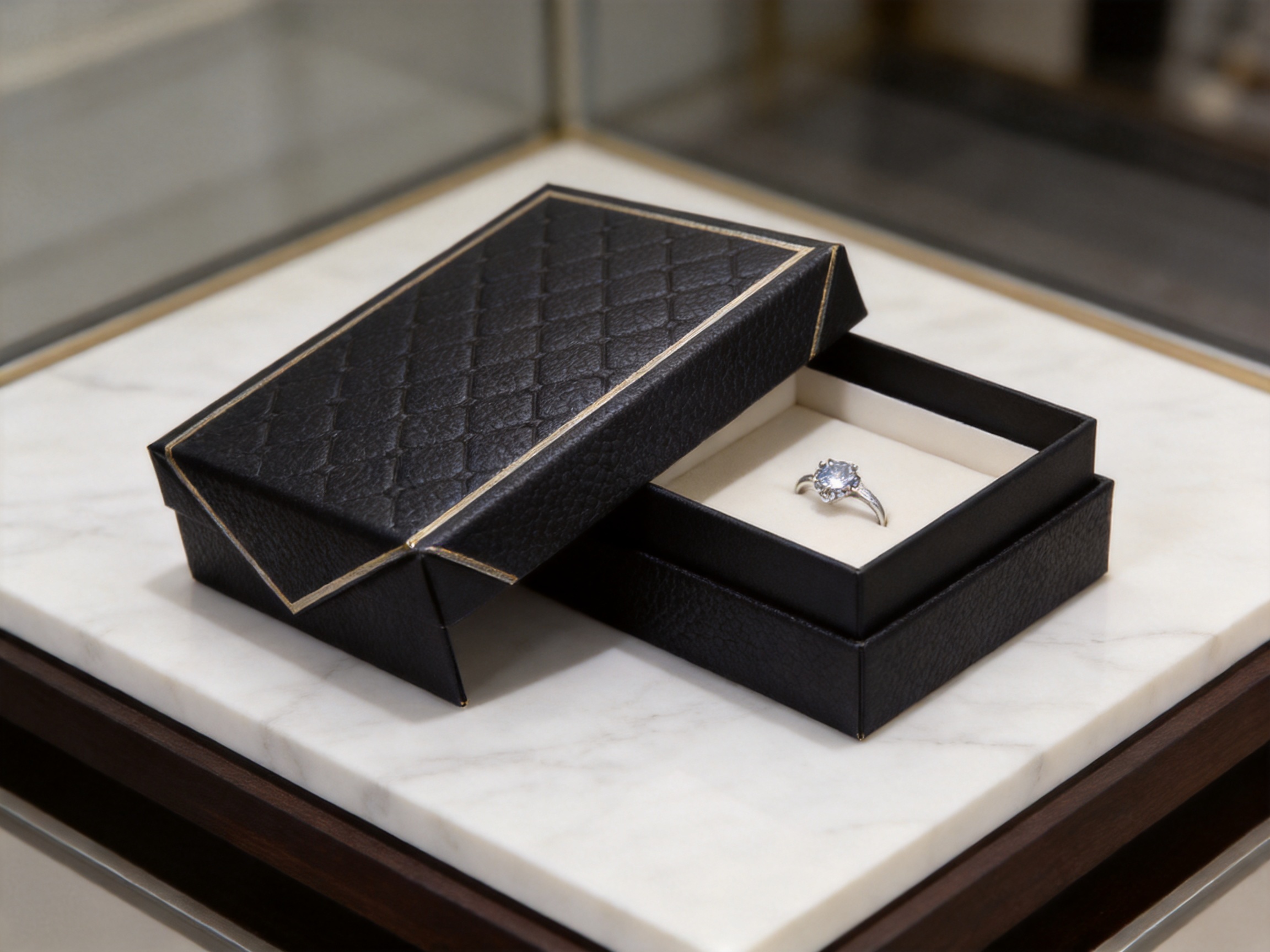
The 1016 box offers several advantages compared with plain folding cartons, standard printed paper boxes, and low-cost packaging formats. These advantages are relevant to brands that want their packaging to support higher product positioning.
A flat paper box depends mainly on color, graphics, and text to attract attention. Although printing can be highly effective, many products use similar visual strategies. An embossed lychee pattern creates another layer of differentiation. It gives the box a surface that can be recognized through touch and viewed as a changing texture under different lighting conditions.
This tactile quality is particularly valuable for gift packaging. The recipient can feel the material before opening the box, making the packaging itself part of the gift experience. The texture also adds visual sophistication when the box is displayed in a showroom, retail cabinet, hotel shop, department store, or corporate presentation environment.
Consumers often associate carefully finished materials with product quality. A textured specialty paper surface can make the package appear more substantial and thoughtfully designed than an uncoated or thin printed carton. This does not replace the quality of the product inside, but it helps establish appropriate expectations and supports premium positioning.
For luxury cosmetics, jewelry, electronics, and beverages, the packaging must often communicate precision, trust, and exclusivity. The grid lychee pattern provides a restrained decorative effect that can make the package look more expensive without becoming excessively ornate.
The embossed finish can serve as a background for branding and product information. Companies may combine the surface with printed logos, labels, foil stamping, embossing of a separate logo area, ribbons, sleeves, or other finishing methods. Because the pattern already provides texture, a brand can choose a relatively simple logo treatment and still achieve a distinctive result.
This flexibility is useful for businesses with different product lines. The same basic box concept can be adapted through color, dimensions, logo placement, label design, and internal presentation. A consistent packaging family can help customers identify a brand while allowing each collection or seasonal release to maintain its own personality.
The box is designed not only for appearance but also for product protection. The durable specialty paper and supporting box construction help resist ordinary pressure during handling and storage. This is important for products that may be transported over long distances or distributed through multiple logistics stages.
Protection requirements vary according to the item inside. Fragile products may require internal trays, paper inserts, foam alternatives, partitions, or other protective components. The box can be developed around the product’s dimensions and handling requirements, helping the manufacturer create a more appropriate fit than a generic stock carton.
Many standard gift boxes offer only a few fixed sizes, which can lead to excessive empty space, product movement, or an unattractive fit. The 1016 product can be customized in size according to customer needs. A smaller box can be developed for delicate gifts or compact items, while a larger version can accommodate product sets, bottles, accessories, or promotional combinations.
Customized dimensions can improve both presentation and logistics. A closer fit may reduce unnecessary filler, stabilize the product, and use shipping space more efficiently. It can also make the unboxing process more controlled and visually appealing.
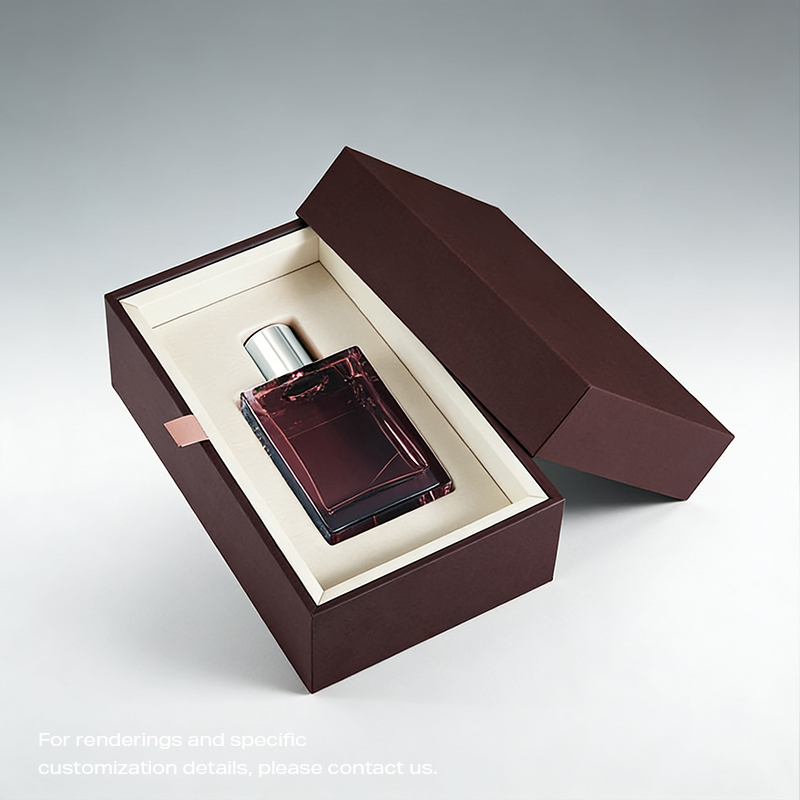
Cosmetic packaging must often communicate cleanliness, elegance, and product value. The embossed specialty paper surface is suitable for skincare sets, fragrance collections, makeup gift combinations, haircare products, and seasonal beauty packages. The box can be customized to hold a single product, a coordinated set, or multiple bottles and accessories.
For beauty brands, the outer texture can support a sophisticated visual identity. Soft neutral colors may communicate understated luxury, while deeper colors can create a more dramatic presentation. A foil logo or carefully positioned printed mark can be added without competing with the lychee pattern.
Jewelry packaging benefits from a strong sense of refinement and protection. The 1016 box can be adapted for necklaces, bracelets, watches, earrings, scarves, small leather goods, and other accessories. Interior holders or compartments may be added to prevent movement and maintain an orderly presentation.
The textured exterior can create a contrast with polished metal, glass, gemstones, or satin interior materials. This contrast contributes to a premium opening experience and provides a suitable presentation for birthdays, anniversaries, weddings, corporate rewards, and special collections.
Small electronics and technology accessories are often sold in competitive markets where packaging is an important point of differentiation. The box may be used for headphones, wireless accessories, smart devices, premium cables, personal care electronics, or limited-edition product bundles.
When used for electronics, internal design should be developed carefully. Inserts can stabilize the product, separate accessories, and create dedicated areas for instruction materials. The outer box can then provide a more gift-oriented presentation than a purely functional technical carton.
Wine, spirits, specialty drinks, and commemorative beverage sets frequently require packaging that communicates occasion and quality. The available size range allows the design to be adapted for individual bottles, paired bottles, or bottle-and-accessory combinations, subject to structural and safety requirements.
For beverage packaging, internal reinforcement and suitable inserts are especially important. The box should be engineered to hold the product securely and reduce movement during transport. The embossed exterior can provide a sophisticated alternative to plain shipping cartons and can be customized for holiday editions, corporate gifts, hospitality programs, or premium retail collections.
Businesses often use gift boxes for client appreciation, employee recognition, promotional campaigns, conferences, festivals, and annual celebrations. A customized 1016 box can convey professionalism while giving the recipient a more memorable impression of the organization.
Seasonal variations may be created through color, printing, labels, ribbons, or interior contents. The same structural concept can support different campaigns while maintaining consistency in quality. This makes the box suitable for both one-time events and recurring corporate gifting programs.
The durable paper construction and refined surface also make the box suitable for personal collections, commemorative items, stationery, photographs, small crafts, and keepsakes. A well-made gift box may be retained after the original product is removed, extending the useful life of the packaging and increasing its perceived value.
Customization is one of the most important advantages of working with a specialized gift box manufacturer. A successful custom project should begin with a clear understanding of the product, target market, sales channel, brand identity, and shipping conditions.
The box dimensions can be adjusted to suit the product. Customers may specify length, width, height, lid depth, opening style, and internal arrangement. The listed size range provides a reference point, but final measurements should be confirmed through product samples and structural testing.
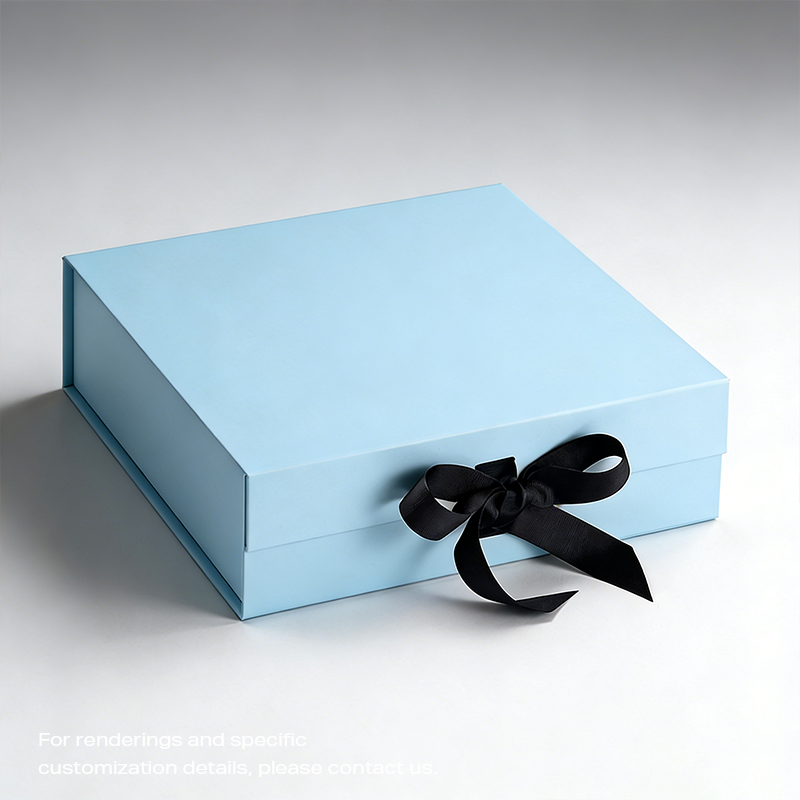
Structure can be adapted to the intended experience. Options may include a simple lid-and-base format, a folding structure, a layered presentation, a compartmentalized interior, or a design with a removable insert. The most appropriate construction depends on product weight, fragility, retail requirements, storage conditions, and target price.
The lychee embossing can be paired with a range of colors and finishing choices. Dark colors may emphasize the pattern through contrast, while light colors can create a soft and elegant appearance. Earth tones may support natural or sustainability-oriented product positioning. Metallic colors and carefully selected coatings can add a more formal or celebratory impression.
Surface treatments should be selected with attention to the tactile character of the paper. Overly heavy coating may reduce the natural feel of the embossing, while a balanced treatment can protect the surface and preserve its visual depth. Sample approval is recommended before large-scale production.
Brand names, logos, product information, and decorative graphics can be incorporated into the design. Printing may be used to create a clean, understated appearance, while foil details can draw attention to selected elements. A logo may also be positioned within a separate smooth area to create contrast with the textured background.
Good packaging design does not require every available finishing method. In many cases, a restrained logo treatment combined with the embossed surface produces a more sophisticated result. The manufacturer’s design team can help evaluate the relationship between the logo, pattern, color, and box structure.
The outside of the box creates the first impression, but the interior determines how the product is revealed. Internal supports can be designed to hold individual products, separate multiple items, or create a step-by-step unboxing sequence. Inserts may also provide areas for thank-you cards, usage instructions, certificates, accessories, or promotional materials.
Interior materials should be chosen according to the product’s sensitivity and the desired visual effect. Paper-based inserts can support a more consistent recyclable design, while other materials may be considered when additional cushioning or moisture resistance is necessary.
Zhejiang Shihao Gift Packaging Co., Ltd. is an export-oriented manufacturer specializing in the research, development, production, and sale of paper gift packaging boxes. The company has more than 15 years of industry experience and operates across approximately 20,000 square meters. Its workforce includes around 300 employees, supporting coordinated production, quality control, design, administration, and customer service functions.
The company reports an average daily production capacity of approximately 5,000 sets of gift boxes. This scale is important for customers that need repeat orders, seasonal programs, or coordinated packaging across several product lines. Production capacity alone does not guarantee quality, but it can provide useful resources for managing materials, labor, equipment, scheduling, and order continuity.
Advanced equipment supports the manufacturing of specialty paper packaging. The process may involve material preparation, roller embossing, printing, cutting, creasing, mounting, folding, assembly, inspection, and carton packing. Coordinating these operations within an experienced manufacturing organization can help reduce production delays and improve communication between design and production teams.
Packaging trends change quickly. Customers increasingly request new textures, functional structures, sustainable materials, and more distinctive opening experiences. Shihao maintains its own design team and updates dozens of products weekly, indicating an active approach to product development and market response.
For the 1016 box, design and development support may include selecting appropriate dimensions, adapting internal structures, adjusting the embossed surface, coordinating decoration, and creating samples for evaluation. This is valuable for brands that need packaging to be both attractive and compatible with real production conditions.
The company has passed BSCI and FSC certifications. These certifications relate to recognized areas of responsible business practices and forest-based material sourcing, although customers should confirm the specific scope, validity, and applicable documentation for each order. Such certifications can support procurement teams that require supplier evaluation and sustainability documentation.
Quality management for a textured gift box should cover both appearance and function. Inspection should consider pattern consistency, color stability, edge condition, assembly accuracy, surface cleanliness, structural strength, and packaging integrity. A professional quality process helps ensure that the finished boxes meet the agreed sample and specification.
Shihao exports products to Europe, the United States, the Middle East, and other regions. International experience can help a supplier understand different customer expectations, packaging styles, documentation requirements, shipping conditions, and communication practices.
Export capability is especially relevant for large gift box orders because packaging may travel through several stages before reaching the final customer. Appropriate carton packing, production scheduling, inspection, and shipment coordination all contribute to reliable international delivery.
Premium packaging quality should be evaluated using a combination of visual, tactile, dimensional, and functional criteria. Buyers considering the 1016 box may wish to establish clear standards before production begins.
The lychee pattern should be sufficiently clear and evenly transferred across visible surfaces. Differences in pressure, material condition, or machine alignment may affect texture depth. Sample approval can establish the acceptable appearance before mass production.
Color should remain consistent between panels and across production batches. The surface should be free from obvious stains, scratches, wrinkles, dents, adhesive marks, and handling damage. Since the embossed pattern can reflect light in multiple directions, a clean surface is particularly important for maintaining a premium appearance.
The lid and base should fit correctly, open smoothly, and remain secure during normal handling. Corners should be neat, and folded areas should not show excessive cracking or separation. For larger or heavier products, structural testing should confirm that the box can support the intended contents.
Packaging performance depends on the product and the distribution environment. Testing may include compression, vibration, drop, stacking, and transport simulation where appropriate. Internal inserts should be checked to confirm that the contents do not move excessively or contact vulnerable surfaces.
Finished boxes should be packed to reduce friction, compression, moisture exposure, and deformation. Storage should take account of humidity, temperature, stacking height, and exposure to direct sunlight. Proper warehouse practices help preserve the specialty paper surface until the boxes are filled and delivered to consumers.
Sustainability has become an important consideration in premium packaging procurement. Consumers and businesses increasingly expect packaging to use materials responsibly, avoid unnecessary waste, and support recycling where practical.
The 1016 box uses specialty paper as its primary material. Paper-based packaging can be compatible with recycling systems, particularly when the construction is designed with recyclable components and avoids excessive use of plastic laminates or difficult-to-separate accessories. The product’s recyclable material characteristics can help brands communicate a more responsible packaging direction.
At the same time, sustainability should be considered across the full product life cycle. A box that protects the product effectively may reduce damage, returns, and waste during distribution. Custom sizing can also reduce unnecessary empty space and limit the need for excessive filler. If the box is attractive and durable enough to be reused for storage, its useful life may extend beyond the first unboxing.
Customers should discuss material composition, coatings, adhesives, inks, inserts, and certification requirements with the manufacturer. The company’s FSC certification is relevant to customers seeking responsibly sourced forest-based materials, while specific project requirements should be confirmed through documentation and sample evaluation.
Packaging design must function efficiently not only in a showroom but also throughout the supply chain. The 1016 gift box is supplied at six sets per carton, with an approximate carton volume of 0.101 cubic meters. These figures provide a basis for estimating warehouse space, shipping volume, and order planning.
For international buyers, logistics calculations should include the number of finished boxes, carton dimensions, gross weight, pallet arrangement, loading method, and destination requirements. The exact shipping cost will depend on the final customized design, material thickness, quantity, and transport method.
Custom sizing can improve product fit and help reduce wasted internal volume. However, a smaller package is not automatically better if it compromises protection or creates difficulties during filling and handling. The best solution balances product security, presentation, material use, storage efficiency, and shipping requirements.
Carton packing should prevent the embossed surfaces from rubbing against one another excessively. Protective separation, suitable inner packing, and careful stacking can help preserve the finish. These details are particularly important when boxes are shipped long distances or stored for extended periods before use.
| Packaging option | Primary strength | Typical limitation | Positioning of the 1016 box |
| Plain paper carton | Low cost and simple production | Limited tactile appeal and lower perceived value | Provides a more refined texture and stronger premium presentation |
| Standard printed gift box | Flexible graphic communication | May look similar to competing printed packages | Adds a distinctive embossed surface in addition to printing |
| Plastic presentation box | Visibility and moisture resistance | May create recycling challenges and a less natural tactile impression | Offers a paper-based alternative with a luxury surface effect |
| Rigid luxury box with extensive decoration | Very substantial appearance | Higher material use, cost, and shipping weight | Can deliver premium appeal with a specialty paper embossed finish and customizable structure |
| Generic stock box | Fast availability | Limited dimensions and weak brand differentiation | Supports customized sizing, branding, and product-specific presentation |
The 1016 box is not intended to replace every packaging format. Some products may require waterproof packaging, extreme impact resistance, transparent display structures, or specialized certified materials. However, for premium gifting and presentation-focused applications, it offers a balanced combination of texture, appearance, adaptability, paper-based construction, and practical protection.
When ordering a customized version of the 1016 box, buyers should prepare accurate product information. This includes the product’s length, width, height, weight, shape, fragility, number of components, and preferred presentation orientation.
The intended sales channel should also be considered. A box sold in a physical luxury store may prioritize visual impact and shelf appearance. A box shipped directly to consumers may require stronger internal protection and optimized outer shipping cartons. A corporate gift may require special inserts, cards, or coordinated accessories.
Brand positioning is another important factor. A minimalist luxury brand may prefer a single color, subtle logo, and restrained finishing. A festive gift collection may use bright colors, seasonal printing, ribbons, or decorative labels. The embossed pattern can support both approaches because it provides a stable design foundation without dictating one particular visual style.
Sample development is recommended before mass production. A physical sample allows the buyer to evaluate color, texture, structure, lid fit, interior capacity, logo placement, and overall customer experience. It also provides an opportunity to identify potential issues with product insertion, assembly, transportation, or storage.
Packaging communicates information before the consumer reads a product description. It can suggest whether an item is practical, playful, luxurious, natural, professional, traditional, or innovative. The 1016 embossed gift box is particularly suited to brands that want to communicate quality and attention to detail.
A consistent box design can improve brand recognition across product collections. For example, a company may use the same embossed texture while changing colors or internal arrangements for different product categories. Over time, the recognizable surface can become part of the brand’s physical identity.
Packaging also contributes to the unboxing experience. Opening a carefully assembled box creates a sequence of visual and tactile impressions. The lid fit, paper feel, product arrangement, insert design, and finishing details all influence whether the recipient remembers the experience positively.
For corporate and promotional applications, a customized gift box can help convey professionalism and investment. A well-designed package suggests that the sender has considered both the product and the recipient. This can support customer relationships, employee recognition, event marketing, and premium promotional campaigns.
Developing premium packaging requires more than selecting an attractive surface. The supplier must understand material behavior, structural design, production tolerances, finishing methods, assembly requirements, quality inspection, and logistics. An experienced manufacturer can help connect these areas into a practical production plan.
Zhejiang Shihao Gift Packaging Co., Ltd. has specialized in paper gift packaging for more than 15 years. Its product range includes kits, storage boxes, folding boxes, jewelry boxes, and other gift packaging formats. This broad product experience can be useful when a customer needs multiple packaging styles or wants to expand a product line with coordinated designs.
The company’s own design team supports product development and customization. Its manufacturing site, equipment, workforce, and production capacity provide a foundation for handling both standard products and customer-specific projects. Export experience further supports communication with international buyers across different markets.
The company’s stated business philosophy emphasizes innovation, quality, practicality, and benefit. These principles are relevant to the 1016 box because the product must combine an innovative tactile finish with dependable construction and commercially reasonable production.
The buyer first provides product dimensions, quantity, target market, intended use, preferred color, logo requirements, and packaging objectives. If the box will contain multiple products, the buyer should provide the arrangement and any required accessories.
The manufacturer evaluates the product and proposes a suitable box size, structure, material configuration, and interior solution. At this stage, the buyer can compare appearance, functionality, cost expectations, and shipping considerations.
Logo files, printing artwork, color references, finishing preferences, and material requirements are reviewed. The embossed pattern, paper color, surface treatment, and decorative effects should be confirmed before sampling.
A sample or pre-production prototype allows the buyer to inspect the physical result. The sample should be tested with the actual product whenever possible. This confirms that the contents fit correctly and that the opening sequence meets the intended customer experience.
After approval, the manufacturer organizes materials, schedules production, completes embossing and conversion, assembles the boxes, and performs inspection. Production quantities, packing requirements, and shipment timing should be confirmed in advance.
Before shipment, the finished goods should be checked against the approved sample and agreed specifications. Carton quantity, outer carton condition, labeling, and shipment documents should also be reviewed. Clear communication at this stage helps reduce receiving problems and supports efficient distribution.
The primary difference is the checkered lychee-patterned embossed surface. The roller embossing process creates a tactile texture that provides visual depth and a more refined hand feel. The box also uses specialty paper and can be customized in size, branding, color, structure, and internal arrangement.
The box is suitable for high-end cosmetics, skincare sets, jewelry, watches, electronics, accessories, alcoholic beverages, corporate gifts, holiday gifts, and personal collectibles. The final structure and interior insert should be selected according to the product’s size, weight, fragility, and presentation requirements.
Yes. The listed dimensions range from approximately 20 × 12.5 × 4.7 centimeters to 37 × 27 × 11 centimeters, but customized dimensions can be discussed for specific products. A sample is recommended to verify fit and structure.
The material is paper-based, recyclable, and aligned with the trend toward more sustainable packaging. The complete environmental profile also depends on coatings, adhesives, printing inks, inserts, and other components. Buyers should confirm the exact material configuration and documentation for their project.
Yes. Logos and other brand elements can be incorporated through printing, labels, foil details, or other approved finishing methods. The best treatment depends on the logo design, box color, embossed pattern, target market, and desired level of visual contrast.
The embossing is formed directly into the specialty paper through a roller process, making it an integrated surface feature rather than a separate attached decoration. Proper material selection, processing, handling, and packing help preserve the texture. Buyers should still protect finished boxes from excessive friction, moisture, and compression.
The durable specialty paper and box construction provide useful resistance to ordinary pressure and handling. For fragile or heavy products, additional internal protection and transport testing may be required. The packaging should be designed according to the product and distribution environment.
The listed packing quantity is six sets per carton, and the approximate carton volume is 0.101 cubic meters. Final packing details may vary if the box is customized in size, structure, or material.
Yes. Zhejiang Shihao Gift Packaging Co., Ltd. is an export-oriented manufacturer whose products are supplied to Europe, the United States, the Middle East, and other regions. International order details, shipping terms, documentation, and production schedules should be confirmed for each project.
The company has its own design team and supports customized packaging solutions. Buyers can provide existing artwork or request assistance with structural development, surface finishing, dimensions, logo placement, and internal presentation.
Yes. The box can be adapted for business gifts, holiday collections, promotional packages, employee rewards, client gifts, and event merchandise. Color, printing, labels, inserts, and accessories can be adjusted to match the campaign or occasion.
A sample confirms the actual texture, color, dimensions, lid fit, internal capacity, logo appearance, and overall presentation. It also helps identify potential issues before mass production, reducing the risk of costly changes after manufacturing begins.
The 1016 Grid Lychee Pattern Embossed Roller High-Grade Specialty Paper Gift Box is a premium packaging solution for brands that want to combine tactile design, elegant presentation, practical protection, and customization. Its checkered lychee pattern distinguishes it from flat printed cartons and gives the package an immediate sense of quality through both sight and touch.
The specialty paper construction supports an attractive and recyclable packaging direction, while the durable structure provides useful resistance during storage and transportation. Customizable dimensions allow the box to serve different products, from compact jewelry and cosmetics to larger gift sets and beverage packages. Printing, logo placement, color selection, interior inserts, and other finishing options can further align the package with a brand’s identity.
The product is strengthened by the manufacturing capabilities of Zhejiang Shihao Gift Packaging Co., Ltd. With more than 15 years of experience, approximately 20,000 square meters of production space, around 300 employees, advanced equipment, an active design team, international export experience, and reported BSCI and FSC certifications, the company is positioned to support both standard and customized paper gift packaging projects.
For businesses seeking packaging that feels more distinctive than an ordinary paper box but remains practical and adaptable, the 1016 design offers a balanced choice. Its embossed finish, specialty paper material, customizable structure, and manufacturer-supported development process make it suitable for premium retail products, corporate gifting, seasonal collections, and memorable unboxing experiences.
1. Zhejiang Shihao Gift Packaging Co., Ltd. Product Information for Item 1016#, High-End Specialty Paper Gift Boxes.
2. Zhejiang Shihao Gift Packaging Co., Ltd. Corporate Profile and Manufacturing Capability Statement.
3. Forest Stewardship Council. General Principles of Responsible Forest-Based Material Sourcing.
4. Business Social Compliance Initiative. General Guidance on Responsible Supply Chain Practices.
5. Packaging Institute. General Principles of Paperboard Packaging Design, Protection, and Distribution.
6. International Organization for Standardization. General Concepts for Packaging, Transport Protection, and Environmental Consideration.
Recommended Products

Contact Us

No. 15, Xiayang Road, Huangzhai Town, Jinhua, Zhejiang, China

(+86) 579-84230069

(+86) 13085675766


Products

Gift Box Packaging Manufacturer
 English
 Français
 Español
 عربى