2026-07-24
Premium packaging does more than protect a product. It introduces the item, communicates brand values, shapes the customer’s first impression, and can turn an ordinary purchase into a memorable unboxing experience. For jewelry, watches, electronics, crafts, corporate gifts, and seasonal presents, the packaging must combine visual refinement, structural reliability, practical usability, and production flexibility. The 604 Square High-End Specialty Paper Gift Box with Yuppie Texture is designed around these requirements.
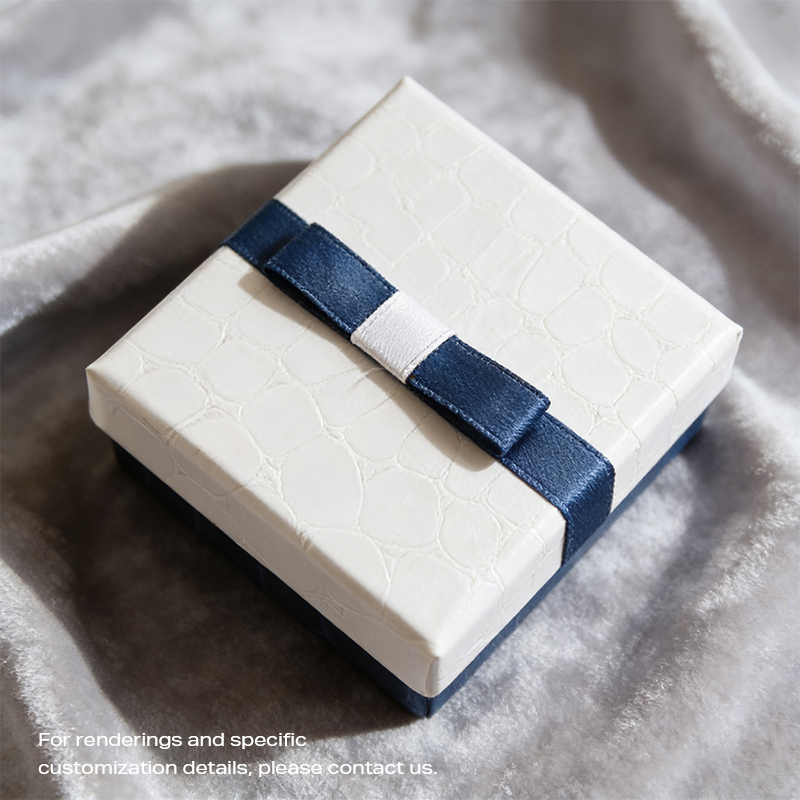
This square gift box uses art paper-coated cardboard with a distinctive yuppie texture. The textured surface creates a leather-like visual and tactile effect, giving the package an elevated appearance without relying on excessive decoration. Its clean geometry and premium surface make it suitable for businesses seeking a low-key luxury style, while its customizable dimensions, colors, and designs allow it to serve a wide range of product categories.
The box is manufactured for professional gift packaging applications and can be adapted for different markets, brand identities, and product sizes. Available dimensions range from approximately 34 × 26 × 15.3 centimeters to 16.8 × 10.8 × 6.5 centimeters, with additional custom sizes available according to project requirements. A minimum order quantity of 300 sets supports both commercial production and carefully planned promotional or seasonal programs.
This article examines the product’s material, appearance, structural value, customization potential, manufacturing advantages, environmental considerations, and commercial applications. It also explains how an experienced packaging manufacturer can help buyers move from an initial concept to a consistent, production-ready gift box.
Packaging is often the first physical contact a customer has with a product. Before the product itself is examined, the buyer notices the package’s shape, color, surface, weight, opening experience, and overall finish. A well-designed gift box can establish expectations of quality before the item is revealed.
For premium goods, ordinary packaging may not communicate sufficient value. A simple carton can provide protection, but it may not create the visual distinction required for jewelry, watches, electronics, corporate gifts, or luxury accessories. The 604 gift box addresses this gap by combining a rigid paperboard structure with an expressive textured exterior.
The square form is particularly versatile. It provides a balanced visual proportion and can accommodate many product arrangements. Depending on the internal design, it may hold a single item, a collection of smaller products, a gift set, or a combination of products and accessories. The shape is also practical for stacking, storage, display, and transport.
Premium packaging must also balance appearance with commercial realities. Excessively complicated structures may increase production costs, create assembly problems, or make storage inefficient. The 604 design uses a straightforward square format that remains visually elegant while supporting efficient manufacturing and practical logistics.
For brands, this balance is important. A package should look distinctive enough to support brand positioning, but it should also be repeatable across production runs. Consistency in color, dimensions, surface texture, folding or assembly, and print alignment helps protect the brand image from one order to the next.
The defining feature of this product is its yuppie-textured specialty paper. The term describes a refined, tactile paper finish with a leather-like visual character. Rather than presenting a completely smooth surface, the paper introduces subtle texture that can be seen and felt when the box is handled.
Tactile details strongly influence how customers perceive packaging. A textured surface can make the box feel more substantial and intentional. It can also reduce the visual flatness associated with basic printed cartons. When light moves across the surface, the texture creates gentle variations that add depth and sophistication.
This surface is especially suitable for products positioned as elegant, professional, modern, or premium. Jewelry and watches can benefit from the association with refined materials. Electronics can use the box to soften a technical product presentation. Corporate gifts can use the texture to communicate seriousness and quality without appearing overly ornate.
Compared with conventional paper surfaces, a textured specialty paper may offer a more distinctive shelf presence. Compared with genuine leather or other heavy decorative materials, it provides a paper-based alternative that is easier to integrate into a packaging production process and more suitable for recyclable packaging objectives.
The texture also supports understated luxury. Some gift boxes depend on bright metallic effects, elaborate patterns, or large decorative elements. Those approaches can be appropriate for certain markets, but they may not suit brands that prefer restraint. The 604 design allows the material itself to become part of the visual identity. A carefully selected color, minimal logo, and clean layout can create an elegant result with limited graphic complexity.
Surface texture must be considered together with printing and finishing. Dark colors can make the texture appear more subtle and sophisticated, while lighter colors can emphasize the tactile pattern. Logos and other graphic elements should be positioned so that they remain legible against the textured background. Professional advice during the design stage helps buyers select suitable artwork, colors, and finishing methods for the intended result.
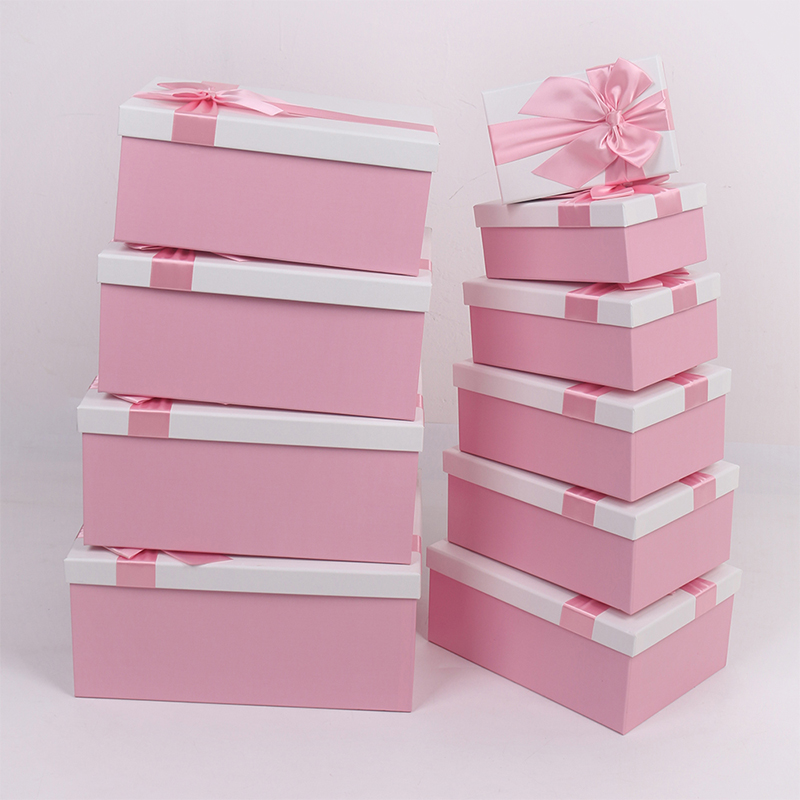
604 Square High-End Specialty Paper Gift Box with Yuppie Texture
The 604 gift box uses an art paper-coated cardboard surface. Art paper provides a smooth, printable outer layer, while the cardboard substrate contributes stiffness and structural stability. This combination is widely used for premium paper packaging because it supports high-quality graphics while remaining practical for commercial production.
Structural rigidity is important for gift boxes because the package must retain its shape during handling, filling, transportation, display, and gifting. A weak or poorly assembled box may bend at the corners, lose its alignment, or fail to create the premium impression expected by the customer. Properly selected paperboard and controlled manufacturing processes help reduce these risks.
The material also provides a suitable foundation for branding. It can accept CMYK printing, Pantone colors, and custom color requirements. This gives businesses flexibility when matching existing brand standards or developing a new packaging identity. Color selection can be coordinated with the product, retail environment, season, or marketing campaign.
A high-quality paperboard gift box should be evaluated on more than its outer surface. Important considerations include board thickness, folding accuracy, corner alignment, adhesive application, surface cleanliness, print registration, and resistance to ordinary handling. A professional manufacturer reviews these factors as part of product development and quality control.
The box’s square structure can also be adapted with internal components. Depending on the product, buyers may request paperboard inserts, compartments, molded supports, fabric linings, foam protection, or other interior solutions. These details are not specified as a single standard configuration for every order, so the final interior should be developed according to product dimensions, weight, fragility, and presentation requirements.
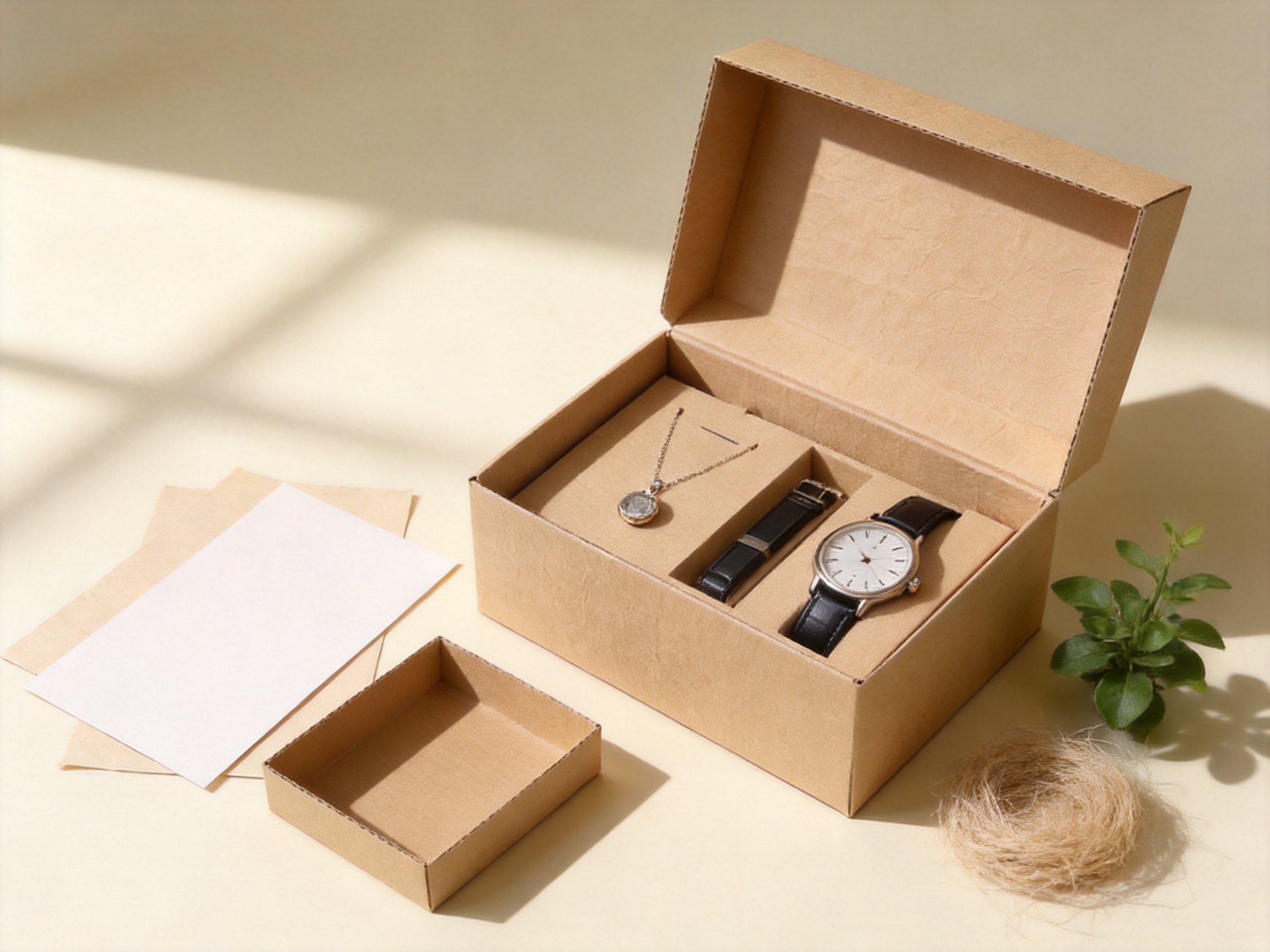
For jewelry, an interior insert may keep a necklace, bracelet, ring, or accessory in position. For watches, a formed support can help maintain presentation and reduce movement. For electronic accessories, compartments may separate cables, adapters, or documentation. For gift sets, a multi-section interior can create a deliberate sequence as the recipient opens the package.
The following table summarizes the principal information supplied for the 604 square specialty paper gift box. Final specifications may vary according to approved samples, custom design, production requirements, and packing arrangements.
| Project number | 604# |
| Product type | Square high-end specialty paper gift box |
| Primary material | Art paper-coated cardboard with yuppie-textured specialty paper |
| Available colors | CMYK, Pantone colors, and custom colors |
| Reference dimensions | Approximately 34 × 26 × 15.3 cm to 16.8 × 10.8 × 6.5 cm |
| Customization | Custom sizes, artwork, colors, and packaging solutions |
| Applications | Gift packaging, storage, gifts, crafts, jewelry, watches, electronics, and corporate gifts |
| Minimum order quantity | 300 sets |
| Reference delivery period | 7–45 days or according to customer requirements |
| Design support | In-house design advice and custom design development |
| Design file formats | Artificial Intelligence and CorelDRAW files |
| Reference packing arrangement | 10 pieces per set; carton arrangements to be confirmed for the order |
| Carton reference dimensions | Approximately 54 × 35 × 33 cm |
Because packaging projects can involve different sizes, inserts, finishes, and shipment requirements, the table should be treated as a planning reference rather than a substitute for a confirmed commercial quotation. Buyers should approve a final specification sheet before production begins.
One of the main advantages of the 604 format is its dimensional flexibility. The listed reference sizes cover a range of packaging requirements, from smaller gift items to larger product combinations. Custom sizing allows the box to fit the product more closely, reducing unnecessary movement and avoiding an oversized presentation.
A well-fitted box improves both protection and appearance. If the package is too large, the product may shift during transport and the presentation may look incomplete. If it is too small, the item may be difficult to insert or remove, and the box may experience stress at the corners or lid. Correct dimensions support a smoother customer experience.
Custom sizing can also help brands develop a consistent packaging family. A company may use one visual language across several box sizes, creating a recognizable product line while adapting the internal volume to each item. The square format can become a repeatable foundation for different collections, seasonal editions, or retail categories.
Before confirming dimensions, buyers should provide accurate product measurements, including length, width, height, protruding components, protective wrapping, and any internal accessories. Tolerances should be discussed because the finished box must allow for practical insertion and removal. For delicate goods, the interior space should also accommodate protective materials without making the package appear loose.
Manufacturers may prepare technical drawings or structural prototypes to verify dimensions. A sample helps confirm the opening method, fit, visual proportions, and interaction between the outer box and interior components. It is especially valuable when the product has unusual geometry or when the packaging will be used for high-value goods.
Packaging is a three-dimensional brand communication tool. The box may display a logo on the lid, product information on the sides, a pattern across the exterior, or a complete visual system that continues inside the package. The 604 design supports CMYK, Pantone, and custom color requirements, allowing buyers to select a suitable approach for their brand identity.
CMYK printing is appropriate for photographic images, gradients, illustrations, and multicolor artwork. Pantone colors are useful when a brand needs a more controlled spot-color reference. Custom colors may be developed for special campaigns or when the standard color system does not fully represent the desired appearance.
The yuppie texture should be considered during artwork preparation. Fine details may interact with the surface pattern, and very small text may be less readable if placed over a strongly textured area. A professional design team can recommend suitable logo sizes, contrast levels, line weights, and placement positions.
Minimal branding can be highly effective on this type of box. A centered logo, a restrained color palette, and a clean texture may create a premium impression. Alternatively, the box can carry a more expressive design for holiday gifting, cultural products, cosmetics, crafts, or promotional campaigns.
Special finishing options may also be considered where appropriate. These can include foil accents, embossing, debossing, spot coatings, matte effects, or other decorative treatments. The final selection should be based on the product’s positioning, budget, production volume, and desired tactile experience. Adding too many effects may reduce the clarity of the design, while a carefully selected accent can strengthen recognition.
Artwork should be supplied in an appropriate editable format. The available design information identifies Artificial Intelligence and CorelDRAW files as accepted formats. Buyers should also provide fonts, color references, logo specifications, and any required dieline information to reduce the risk of production errors.
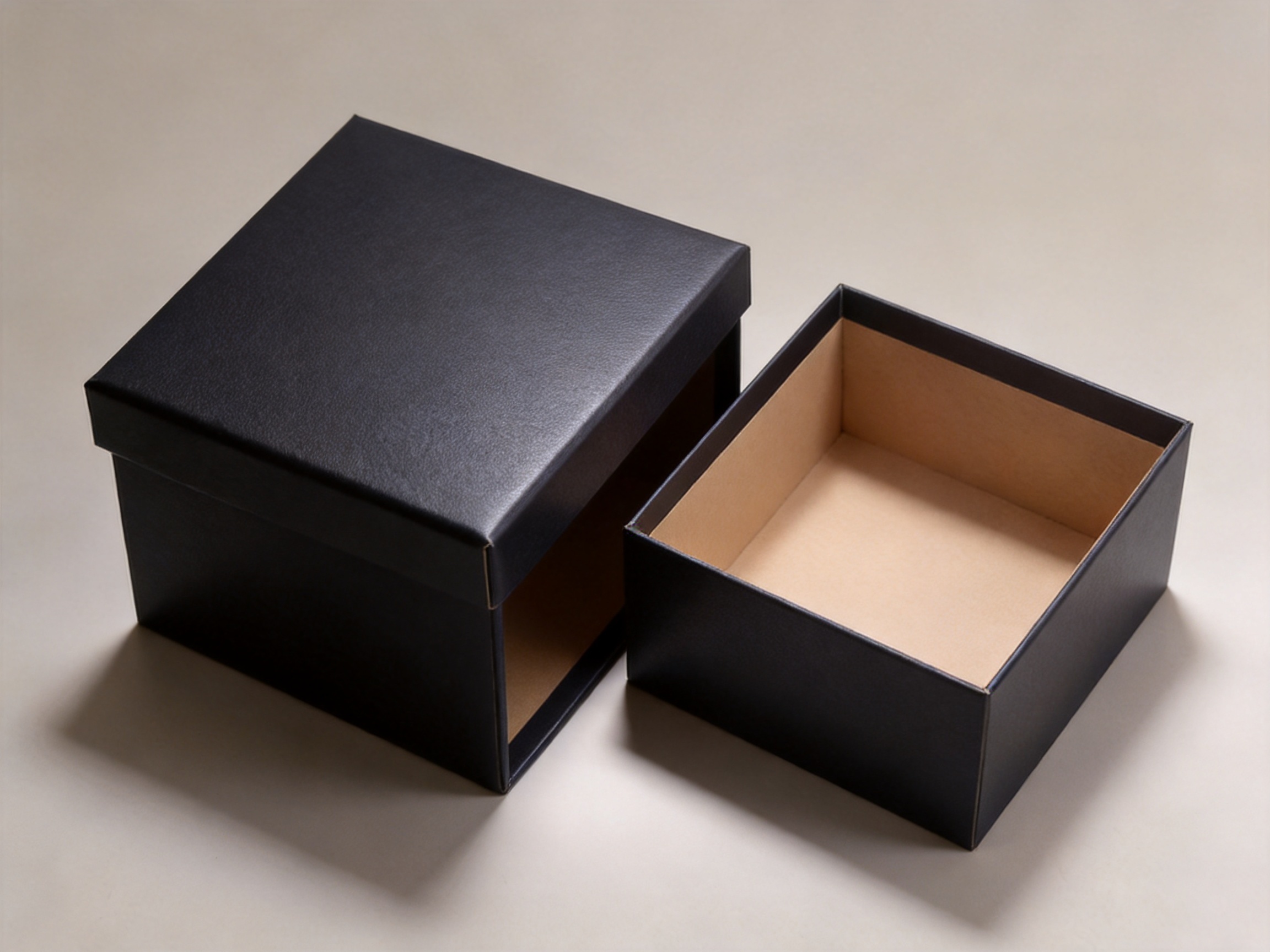
The manufacturer of the 604 gift box, Zhejiang Shihao Gift Packaging Co., Ltd., is an export-oriented producer specializing in paper gift packaging. The company has more than 15 years of experience in production, research and development, and sales. Its stated facility covers approximately 20,000 square meters and employs around 300 people.
This scale provides several advantages for customers. A dedicated production facility can support coordinated material purchasing, structural development, printing, finishing, assembly, inspection, and packing. Experienced teams can also identify potential problems earlier, especially when a product requires custom dimensions or a specialized surface.
The company reports an average daily production capacity of approximately 5,000 sets of gift boxes. Capacity alone does not guarantee quality, but it indicates that the manufacturer is equipped to handle repeat orders and commercial programs. For buyers planning seasonal promotions or large retail launches, production capability is an important part of supplier evaluation.
Shihao also maintains an in-house design team. This is valuable because packaging development involves more than creating a visual layout. It requires coordination between product dimensions, structural engineering, printing limitations, material behavior, assembly methods, and shipping requirements. A design team familiar with manufacturing can help transform an attractive concept into a practical product.
The company states that it updates dozens of products weekly and provides customized solutions for different markets. This suggests an active product development process and familiarity with changing packaging styles. Buyers can benefit from this knowledge when comparing textures, formats, color systems, internal structures, and finishing options.
For export customers, production coordination is particularly important. International orders may involve specific carton requirements, shipping schedules, documentation, quality expectations, and destination-market preferences. A manufacturer experienced in overseas business is better positioned to organize these details and communicate production progress.
Production begins with understanding the product and the packaging objective. The buyer should explain the product category, target market, quantity, preferred dimensions, intended retail or gifting environment, and expected level of protection. If the buyer has reference images or an existing package, these can help clarify the desired direction.
At this stage, the manufacturer can recommend suitable materials, colors, structures, and finishing methods. The discussion should also cover the expected order schedule, packaging quantity, shipping destination, and budget considerations. Early communication reduces the possibility of selecting a design that is attractive but difficult to produce at the required scale.
After the requirements are established, the design team can prepare structural drawings and artwork layouts. Dimensions are checked against the product, and the opening experience is considered. The box should be convenient to assemble, fill, close, open, and display.
Graphic design is developed alongside the structure. The team checks whether the logo, text, patterns, and color areas are correctly positioned on the finished surfaces. Bleed, folding lines, adhesive zones, and texture direction must be considered before the artwork is approved.
A sample or prototype provides a physical reference. It allows the customer to evaluate the box’s size, texture, rigidity, color, fit, and overall appearance. If an interior insert is included, the sample also verifies that the product can be placed and removed efficiently.
Sampling is a critical step for premium packaging because small details can affect the final impression. A slight change in color, logo scale, lid fit, or texture visibility may influence whether the box feels ordinary or high-end. Revisions are best completed before mass production.
Once the sample is approved, the required paperboard, specialty paper, inks, coatings, adhesives, and other components are prepared. Material consistency is important for repeat orders. The manufacturer should maintain clear specifications for paper color, texture, thickness, and surface finish.
Printing is carried out according to the approved artwork and color references. Quality checks may include print registration, color appearance, image clarity, text accuracy, and surface cleanliness. The textured paper requires careful handling so that the finished exterior remains visually consistent.
Printed specialty paper is applied to the cardboard structure, followed by forming or assembly of the box components. Accurate alignment is necessary at edges, corners, folds, and joints. Adhesive must be applied consistently to prevent lifting, bubbling, or visible marks.
During assembly, the manufacturer checks whether the box retains its intended square shape and whether the lid or closing structure functions correctly. If inserts are required, they are fitted and checked against the approved product dimensions.
Finished boxes are inspected before packing. Typical checks include appearance, size, structural integrity, texture, print quality, cleanliness, alignment, and quantity. Defective or damaged units should be separated before shipment.
The supplied information references 10 pieces per set and a carton dimension of approximately 54 × 35 × 33 centimeters. Because packing arrangements may change according to box size and order requirements, the final carton configuration should be confirmed before production and shipment.
The 604 gift box offers several advantages when compared with basic smooth-surface cartons or less specialized packaging formats.
The yuppie texture gives the box a recognizable tactile identity. A conventional printed carton may depend entirely on graphics to appear premium, while this design uses both material and artwork to create visual interest. The leather-like texture can make the packaging feel more refined when held.
The box does not require excessive decoration to communicate quality. Its square geometry and textured paper support a clean, professional style. This makes it suitable for brands that want an elevated appearance without a highly elaborate or overly colorful package.
The format can be used for jewelry, watches, electronics, gifts, crafts, business presents, and seasonal packaging. Its adaptability reduces the need to develop an entirely different box structure for every product category.
Custom dimensions help businesses create a closer product fit and develop coordinated packaging collections. This is an advantage over fixed-size packaging, which may leave unused space or fail to accommodate a particular product.
Support for CMYK, Pantone, and custom colors gives buyers more control over brand presentation. The packaging can be matched to an established identity or designed for a new product launch.
Access to an in-house design team can shorten the distance between an idea and a manufacturable package. Buyers do not need to manage every structural and production detail independently, particularly when developing a customized box.
The specialty paper and cardboard construction align with the growing interest in recyclable paper packaging. The environmental performance of the final package depends on the exact materials, coatings, adhesives, and local recycling facilities, but a paper-based format can provide a more responsible alternative to packaging dominated by non-paper components.
The manufacturer’s stated facility size, workforce, production capacity, certifications, and export experience provide a foundation for repeat orders. These factors can be especially valuable to importers, wholesalers, retailers, and brands managing international supply chains.
Jewelry requires a package that protects small, valuable items while presenting them attractively. The square box can be developed with a suitable insert for rings, earrings, bracelets, necklaces, or jewelry sets. A dark textured exterior may create a classic presentation, while a lighter or colored version can support a contemporary collection.
The interior should prevent the jewelry from moving excessively during transport. Soft supports, compartments, and carefully positioned holders can help maintain order. The outer box can carry a discreet logo and product information, creating an experience that feels appropriate for gifting.
Watches benefit from structured presentation because the dial, strap, and case are visually important. An internal support can hold the watch in position while allowing the recipient to see the product immediately after opening the box. The textured exterior supports a premium appearance without competing with the watch itself.
Small electronics and accessories often require organized packaging for the main item, cable, charger, adapter, manual, or warranty information. A custom interior can separate these components and make the package easier to use. The square outer structure provides a clean, professional presentation suitable for both consumer and corporate markets.
Corporate gifts must often appeal to a broad audience and reflect the professionalism of the organization giving them. The 604 box can be customized with corporate colors, restrained branding, and a carefully selected texture. It may be used for executive gifts, event packages, employee recognition items, or client appreciation programs.
Seasonal packaging can use the same basic structure with different colors, graphics, or finishing details. A brand may create limited editions for festivals, anniversaries, weddings, or promotional campaigns without changing the entire packaging concept. This supports visual continuity while allowing timely variation.
Handmade crafts, ornaments, accessories, and small decorative products can gain additional perceived value from premium packaging. The box can provide protection during delivery while also becoming part of the gifting experience. For artisan businesses, a custom logo and carefully selected paper color can reinforce the handmade or boutique character of the product.
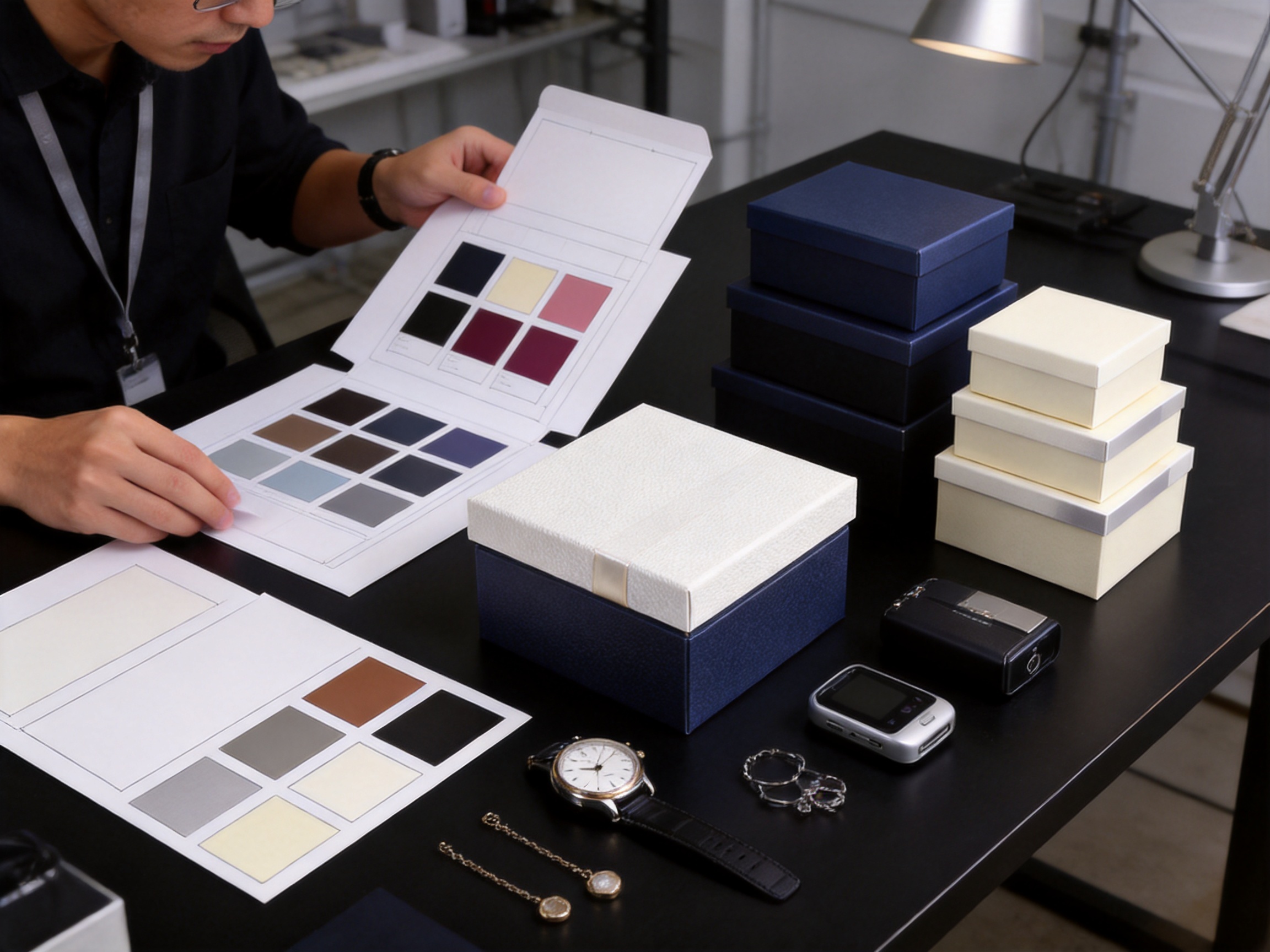
Environmental expectations are influencing packaging decisions across many industries. Buyers increasingly look for materials that can support recycling, reduce unnecessary plastic, and communicate responsible business practices. The 604 gift box uses specialty paper and cardboard, making it suitable for paper-based packaging strategies.
Paper and cardboard can be recycled in many markets, but recyclability is not determined by the base material alone. Foil, plastic laminations, heavy coatings, mixed-material inserts, and certain adhesives may affect recycling outcomes. Therefore, buyers should discuss the exact material composition with the manufacturer if environmental claims are important to the project.
Right-sizing is another sustainability consideration. A box designed closely around the product may reduce wasted space and lower the amount of material used. It can also improve transport efficiency by allowing more units to fit into a carton or shipment. Custom dimensions should therefore be evaluated not only for appearance but also for material and logistics efficiency.
Durability can contribute to responsible packaging as well. A box that remains attractive and usable after the initial unboxing may be reused for storage, jewelry, stationery, crafts, or household items. The product category information identifies gift packaging and storage as applications, and the square shape is naturally suited to continued organization.
Buyers should request accurate environmental information before making formal sustainability statements. Relevant questions may include the recycled content of the board, the origin of the paper, the type of coating, the recyclability of the complete package, and the availability of FSC-certified material. The company states that it has passed FSC certification, but the applicable certification scope and project-specific material status should be confirmed for each order.
Quality control should begin before mass production. A clear specification sheet should identify the approved dimensions, material, texture, color references, artwork, finishing, internal components, packing method, and acceptable tolerances. This document serves as a common reference for the buyer and manufacturer.
Incoming materials should be checked for consistency. Specialty paper can vary in color, texture, and surface appearance between batches, so material approval is important. Cardboard should be suitable for the planned box size and weight. If the package will hold a heavy product, the structure may require additional reinforcement.
Printing inspections should verify that the correct artwork has been used and that all text, logos, barcodes, and legal information are accurate. Color should be evaluated under consistent lighting when possible. Pantone references can help establish a target, but the appearance may still be influenced by the paper surface and texture.
Assembly inspections should focus on corners, edges, folds, joints, adhesive application, and box alignment. The finished box should open and close smoothly. The lid should not be excessively loose or difficult to remove. The outer surface should be clean, free from obvious scratches, stains, wrinkles, bubbles, and adhesive marks.
Sampling during production can help identify issues before the full order is completed. For repeat orders, a previously approved sample or golden sample may be retained as a comparison standard. This is especially useful when the packaging is produced over multiple batches or when several suppliers are involved in the supply chain.
A successful packaging order begins with a complete project brief. The buyer should identify the product, quantity, target delivery date, shipping destination, desired box dimensions, internal protection needs, brand requirements, and expected retail or gifting use.
Product samples or accurate technical drawings can help the manufacturer develop the correct structure. If the product is not yet finalized, the buyer should communicate any expected changes. Producing packaging before the product dimensions are stable may lead to fit problems or costly revisions.
The design stage should include a review of all visible surfaces. This includes the lid, base, side panels, inside lid, interior walls, insert, and any accompanying paper materials. The buyer should confirm whether the package requires labels, care instructions, product cards, certificates, or other accessories.
Lead time should be discussed early. The stated delivery period is 7–45 days or according to customer requirements, but the actual schedule may depend on design approval, sampling, material availability, order quantity, production complexity, and shipping arrangements. A realistic schedule should include time for artwork confirmation, sample approval, manufacturing, inspection, packing, and transportation.
The minimum order quantity is listed as 300 sets. This quantity can be suitable for brands testing a premium packaging concept, launching a limited collection, or placing a commercial order for regular distribution. Buyers should confirm whether the minimum applies to one design, one size, one color, or a combined order.
Carton packing should also be reviewed. The listed information references 10 pieces per set and a carton dimension of approximately 54 × 35 × 33 centimeters, but the final packing plan may change with box dimensions and product configuration. Accurate packing information is necessary for freight calculations and warehouse planning.
Brand image is built through repeated customer experiences. A gift box may be used only once for presentation, but its appearance can influence whether the customer remembers the brand, shares the unboxing experience, or keeps the box for future storage.
The 604 box creates opportunities for consistent brand storytelling. A company can use the same square structure and textured material across product lines while changing colors, logos, interior layouts, or seasonal artwork. This creates a family resemblance that can strengthen recognition.
Customization also allows a package to reflect market positioning. A premium watch brand may select a dark, restrained palette. A jewelry company may prefer soft neutral tones with subtle metallic details. A craft brand may choose a natural color and illustrative graphics. A corporate buyer may prioritize a precise logo treatment and a formal color scheme.
The package should support the product rather than overwhelm it. The textured surface is already a design element, so the most effective solution may involve a limited number of graphic features. In other cases, the texture can serve as a background for a more expressive visual identity. The correct approach depends on the target audience and the role of the package in the sales environment.
Packaging production involves a chain of interdependent decisions. A change in paper thickness can affect folding. A change in texture can affect printing. A change in box size can affect carton packing. A change in interior protection can affect both cost and shipping volume. Experience helps connect these decisions rather than treating each one separately.
An established manufacturer can also provide practical feedback based on previous projects. This may include recommendations about corner construction, lid clearance, artwork placement, color selection, adhesive zones, insert design, and packing efficiency. Such advice can reduce the risk of discovering problems only after mass production.
The stated company history of more than 15 years, its approximately 20,000-square-meter facility, workforce of around 300 employees, and daily output of approximately 5,000 sets indicate a substantial production base. Its reported BSCI and FSC certifications may also support buyer requirements related to social responsibility and responsible forestry, subject to verification of current certification documents.
Export experience is another practical strength. International customers often need clear communication, reliable packing, consistent quality, and coordination across longer delivery routes. A manufacturer accustomed to overseas orders can help organize these requirements more efficiently than a supplier focused only on small local production.
Before placing an order for the 604 square specialty paper gift box, buyers should evaluate the following points:
First, confirm the product dimensions and determine whether the standard reference size is suitable or a custom size is required.
Second, select the desired surface color and review how it interacts with the yuppie texture. Request a physical sample when color and texture are critical to the brand presentation.
Third, decide whether the box requires an insert, compartment, cushion, holder, or other interior component.
Fourth, prepare final artwork in an accepted editable format and confirm all text, logos, barcodes, and color references.
Fifth, clarify the complete material composition if recyclability, FSC sourcing, or other environmental claims are part of the marketing plan.
Sixth, agree on the sampling process and identify the person responsible for final approval.
Seventh, confirm the minimum order quantity, delivery schedule, carton configuration, shipping terms, and destination requirements.
Eighth, establish inspection criteria before production, including appearance standards, size tolerances, color expectations, and acceptable defect levels.
Ninth, verify whether the quoted price includes design assistance, sampling, special finishing, inserts, assembly, packing, and other project components.
Tenth, retain an approved sample and specification sheet for future repeat orders.
The main difference is the yuppie-textured specialty paper, which creates a leather-like tactile and visual effect. Combined with art paper-coated cardboard and a square premium structure, the box offers a more refined presentation than a basic smooth-surface carton.
Yes. Custom sizes are available. The listed reference dimensions range from approximately 34 × 26 × 15.3 centimeters to 16.8 × 10.8 × 6.5 centimeters, but the final dimensions should be developed according to the product and interior requirements.
The available color methods include CMYK, Pantone colors, and custom colors. The final appearance should be evaluated with the selected specialty paper because texture and surface finish can influence how colors appear.
The box is suitable for jewelry, watches, electronics, gifts, crafts, ornaments, corporate gifts, and seasonal gift sets. The interior can be customized according to the product’s size, weight, fragility, and presentation requirements.
Interior components can be discussed as part of the customized packaging solution. Possible options may include compartments, supports, paperboard inserts, foam, fabric, or other protective structures, depending on the product and required presentation.
The box uses paper-based materials, and the supplied product information identifies the specialty paper as environmentally friendly and recyclable. However, the recyclability of the complete package depends on the exact paper, coatings, adhesives, inserts, and recycling facilities available in the destination market. Buyers should confirm project-specific details before making environmental claims.
The listed minimum order quantity is 300 sets. Buyers should confirm how the minimum applies to designs, sizes, colors, and packaging configurations.
The reference delivery time is 7–45 days or according to customer requirements. The actual schedule depends on artwork approval, sampling, material preparation, order quantity, production complexity, inspection, and shipping arrangements.
Yes. The company has an in-house design team and offers professional advice. Custom designs are welcome, and the listed design file formats include Artificial Intelligence and CorelDRAW files.
Buyers should provide the product dimensions, desired box size, quantity, artwork, color requirements, surface finish, interior requirements, delivery destination, and target schedule. Product samples or technical drawings can improve the accuracy of the quotation and prototype.
Yes. Its restrained square design and premium textured surface are suitable for corporate gifts, client appreciation packages, employee recognition items, event gifts, and executive presentation sets. Corporate colors and logos can be integrated into the design.
The rigid paperboard structure can potentially be reused for storage after the initial gift presentation. Jewelry, stationery, crafts, small accessories, and other items may be stored in the box, depending on the final size and construction.
The 604 Square High-End Specialty Paper Gift Box with Yuppie Texture combines a clean square structure, art paper-coated cardboard, distinctive specialty paper, and flexible customization. Its leather-like textured surface creates a tactile point of difference, while its understated appearance supports premium, professional, and contemporary brand positioning.
The box is suitable for jewelry, watches, electronics, crafts, corporate gifts, holiday packaging, and many other products. Custom dimensions allow the structure to be adapted to different product sizes, and CMYK, Pantone, and custom color options give brands control over their visual identity.
Its strongest commercial advantages are the balance between refined appearance and practical production, the availability of design support, the use of paper-based materials, the broad application range, and the manufacturing capacity of an experienced export-oriented supplier. With more than 15 years of industry experience, an in-house design team, substantial facility space, reported international certifications, and stated daily production capacity, Zhejiang Shihao Gift Packaging Co., Ltd. is positioned to support both customized projects and repeat commercial orders.
For buyers, the best results will come from treating the package as a complete system rather than simply selecting an attractive outer shell. Product dimensions, structural fit, surface texture, artwork, internal protection, sustainability requirements, inspection standards, and shipping arrangements should all be considered during development. With proper planning and sample approval, the 604 gift box can help transform packaging into a meaningful part of the product experience.
1. Product specification sheet for Project 604#, including material, dimensions, colors, applications, order quantity, and delivery information.
2. Company-provided manufacturing profile for Zhejiang Shihao Gift Packaging Co., Ltd., including facility scale, workforce, production capacity, certifications, and export markets.
3. General principles of paperboard packaging design, structural development, material selection, and quality inspection.
4. General guidance on sustainable paper packaging, recyclability, right-sizing, and responsible material communication.
5. General packaging branding practices concerning tactile surfaces, color management, unboxing experience, and premium product presentation.
Recommended Products

Contact Us

No. 15, Xiayang Road, Huangzhai Town, Jinhua, Zhejiang, China

(+86) 579-84230069

(+86) 13085675766


Products

Gift Box Packaging Manufacturer
 English
 Français
 Español
 عربى