2026-10-01
In a competitive packaging market, a gift box must do more than protect its contents. It must communicate quality before the recipient opens it, create a memorable first impression, support the positioning of the product inside, and provide a practical platform for branding. The 604 Square High-End Specialty Paper Gift Box with Yuppie Texture is designed around these requirements. Its square structure, premium specialty paper, leather-like tactile finish, customizable dimensions, and professional manufacturing support make it suitable for brands seeking elevated presentation without depending on overly complicated construction.
This product belongs to the high-end specialty paper gift box category and is suitable for gift packaging, storage, gifts, crafts, business presents, seasonal packaging, jewelry, watches, electronics, and other valuable or visually sensitive products. The design combines a clean geometric silhouette with a distinctive textured surface. The result is a package that feels refined, modern, understated, and luxurious while remaining adaptable to different product categories and brand identities.
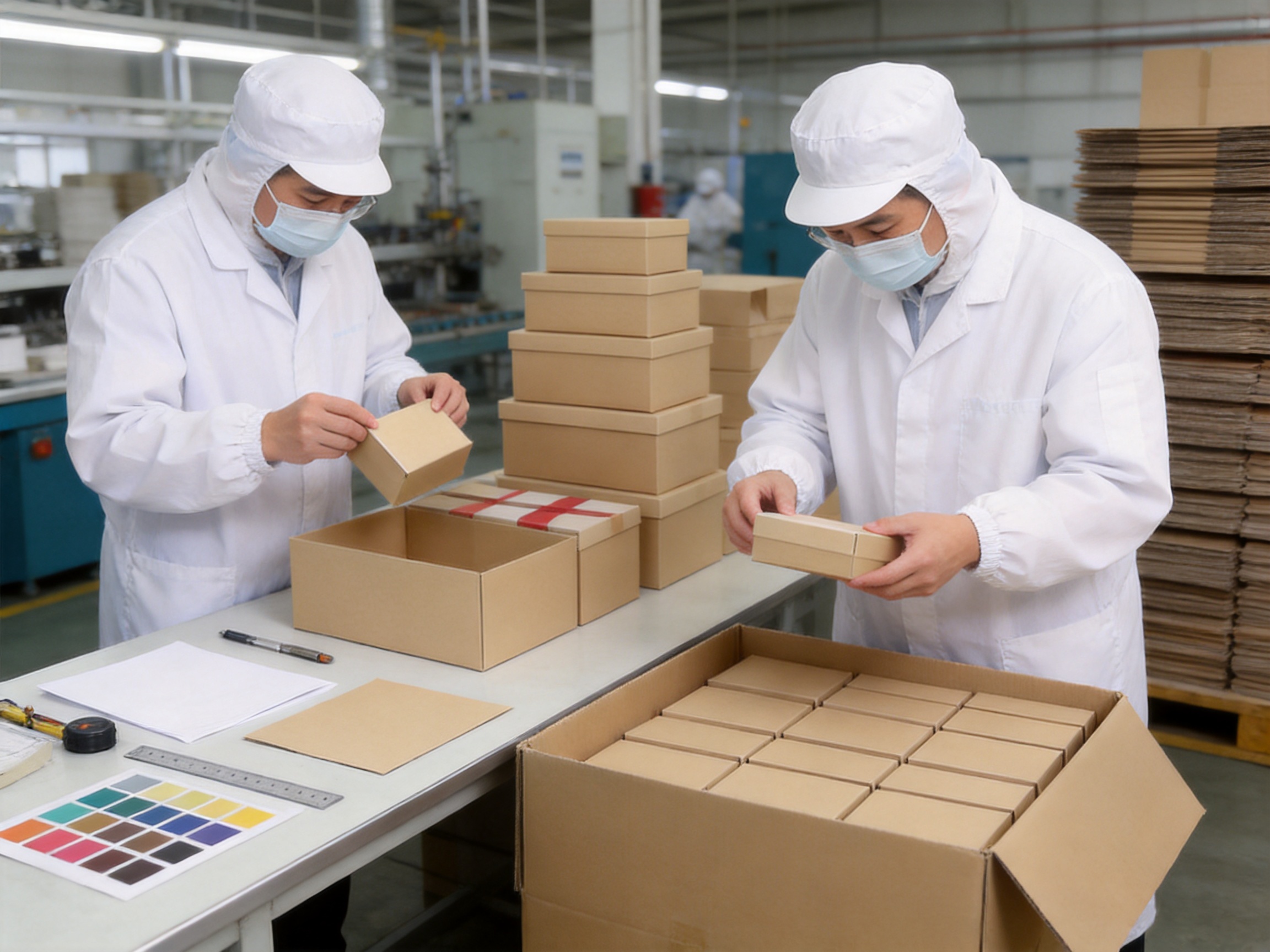
The product is manufactured by Zhejiang Shihao Gift Packaging Co., Ltd., an export-oriented paper packaging manufacturer with more than fifteen years of industry experience. The company operates from a 20,000-square-meter facility, employs approximately 300 people, and has an estimated daily production capacity of about 5,000 sets of gift boxes. Its capabilities include product development, structural design, printing, finishing, assembly, quality control, and export support. The company also maintains an in-house design team and provides customized packaging solutions for customers in Europe, the United States, the Middle East, and other markets.
This article examines the product’s structure, material, visual appeal, customization potential, application range, manufacturing strengths, sustainability characteristics, and comparative advantages. It also explains how buyers can evaluate the box, plan a custom order, and use the packaging to improve brand presentation and customer experience.
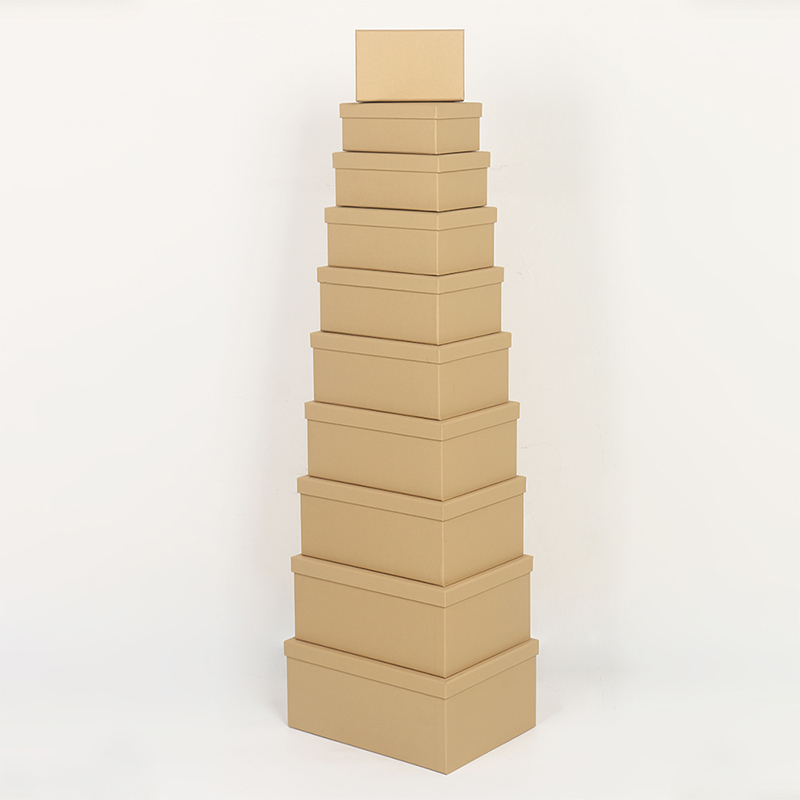
604 Square High-End Specialty Paper Gift Box with Yuppie Texture
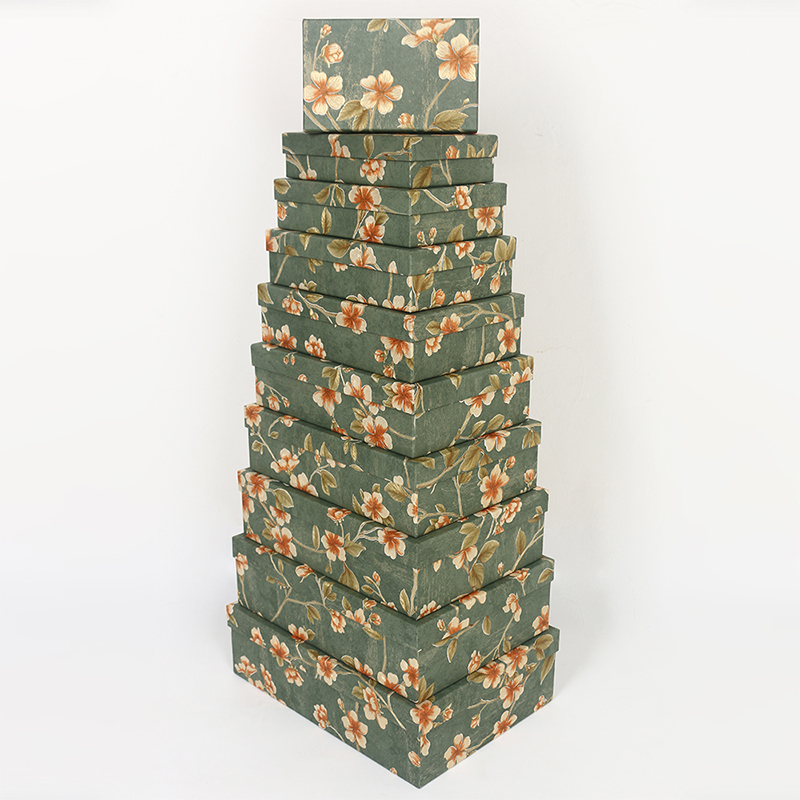
The 604 Square High-End Specialty Paper Gift Box is built around a square format that provides visual balance and broad application flexibility. Square packaging is widely used because it can accommodate many product shapes while maintaining a neat and stable appearance. It works well for compact luxury items, boxed sets, accessories, ornaments, specialty foods, electronics, and promotional gifts. The format is also easy to arrange on shelves, in display cabinets, and inside larger shipping cartons.
The central design feature is the yuppie-textured specialty paper applied to the box surface. The texture resembles the subtle grain of leather, providing a tactile experience that distinguishes the package from ordinary smooth paperboard. When a customer touches the box, the surface communicates substance and quality. This is particularly important for products positioned in the premium, fashion, lifestyle, jewelry, and corporate gift sectors.
The visual language of the box is intentionally restrained. Instead of relying on excessive decoration, it uses proportion, texture, color, and finishing quality to create an upscale appearance. This makes the box suitable for brands that prefer quiet luxury, contemporary minimalism, sophisticated retail presentation, or a professional corporate image. The surface can serve as a background for a logo, hot stamping, printed graphics, labels, or other brand elements, depending on the project requirements.
The product is not limited to a single fixed size. The supplied size range extends from approximately 34 × 26 × 15.3 centimeters for the larger format to approximately 16.8 × 10.8 × 6.5 centimeters for the smaller format. These dimensions are identified as a range from size 1 to size 10, allowing buyers to select a format that corresponds to the size and volume of their products. Custom dimensions are also available for projects that require a precise internal fit.
A well-fitted box reduces unnecessary movement inside the package and can improve the presentation when the lid is opened. It also helps brands avoid the visual and material waste associated with packaging that is significantly larger than the product. For businesses offering multiple product sizes, a coordinated series of square boxes can create a consistent product family while allowing each package to remain appropriately proportioned.
The main characteristics of the product can be summarized as follows:
| Product type | Square high-end specialty paper gift box |
| Project number | 604# |
| Primary material | Art paper-coated cardboard with specialty textured surface |
| Surface character | Yuppie texture with a leather-like tactile effect |
| Available colors | CMYK, Pantone colors, and custom colors |
| Available dimensions | Approximately 34 × 26 × 15.3 cm to 16.8 × 10.8 × 6.5 cm, with custom sizing available |
| Typical applications | Gift packaging, storage, jewelry, watches, electronics, crafts, business gifts, and holiday packaging |
| Minimum order quantity | 300 sets |
| Standard delivery range | Approximately 7 to 45 days, or according to customer requirements |
| Design support | In-house design advice and custom artwork development |
The specifications provide a useful starting point, but packaging projects should always be confirmed through a formal quotation and production proof. Final details such as board thickness, internal inserts, finishing methods, packing configuration, shipping terms, and exact carton data may vary according to the selected size and customization plan.
The surface material is one of the strongest differentiators of this gift box. Standard coated paperboard can provide a clean printed appearance, but it may not deliver a distinctive tactile experience. The yuppie-textured specialty paper adds visual depth and surface character. Its leather-like grain creates a premium impression without requiring a complex molded exterior or heavy decorative construction.
Texture influences how consumers judge packaging. A smooth box may appear polished, while a textured box can appear more substantial and intentional. The tactile variation catches light differently across the surface, helping the package look more dimensional. It also reduces the risk that minor handling marks will be as visually obvious as they might be on a highly glossy, flat surface.
For luxury and lifestyle products, tactile design can strengthen the emotional connection between the customer and the brand. The moment of handling becomes part of the unboxing experience. A recipient may remember the feel of the packaging as much as its color or printed design. The textured surface is therefore not only a decorative feature; it is a branding tool that creates a sensory point of difference.
Compared with ordinary paper gift boxes, this product offers a more distinctive presentation while retaining the advantages of paper-based packaging. It avoids the cold or overly industrial feeling that can be associated with plastic containers, while still providing a structured exterior suitable for premium retail display. For companies that want to convey quality through subtle details, the material offers a strong balance between appearance and practicality.
Different brands can interpret the same textured surface in different ways. A jewelry company may combine the box with dark neutral colors and metallic foil for a classic luxury effect. A fashion label may use a bold custom color and a restrained logo for a modern editorial appearance. A technology brand may use a deep gray or navy tone to create a premium, professional presentation. A corporate gifting program may select a subdued color with a carefully positioned mark for a polished business image.
The surface also supports a range of design strategies. Brands can emphasize the texture by keeping the printed area minimal, or they can use printing and finishing techniques to create contrast between the textured base and selected graphic elements. Because the texture already contributes visual interest, the package does not need to be overloaded with patterns or ornamentation.
A premium gift box must look attractive, but it must also function reliably during handling, storage, transport, and presentation. The cardboard-based structure provides a stable foundation for the specialty paper covering. When appropriately specified, the board helps the box retain its shape and provides a protective layer around the packaged item.
The square structure can be especially useful for product organization. Its regular proportions make it easy to stack and arrange in storage areas. Retailers can display several sizes together in a coordinated arrangement. Gift set manufacturers can select a larger size for multiple items or a smaller size for individual products. The range from size 1 to size 10 supports a broad assortment strategy without forcing every product into a single universal package.
For storage applications, the box can be used to organize accessories, keepsakes, craft items, stationery, small collectibles, or other personal goods. This expands its usefulness beyond one-time gifting. A well-designed gift box may be retained by the recipient and reused, extending the life of the packaging and keeping the brand visible in the customer’s home or office.
The product can also be adapted with internal components. Depending on the packaged item, a buyer may request paperboard compartments, molded paper inserts, foam components, fabric lining, ribbons, trays, or other protective solutions. These additions should be evaluated according to the product’s fragility, weight, dimensions, presentation requirements, and transportation conditions.
Some packaging solutions prioritize protection at the expense of appearance, while others look attractive but offer limited structural support. A specialty paper gift box aims to combine both objectives. The coated cardboard base supports the box body, and the textured outer paper creates a premium appearance. With the correct insert and size, the product can hold the item securely while presenting it attractively when opened.
This combination is valuable for jewelry, watches, electronics, and crafted products. These categories often require packaging that protects the product from scratches, movement, dust, or compression while also supporting a high-value perception. The outer box establishes the first impression, and the internal arrangement completes the presentation.
For business gifts and holiday gift boxes, the format offers a professional alternative to disposable wrapping. The square shape is suitable for coordinated campaigns and can be produced in multiple colors or sizes. Businesses can use the same structural language across annual events, employee gifts, customer appreciation programs, product launches, and seasonal promotions.
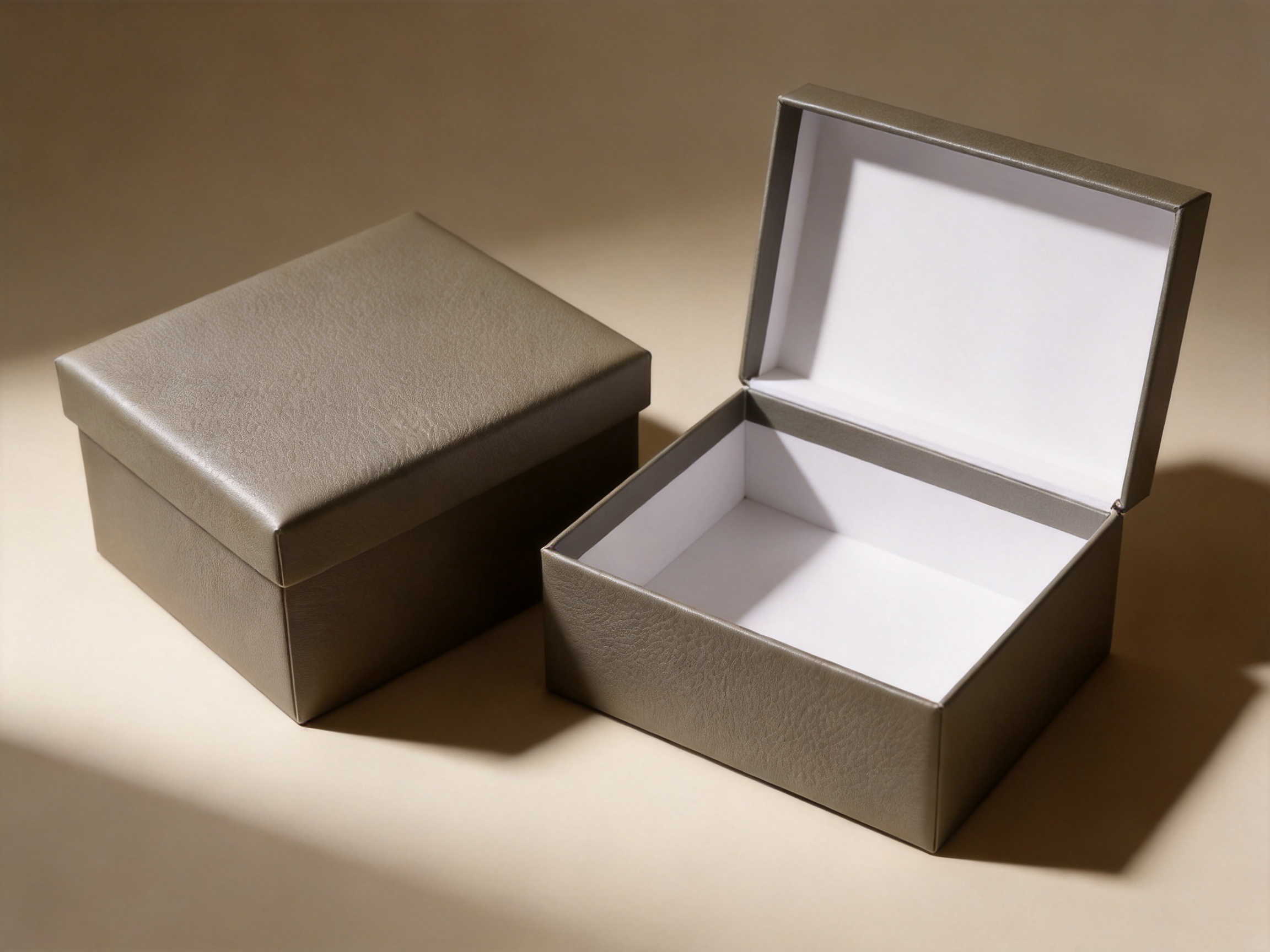
Customization is a major advantage of working with a specialist gift box manufacturer rather than purchasing generic packaging from a standard catalog. The 604 product can be adjusted according to size, color, artwork, surface treatment, internal structure, and intended application. This flexibility helps brands develop packaging that fits their product and communicates their identity more accurately.
Custom sizing is important for both visual quality and material efficiency. A box that is too large may make a small product appear insignificant, require additional filler, and increase shipping volume. A box that is too small may create pressure on the product or make the opening experience feel cramped. A correctly proportioned box gives the product a more intentional presentation.
Buyers should provide the product’s length, width, height, weight, and any clearance requirements when requesting a quotation. If the product includes accessories, manuals, charging cables, certificates, or gift cards, these components should be included in the packaging plan from the beginning. The design team can then propose a box size and insert structure that accommodates the complete package.
The product supports CMYK, Pantone colors, and custom color requirements. CMYK printing is suitable for full-color artwork, photographic effects, illustrations, and complex graphics. Pantone matching is useful when a brand has a specific corporate or product color that needs to remain consistent across packaging and other marketing materials. Custom colors can be evaluated during the sampling process to ensure that the selected shade works effectively with the specialty paper texture.
Color selection should consider the intended market, product category, logo treatment, retail environment, and desired emotional response. Neutral tones may communicate luxury and restraint, while vivid colors can attract attention in seasonal or youth-oriented campaigns. Metallic, dark, pastel, and natural shades can all be considered, provided that the final combination maintains legibility and production consistency.
The manufacturer offers professional design advice through its in-house design team. Customers may provide finished artwork, preliminary concepts, reference images, brand guidelines, or only a general packaging direction. The design team can help translate these materials into a production-ready layout.
Design files are accepted in common professional formats, including Artificial Intelligence and CorelDRAW files. Artwork should be prepared with appropriate dimensions, bleed, color settings, image resolution, and outlined fonts where required. A production proof or sample is recommended before mass manufacturing, particularly when the project includes special textures, metallic effects, tight color matching, or multiple box sizes.
Structural design is equally important. The team can evaluate how the box opens, how the lid or components align, how the product is positioned, and how the finished package is packed for shipment. This professional input can reduce avoidable errors and help ensure that the final product is both attractive and practical.
The versatility of the 604 box makes it suitable for a wide range of commercial and personal applications. Its premium appearance is particularly relevant to products where presentation influences purchase decisions or perceived value.
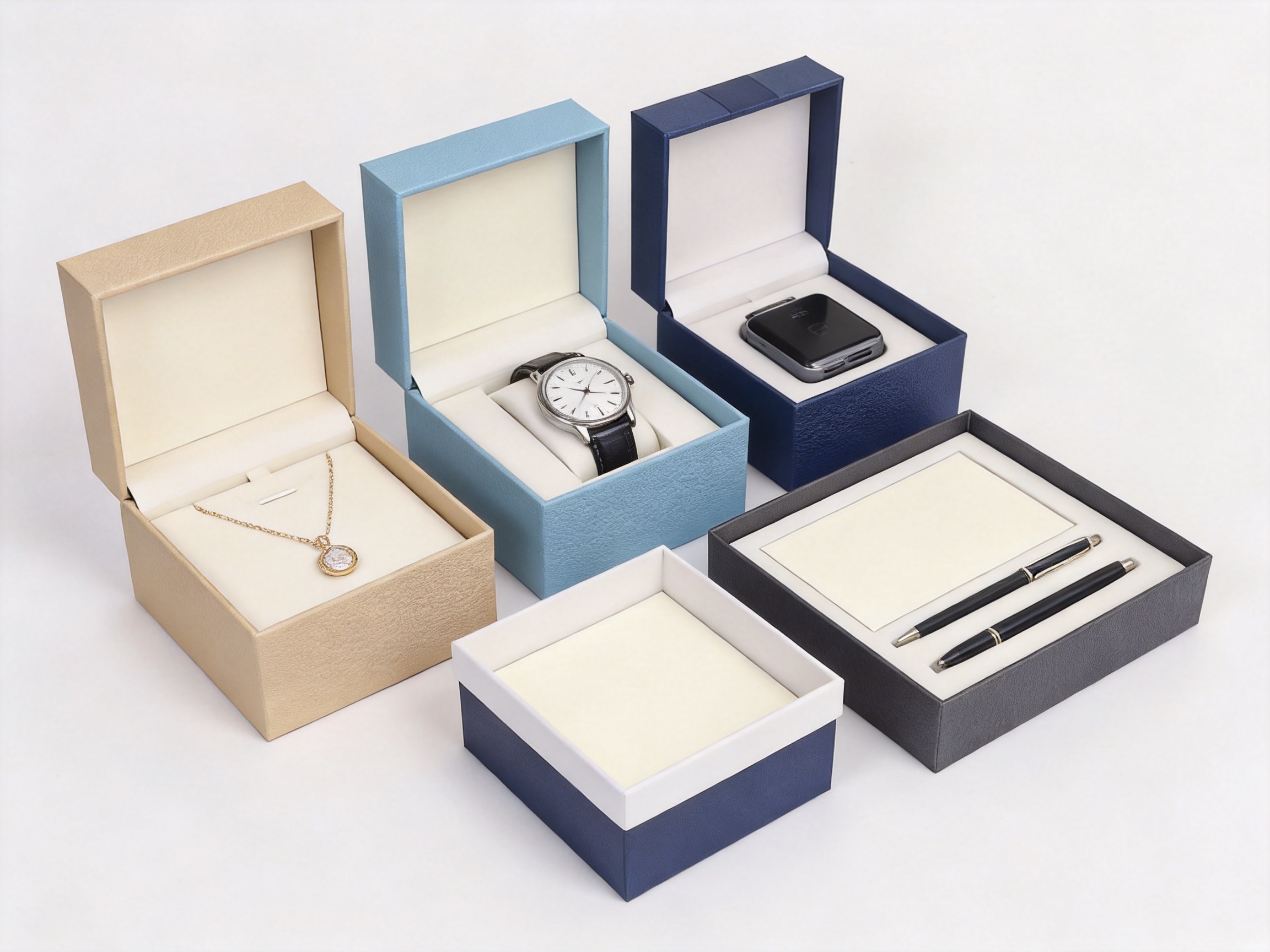
Jewelry requires packaging that protects delicate surfaces and communicates exclusivity. A textured square box can provide a sophisticated outer presentation for necklaces, bracelets, earrings, rings, and coordinated jewelry sets. Internal compartments or soft inserts can help hold pieces in place. Dark or metallic colors may support a traditional luxury image, while lighter or customized colors can appeal to contemporary brands.
Watches often benefit from packaging that balances protection and display. The box can be customized with a watch cushion, fitted insert, documentation compartment, or presentation tray. The square exterior provides a stable form for storage and shipping, while the textured surface adds a refined touch suitable for premium timepieces and limited-edition releases.
Small electronics, wireless accessories, personal devices, and related products can use the box for launch kits, promotional bundles, or premium editions. Custom inserts can organize the device, accessories, manuals, and warranty information. The durable cardboard structure and fitted interior can help reduce movement during handling. For technology brands, a minimalist logo and precise color treatment can create a high-end unboxing experience.
Corporate gifting requires packaging that looks professional and represents the organization well. The box can be printed with a company logo, event identity, campaign message, or seasonal design. It can be used for employee recognition gifts, client gifts, conference kits, anniversary programs, and executive presents. Because custom dimensions and colors are available, the same box concept can support different gift contents while maintaining a unified visual identity.
Holiday packaging often needs to be attractive, durable, and available in planned quantities. The 604 box can be developed in seasonal color combinations and adapted for gift sets containing multiple items. Its textured surface helps create a premium impression without requiring excessive decorative materials. Reusable construction may also encourage recipients to keep the box for storage after the holiday period.
The product category includes stationery storage boxes and other paper products, making the design suitable for notebooks, pens, cards, craft materials, and small office accessories. A coordinated series of sizes can organize different stationery collections or form part of a lifestyle product range. The square design is practical for shelves, drawers, and desktop organization.
The product is supported by a manufacturer with an established focus on paper gift packaging. The company has operated for more than fifteen years and has developed experience in research and development, structural design, production, sales, and export coordination. This combination is important because premium packaging projects often involve more than simple printing. They require material selection, engineering judgment, sample development, process control, and reliable delivery.
The reported 20,000-square-meter operating area provides room for production, material handling, assembly, quality inspection, and order coordination. A workforce of approximately 300 people supports the different stages of manufacturing and customer service. The estimated average daily production capacity of about 5,000 gift box sets indicates that the manufacturer can handle both regular production and larger commercial programs, subject to the specific design and order schedule.
The company maintains an in-house design team that updates dozens of products weekly and develops solutions for different market requirements. This product development capacity can be valuable for buyers who need more than a standard box. The team can assist with new structures, artwork adaptations, size adjustments, material suggestions, and presentation improvements.
An integrated approach can reduce communication gaps between design and production. When structural designers, artwork specialists, production personnel, and quality teams work within the same manufacturing organization, potential issues can often be identified earlier. Examples include insufficient folding clearance, artwork positioned too close to an edge, color expectations that do not suit the chosen material, or insert dimensions that do not match the final product.
For customers, this can simplify the development process. Instead of coordinating separately with a design studio, paper supplier, printer, assembler, and packaging exporter, the buyer can work with a manufacturer that manages the principal stages of the project. This may help improve consistency and make it easier to track revisions.
The stated minimum order quantity is 300 sets, which is accessible for many small and medium-sized brands, designers, retailers, corporate buyers, and product developers. At the same time, the manufacturer’s production capacity allows it to support larger orders when a product moves into wider distribution.
A lower entry quantity can be helpful during a market test, product launch, limited-edition release, or seasonal campaign. Buyers can begin with a controlled quantity, evaluate customer response, and then plan a larger production run. The final production schedule depends on the complexity of the design, material availability, sample approval, order volume, and shipping requirements.
Premium packaging quality depends on consistency across many details. A box may have an attractive design, but its value can be reduced if the corners are uneven, the paper covering is misaligned, the color varies significantly, or the lid does not fit correctly. For this reason, quality control should be considered throughout the project rather than only at the final inspection stage.
Material inspection is the first important step. The board should have the required thickness, flatness, and strength for the intended structure. The specialty paper should be checked for texture consistency, surface defects, color accuracy, and suitability for printing or finishing. Different batches may display minor variations, so buyers should confirm the acceptable tolerance before production.
During printing and finishing, the manufacturer should monitor registration, color density, logo placement, foil or coating alignment, and surface cleanliness. Textured papers may interact differently with inks and finishing materials than smooth coated papers. A physical sample is therefore particularly useful for checking how the selected design appears on the actual substrate.
Assembly quality includes corner alignment, folding accuracy, adhesive application, lid movement, insert fit, and overall dimensions. The completed boxes should be inspected for visible marks, wrinkles, lifting edges, excessive glue, and structural distortion. Packaging for export should also be checked for protection during transportation and warehouse handling.
A pre-production sample allows the buyer and manufacturer to confirm the appearance and function of the packaging before the full order begins. The sample should be reviewed with the actual product or a product equivalent. Buyers should check whether the item fits securely, whether there is adequate clearance, whether the opening experience is comfortable, and whether the box communicates the intended brand position.
Sample review should include the following questions:
Does the box close properly without excessive force?
Does the product remain in its intended position during normal handling?
Are the logo, artwork, and colors aligned with the approved design?
Is the yuppie texture visible and consistent across the main surfaces?
Are the box dimensions suitable for retail display, shipping, and storage?
Do the internal inserts protect the product without making removal difficult?
Are the selected materials and finishes appropriate for the intended market?
Resolving these questions before mass production can reduce costly changes and help create a more predictable final result.
The specialty paper material is described as environmentally friendly and recyclable, aligning with the growing demand for more responsible packaging. Paper-based packaging can support sustainability objectives when it is designed for efficient material use, produced with responsible sourcing, and handled through appropriate recycling systems after use.
The company reports FSC and BSCI certifications. FSC certification is associated with responsible forest management and supply chain oversight, while BSCI relates to social compliance and responsible workplace practices. Buyers should request current certification documentation and confirm that the relevant materials and production sites are covered by the applicable certifications for their order.
Sustainability is not determined by material choice alone. Box size, board weight, coatings, inserts, adhesives, printing processes, transport efficiency, and end-of-life handling all influence the environmental profile. A right-sized box can reduce excess material and shipping volume. A reusable box may extend the useful life of the package. Clear material choices can make disposal and recycling easier for consumers.
Brands should also consider whether every decorative component is necessary. A carefully selected textured paper, precise logo placement, and restrained finishing may create a stronger premium effect than multiple layers of decoration. This approach can support both visual sophistication and more responsible material planning.
The 604 box has several advantages over basic paper gift boxes and less specialized packaging solutions. The first is its tactile surface. Ordinary smooth paperboard may look clean, but the yuppie texture offers a more distinctive experience and can help the package stand out in a crowded retail environment.
The second advantage is the combination of premium appearance and structural practicality. The box is built from art paper-coated cardboard, giving it a firm paperboard foundation while allowing the outer surface to carry a refined specialty texture. This can provide a better balance than very thin folding cartons or purely decorative paper wraps.
The third advantage is customization. Buyers can request different dimensions, CMYK or Pantone colors, custom colors, artwork, and design support. Generic packaging generally offers limited control over proportions, brand presentation, and internal fit. Custom development enables the package to be built around the product rather than forcing the product into an unsuitable standard size.
The fourth advantage is application breadth. The box can serve jewelry, watches, electronics, crafts, stationery, business gifts, holiday sets, and storage. This flexibility is useful for companies with diverse product lines or for brands that want a consistent packaging system across multiple categories.
The fifth advantage is manufacturing support. An experienced packaging manufacturer with its own design team, production workforce, quality processes, and export experience can provide more comprehensive assistance than a trading source that only supplies a standard item. Customers may benefit from advice on material selection, artwork preparation, structure, sampling, packing, and delivery planning.
The sixth advantage is a relatively accessible minimum order quantity. A minimum of 300 sets can make the product suitable for emerging brands and limited runs, while the reported production capacity supports larger programs. This combination gives buyers room to test a concept without committing immediately to an extremely large order.
Many competing boxes attempt to create a premium effect through additional ribbons, laminations, metallic areas, or complex printed patterns. These techniques can be effective, but they may also increase cost, production complexity, and visual clutter. The yuppie-textured paper provides a built-in design feature. It can create sophistication even when the printed artwork is simple.
This is especially valuable for brands pursuing a quiet luxury strategy. A small logo on a carefully selected textured surface may communicate confidence more effectively than an oversized logo surrounded by excessive ornamentation. The box remains recognizable while allowing the product itself to remain the visual focus.
A successful custom packaging order begins with a clear product brief. The buyer should provide information about the product, target market, desired quantity, preferred dimensions, branding, budget, delivery destination, and expected launch date. Photographs or physical samples of the product can help the design team understand shape, weight, fragility, and presentation requirements.
The first step is to determine what the packaging must accomplish. Is the primary goal luxury presentation, product protection, retail display, corporate gifting, storage, seasonal promotion, or a combination of these objectives? The answer will influence the structure, insert, material, color, finish, and quantity.
Measure the product and all accessories carefully. Include clearance for protective wrapping, inserts, and easy removal. If the product is fragile or has moving parts, identify areas that need additional support. The manufacturer can then recommend an appropriate box size and internal configuration.
Choose the specialty paper color, logo treatment, printing method, and any additional finishing. Artwork can be supplied by the buyer or developed with assistance from the in-house design team. The selected texture should be reviewed alongside the proposed colors and graphics.
Review a physical sample or approved production proof. Confirm structure, visual appearance, color, texture, logo placement, insert fit, and opening experience. Any changes should be recorded clearly before mass production.
After approval, confirm the order quantity, payment terms, delivery schedule, shipping method, packing configuration, carton dimensions, and destination requirements. The provided product information states that packaging is arranged as 10 pieces per set and identifies outer carton information; because packing details may vary by size and order, buyers should confirm the final configuration in the commercial documentation.
Before shipment, the buyer may arrange inspection according to the agreed quality standard. The manufacturer then prepares the goods for export and coordinates delivery. The stated delivery time is approximately 7 to 45 days or according to customer requirements, with the actual lead time depending on order complexity, approvals, materials, production capacity, and transportation.
Packaging is a visible part of the customer journey. Before the product is used, the customer sees the box, touches it, opens it, and decides whether it feels worthy of keeping. A carefully developed gift box can therefore influence perceived value, purchase confidence, social sharing, and brand recall.
The 604 box supports brand storytelling through its material and form. The square silhouette communicates order and balance. The textured surface suggests quality and attention to detail. The customizable color and artwork allow the package to reflect the brand’s personality. Together, these elements can create a coherent experience from retail shelf to unboxing moment.
For online sellers, packaging can become especially important because the customer may not experience the product in a physical store before purchase. A premium box can help compensate for the absence of an in-person retail interaction. It can also improve the appearance of customer photographs, unboxing videos, and social media content.
For corporate buyers, a customized box can turn a functional gift into a branded communication tool. The recipient may keep the box, reuse it for storage, or display it in an office or home. In this way, the packaging can continue to provide brand visibility after the original gift has been opened.
Buyers should select the box size based on the complete product set rather than the main item alone. Accessories, documentation, protective materials, and presentation components can change the required internal dimensions. It is also advisable to avoid excessive empty space unless the design intentionally uses a larger presentation format.
When choosing colors, buyers should request a physical sample whenever exact brand matching is important. Digital screens and printed references may not accurately represent the final appearance of a textured specialty paper. The texture can influence color perception by creating highlights and shadows across the surface.
For high-value products, buyers should invest time in the internal insert. A beautiful exterior cannot compensate for a product that moves loosely inside the box. The insert should hold the product securely while allowing the customer to remove it without frustration. If the product is delicate, conduct basic handling and transport tests before approving the final design.
Buyers should also plan the production schedule early. Although the stated delivery range is 7 to 45 days, custom packaging requires design approval, material preparation, sampling, production, inspection, packing, and shipping. Seasonal orders should be placed well before the selling period to allow time for revisions and logistics delays.
Finally, the buyer should request confirmation of all commercial and technical details in writing. This includes material, dimensions, colors, artwork, finishing, insert construction, quantity, packing method, carton information, delivery terms, and quality standards. Clear documentation protects both parties and creates a reliable reference throughout production.
It is a square high-end specialty paper gift box with a yuppie-textured, leather-like surface. It is designed for premium gift presentation, storage, retail packaging, corporate gifts, seasonal sets, and other applications requiring an elevated paper-based package.
The yuppie-textured specialty paper provides a visible grain and tactile finish. It adds depth and a leather-like feel, helping the box appear more distinctive and luxurious than a standard smooth paperboard gift box.
Yes. The listed size range covers approximately 34 × 26 × 15.3 centimeters to 16.8 × 10.8 × 6.5 centimeters, and custom dimensions are available. Buyers should provide the complete product measurements and internal packaging requirements for accurate development.
The product supports CMYK colors, Pantone colors, and custom colors. Final color approval should be based on a suitable physical proof, especially when precise brand matching is required on a textured material.
Yes. Custom designs are welcome, and the manufacturer provides professional advice through its in-house design team. Buyers can submit artwork or request assistance with layout and production preparation.
The listed design information identifies Artificial Intelligence and CorelDRAW files. Artwork should be supplied according to the manufacturer’s technical requirements, including correct dimensions, bleed, color settings, image resolution, and font preparation.
Suitable applications include jewelry, watches, electronics, ornaments, crafts, stationery, business gifts, holiday gift sets, and other products requiring premium presentation. Internal inserts can be developed according to the product’s size, weight, and protection requirements.
The listed minimum order quantity is 300 sets. The final quantity may be discussed according to the specific project, box size, materials, and production plan.
The listed delivery time is approximately 7 to 45 days or according to customer requirements. Actual timing depends on design complexity, sample approval, material availability, order quantity, production scheduling, inspection, and shipping arrangements.
The specialty paper material is described as environmentally friendly and recyclable. The manufacturer also reports FSC and BSCI certifications. Buyers should confirm the current certification scope and assess the complete packaging design, including board, coatings, inserts, adhesives, and end-of-life requirements.
Yes. The manufacturer has an in-house design team and offers professional advice. The team can assist with artwork, structure, sizing, and customized packaging solutions for different markets and products.
Yes. Its structured paperboard construction and premium appearance make it suitable for reuse as a storage box for jewelry, stationery, accessories, keepsakes, craft supplies, or other small items. Reusability can increase the practical value and lifespan of the packaging.
Buyers should confirm material, texture, dimensions, colors, artwork, logo placement, internal fit, lid movement, insert construction, finishing quality, packing configuration, carton information, and delivery schedule. A physical sample is recommended for important projects.
The 604 Square High-End Specialty Paper Gift Box with Yuppie Texture offers a strong combination of premium appearance, tactile differentiation, structural practicality, and customization flexibility. Its square format is easy to adapt across product categories, while the leather-like specialty paper creates a refined surface that can elevate the perceived value of the contents.
Compared with ordinary smooth paper boxes, the product provides a more memorable sensory experience. Compared with overly complex luxury packaging, it can achieve a sophisticated appearance through texture, proportion, color, and restrained branding. Its custom sizes, CMYK and Pantone color options, design support, and broad application range make it suitable for both established brands and emerging businesses.
The manufacturing support behind the product is another important advantage. More than fifteen years of industry experience, a 20,000-square-meter facility, approximately 300 employees, an estimated daily capacity of 5,000 sets, an in-house design team, export experience, and reported FSC and BSCI certifications provide a strong foundation for custom packaging programs. These capabilities allow customers to seek assistance not only with the exterior appearance but also with structure, inserts, sampling, production, quality control, and delivery planning.
For buyers seeking a gift box that communicates understated luxury while retaining the flexibility of paper-based packaging, this product is a practical and visually distinctive option. With accurate sizing, thoughtful internal protection, appropriate artwork, and careful sample approval, it can support memorable unboxing experiences and strengthen the brand value of the products it contains.
1. Product specification and application information for the 604 Square High-End Specialty Paper Gift Box with Yuppie Texture.
2. Packaging design principles for premium paperboard gift boxes, including structural proportion, surface treatment, and product presentation.
3. Sustainable packaging guidance concerning paper materials, recyclability, reuse, and responsible material selection.
4. Forest Stewardship Council, general principles for responsible forest management and certified paper supply chains.
5. Business Social Compliance Initiative, general principles for social responsibility and ethical supply chain management.
6. Packaging quality control practices covering material inspection, printing accuracy, structural assembly, sample approval, and export packing.
7. Brand packaging and unboxing design studies concerning tactile experience, perceived product value, and customer engagement.
Recommended Products

Contact Us

No. 15, Xiayang Road, Huangzhai Town, Jinhua, Zhejiang, China

(+86) 579-84230069

(+86) 13085675766


Products

Gift Box Packaging Manufacturer
 English
 Français
 Español
 عربى