2026-07-21
Packaging is often the first physical contact a customer has with a cosmetic product. Before a buyer opens a bottle, tests a fragrance, or applies a cream, the box has already communicated important messages about the brand. It can suggest luxury, cleanliness, sustainability, creativity, practicality, or value. For this reason, cosmetic packaging is not merely a protective container. It is a marketing tool, a product presentation platform, and an essential part of the customer experience.
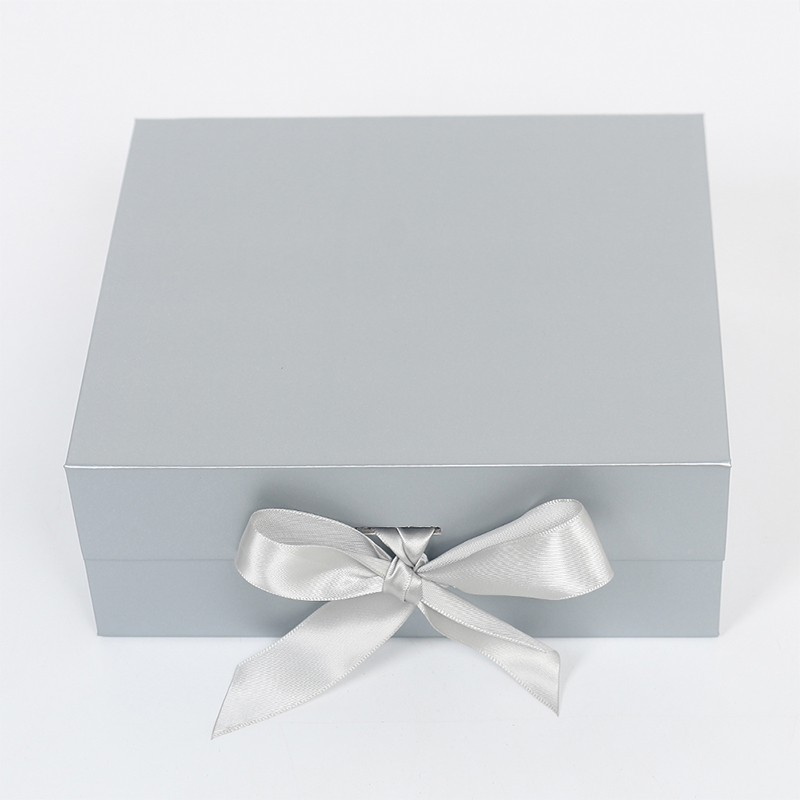
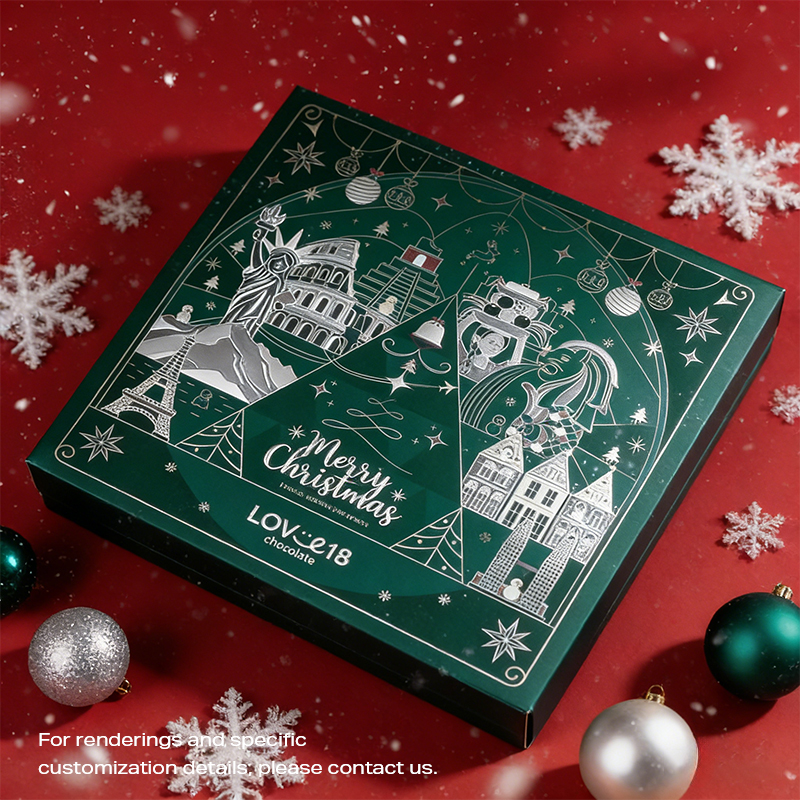
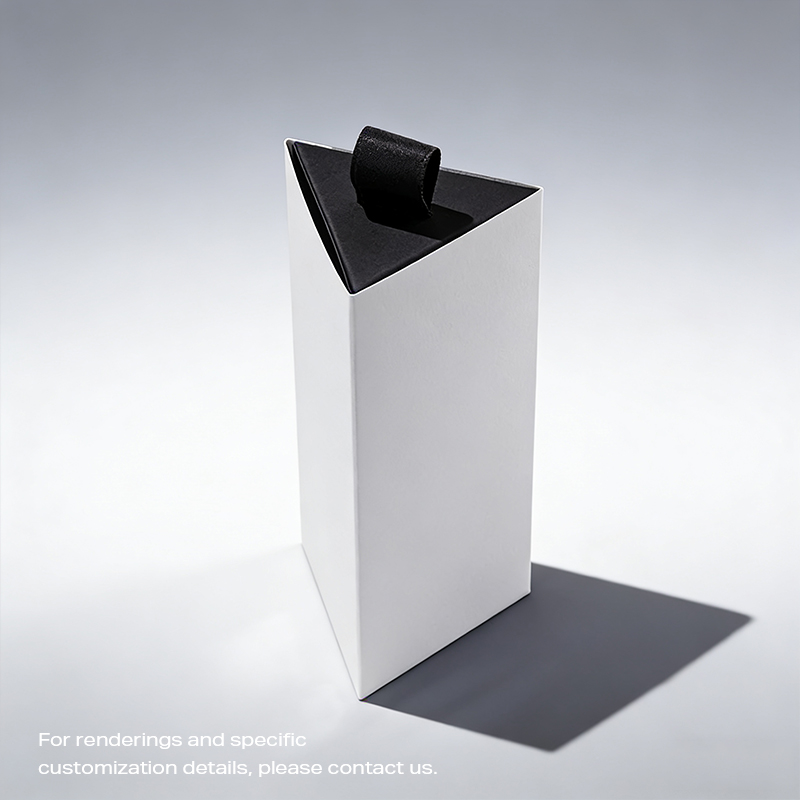
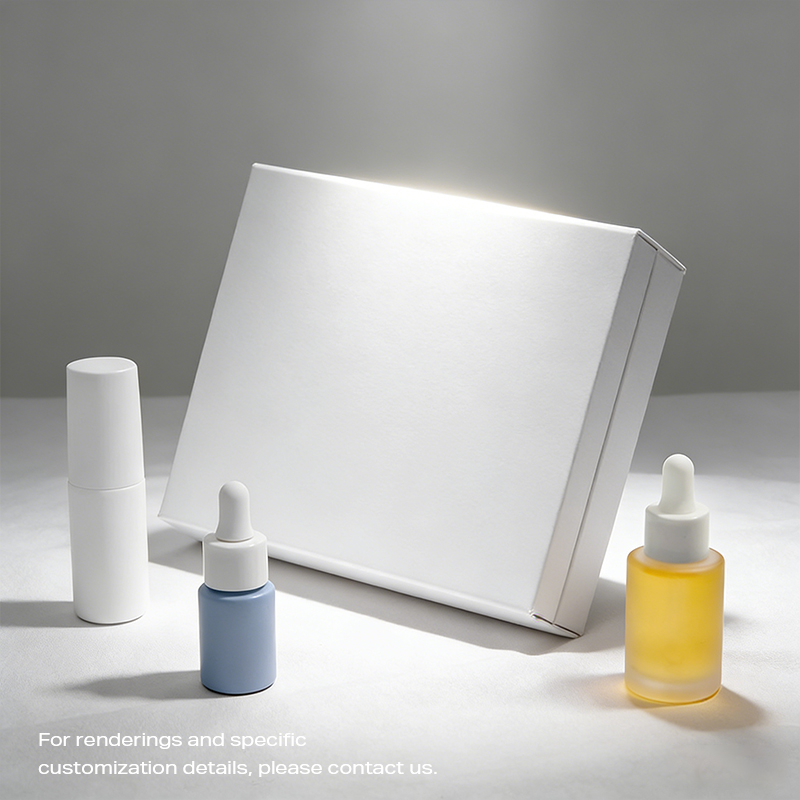
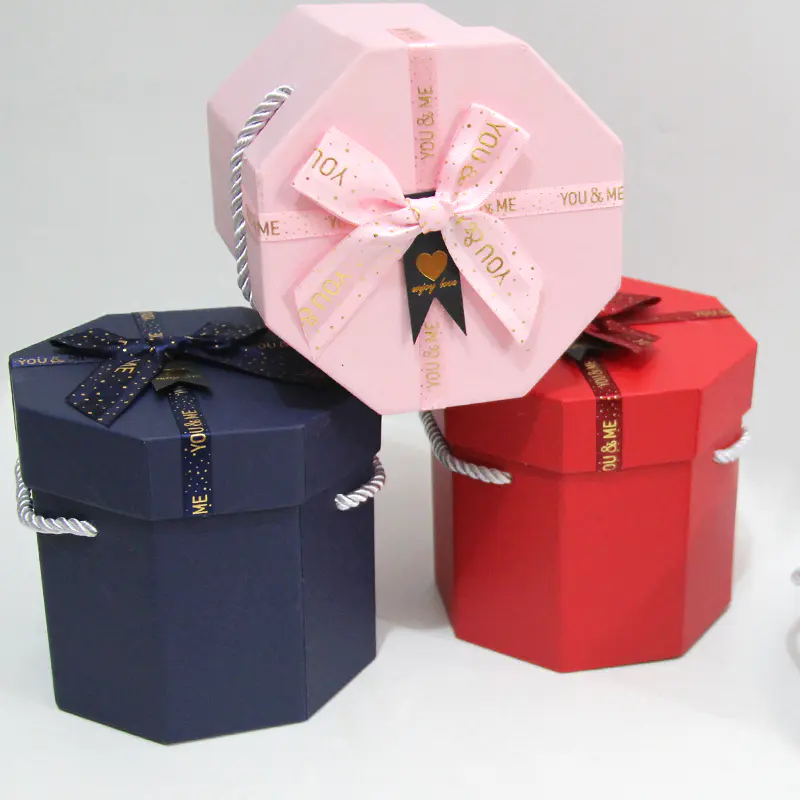
The SHC-03 Cosmetic Gift Box is designed for brands that want to combine attractive presentation with dependable paper packaging performance. It belongs to the gift box category and can be used for cosmetics, skincare products, fragrance collections, beauty accessories, personal-care sets, promotional bundles, and seasonal merchandise. Its structure can be adapted to different product combinations, dimensions, finishes, and brand identities, making it suitable for both established cosmetic companies and emerging beauty businesses.
As demand for premium and customized packaging continues to grow, brands are looking for boxes that offer more than an attractive exterior. They need packaging that protects the product during handling and transportation, creates a memorable unboxing experience, supports efficient production, and aligns with environmental expectations. A well-developed cosmetic gift box must therefore balance visual impact, structural stability, manufacturing precision, customization flexibility, and cost control.
The SHC-03 model offers a practical foundation for achieving this balance. Produced by an experienced paper gift packaging manufacturer with more than 15 years of industry experience, it benefits from organized product development, advanced equipment, professional design support, and large-scale manufacturing capabilities. This article explains the product’s main advantages, possible applications, customization opportunities, production process, quality considerations, and purchasing value.
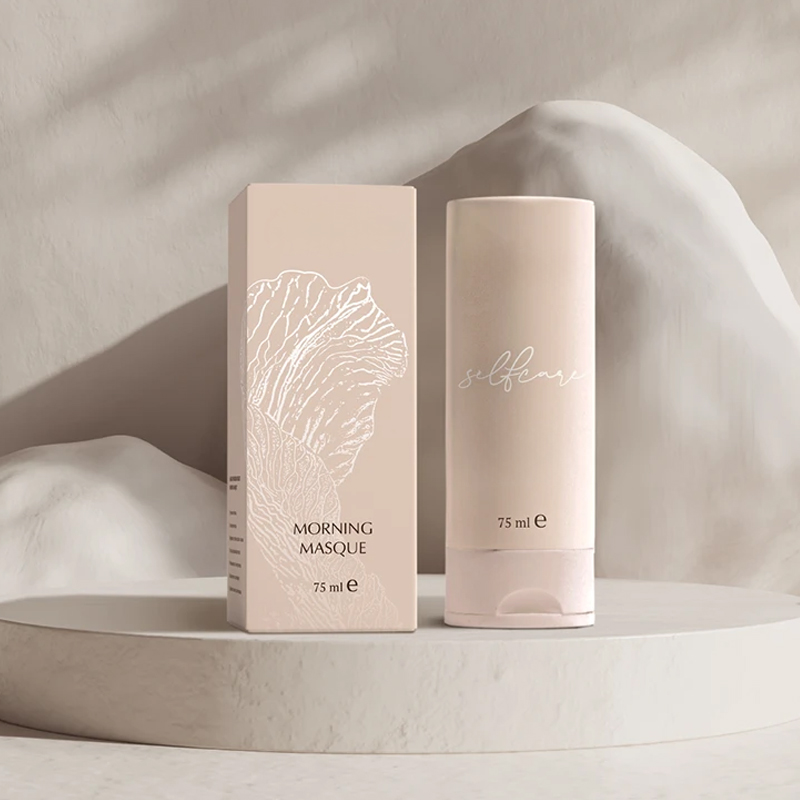
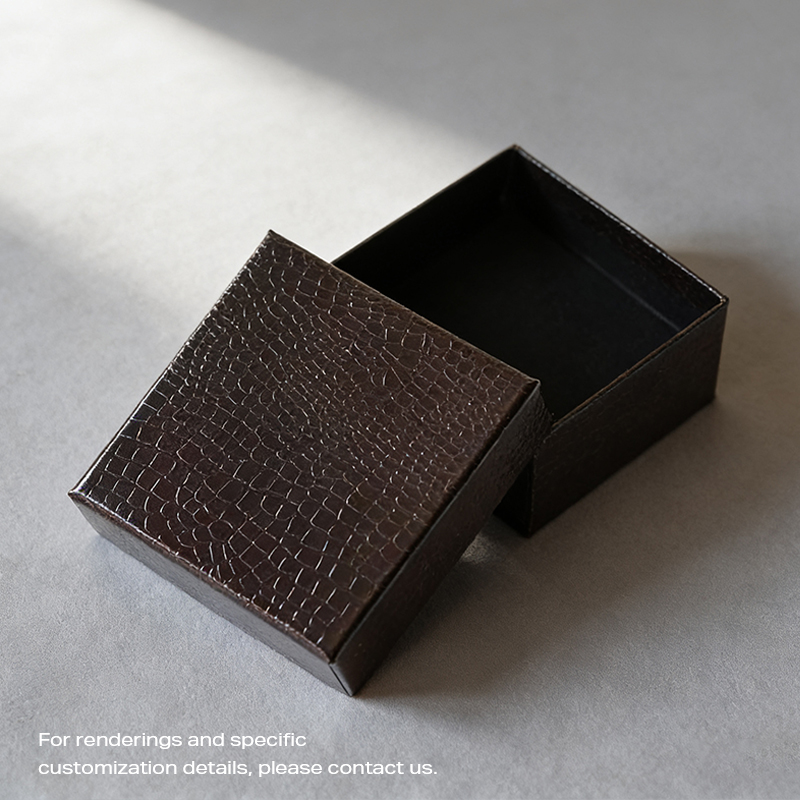
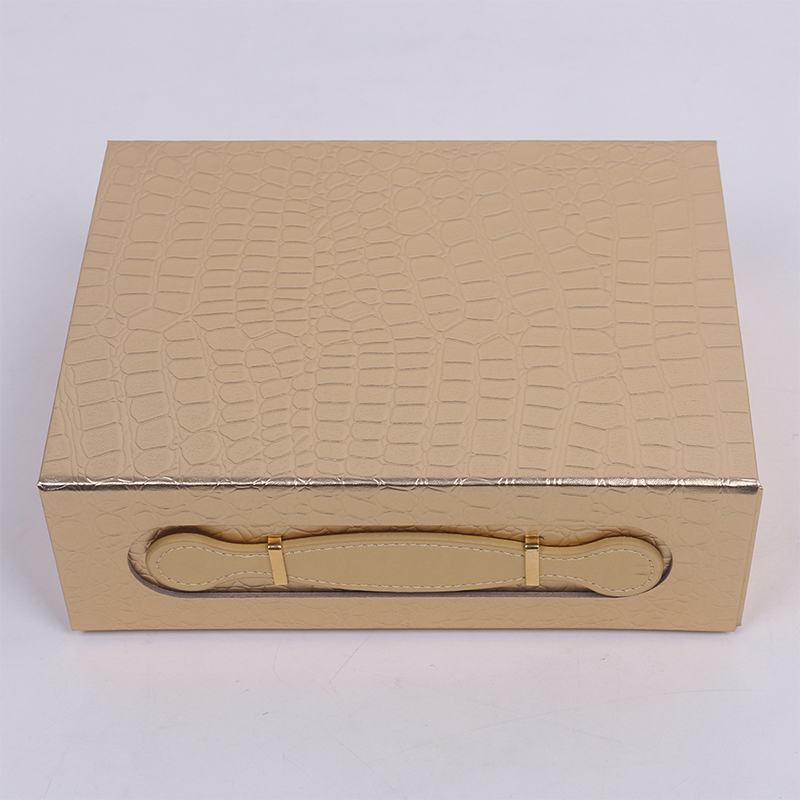
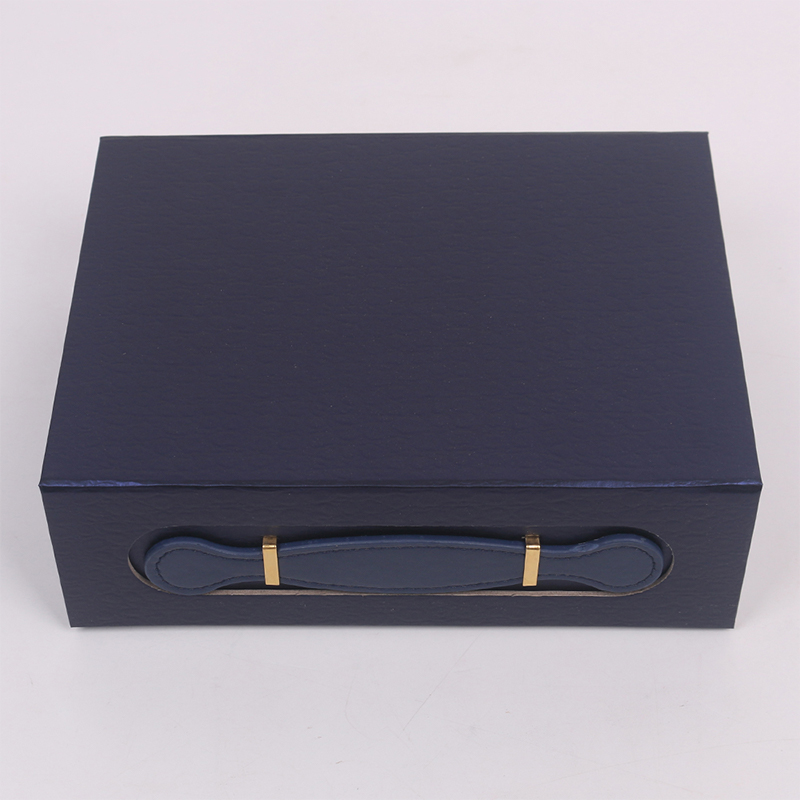
SHC-03 Cosmetic Gift Box
Cosmetic products are highly visual and emotionally driven. Customers often associate the quality of a package with the quality of the product inside. A box with clean lines, accurate printing, a refined surface, and a well-fitted interior can make a skincare set or beauty collection appear more valuable. In contrast, weak construction, inaccurate colors, or poor finishing may reduce confidence even when the product itself is excellent.
A cosmetic gift box serves several functions simultaneously. First, it helps protect the contents from dust, light, impact, compression, and surface damage. Second, it organizes multiple products into a coordinated set. Third, it provides space for logos, product information, usage instructions, regulatory details, and promotional messages. Fourth, it creates a strong visual identity that helps the product stand out in stores, online photographs, exhibitions, and social media content.
Gift packaging also influences the unboxing process. Consumers increasingly share product presentations through photographs and short videos. A box that opens smoothly, reveals its contents attractively, and feels substantial in the hands can generate additional brand exposure. The packaging becomes part of the product story and may encourage repeat purchases or recommendations.
For cosmetic businesses, this means the packaging must be planned with both functional and commercial objectives in mind. The ideal box should be attractive without being fragile, distinctive without being difficult to manufacture, premium without causing unnecessary cost, and customizable without creating excessive production complexity.
The SHC-03 Cosmetic Gift Box is a paper-based gift packaging solution intended for cosmetic and beauty-related products. Its design can be developed for individual items or coordinated product sets, depending on the buyer’s requirements. Possible contents may include skincare bottles, facial creams, serums, masks, soaps, perfumes, makeup items, beauty tools, candles, travel-size products, and promotional accessories.
The model can be used as a starting point for a customized packaging project. Buyers may select the box dimensions, internal arrangement, paperboard specification, color scheme, printed artwork, surface treatment, opening style, and accessory details. This flexibility is important because cosmetic products vary significantly in size, weight, shape, fragility, and positioning requirements.
A well-designed version of the box can include an internal tray, divider, insert, ribbon, magnetic closure, sleeve, handle, or other structural components. The final configuration should be determined according to the product dimensions, shipping conditions, target market, visual concept, and budget. The objective is not simply to add decorative elements, but to create a coordinated package in which every component supports the product and brand.
The product is particularly suitable for gift-oriented sales. It can be used for holiday collections, anniversary packages, influencer kits, promotional campaigns, new product launches, wedding favors, corporate gifts, and limited-edition beauty sets. It is also appropriate for retailers that want a consistent packaging format across several product categories.
The SHC-03 Cosmetic Gift Box can be positioned between ordinary folding cartons and highly elaborate luxury rigid boxes. This makes it suitable for brands that want a stronger presentation than basic retail packaging while still seeking practical production and shipping performance.
Its paper-based construction supports broad customization and can be adapted to a wide range of visual styles. Depending on the project, the same general box concept may be presented as modern and minimalist, elegant and luxurious, natural and sustainable, playful and colorful, or refined and professional.
Cosmetic brands can use this type of packaging for retail sales, online direct-to-consumer orders, subscription boxes, gift sets, product sampling, event distribution, and business-to-business promotions. It is also useful for seasonal packaging when a brand needs a special edition without completely changing its standard product line.
For example, a skincare company may use a custom box for a cleansing, moisturizing, and serum combination. A fragrance company may package several miniature bottles in a coordinated presentation. A makeup business may create a set containing lipstick, foundation, and accessories. A spa or wellness brand may combine bath products, candles, and body-care items in one gift-ready package.
The SHC-03 Cosmetic Gift Box provides several advantages when compared with plain cartons, generic stock boxes, and packaging formats that are not designed specifically for gift presentation.
Generic packaging often provides limited opportunities for differentiation. A customized cosmetic gift box allows the brand to control the complete visual experience, including the exterior color, artwork, logo placement, typography, interior appearance, and finishing details.
When the exterior and interior are coordinated, the box can communicate a clear brand personality before the customer uses the product. A luxury beauty brand may choose dark colors, metallic details, and a restrained layout. A natural skincare brand may select soft tones, botanical graphics, and an uncoated paper appearance. A youthful cosmetics brand may use bold colors, playful illustrations, and contrasting typography.
This level of control helps products compete in crowded retail environments. It also improves the appearance of product photographs, online listings, promotional displays, and social media content.
Many cosmetic products are purchased as gifts, but ordinary packaging may require additional wrapping. A dedicated gift box reduces this inconvenience by presenting the product as a complete gift solution. The box can be designed to open attractively and hold all components in an orderly arrangement.
This is especially valuable during festivals, holidays, birthdays, weddings, business events, and promotional campaigns. A professionally designed package can save the customer time and make the product feel more thoughtful and complete.
Cosmetic sets often contain items with different sizes and shapes. Without an insert or internal organization system, products may move during transportation or appear disordered when the box is opened. A custom internal structure can keep each item in a defined position.
Inserts may be produced from paperboard, molded pulp, foam, or other suitable materials, depending on the packaging goals. A paper-based insert can maintain a consistent appearance and support a more recyclable packaging concept. The internal layout may also include spaces for instruction cards, samples, ribbons, brochures, or small accessories.
Cosmetic products are not standardized. A bottle may be tall and narrow, a cream jar may be short and wide, and a beauty tool may have an irregular shape. A box that is designed around the actual product dimensions can provide better support than a generic package.
Structural customization may help reduce excessive empty space, improve presentation, and lower the risk of movement inside the box. It may also allow the brand to use a more compact shipping format, which can support logistics efficiency when properly engineered.
Cosmetic packaging frequently relies on surface treatments to create a distinctive appearance. Depending on the artwork and budget, the box may be enhanced with matte or gloss lamination, spot coating, foil stamping, embossing, debossing, textured paper, specialty coatings, or selective varnish.
These finishes can be used to emphasize a logo, highlight a product name, create tactile contrast, or add a premium visual effect. The most effective approach is usually controlled and purposeful. Excessive decoration can make a box appear crowded, while carefully selected finishing details can improve perceived quality.
A cosmetic gift box remains visible for longer than many other advertising materials. It may be displayed on a vanity, stored in a bathroom, reused for personal items, or photographed and shared online. This extended visibility can provide additional brand exposure after the original purchase.
When the packaging is attractive and durable, customers may reuse it to store jewelry, cosmetics, stationery, photographs, or small household items. This gives the box a second practical life and allows the brand identity to remain present in the customer’s environment.
Customization is one of the most important reasons to select a professional gift box manufacturer instead of purchasing a generic stock package. A successful customization project begins with the product, not with decoration. The box should first be designed around the contents, transportation conditions, user experience, and sales channel.
The external dimensions should be based on the complete product set, including bottles, caps, pumps, protective components, inserts, cards, and any accessories. Internal clearance must be carefully considered. Too little clearance can make assembly difficult or create pressure on the products. Too much clearance can cause movement and make the package appear inefficient.
For online sales, dimensions should also be evaluated in relation to shipping cartons, warehouse storage, and parcel handling. A compact design can help reduce unused volume, although protection must always remain the priority.
Different product categories may require different opening styles. A folding box can be efficient for storage and transportation. A lift-off lid can offer a traditional presentation. A drawer-style box can create a smooth reveal. A magnetic closure can provide a premium tactile experience. A sleeve can add a second layer of branding while keeping the basic structure simple.
The appropriate structure depends on the intended positioning of the product. A mass-market promotional set may prioritize efficient assembly and cost control, while a luxury gift collection may justify a more elaborate opening sequence.
Printing gives the box its visual identity. Artwork may include the company logo, product name, ingredients, usage information, barcode, certification marks, social media details, and decorative graphics. Color selection should consider the brand’s identity as well as the limitations of the selected paper and printing process.
Professional prepress preparation is important because colors may appear different on a monitor, printed proof, and finished material. Buyers should approve artwork carefully and use appropriate color references when exact brand consistency is required.
Surface treatment can change both the appearance and tactile quality of the box. Matte lamination creates a soft and understated look, while gloss lamination increases brightness and color intensity. Soft-touch coatings can create a smooth feel. Foil stamping can emphasize selected words or graphic elements. Embossing can provide dimension and tactile recognition.
Finishing should be selected in relation to the box’s intended market and production quantity. A combination of several premium treatments may be attractive, but it can also increase cost and production time. A skilled manufacturer can help identify which effects provide the greatest visual benefit.
The interior is as important as the exterior because it is the part customers see during opening. Interior printing, colored paper, contrasting inserts, ribbons, cards, and carefully arranged compartments can make the unboxing process more memorable.
For cosmetic products, the interior should also maintain cleanliness and order. Products should not rub against one another, and small components should remain in their assigned positions. A precise insert can improve both protection and perceived value.
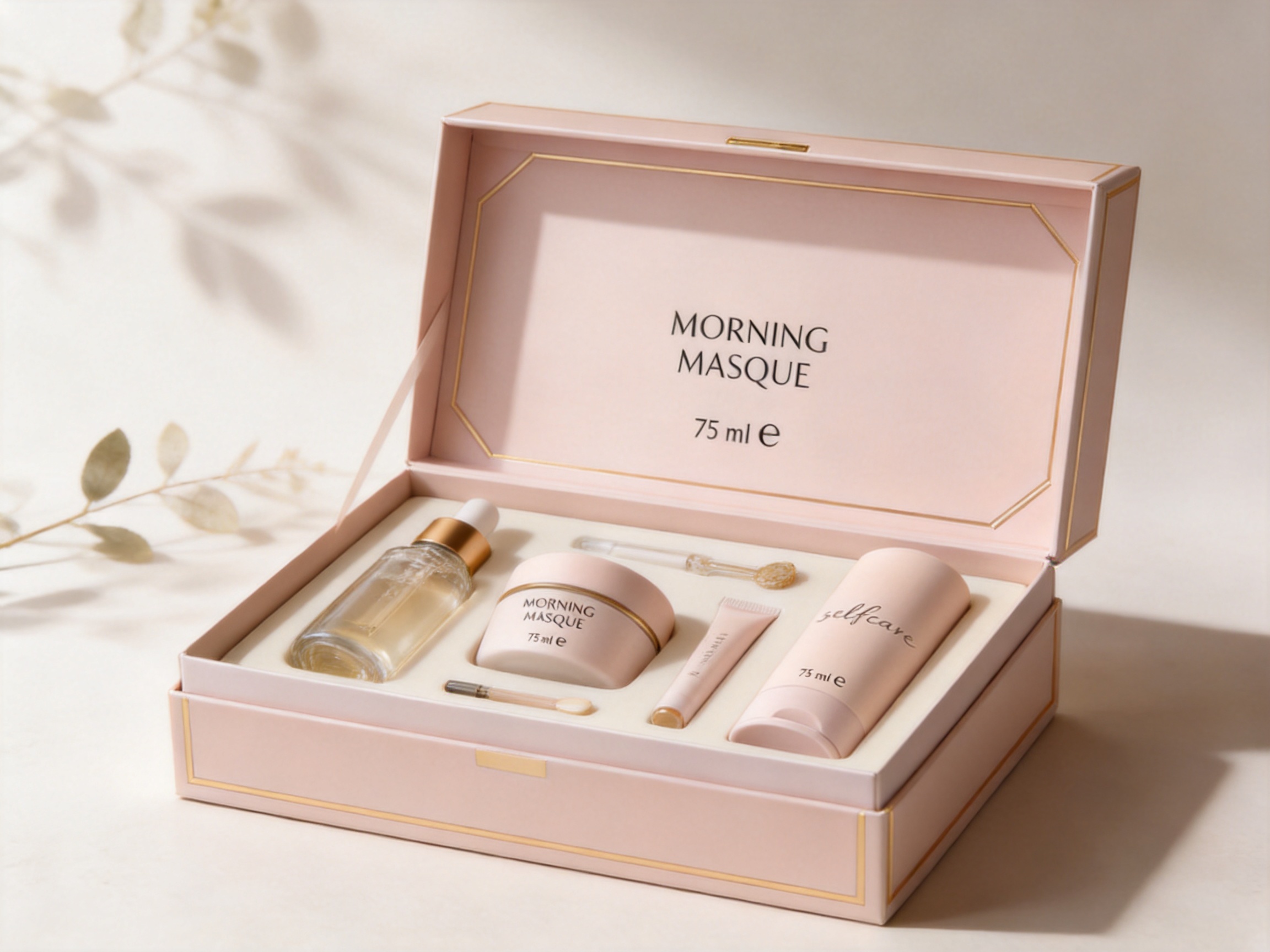
The quality of a cosmetic gift box depends on more than its design. It also depends on the manufacturer’s ability to translate the design into consistent, repeatable production. Zhejiang Shihao Gift Packaging Co., Ltd. is an export-oriented manufacturer specializing in the production, research and development, and sales of paper gift packaging boxes.
The company has more than 15 years of experience in the field and covers approximately 20,000 square meters. With around 300 employees, it has the personnel and organizational structure needed to support design development, production management, quality control, assembly, and export operations.
Its reported average daily production capacity is approximately 5,000 sets of gift boxes. This capacity is relevant to buyers that require stable supply, repeat orders, seasonal production, or coordinated packaging for several products. Large-scale capacity does not replace quality control, but it can provide greater production planning flexibility than a small workshop with limited equipment and labor resources.
Product development is essential in a market where packaging styles change rapidly. The company maintains its own design team and updates dozens of products weekly. This indicates an active approach to structural development, visual trends, and market requirements.
For customers, an internal design team can provide valuable assistance during the development process. The team may help transform an initial concept into a manufacturable structure, suggest suitable materials and finishes, improve the internal layout, or adjust the design for production efficiency.
Design support is especially useful when a buyer has a general idea but lacks a complete dieline or technical drawing. Packaging development involves many details, including folds, tolerances, material thickness, gluing areas, assembly sequence, and finishing compatibility. Early technical guidance can reduce avoidable errors.
Advanced equipment supports accurate cutting, creasing, printing, laminating, finishing, folding, and assembly. Each process contributes to the final appearance and performance of the box. Accurate die-cutting helps ensure that panels align correctly. Consistent creasing supports clean folds. Stable printing improves color uniformity. Reliable gluing prevents opening or separation during handling.
Production control is also important when an order includes large quantities. Small differences between boxes may be difficult to notice in a single sample but become highly visible across a retail display. A professional manufacturing system should therefore monitor materials, artwork, machine settings, processing conditions, and finished products throughout the order.
The company exports products to Europe, the United States, the Middle East, and other regions. Export experience can benefit international buyers in several ways. It may support communication about packaging specifications, documentation, shipping arrangements, carton packing, inspection requirements, and market expectations.
Different markets may have different preferences for materials, color, language, sustainability information, product labeling, and packaging formats. A manufacturer with international experience is better positioned to discuss these factors during the development stage.
The company has passed BSCI and FSC certifications. BSCI is associated with social compliance and responsible working conditions within the supply chain. FSC certification relates to responsible forest management and the traceability of certified paper-based materials when applicable to the specific order and material selection.
Certification does not eliminate the need for buyers to confirm the exact scope and validity of documentation. However, these certifications provide useful indicators for brands that evaluate supplier responsibility, ethical sourcing, and material traceability as part of their procurement process.
A carefully managed production process helps convert a packaging concept into a reliable finished product. While the exact workflow may vary according to structure, materials, and finishing, a typical project includes the following stages.
The process begins with a review of the product dimensions, quantity, weight, fragility, intended use, target price, sales channel, and desired appearance. Buyers should provide accurate product samples or technical measurements whenever possible.
At this stage, the manufacturer and buyer can discuss box style, material, internal protection, printing, finishes, assembly requirements, and delivery expectations. Clear communication early in the project helps avoid redesign later.
After the requirements are confirmed, the design team develops the box structure and dieline. The dieline indicates cutting lines, crease lines, folds, glue areas, windows, and other construction details. It must account for material thickness and manufacturing tolerances.
The internal structure is designed at the same time. If the box contains several cosmetic products, the insert must maintain a logical arrangement while providing sufficient support. The design team may create digital drawings or three-dimensional visualizations to help the buyer evaluate the concept.
A sample allows the buyer to check the physical size, appearance, opening method, product fit, internal arrangement, and overall presentation. Sampling is particularly important for cosmetic packaging because bottles and jars may have different weights and shapes that are difficult to evaluate from a drawing alone.
The sample should be tested by opening and closing the box repeatedly, placing the products inside, removing them, and simulating ordinary handling. If the product is intended for e-commerce, the package may also be evaluated inside a shipping carton to identify possible movement or pressure points.
Once the structure is approved, the artwork is prepared according to the final dieline. Text, logos, images, barcodes, color references, and regulatory information should be checked carefully. A proof or pre-production sample can help identify issues with color, alignment, font size, and finish placement.
Artwork approval should be documented clearly. Changes made after approval may affect the production schedule, so the buyer should confirm all visible details before mass production begins.
Paperboard and other materials are selected according to the box structure, target appearance, product weight, and finishing plan. Material preparation may involve paper sourcing, sheet cutting, surface treatment, lamination, or mounting onto a stronger board.
Material consistency is important because differences in thickness, moisture, surface texture, or color may affect folding, printing, gluing, and final appearance. Professional production planning helps ensure that the selected materials are compatible with the design.
The printed sheet receives the approved artwork. Printing quality is influenced by the paper surface, ink system, machine calibration, color management, and drying conditions. Logos and small text require accurate registration, especially when several colors or finishing layers are used.
During production, samples may be checked for color consistency, clarity, smudging, scratches, and alignment. These controls are important for maintaining a uniform appearance across the order.
After printing, the box may receive lamination, coating, foil stamping, embossing, debossing, or other selected treatments. Each process must be correctly sequenced. For example, a finish applied in the wrong position or at the wrong stage may interfere with folding or gluing.
Finishing inspection should confirm that decorative details are complete, properly aligned, and free from obvious defects. Premium finishes are most effective when they reinforce the design rather than conceal structural weaknesses.
The printed and finished sheets are cut and creased according to the approved dieline. Die-cutting determines the shape of the panels, while creasing creates folding positions. Precision at this stage affects the alignment of the final box.
Incorrect cutting or creasing can produce uneven edges, weak corners, misaligned panels, or difficulty during assembly. Appropriate tooling, equipment, and process monitoring help reduce these risks.
Depending on the box structure, folding and gluing may be performed by machine, by hand, or through a combination of both. Complex gift boxes often require manual assembly to achieve the intended presentation and install inserts, ribbons, trays, or other components.
Assembly quality should be checked for adhesive coverage, panel alignment, corner strength, surface cleanliness, and correct accessory placement. A box may look attractive in a flat sheet but fail to meet expectations if assembly is inconsistent.
Finished boxes are inspected before packing. Typical checks include dimensions, printing, color, structure, surface quality, opening performance, product fit, and quantity. The boxes are then packed to reduce compression, abrasion, moisture exposure, and deformation during transport.
Export orders may require specific carton markings, pallet arrangements, inspection procedures, or documentation. These details should be agreed upon before production and shipment.
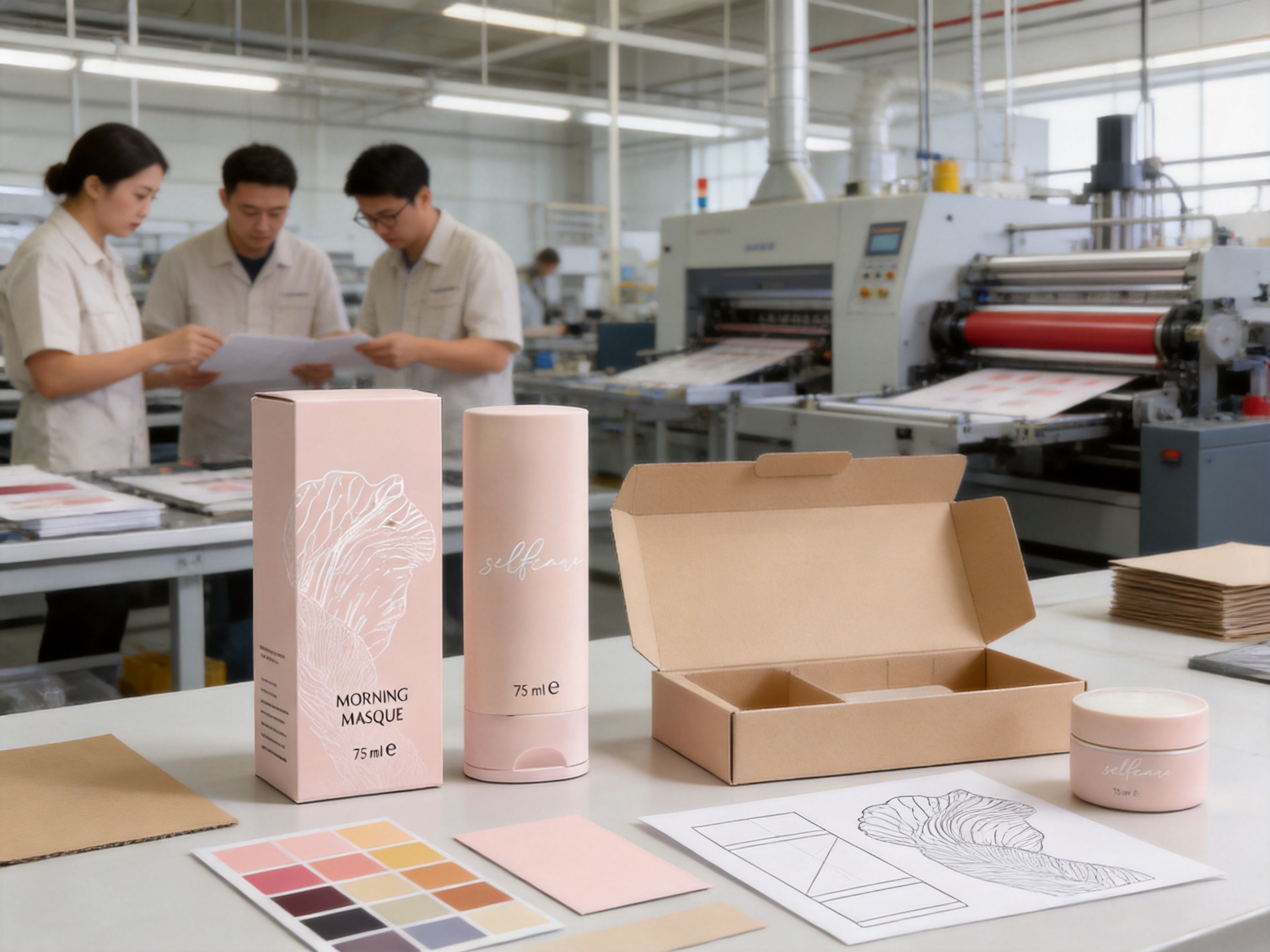
Quality should be evaluated from both the customer’s perspective and the manufacturer’s perspective. Customers notice the overall appearance, tactile feel, opening experience, and product arrangement. Manufacturers must also consider material performance, processing stability, assembly efficiency, and shipping durability.
The selected paperboard should be appropriate for the box size and product weight. A heavier product may require stronger board or a reinforced structure. A large box with broad panels may need additional support to prevent bending. Material selection should also consider whether the package will be stored in humid or dry conditions.
Color consistency, sharp text, clean edges, accurate registration, and smooth coverage are essential. Printing defects can reduce the perceived value of a luxury cosmetic product. Buyers should establish acceptable tolerances and inspection standards before mass production.
The finished box should open and close smoothly without excessive force. Folding lines should be clean, corners should remain aligned, and glued areas should hold securely. The box should support the contents without collapsing during ordinary handling.
Products should remain in place but should not be so tightly held that removal becomes difficult. The insert should present the products in the intended order and prevent unnecessary contact. If accessories or cards are included, they should have clearly defined positions.
Dark colors, large solid areas, and soft-touch surfaces may show fingerprints or scratches more easily than lighter or textured materials. Buyers should consider handling conditions when selecting finishes. Protective packing is also important during shipping and warehouse storage.
| Packaging Option | Presentation Value | Customization | Protection and Organization | Typical Use |
|---|---|---|---|---|
| Standard folding carton | Basic to moderate | Moderate | Suitable for individual products | Routine retail packaging |
| Generic stock gift box | Moderate | Limited | May not fit products precisely | Short-term or low-customization promotions |
| SHC-03 customized cosmetic gift box | Moderate to premium | High | Can include tailored inserts and compartments | Cosmetic sets, launches, gifts, and promotional collections |
| Heavy rigid luxury box | Very high | High | Strong and substantial, but often heavier | High-end limited editions and luxury collections |
| Flexible pouch or bag | Basic to moderate | Moderate | Limited product organization | Lightweight promotional packaging |
This comparison shows why a customized paper gift box can be attractive to brands seeking a balance between presentation and practicality. A standard carton may be economical, but it may not create a strong gift experience. A rigid box may offer a highly luxurious feel, but it may involve greater weight, storage requirements, material usage, and shipping cost. The SHC-03 format can be developed according to the desired position between these alternatives.
Environmental considerations are increasingly important in cosmetic packaging. Consumers, retailers, and business customers may evaluate the origin of paper, the amount of material used, recyclability, coatings, inks, and the possibility of reuse.
A paper-based gift box can support responsible packaging goals when it is designed thoughtfully. Material use should be sufficient for protection but not excessive. The box should avoid unnecessary layers or components where they do not add meaningful value. If inserts are needed, paper-based or molded-fiber alternatives may be considered according to product requirements.
FSC-related material sourcing can provide an option for brands that want paper from responsibly managed forest sources, subject to the applicable certification requirements and order documentation. Buyers should confirm whether the exact materials used for a particular project are covered by the relevant certification.
Designing for reuse can also extend the useful life of the packaging. A strong and attractive cosmetic box may be reused for storage instead of being discarded after one opening. Clear material choices and simplified construction can help consumers understand how to dispose of the package after use.
Sustainability should not be treated as a decorative claim. It should be connected to measurable decisions about material sourcing, structure, production waste, transportation, product protection, and end-of-life handling. A professional manufacturer can help buyers examine these factors during product development.
Packaging should reflect the preferences and expectations of the intended customer group. A premium anti-aging skincare range may require a restrained, elegant appearance. A youth-oriented makeup collection may benefit from bold colors and energetic graphics. A botanical brand may prefer natural textures and soft colors.
The goal is not to make the box attractive to everyone. The goal is to make it relevant to the people most likely to purchase the product.
The opening process should be considered as a sequence. What does the customer see first? Is the logo visible immediately? Are the products revealed in an orderly way? Is there space for a message card or usage guide? Does the box close securely after opening?
A well-planned unboxing sequence can improve product understanding and emotional connection. It may also create better content for videos and photographs.
Not every design needs multiple decorative treatments. A simple box with excellent color, typography, and alignment can appear more sophisticated than a heavily decorated package. Finishes should emphasize the brand’s most important elements, such as the logo, product name, or signature pattern.
Packaging decisions should account for manufacturing, storage, shipment, display, and customer use. A box that looks excellent but is difficult to stack or prone to surface damage may create operational problems. Buyers should review packaging samples under realistic conditions before approving mass production.
Once a successful box format has been developed, the structure can often be adapted for multiple product sets. Consistent proportions, colors, graphics, or finishing details can create a recognizable family appearance while allowing each product to remain distinctive.
International buyers can improve project efficiency by preparing complete information before requesting a quotation. Useful details include product dimensions, number of items, total set weight, desired box style, estimated order quantity, target market, artwork status, material preference, finishing requirements, insert requirements, and expected delivery schedule.
The supplier can then review the technical requirements and recommend a suitable construction. A quotation should ideally identify the box dimensions, material, printing method, finishing, accessories, packing method, minimum order quantity, sampling cost, production lead time, and shipping terms.
After the design is developed, the buyer should review a drawing or sample carefully. Important checks include product fit, lid movement, panel alignment, logo position, color appearance, insert stability, and overall size. It is better to correct a design during sampling than after mass production.
Once the sample and artwork are approved, production can proceed according to the confirmed specifications. Buyers should keep a record of the approved sample, artwork files, material details, and quality requirements so that future repeat orders can be compared accurately.
Buyers may ask whether the manufacturer can provide structural design support, what paperboard options are available, which surface finishes are compatible with the design, how inserts will be produced, how quality is inspected, how products are packed for export, and whether certified materials can be supplied for the specific order.
It is also useful to ask about sample approval procedures, production lead times, order quantities, repeat-order consistency, carton dimensions, shipping protection, and the handling of artwork revisions. Clear answers help reduce uncertainty and support a more predictable procurement process.
Cosmetic gift packaging combines design, engineering, printing, finishing, assembly, and logistics. Working with an experienced manufacturer can reduce the need to coordinate these activities across multiple suppliers.
An established factory can often manage the complete process from concept and sampling to production and export packing. This may improve communication because structural design, artwork, finishing, and assembly decisions are considered together. It can also reduce the risk that a design created by one supplier cannot be produced efficiently by another.
Experience is particularly valuable when the project involves unusual dimensions, multiple inserts, premium finishing, seasonal deadlines, or international delivery. A manufacturer that produces several categories of paper packaging may also offer useful ideas based on previous product development work.
Zhejiang Shihao Gift Packaging Co., Ltd. combines long-term industry experience with a substantial production site, a workforce of approximately 300 employees, design resources, advanced equipment, export experience, and reported daily capacity of around 5,000 gift box sets. These strengths make it suitable for buyers seeking both customized development and scalable manufacturing.
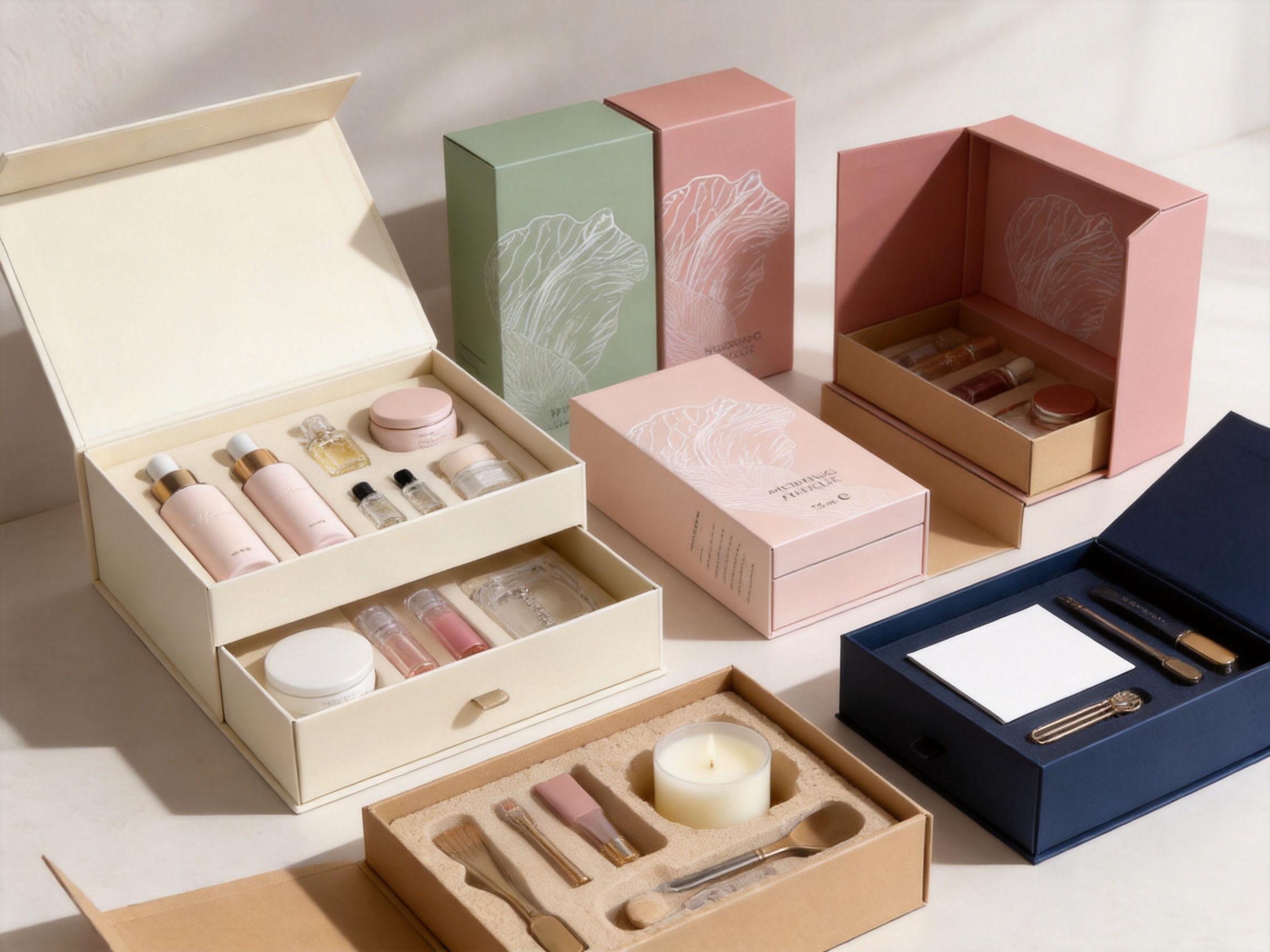
The SHC-03 model can be adapted to many commercial situations. For new product launches, the box can help create a strong first impression and distinguish the new collection from existing products. For seasonal campaigns, it can be updated with holiday colors, themed graphics, or limited-edition artwork.
For influencer and public-relations kits, a customized box can organize several products and create a presentation suitable for photography and video. For corporate gifting, the design can include business branding, message cards, and a carefully selected product combination. For retailers, a consistent box format can support coordinated displays and simplify the presentation of gift sets.
Beauty schools, salons, spas, hotels, and wellness companies may also use custom cosmetic gift boxes for customer rewards, membership programs, event packages, or welcome kits. The box’s final configuration should be tailored to the number and type of products being included.
The box can be developed for many cosmetic and personal-care products, including skincare items, fragrance bottles, makeup products, soaps, beauty tools, bath products, samples, and coordinated promotional sets. The internal structure should be customized according to the product dimensions and weight.
Yes. A customized project can include brand logos, product names, colors, patterns, illustrations, instructions, barcodes, and other approved artwork. The final printing method depends on the material, design, quantity, and desired appearance.
Yes. The insert can be designed to hold products in a specific arrangement and reduce movement inside the box. Possible solutions include paperboard dividers, trays, molded pulp components, foam, or other materials selected according to protection and presentation requirements.
Possible finishes include matte lamination, gloss lamination, soft-touch coating, foil stamping, embossing, debossing, spot coating, and textured papers. The appropriate choice depends on the desired brand image, budget, material, and production requirements.
It can be suitable for e-commerce when the structure and internal protection are designed for the shipping environment. The gift box may require an additional shipping carton or protective outer packaging to reduce damage from impact, compression, moisture, and abrasion during transportation.
A physical sample should be requested and tested with the actual products whenever possible. Buyers should check the opening process, product placement, insert stability, box strength, external dimensions, and appearance before approving production.
Paper-based packaging can be planned with responsible material choices. FSC-certified materials may be available for applicable projects, but buyers should confirm the exact material certification and documentation for their order. The design can also be reviewed for material efficiency, reuse, and end-of-life considerations.
The manufacturer has more than 15 years of experience, a production area of approximately 20,000 square meters, around 300 employees, advanced equipment, an internal design team, export experience, BSCI and FSC certifications, and a reported average daily capacity of approximately 5,000 gift box sets.
In many cases, a basic structure can be adapted through changes in dimensions, inserts, artwork, colors, and finishing. This can help a brand maintain a consistent packaging family while accommodating different product combinations.
Buyers should provide product dimensions, quantity, total weight, desired box style, material preferences, printing requirements, finishing details, insert requirements, estimated order quantity, target delivery date, destination, and artwork status. Product samples or accurate drawings are helpful for precise development.
A custom box is generally more suitable when the brand needs precise product organization, stronger visual identity, gift-ready presentation, or a distinctive unboxing experience. A standard box may be appropriate when speed, low cost, and limited customization are the primary goals.
Cost can be managed by selecting an efficient structure, reducing unnecessary components, choosing finishes selectively, optimizing dimensions, confirming artwork early, and planning realistic order quantities. The best design is not always the most elaborate one; it is the design that delivers the required performance and presentation at the appropriate cost.
The SHC-03 Cosmetic Gift Box is a versatile packaging platform for brands that want to improve product presentation, create a gift-ready experience, and organize cosmetic products in a carefully designed format. Its value comes from the combination of customization flexibility, paper-based construction, potential for internal organization, premium finishing options, and suitability for a wide range of beauty applications.
Compared with generic stock packaging, it can provide stronger brand differentiation and a more memorable unboxing process. Compared with basic cartons, it can offer greater presentation value and improved organization. Compared with very heavy luxury rigid packaging, it can provide a more adaptable and potentially more practical solution for brands balancing visual impact, production efficiency, storage, and shipping requirements.
The manufacturer’s experience is an important part of the product offering. More than 15 years in paper gift packaging, a 20,000-square-meter production site, approximately 300 employees, advanced equipment, an active design team, international export experience, BSCI and FSC certifications, and reported daily production of about 5,000 gift box sets provide a strong foundation for customized and scalable projects.
For the best result, buyers should treat the box as part of the total product strategy. The structure should be designed around the actual cosmetic products. The artwork should reflect the target customer. The insert should protect and present the contents. Finishes should support the brand rather than add unnecessary complexity. Sampling and testing should be completed before mass production, and sustainability objectives should be considered from the earliest design stage.
When these factors are managed together, the SHC-03 Cosmetic Gift Box can do more than contain beauty products. It can strengthen brand recognition, increase perceived value, improve the customer’s unboxing experience, support promotional activity, and contribute to a more professional and memorable product presentation.
1. Zhejiang Shihao Gift Packaging Co., Ltd. Company profile and product information supplied for this article.
2. Forest Stewardship Council. General principles of responsible forest management and chain-of-custody certification.
3. amfori Business Social Compliance Initiative. General framework for social compliance and responsible supply-chain management.
4. Packaging Institute. General principles of paperboard packaging design, protection, and presentation.
5. International Organization for Standardization. General considerations for packaging performance, quality management, and environmental planning.
6. Cosmetic packaging industry practice guides concerning structural design, printing, finishing, internal inserts, and product protection.
Recommended Products

Contact Us

No. 15, Xiayang Road, Huangzhai Town, Jinhua, Zhejiang, China

(+86) 579-84230069

(+86) 13085675766


Products

Gift Box Packaging Manufacturer
 English
 Français
 Español
 عربى