2026-10-05
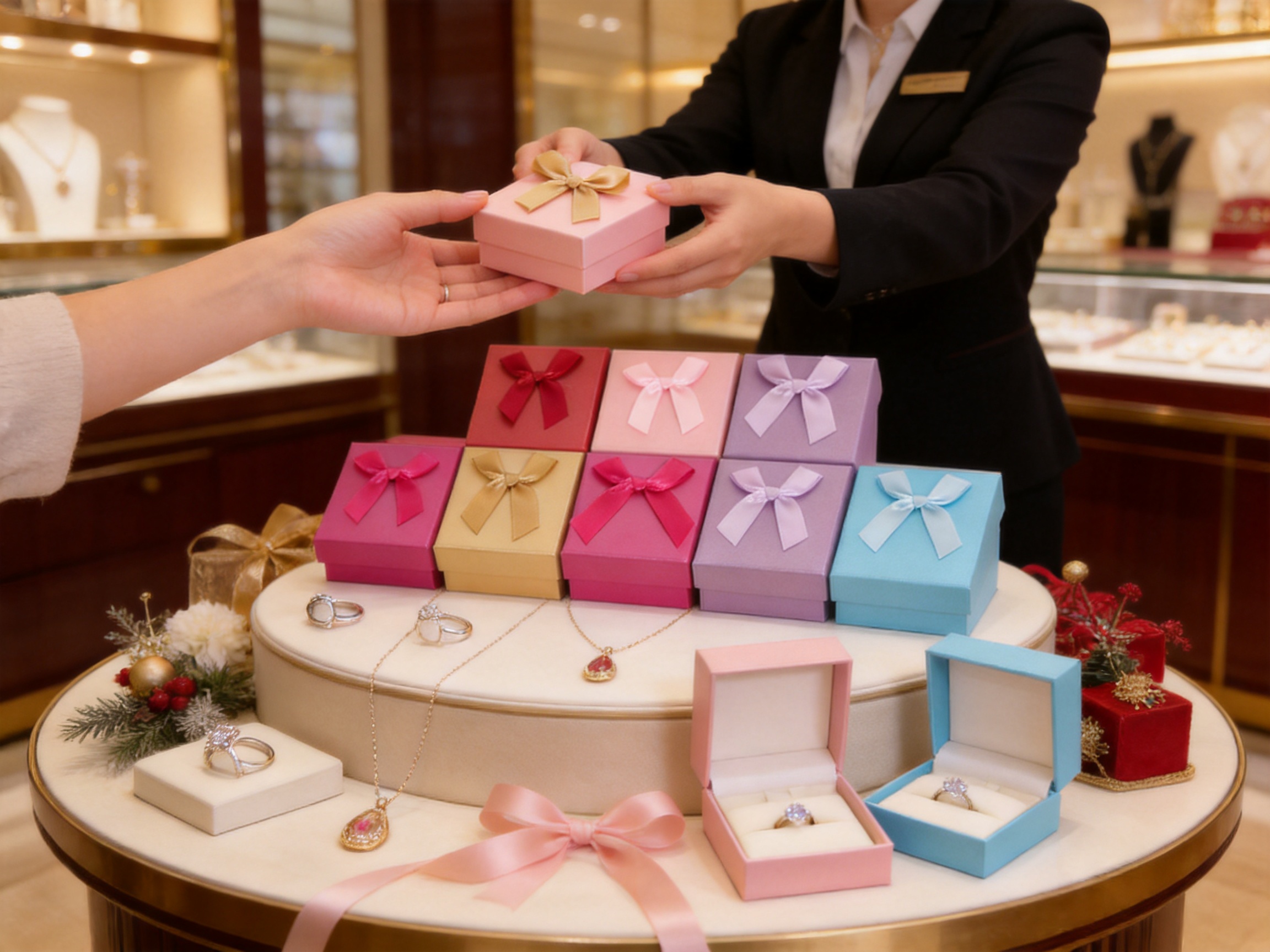
Jewelry packaging performs two important functions: it protects valuable products and creates the first emotional impression of a gift. A well-designed jewelry box should therefore be attractive, practical, durable, and adaptable to different retail and gifting occasions. The HY-6 six-color ring and necklace jewelry box with bow decoration is designed around these requirements. It combines organized interior storage, elegant presentation, multiple color options, and several practical size formats in one versatile packaging family.
Designed for rings, necklaces, and related small jewelry items, the box offers a balanced alternative to plain presentation cases and oversized gift packaging. Its structured interior helps reduce friction, movement, and tangling, while the decorative bow adds a recognizable gift-ready appearance. For jewelry brands, retailers, wholesalers, event planners, and gift suppliers, the product can serve as both protective packaging and a visual extension of the product experience.
The product is manufactured by Zhejiang Shihao Gift Packaging Co., Ltd., an export-oriented paper gift packaging manufacturer based in Jinhua, Zhejiang, China. The company specializes in the development and production of jewelry boxes, gift boxes, folding boxes, storage boxes, kits, and other paper packaging products. With more than 15 years of industry experience, a large production facility, a dedicated design team, and an approximate daily production capacity of 5,000 gift box sets, the manufacturer is positioned to support both standard product orders and customized packaging programs.
The HY-6 jewelry box is a compact packaging solution intended for the presentation and storage of rings and necklaces. Its design combines a firm outer structure with clearly defined internal areas. This makes it suitable for jewelry retailers that need a box to remain visually attractive while also keeping the contents neatly arranged during handling, transportation, and presentation.
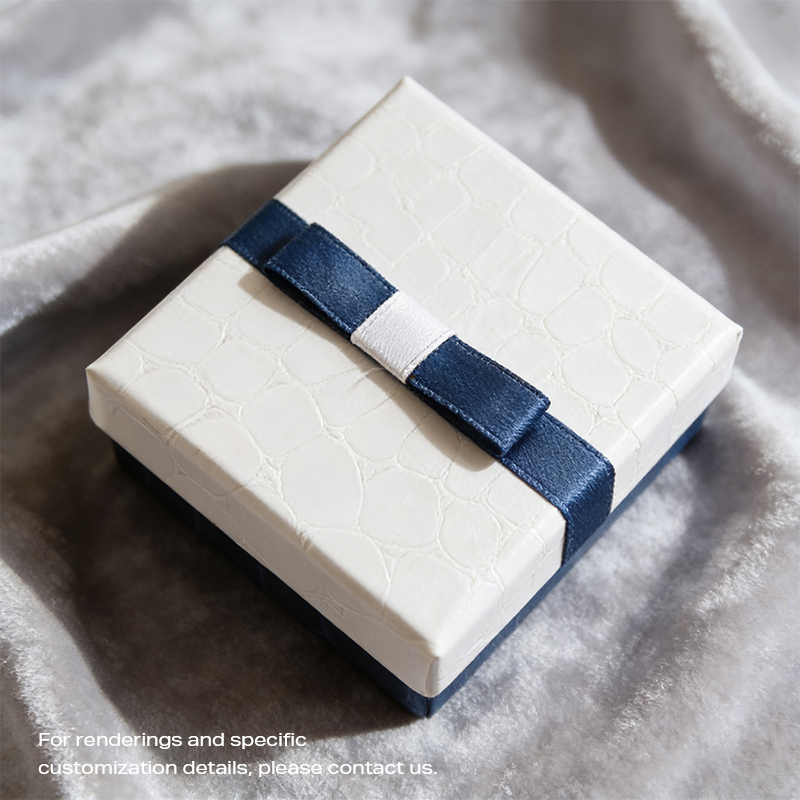
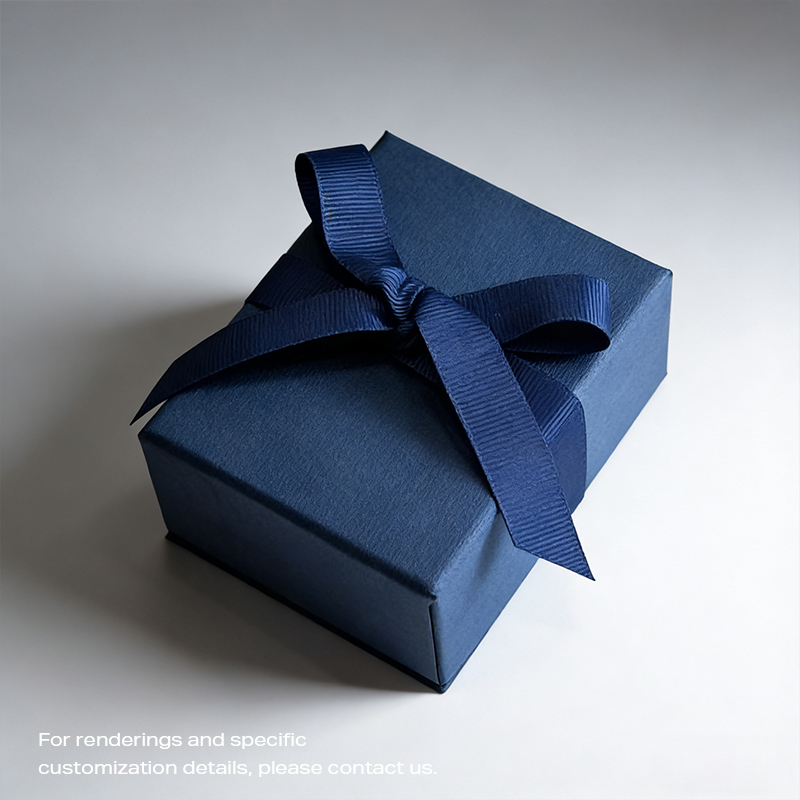
A central design feature is the bow decoration on the lid. The bow immediately communicates the idea of gifting and gives the packaging a more complete appearance than an undecorated box. It can be especially useful for jewelry sold during holidays, birthdays, anniversaries, weddings, engagements, Valentine’s Day, Mother’s Day, and other special occasions.
The product is available in six colors, allowing buyers to create a coordinated assortment or select colors for different collections. Color variety can also help businesses distinguish jewelry categories, seasonal campaigns, customer groups, or price levels. A retailer may use one color for bridal jewelry, another for festive promotions, and additional colors for everyday gift purchases.
The product family includes versions with a cross bow tie and versions without the cross bow tie. This gives purchasers a choice between a more decorative presentation and a simpler appearance. The decorated version is suitable for ready-to-gift packaging, while the undecorated option may be preferred by customers who want a cleaner style or intend to add their own branding, ribbons, labels, or finishing details.
The HY-6 series is offered in multiple dimensions. The listed formats include 5 × 5 × 3.5 cm, 8 × 5 × 2.5 cm, 7 × 9 × 3 cm, 21 × 4 × 2 cm, 9 × 9 × 3 cm, 9 × 8.5 × 5.5 cm, and 12 × 16 × 2.8 cm. Availability may vary according to the selected configuration, decoration, and production requirements.
| Factory Item Number | Approximate Size | Configuration | Bow Option |
|---|---|---|---|
| HY-6 | 5 × 5 × 3.5 cm | Single ring box | Cross bow tie |
| HY-6A | 5 × 5 × 3.5 cm | Single ring box | Without cross bow tie |
| HY-6 | 8 × 5 × 2.5 cm | Single ring box | Cross bow tie |
| HY-6A | 8 × 5 × 2.5 cm | Single ring box | Without cross bow tie |
| HY-6 | 7 × 9 × 3 cm | Single ring box | Cross bow tie |
| HY-6A | 7 × 9 × 3 cm | Single ring box | Without cross bow tie |
| HY-6 | 21 × 4 × 2 cm | Single ring box | Cross bow tie |
| HY-6A | 21 × 4 × 2 cm | Single ring box | Without cross bow tie |
| HY-6 | 9 × 9 × 3 cm | Single ring box | Cross bow tie |
| HY-6A | 9 × 9 × 3 cm | Single ring box | Without cross bow tie |
| HY-6 | 9 × 8.5 × 5.5 cm | Single ring box | Cross bow tie |
| HY-6A | 9 × 8.5 × 5.5 cm | Single ring box | Without cross bow tie |
| HY-6 | 12 × 16 × 2.8 cm | Single ring box | Cross bow tie |
| HY-6A | 12 × 16 × 2.8 cm | Single ring box | Without cross bow tie |
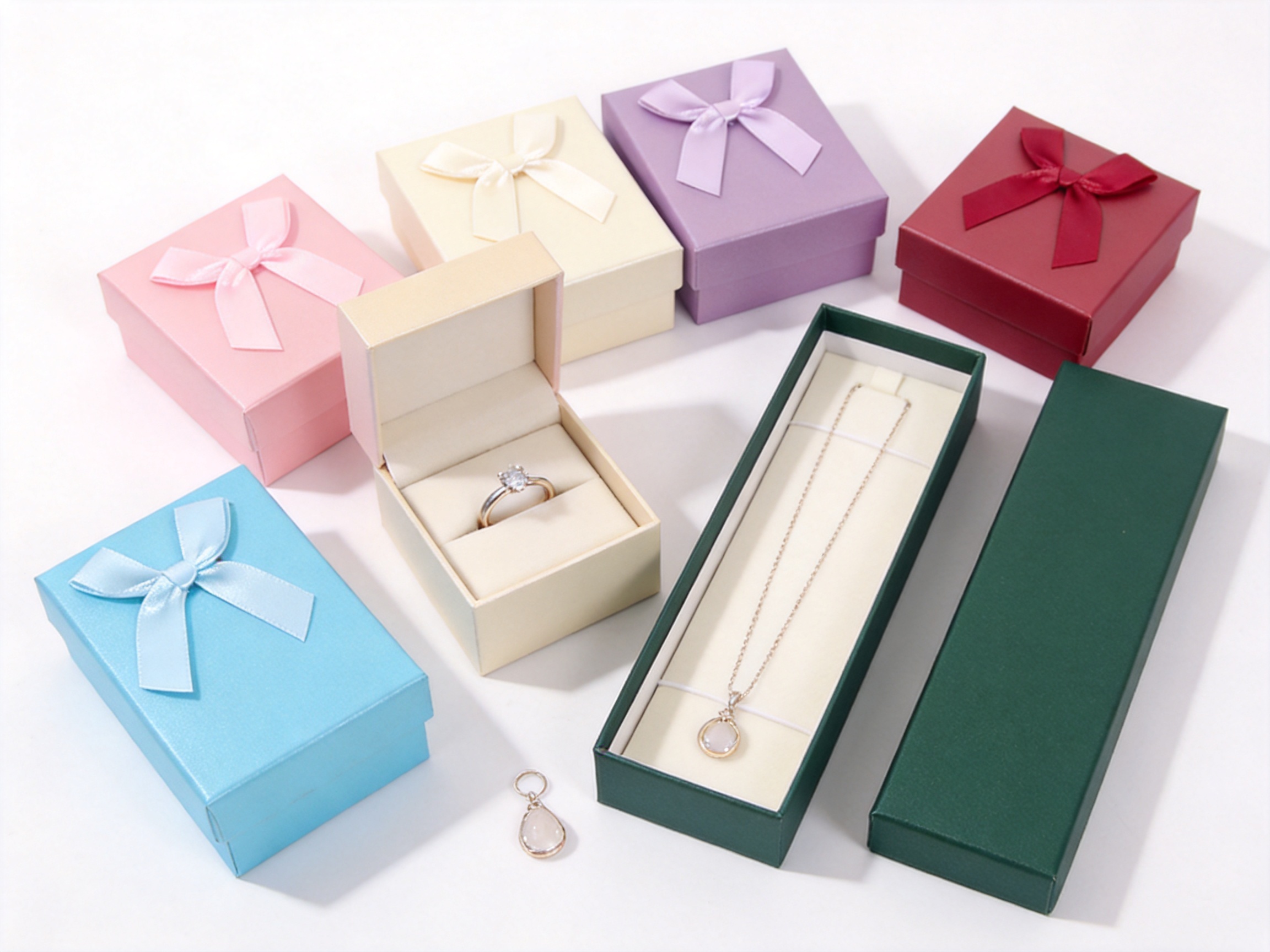
The range of sizes is one of the product’s practical advantages. Small square formats can be used for individual rings or compact jewelry pieces. Longer formats are appropriate for necklace presentation, while larger rectangular formats can provide more room for layered presentation, coordinated jewelry sets, or additional protective material. By offering several dimensions within the same design family, the manufacturer helps buyers maintain a consistent visual identity across multiple product categories.
Purchasers should confirm the final internal dimensions, insert structure, material specifications, and tolerances before placing a production order. Jewelry styles differ considerably, and a box selected for a thin chain may not be the best choice for a larger pendant or a ring with a high setting. Sample approval is recommended for all new applications.
Jewelry is small, delicate, and often vulnerable to surface scratching, tangling, bending, and displacement. Packaging that only looks attractive but fails to hold the product securely can create problems throughout the supply chain. The HY-6 design addresses this concern through an internal layout intended to separate and support the jewelry.
Defined compartments help prevent rings and necklaces from moving freely inside the box. When a ring is held in an appropriate slot, it is less likely to slide into the corners or rub against another item. When a necklace is placed in a dedicated area, the chain is less likely to become twisted or knotted during ordinary handling. This organization also makes the product easier to inspect before sale.
The internal structure contributes to a more professional unboxing experience. Instead of opening a box to find jewelry loose or disorganized, the customer sees a planned presentation in which the product is positioned as an important object. That visual order can improve perceived value and reinforce the quality of the jewelry itself.
For wholesale and retail operations, organized interiors may also simplify packing procedures. Staff can place jewelry into a repeatable position rather than adjusting the product individually in an unstructured case. Consistent placement can make quality checks faster and reduce the risk of a chain, clasp, or ring becoming caught during closing.
Although the box provides useful protection, it should be selected according to the specific jewelry item. Very heavy pieces, sharp components, or unusually large settings may require a reinforced insert or a different box format. The product is best understood as a refined jewelry presentation box rather than a substitute for industrial shipping protection.
The bow is more than an ornamental detail. It establishes the product as a gift before the lid is opened. In many purchasing situations, customers want packaging that can move directly from the store or online order to the recipient. A box with a decorative bow reduces the need for additional wrapping and creates a finished presentation.
The bow also provides a strong visual contrast against the main surface of the box. Depending on the selected color combination and finishing treatment, the result may appear romantic, festive, elegant, playful, or traditional. This makes the box suitable for different market segments without requiring a completely new structural design.
For jewelers, the bow can support impulse purchases. A customer buying a ring or necklace as a present may be more likely to choose packaging that already communicates celebration and care. For online sellers, an attractive box can improve the customer’s unboxing experience and provide a more memorable first impression when the parcel is opened.
The cross bow tie version is particularly appropriate for gift programs that emphasize presentation. The HY-6A version without the cross bow tie provides a more restrained option. It may be useful for jewelry brands that prefer a minimalist appearance, want to add a logo label, or need to combine the box with separate branded wrapping.
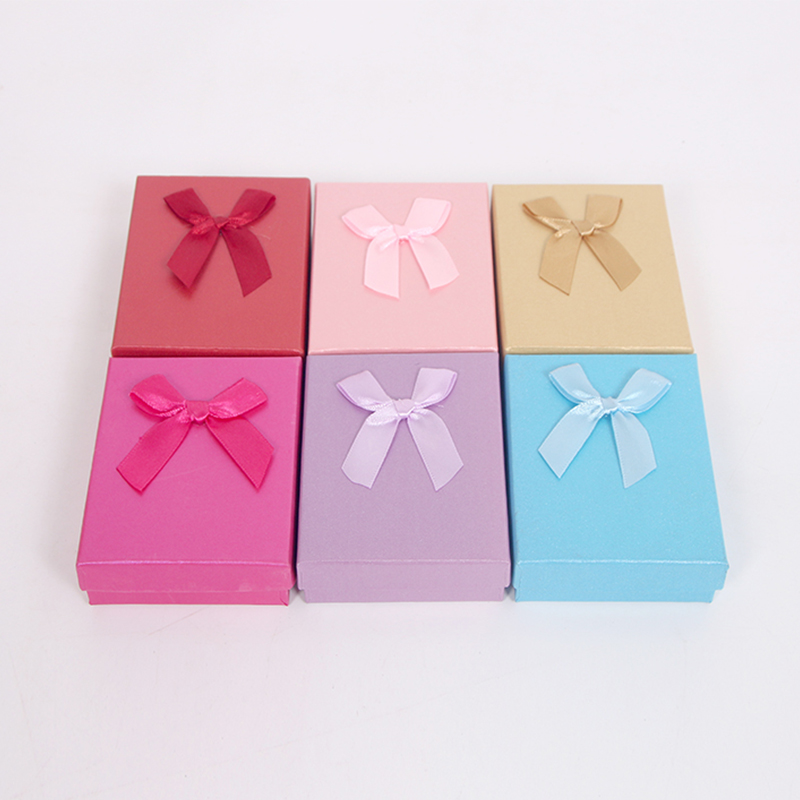
HY-6 Six-Color Ring Necklace Jewelry Box with Bow Decoration
Color is one of the fastest ways to communicate mood and product positioning. A jewelry box supplied in six colors gives buyers greater flexibility than a single-color packaging solution. Instead of using one appearance for every product, a company can create a coordinated color system that supports its merchandising plan.
For example, lighter tones may be associated with bridal jewelry, romance, or spring collections. Darker tones can suggest sophistication and premium positioning. Bright colors may be suitable for youth-oriented accessories, seasonal gift sets, or promotional campaigns. Neutral colors can work across a broad assortment and remain appropriate throughout the year.
Color coding can also improve operational organization. A retailer may assign colors to product types, sales channels, or packaging tiers. A wholesale customer may reserve one color for ring boxes and another for necklace boxes while keeping the structure visually consistent. This approach helps staff identify packaging quickly and can make display arrangements more attractive.
Because color perception is affected by lighting, material, surface texture, and printing method, buyers should review physical samples before approving a large order. If a specific color must match an existing brand palette, the purchaser should provide an agreed reference and request a pre-production sample. This is especially important for businesses selling coordinated packaging across several product lines.
The surface of a gift box strongly influences how the package feels in the customer’s hands. A vibrant color can make the box energetic and contemporary, while an elegant texture can create a more luxurious impression. The HY-6 product concept supports both colorful presentation and refined surface treatment, making it adaptable to different market requirements.
Surface finishing can be selected according to the intended positioning of the jewelry. A smooth and vivid finish may be suitable for fashion accessories and seasonal promotions. A textured finish may be more appropriate for premium jewelry, formal gifting, or collections that emphasize craftsmanship. The correct finish can also help conceal minor handling marks and provide a tactile distinction from ordinary packaging.
Customization may include color selection, material choice, surface treatment, interior arrangement, bow design, labels, logo application, and outer packaging. The exact options depend on order quantity, production feasibility, artwork requirements, and the selected box structure. Buyers should discuss these points with the manufacturer at the quotation and sampling stage.
Custom packaging is most effective when the design is consistent with the product inside. A delicate silver ring may benefit from a restrained and elegant presentation, while a colorful fashion necklace may be better supported by a brighter box. Packaging should not compete with the jewelry; it should frame the product and strengthen its appeal.
Many low-cost jewelry boxes provide only a simple cavity or loose insert. Such packaging may protect the product to a limited degree, but it often lacks the visual refinement and organization required for a premium customer experience. The HY-6 series offers several advantages over basic alternatives.
First, it combines storage and display functions. The box is not merely a container used for transport. Its interior helps position the jewelry, and its exterior is designed for presentation. This dual purpose can reduce the need for separate storage and gift packaging.
Second, the bow decoration gives the product an immediate gift identity. Competing boxes without decorative details may require an additional ribbon, gift bag, or wrapping step. The ready-to-present appearance of the HY-6 can help retailers save time and provide a more complete purchase experience.
Third, the six-color selection offers greater merchandising flexibility. A single standardized color may be efficient for mass production, but it can limit a brand’s ability to differentiate collections. Multiple colors enable more creative displays and allow businesses to respond to seasonal or regional preferences.
Fourth, the product family includes several size formats and both decorated and undecorated versions. This is more adaptable than a one-size, one-style packaging program. Buyers can select a format based on the jewelry item and choose a bow configuration according to their brand image.
Fifth, the product is supported by a manufacturer with experience across several categories of paper packaging. This matters when a customer wants matching ring boxes, necklace boxes, folding boxes, storage boxes, or gift sets. Working with one experienced supplier can improve visual consistency and simplify communication across a broader packaging program.
These advantages do not mean that the HY-6 is suitable for every jewelry application. Metal, stone size, product weight, shipping conditions, and branding requirements must still be evaluated. However, for gift-oriented jewelry presentation, the product offers a well-balanced combination of appearance, organization, and format flexibility.
The manufacturer behind the product is an export-oriented packaging enterprise with more than 15 years of experience in paper gift packaging. Its product scope includes kits, storage boxes, folding boxes, jewelry boxes, and gift boxes. This broad category experience is valuable because jewelry packaging often needs to work alongside other packaging components, such as outer cartons, product sets, display boxes, and seasonal gift packaging.
The company operates from a facility covering approximately 20,000 square meters and employs around 300 people. A production base of this scale can support a structured workflow covering product development, material preparation, printing or surface treatment, forming, assembly, inspection, packing, and shipment coordination.
The stated average daily production capacity is approximately 5,000 gift box sets. Capacity alone does not guarantee quality, but it indicates that the manufacturer has experience managing repetitive production, labor allocation, equipment scheduling, and order fulfillment. For international buyers, these capabilities can be important when packaging is required for a product launch, seasonal campaign, or recurring supply program.
The company also maintains its own design team and updates dozens of products weekly. A design team can assist buyers with structural ideas, visual refinement, material selection, and product adaptations. Frequent product development indicates an active approach to market trends and helps the manufacturer respond to changing expectations in jewelry, gifting, retail, and e-commerce packaging.
Large-scale production and design capability are particularly useful when a customer wants to create a packaging family rather than purchase one isolated box. A buyer may begin with the HY-6 jewelry box and later develop a matching necklace box, bracelet box, gift set, or storage container. The ability to coordinate multiple structures through one supplier can help preserve consistent colors, textures, proportions, and finishing quality.
Although the exact production route depends on the selected materials and customization requirements, professional paper gift box manufacturing generally involves several connected stages. Each stage affects the final appearance and performance of the product.
The process begins with product drawings, size confirmation, material planning, and structural review. At this stage, the manufacturer evaluates the external dimensions, lid movement, internal compartment arrangement, bow placement, and compatibility with the intended jewelry. A well-prepared structure helps prevent problems during forming and assembly.
For customized orders, artwork and technical drawings should be reviewed together. A logo may look attractive on a screen but require adjustment to fit the lid, bow, texture, or printing area. The manufacturer can also identify areas where a design may interfere with folding, adhesive application, or final assembly.
Paperboard, specialty paper, lining materials, inserts, ribbons, and decorative components must be prepared according to the approved specification. Material selection influences stiffness, surface quality, color consistency, and the perceived value of the finished box.
For jewelry packaging, the interior material is especially important. It should hold the product securely while remaining visually compatible with the outer box. The insert must also be sized correctly so that the ring or necklace is supported without excessive pressure.
Depending on the design, the box may use solid colors, printed patterns, textured papers, coatings, embossing, foil details, or other decorative methods. Surface treatment must be coordinated with the base material and the required production quantity.
Color approval is a critical part of this stage. Digital images can differ from physical materials because of screen settings, lighting, paper absorption, and coating. A physical sample or approved color standard provides a more reliable reference for production.
After materials are prepared, components are cut and formed into the required shapes. Outer panels may be wrapped, folded, or mounted onto a rigid structure. Inserts are shaped and positioned, while lids and bases are aligned for smooth opening and closing.
Assembly quality affects both appearance and usability. Edges should be neat, corners should be properly aligned, and the lid should close without excessive force. The bow must be secured in a stable position, and the interior insert should remain in place during normal use.
Finished boxes are inspected for color, dimensions, surface defects, structural alignment, decoration placement, and general cleanliness. Products that pass inspection are packed for storage or shipment. Proper packing is necessary because decorative surfaces and bows can be damaged by compression or rough handling.
International orders may require specific carton markings, pallet arrangements, moisture protection, or documentation. These requirements should be confirmed before production so that the final packing method matches the buyer’s logistics plan.
Quality control for jewelry boxes should cover more than visual appearance. A professional inspection program should consider functional, structural, and decorative factors. The box must look attractive, but it must also remain usable through repeated opening, closing, storage, and handling.
Dimensional accuracy is important because the jewelry must fit the insert without being loose or compressed. A small difference may be acceptable for a general gift box but problematic for a ring slot or necklace channel. Buyers should establish acceptable tolerances for the outer dimensions and internal placement.
Adhesive performance is another consideration. Weak bonding may cause paper lifting, loose lining, or separation at the corners. Excess adhesive, however, can create visible marks or affect the movement of the lid. A balanced assembly process helps maintain a clean appearance.
Bow placement should be checked for consistency. If the bow is positioned unevenly, the product may look unfinished when arranged on a retail shelf. The attachment should also be strong enough for ordinary handling but not so rigid that it damages the lid material.
Color consistency is particularly important when a buyer orders multiple batches. Differences between production lots can affect shelf presentation and brand recognition. Manufacturers and buyers should agree on reference samples, color tolerances, and inspection procedures before beginning repeat orders.
The manufacturer’s BSCI and FSC certifications, as stated in the supplied company information, are relevant to buyers evaluating social responsibility and responsible forestry considerations. Certification status, scope, and validity should be verified against the current documentation for the specific order and supply chain.
The HY-6 box is suitable for jewelry retailers that sell individual rings, necklaces, pendants, and small coordinated gifts. It can be used in physical stores, online shops, wholesale catalogs, craft markets, department stores, and promotional gift programs.
For engagement and wedding jewelry, the bow decoration supports a romantic and ceremonial presentation. For birthday gifts, the six-color selection enables retailers to offer more personalized choices. For holiday sales, colors and surface finishes can be selected to match seasonal displays and promotional themes.
Independent jewelry designers may use the box to elevate a small collection without investing in a completely new structural design. The box provides a consistent platform for product photography, market stalls, customer orders, and direct gifting. A coordinated package can help a small brand appear more established and professional.
Online jewelry sellers can use the packaging to improve the unboxing sequence. The customer receives a box that already has visual appeal, while the internal organization helps protect the jewelry during the final stage of order fulfillment. Sellers should still use a suitable shipping carton and cushioning material around the jewelry box.
Corporate and event gift suppliers may also find the product useful. Rings or necklaces given as recognition gifts, anniversary gifts, promotional awards, or event souvenirs can be presented in a box that communicates occasion and care. Customized labels or outer packaging may be added where appropriate.
Beauty, fashion, and accessory businesses can use the box for small products beyond traditional jewelry, provided the dimensions and interior arrangement are suitable. Hair accessories, small collectibles, keepsakes, and other compact gift items may be considered after sample testing.
Retail packaging should support sales, storage, and customer service at the same time. The HY-6 series can help retailers in several ways. Its compact formats are convenient for back-room storage, while its decorative appearance makes it suitable for direct display.
The multiple sizes allow retailers to match the box more closely to the product. A correctly sized box can reduce unnecessary material use and prevent a small item from appearing lost inside excessive packaging. At the same time, larger formats can provide enough space for necklaces and more substantial jewelry designs.
The two bow configurations allow businesses to separate ready-to-gift and everyday packaging. Retailers can stock decorated boxes for customers who want immediate presentation and undecorated boxes for product lines that use separate branding or wrapping.
Wholesalers benefit from offering a product with broad appeal. A six-color, multi-size series can serve different types of jewelry sellers without requiring a completely unrelated packaging line for every customer. This may simplify inventory planning and create opportunities for mixed assortments.
The product’s visual appeal may also help reduce the need for costly secondary packaging. A retailer may not need to add a separate ribbon or decorative sleeve for every sale. Any reduction in packaging steps should be evaluated against the desired customer experience, but the ready-to-present design provides useful flexibility.
Jewelry packaging is an important branding surface because customers often retain the box after the purchase. A box used for storage becomes a continuing reminder of the seller or jewelry brand. For this reason, businesses may wish to add logos, labels, printed messages, or coordinated outer packaging.
The undecorated HY-6A version may be appropriate for customers who want to apply their own branding or create a simpler visual system. The decorated HY-6 version can be used when the bow itself is a central part of the brand experience. In either case, the branding should be planned around the lid shape, bow location, surface texture, and available printing area.
Private-label buyers should provide clear artwork files, color references, logo proportions, and placement requirements. They should also ask for a sample that includes the proposed branding rather than approving only a blank box. Printed details can affect the balance of the design, especially on small formats.
Branding should remain legible without overwhelming the jewelry presentation. A small, carefully placed mark may create a more premium result than a large logo covering the entire lid. The appropriate approach depends on the brand’s identity, product price, and target market.
Size selection should begin with the jewelry rather than the exterior appearance alone. Measure the product when positioned as it will be presented. For rings, consider the height of the setting and the width of the band. For necklaces, consider the chain length, pendant size, clasp, and preferred display arrangement.
The 5 × 5 × 3.5 cm format is a compact option for individual ring presentation. The 8 × 5 × 2.5 cm format may be suitable for narrow jewelry arrangements where a lower profile is preferred. The 7 × 9 × 3 cm and 9 × 9 × 3 cm formats provide a broader presentation area for different ring or small jewelry layouts.
The 21 × 4 × 2 cm format is a long, narrow option that may be appropriate for necklace presentation or slender jewelry arrangements. The 9 × 8.5 × 5.5 cm format provides additional height and volume for jewelry requiring more room. The 12 × 16 × 2.8 cm format offers a larger presentation surface for bigger necklaces, coordinated displays, or products that need additional internal organization.
These applications are general guidelines. The final suitability should be confirmed through physical testing. A box that fits the jewelry in an empty sample may behave differently when the insert, protective paper, tag, and decorative elements are included.
Packaging buyers increasingly evaluate environmental impact alongside appearance and price. Paper-based gift packaging can support sustainability goals when materials are responsibly sourced, production waste is managed, and the box is designed for practical use rather than immediate disposal.
The supplied company information states that the manufacturer has passed FSC certification. FSC-related requirements concern responsible forest management and traceability within the relevant supply chain. Buyers should confirm the applicable certificate, material scope, and labeling requirements when making environmental claims.
A reusable jewelry box can provide additional value because customers may continue using it for storage after the original purchase. This extended use can improve the practical life of the packaging. A compact box that protects and organizes jewelry is more likely to be retained than a fragile package intended only for one opening.
Responsible packaging decisions should also consider the amount of material used, the necessity of coatings, the recyclability of combined components, and the shipping volume. Buyers can discuss material alternatives, reduced secondary packaging, and efficient carton packing with the manufacturer during product development.
Sustainability does not require sacrificing appearance. Textured papers, efficient structures, reusable designs, and carefully selected finishes can create an attractive product while supporting more responsible packaging practices. The best solution depends on the buyer’s market, regulations, product requirements, and environmental objectives.
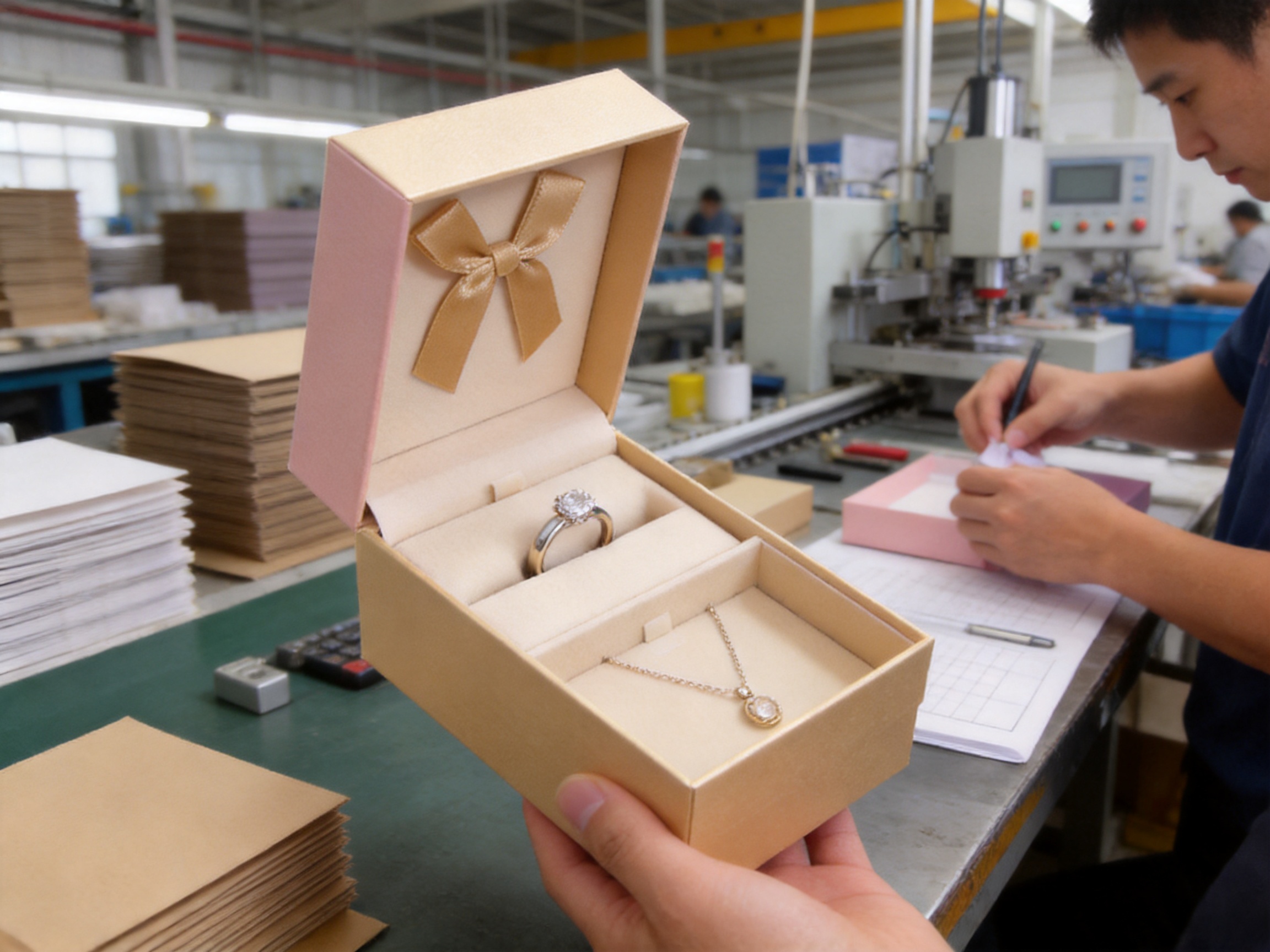
A jewelry box is a relatively small product, but a successful packaging program involves many decisions. Buyers must coordinate design, materials, dimensions, colors, decoration, quantity, quality standards, shipment, and future replenishment. A manufacturer with experience in several packaging categories can help integrate these decisions.
Shihao’s combination of design capability, production scale, and export experience provides a foundation for serving international customers. The company’s location in Zhejiang places it within a major manufacturing region with access to packaging materials, skilled labor, component suppliers, and transport networks.
The stated workforce of approximately 300 employees supports the possibility of dedicated production planning for larger or recurring projects. Buyers should still confirm lead times, minimum order quantities, sampling charges, production schedules, and capacity for the specific order. Clear communication remains essential regardless of supplier size.
The manufacturer’s portfolio of jewelry boxes, storage boxes, folding boxes, kits, and gift boxes may help customers develop a unified packaging strategy. Rather than sourcing every format from a different supplier, a buyer may be able to coordinate related products through one production partner. This can reduce the risk of inconsistent materials and colors across a collection.
For international buyers, export experience may also simplify discussions about carton packing, shipping documents, quality inspection, and delivery arrangements. These operational factors are not visible in the finished product, but they influence the reliability of the overall purchasing experience.
A careful ordering process helps ensure that the selected box meets both aesthetic and functional expectations. The first step is to define the jewelry application. Identify whether the box will hold a ring, necklace, pendant, or combination, and record the product’s actual dimensions.
The next step is to select the preferred size, color, bow configuration, and surface finish. Buyers should decide whether they need the cross bow tie version or the HY-6A version without the cross bow tie. If the product will carry a logo, the required branding method should be discussed at this stage.
Requesting a sample is strongly recommended. The sample should be tested with the real jewelry item, including any tag, protective paper, or insert required for retail sale. Open and close the lid repeatedly, inspect the interior, check the bow attachment, and evaluate the box under the lighting used in the intended store or photography environment.
After sample approval, buyers should confirm the final specifications in writing. The purchase specification should include item number, dimensions, material, color, finish, bow style, printing or branding, insert design, packing method, quantity, and quality requirements.
For large or recurring orders, a sealed reference sample can be retained by both the buyer and manufacturer. This provides a practical comparison standard for future batches. Buyers should also define how color variation, minor surface marks, dimensional deviation, and assembly defects will be evaluated.
Before shipment, the buyer may arrange a pre-shipment inspection or request production photographs and sample checks. The inspection method should correspond to the order value and the importance of the packaging to the final product experience.
Finished jewelry boxes should be stored in a clean, dry area away from direct sunlight, excess humidity, and strong odors. Paper materials can be affected by moisture and temperature changes, while decorative components may be compressed if cartons are stacked improperly.
During handling, cartons should not be dragged across rough surfaces or placed beneath excessive weight. The bow and lid are decorative and functional elements that may be damaged by compression. Warehouse staff should follow the packing orientation indicated by the supplier.
Jewelry should be placed into the correct internal position before the box is closed. Chains should be arranged without sharp bends, and rings should be seated fully in their designated area. Proper placement helps preserve the appearance of both the jewelry and the box.
Retail staff should avoid using aggressive cleaning agents on the outer surface. If dust is present, a soft, dry cloth is generally preferable. Any cleaning method should first be tested on a less visible area or an approved sample.
The product is designed primarily for rings and necklaces, with formats that may also accommodate pendants and other compact jewelry items. The correct model depends on the jewelry’s dimensions, weight, and preferred presentation arrangement.
The product is described as available in six colors. Buyers should confirm the current color selection, material samples, and minimum order quantities with the manufacturer before placing an order.
The HY-6 version is listed with a cross bow tie, while the HY-6A version is listed without the cross bow tie. Both versions are available in corresponding size formats, subject to production confirmation.
The listed sizes include 5 × 5 × 3.5 cm, 8 × 5 × 2.5 cm, 7 × 9 × 3 cm, 21 × 4 × 2 cm, 9 × 9 × 3 cm, 9 × 8.5 × 5.5 cm, and 12 × 16 × 2.8 cm. Buyers should confirm whether the required size is available with the chosen color, insert, bow, and customization.
Customization possibilities should be discussed with the manufacturer. Depending on the order and design, options may include color, surface finish, logo application, labels, insert design, bow details, and matching outer packaging.
The box is suitable as presentation and storage packaging, but it should normally be placed inside a suitable shipping carton with protective cushioning. The jewelry box itself should not be treated as complete protection against all shipping impacts, compression, or moisture.
Yes. Its decorative bow, color options, and organized interior make it suitable for retail presentation. Retailers should select the size and surface finish that best match the jewelry and the intended display environment.
The box can be reused for jewelry storage when handled properly. Its continued service life depends on the materials, interior construction, frequency of use, and storage conditions.
The supplied company information states that the manufacturer operates a facility of approximately 20,000 square meters, employs around 300 people, and has an average daily production capacity of about 5,000 gift box sets. Buyers should confirm current capacity, lead time, and order requirements for a specific project.
Buyers should check dimensions, interior fit, color, surface finish, bow placement, structural alignment, logo quality, adhesive performance, packing method, and compatibility with the actual jewelry. A physical sample and written specification are recommended before mass production.
The supplied information states that the company has passed BSCI and FSC certifications. Buyers should request current certification documents and discuss material traceability, recyclable components, coatings, and packaging reduction according to their sustainability requirements.
A retailer can select several HY-6 sizes and use the six-color range to organize different jewelry categories or seasons. Matching products from the manufacturer’s broader portfolio may also be considered to create a consistent packaging system across rings, necklaces, gift sets, and storage products.
The HY-6 six-color ring and necklace jewelry box with bow decoration is a versatile solution for businesses seeking more than basic jewelry containment. Its combination of organized internal storage, gift-ready decoration, multiple dimensions, six color choices, and optional bow configurations makes it suitable for a broad range of retail and gifting applications.
The product’s greatest advantage is its balance. It is compact enough for efficient storage, decorative enough for direct presentation, and adaptable enough to serve different jewelry formats and market styles. The bow adds emotional appeal, while the structured interior supports product protection and orderly display.
Its value is further strengthened by the capabilities of the manufacturer. More than 15 years of packaging experience, a large production facility, approximately 300 employees, an active design team, international export experience, and substantial daily production capacity provide a strong foundation for standard and customized packaging projects.
For the best result, buyers should evaluate the product with their actual jewelry, approve a physical sample, define detailed quality requirements, and discuss customization and sustainability goals before production. When properly selected and managed, this jewelry box can protect the product, improve presentation, support brand identity, and create a memorable unboxing experience for the final customer.
1. Product specification information for the HY-6 six-color ring and necklace jewelry box, including available item numbers, dimensions, bow configurations, and product description.
2. Company profile information for Zhejiang Shihao Gift Packaging Co., Ltd., including manufacturing experience, facility scale, workforce, production capacity, product categories, design capabilities, and export markets.
3. General principles of paperboard packaging design, structural packaging development, product protection, and retail presentation.
4. General guidance on jewelry storage, compartment organization, packaging handling, and presentation requirements.
5. General considerations for responsible paper sourcing, certification review, sustainable packaging design, and reusable gift packaging.
Recommended Products

Contact Us

No. 15, Xiayang Road, Huangzhai Town, Jinhua, Zhejiang, China

(+86) 579-84230069

(+86) 13085675766


Products

Gift Box Packaging Manufacturer
 English
 Français
 Español
 عربى