2026-10-03

Premium packaging has become an important part of the product experience. A gift box is no longer viewed only as a container. It is also a communication tool, a visual expression of brand value, and an essential part of the recipient’s first impression. For luxury gifts, seasonal products, jewelry, crafts, stationery, and curated collections, packaging must combine appearance, protection, functionality, and production reliability.
The top-opening spunlace-bottom plush gift box is designed to meet these expectations. It combines a ceremonial opening experience with a soft, elegant exterior and a reinforced bottom structure. The result is a presentation box that looks refined while offering practical support during handling, transportation, storage, and repeated use.
This packaging format is especially suitable for businesses seeking a custom gift box manufacturer with the ability to manage material selection, structural development, color matching, printing, finishing, sampling, and mass production. Zhejiang Shihao Gift Packaging Co., Ltd. manufactures this type of packaging as part of a broader portfolio that includes storage boxes, folding boxes, jewelry boxes, kits, and other paper gift packaging products.
In competitive retail and e-commerce environments, packaging can influence how customers perceive quality before they see the product itself. A carefully engineered box can make an ordinary presentation feel special, while poorly designed packaging can reduce confidence in an otherwise valuable product.
Gift packaging must perform several functions at the same time. It should protect the contents from compression, impact, dust, and movement. It should be visually attractive on a display shelf or in product photography. It should be convenient to open and close. It should also communicate the intended positioning of the product, whether that positioning is luxurious, artistic, environmentally responsible, festive, practical, or highly personalized.
The top-opening plush gift box addresses these needs through a combination of structure and surface treatment. Its opening method creates a clear unboxing moment. Its plush exterior provides a soft-touch visual effect. Its spunlace-bottom construction improves support and helps reduce the risk of deformation. These features give the box a stronger presence than many basic folding cartons or plain rigid paperboard packages.
For brands, retailers, importers, and promotional product suppliers, this combination can create a more complete customer experience. The box can be used for the initial gift presentation and later retained as a storage container, extending its usefulness beyond the first opening.
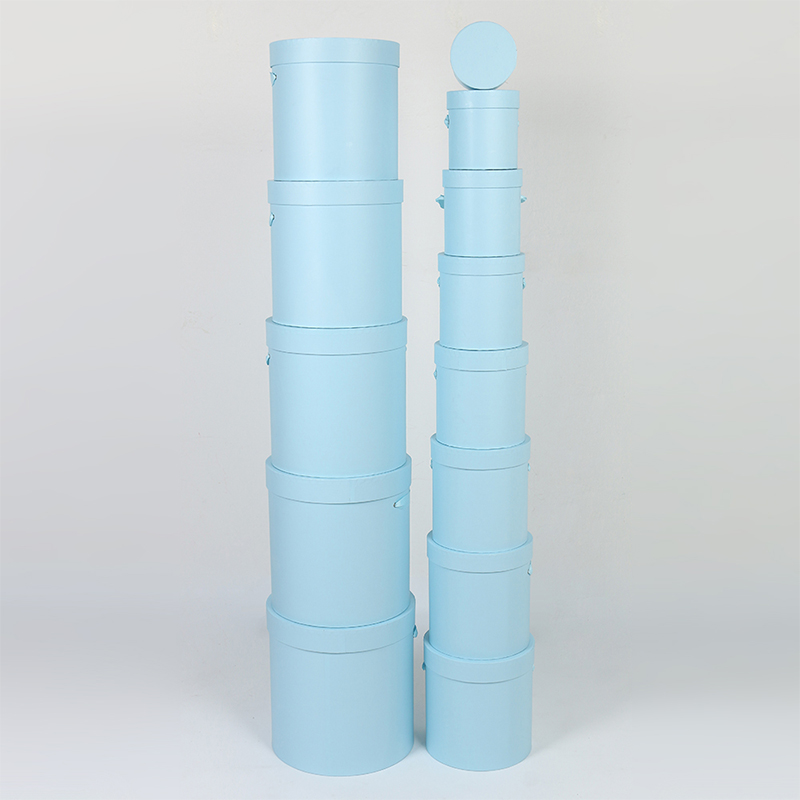
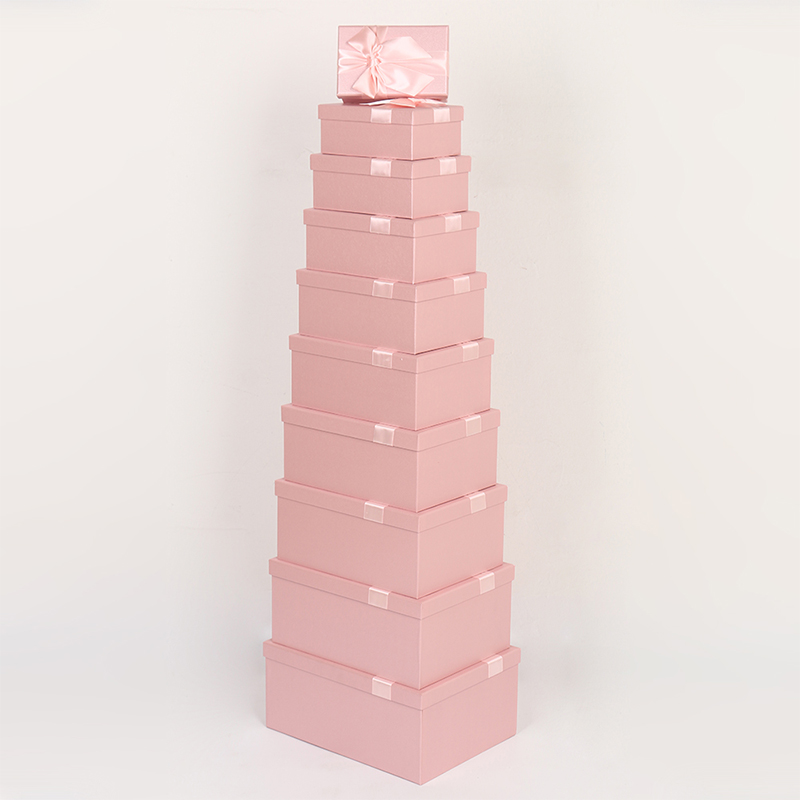
The product is a top-opening plush gift box with a spunlace-supported bottom. It is made with an art paper-coated cardboard surface and can be produced in CMYK, Pantone, or custom colors. The available size range extends from approximately 38.5 × 29.5 × 16.5 centimeters for the largest listed format to approximately 16.9 × 10.6 × 7.6 centimeters for the smallest listed format.
The box is intended for gift packaging, storage, gifts, and crafts. Depending on the selected dimensions and internal configuration, it can accommodate a broad range of products, including apparel accessories, cosmetics, household gifts, stationery, handmade products, seasonal collections, craft items, and carefully arranged gift sets.
The design can be customized according to the requirements of the buyer. Customization may include dimensions, exterior color, interior color, surface pattern, branding, print artwork, opening structure, internal inserts, and accessory details. This makes the product suitable for both standardized collections and highly specific packaging programs.
The listed project number is 666#. The minimum order quantity is 300 sets, which provides an accessible starting point for many commercial packaging projects while still supporting efficient factory production. Delivery is generally available within 7 to 45 days, depending on specifications, order quantity, sampling requirements, production scheduling, and customer requirements.
The top-opening format gives the package a clear and intuitive user experience. Instead of requiring complicated folding or assembly by the recipient, the box opens from the top, allowing the contents to be revealed in a controlled and visually appealing way.
This design can create a sense of ceremony. The recipient can lift the lid, discover the product inside, and appreciate the presentation before removing the contents. For premium gifts, limited editions, holiday products, and corporate gifts, this sequence can make the delivery feel more intentional and memorable.
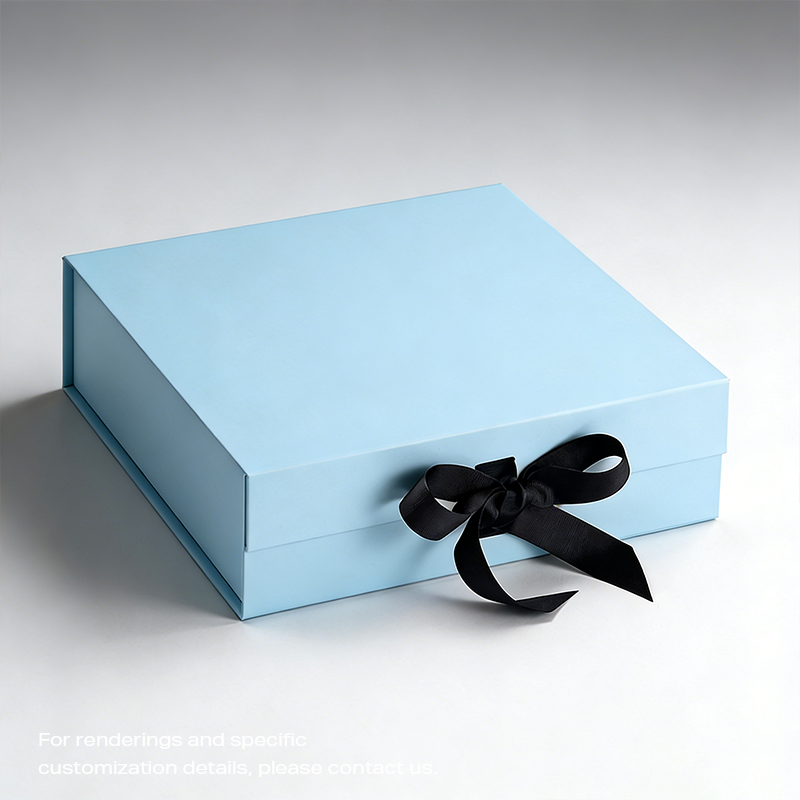
A top-opening box is also practical for retail and fulfillment operations. Products can be placed into the box efficiently during packing. Depending on the design, the lid can be fitted, hinged, magnetic, ribbon-assisted, or otherwise customized. The final structure can be developed to match the weight and dimensions of the packaged item.
Compared with a simple folding carton, a structured top-opening box generally offers a more substantial hand feel. Compared with some fully rigid luxury boxes, it can offer a balance between presentation and material efficiency. This makes it useful for companies seeking a premium appearance without choosing an unnecessarily complicated package architecture.
The plush surface is one of the defining visual features of this packaging design. It provides a soft, tactile finish that can immediately distinguish the box from ordinary coated paperboard packaging. The surface is visually associated with comfort, elegance, warmth, and high perceived value.
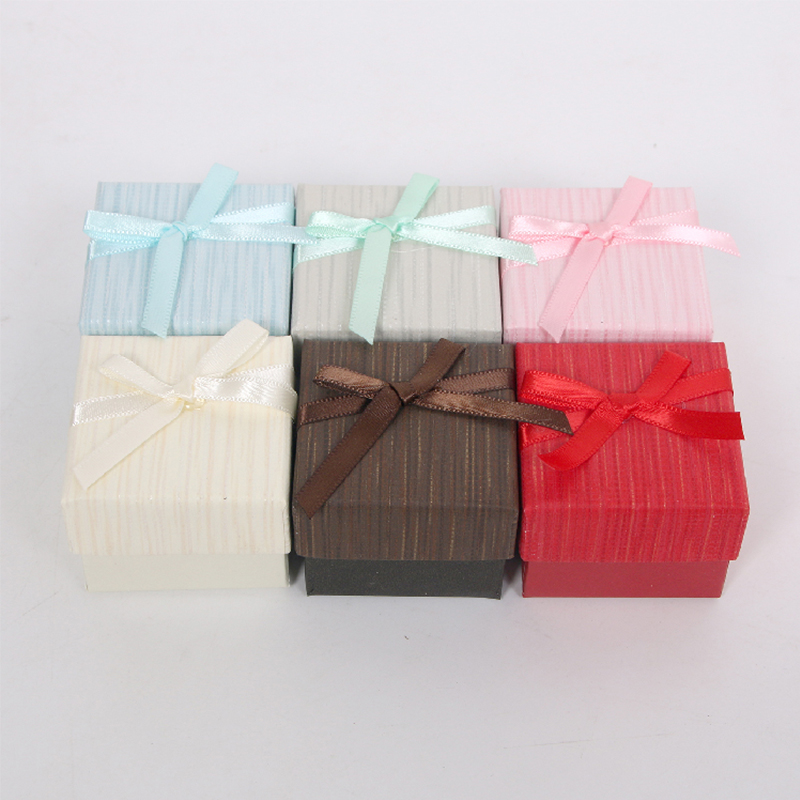
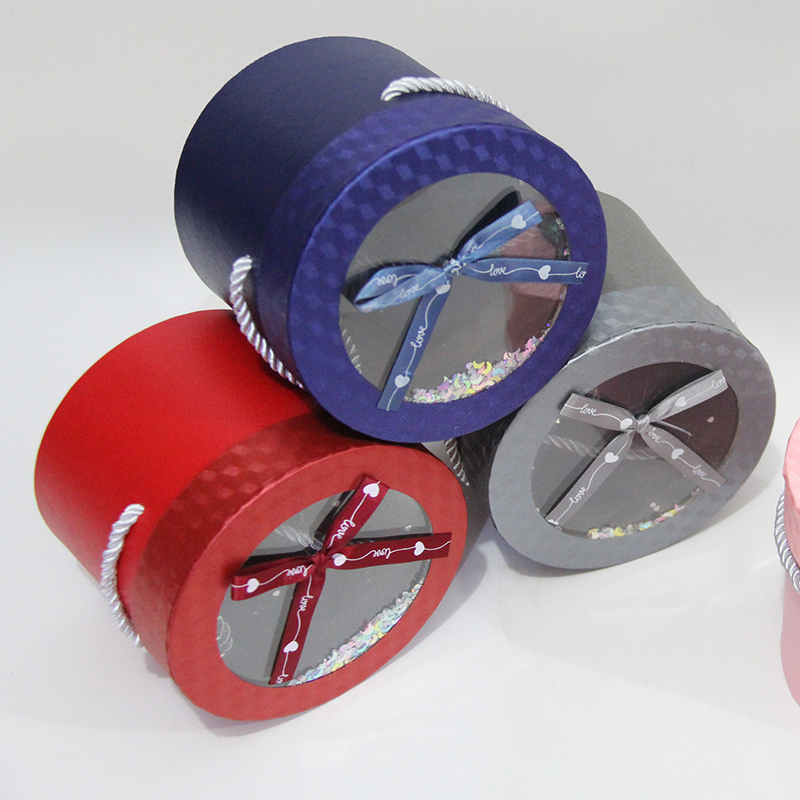
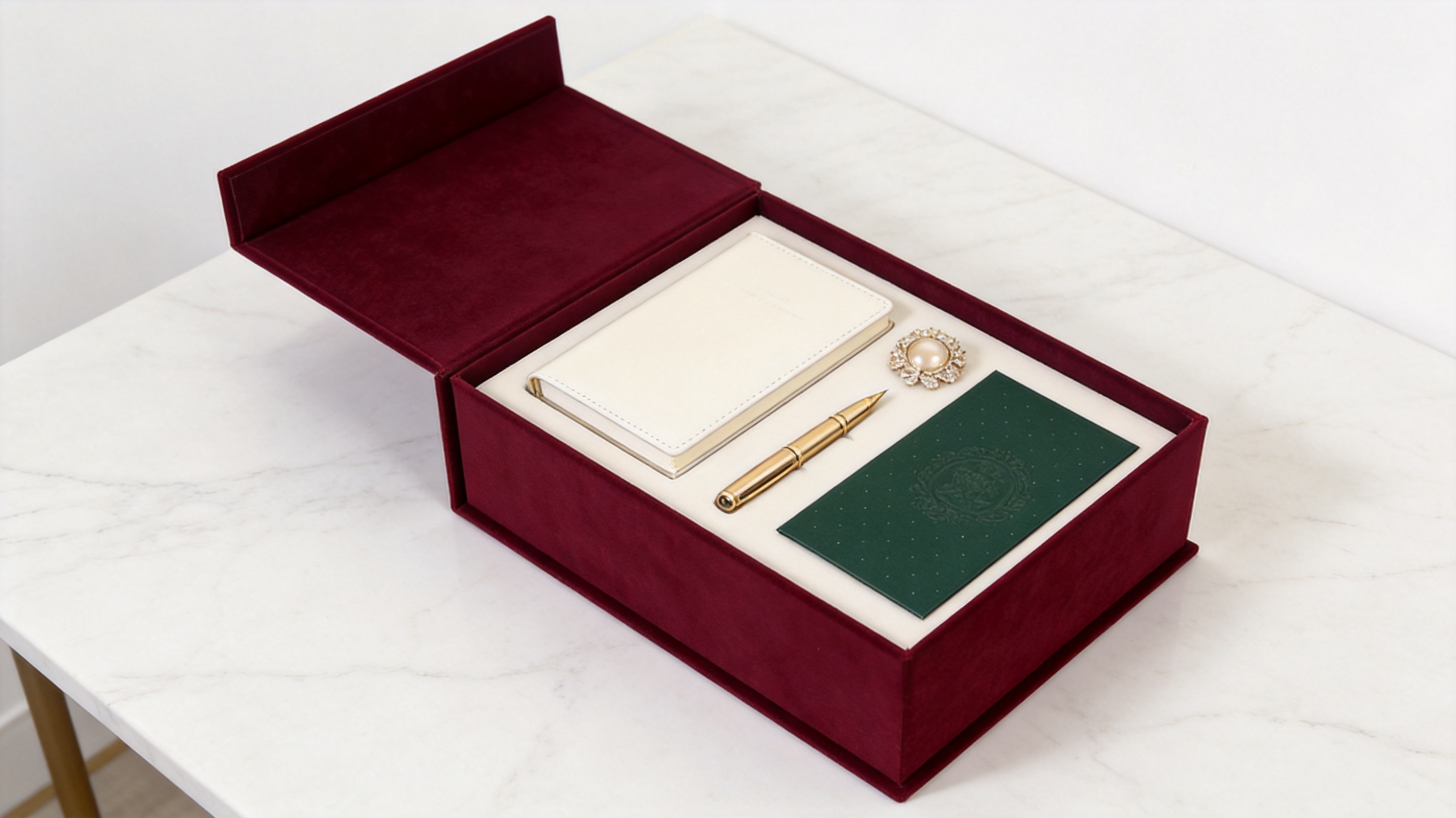
Plush materials can support a wide selection of color directions. Deep red, emerald green, navy blue, black, ivory, blush, champagne, and other custom shades can be considered for different product categories and occasions. Seasonal gift collections may use colors associated with winter celebrations, spring events, weddings, anniversaries, or cultural holidays.
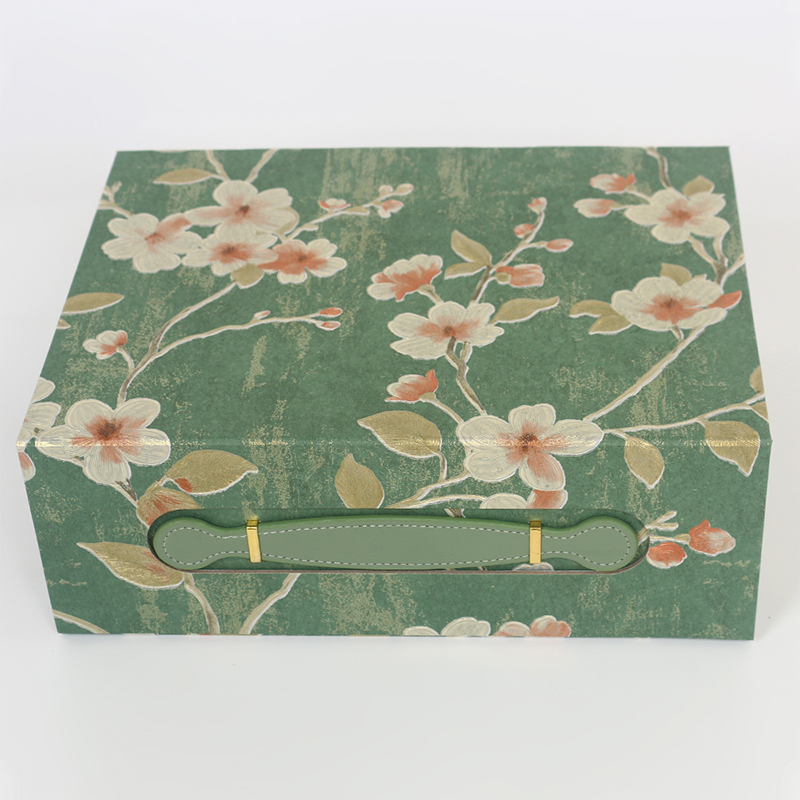
The surface can also be coordinated with printed paper components, ribbons, labels, inserts, and product colors. For example, a dark plush exterior may be paired with metallic-looking printed details and a light interior. A soft pastel exterior may be suitable for beauty products, baby gifts, or wedding favors. A rich burgundy or forest green finish may support a premium holiday collection.
In addition to visual appeal, the plush surface adds tactile interest. Customers often judge the quality of packaging by touch as well as sight. A soft exterior can create a more distinctive interaction and may encourage customers to keep the box for future storage.
The material is also described as relatively easy to maintain and capable of resisting some everyday staining. Proper care instructions and appropriate production specifications should be confirmed for each project, but the practical advantage remains important for packaging intended to be handled repeatedly.
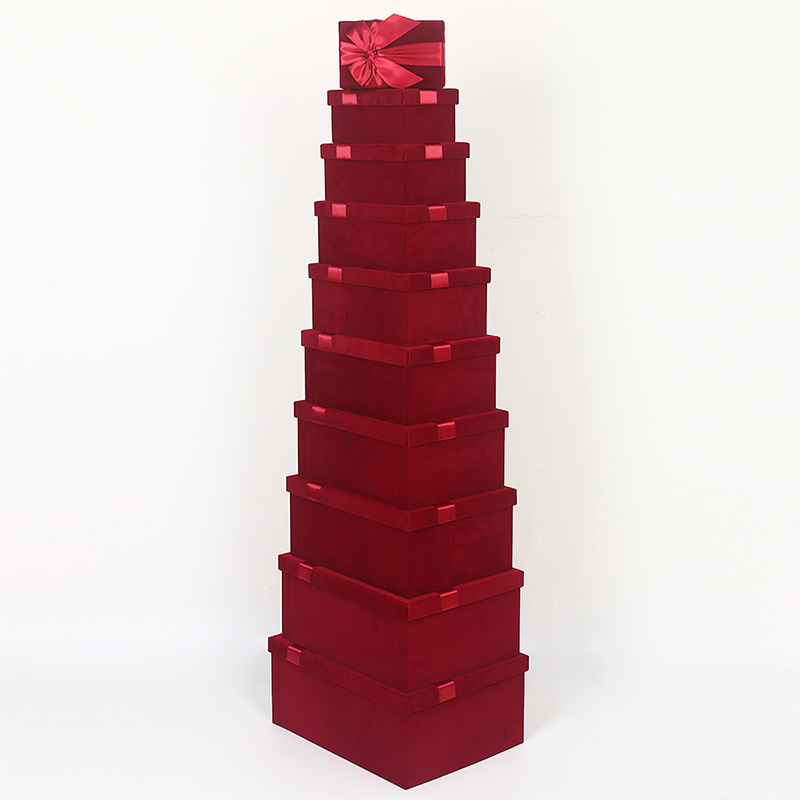
666 Top-opening Spunlace Bottom Plush Gift Box Packaging
The bottom of a gift box must support the product, resist pressure, and maintain its shape during handling. If the bottom is weak, the package may sag, deform, or lose stability. This is particularly important when the box contains multiple products, heavier items, or goods that must remain carefully arranged.
The spunlace-bottom structure helps create a stronger foundation. Spunlace materials are formed through a process that entangles fibers using high-pressure water jets or related techniques, producing a nonwoven material with useful strength and flexibility characteristics. When incorporated into a packaging structure, this type of bottom support can improve resistance to deformation and help distribute pressure more evenly.
The reinforced bottom is valuable throughout the supply chain. During factory packing, it supports efficient filling. During internal handling, it helps maintain the shape of the box. During transportation, it provides additional support against minor compression and movement. At the point of sale or delivery, it helps the package retain a neat and premium appearance.
The bottom also contributes to cushioning. Although the exact protective performance depends on the board grade, interior insert, product weight, and final construction, the spunlace component can work together with the cardboard body to reduce the effects of ordinary handling. Customized internal supports can be added when the contents require greater stability.
Compared with a basic paperboard package with no reinforced base, this design offers a more substantial structural solution. Compared with packaging that relies only on thin fabric or decorative wrapping, it provides a better-defined container with greater support. These advantages make it suitable for gift sets that require both elegance and dependable presentation.
The listed primary material is art paper-coated cardboard. Coated paperboard is widely used in high-quality packaging because it provides a smooth surface for printing, lamination, color reproduction, and finishing. It can also be converted into a range of box structures with consistent dimensions.
The cardboard serves as the body of the package, giving the box its shape and rigidity. The plush exterior adds surface character and a softer appearance. The spunlace bottom contributes additional support. Together, these materials form a layered packaging solution rather than a single-material carton.
Material selection should be based on the product’s weight, dimensions, intended transportation conditions, desired appearance, and sustainability objectives. A packaging supplier with design and engineering experience can help determine an appropriate board thickness, surface treatment, internal support, and closure method.
For projects with environmental requirements, buyers can discuss material options, responsible sourcing, and certification documentation during the quotation and sampling stages. The manufacturer has passed BSCI and FSC certifications, which can support customers seeking suppliers with established social compliance and responsible forestry-related practices. Specific certification requirements should always be confirmed for the relevant order and material configuration.
Color is a central part of gift box design. The product supports CMYK printing, Pantone colors, and custom color requirements. CMYK is suitable for photographic images, gradients, illustrations, and multi-color artwork. Pantone matching is useful when a buyer needs a more controlled brand color or a consistent color standard across multiple packaging components.
Custom colors can be developed for special collections, seasonal campaigns, private-label programs, and coordinated product launches. The final appearance may vary depending on the plush material, coated paper surface, lighting, finishing method, and production batch. For this reason, physical samples or approved color standards are recommended before mass production.
Artwork may include logos, product names, patterns, illustrations, decorative borders, text, symbols, and event-related graphics. The company accepts design files in Artificial Intelligence and CorelDRAW formats, while its in-house design team can also provide professional advice and assist with structural or visual development.
Decorative options should be selected with the intended market in mind. A luxury product may benefit from restrained branding and a carefully chosen color palette. A festive gift box may use brighter colors, patterns, and seasonal motifs. A corporate package may prioritize clear brand visibility and consistent visual identity.
When multiple materials are combined, the design team should consider how the printed paper surface will interact with the plush covering. The package should look coordinated rather than visually crowded. Effective packaging design usually depends on balance: enough detail to communicate value, but not so much decoration that the product itself becomes secondary.
Plain cartons and standard folding boxes can be cost-effective, but they may not communicate a premium position. The plush surface and structured form of this gift box create a richer visual and tactile experience. This can help products appear more valuable at retail, in promotional photography, and during direct gifting.
Many lightweight packages depend primarily on thin paperboard and may be vulnerable to bending or bottom deformation. The spunlace-supported bottom provides an additional structural element that can improve stability and help the package maintain its shape during normal use.
The top-opening design gives the customer a clear unboxing sequence. A well-designed lid and interior arrangement can encourage anticipation and make the package feel more like part of the gift than a disposable shipping container.
Once the original product has been removed, the box can be reused for storage. Customers may use it for stationery, accessories, keepsakes, crafts, documents, or small household items. This secondary function can increase the practical value of the packaging and extend its useful life.
Standard stock packaging limits a buyer to predetermined sizes and colors. This product can be customized in dimensions, surface color, artwork, patterns, and structure. Customization allows the package to fit the product more accurately and support a distinct market identity.
The same basic structure can be adapted for gift sets, crafts, seasonal products, corporate merchandise, beauty collections, stationery, accessories, and other applications. This versatility may help buyers simplify supplier management while developing different packaging lines.
The product is suitable for gift packaging where appearance and presentation are important. It can be used for birthday gifts, wedding gifts, anniversary products, holiday collections, corporate gifts, promotional sets, and premium retail packages.
In the craft sector, the box can hold handmade goods, artistic objects, decorative items, and limited-edition products. A custom insert can be designed to separate multiple pieces and reduce movement. The plush exterior can reinforce the handcrafted or luxurious character of the contents.
For stationery and office-related applications, the box can store writing instruments, notebooks, greeting cards, paper goods, desk accessories, and curated stationery sets. The storage function is especially relevant because stationery buyers often appreciate packaging that can later be reused to organize small items.
For personal accessories, the box may be developed for scarves, belts, wallets, small handbags, fashion accessories, or other compact products. The correct dimensions and interior support are important to prevent unnecessary movement and preserve the presentation.
For corporate gifting, the design can be aligned with a company’s brand colors and communication style. Logos, event dates, campaign messages, or custom patterns can be incorporated into the artwork. A carefully produced box can help turn a promotional gift into a more meaningful brand interaction.
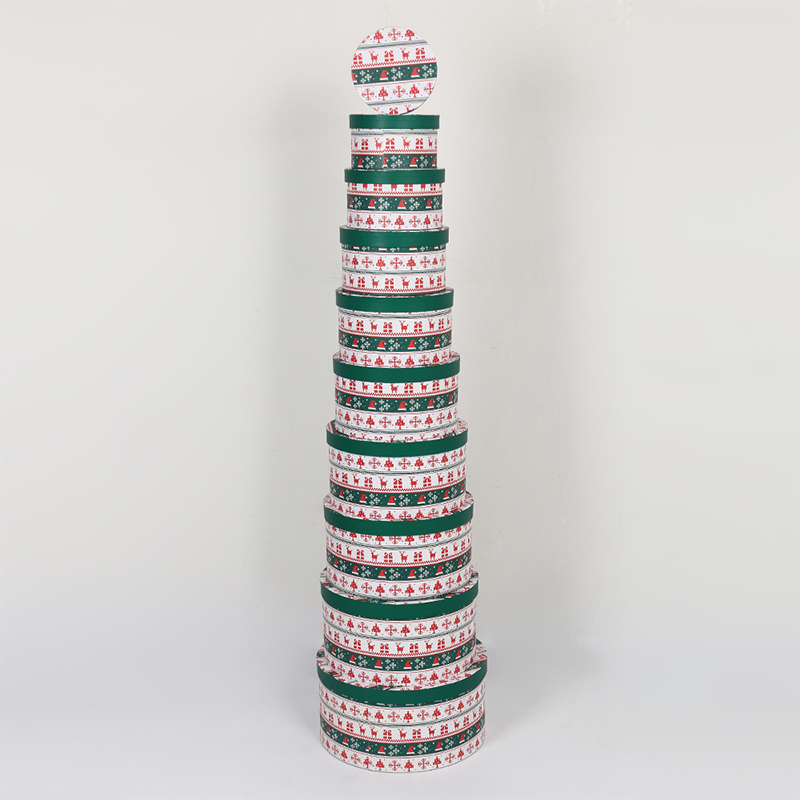
For seasonal collections, the ability to customize color and pattern is particularly useful. A manufacturer can produce packaging for different holidays or occasions while maintaining the same general structural concept. This may reduce development time when a brand wants to release multiple collections during the year.
The process begins with a review of the buyer’s product, target dimensions, quantity, market, budget, desired appearance, and delivery expectations. The manufacturer can evaluate whether the standard project specification is suitable or whether a modified structure is needed.
The design team develops the box dimensions and opening method. Internal clearance should be sufficient for the product and any protective material. The team may also consider lid overlap, bottom support, wall thickness, edge finishing, insert design, and how the box will be packed into cartons.
After the structure is confirmed, the buyer supplies artwork or works with the in-house design team. Artwork should be prepared in an appropriate vector format, with dimensions and color specifications clearly identified. The design team can offer professional advice regarding print placement, visual balance, and production feasibility.
A sample allows the buyer to evaluate size, color, material feel, lid fit, bottom strength, printing, and overall appearance. Sampling is an important stage because digital images cannot fully represent tactile materials or the final relationship between plush fabric and printed paperboard.
After sample approval, production can proceed according to the agreed specifications. Quality checks should cover material preparation, cutting, forming, bonding, printing, surface application, assembly, and packing. Production scheduling depends on order volume, customization level, current factory capacity, and the required delivery date.
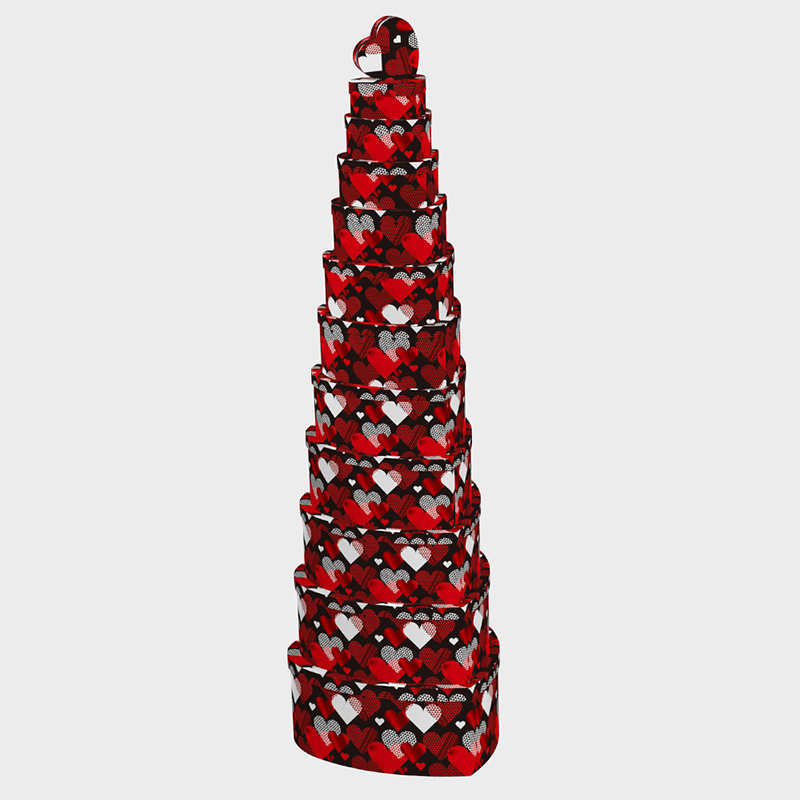
The listed packaging arrangement is 10 pieces per set and 4 sets per carton, with carton dimensions of approximately 61 × 40 × 35 centimeters and a stated carton volume of 0.085 cubic meters. Packaging details should be reconfirmed for the final order because the number of units per carton may change according to box size, protective materials, and shipping requirements.
Zhejiang Shihao Gift Packaging Co., Ltd. is an export-oriented manufacturer specializing in the production, research and development, and sale of paper gift packaging boxes. The company has more than 15 years of experience in the industry and operates from a facility covering approximately 20,000 square meters.
The manufacturer employs around 300 people and has advanced equipment intended to support development and production. Its reported average daily production capacity is approximately 5,000 sets of gift boxes. This capacity can be valuable for buyers that need consistent supply, repeat orders, or coordinated production for multiple product lines.
A capable factory must do more than assemble boxes. It must coordinate design, material procurement, cutting, printing, forming, finishing, inspection, packing, and export logistics. An integrated manufacturing operation can reduce the number of separate suppliers involved in a project and simplify communication for international buyers.
The company also has its own design team and reports updating dozens of products weekly. This design activity suggests a focus on ongoing product development rather than relying only on fixed catalog items. Buyers can benefit from this experience when they need advice about structure, decoration, usability, or adapting a general design to a particular product.
The manufacturer exports to Europe, the United States, the Middle East, and other regions. International export experience can help a supplier understand the importance of documentation, carton planning, production schedules, quality expectations, and communication across different markets.
BSCI and FSC certifications are also part of the company’s stated credentials. These certifications can be relevant to buyers with social compliance, responsible sourcing, or retailer approval requirements. As with all certifications, customers should request current documentation and confirm that it applies to the specific materials and production arrangements used for their order.
Quality control should begin before production. The buyer and manufacturer should agree on the approved sample, material specifications, dimensions, color standards, print tolerance, surface appearance, opening performance, and packing method.
Dimensional accuracy is important because the product must fit the box without excessive movement or pressure. A box that is too small may damage the contents or create difficulty during packing. A box that is too large may reduce presentation quality and require additional filling material.
Surface inspection should check for uneven plush application, visible marks, loose fibers, color variation, scratches, wrinkles, and bonding problems. Printed components should be checked for registration, color consistency, text accuracy, image clarity, and correct placement.
Structural inspection should include lid fit, corner formation, bottom support, wall stability, and the ability of the box to remain upright. If the package will contain heavier products, the buyer may request additional load or handling evaluations appropriate to the intended use.
Carton packing should be reviewed as well. Boxes should be protected against abrasion and compression during shipment. The number of units per carton should be practical for handling, and the carton should be marked according to the buyer’s requirements.
Quality standards should be documented in writing whenever possible. A clear specification reduces misunderstandings and gives both parties a shared reference during sampling and mass production.
The stated minimum order quantity is 300 sets. This quantity can be suitable for small and medium-sized brands, new product launches, event programs, and test-market orders. Larger buyers may negotiate production plans for repeat orders, multiple sizes, or several colorways.
Delivery is listed as 7 to 45 days or according to customer requirements. The actual schedule depends on the complexity of the design, availability of materials, artwork approval, sample requirements, order volume, and shipping arrangement. Buyers should provide target dates early, especially when the packaging is intended for a fixed holiday or promotional event.
Early planning is particularly important for custom plush materials and special colors. While standard materials may be readily available, unusual colors, patterns, or structural components may require additional preparation. A detailed purchase schedule can reduce the risk of last-minute changes.
The listed port is Ningbo, although alternative arrangements may be discussed according to customer requirements. Payment is generally made by T/T, with other payment methods potentially available by agreement. Commercial terms should be confirmed in the quotation, purchase contract, or pro forma invoice.
Packaging sustainability involves more than selecting a single material. It includes product protection, material efficiency, manufacturing processes, shipping volume, durability, reuse, and end-of-life considerations. A box that prevents product damage may avoid the environmental cost associated with replacement goods and additional shipping.
The plush gift box can support reuse because it can become a storage container after the original gift has been opened. Customers may retain it for small personal items, documents, craft materials, or household organization. Reuse can extend the functional life of the package and make the initial material investment more valuable.
The product is also described as using environmentally friendly plush materials in typical applications. Exact material content should be specified for each project, particularly when a buyer has requirements involving recycled content, fiber origin, restricted substances, or recyclability.
FSC-related sourcing may be considered when responsible paper and board procurement is required. Buyers should confirm the relevant certification scope, chain-of-custody requirements, and documentation before making environmental claims in marketing materials.
Packaging design can further support sustainability by using accurate dimensions, avoiding unnecessary oversizing, reducing excess inserts, and selecting carton configurations that use shipping space efficiently. A professional design review can identify opportunities to reduce material use without compromising strength or appearance.
The plush material may provide a degree of thermal buffering compared with a very thin uncovered paper surface. This characteristic can be useful for products that are sensitive to short-term temperature changes during ordinary handling. However, the box should not be treated as a specialized thermal shipping container unless it has been specifically tested for that purpose.
The material is also described as less likely to generate static electricity than some alternative surfaces. This may be helpful when packaging products that attract dust. Actual static performance depends on humidity, material composition, surface treatment, and environmental conditions, so buyers with sensitive electronic or technical products should request suitable testing.
These characteristics add to the versatility of the packaging, but they should be considered as supporting features rather than substitutes for specialized protective systems. The correct packaging design must always reflect the sensitivity, weight, fragility, and transportation conditions of the product inside.
Packaging can help a brand occupy a specific position in the customer’s mind. A soft plush surface may communicate elegance and warmth. A firm structured base may suggest reliability. A carefully selected color may reinforce brand recognition. A reusable box may communicate practicality and consideration.
The top-opening format can also create consistency across a product collection. A company may use several sizes while maintaining the same surface treatment, logo position, and color family. This creates a recognizable packaging system that can be adapted to different products without losing visual unity.
For emerging brands, custom packaging can help products look more established. For established brands, refined packaging can support a premium sub-line, limited edition, or seasonal campaign. For corporate buyers, a custom box can give promotional gifts a more polished and intentional presentation.
The manufacturer’s ability to combine design support, custom colors, structural adjustments, and production capacity allows buyers to develop packaging that is more specific than a generic stock box. The goal is not simply to add decoration. The goal is to make the packaging support the product, the customer experience, and the commercial strategy.
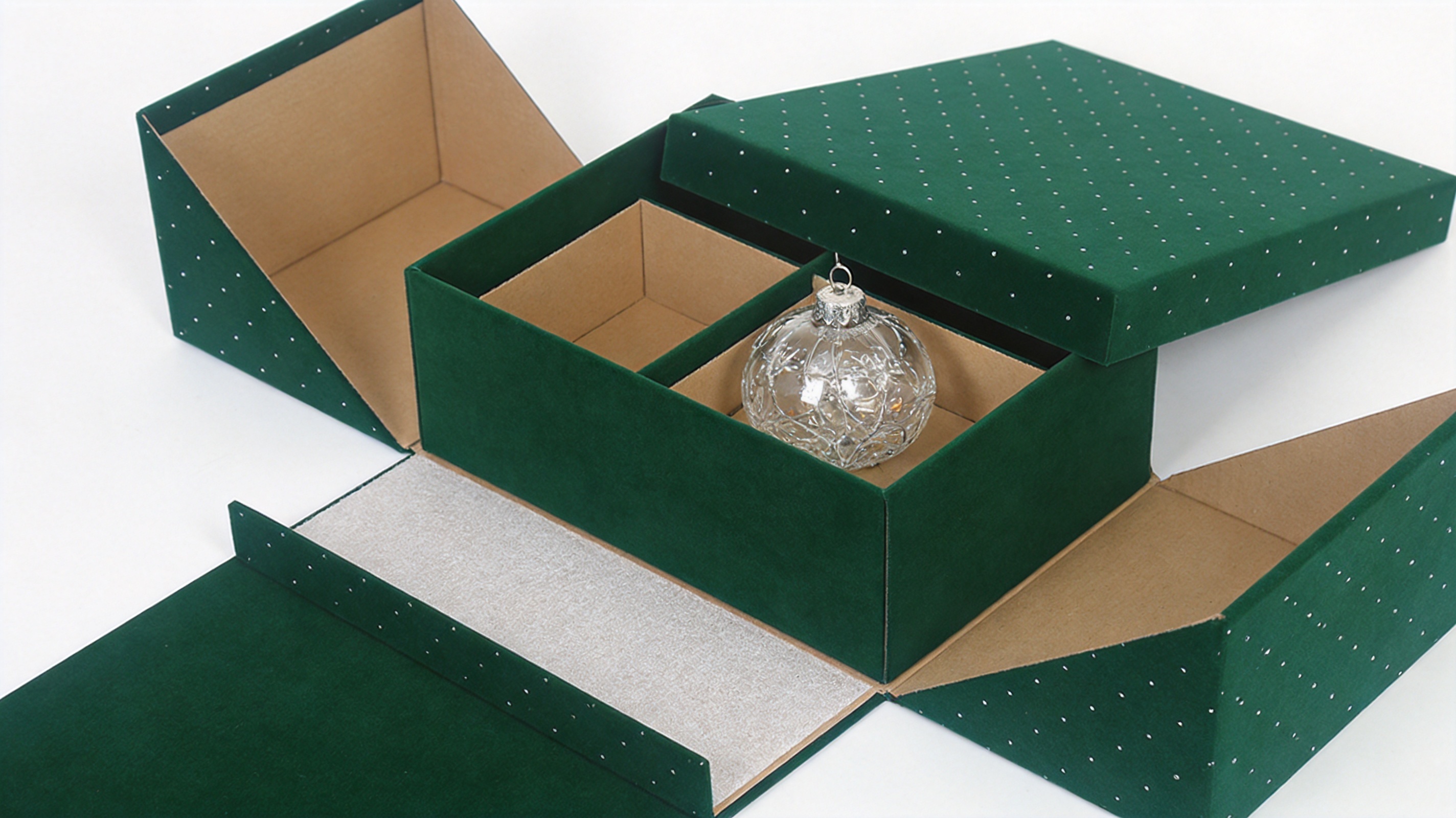
The interior should be sized around the product and any insert. Buyers should provide accurate product measurements, including maximum width, height, depth, and any areas that require clearance. If the product has irregular geometry, a physical sample or detailed drawing can help the design team develop a better fit.
Buyers should determine whether the lid should lift completely away, remain attached, use a ribbon, include a magnetic closure, or follow another opening method. The decision affects both appearance and production complexity.
Plush materials create a distinctive look, but the color and texture should be appropriate for the product. A subtle finish may be ideal for luxury goods, while a brighter finish may be more suitable for seasonal or youth-oriented products.
Internal inserts can prevent movement and improve presentation. Depending on the product, the insert may be made from paperboard, molded pulp, foam, fabric, or another suitable material. The interior should be designed together with the outer box rather than treated as an afterthought.
Physical sampling is strongly recommended for custom packaging. It allows the buyer to confirm the real color, material feel, structural stability, lid operation, and product fit before approving mass production.
International transport may involve stacking, vibration, humidity changes, and repeated handling. The carton arrangement and protective packing should be reviewed with the manufacturer to reduce the chance of damage before delivery.
It is a structured gift box that opens from the top, uses a plush exterior or plush-related surface treatment, and incorporates a spunlace-supported bottom for additional strength and stability. It is designed for premium presentation, gift packaging, storage, and craft applications.
The listed main material is art paper-coated cardboard. The design also includes a plush surface and a spunlace-bottom structure. Final material details, thicknesses, lining choices, and sustainability characteristics should be confirmed for each customized order.
Yes. The box can be customized in size according to the product and buyer requirements. The listed size range is approximately 38.5 × 29.5 × 16.5 centimeters to 16.9 × 10.6 × 7.6 centimeters, but other dimensions may be discussed during development.
CMYK, Pantone colors, and custom colors are available. The final color depends on the selected material, printing method, plush surface, and production specifications. A physical sample or approved standard is recommended for color-sensitive projects.
Yes. Buyers can provide artwork for logos, patterns, illustrations, text, and other design elements. The manufacturer accepts Artificial Intelligence and CorelDRAW design files and also has an in-house design team that can provide professional advice.
The box can be used for gifts, crafts, stationery, accessories, curated sets, seasonal products, promotional merchandise, and other items that fit the selected dimensions. Internal inserts can be considered for products requiring separation or extra support.
Yes. Its structured design allows it to be reused as a storage box for stationery, keepsakes, accessories, craft supplies, documents, or other small items. Reuse is one of the practical advantages of a durable presentation box.
The plush material has some stain-resistance and can be cleaned with appropriate care. Performance depends on the exact material and treatment. Buyers should request care recommendations and confirm the surface specification before production.
The plush surface may provide some heat-insulating or thermal-buffering properties. However, the product is not automatically a thermal shipping container. Products with strict temperature requirements need specialized testing and protective packaging.
The plush material is described as less likely to generate static electricity than some other surfaces. Actual performance depends on material composition and environmental conditions. Sensitive products should be evaluated through appropriate testing.
The listed minimum order quantity is 300 sets. The final quantity may depend on the required size, colors, artwork, components, and production plan.
The listed delivery period is 7 to 45 days or according to customer requirements. The actual lead time depends on sampling, customization, quantity, material availability, artwork approval, and factory scheduling.
The listed port is Ningbo, China. Alternative shipping arrangements may be discussed according to the customer’s requirements and the selected logistics plan.
T/T is generally used. Other payment methods may be discussed and confirmed according to the commercial agreement between the buyer and manufacturer.
The manufacturer states that it has passed BSCI and FSC certifications. Buyers should request current certification documents and verify that the certification scope matches the relevant order and materials.
The top-opening spunlace-bottom plush gift box offers a balanced solution for businesses seeking premium presentation, practical protection, and customization flexibility. Its plush exterior gives the packaging a soft and refined appearance, while the top-opening structure creates a more memorable unboxing experience. The spunlace-supported bottom adds strength and stability, helping the box remain attractive and functional during handling and reuse.
Compared with basic folding cartons, this design provides greater perceived value and a more substantial tactile experience. Compared with decorative packaging that lacks structural support, it offers a more dependable foundation. Its ability to function as a storage box after gifting further improves its long-term usefulness.
Zhejiang Shihao Gift Packaging Co., Ltd. supports this product with more than 15 years of manufacturing experience, an approximately 20,000-square-meter facility, around 300 employees, advanced equipment, an in-house design team, and reported daily production capacity of about 5,000 gift box sets. Its experience serving Europe, the United States, the Middle East, and other markets also supports the needs of international buyers.
For buyers, successful development depends on clear specifications, accurate product measurements, appropriate material selection, approved artwork, physical sampling, and careful quality control. With these steps in place, the top-opening plush gift box can become more than an attractive container. It can become a durable part of the product experience, a reusable storage solution, and a recognizable expression of quality.
1. Zhejiang Shihao Gift Packaging Co., Ltd. Product specification and company information supplied for the top-opening spunlace-bottom plush gift box.
2. International Organization for Standardization. General principles and considerations for packaging design, quality, and environmental performance.
3. Forest Stewardship Council. Guidance concerning responsible forest-based material sourcing and chain-of-custody practices.
4. Business Social Compliance Initiative. General principles for social compliance assessment in international supply chains.
5. Packaging engineering references concerning paperboard strength, structural box design, cushioning, carton packing, and product protection.
Recommended Products

Contact Us

No. 15, Xiayang Road, Huangzhai Town, Jinhua, Zhejiang, China

(+86) 579-84230069

(+86) 13085675766


Products

Gift Box Packaging Manufacturer
 English
 Français
 Español
 عربى