2026-09-24
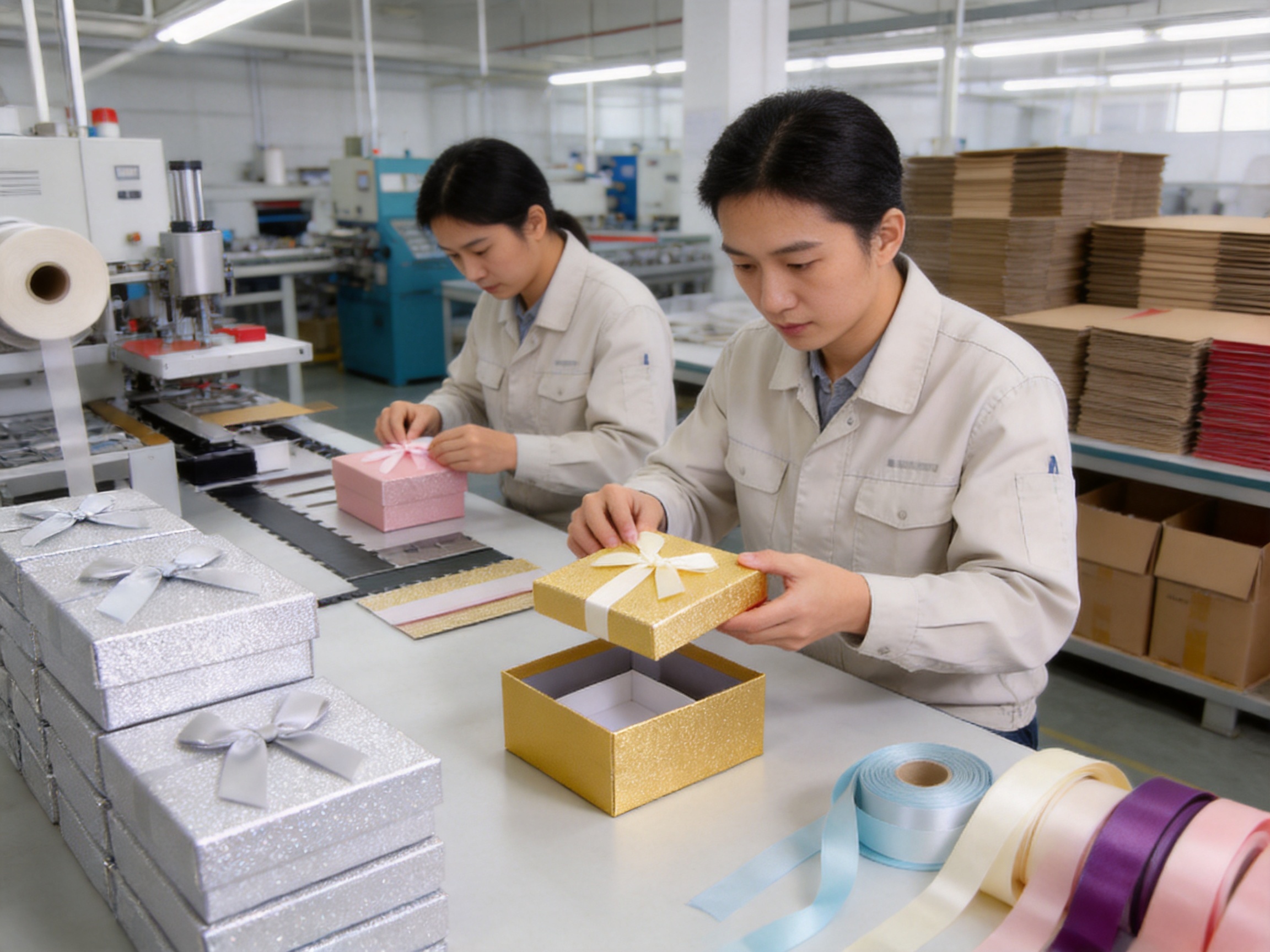
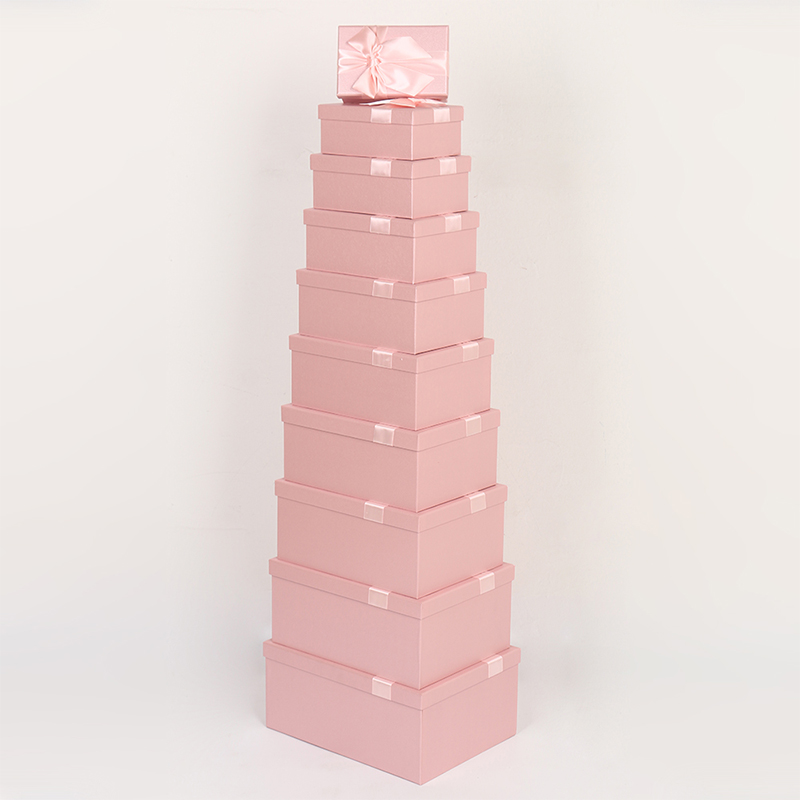
In jewelry packaging, the box is more than a protective container. It is the first physical expression of a gift, a visual introduction to the jewelry inside, and an important part of the recipient’s emotional experience. A well-designed box can communicate quality before the lid is opened, create anticipation during unwrapping, and help a jewelry brand distinguish itself in a crowded marketplace. The HY-1 square top-and-bottom-cover glitter paper jewelry gift box with ribbon bow is designed around these principles.
Combining a structured square profile, a separate lid and bottom, glitter paper covering, and a decorative ribbon bow, this packaging solution offers a balanced combination of presentation, practicality, and customization. It is suitable for jewelry retailers, gift companies, wedding suppliers, seasonal collections, promotional campaigns, and brands seeking an elegant packaging format that can be adapted to different product lines.
Unlike ordinary paper boxes that may look plain or disposable, the HY-1 design uses surface shimmer and a handcrafted-looking bow to create a stronger sense of occasion. At the same time, its classic two-piece construction keeps the package easy to open, close, store, and organize. This makes it a versatile choice for earrings, rings, bracelets, pendants, small accessories, and other compact gift items.
Jewelry is often purchased for emotional reasons. A ring may symbolize commitment, a necklace may celebrate a birthday, and a bracelet may mark a holiday, anniversary, graduation, or personal achievement. Because of this emotional context, packaging must do more than protect the product from dust and handling. It should support the story behind the purchase.
Packaging influences how a customer evaluates a product before seeing every detail of the jewelry itself. Color, texture, structure, and opening experience all contribute to perceived value. A carefully made box can make a modest accessory feel more thoughtfully selected, while a weak or generic package can reduce the impact of an otherwise attractive product.
The HY-1 box responds to this need through a combination of decorative richness and functional simplicity. Its glitter paper exterior catches light and creates visual movement, while the ribbon bow immediately signals that the package is intended for gifting. The square shape gives the box a stable, balanced appearance and provides a practical interior footprint for organizing jewelry.
For retailers, this type of packaging can also reinforce brand positioning. Premium-looking presentation is useful for boutique collections, limited-edition products, holiday merchandise, wedding favors, and special-order gifts. For manufacturers and wholesalers, the design provides a repeatable packaging format that can be produced in different colors, sizes, and decorative combinations.
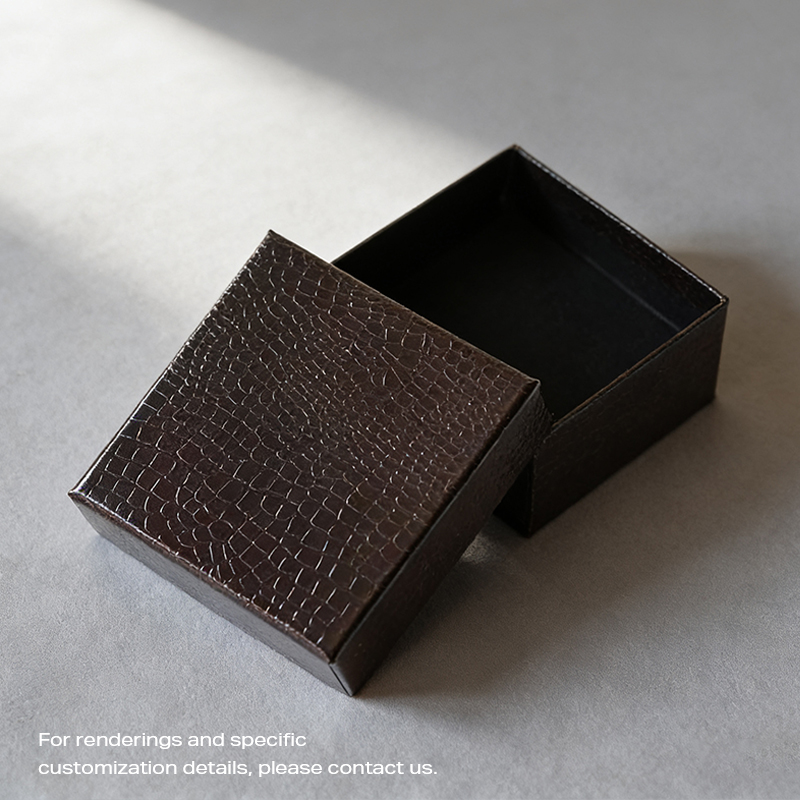
The HY-1 is a square jewelry gift box featuring a separate top and bottom cover. The lid fits over the lower section, allowing the box to be opened and closed without complex mechanisms. This construction is familiar to consumers, easy to handle, and suitable for a wide range of jewelry packaging applications.
The outer surface is covered with glitter paper. Its reflective particles create a delicate shimmer that changes according to the lighting environment. Under retail lighting, event lighting, or natural light, the surface can produce a refined sparkle that makes the box more noticeable than standard matte paper packaging.
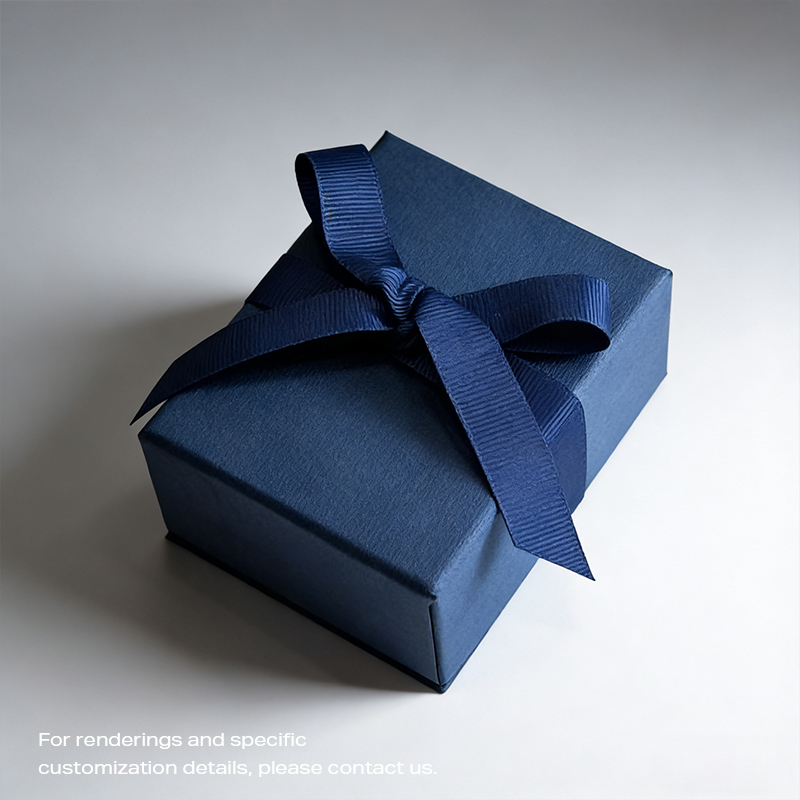
A ribbon bow is positioned on the center of the lid. The bow functions as both a decorative feature and a visual signal that the package contains a gift. Because ribbon material and color can be customized, buyers can coordinate the box with a jewelry collection, seasonal campaign, wedding palette, brand identity, or promotional theme.
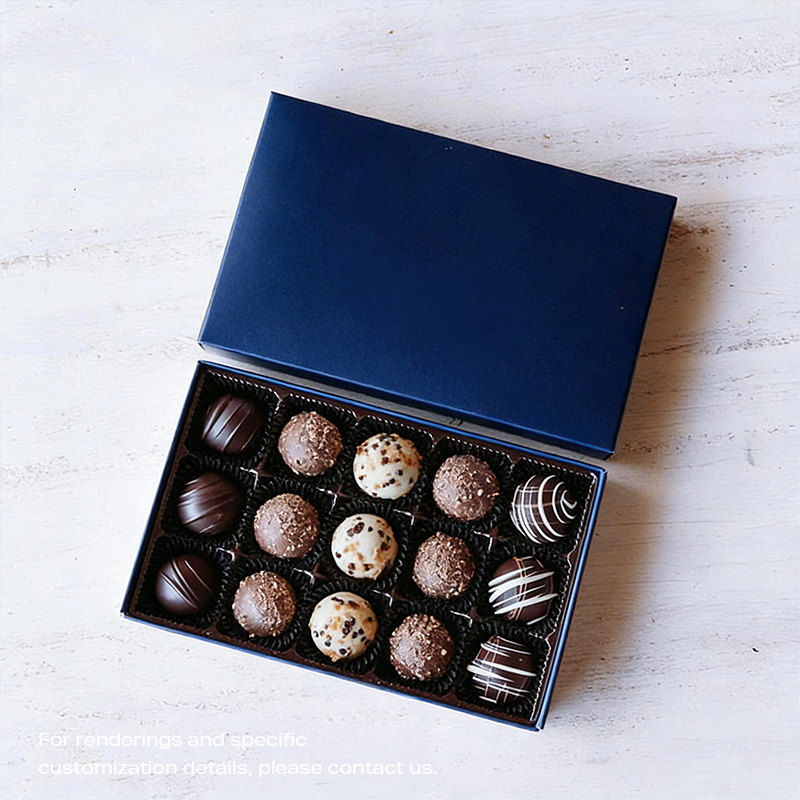
The box is designed to hold various small jewelry products. Depending on the selected dimensions and internal configuration, it may be suitable for rings, earrings, pendants, necklaces, bracelets, charms, or small personal accessories. Interior inserts can be considered according to the product being packaged, helping keep jewelry in place and improving the presentation when the lid is removed.
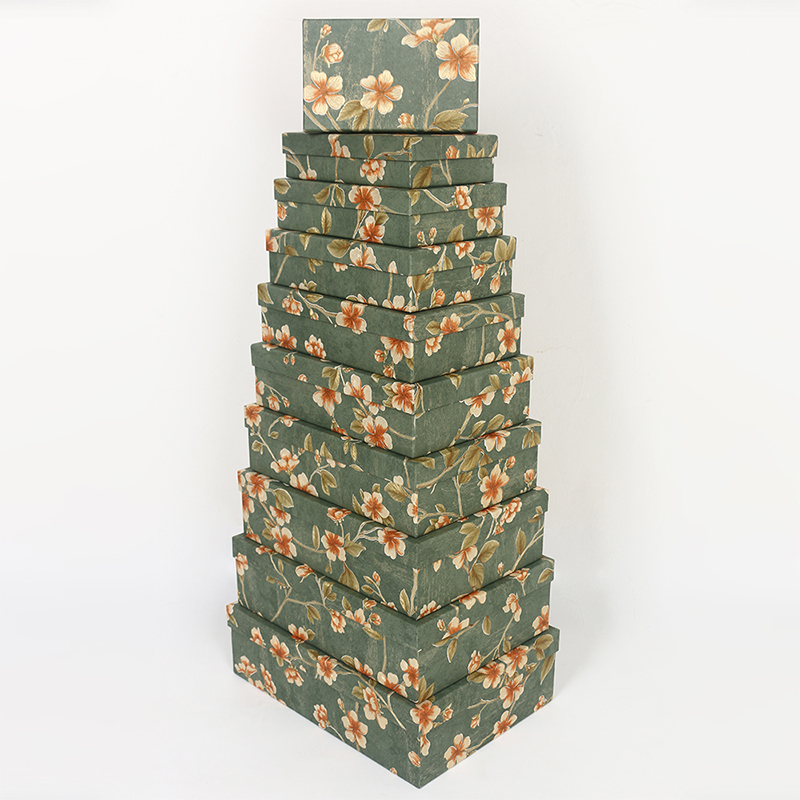
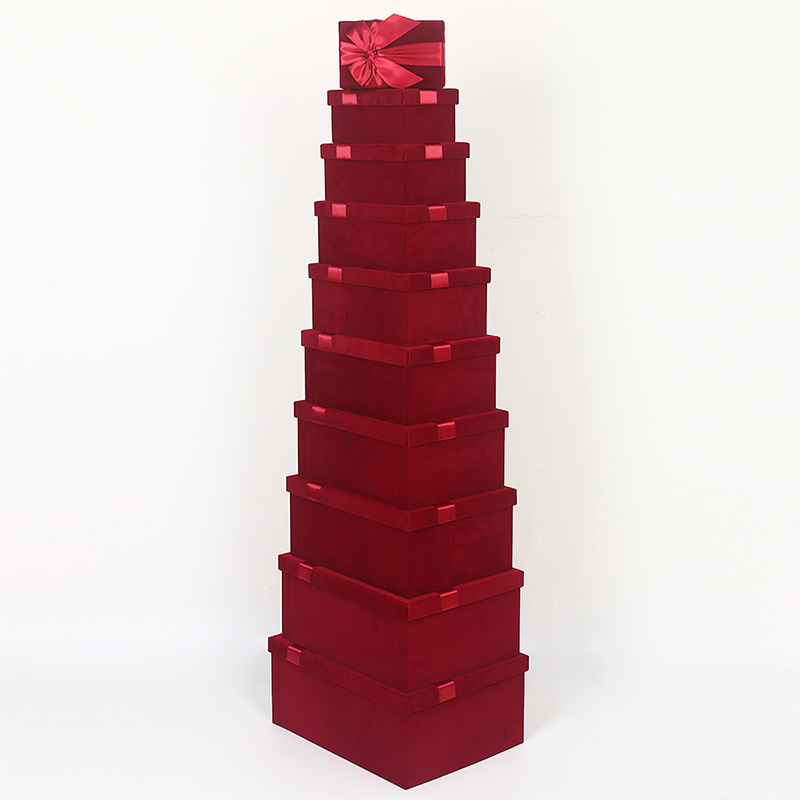
The combination of a glitter-covered exterior, structured square body, and ribbon decoration gives the HY-1 a formal yet adaptable character. It can appear romantic, festive, luxurious, youthful, or elegant depending on the chosen paper color, ribbon, insert, and printing treatment.
| Product Element | Function | Commercial Benefit |
|---|---|---|
| Square box structure | Creates a balanced and organized presentation area | Suitable for different jewelry styles and retail displays |
| Separate lid and bottom | Allows simple opening and closing | Provides a familiar and reliable user experience |
| Glitter paper exterior | Adds reflective texture and visual interest | Improves shelf presence and perceived gift value |
| Ribbon bow | Provides a decorative and ceremonial finish | Strengthens the connection between packaging and gifting |
| Customizable materials | Supports changes in color, ribbon, printing, and size | Helps buyers create packaging aligned with their market |
| Paper-based construction | Uses a versatile packaging material | Supports flexible design and sustainability-oriented programs |
The most recognizable feature of the HY-1 is its glitter paper covering. Surface material plays a major role in the perceived quality of gift packaging. Smooth uncoated paper can communicate simplicity, while textured or reflective paper can create a more decorative and premium impression.
Glitter paper adds controlled sparkle without requiring complicated mechanical decoration. Instead of applying loose glitter after the box has been formed, the visual effect is integrated into the paper covering material. This can create a more consistent surface appearance and a cleaner overall result when the box is properly manufactured.
The reflective finish is particularly effective for jewelry because both jewelry and glitter paper interact with light. Metal surfaces, gemstones, crystals, and polished accessories can be visually supported by a package that also has subtle luster. The box does not compete with the jewelry when the glitter level is selected appropriately; instead, it creates a complementary background that reinforces the idea of celebration and refinement.
Glitter paper can also help a package stand out in retail environments. Jewelry boxes are frequently displayed in groups, and many conventional packages use plain white, black, kraft, or solid-color surfaces. A controlled shimmer gives the HY-1 a distinctive appearance from a distance, making it easier for customers to recognize a special collection or gift-oriented product line.
Material selection can be adapted to the intended market. Fine glitter may be appropriate for minimalist jewelry, bridal accessories, or upscale collections. A more visible sparkle may be suitable for holiday products, party favors, fashion jewelry, or younger consumer segments. Color selection further changes the mood, with soft tones suggesting romance and metallic or deep tones communicating a more formal character.
The ribbon bow is more than an ornamental addition. It changes how consumers perceive the package before opening it. A box with a bow is immediately understood as a present, whereas a plain carton may appear to be ordinary retail packaging. This distinction is especially important when the jewelry is purchased for someone else.
Opening a ribbon-decorated box can also create a sense of ceremony. The recipient may pause to look at the package, touch the ribbon, and anticipate what is inside. These small moments contribute to the overall unboxing experience and can make the gift feel more personal.
For businesses, the bow provides a practical customization opportunity. Ribbon color can be coordinated with a brand palette, wedding theme, holiday campaign, or jewelry collection. Different ribbon widths, textures, and finishes can produce different impressions. Satin-like ribbon may create a smooth and elegant appearance, while textured ribbon may provide a more handmade or seasonal feeling.
The placement of the bow at the center of the lid creates visual symmetry. This supports the square geometry of the box and helps the package look balanced when placed on a counter, inside a gift bag, or in a product photograph. A centered bow can also make the lid easier to identify as the opening section.
Because the ribbon is visible before the box is opened, it becomes part of product photography and promotional communication. Retailers can use the box in website images, social media content, holiday displays, wedding tables, and gift guides. The decorative finish gives the package a recognizable visual feature that can support merchandising.
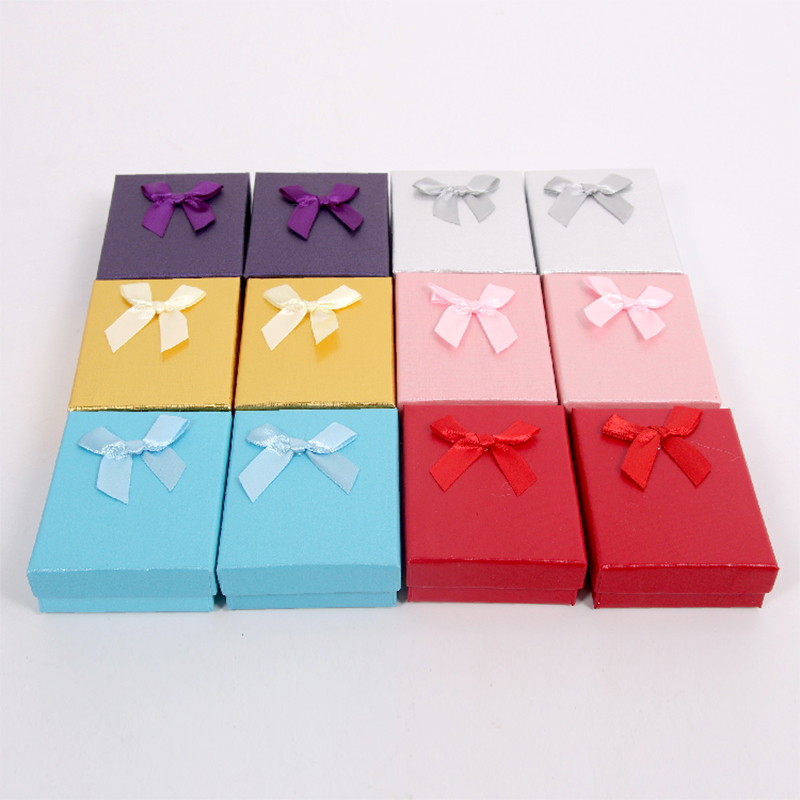
HY-1 Square Top and Bottom Cover Glitter Paper Jewelry Gift Box with Ribbon Bow
The two-piece top-and-bottom structure is one of the most practical aspects of the HY-1 design. The lid and base are made as separate components, allowing the lid to be lifted away from the lower section. This construction is simple, familiar, and generally easy for users of different ages to understand.
A separate lid also allows the package to be opened without tearing, cutting, or damaging the box. When the recipient wishes to store the jewelry later, the box can be reused as a keepsake container. This gives the packaging a longer useful life and may increase the perceived value of the original gift.
The square profile supports organized interior planning. Unlike irregular packaging shapes, a square box offers clear edges and a predictable footprint. This makes it easier to design inserts for jewelry products and easier for retailers to arrange multiple boxes in drawers, cabinets, shipping cartons, or display areas.
Square packaging can also improve logistics efficiency. Regular shapes are generally easier to stack than unusual forms, helping buyers plan storage and transportation. The exact shipping performance depends on the chosen dimensions, board thickness, packing method, and order quantity, but the basic geometry is well suited to standardized handling.
The design is also adaptable. The same overall structure can be produced in different dimensions for different jewelry categories. A smaller format may be appropriate for rings or earrings, while a larger option may be used for bracelets, layered necklaces, or gift sets. This flexibility allows a company to maintain a consistent packaging family while offering several product sizes.
Many low-cost jewelry packages focus only on containment. They may use plain paper, a simple folding carton, or a basic plastic pouch. These formats can be useful for transportation and economical retail distribution, but they often provide limited emotional impact and little distinction from competing products.
The HY-1 offers a more complete presentation. Its glitter surface creates a decorative finish, its bow establishes a gifting context, and its two-piece structure provides a satisfying opening experience. These features are particularly valuable when packaging is part of the product’s selling proposition rather than merely a protective layer.
Compared with plain paper boxes, the HY-1 has stronger visual presence. Compared with complicated rigid boxes, it offers a simpler construction that can be easier to handle and customize. Compared with plastic packaging, its paper-based format can provide a warmer, more traditional gift impression and may fit better with sustainability-oriented brand communication, depending on the materials and recycling practices used.
The box also has an advantage over highly generic packaging because its decorative elements can be coordinated. Glitter paper, ribbon color, print, logo treatment, insert material, and box size can be selected as a complete system. This allows businesses to create packaging that looks intentional rather than assembled from unrelated parts.
| Packaging Type | Visual Impact | Opening Experience | Customization Potential | Best Application |
|---|---|---|---|---|
| Plain paper carton | Basic | Functional | Moderate | Economical everyday packaging |
| Plastic pouch | Limited | Very simple | Limited | Low-cost transport or small accessories |
| Complex rigid case | High | Premium | High | Luxury collections and high-value products |
| HY-1 glitter paper box | High and decorative | Ceremonial yet simple | High | Jewelry gifts, events, seasonal campaigns, and boutique retail |
Jewelry stores can use the HY-1 for collections that need a stronger gift presentation. It may be used for earrings, pendants, bracelets, rings, charms, and small coordinated sets. A consistent box style can help unify multiple product categories while different glitter colors or ribbon combinations identify separate collections.
For seasonal sales, the box can be adapted with colors associated with holidays, anniversaries, weddings, or local celebrations. Retail staff can present the jewelry in the finished gift box, reducing the need for additional wrapping at checkout.
Wedding-related jewelry and favors benefit from packaging that looks elegant in photographs and on reception tables. The square structure can be arranged in organized groups, while the ribbon provides a decorative detail that complements wedding color palettes.
The box may be used for bridesmaid gifts, guest favors, wedding rings, small thank-you gifts, or coordinated jewelry sets. Soft glitter colors and carefully selected ribbon materials can create a romantic appearance without requiring elaborate exterior printing.
During holidays and festivals, consumers often look for packaging that already feels ready to give. The bow and shimmer of the HY-1 can help retailers offer a finished gift solution. Seasonal colors, metallic accents, or customized labels can further connect the box to a particular celebration.
Because the structure is easy to open and close, it is also suitable for gift exchanges where the recipient may wish to reuse the box. Reusable packaging can extend brand visibility beyond the original purchase when the box is kept on a dressing table, in a drawer, or in a jewelry storage area.
Companies that distribute jewelry, commemorative accessories, or small branded gifts can use the HY-1 as part of a promotional program. The box can be customized with selected colors, printed marks, interior cards, or coordinated ribbons. A polished package can make a promotional item feel more considered and increase the likelihood that recipients will retain it.
For online jewelry sellers, packaging has an important role because the buyer cannot physically inspect the product before ordering. The unboxing experience becomes part of the digital customer journey. A glitter box with a bow can create attractive user-generated content, encourage social sharing, and help a small online brand appear more established.
The packaging can also reduce the need for additional decorative wrapping. When shipped in suitable protective outer cartons or mailers, the finished gift box can arrive ready for presentation. Shipping design should always be tested separately to ensure that the bow, glitter surface, and corners remain protected during transportation.
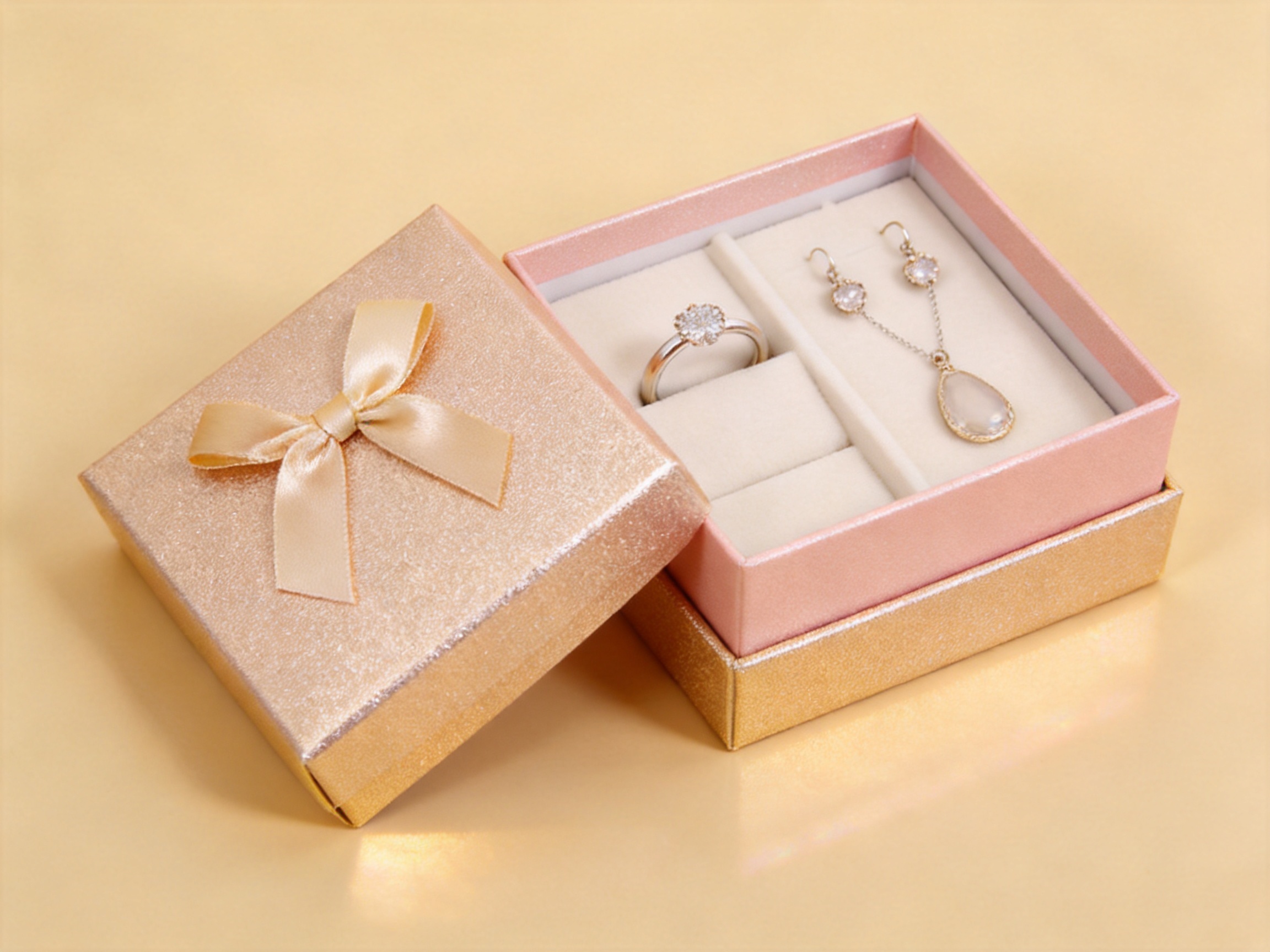
Customization is essential for buyers serving different market segments. The basic HY-1 structure provides a foundation, while the external and internal details can be adapted to match a specific commercial objective.
Different jewelry items require different internal clearances. A ring box may need a compact insert, while a necklace or bracelet may require additional length and depth. Custom sizing helps prevent movement inside the box and allows the product to appear proportionate to its packaging.
Choosing the right size also improves material efficiency. An oversized box may waste space and increase shipping volume, while an undersized box may create pressure on the jewelry or make the presentation feel crowded. Buyers should evaluate the jewelry, insert, protective tissue, and any information card together when confirming dimensions.
Glitter paper color influences the emotional tone of the package. White, ivory, blush, and pastel shades may be suitable for weddings and romantic collections. Black, navy, burgundy, or deep green may create a more dramatic and formal impression. Gold, silver, and other metallic tones can emphasize celebration and luxury.
Color selection should consider the jewelry itself. Light-colored jewelry may stand out against deeper backgrounds, while colorful stones may benefit from neutral or softly reflective surfaces. A consistent color system can also help a brand distinguish categories such as bridal, seasonal, premium, or everyday products.
The ribbon can be matched to the glitter paper or used as a contrasting accent. Buyers may select colors, textures, widths, and finishes according to their requirements. A contrasting ribbon can make the bow more prominent, while a coordinated ribbon creates a quieter and more sophisticated appearance.
Ribbon customization is especially useful for event packaging. Wedding organizers, fashion brands, and corporate buyers may require specific colors to match invitations, uniforms, decorations, or brand guidelines.
Although the bow and glitter finish already provide strong decoration, selected printing can add brand recognition. A logo, short message, collection name, or event mark may be placed on the lid, inside the box, or on an accompanying card. Printing should be planned carefully so that it complements rather than overwhelms the glitter surface.
Branding can be subtle. A small logo in a suitable color may communicate identity while preserving the gift-like character of the package. For limited editions or special events, a date, slogan, or commemorative mark can make the packaging more meaningful.
The interior is important because it presents the jewelry after the lid is removed. Inserts can support rings, hold earrings in position, prevent necklaces from tangling, or create a layered presentation for multiple pieces. Common considerations include insert color, material, density, shape, and ease of removal.
An insert should protect the jewelry without making the package difficult to open or close. It should also be proportionate to the box and securely positioned during handling. Buyers should provide product samples or accurate measurements during development whenever possible.
A successful packaging supplier must offer more than an attractive design. Consistent quality, reliable production, responsive development, and the ability to manage customized orders are equally important. The manufacturer associated with the HY-1 is an export-oriented paper gift packaging company with more than fifteen years of industry experience.
The company operates from a facility covering approximately 20,000 square meters and employs around 300 people. This scale supports coordinated work across product development, material sourcing, production, quality management, packaging, and export operations.
Its reported average daily production capacity is approximately 5,000 sets of gift boxes. This capacity is valuable for buyers who need continuity between samples, initial orders, seasonal replenishment, and larger production runs. While exact lead times depend on order specifications, material availability, artwork approval, and production schedules, an established manufacturing base can reduce the risks associated with relying on an inexperienced supplier.
The company also maintains a design team and updates dozens of products weekly. This indicates an active approach to product development rather than dependence on a fixed catalog. For buyers, an active design capability can support discussions about new shapes, improved structures, coordinated product families, and market-specific presentation requirements.
Advanced equipment contributes to production consistency. In paper gift box manufacturing, equipment may support board cutting, covering, folding, forming, gluing, surface treatment, and assembly. The specific process selected depends on the box structure and material. Combining equipment with trained workers allows a manufacturer to manage both repeatability and detailed decorative work such as ribbon bow application.
A well-organized production process is especially important for glitter paper. Reflective surfaces can reveal uneven edges, wrinkles, glue marks, misalignment, or inconsistent application more clearly than plain paper. Careful material handling and inspection are therefore essential for maintaining a polished appearance.
Quality control for a jewelry gift box should cover both appearance and function. A box may look attractive but still fail if the lid is too loose, too tight, uneven, or difficult to remove. Similarly, a structurally sound box may not meet expectations if the glitter paper is scratched or the bow is poorly centered.
Important inspection points include board flatness, corner alignment, lid fit, surface cleanliness, paper adhesion, color consistency, bow placement, ribbon security, and interior dimensions. The finished box should be checked for visible defects under suitable lighting because glitter surfaces may appear different under production-room light and retail light.
Dimensional consistency is important when boxes are used with inserts or arranged in shipping cartons. Small variations can affect stacking, display alignment, or the fit of internal components. Production samples and approved reference samples should be used as comparison standards when appropriate.
Packaging inspections may also include drop, compression, and vibration testing for buyers who plan to ship finished gift boxes. Such tests should reflect the intended distribution method. A box displayed in a jewelry store may have different requirements from one shipped through parcel networks to individual consumers.
The manufacturer’s BSCI and FSC certifications are relevant to buyers evaluating social responsibility and responsible forestry considerations. Certification requirements should be confirmed according to the current scope and validity of the relevant certificates. Buyers may also request documentation regarding paper sources, inks, adhesives, labor standards, and production audits as part of their procurement procedures.
Paper-based packaging is increasingly considered by businesses seeking alternatives to unnecessary plastic. The HY-1 uses a paper gift box structure, which can support sustainability-oriented packaging strategies when the paper, coatings, adhesives, ribbons, and other components are selected responsibly.
However, sustainability should be evaluated as a complete system rather than assumed from the word “paper” alone. Glitter finishes, laminated surfaces, synthetic ribbons, mixed materials, and adhesives may affect recycling or disposal options. Buyers should discuss the exact material composition and local recycling requirements before making environmental claims.
FSC-related sourcing can support responsible forestry objectives when the certified material is used according to certification requirements. The company’s FSC certification is therefore a relevant consideration for businesses with procurement policies related to responsible paper sourcing.
Durability also contributes to packaging value. A box that can be reused for jewelry storage may remain useful after the original gift is opened. The HY-1’s separate lid and bottom can support this reuse, provided the box is made to withstand normal handling and the user stores it in suitable conditions.
Efficient sizing can reduce unnecessary material and shipping volume. Buyers should aim for a package that provides enough space for the jewelry and insert without excessive empty volume. This can improve logistics efficiency and create a more proportionate presentation.
Unboxing is a sequence of small actions: seeing the package, touching the surface, lifting the lid, discovering the interior, and removing the jewelry. Each stage can influence the customer’s perception of the product and the business behind it.
The HY-1 creates a clear visual beginning with its glitter paper and ribbon bow. The recipient can immediately understand that the package is designed for gifting. The separate lid then creates a deliberate opening action, allowing anticipation to build before the jewelry is revealed.
The interior should be planned to continue this experience. A clean insert, well-positioned jewelry item, and optional thank-you card can reinforce the sense of care. Even a simple interior can feel effective when the product is centered, secure, and easy to remove.
For online businesses, a memorable unboxing may increase customer reviews and social media exposure. Customers frequently photograph packaging when it looks attractive, especially for wedding orders, birthdays, holidays, and influencer campaigns. The bow and glitter surface provide visual elements that can appear clearly in photographs and short videos.
For physical retailers, the finished box can reduce wrapping labor and support a faster checkout experience. Staff can present the item as a complete gift rather than adding separate paper, ribbon, and labels after purchase.
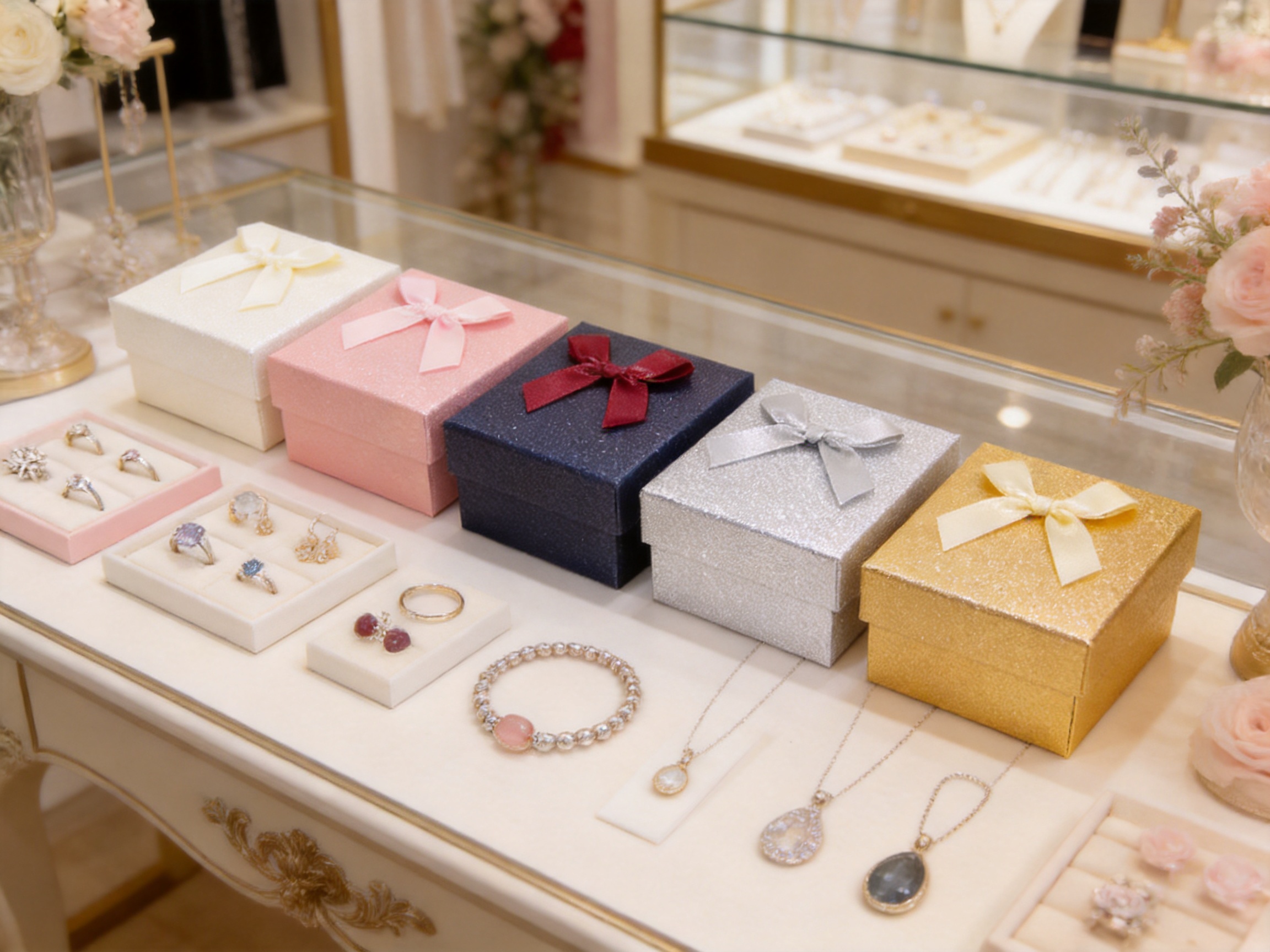
Buyers considering the HY-1 should begin by defining the jewelry products that will be placed inside. Product dimensions, weight, shape, sharp edges, chain length, and required insert type all affect the final packaging specification.
The next step is to identify the desired visual direction. Buyers should determine whether the package should appear romantic, luxurious, festive, minimalist, youthful, classic, or contemporary. Glitter paper color and ribbon selection should support this direction rather than be chosen independently.
Samples are strongly recommended before mass production. A sample allows the buyer to evaluate color, surface texture, lid fit, bow placement, insert compatibility, and overall proportion. It also provides an opportunity to check the package with the actual jewelry under the lighting conditions where it will be sold or photographed.
Artwork and branding details should be approved carefully. Buyers should confirm logo size, print position, color references, font accuracy, and any required information cards. If the glitter paper has a strong reflective surface, a physical print proof may be more informative than relying only on a digital image.
Order planning should include production quantity, packaging method, shipping cartons, labeling, inspection requirements, and replenishment expectations. Seasonal products require particular attention because demand may be concentrated within a short period. Early communication helps reduce the risk of material delays or missed selling windows.
| Buyer Decision | Questions to Confirm |
|---|---|
| Jewelry compatibility | What are the product dimensions, weight, and required insert style? |
| Box size | Will the jewelry fit securely without excessive empty space? |
| Paper finish | How much glitter and reflection are appropriate for the target market? |
| Ribbon design | Should the ribbon match, contrast, or complement the paper color? |
| Branding | Where should the logo, message, or collection name appear? |
| Quality standards | Which appearance, dimension, and functional requirements must be inspected? |
| Logistics | How will the boxes be packed, stored, and transported? |
| Sustainability | Which paper, coating, ribbon, and certification requirements apply? |
Jewelry businesses often compete in markets where products have similar shapes, materials, and price points. Packaging provides an opportunity to create differentiation without changing the jewelry itself. A distinctive box can make a collection feel more complete and help customers remember the purchase.
The HY-1 supports differentiation through a recognizable combination of elements. The square structure provides a consistent silhouette, the glitter paper creates surface identity, and the ribbon bow supplies a clear decorative signature. By changing colors and branding details, a business can develop multiple versions while preserving a common packaging language.
This approach is useful for businesses with several sales channels. A brand may use one color for retail stores, another for online orders, and a special edition for holidays. The underlying box design remains familiar, helping maintain brand continuity while allowing targeted merchandising.
The packaging can also communicate price positioning. A carefully finished glitter surface and secure bow may support a mid-range or premium presentation. The final perceived value will depend on material quality, printing, jewelry value, product photography, and the entire customer experience, but the box gives the business a strong starting point.
Gift boxes may appear simple, but successful production requires attention to many connected details. Paper grain, board thickness, adhesive application, edge folding, corner forming, surface protection, and decorative assembly all influence the final result.
An experienced manufacturer understands how these details interact. For example, a glitter paper with a particular surface texture may require different handling from smooth coated paper. A ribbon bow must be attached securely without creating an uneven lid. The lid and base must be matched so that the box closes properly while preserving a comfortable opening experience.
More than fifteen years of manufacturing experience can help a supplier identify potential problems earlier in the development process. A dedicated R&D and design team can also propose adjustments when a buyer’s preferred size, paper, ribbon, or insert creates a structural challenge.
Production scale provides another advantage. With approximately 300 employees, advanced equipment, and a reported daily capacity of about 5,000 sets, the company is positioned to serve both development projects and larger commercial orders. Its export experience across Europe, the United States, the Middle East, and other markets also indicates familiarity with international packaging requirements and customer expectations.
The box can be adapted for rings, earrings, pendants, necklaces, bracelets, charms, and other small accessories. The correct size and interior insert depend on the product’s dimensions and presentation requirements.
No. The HY-1 uses a separate top-and-bottom construction. The lid is designed to lift away from the base, making the box easy to open, close, and reuse.
Glitter paper adds subtle or noticeable sparkle, depending on the selected material. Its reflective finish can improve shelf visibility and create a more festive, elegant, or premium appearance that complements jewelry.
Yes. Ribbon material and color can be customized according to the buyer’s design requirements. Buyers can coordinate the ribbon with the glitter paper, jewelry collection, brand identity, wedding theme, or seasonal campaign.
Different sizes can be considered according to the jewelry product, insert design, and order requirements. Sampling is recommended to confirm the correct proportions and fit.
Branding and printing options can be discussed during product development. The appropriate printing method and position depend on the selected paper, surface finish, artwork, and desired visual effect.
Yes. Its square structure, glitter surface, and ribbon bow are well suited to wedding jewelry, bridesmaid gifts, guest favors, and other formal event applications. Ribbon and paper colors can be matched to the event palette.
Yes. It can create a more memorable delivery and unboxing experience for online customers. Buyers should select appropriate outer shipping protection to help prevent damage during transportation.
Buyers should check the lid fit, box dimensions, corner alignment, glitter surface, paper adhesion, color consistency, ribbon placement, bow security, interior insert fit, and overall cleanliness.
The manufacturer operates a large production facility, employs around 300 people, and reports an average daily production capacity of approximately 5,000 gift box sets. Final capacity and lead time depend on the project specifications and production schedule.
The company has FSC and BSCI certifications, according to the provided company information. Buyers should confirm current certification details and discuss the exact paper, coating, adhesive, ribbon, and recycling requirements for each project.
Buyers should provide the jewelry dimensions, desired box size, paper and ribbon preferences, artwork, order quantity, target market, delivery requirements, and any certification or inspection standards. A physical sample can then be evaluated before mass production.
The HY-1 square top-and-bottom-cover glitter paper jewelry gift box is designed for businesses that want packaging to contribute actively to product value. Its strongest advantages are the combination of a stable square structure, easy-opening separate lid, reflective glitter paper, and elegant ribbon bow.
Compared with plain jewelry packaging, it offers more visual impact and a stronger connection to gifting. Compared with complicated presentation cases, it maintains a straightforward format that is easy to handle and adapt. Its customizable paper, ribbon, size, branding, and insert options allow buyers to create packaging for different collections, events, and price positions.
The manufacturing capabilities behind the product further strengthen its commercial potential. An experienced export-oriented supplier with a 20,000-square-meter facility, approximately 300 employees, advanced equipment, an active design team, and an average daily capacity of around 5,000 sets can support both product development and larger production programs. BSCI and FSC certifications provide additional points for buyers evaluating social responsibility and responsible paper sourcing.
For jewelry companies, gift retailers, event suppliers, and online brands, packaging is an opportunity to turn a simple product delivery into a memorable moment. The HY-1 uses shimmer, structure, and decoration to make that moment more distinctive. When the box size, insert, color, ribbon, and quality standards are carefully selected, it can provide a polished presentation that supports customer satisfaction and brand recognition.
1. Product specification and descriptive materials for the HY-1 square top-and-bottom-cover glitter paper jewelry gift box.
2. Company profile and manufacturing information supplied by Zhejiang Shihao Gift Packaging Co., Ltd.
3. General packaging design principles concerning product presentation, structural packaging, and consumer unboxing experience.
4. General guidance on paper packaging customization, decorative finishing, and gift box quality inspection.
5. General information regarding responsible paper sourcing, FSC certification, and social compliance evaluation in packaging supply chains.
Recommended Products

Contact Us

No. 15, Xiayang Road, Huangzhai Town, Jinhua, Zhejiang, China

(+86) 579-84230069

(+86) 13085675766


Products

Gift Box Packaging Manufacturer
 English
 Français
 Español
 عربى