2026-11-20

Packaging is no longer simply a protective layer around a product. For modern brands, retailers, wholesalers, and consumers, packaging communicates quality, responsibility, and attention to detail before the product itself is revealed. The right box can strengthen brand recognition, create a memorable unboxing experience, improve logistics, and demonstrate a commitment to more responsible material choices. The Z226 biodegradable laminated embossed art paper magnetic folding gift box has been developed to bring these objectives together in one practical packaging format.
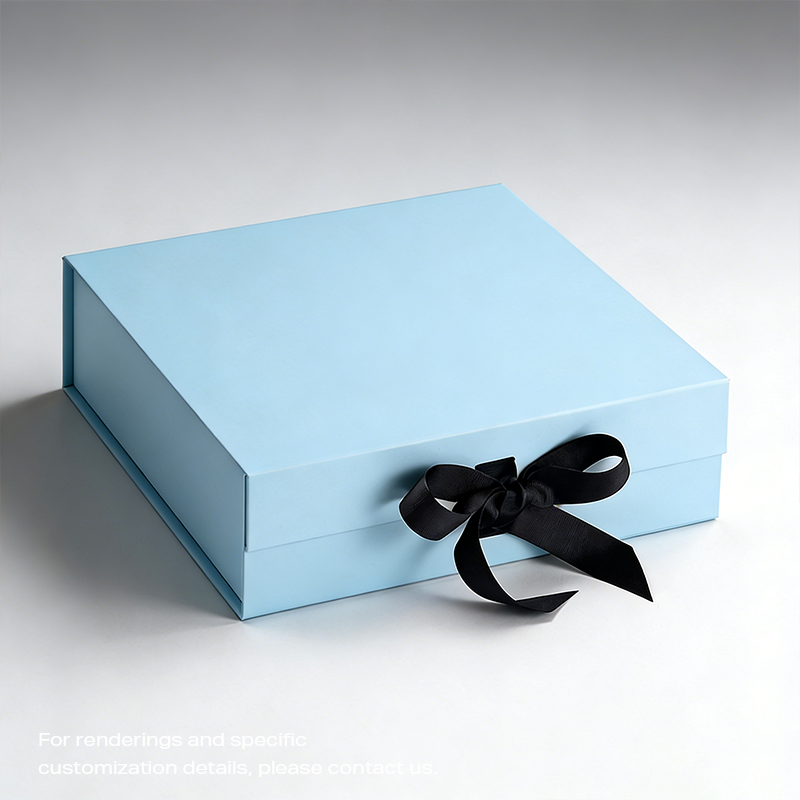
Combining a sturdy 1200gsm cardboard structure, a 128gsm laminated art paper exterior, an embossed surface, and a convenient magnetic folding construction, the Z226 is designed for businesses that need an attractive gift box without sacrificing efficiency. Its folding structure helps reduce storage volume and transportation requirements, while its magnetic closure offers a clean and convenient alternative to packaging formats that depend on glue, tape, or complicated assembly.
The product is suitable for gift collections, stationery, lifestyle products, personal accessories, promotional items, and other retail or corporate applications. Its adaptable structure can also support custom dimensions, colours, surface treatments, printing, and internal arrangements. As a result, the box is not limited to one market segment. It can be developed for seasonal gifting, premium retail packaging, business presents, product launches, event merchandise, and high-end promotional campaigns.
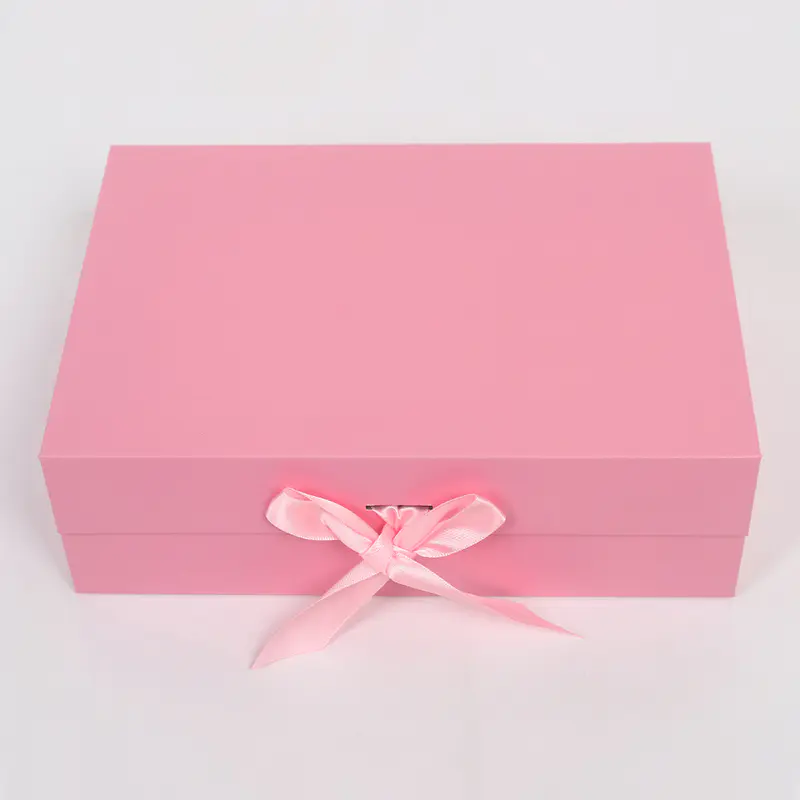
The Z226 is a folding gift box with a magnetic closure and an art paper exterior. In its supplied specification, the box measures 28.2 × 20.2 × 9.2 centimetres and is manufactured from 1200gsm sturdy cardboard laminated with 128gsm art paper. The external paper may be selected from an existing colour library or developed according to a custom design requirement.
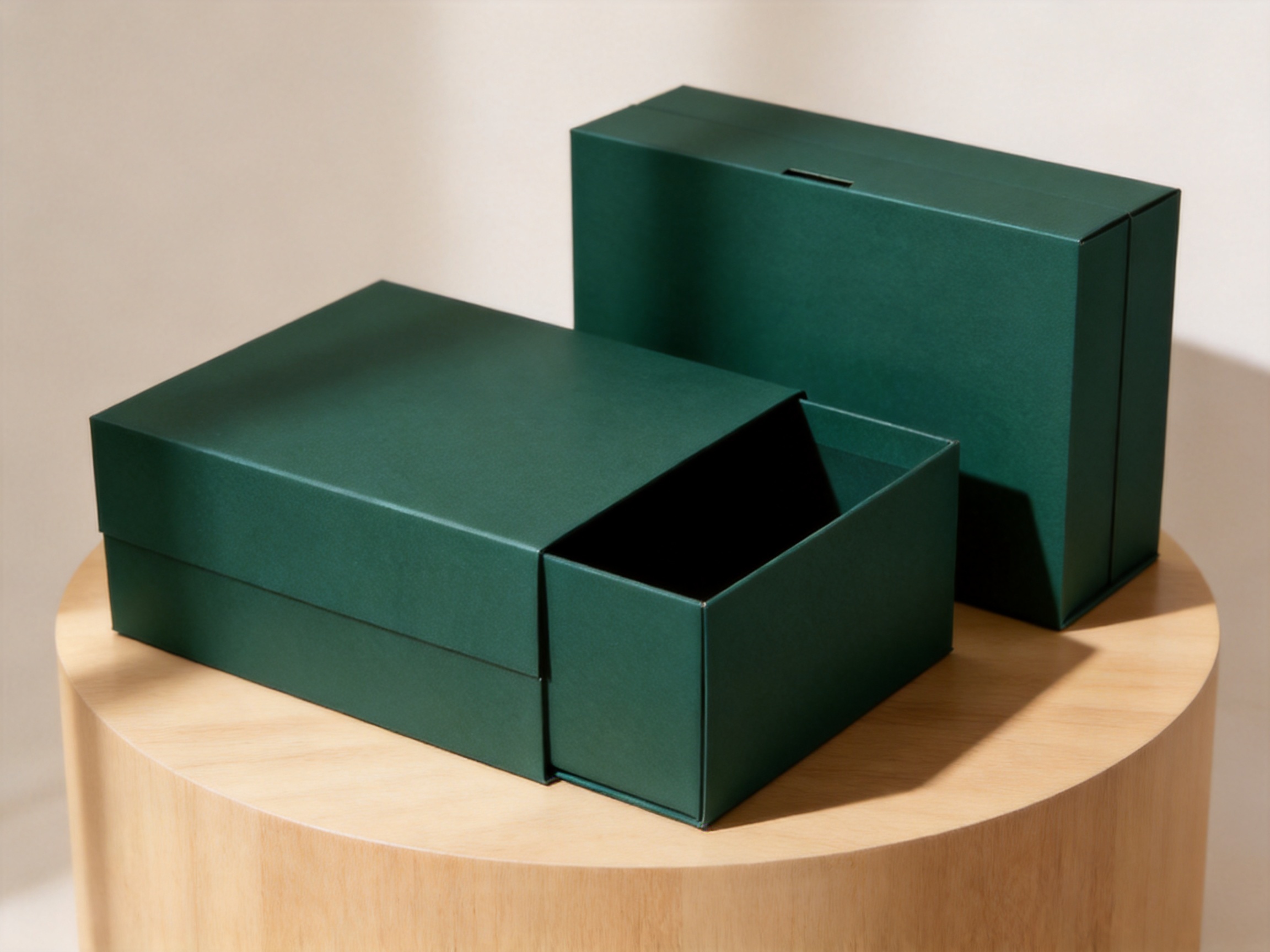
The box is delivered in a foldable format. This means that the structure can be flattened or compacted more efficiently than a fully rigid box, helping buyers reduce the space required for warehousing and shipping. When opened and shaped, the box presents a stable, premium-looking container with a hinged construction and a magnetic closing mechanism.
The exterior embossed art paper is one of the most visible features of the product. Embossing creates a raised or textured finish that can be felt as well as seen. This tactile quality gives the packaging a more distinctive identity than a standard smooth printed carton. It can be used to support a premium brand image, imitate the character of fabric or fine paper, or add depth to a simple colour scheme.
The magnetic closure is integrated into the folding structure. When the lid is brought into position, the hidden or discreetly positioned magnets help hold it closed. This creates a clean appearance without the need for visible adhesive strips, external fasteners, or disposable tape. The result is packaging that is easy to open, easy to close, and suitable for repeated handling.
| Specification | Details |
|---|---|
| Product type | Biodegradable laminated embossed art paper magnetic folding gift box |
| Category | Folding gift box |
| Structure | Folding construction with magnetic closure |
| Main board | 1200gsm sturdy cardboard |
| Exterior finish | 128gsm art paper laminated onto the board |
| Surface effect | Embossed texture |
| Standard dimensions | 28.2 × 20.2 × 9.2 centimetres |
| Colour options | Colour library selection or custom colour development |
| Minimum order quantity | 1,000 pieces |
| Design support | Professional advice from an in-house design team |
| Accepted design files | AI and CorelDRAW files |
These specifications make the Z226 suitable for buyers that require a balance between visual presentation, structural strength, and operational efficiency. The board weight gives the box a solid feel in the hand, while the folding format allows it to be handled and transported more economically than many permanently assembled rigid boxes.
Z226 Biodegradable Laminated Embossed Art Paper Magnetic Folding Gift Box
Material selection has a direct effect on the appearance, durability, usability, and environmental profile of packaging. The Z226 uses a 1200gsm cardboard base, which provides a substantial structural foundation. A heavier board can help the box resist bending during normal handling and provides the firmness expected from premium gift packaging.
The board also supports the folding mechanism. A folding gift box must be carefully engineered so that it can collapse or fold for transportation while still becoming stable when assembled. If the board is too light, the box may lose its shape or feel insubstantial. If the construction is not accurately cut and creased, folding may become difficult or cause visible stress marks. The use of sturdy cardboard, combined with controlled converting processes, helps create a more reliable finished structure.
The outer 128gsm art paper provides a suitable surface for colour, printing, lamination, and embossing. Art paper is valued in gift packaging because it can produce a smooth and refined visual base while accepting decorative treatments. Lamination adds a further layer of protection and can help the printed exterior resist ordinary scuffing, moisture exposure, and surface wear during handling.
It is important to distinguish between an environmentally considerate packaging design and a claim that a finished product is universally compostable or biodegradable in every condition. The Z226 is described as using biodegradable materials in its internal structure and as an alternative to packaging that relies heavily on traditional plastics. Its environmental performance should therefore be assessed according to the exact paper, adhesive, coating, magnetic component, and disposal conditions specified for each custom order.
This transparent approach is valuable for professional buyers. Sustainability claims should be matched with documented material specifications, certifications where applicable, and practical end-of-life guidance. Buyers may request details about paper sourcing, recycled content, coatings, adhesives, inks, and the separation of non-paper components. By discussing these factors during development, brands can make more accurate environmental statements and select the most appropriate version of the box for their market.
Texture plays an important role in how packaging is perceived. Consumers often associate a tactile surface with craftsmanship, quality, and attention to detail. A smooth box can appear elegant, but an embossed box adds another layer of sensory communication. It invites the recipient to touch the package and creates a stronger physical impression before the contents are revealed.
The embossed finish can be used in several ways. A subtle all-over texture can add sophistication without competing with a printed logo. A stronger pattern can create a distinctive visual identity for a product collection. A carefully selected texture can also support a particular market position, such as natural, artisanal, luxurious, contemporary, or minimalist.
Embossing can be combined with colour contrast, foil details, spot printing, debossing, or selective gloss effects depending on the project. However, the most effective designs generally use decorative techniques with restraint. The goal is not to add every available finish, but to create an exterior that communicates the intended brand message clearly and consistently.
For corporate gifting, the tactile surface can make a simple presentation feel more considered. For personal gifting, it can contribute to the emotional value of the occasion. For retail products, the texture can help the box stand out on a shelf or in an online product photograph. These benefits are particularly useful in crowded categories where several competing products may use similar colours or shapes.
The magnetic folding design is a central advantage of the Z226. Conventional gift packaging may require glue during final assembly, adhesive tape for closure, or separate accessories that increase packing time. A magnetic folding box simplifies the user experience by combining the structural function and closing function within the box itself.
For a packaging operator, a well-designed magnetic structure can reduce the number of assembly steps. Staff can place the product into the box, fold the panels into position, and close the lid without adding a strip of tape. This can improve workflow consistency and produce a cleaner presentation. The closure can also be reopened and closed again, which is useful when products need to be inspected, demonstrated, or handled during retail operations.
For the recipient, the magnetic closure creates a more satisfying opening experience. The lid opens smoothly and closes with a clear, reassuring action. Unlike some tuck-end cartons, it does not require the user to bend or manipulate a tab repeatedly. Unlike a box sealed permanently with adhesive, it can be opened without damaging the packaging immediately.
The magnetic feature also supports a neat exterior. Packaging designers can avoid visible adhesive strips and reduce the number of exterior elements that interrupt the artwork. This is especially useful for minimalist designs, premium colour schemes, and branding systems that rely on clean lines.
Magnetic components should be selected and positioned carefully during product development. Their strength, placement, compatibility with the board construction, and influence on folding performance all need to be evaluated. Products containing sensitive electronic components, magnetic strips, or certain medical devices may also require a separate suitability review. The manufacturer’s design and production teams can advise on these considerations before mass production.
A fully rigid gift box occupies its assembled volume from the moment it leaves the factory until it reaches the customer. This can create higher warehousing requirements, especially for buyers ordering large quantities or multiple sizes. The Z226 folding format can be transported and stored more compactly before use, helping buyers make better use of warehouse shelves and production areas.
When packaging occupies less space in cartons or pallets, the number of boxes that can be moved in a shipment may increase. This can improve transport efficiency and potentially reduce the packaging volume associated with each unit. Actual savings depend on the order quantity, folding method, carton configuration, and shipping conditions, but the basic design offers a clear logistical advantage over non-collapsible rigid packaging.
Standard folding cartons are often valued for their low cost and easy printing, but they may not provide the thickness, tactile quality, or closing experience expected for premium gifts. The Z226 combines a heavier board with laminated embossed art paper and magnetic closure, giving it a more substantial presentation than a basic paperboard carton.
Packaging that relies on external tape can appear temporary or industrial. Excess adhesive may also affect the visual quality of the presentation. The magnetic folding design creates a finished closure without requiring visible tape during normal use. This can improve both appearance and convenience.
The art paper exterior can be developed in different colours and custom designs. This allows brands to adapt the box for seasonal campaigns, product lines, corporate identity systems, or local market preferences. The embossed finish can be used as a brand signature, helping a packaging range maintain visual consistency across different designs.
Some gift boxes are designed to be opened once and discarded. A magnetic folding box can be opened and closed repeatedly, allowing recipients to reuse it for storage or future gifting. Reuse can extend the functional life of the package and make the original purchase feel more valuable.
The standard dimensions of 28.2 × 20.2 × 9.2 centimetres provide a useful format for medium-sized products, although custom sizing can be discussed for different applications. The internal layout may be adapted with paperboard inserts, trays, dividers, or other protective elements according to the product’s shape and sensitivity.
Companies often need packaging that reflects professionalism while remaining practical for distribution. The Z226 can be printed or finished with a company identity, campaign message, event theme, or seasonal design. Its magnetic closure and premium surface make it suitable for presenting executive gifts, client packages, employee recognition items, and promotional collections.
The box can be used for notebooks, pens, writing sets, desk accessories, and other stationery combinations. Its dimensions and folding structure make it especially relevant to gift sets that contain several coordinated items. Inserts can help position each item and prevent movement during transportation.
Accessories such as scarves, wallets, small leather goods, fashion items, and lifestyle products can benefit from a structured presentation box. The embossed surface can be matched with understated colours for a refined look or brighter colours for a younger, more energetic collection.
Gift packaging for beauty, self-care, and wellness products often requires a combination of visual appeal and internal organization. The Z226 can be developed with compartments or protective supports for suitable bottles, jars, tools, or accessories. Product compatibility should be confirmed through sample testing, especially when the contents are heavy, fragile, oily, or sensitive to movement.
Holiday campaigns, wedding gifts, anniversary products, and celebration sets often depend on presentation. Custom printing and surface embossing allow the same structural format to be adapted across multiple occasions. A folding design is also helpful when seasonal packaging must be stored for part of the year before distribution.
Retailers and brands can use the box for launch kits, influencer mailers, limited editions, and promotional bundles. The magnetic opening creates a presentation moment that can be useful for product demonstrations, unboxing content, and customer engagement. The package can be designed to protect the contents while also providing a visually consistent backdrop for photography.
Packaging customization is more than placing a logo on a standard box. A successful project must consider product dimensions, protection requirements, brand guidelines, printing details, surface effects, packing methods, shipping conditions, and budget. The manufacturer’s in-house design team can provide professional advice during this process.
Buyers may provide AI or CorelDRAW design files for artwork development. These file formats help designers review graphic elements, adjust layouts, and prepare production-ready artwork. However, the final file should also be checked for dimensions, bleed, colour mode, font outlines, image resolution, and the position of folds, magnets, seams, and embossing areas.
Structural design is equally important. A box that looks attractive on a flat drawing may not perform correctly after folding. Engineers and designers need to confirm panel proportions, crease positions, lid alignment, magnetic placement, board thickness, and the relationship between the inner capacity and the external dimensions.
Prototyping can identify issues before the order reaches mass production. A physical sample can be used to check whether the product fits securely, whether the lid closes correctly, whether the magnets hold with sufficient force, and whether the box opens in the intended way. It also allows the buyer to examine colour, texture, printing, and embossing under real lighting conditions.
For complex projects, several rounds of sampling may be appropriate. The first sample may focus on structure, while a later sample confirms artwork and surface treatment. This staged process can reduce the risk of expensive changes after production has started.
Zhejiang Shihao Gift Packaging Co., Ltd. is an export-oriented manufacturer focused on the production, research and development, and sales of paper gift packaging boxes. The company has been operating for more than 15 years and has developed experience in producing folding boxes, storage boxes, jewelry boxes, kits, and other gift packaging formats.
The company operates across approximately 20,000 square metres and employs around 300 people. This scale provides a broad base of production, management, design, quality, and export support personnel. It also gives the manufacturer the resources to manage both standard products and customized packaging programs.
Reported average daily production capacity is approximately 5,000 sets of gift boxes. Capacity figures should always be confirmed against current production schedules, material availability, box complexity, and order requirements. Nevertheless, this stated capability indicates that the company is equipped to support commercial-volume orders rather than only small artisanal batches.
Advanced equipment supports the company’s production and research capabilities. In the case of the Z226, consistent performance depends on accurate printing, laminating, cutting, creasing, embossing, folding, and assembly. Each process must work in coordination with the others. Poor alignment in one stage can affect the fit, appearance, or closing action of the finished package.
The laminated art paper exterior provides a printable surface that can carry brand colours, imagery, patterns, and product information. Professional colour management is important because colours may appear differently on a digital screen, printed proof, laminated sheet, and finished embossed sample. A controlled approval process helps buyers verify the result before production.
Lamination is applied to the art paper surface to create a more finished appearance and provide additional protection during handling. The selected lamination should be evaluated alongside the intended embossing and folding process. Different surface finishes can influence colour depth, reflectivity, touch, and the visibility of printed details.
Accurate die-cutting establishes the outline of the box, while creasing creates the folding lines. These processes must be matched to the thickness and grain direction of the board and laminated paper. Correct creasing supports clean folding and helps prevent cracking or distortion along the edges.
Embossing requires controlled pressure and carefully prepared tooling. The depth and scale of the raised pattern should be appropriate for the paper, coating, artwork, and board structure. A well-managed embossing process produces a consistent tactile effect across the production run.
Magnet positioning is a detail that directly affects the customer’s experience. Magnets that are misaligned may reduce closing performance or create tension in the lid. Proper assembly ensures that the box closes naturally, maintains a clean appearance, and remains comfortable to open.
Before shipment, finished boxes can be checked for surface defects, colour consistency, structural alignment, magnet function, folding quality, and general cleanliness. Packaging for export must also protect the boxes from compression, moisture, and abrasion during handling. Appropriate carton packing is especially important for laminated surfaces and embossed details.
Buyers should define quality expectations before production begins. A clear specification may include board weight, paper type, colour references, lamination finish, embossing depth, magnet strength, dimensional tolerance, printing position, and acceptable surface variation.
Colour approval is often one of the most important steps. Buyers may request a physical proof or production sample rather than relying only on a digital image. The sample should be viewed under suitable lighting and compared with the approved colour reference. Metallic, dark, fluorescent, and highly saturated colours may require particular attention.
Dimensional inspection should verify the external size as well as the usable internal space. The thickness of the product, insert, wrapping material, and protective components must all be considered. A box can meet its external dimensions but still be unsuitable if the internal clearance is insufficient.
Functional testing should include repeated opening and closing of the lid, checking the alignment of the magnetic closure, examining the fold lines, and evaluating the stability of the base. If the package is intended for heavy contents, vibration or transport simulation may be useful.
Surface inspection should look for scratches, bubbles, wrinkles, uneven lamination, colour differences, misregistered printing, damaged embossing, and exposed edges. Not every variation can be eliminated completely in paper packaging, but an agreed quality standard helps establish which conditions are acceptable.
Buyers can also request information about the company’s management systems, sourcing standards, and relevant certifications. Shihao has passed BSCI and FSC certifications according to the supplied company information. Certification scope and validity should be confirmed for the specific order and materials being purchased.
The environmental value of a package depends on its complete life cycle rather than on one material feature alone. Important factors include the source of the paperboard, the use of recycled or responsibly sourced fibre, the amount of material used, production waste, transport volume, durability, reusability, and disposal options.
The Z226 contributes to a more considered packaging strategy in several ways. Its main structure is paper-based, its internal materials are described as biodegradable, and its folding format can reduce storage and transportation volume. Its magnetic closure may also help encourage reuse because the box can be opened and closed without destroying the lid.
At the same time, lamination and magnets introduce components that may require specific recycling or separation procedures. The final environmental profile depends on the exact construction selected by the buyer. A brand that wants to promote a paper-focused or plastic-reduced package should obtain accurate technical information and communicate disposal guidance clearly.
Durability can also support sustainability. A box that protects its contents effectively is less likely to lead to product damage, returns, or replacement packaging. If the recipient reuses the box for storage or future gifting, the material continues to provide value beyond the original purchase.
Brands should avoid vague environmental language and instead use specific, supportable statements. For example, it may be appropriate to describe the box as paper-based, designed with biodegradable internal materials, foldable for more efficient storage, or suitable for reuse, provided these statements reflect the confirmed specification. Claims about complete biodegradability, recyclability, or compostability should be made only after the full construction and local disposal conditions have been reviewed.
The minimum order quantity for the Z226 is 1,000 pieces. This quantity is suitable for many established brands, promotional campaigns, seasonal collections, and wholesale programs. Buyers should plan artwork approval, sampling, material procurement, and production scheduling early, particularly when custom colours, special embossing tools, or complex inserts are involved.
The folding format can simplify warehouse planning. Flat or partially folded units require less space than fully assembled rigid boxes, allowing businesses to store packaging closer to the packing line or distribute stock between locations more efficiently. The actual space requirement should be calculated using the supplier’s packed-carton dimensions and stacking recommendations.
Shipping cartons should be configured to prevent excessive pressure on the folded edges and embossed surfaces. Over-compression can leave marks or affect the shape of the box, while insufficient protection can allow movement inside the carton. Export packaging should be reviewed according to the destination, shipping method, handling environment, and expected transit time.
Businesses ordering several designs should consider whether they can share structural components while changing artwork or colour. This may simplify inventory planning, although each version still needs to be evaluated for production feasibility and minimum quantities.
Premium packaging creates value through a combination of visual identity, touch, function, and story. The embossed art paper offers visual and tactile differentiation. The magnetic closure adds convenience and a sense of occasion. The folding construction demonstrates practical design thinking. The paper-based structure and biodegradable internal material direction support a more responsible packaging narrative.
These qualities can be especially powerful when they are integrated into a consistent brand strategy. A brand might use a distinctive embossing pattern across several products, select a coordinated colour library, and print concise messaging on the interior lid. The result is packaging that remains recognizable even when the product range changes.
For online brands, the box can strengthen the unboxing moment. Customers may photograph or share packaging that feels special, which can extend the brand experience beyond the original purchase. For physical retail, the box can help communicate product quality before a customer sees the contents. For corporate gifting, it can demonstrate that the sender has invested thought into the presentation.
The box should not be designed as decoration alone. Its practical qualities matter just as much. A package that looks impressive but is difficult to assemble, too large for the product, or vulnerable during transport can create unnecessary costs. The Z226’s value lies in combining appearance with a structure designed for handling, storage, and repeated opening.

Begin by confirming the product dimensions, weight, fragility, quantity per box, expected retail environment, and intended occasion. Decide whether the box will be used for one item, a coordinated set, or a promotional bundle.
Confirm whether the standard 28.2 × 20.2 × 9.2 centimetre format is suitable. If not, provide accurate product measurements and allow room for inserts, tissue, protective wraps, or other packing materials. Discuss whether the product requires dividers, a tray, a ribbon, or a custom internal support.
Review the cardboard, art paper, lamination, embossing, magnetic components, and internal materials. If sustainability is a major requirement, request documentation for the selected components and clarify the intended disposal route.
Supply AI or CorelDRAW files where possible. Include brand guidelines, colour references, logo requirements, typography, barcode information, legal text, and any environmental statements that must appear on the package. The design team can advise on how artwork should be positioned around folds and closures.
Evaluate the physical sample for appearance, dimensions, fit, closing action, surface feel, and durability. Test the box with the actual product and any planned wrapping materials. If needed, request structural or artwork revisions before approving mass production.
Agree on the inspection points, acceptable tolerances, colour approval method, packing requirements, and shipping marks. Clear expectations help both buyer and manufacturer work toward the same result.
Confirm the minimum order quantity, production schedule, material lead times, shipping method, carton configuration, and delivery documentation. Seasonal campaigns should be scheduled with additional time for sampling and logistics.
The Z226 uses a heavier 1200gsm cardboard structure, laminated embossed art paper, and a magnetic closure. These features provide a more substantial tactile and visual experience than a basic folding carton, while the folding format still offers storage and transportation advantages.
The product description identifies biodegradable materials in the internal structure and presents the box as an environmentally friendly alternative to packaging associated with traditional plastics. However, the complete environmental profile depends on the exact paper, lamination, adhesive, magnetic component, and production specification. Buyers should request confirmation for their customized version before making specific disposal claims.
Yes. Buyers can discuss custom dimensions, colours, artwork, embossing, surface finishes, and internal arrangements. The manufacturer provides professional advice through its in-house design team, and custom design files can be supplied in AI or CorelDRAW formats.
The listed standard dimensions are 28.2 × 20.2 × 9.2 centimetres. The suitability of this size depends on the product and internal packaging materials. Custom sizing should be considered when the contents are unusually large, heavy, fragile, or irregularly shaped.
The magnetic folding design is intended to provide a convenient closure without requiring the user to add tape or glue during normal packaging and opening. Production assembly may still involve suitable manufacturing adhesives where required by the construction, so buyers should confirm the exact assembly specification.
Yes. The magnetic lid can be opened and closed repeatedly, making the box suitable for storage or future gifting. Reuse depends on careful handling and the weight and shape of the contents.
The format is suitable for many medium-sized gift items, stationery sets, accessories, promotional collections, and lifestyle products. The actual product fit should be confirmed through a sample because product dimensions, protective wrapping, and inserts affect the usable space.
The stated minimum order quantity is 1,000 pieces. Buyers should confirm whether different colours, artworks, sizes, or structural variations require separate quantity calculations.
The supplied specification lists AI and CorelDRAW files. Buyers should provide vector artwork when possible and confirm bleed, colour mode, font handling, image resolution, and printing requirements with the design team.
Yes. The manufacturer is an export-oriented producer whose products are supplied to Europe, the United States, the Middle East, and other regions according to the supplied company information. Export packing, shipping protection, and destination requirements should be confirmed for each order.
Buyers should request a physical sample, test the product fit, inspect the printing and embossing, operate the magnetic closure repeatedly, and review the folding structure. It is also useful to agree on written inspection criteria before production begins.
Not necessarily. A heavier board can improve firmness, but the complete design must also consider folding performance, crease accuracy, product weight, insert construction, and transport conditions. The best board is the one that provides the required strength while remaining practical to manufacture and use.
Gift box production involves multiple connected processes. A supplier may be able to print attractive artwork, but that alone does not guarantee accurate folding, reliable magnetic closure, clean embossing, or stable mass production. An experienced manufacturer can coordinate structural engineering, material selection, artwork preparation, converting, assembly, quality control, and export logistics.
Shihao’s more than 15 years of industry experience provides a foundation for this type of coordinated service. Its reported workforce, production area, in-house design team, equipment investment, and international customer base indicate the ability to support packaging projects from concept through delivery.
The company’s product range includes kits, storage boxes, folding boxes, jewelry boxes, and gift boxes. This breadth is useful for buyers whose packaging requirements may expand over time. A supplier familiar with multiple paper packaging formats can help maintain consistent quality and design language across a larger product portfolio.
Regular product development is another stated strength. The company reports updating dozens of products weekly, which suggests an active approach to design development and market response. For buyers, this can create opportunities to adapt current packaging trends without abandoning practical manufacturing principles.
The Z226 biodegradable laminated embossed art paper magnetic folding gift box is designed for businesses seeking a balance between premium presentation, practical handling, and more responsible material choices. Its 1200gsm cardboard structure gives it a firm foundation. The 128gsm laminated art paper creates a refined printable exterior. Embossing adds tactile distinction, while the magnetic folding construction improves convenience and helps reduce storage and transportation volume.
Compared with ordinary folding cartons, the Z226 offers a stronger premium impression and a more engaging opening experience. Compared with fully rigid gift boxes, its folding structure can be more economical to store and transport. Compared with packaging that relies on visible tape or permanent adhesive closures, its magnetic design provides a cleaner and more reusable format.
The product is also supported by the capabilities of Zhejiang Shihao Gift Packaging Co., Ltd., an established export-oriented manufacturer with an in-house design team, substantial production facilities, advanced equipment, a reported daily capacity of approximately 5,000 gift box sets, and experience serving international markets. Its BSCI and FSC certifications, as stated in the supplied information, provide additional points for buyers to verify during supplier evaluation.
For the best result, buyers should treat the Z226 as a customizable packaging platform rather than a fixed commodity. Careful attention should be given to the product fit, internal structure, colour, embossing, magnetic placement, environmental documentation, quality standards, and export packing method. With appropriate development and testing, the box can help brands deliver a more memorable unboxing experience while supporting efficient packaging operations.
As markets continue to demand packaging that is attractive, functional, space-conscious, and environmentally aware, the Z226 offers a versatile solution for gift presentation. It is suitable for brands that want their packaging to do more than contain a product: it should protect, communicate, create anticipation, support logistics, and remain useful after the first opening.
1. Product specification and technical information supplied for the Z226 biodegradable laminated embossed art paper magnetic folding gift box.
2. Company information supplied for Zhejiang Shihao Gift Packaging Co., Ltd., including manufacturing history, production area, workforce, capacity, markets, and product categories.
3. International Organization for Standardization. Environmental Management and Life-Cycle Considerations for Packaging.
4. Forest Stewardship Council. Principles for Responsible Forest-Based Material Sourcing.
5. Business Social Compliance Initiative. Guidance on Responsible Supply Chain and Workplace Practices.
6. General packaging engineering principles concerning paperboard selection, die-cutting, creasing, lamination, embossing, magnetic closures, sampling, and quality inspection.
Recommended Products

Contact Us

No. 15, Xiayang Road, Huangzhai Town, Jinhua, Zhejiang, China

(+86) 579-84230069

(+86) 13085675766


Products

Gift Box Packaging Manufacturer
 English
 Français
 Español
 عربى