2026-05-15
Paper gift boxes are made from paperboard, which is thicker and more rigid than standard printing paper. The most common type is folding boxboard (FBB), which has a multi-layer construction: a top layer of bleached chemical pulp (for printing), a middle layer of mechanical pulp (for bulk and stiffness), and a bottom layer of chemical pulp (for flatness). FBB is widely used for cosmetics, perfumes, and light electronics because it prints well and folds cleanly. Its thickness ranges from 300 to 600 microns (approximately 300 to 600 g/m²).
For heavier items such as wine bottles or large gift sets, solid bleached sulfate (SBS) board is used. SBS is made entirely from bleached chemical pulp, giving it a bright white surface and high stiffness. SBS thickness ranges from 400 to 800 microns (400 to 800 g/m²). A third option is Kraft board, which is unbleached (brown colour) and made from recycled fibres. Kraft is less expensive but has a rougher surface and is not suitable for high-resolution printing. For luxury gift boxes, the paperboard is often lined with a decorative paper (e.g., art paper, textured paper, or fabric) on the inside surfaces. This lining adds 100-200 g/m² to the overall weight and improves the unboxing experience.
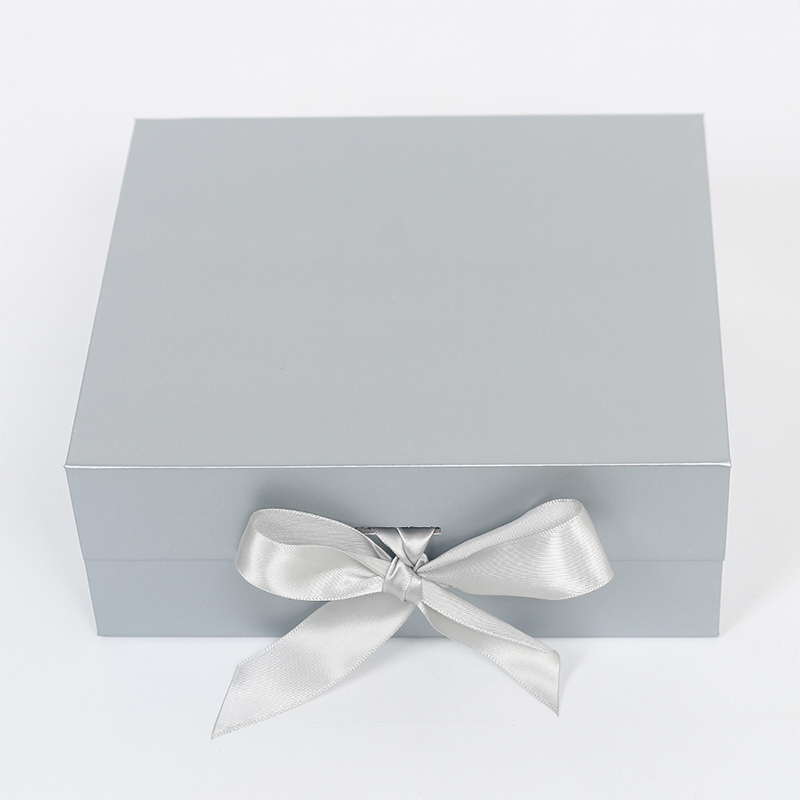
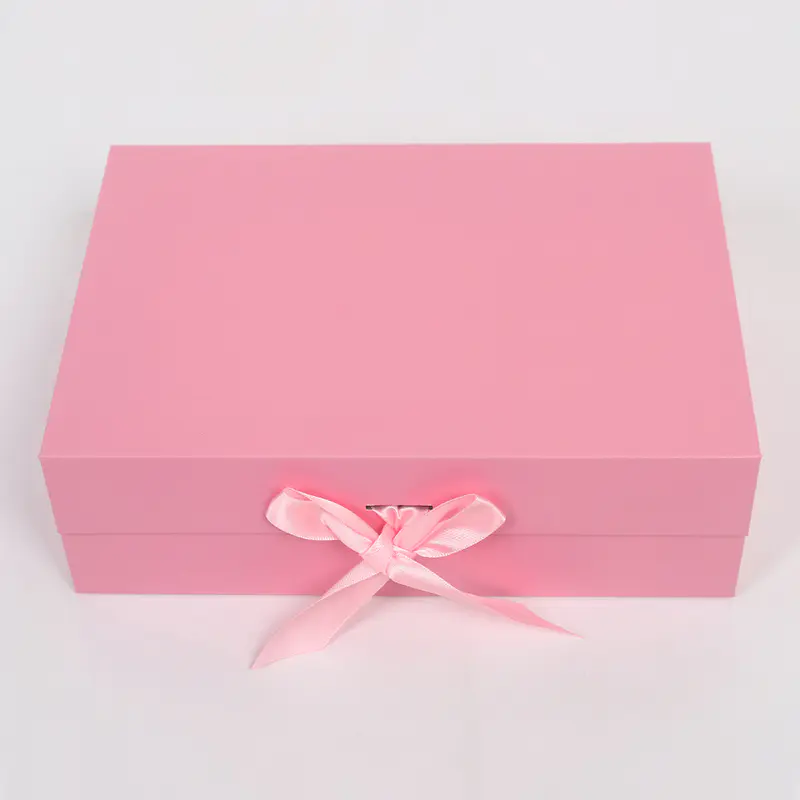
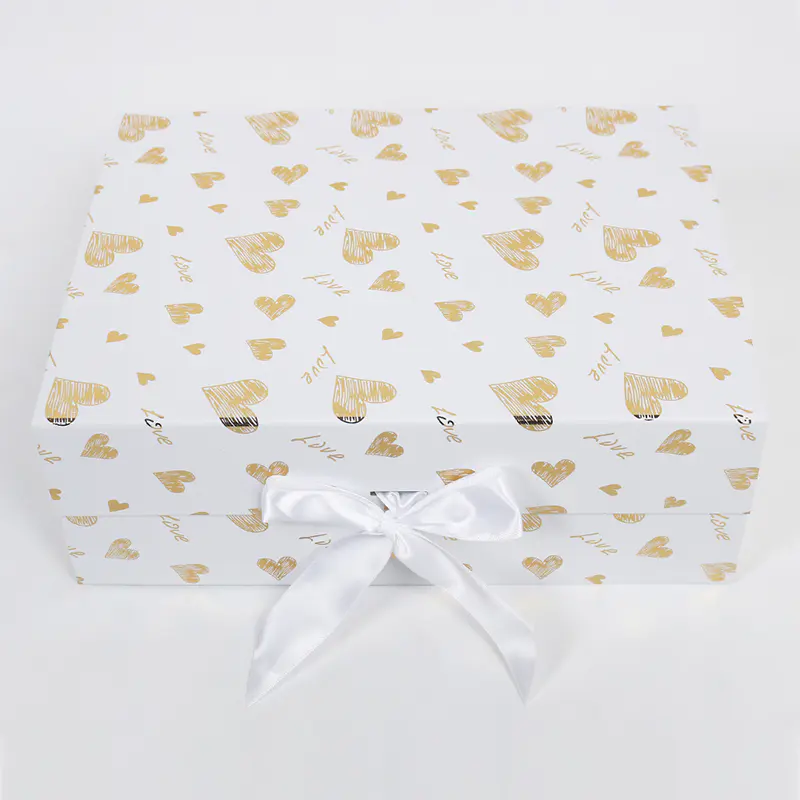
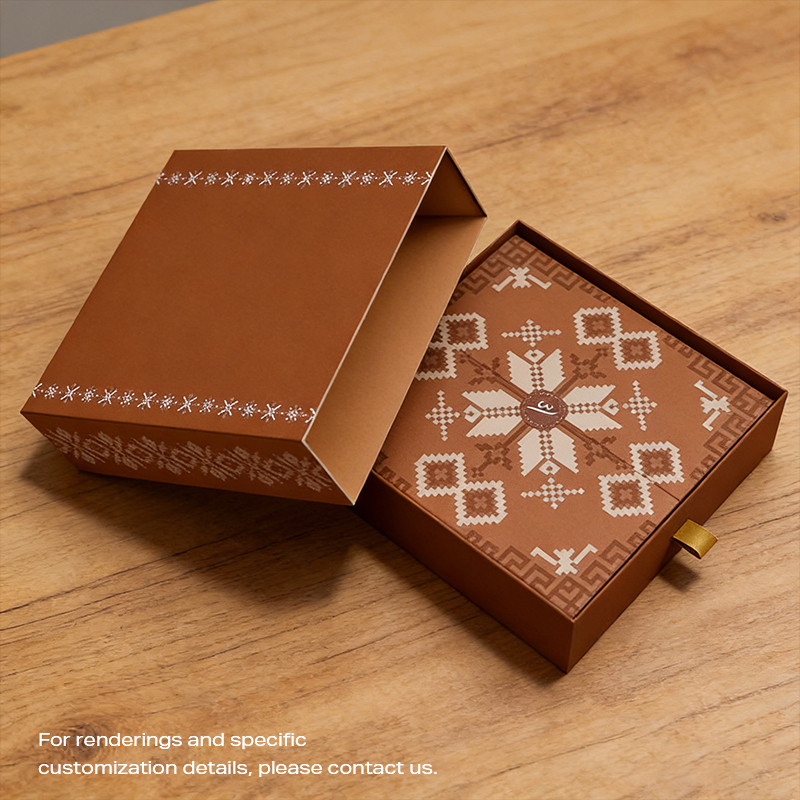
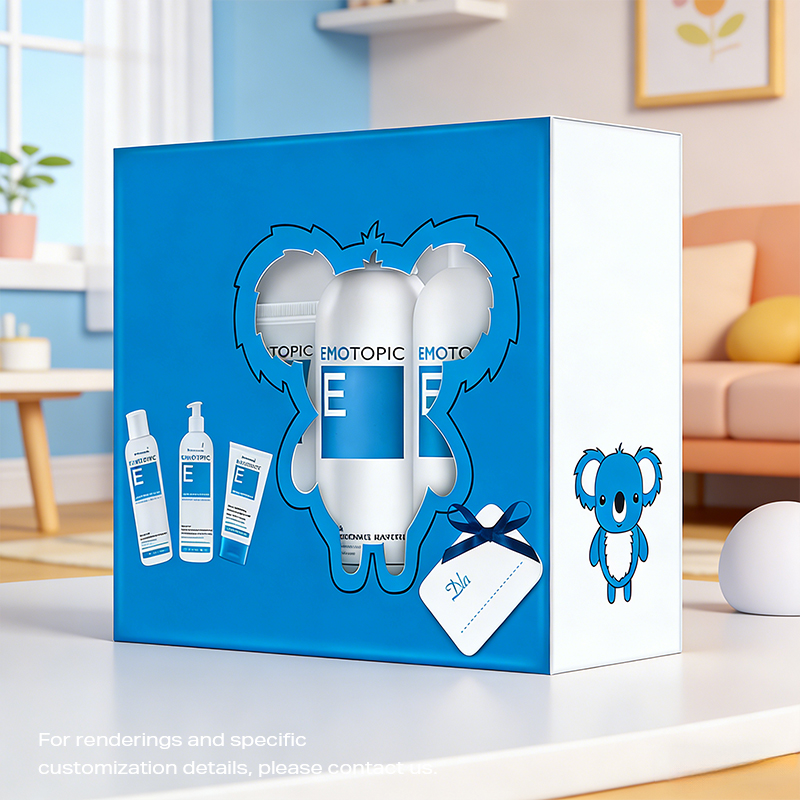
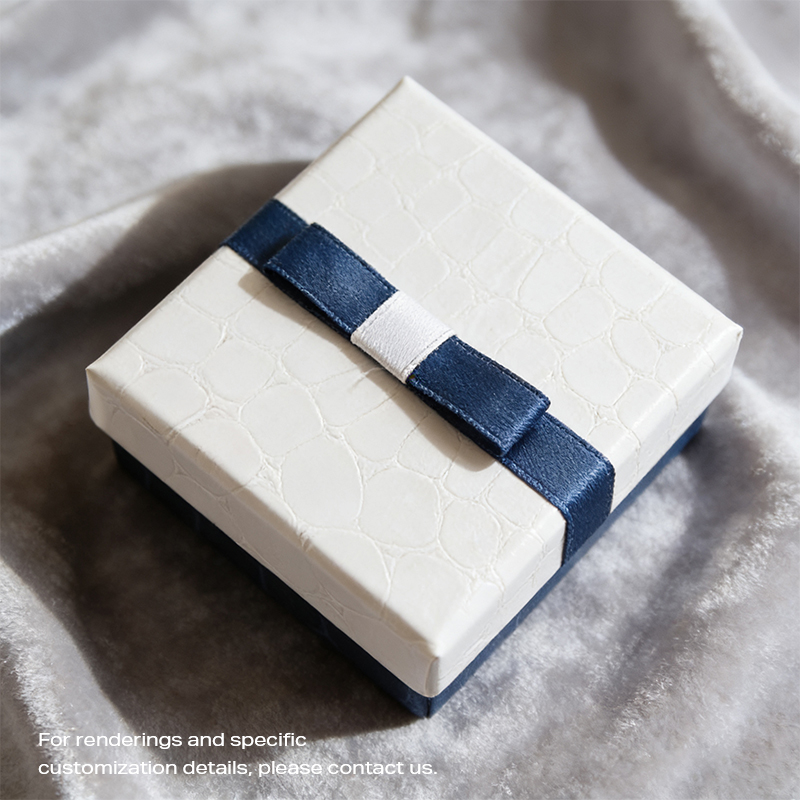
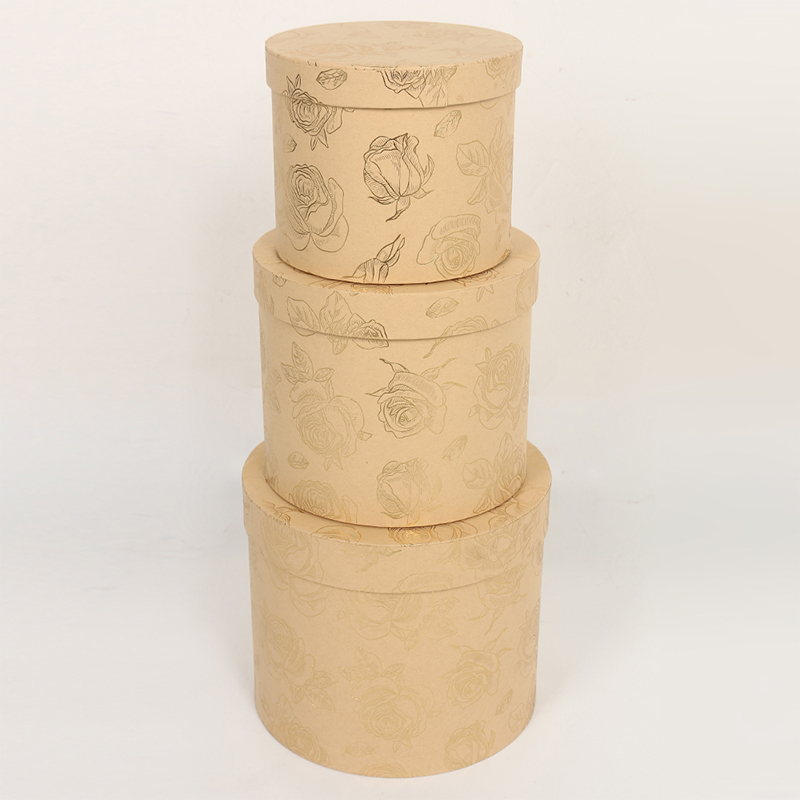
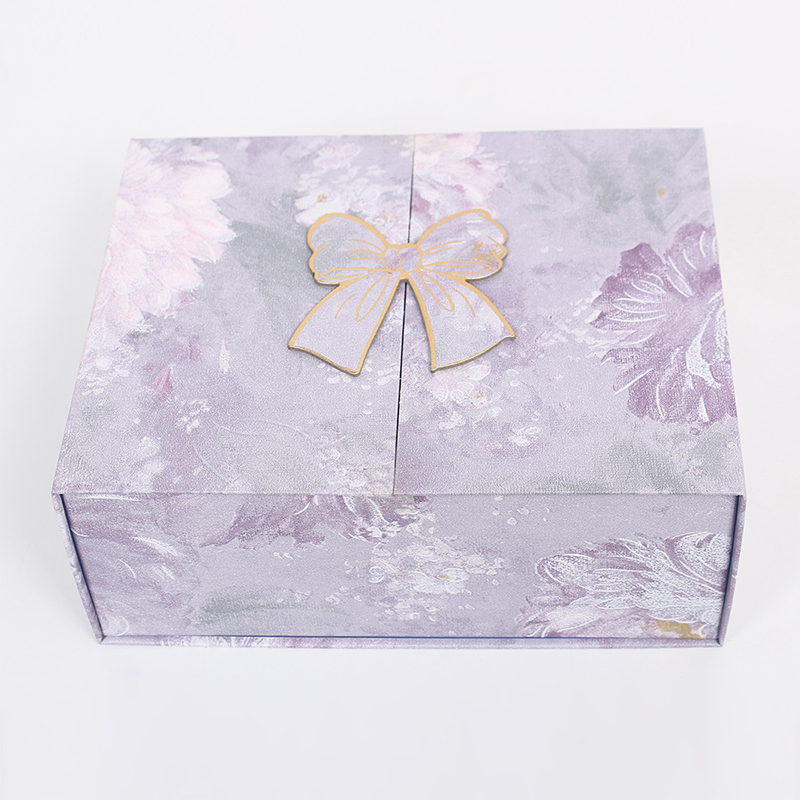
The common gift box style is the rigid setup box, which has a separate lid and base made from thick paperboard (600-1,000 g/m²) wrapped in decorative paper or fabric. Rigid boxes do not fold flat; they are shipped assembled. The walls are typically 1.5 to 2.5 mm thick, protecting delicate items. The base and lid fit together with a friction fit (the lid sits over the base without magnets or closures). For less expensive options, foldable cartons are used: they are supplied flat and folded into shape by the user. The most common foldable design is the tuck-top or tuck-end box, where the lid inserts into slots on the box body. Foldable boxes are made from thinner paperboard (300-500 g/m²) and are suitable for lightweight gifts such as scarves, small books, or confectionery. A third style is the magnetic closure box: a rigid box with magnets embedded in the lid and base flaps. The magnets (neodymium, 5-10 mm diameter, 1-2 mm thick) provide a satisfying snap when the box is closed. Magnetic boxes are used for high-end gifts such as watches, jewellery, or electronics. The magnet pull force is typically 2-5 N for a 50-100 mm lid, strong enough to stay closed when lifted but not too difficult to open.
A paper gift box's ability to hold weight depends on the thickness of the paperboard and the box design. For a standard rigid box with 800 g/m² paperboard (2.0 mm thickness), the base can support a static load of 3-5 kg without visible deformation. The lid, when closed, adds structural strength. For heavier items (over 2 kg), the base should have a reinforcing insert — a separate piece of corrugated cardboard or foam board placed under the gift. The insert transfers the load directly to the box's bottom panel and prevents the base from bowing outward. For foldable tuck-top boxes, the weight limit is lower: a 400 g/m² box can hold 1-2 kg, but the box will flex when lifted by the sides. Lifting such a box by the lid (rather than supporting the base) can cause the tuck closures to slip open, especially if the box has been opened and closed multiple times. The user should always support the base of a paper gift box when carrying items weighing more than 500 grams.
Assess the weight of the gift and choose the paperboard thickness accordingly. For gifts under 500 grams (e.g., a silk scarf, a small picture frame, a box of chocolates), a foldable box with 350-400 g/m² paperboard is sufficient. The box can be carried by the lid tuck without risk of opening. For gifts between 500 grams and 2 kg (e.g., a bottle of wine, a hardcover book, a small kitchen appliance), a rigid setup box with 600-800 g/m² paperboard is recommended. The box should have a separate lid that covers the base completely, with at least 20 mm of overlap on all sides. For gifts over 2 kg (e.g., a set of heavy cookware, a large electronic device), a double-wall rigid box (two layers of 800 g/m² board laminated together) or a box with a corrugated cardboard base is necessary. Many gift box suppliers offer load ratings in their specifications; look for a static load rating of at least three times the gift weight to account for dynamic loading during carrying (e.g., the box being dropped or jostled). A box with insufficient strength will bulge at the sides when lifted, and the lid may pop off.
Consider the fragility of the gift and the need for internal cushioning. A paper gift box provides some protection against light impacts, but it is not a substitute for proper packaging cushioning. For fragile items such as glassware, ceramic ornaments, or electronics, the box must be sized to allow 20-50 mm of space on all sides of the gift for cushioning material. Common cushioning includes: tissue paper (crumpled), shredded paper, foam sheets (2-5 mm thick), or corrugated cardboard dividers. The cushioning should hold the gift away from the box walls so that an impact is absorbed by the cushioning rather than transmitted through the box. The box itself should have at least 400 g/m² paperboard to resist puncture from the sharp edges of the gift. For extremely fragile items (e.g., a single wine glass), a double-wall box with 800 g/m² board and custom foam inserts is recommended; a standard paper gift box will not provide adequate protection if dropped from a height of 0.5 metres or more.
Recommended Products

Contact Us

No. 15, Xiayang Road, Huangzhai Town, Jinhua, Zhejiang, China

(+86) 579-84230069

(+86) 13085675766


Products

Gift Box Packaging Manufacturer
 English
 Français
 Español
 عربى
عربى