2026-05-22
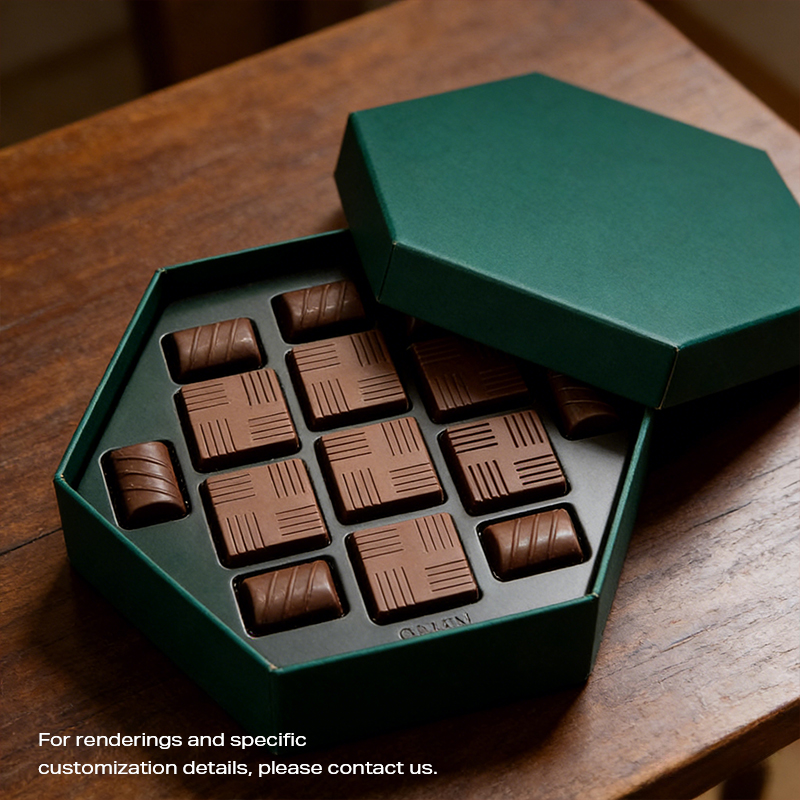
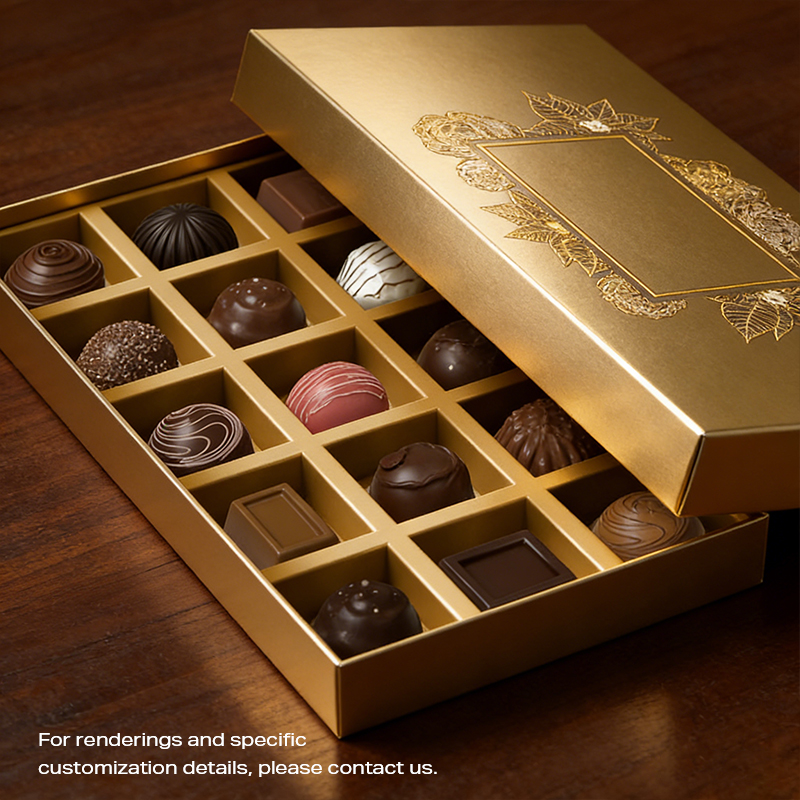
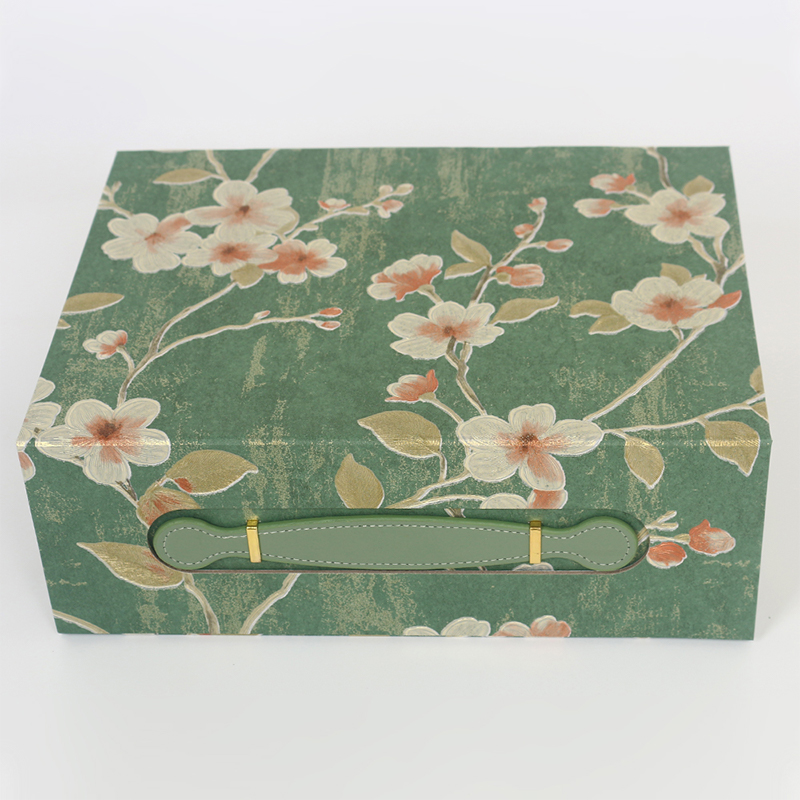
Luxury gift boxes wholesale are premium containers used for high-end products—jewelry, watches, perfumes, electronics, fine chocolates, and designer accessories. Unlike standard gift boxes, luxury boxes emphasize tactile quality (soft-touch surfaces), visual appeal (deep colors, foil stamping, ribbon), and durability (meant to be kept as keepsake boxes). The following types are distinguished by construction method, opening style, and presentation features.
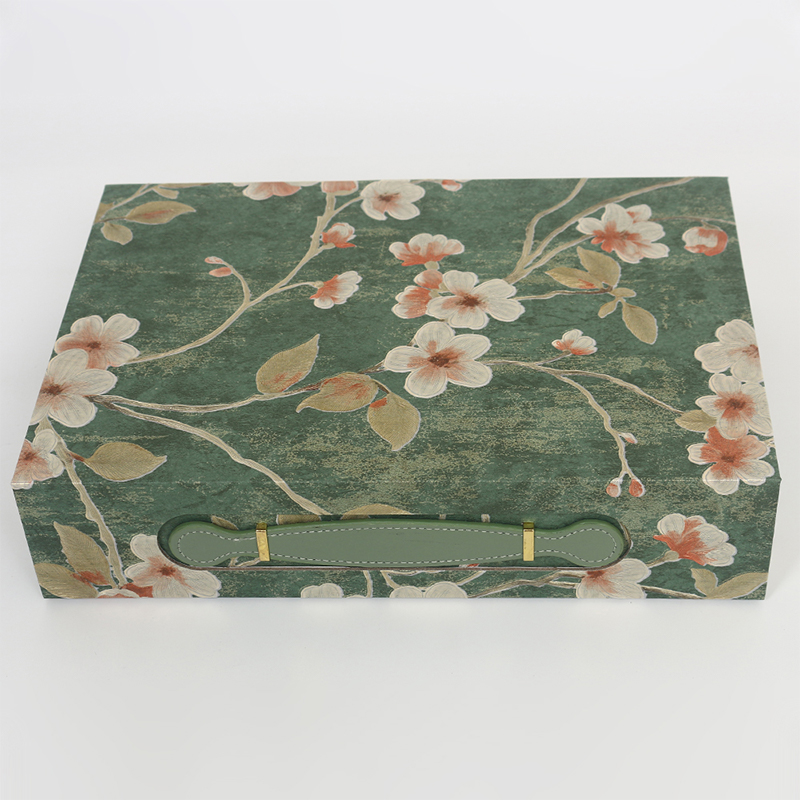
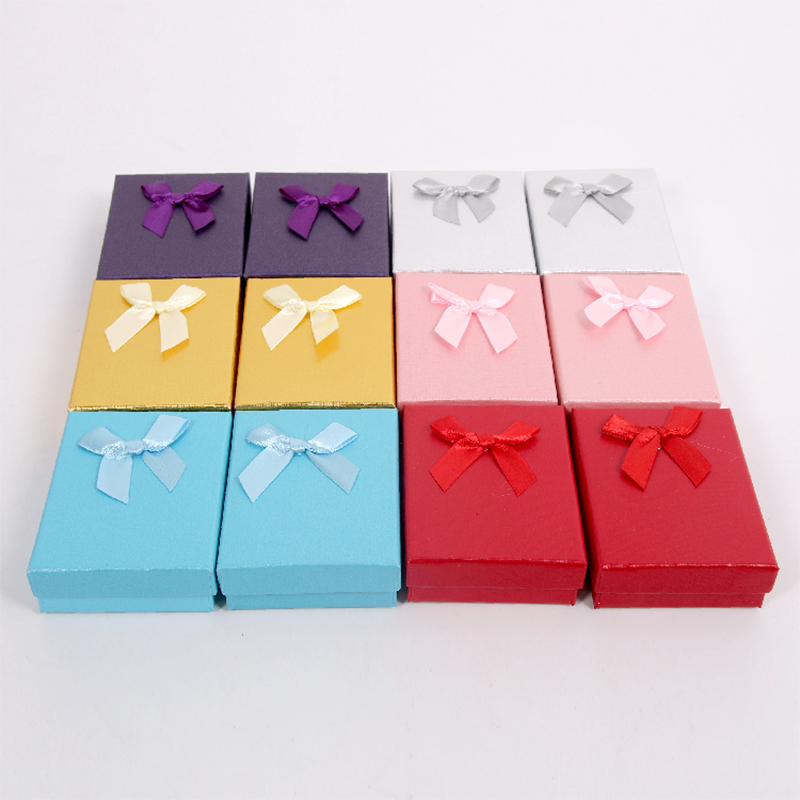
Rigid set-up boxes (the most common luxury type). Made from thick paperboard (1.5–3.0 mm, often 2- or 3-ply) that is wrapped in decorative paper or fabric (linen, leatherette, silk). The box is pre-assembled (not folded flat). The walls are rigid and do not flex. The lid is separate (a "lid and base" style) or attached with a fabric hinge. Used for iPhones, watches (Rolex, Omega), jewelry (Tiffany & Co.), and high-end cosmetics (Chanel). Dimensions: from 5×5×3 cm (ring box) to 40×30×15 cm (gift set). The lid fits snugly over the base, often with a magnetic closure.
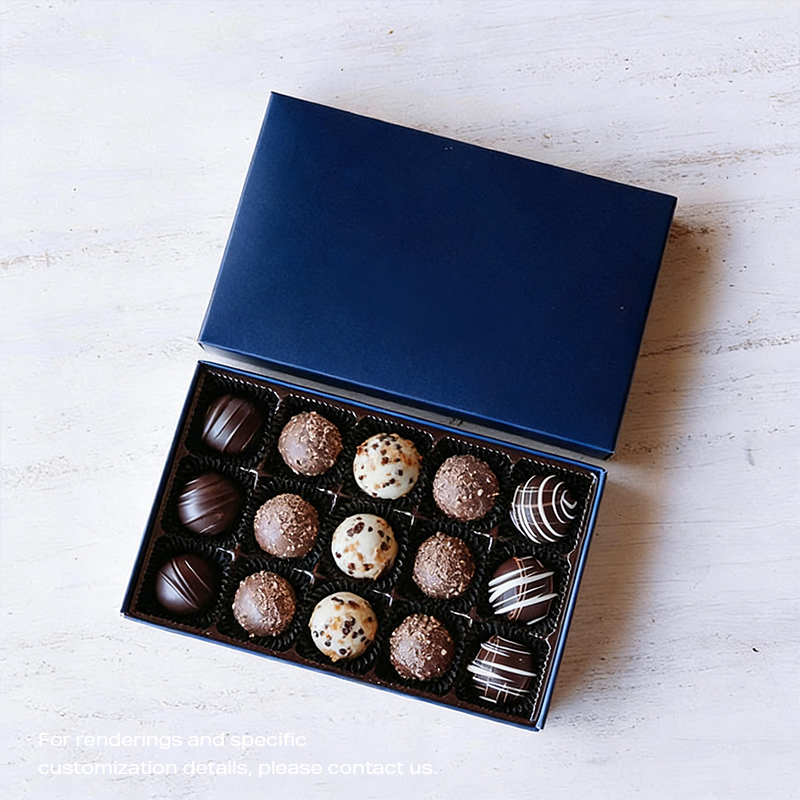
Drawer-style (matchbox) boxes. A rigid outer sleeve (open on one end) and an inner tray that slides out. The tray may have a ribbon pull. Used for chocolates (Godiva, Lindt), cufflinks, small accessories, and stationery. The sliding action requires 0.5–1.5 mm clearance between the tray and sleeve. If the clearance is too tight, the box is difficult to open; too loose, the tray feels cheap. Luxury drawer boxes often have a magnet at the back to hold the tray fully closed.
Hinged-lid (book-style) boxes. The lid is attached to the base along one edge by a fabric hinge (often the same wrapping material as the box). The hinge allows the lid to open like a book to 90–180 degrees. Inside, there is often a foam insert with cutouts for the product. Used for presentation of expensive pens (Montblanc), cufflink sets, and smartphones (Samsung Galaxy premium packaging). The hinge must be reinforced with extra fabric or a paper liner; otherwise, it tears after 200–300 openings.
Shoulder-neck (double-wall) boxes. The base has an inner wall (the "neck") that is slightly smaller than the outer wall. The lid sits over the shoulder (the gap between the two walls). This creates a very tight, satisfying closing feel. The shoulder adds structural strength; the box can withstand stacking (5–10 boxes high) without crushing. Used for perfumes (Chanel No. 5 box, Dior), luxury candles (Jo Malone), and watches. More expensive than standard set-up boxes because of additional assembly steps.
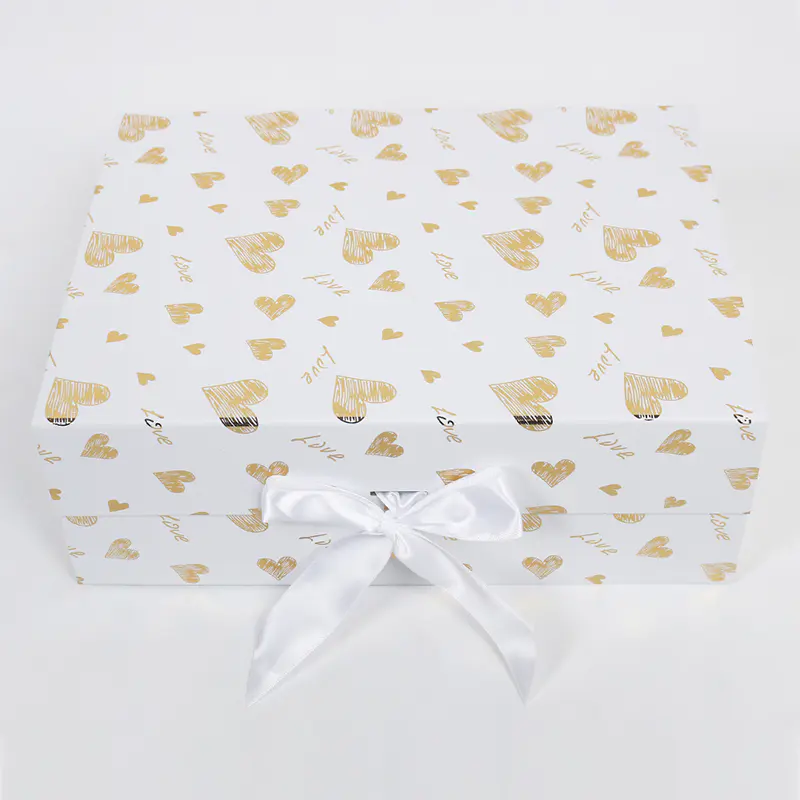
Ribbon-tie (fabric-covered) boxes. A rigid box (often covered in linen or cotton fabric) with attached cotton or satin ribbons. The ribbons are tied into a bow to close the box. Used for bridal jewelry, wedding favors, and keepsakes. The ribbons are sewn into the box structure (through the paperboard) and reinforced with a glued patch inside. A poorly sewn ribbon will pull out after 10–20 pulls. Cotton ribbon holds a knot better than satin polyester.
Window boxes (with clear acrylic insert). A rigid box with a cutout in the lid. A clear plastic window (PVC or PET, 0.3–0.8 mm thick) is glued to the inside of the lid. The window allows the product to be seen without opening the box. Used for cufflinks, tie clips, small pendants, and premium chocolates. PVC windows become yellow and brittle after 4–6 years; PET windows stay clear longer (8–10 years). For true luxury, some boxes use glass (rare, expensive, fragile).
Magnetic closure boxes with a ribbon lift. A rigid box with neodymium magnets (2–6 magnets, 5–10 mm diameter) embedded in the lid and base. A fabric ribbon (attached inside the base) lifts the product or the tray when the lid is opened. Used for smartphones, tablets, and high-end cosmetics. The ribbon lift gives a "presentation" effect—the product rises slowly as the lid opens. This mechanism requires precise placement of the ribbon and a foam pad under the product.
Paperboard (Chipboard) – The Structural Core. The rigid structure of a luxury gift box comes from paperboard, also called chipboard or gray board. It is made from recycled paper pulp (70–100% post-consumer waste) pressed into sheets. Thickness ranges from 1.0 mm (thin) to 3.5 mm (very heavy). A typical luxury box uses 2.0–2.5 mm board. The board is measured in "points" (1 point = 0.001 inch = 0.0254 mm). A 80-point board is 2.0 mm. Higher-quality boards have a uniform density and smooth surface. Low-quality boards have soft spots (low density) that cause the wrapped paper to appear wavy. The board is cut and scored (grooves cut to allow folding). For boxes with sharp, square corners, the board is not scored; it is simply cut and glued. For boxes with hinged lids, a score line (a V-shaped groove, 50–70% of board thickness) is cut to allow bending.
Wrapping Papers and Fabrics – The Visible Surface. The paperboard core is wrapped with decorative material—paper or fabric. Common wrapping papers include:
Foam and Padding – For Product Cushioning. The interior of a luxury gift box almost always contains foam padding cut to the shape of the product. Common foams:
Recommended Products

Contact Us

No. 15, Xiayang Road, Huangzhai Town, Jinhua, Zhejiang, China

(+86) 579-84230069

(+86) 13085675766


Products

Gift Box Packaging Manufacturer
 English
 Français
 Español
 عربى
عربى