2026-07-31
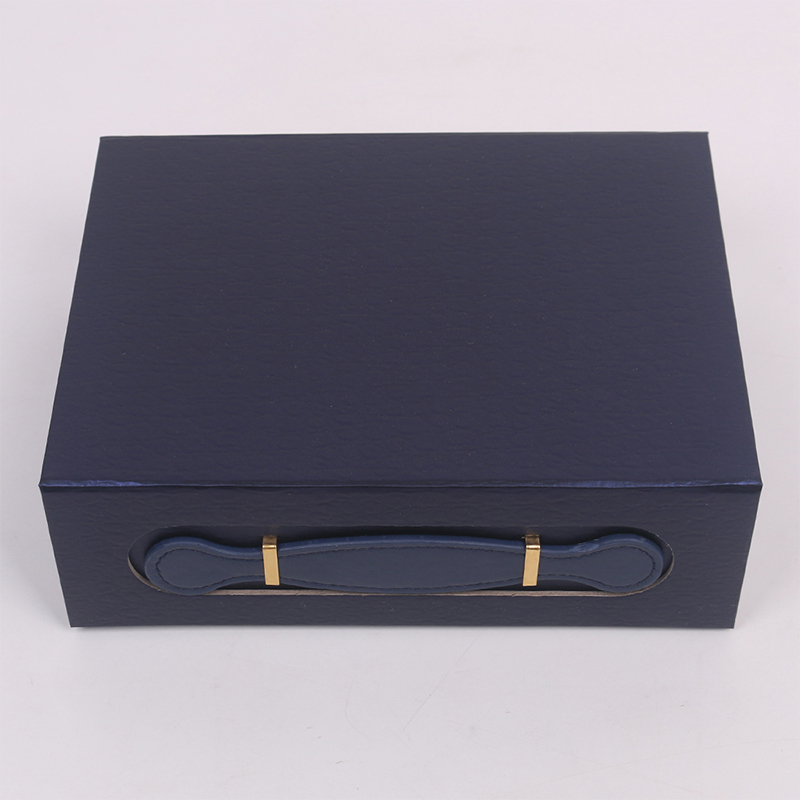
Packaging has quietly evolved into a strategic part of product presentation and logistics planning. Among modern structural designs, the Foldable Magnetic Recycled Paper Box has gained attention for balancing premium aesthetics with space-efficient engineering. It merges rigid-box elegance with flat-pack practicality, reshaping how brands handle storage, shipping, and unboxing experiences.
Industry analysis shows that collapsible magnetic packaging can reduce storage and transport volume by a significant margin compared with traditional rigid setups, while still maintaining a high-end appearance once assembled.

Traditional luxury boxes are usually fully assembled, requiring substantial warehouse space and higher shipping volume. Foldable magnetic structures challenge that model by introducing a collapsible framework that remains rigid after assembly.
The design relies on pre-scored greyboard panels, embedded magnets, and adhesive locking points. Once unfolded, the structure locks into a rigid form that behaves like a premium setup box.
The strength of a foldable magnetic box depends on both material thickness and structural engineering. Most designs use 1.2–1.8 mm to 2.5 mm greyboard, depending on product weight and application requirements. Once assembled, the box regains full rigidity through interlocking panels and magnetic alignment.
Despite being collapsible, the box performs similarly to traditional rigid packaging once formed. Reinforced corners and internal locking tabs distribute pressure evenly across all sides.
Embedded magnets placed in the lid and front panel create a controlled closing force. This not only improves user experience but also prevents accidental opening during transport or handling.
Outer wrapping materials influence both appearance and durability:
Commercial adoption is driven by a combination of cost efficiency and consumer experience enhancement. Flat-pack logistics reduces warehouse pressure while maintaining premium shelf impact once assembled.
Packaging research highlights three dominant advantages shaping adoption:
| Key Factor | Operational Benefit | Business Impact |
| Flat shipping format | Reduced volume in transit | Lower logistics cost |
| Rigid assembled structure | High product protection | Reduced damage risk |
| Magnetic closure system | Premium tactile interaction | Stronger brand perception |
| Recycled paperboard usage | Material sustainability | Improved eco positioning |
Foldable magnetic boxes are frequently used in premium industries such as cosmetics, electronics, fashion accessories, and gifting, where packaging directly influences perceived product value.
The unboxing process plays a central role in how value is perceived. Magnetic closure introduces a subtle sensory cue—the soft snap of closing—which reinforces the feeling of quality.
Even before the product is revealed, the packaging communicates expectations through weight, resistance, and structure stability. Once opened, the rigid interior frame presents the product in a controlled visual layout.
Material selection has become a defining factor in packaging decisions. Recycled paperboard is increasingly used in foldable magnetic designs to align with sustainability expectations while maintaining structural integrity.
High-quality recycled greyboard can still achieve strong compression resistance, especially when reinforced with layered construction techniques and precision folding geometry.
Eco positioning is not only a material choice but also a communication tool that influences consumer perception in premium segments.
Despite its advantages, foldable magnetic packaging also presents engineering constraints that must be considered during product planning.
These factors are typically managed through standardized die-cutting processes, controlled magnet placement, and reinforced hinge scoring.
The transformation from a flat sheet to a structured luxury box is what defines the appeal of foldable magnetic packaging. It begins as a compact shipping format and ends as a rigid presentation piece that supports high-end branding.
The Foldable Magnetic Recycled Paper Box is not simply a packaging solution—it represents a shift in how efficiency and premium experience can coexist. By reducing space requirements while preserving visual and tactile quality, it creates a dual identity: operationally practical and emotionally engaging.
As packaging expectations continue evolving, this format is likely to remain a strong reference point for brands seeking balance between sustainability, logistics control, and elevated presentation.
Recommended Products

Contact Us

No. 15, Xiayang Road, Huangzhai Town, Jinhua, Zhejiang, China

(+86) 579-84230069

(+86) 13085675766


Products

Gift Box Packaging Manufacturer
 English
 Français
 Español
 عربى
عربى