 Home / News / Industry News / How can a buyer tell if a gift box is truly eco-friendly or sustainable?
 2026-05-27
"Eco-friendly" claims on gift boxes range from genuine to misleading. Three factors determine actual environmental impact: material source, recyclability, and the presence of coatings or glues.
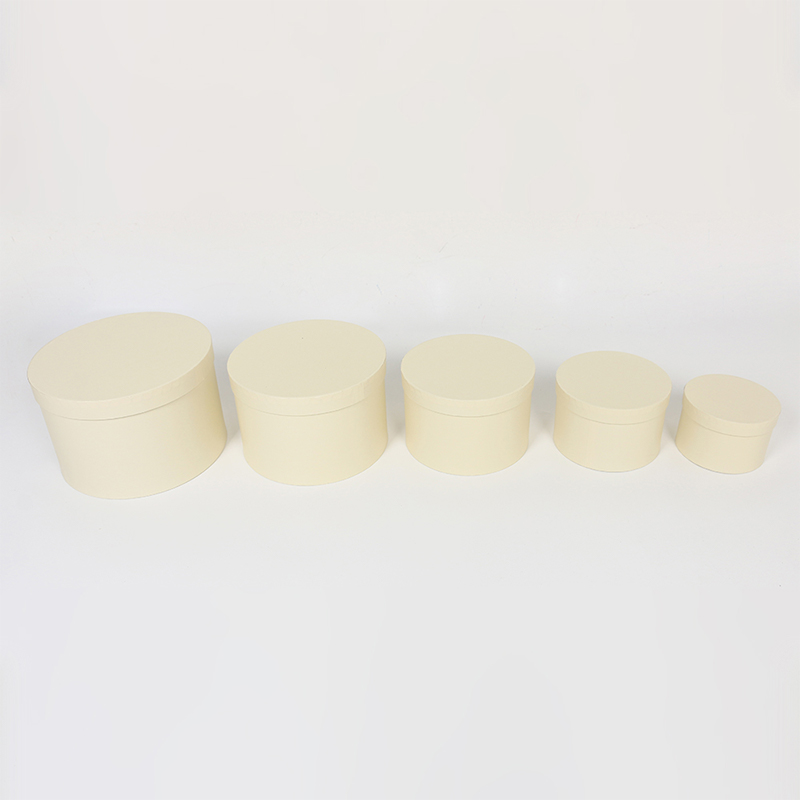
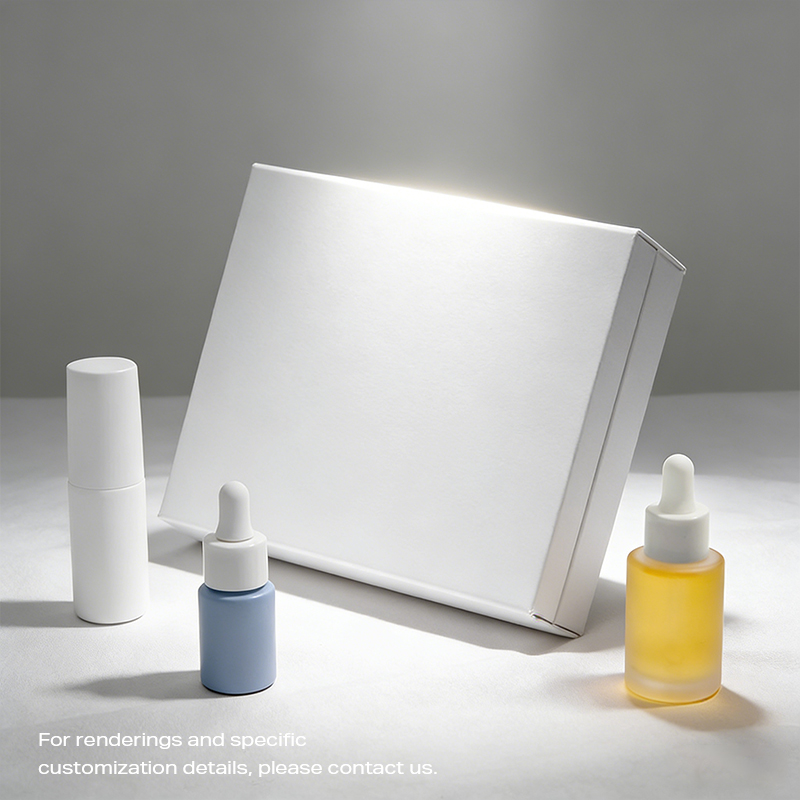
Paperboard and cardboard boxes (most common). A plain, uncoated paperboard box (the brown or light tan type) with no lamination is the most eco-friendly option. It is made from recycled content (typically 30–100% post-consumer waste). It is recyclable in standard paper/cardboard streams. It biodegrades in 2–6 months in a home compost pile. However, most gift boxes are white or printed, which requires bleaching (chlorine or peroxide) and de-inking processes. Bleaching using elemental chlorine (now rare in Europe but still used in some Asian production) produces dioxins. Look for "PCF" (Processed Chlorine Free) or "ECF" (Elemental Chlorine Free) labels.
Coatings and laminations (the problem). Many gift boxes have a glossy or matte lamination—a thin plastic film (polyethylene or polypropylene, 12–25 µm thick) bonded to the paperboard. This lamination makes the box water-resistant and scuff-resistant, but it renders the box non-recyclable in standard paper recycling (the plastic film clogs the machinery). Some facilities can separate the film, but fewer than 15% of municipal recycling programs accept laminated paperboard as of 202These boxes must go to landfill or incineration. An alternative is water-based coating (acrylic or UV-cured). These coatings are recyclable (they break down in the repulping process) but offer less water resistance.
The closure is the part that keeps the box closed during transport and storage, and also provides the "unboxing" experience. Different closures suit different weights and presentation styles.
Tuck flap (die-cut tab into a slot). A flap with a rounded tab that slides into a cut slot. Found on standard paperboard gift boxes (e.g., shirt boxes, small accessory boxes). Security: Moderate (holds under normal handling but can pop open if dropped from 0.5 m or more). Tuck flaps are not locking—they can be opened by light pressure. For heavier items (over 500 g), the flap may open under its own weight. Not suitable for shipping without outer wrap.
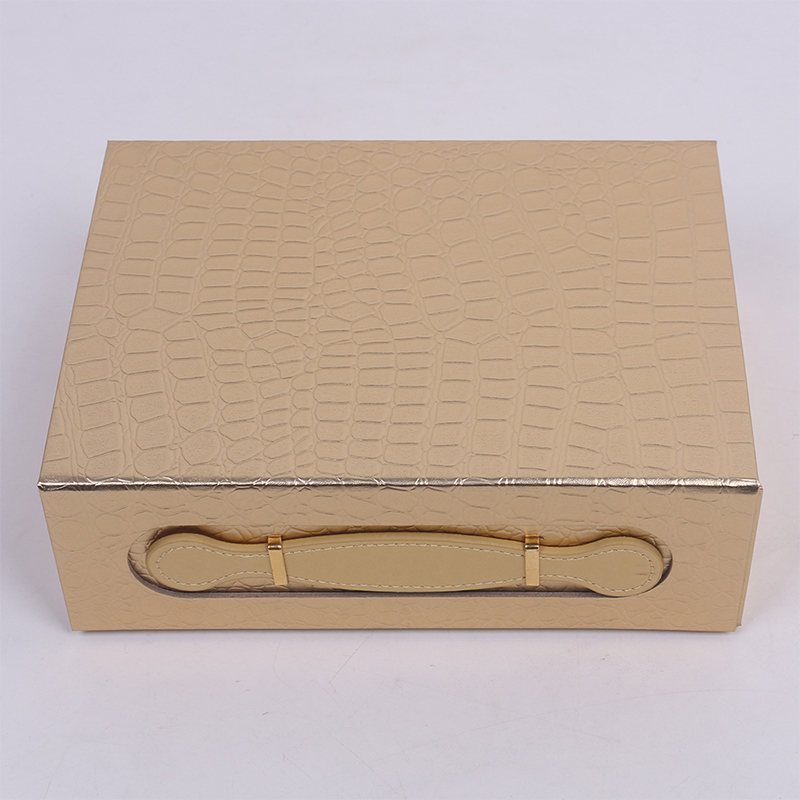
Magnetic closure. Two magnets (neodymium, 3–10 mm diameter) are embedded in the box lid and base. The magnets snap together with a force of 5–20 N (about 0.5–2 kg pull). Used on rigid boxes (jewelry, watches, phones). Security: High (the box will stay closed even if dropped from 1 meter onto a carpet). Magnets attract each other through a paper layer, so the closure is invisible. However, magnets can interfere with credit cards (magnetic stripe) and mechanical watches if placed directly on the box—keep a 2–3 cm distance. Also, magnets may corrode over 5–10 years in humid climates if not coated (neodymium magnets are nickel-plated).
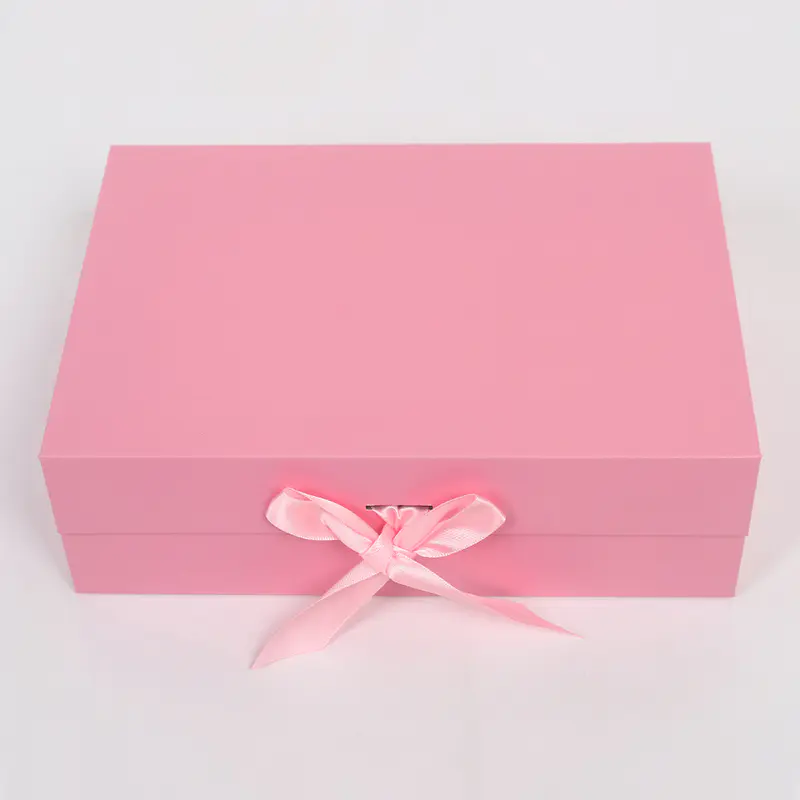
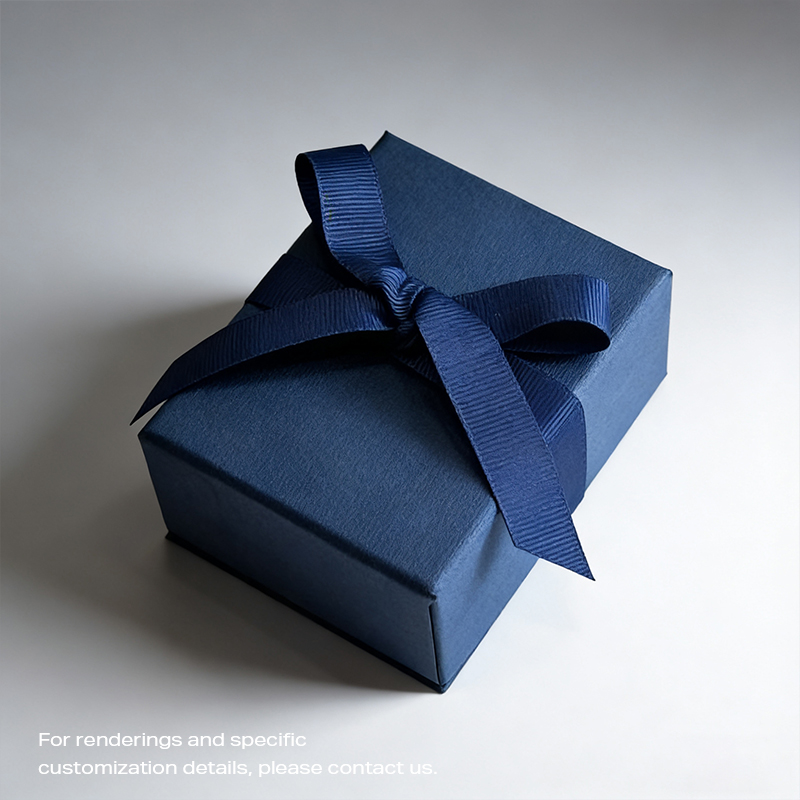
Ribbon tie. Two ribbons (cotton or polyester) are attached to the box lid and base; the user ties a bow. Security: Low (the ribbon must be tied tightly by the giver). A loose bow can come undone during handling. A tight bow is secure, but the ribbon may fray over time. Ribbon ties are common on fabric-covered boxes and wedding favor boxes. The ribbon material matters: cotton ribbon holds a knot better than satin polyester.
Hinged lid (no separate closure). The lid is attached to the base by a paper hinge, and the box stays closed by gravity or by friction (the lid fits snugly over the base). Security: Low (the box will open if turned upside down). Used for boxes that are presented right-side-up (e.g., a cake box). Not for transport.
The load capacity depends on the box material, wall thickness, and construction. For a standard rigid paperboard box (1.5–2.5 mm thick board, often called "set-up box"), the rule of thumb is: the box can hold up to 5–10 times its own weight if the weight is distributed evenly over the base. For example, a 200 g box (mid-sized 20×20×10 cm) can hold 1–2 kg.
Specific guidelines by material:
Recommended Products

Contact Us

No. 15, Xiayang Road, Huangzhai Town, Jinhua, Zhejiang, China

(+86) 579-84230069

(+86) 13085675766


Products

Gift Box Packaging Manufacturer
 English
 Français
 Español
 عربى
عربى