2026-01-09
Paper Gift Box solutions have become a standard choice across many product categories due to their balance of appearance, structure, and adaptability. A well-designed box contributes to how a gift is perceived before it is opened, shaping expectations through texture, weight, and visual detail. In many cases, the box becomes part of the overall experience rather than a disposable layer.
From a factory perspective, paper-based packaging allows controlled production while offering flexibility in structure and surface treatment. This makes it suitable for both decorative and practical applications without creating unnecessary complexity in manufacturing.
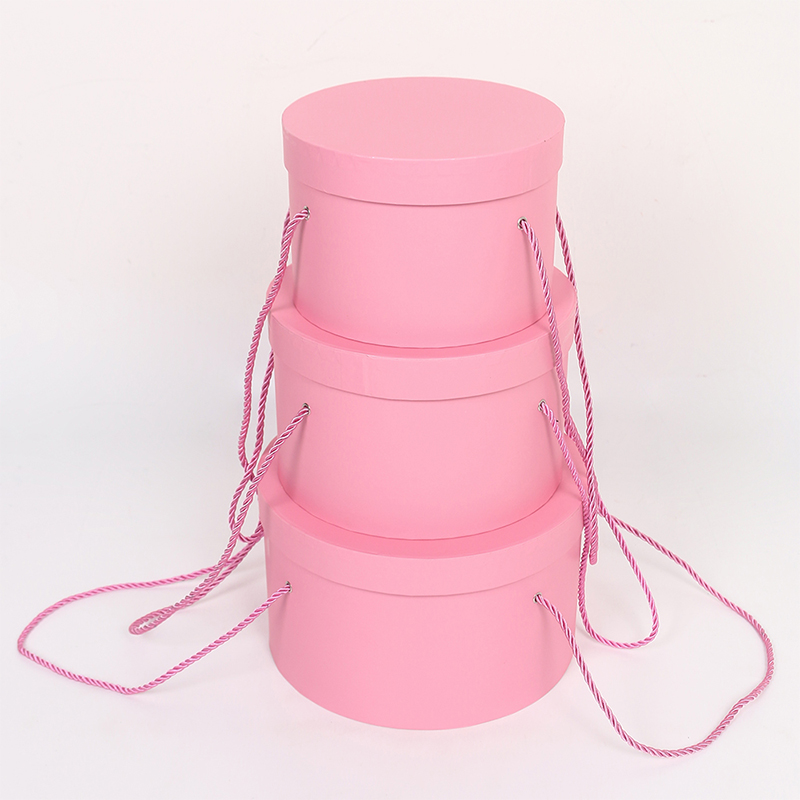
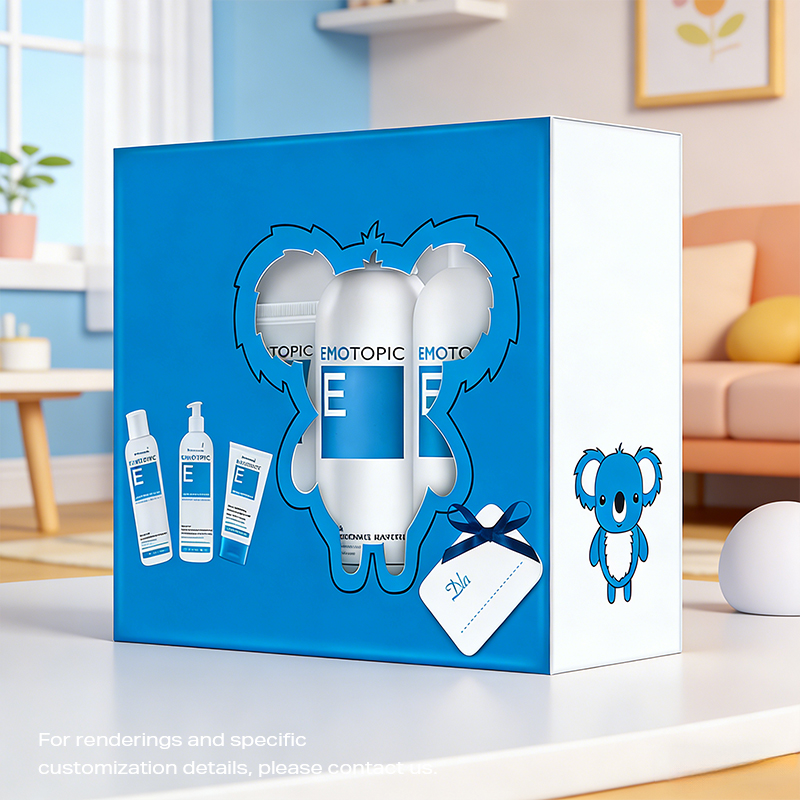
Gift boxes serve both emotional and functional purposes. Presentation plays a major role in how a gift is received, especially during celebrations, promotional activities, or seasonal events. Opening a structured box creates anticipation that simple wrapping cannot easily replicate.
Protection is another reason gift boxes remain widely used. Paper-based structures can be engineered to hold products securely, reducing movement during handling. This is especially useful for items with delicate surfaces or defined shapes. At the same time, the box itself becomes a canvas for creative expression, supporting personalization and visual storytelling.
Paper materials are biodegradable and recyclable, making them suitable for brands focused on responsible packaging choices. Different paper grades allow variation in thickness, rigidity, and surface feel without relying on mixed materials.
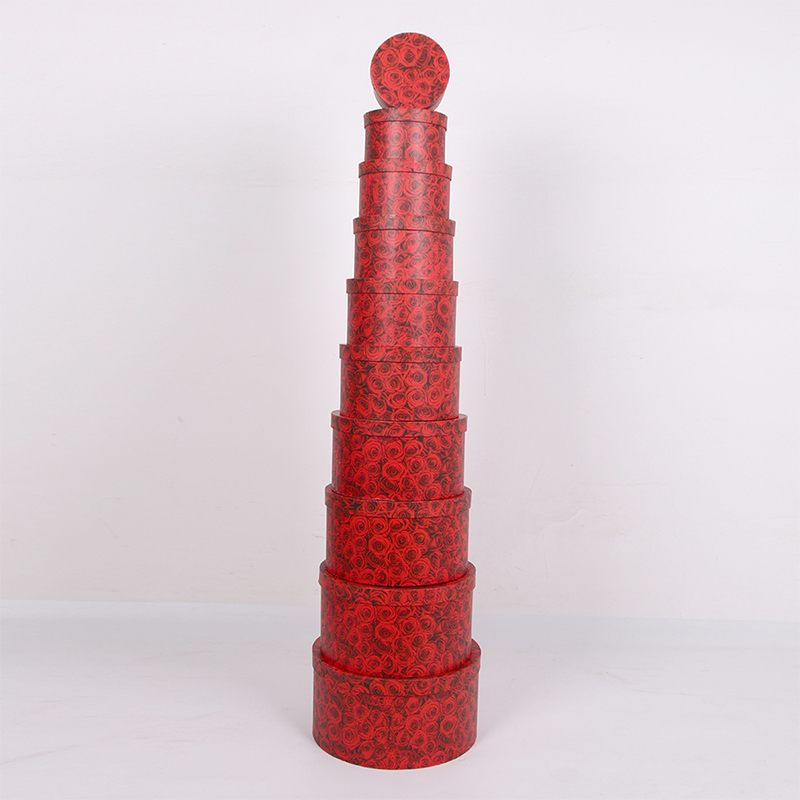
Paper surfaces accept a wide range of printing and finishing techniques. Logos, patterns, textures, and color schemes can be applied with consistency across batches. This flexibility allows packaging to align with product themes or seasonal concepts while keeping the structure familiar.
Paper packaging supports efficient production methods. Flat shipping, standardized die-lines, and predictable material behavior help maintain stable output. This balance between appearance and production practicality makes paper packaging widely adopted across industries.
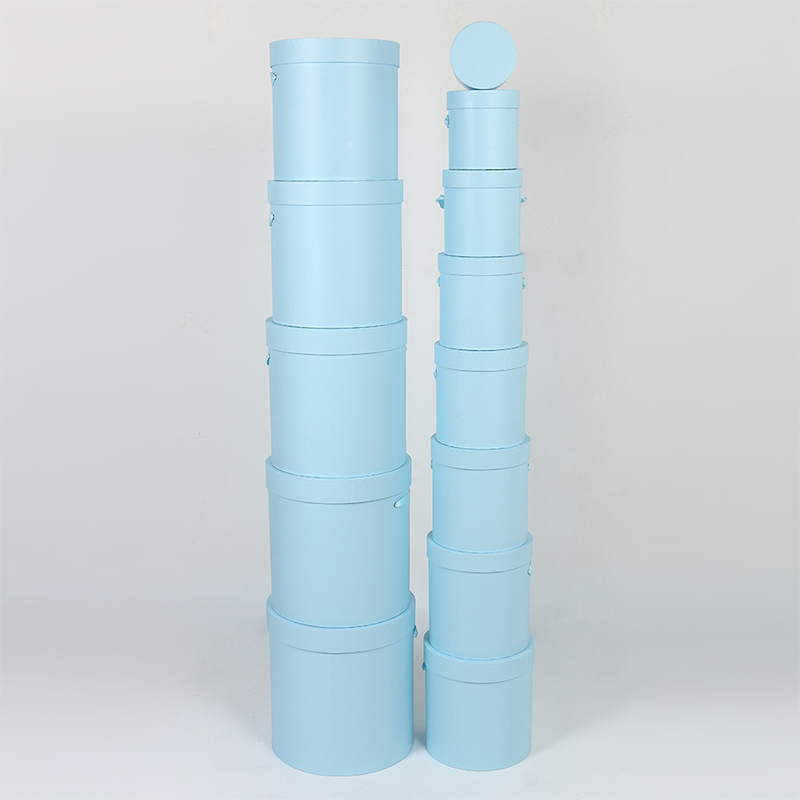
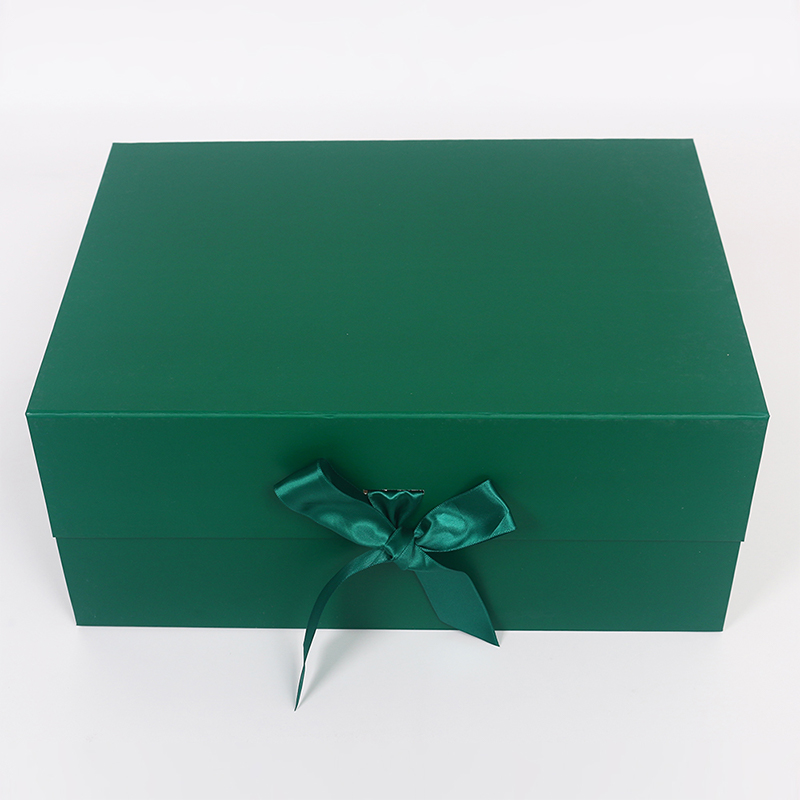
Paper gift boxes are not limited to a single material type. Cardboard remains widely used for its durability and adaptability. Kraft paper offers a natural and understated look, often associated with handcrafted or eco-focused products. Rigid paperboard provides a more structured feel and is commonly used for premium presentations.
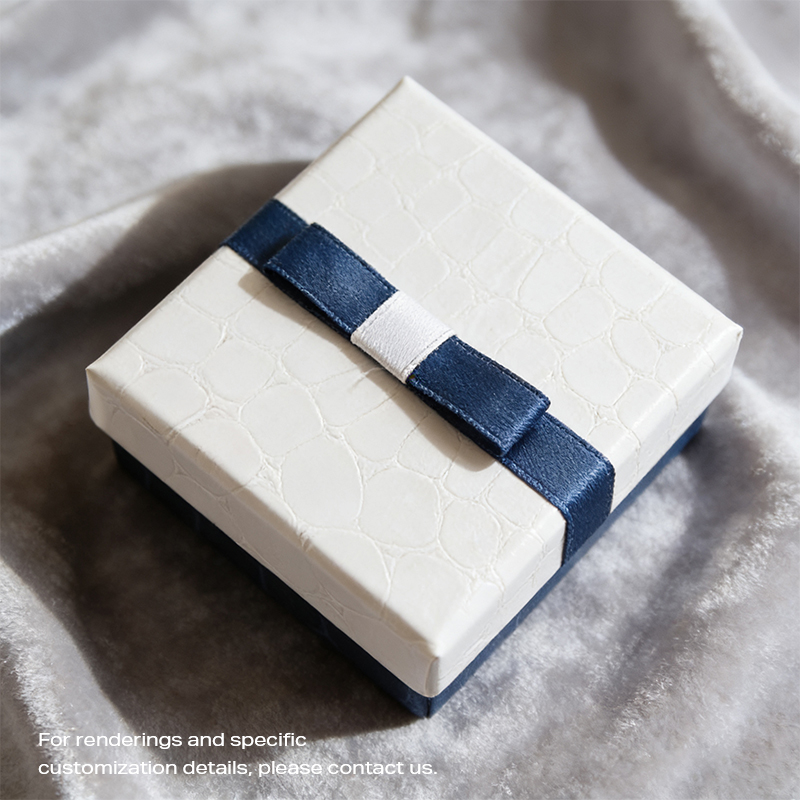
Surface treatments such as matte lamination, foil accents, or embossed details further define the box's character. These options allow visual distinction without changing the underlying structure.
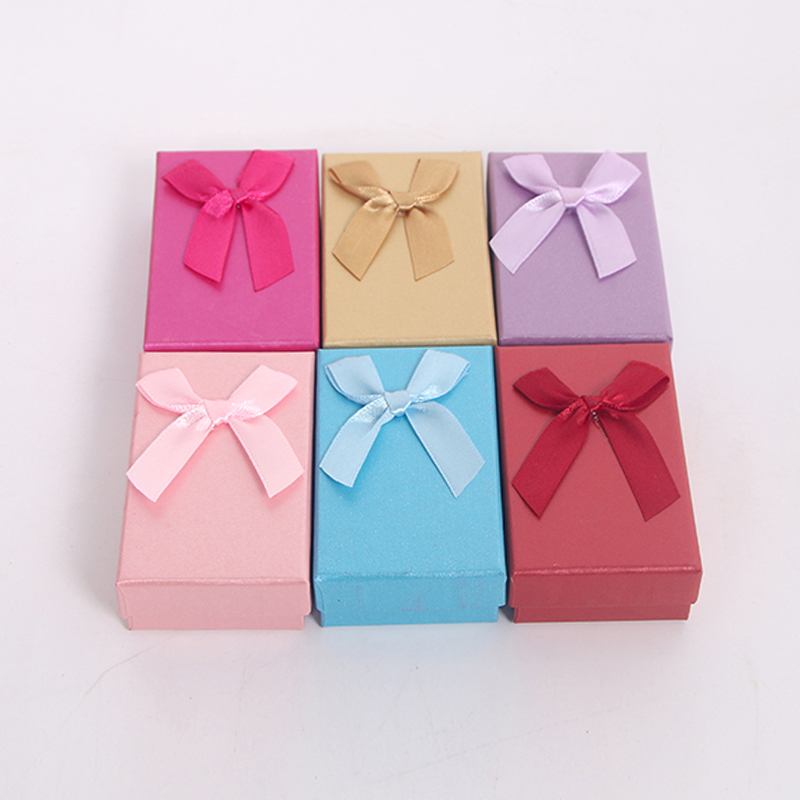
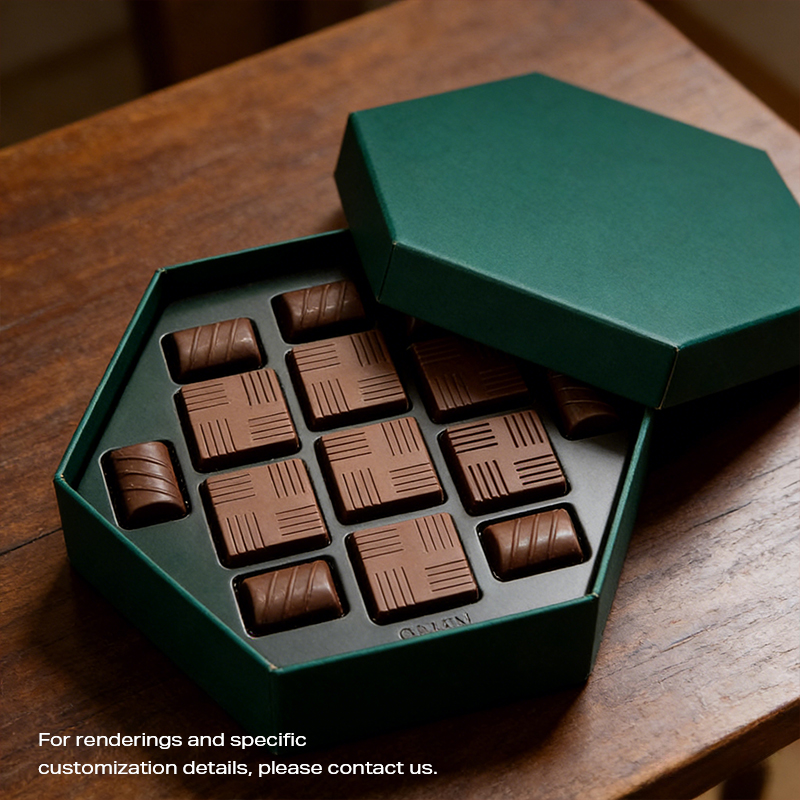
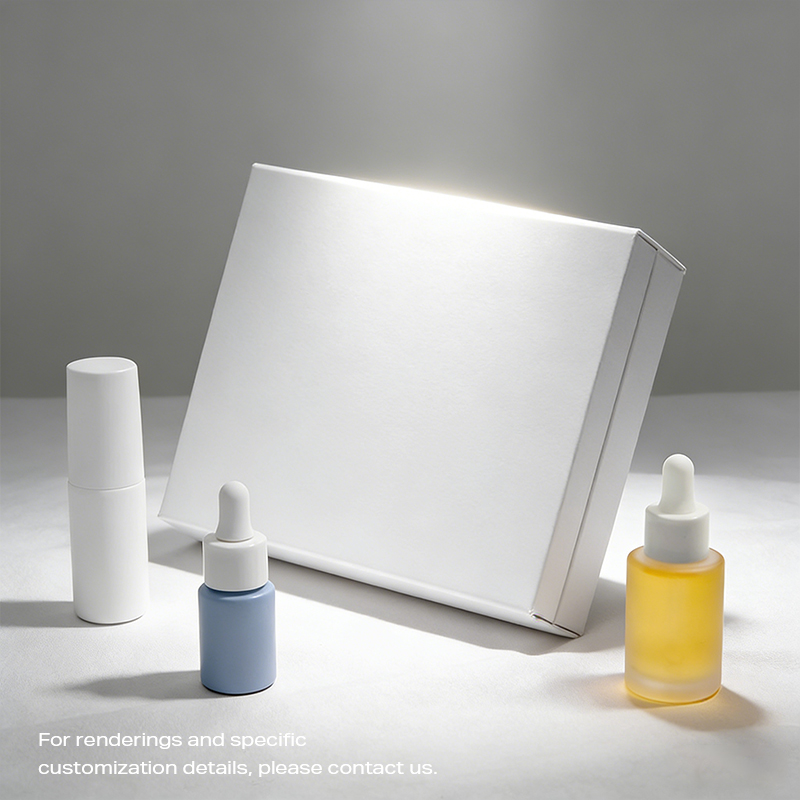
A Paper Gift Box can accommodate a wide range of items, from small accessories to apparel and home goods. Structural design plays a key role in this versatility. Inserts, inner trays, or reinforced walls can be added to support shape retention and product stability.
For items requiring additional cushioning, paper boxes can be paired with internal padding or layered construction. This approach maintains a paper-based appearance while improving handling performance.
Paper Gift Box packaging combines presentation, protection, and adaptability in a single format. Through thoughtful material selection, structural planning, and controlled customization, these boxes support a wide range of gifting scenarios. Collaboration with an experienced Paper Gift Box Manufacturer helps transform creative ideas into reliable packaging that fits both visual and production needs.
Recommended Products

Contact Us

No. 15, Xiayang Road, Huangzhai Town, Jinhua, Zhejiang, China

(+86) 579-84230069

(+86) 13085675766


Products

Gift Box Packaging Manufacturer
 English
 Français
 Español
 عربى
عربى