2026-01-02
Gift Box Packaging plays a central role in how products are perceived before they are even used. The box is not just a container; it sets expectations through texture, structure, and visual balance. In retail, gifting, and promotional use, packaging often becomes part of the product story. A well-planned box communicates care, preparation, and respect for the item inside without needing excessive decoration.
From a factory perspective, packaging development starts with understanding the product's size, weight, and usage scenario. These factors shape material choice, box structure, and surface treatment. When packaging aligns with product positioning, it supports smoother market acceptance and repeat use.
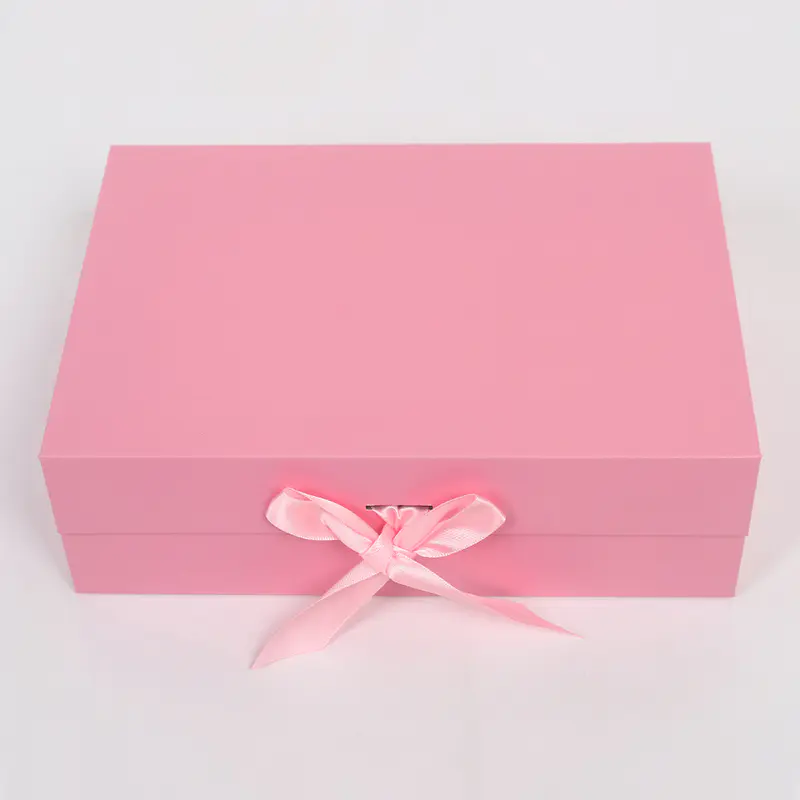
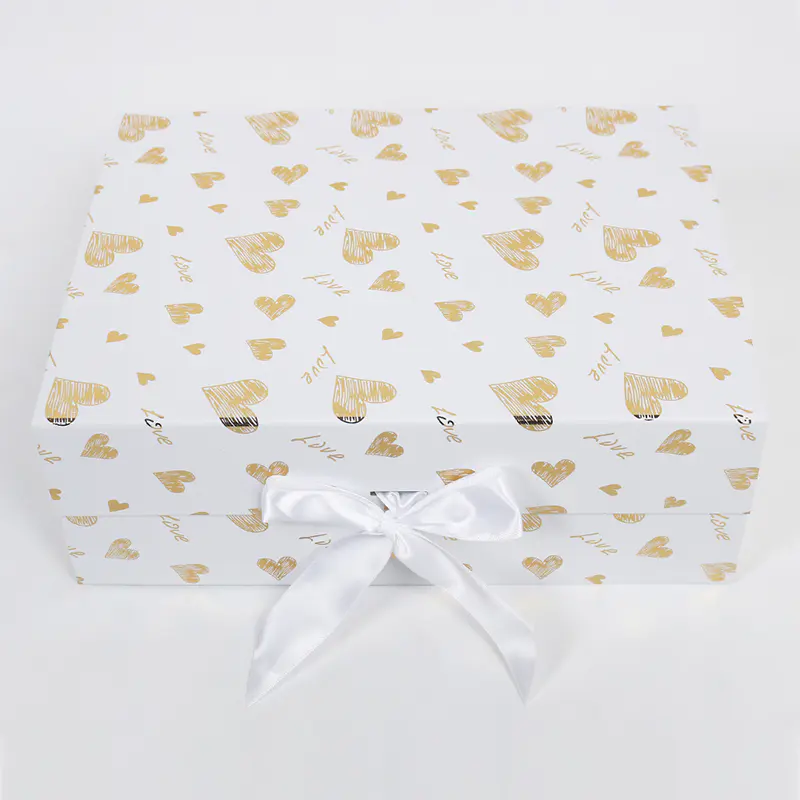
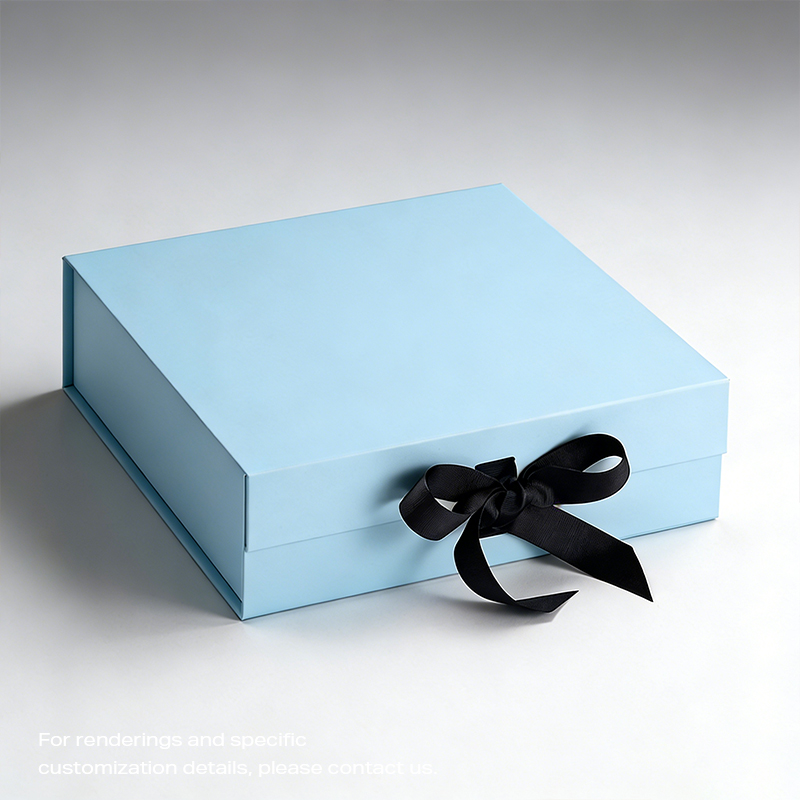
Folding cartons remain widely used due to their adaptability. They ship flat, save storage space, and suit products with regular shapes. Cosmetics, books, and small accessories often rely on this structure. Printing and finishing options allow visual variety while keeping production practical.
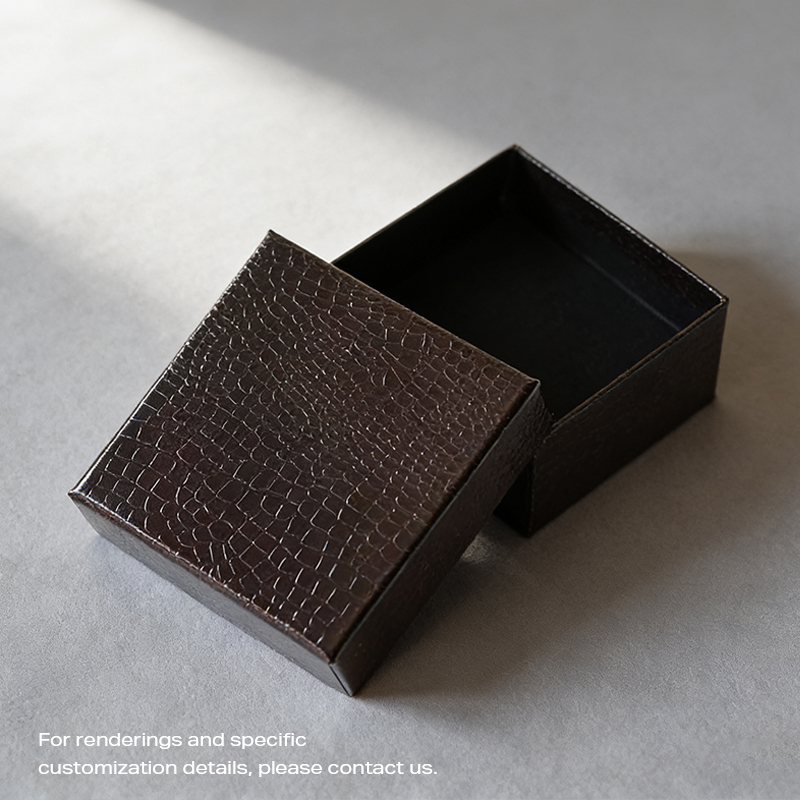
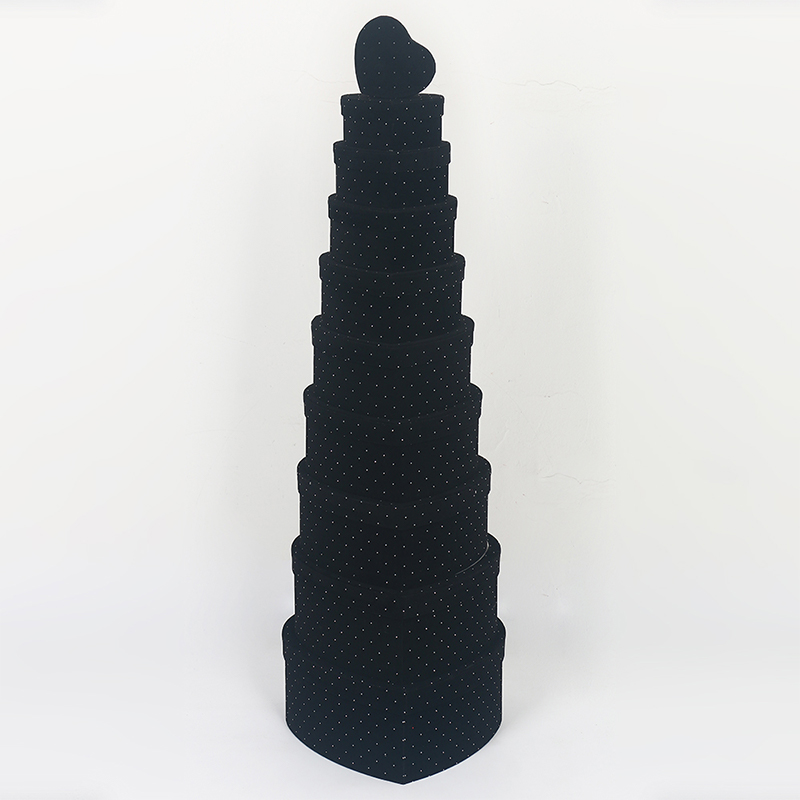
Rigid boxes are built from thick chipboard and hold their shape without support. They are often wrapped in decorative paper or fabric, giving them a solid hand feel. This structure suits items where presentation and durability matter, such as jewelry sets or limited-edition goods.
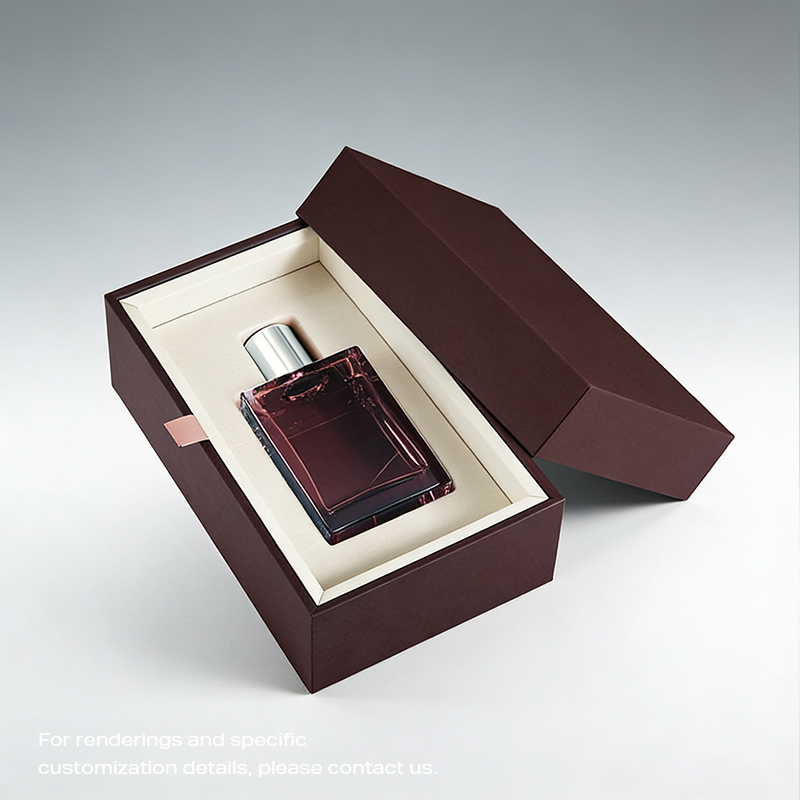
Drawer-style boxes introduce a sliding motion that adds interaction. This structure works well for gift sets or items with some weight, keeping contents stable while adding a sense of discovery during opening.
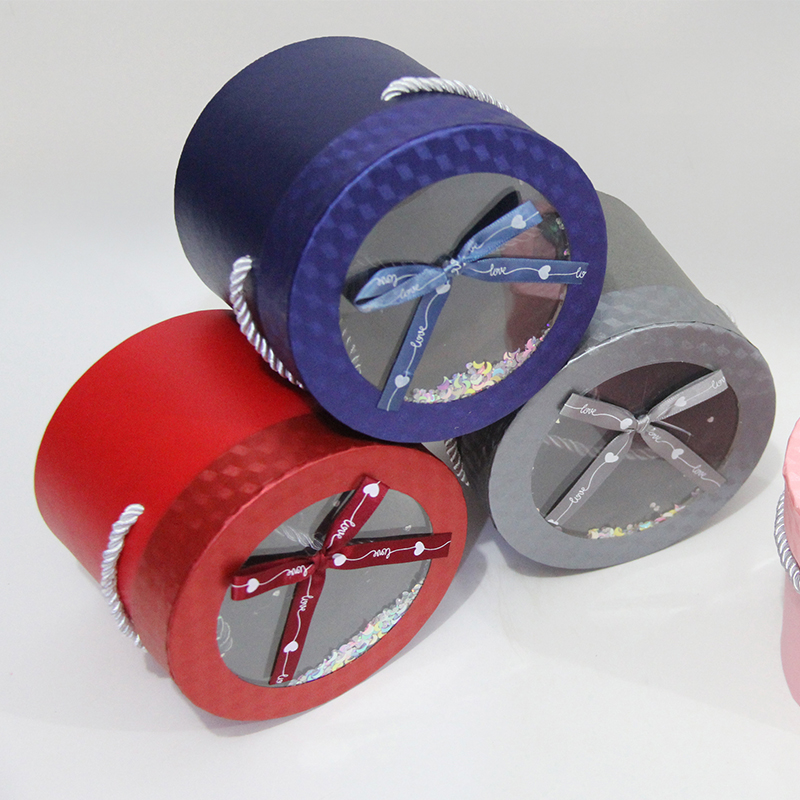
Curved pillow-style boxes are often used for textiles, ornaments, or lightweight items. Their shape creates visual softness and volume, making them suitable for seasonal or decorative gifting.
Mailer boxes merge transport and presentation. They are commonly used in e-commerce, where the box serves as both protection and branding surface. Printed interiors and exterior graphics extend the product story into delivery.
Paper packaging continues to be a common choice across industries due to its balance of function and perception. Paper materials can be recycled and sourced responsibly, aligning with environmental goals without limiting design freedom.
Paper surfaces accept a wide range of finishes such as embossing, foil accents, and textured coatings. This allows packaging to feel refined while remaining adaptable to different brand styles. Cost control is another factor, especially for folding cartons, where flat transport and efficient cutting layouts reduce overhead.
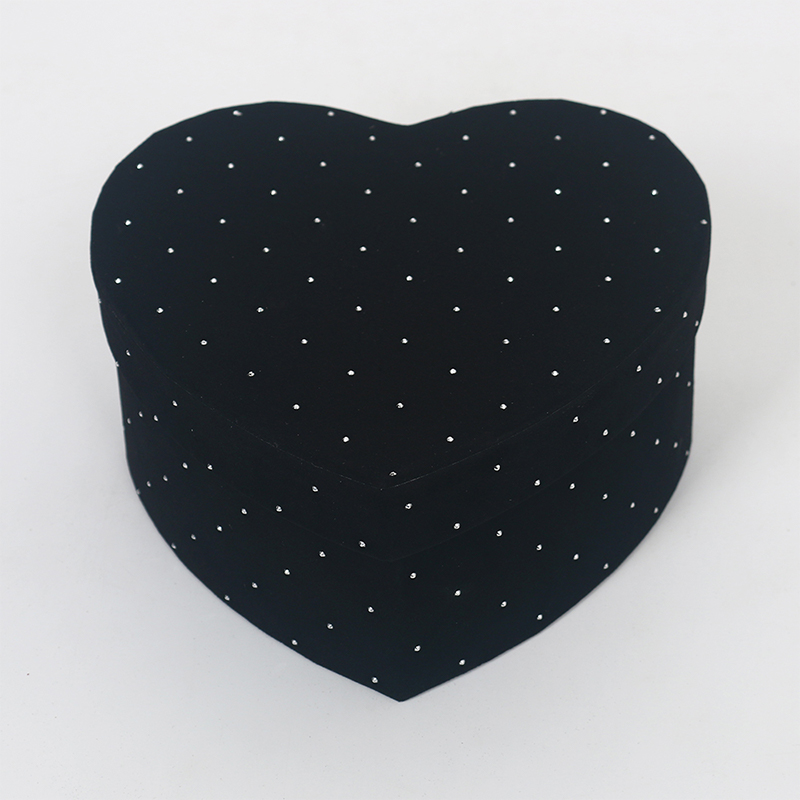
From a usage standpoint, paper packaging feels familiar and approachable. Many recipients associate it with care and craftsmanship, which supports emotional value during gifting moments.
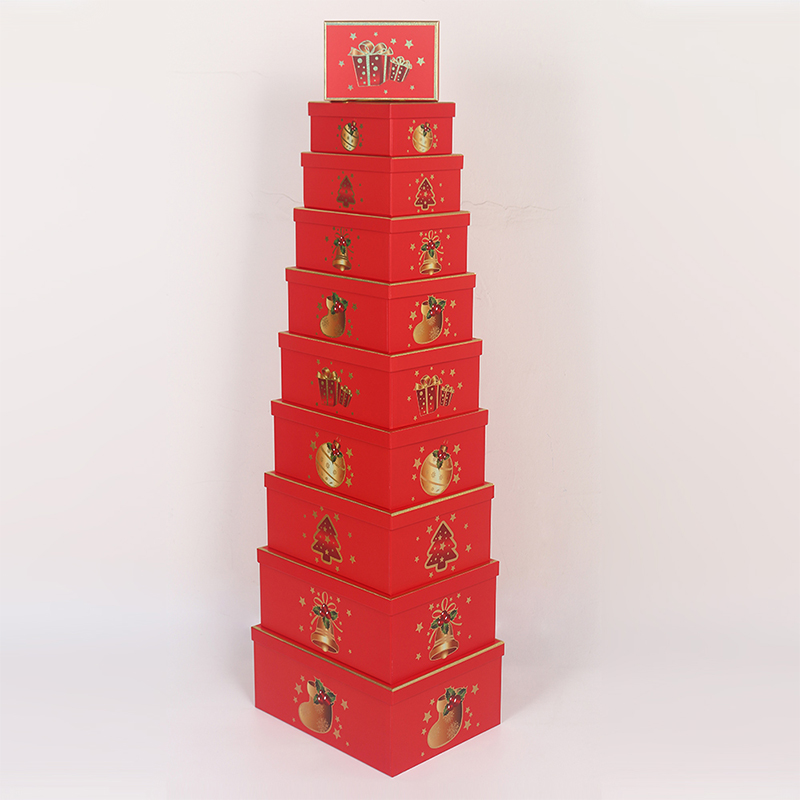
Luxury packaging and ordinary packaging serve different objectives. Ordinary packaging focuses on protection and clarity, often using simple structures and printed graphics. Luxury boxes, on the other hand, emphasize experience. Materials tend to be thicker, and construction pays attention to opening resistance, fit, and surface feel.
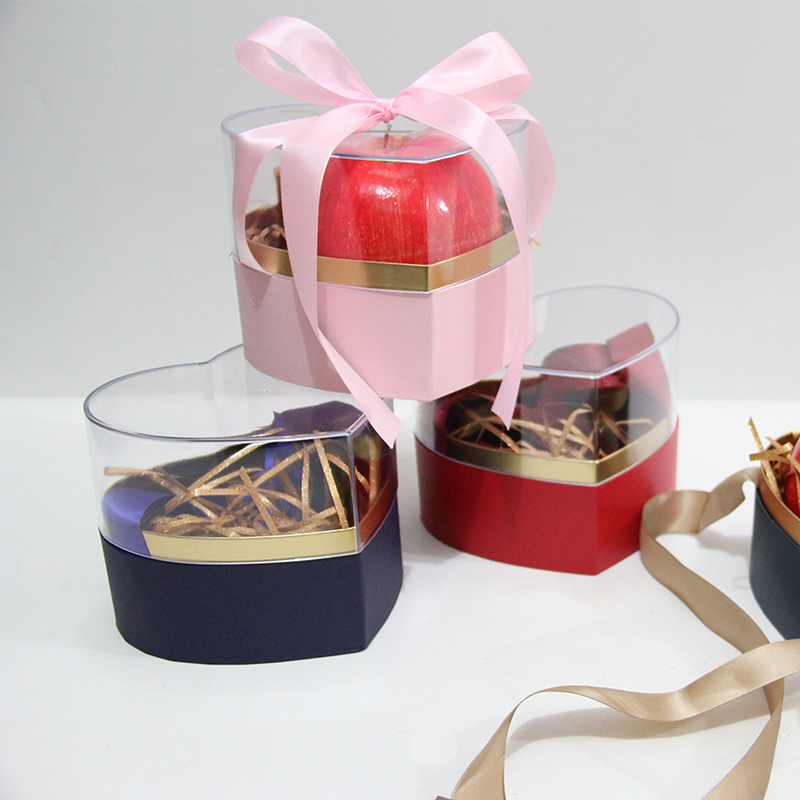
Luxury boxes may include inner trays, layered components, or fabric linings. These elements guide the user through a slower, more deliberate unboxing process. Ordinary packaging is efficient and direct, while luxury packaging builds anticipation through sequence and touch.
Well-developed Gift Box Packaging reflects product intent, supports handling, and contributes to user perception. By understanding box types, material advantages, and production considerations, brands can align packaging with practical and visual goals. Collaboration with an experienced Gift Box Packaging Manufacturer supports consistency and scalability while allowing room for creative expression within proven structures.
Recommended Products

Contact Us

No. 15, Xiayang Road, Huangzhai Town, Jinhua, Zhejiang, China

(+86) 579-84230069

(+86) 13085675766


Products

Gift Box Packaging Manufacturer
 English
 Français
 Español
 عربى
عربى