2026-03-13
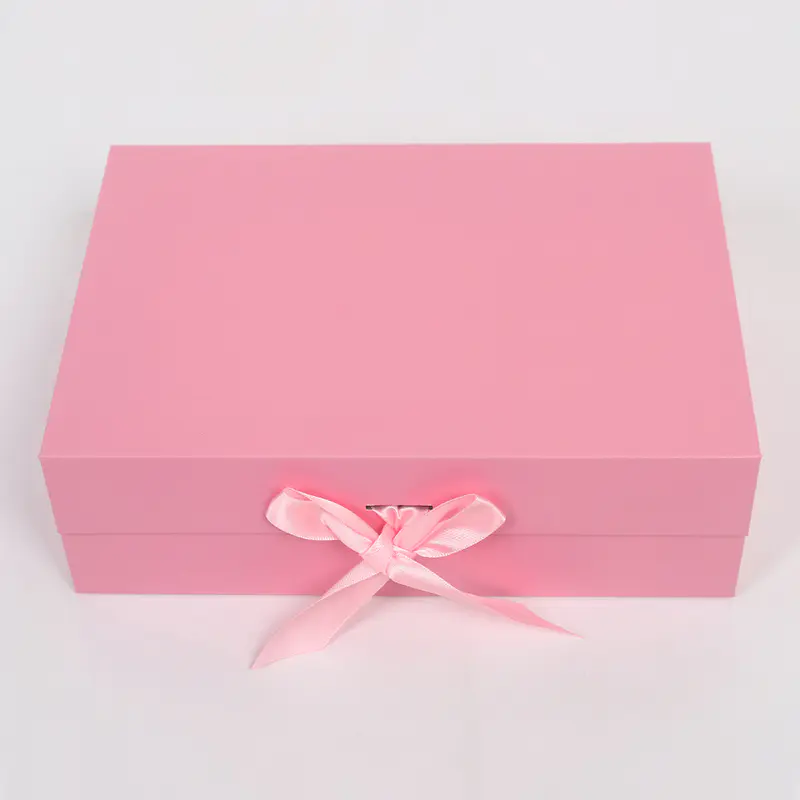
A Folding Paper Box has become a practical packaging format for brands seeking a balance between visual presentation and logistics efficiency. Its collapsible structure allows it to fold flat during transport and storage, then assemble into a rigid three-dimensional form when in use. This structural flexibility makes it widely applied in cosmetics, jewelry, gift sets, and seasonal packaging programs.
Compared with rigid set-up boxes, a Folding Paper Box reduces storage volume significantly. For cross-border e-commerce and bulk distribution, this directly affects freight cost and warehouse utilization. From a production standpoint, structural accuracy and material selection determine whether the box performs smoothly during folding and assembly.
Working with a professional Folding Paper Box Manufacturer supports consistency in structure, surface finishing, and mass production output. Understanding the manufacturing process helps brands align packaging design with operational requirements.
The defining feature of a Folding Paper Box is its foldable construction. It ships flat and is assembled when needed, reducing space occupation in containers and warehouses. For export-oriented projects, this structure improves loading efficiency without compromising display quality.
Common structural styles include magnetic closure, edge folding, and top-and-bottom folding formats. Magnetic closure designs add convenience and a refined opening experience. Edge folding structures emphasize clean visual lines. Top-and-bottom folding types offer stability for heavier products.
Engineering precision plays a key role. Crease depth, board thickness, and adhesive positioning must be calculated accurately. A Folding Paper Box Manufacturer evaluates compression strength and repeated folding durability during sampling to prevent cracking along fold lines.
When structural planning integrates logistics data, carton sizing and pallet configuration become more efficient. This approach supports stable stacking during long-distance shipping.
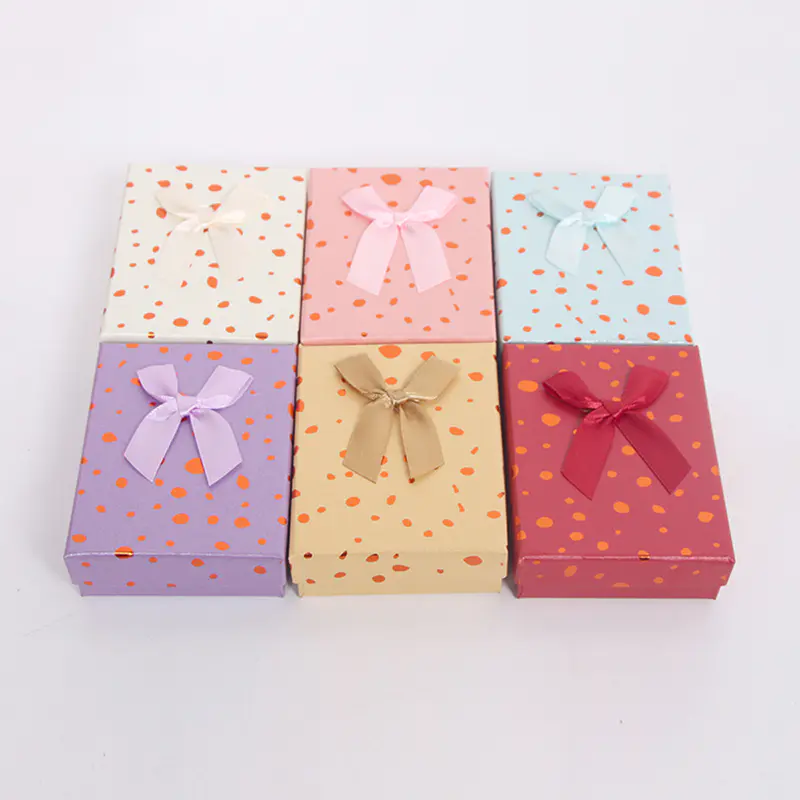
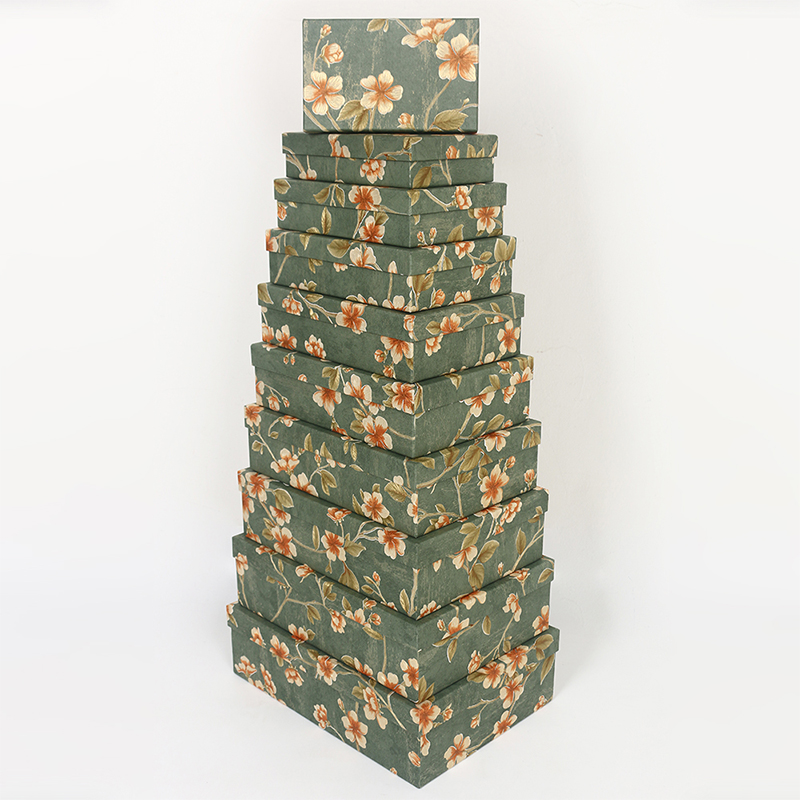
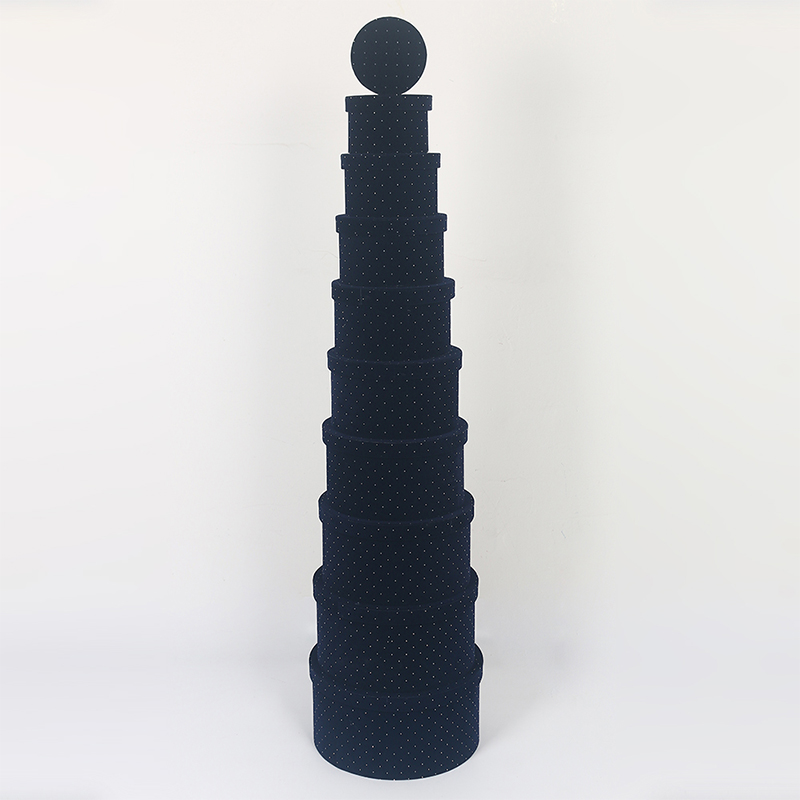
Material choice directly affects appearance, tactile perception, and durability. Folding gift boxes can be customized using coated paper, specialty paper, textured paper, laminated paper, or environmentally friendly paper materials. Each option supports a different brand tone.
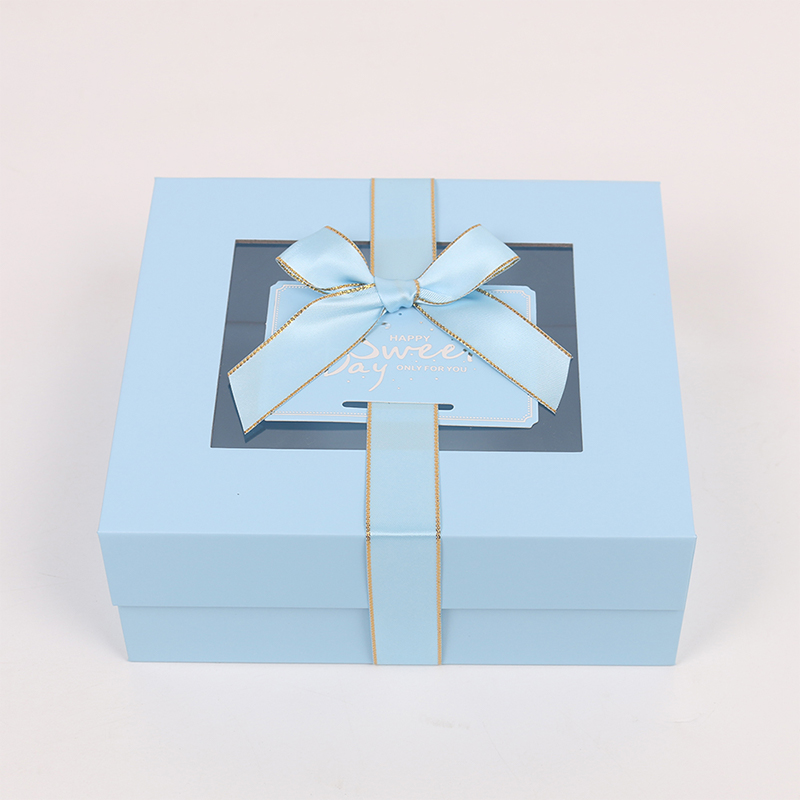
Coated paper enhances color saturation for graphic-heavy designs. Textured paper creates a subtle visual depth. Laminated paper adds surface resistance. Eco-oriented materials align with sustainability messaging.
Surface finishing techniques further define presentation. Screen printing supports solid color areas. Hot stamping highlights logos with metallic foil. Embossing introduces three-dimensional texture. UV spot coating creates gloss contrast against matte backgrounds.
A skilled Folding Paper Box Manufacturer coordinates printing registration with dieline dimensions. Alignment between hot stamping plates and fold creases requires technical control during pre-press preparation.
Balanced finishing selection avoids visual overload while strengthening brand recognition.
Brand differentiation often relies on customization flexibility. A Folding Paper Box can be tailored in size, color scheme, structural style, and internal lining configuration.
Logo placement is another key detail. Placement must consider fold positions to avoid visual distortion after assembly. A Folding Paper Box Manufacturer typically provides dieline drawings for confirmation before sample production begins.
A well-designed Folding Paper Box integrates structure, material, and finishing into a cohesive packaging solution. Through precise engineering, controlled production, and coordinated customization, brands achieve packaging that aligns with logistics strategy and market positioning while maintaining visual consistency across product lines.
Recommended Products

Contact Us

No. 15, Xiayang Road, Huangzhai Town, Jinhua, Zhejiang, China

(+86) 579-84230069

(+86) 13085675766


Products

Gift Box Packaging Manufacturer
 English
 Français
 Español
 عربى
عربى