2026-03-06
A well-designed Gift Box Set does more than hold products. It shapes brand perception, supports pricing strategy, and influences how products are displayed and delivered. In competitive retail and corporate gifting markets, packaging structure and material choices directly affect presentation and logistics efficiency.
For brands working with a Gift Box Set Manufacturer, understanding production capabilities and technical options helps avoid delays, structural problems, or inconsistent quality.
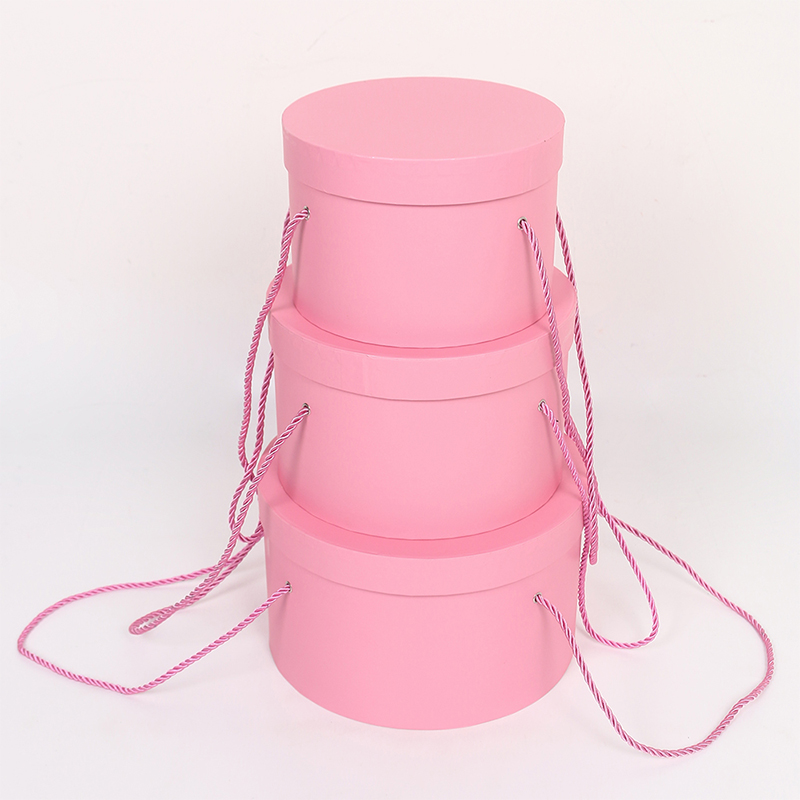
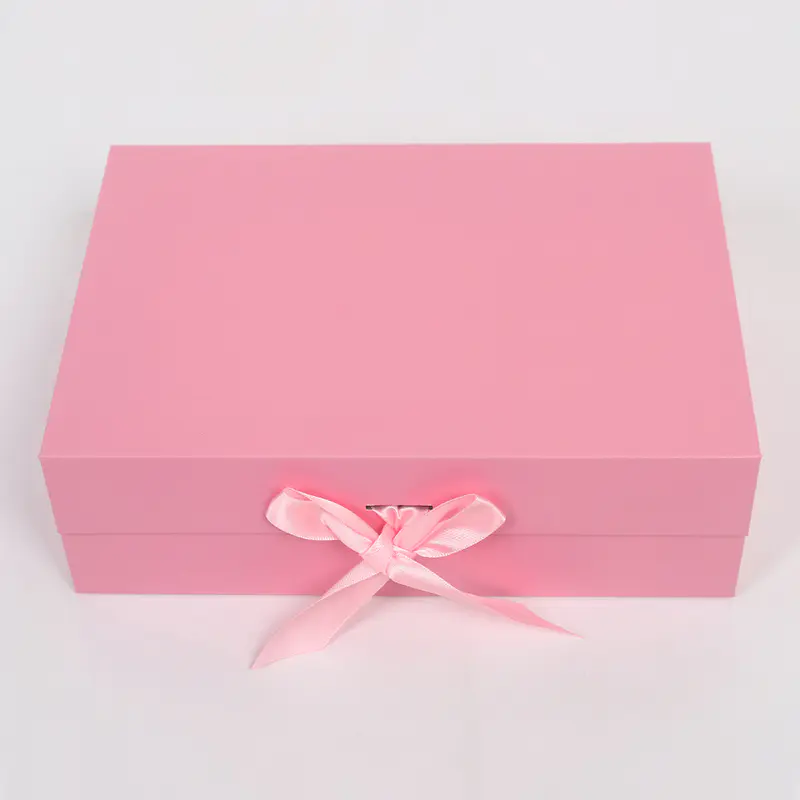
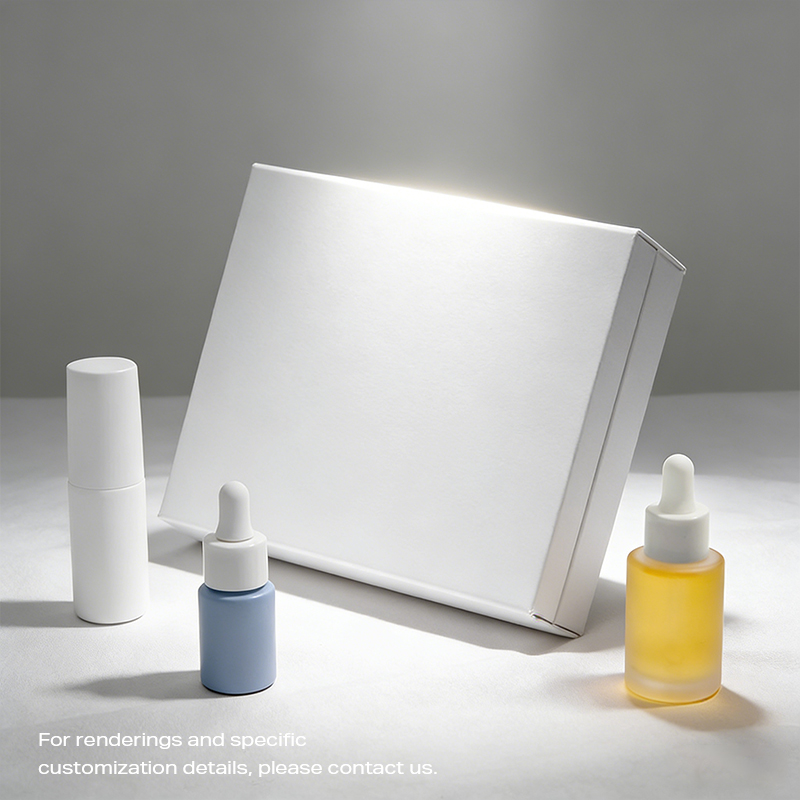
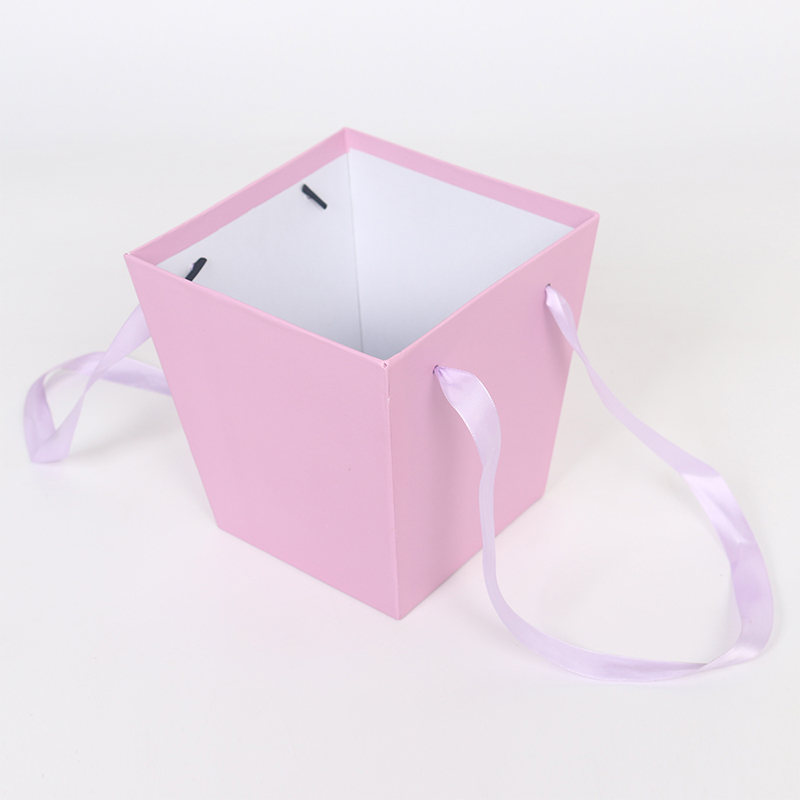
The structural design of a Gift Box Set determines how it performs during handling, shipping, and retail display. Common formats include hinged rigid boxes, folding boxes, book-shaped constructions, and magnetic closure designs. Each serves a different commercial purpose.
Rigid structures are often selected for premium presentation. Folding designs are practical for large-volume programs where flat packing reduces freight costs. Magnetic lids add a tactile opening experience while maintaining clean exterior lines.
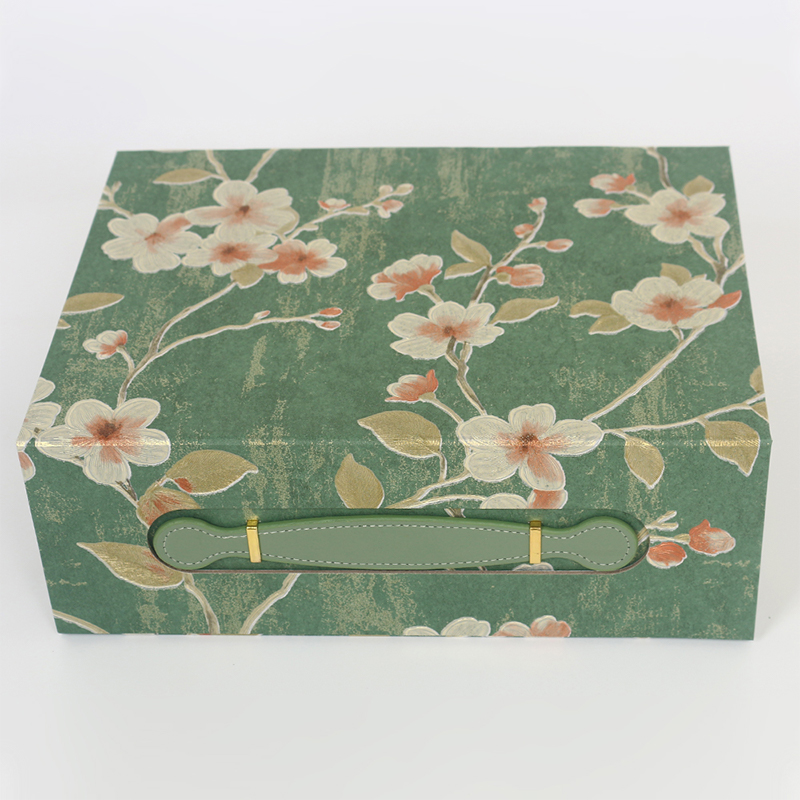
Material choice reinforces brand tone. Coated paper supports vibrant color printing. Specialty paper introduces texture and depth. Kraft paper reflects a natural image. Leather-textured paper adds a refined visual layer. Environmentally friendly materials support sustainability messaging without compromising appearance.
Internal inserts also require careful engineering. EVA foam, flocking trays, or blister packs stabilize products and maintain alignment. A skilled Gift Box Set Manufacturer evaluates insert density and die-cut precision to prevent product shifting.
Visual identity is shaped through printing and surface treatment. Offset color printing provides a consistent tone across large production runs. To add dimension, finishing techniques are often applied selectively.
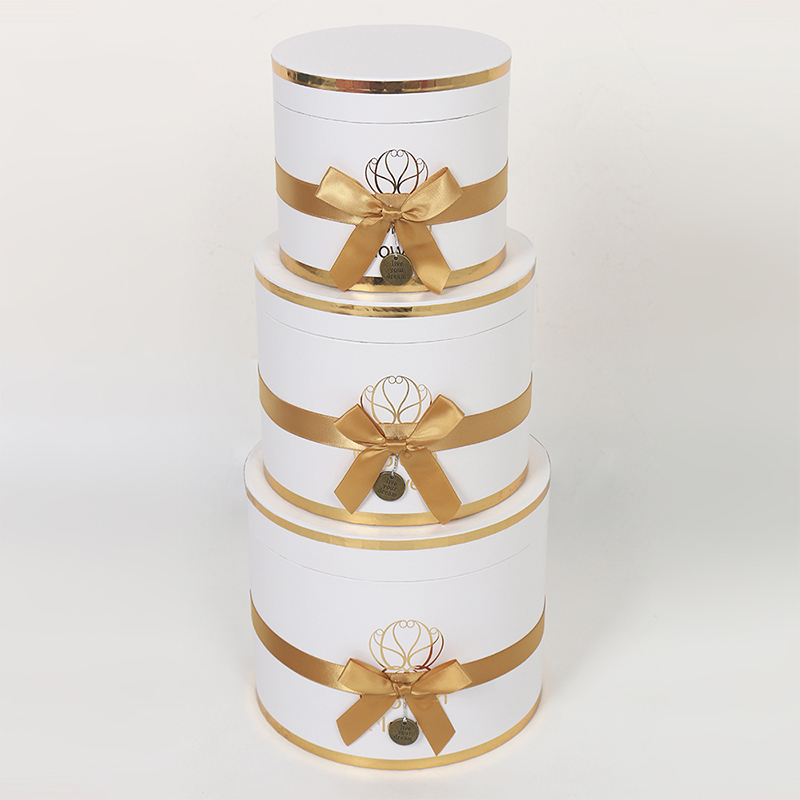
Hot stamping highlights logos with metallic foil. UV coating creates gloss contrast on specific areas. Embossing or debossing adds tactile depth. When applied strategically, these processes support logo visibility and reinforce brand recognition.
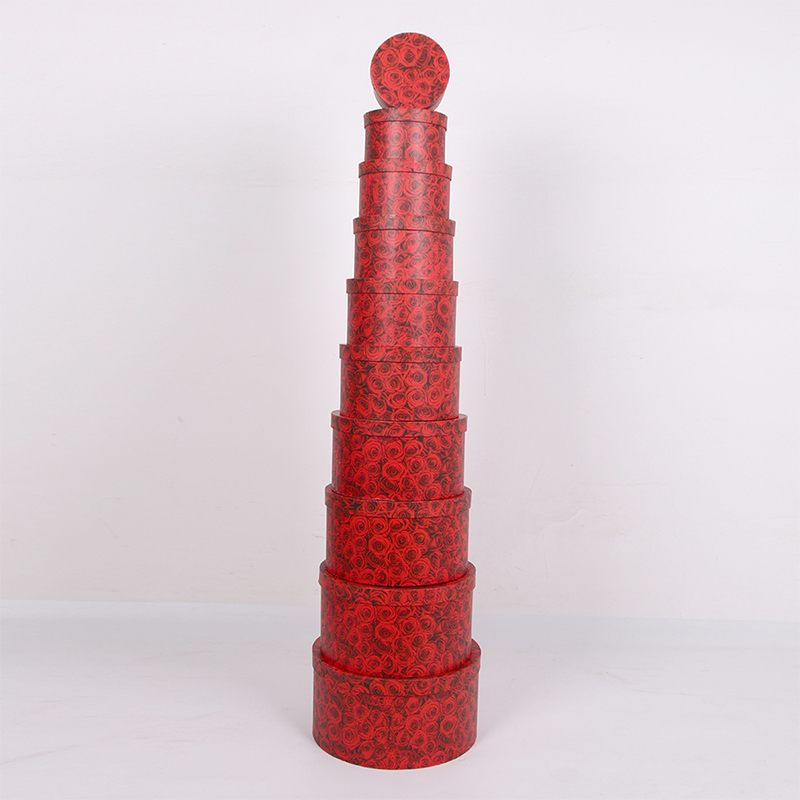
Production teams must align finishing placement with dieline measurements. Misalignment between foil stamping and box edges can affect appearance. Coordinated pre-press review reduces such risks.
A reliable Gift Box Set Manufacturer integrates printing and structural planning from the sampling stage. This coordination helps maintain consistency between prototype and bulk production.
Custom packaging projects often follow an OEM or ODM workflow. The process typically includes structural drawing approval, white sample verification, printed sample confirmation, and bulk manufacturing. In-house sampling shortens communication cycles and allows structural adjustments before mass production.
Beyond box manufacturing, assembly services add operational value. Products can be placed into inserts, manuals inserted, and barcode labels applied during the same production stage. Integrated assembly reduces secondary handling and simplifies supply chain coordination.
Cost structure in a Gift Box Set project is influenced by board thickness, surface material, finishing complexity, insert type, and order volume. Adjusting box dimensions or simplifying certain decorative elements can improve material utilization without reducing visual impact.
Transparent communication with a Gift Box Set Manufacturer supports balanced decision-making. Clear specifications, confirmed samples, and documented production standards prevent misunderstandings during repeat orders.
Long-term cooperation also benefits brand consistency. Archived dielines, color references, and material records allow smooth reorders and seasonal updates. Consistent structural standards across product lines create a unified visual identity.
A well-executed Gift Box Set supports brand storytelling, product stability, and efficient logistics. Through structured design, appropriate material selection, and coordinated production management, packaging becomes a functional and commercial asset rather than a simple outer box.
Recommended Products

Contact Us

No. 15, Xiayang Road, Huangzhai Town, Jinhua, Zhejiang, China

(+86) 579-84230069

(+86) 13085675766


Products

Gift Box Packaging Manufacturer
 English
 Français
 Español
 عربى
عربى