2026-04-24
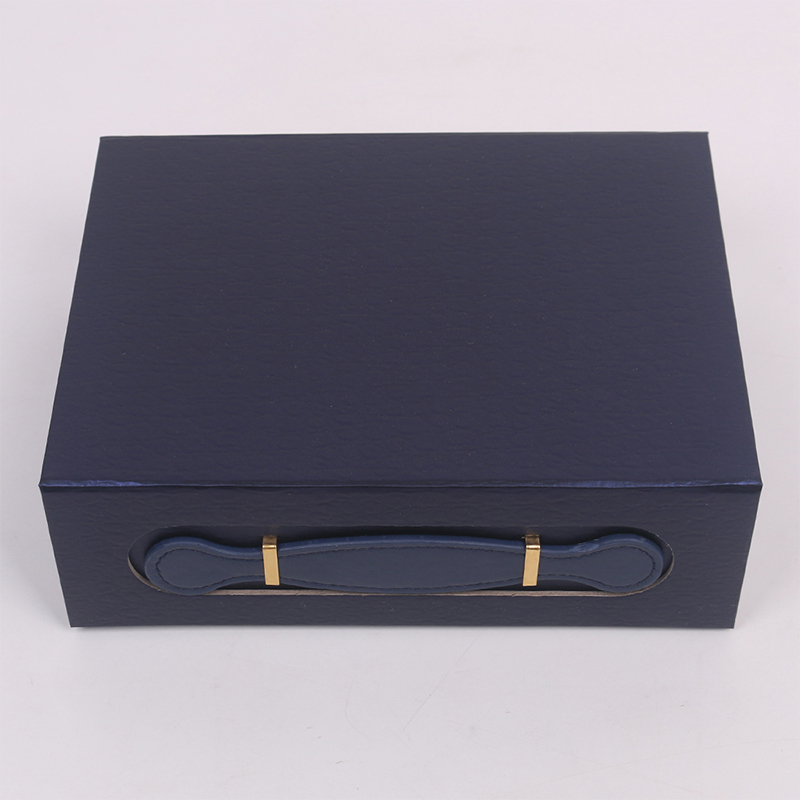
Packaging is often treated as part of operational planning rather than decoration. A Folding Paper Box is used in many systems where handling efficiency, storage control, and distribution planning matter in daily workflow.
A Folding Paper Box Factory usually develops packaging not only from a design perspective but also from a usage perspective. That includes how the box behaves before assembly, during transportation, and after being formed.
A Folding Paper Box becomes a working component inside logistics and product flow systems instead of a static packaging item.

Packaging goes through a predictable movement cycle in most supply chains. A Folding Paper Box is designed around this cycle:
Each stage affects structural requirements differently. A Folding Paper Box Factory studies this movement cycle to reduce structural conflict between storage efficiency and final presentation behavior.
This cycle-based thinking separates folding packaging from rigid box systems that remain fixed throughout their lifecycle.
The internal construction of a Folding Paper Box depends on controlled folding geometry. The design is built around crease placement and interlocking sections that support shape formation after assembly.
Core structural elements include:
A Folding Paper Box Factory uses these components to maintain structural predictability across different product sizes.
The structure is designed to behave consistently even when used repeatedly in different environments.
Material selection plays a critical role in how folding structures behave. A Folding Paper Box may use coated board, kraft material, textured paper, or laminated surfaces, depending on the required output.
A Folding Paper Box Factory aligns material thickness with folding tension so that structural lines remain stable during repeated handling.
Material influences several aspects:
A Folding Paper Box depends on the material's response to maintain its structural integrity.
One of the practical advantages of folding packaging is reduced storage volume before assembly. A Folding Paper Box can be stored flat, which supports more organized warehouse planning and distribution handling.
A Folding Paper Box Factory uses this structural advantage to optimize packaging flow before delivery stages.
This reduces space usage during transport and allows flexible timing for assembly based on usage requirements.
Folding packaging systems are built around efficiency, structural behavior, and adaptable usage environments. A Folding Paper Box reflects these requirements through collapsible design, controlled assembly logic, and material coordination.
A Folding Paper Box Factory plays a central role in linking structural design with production execution. This includes managing material behavior, folding geometry, and output consistency across different production stages.
A Folding Paper Box functions as a practical packaging structure that connects logistics efficiency, material performance, and usage flexibility within modern packaging systems.
Recommended Products

Contact Us

No. 15, Xiayang Road, Huangzhai Town, Jinhua, Zhejiang, China

(+86) 579-84230069

(+86) 13085675766


Products

Gift Box Packaging Manufacturer
 English
 Français
 Español
 عربى
عربى