2026-05-01
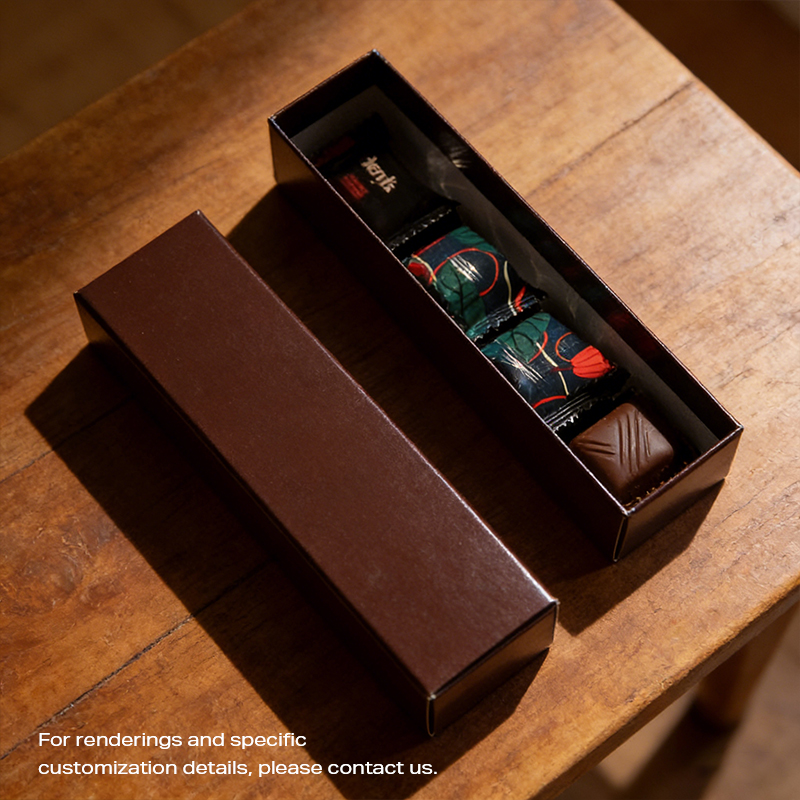
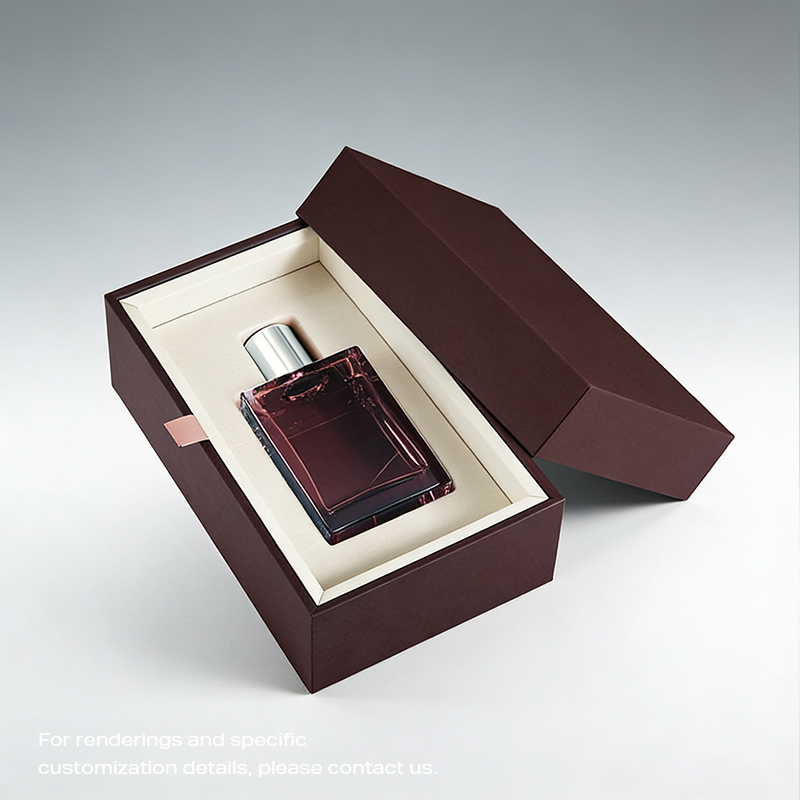
Packaging plays a direct role in how product value is communicated. A structured Gift Box Set is widely used when brands need a consistent presentation across multiple product types. In cosmetic, food, beverage, and corporate gift categories, packaging often becomes part of the product experience rather than just a container.
A professional Gift Box Set Factory develops packaging systems that support both visual identity and physical protection. The process usually starts with structure planning, material selection, and printing coordination, followed by sample development before mass production.
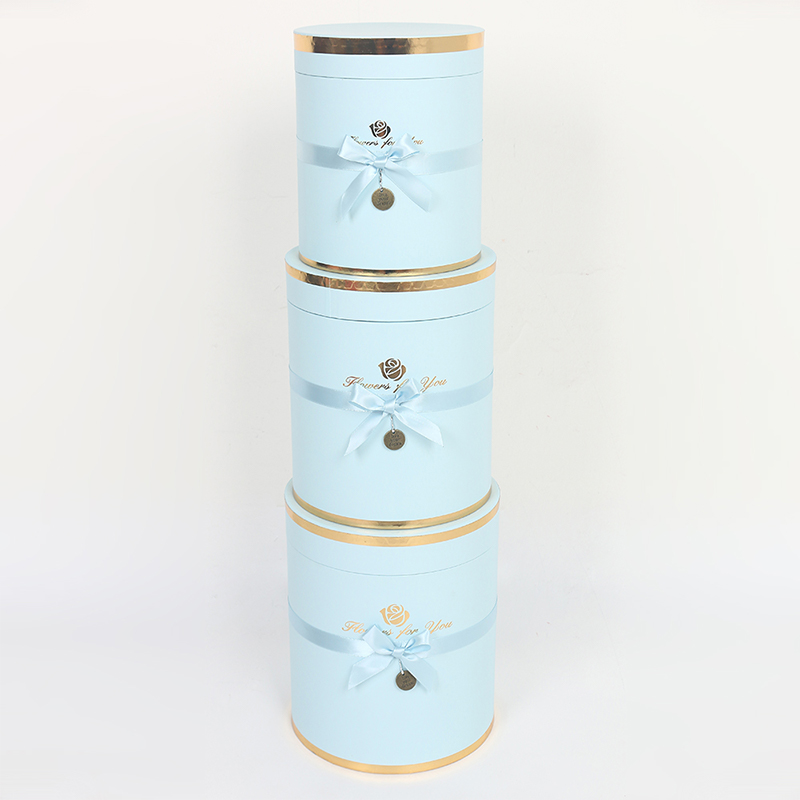
A well-designed Gift Box Set supports product grouping, improves shelf organization, and simplifies handling during distribution. At the same time, it allows brands to unify visual language across different SKUs.
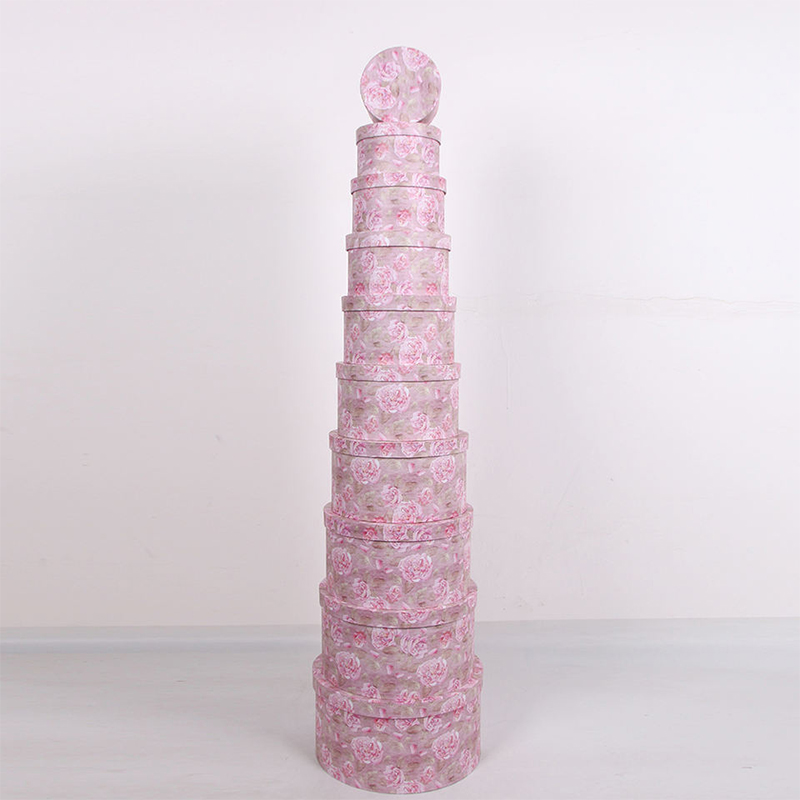
A Gift Box Set Factory typically works with several structural formats, including hinged boxes, folding boxes, book-style boxes, and magnetic closure boxes. Each structure serves different usage scenarios depending on product weight, opening method, and display requirements.
Structural engineering focuses on internal layout and compartment design. EVA inserts, flocking trays, and blister molds are commonly used to stabilize items inside a Gift Box Set. This helps maintain alignment and presentation consistency during transport and storage.
The Gift Box Set Factory also considers assembly efficiency, especially for OEM and ODM projects. Folding structures are often selected for export packaging because they reduce volume before assembly, which supports logistics planning.
Material choice defines both appearance and tactile experience. A Gift Box Set can be produced using coated paper, kraft paper, specialty textured paper, and leather-like paper. Each material reflects different brand positioning strategies.
Inside a Gift Box Set Factory, material selection is combined with functional requirements such as rigidity, folding resistance, and compatibility with internal inserts. Environmental material options are also widely applied in current packaging development workflows.
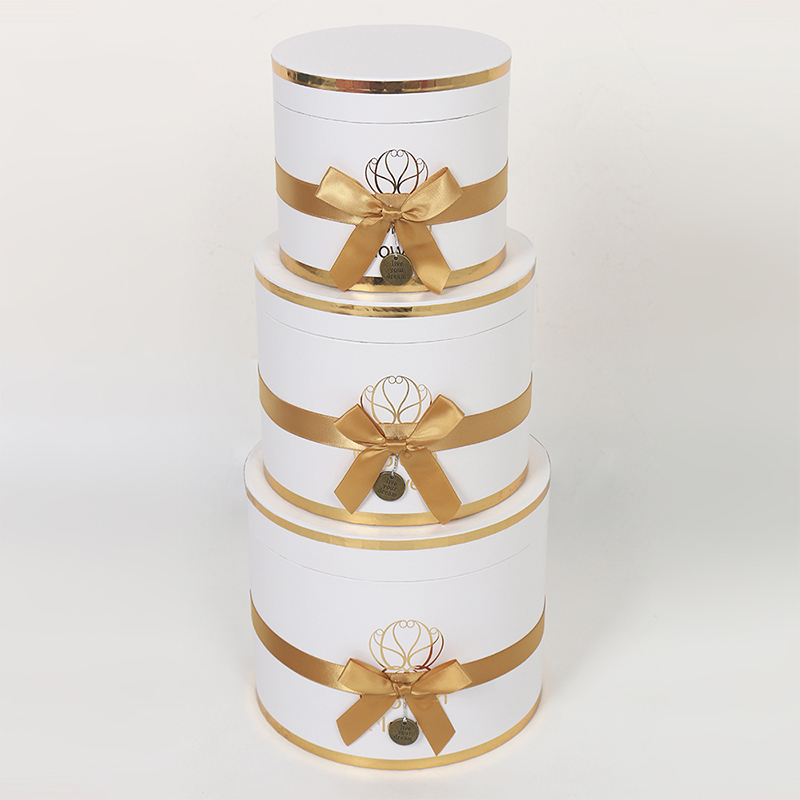
Surface finishing processes include hot stamping, UV coating, embossing, and full-color printing. These techniques are used to strengthen visual identity and add layered texture to the Gift Box Set. Color consistency across batches is controlled through standardized printing systems within the Gift Box Set Factory production line.
Printing plays a key role in shaping how a Gift Box Set communicates brand identity. Offset printing and digital printing methods are commonly applied depending on order size and color complexity.
A Gift Box Set Factory usually supports multi-process finishing, allowing brands to combine matte and gloss effects on the same surface. Hot stamping is frequently used for logos and key visual elements, while embossing adds physical depth to the design.
Color management systems are applied during production to maintain consistency across different packaging batches. This is especially important for brands with multi-product Gift Box Set collections that require uniform visual presentation.
OEM and ODM services are commonly integrated into Gift Box Set Factory workflows. OEM projects typically follow client-provided specifications, while ODM services involve structural and design development from concept to production.
Sampling is a core step in the process. A Gift Box Set sample allows evaluation of structure, material feel, and printing accuracy before moving into bulk production. Adjustments are often made during this stage to refine internal layout or external finishing.
The Gift Box Set Factory also handles assembly and labeling services, supporting clients with complete packaging workflows. Export packaging requirements are considered during planning to align with shipping conditions and destination regulations.
Recommended Products

Contact Us

No. 15, Xiayang Road, Huangzhai Town, Jinhua, Zhejiang, China

(+86) 579-84230069

(+86) 13085675766


Products

Gift Box Packaging Manufacturer
 English
 Français
 Español
 عربى
عربى