2026-09-25
Some gift packaging creates a memorable impression before the product is even touched. A soft pull on the lid, a smooth fold, and a subtle magnetic click can turn an ordinary package opening into a more deliberate experience. This interaction explains the growing interest in Kraft Paper Magnetic Folding Gift Boxes, particularly for gifts, cosmetics, fashion accessories, electronics, and presentation sets.
The appeal does not come from the magnet alone. The experience depends on several small mechanical details working together: lid alignment, folding construction, magnet positioning, board stiffness, surface texture, and the amount of resistance during opening.
A folding magnetic box is normally built around a rigid paperboard structure with pre-folded panels. Unlike a conventional carton that requires several flaps to be opened, the user can usually lift a single lid or flap and reveal the contents.
Industry packaging examples describe magnetic folding boxes as rigid boxes that can be shipped flat and unfolded into a three-dimensional structure. The magnetic closure then operates much like a conventional rigid magnetic gift box.
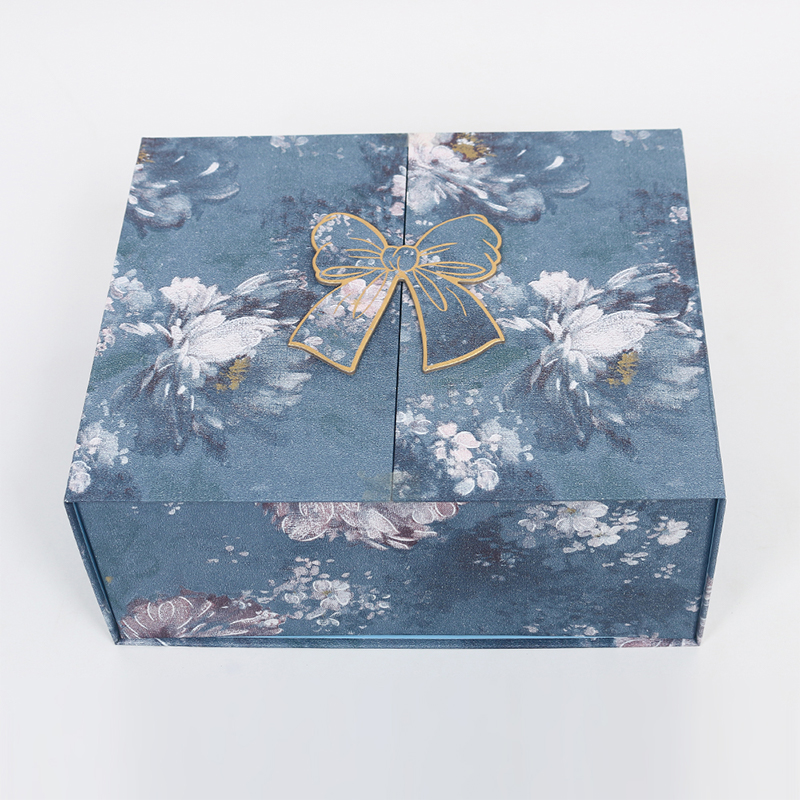
The closing action provides a clear physical signal. As the lid approaches the base, the magnets pull the two sections together. A properly calibrated closure can create a short, controlled movement instead of requiring the user to press the lid into place.
Magnet strength needs careful adjustment. Excessive magnetic force may make the box uncomfortable to open, while insufficient force can allow the lid to move during handling. Packaging specialists describe this balance as a practical specification connected to lid weight, product handling, and transportation requirements.
| Design Element | What It Influences | Possible Issue |
| Magnet strength | Opening and closing resistance | Too weak or too difficult to release |
| Lid alignment | Closure accuracy | Uneven closing position |
| Board thickness | Wall stiffness | Excessive flexing |
| Hinge construction | Opening movement | Uneven lid travel |
| Surface paper | Tactile impression | Texture mismatch with product positioning |
The magnetic closure is interesting because it combines movement and sound. The user does not simply see that the box is closed; they can feel the resistance disappear as the lid releases and sense the magnetic pull during reclosure.
This tactile sequence is particularly useful for products that rely on presentation, such as jewelry, skincare collections, watches, candles, apparel accessories, and corporate gift sets.
The folding mechanism gives these boxes another interesting characteristic. A conventional rigid setup box occupies almost its full assembled volume during shipping. A collapsible design can be delivered in a flatter configuration and then formed into a rigid box at the destination.
Commercial examples illustrate the difference clearly. A kraft collapsible magnetic box measuring approximately 200 × 205 × 105 mm externally can have a collapsed thickness of roughly 11 mm. This changes how the packaging can be stored and transported before use.
Kraft paper adds another layer to the opening experience because it changes the visual and tactile character of the package. Its natural paper texture can contrast with smooth cosmetic containers, glass bottles, metal accessories, or glossy printed products.
Kraft paper does not have to mean a plain brown box. Current packaging options can combine kraft wraps with printing, white ink, foil details, embossing, soft-touch coatings, and custom inserts.
This creates room for different visual directions while keeping the basic folding magnetic structure intact.
The exterior may use natural kraft paper to create a restrained appearance, while the interior can carry printed artwork, a contrasting paper, or a fitted insert. This inside-outside contrast becomes visible immediately after the lid opens.
Paperboard, molded pulp, foam, EVA, and die-cut paper inserts can also be used depending on the product. The insert does more than hold the item; it determines how the product is framed when the lid is lifted.
A package opened once has different priorities from a box that becomes part of product storage. Magnetic folding formats are suitable for products that may be opened, closed, and displayed repeatedly because the closure does not rely on tearing a seal or damaging a paper tab.
Jewelry collections, skincare kits, keepsakes, stationery, and premium gift sets can benefit from this repeated interaction. The customer can remove the product and close the package again without changing the basic appearance of the box.
A Kraft Paper Magnetic Folding Gift Box feels satisfying to open because several elements are coordinated into a single movement. The lid releases, the rigid structure remains stable, the interior becomes visible, and the magnets provide a controlled closing action.
Its appeal therefore goes beyond appearance. The folding construction affects how the box arrives and assembles, the kraft surface influences touch and visual character, and the magnetic closure defines the final interaction. Together, these details can turn packaging into an active part of the gifting experience rather than simply a container around the product.
Recommended Products

Contact Us

No. 15, Xiayang Road, Huangzhai Town, Jinhua, Zhejiang, China

(+86) 579-84230069

(+86) 13085675766


Products

Gift Box Packaging Manufacturer
 English
 Français
 Español
 عربى
عربى