2026-09-11
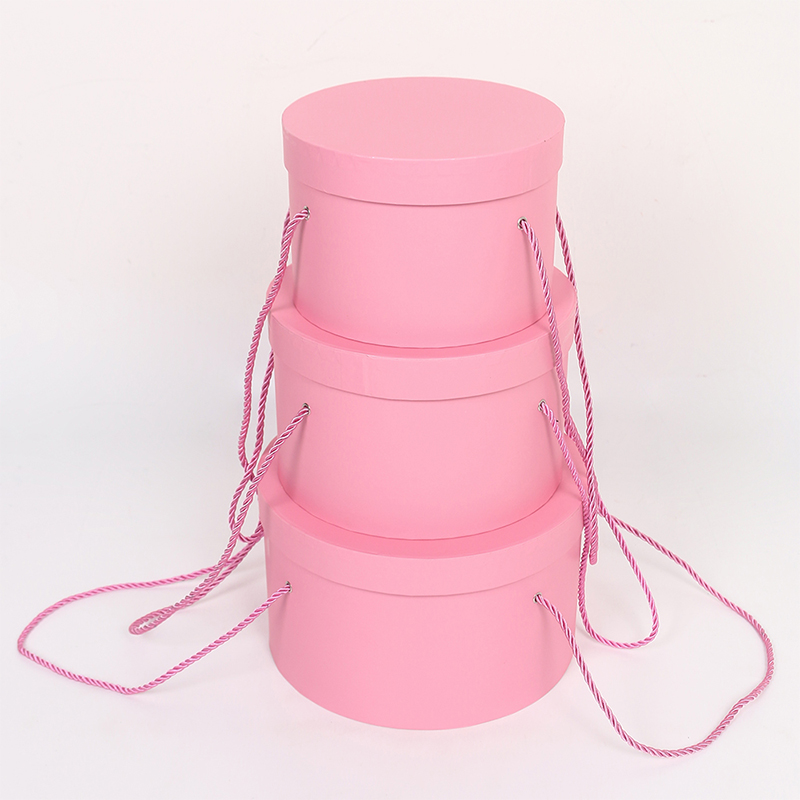
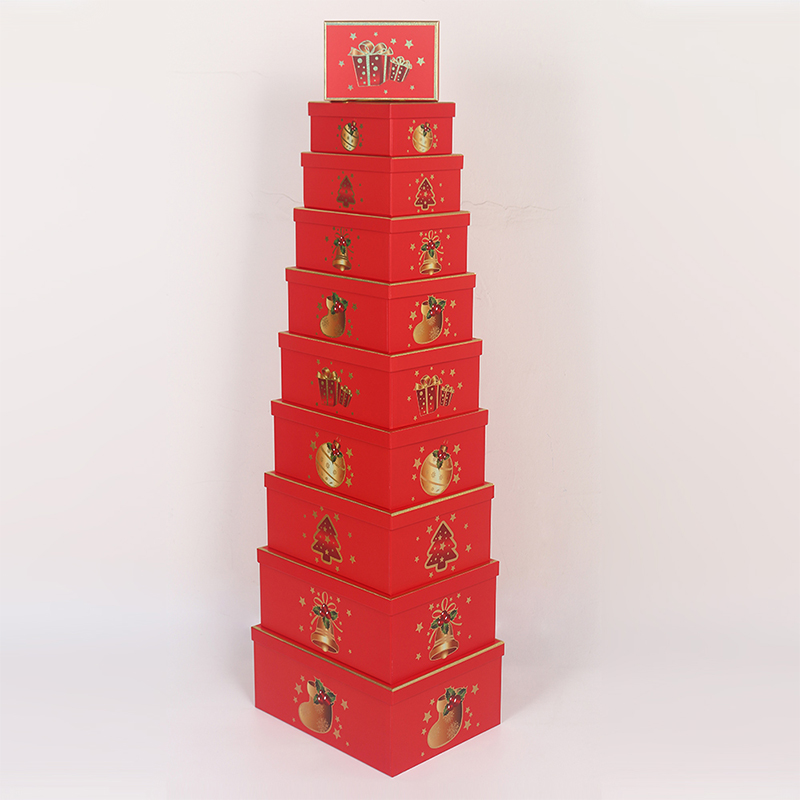
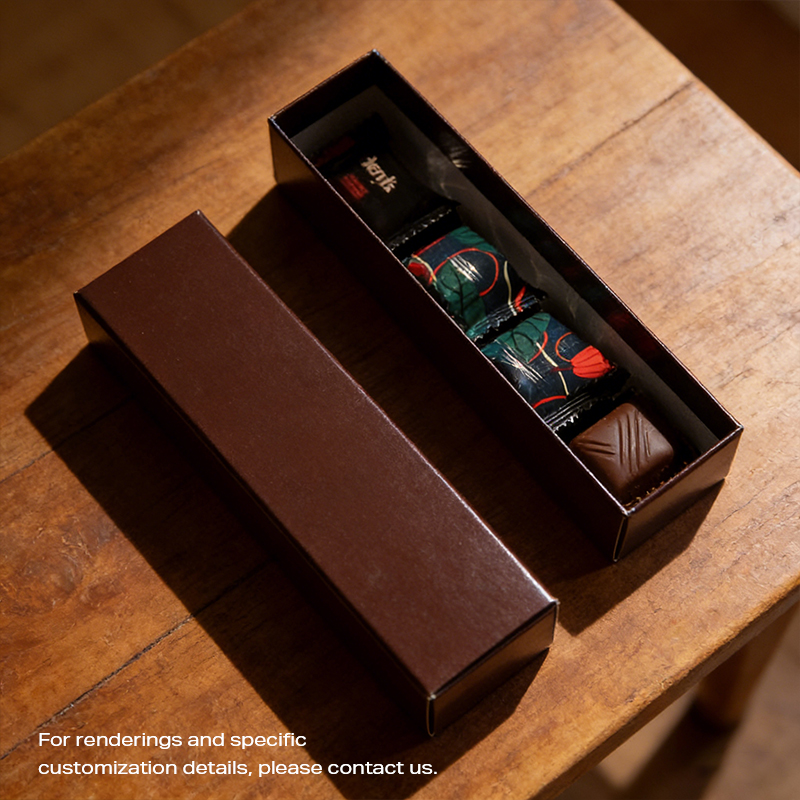
A gift can be valuable because of what is inside, but packaging often shapes the emotional response before the product is even revealed. A Handmade Hard Paperboard Gift Box creates a different impression from a standard folding carton because its construction, surface, and small finishing details can make the package feel deliberately made for a particular occasion.
This personal feeling does not come from the word “handmade” alone. It is created through a combination of rigid structure, tactile materials, visible craftsmanship, and customization. These details give the recipient something to notice before opening the actual gift.
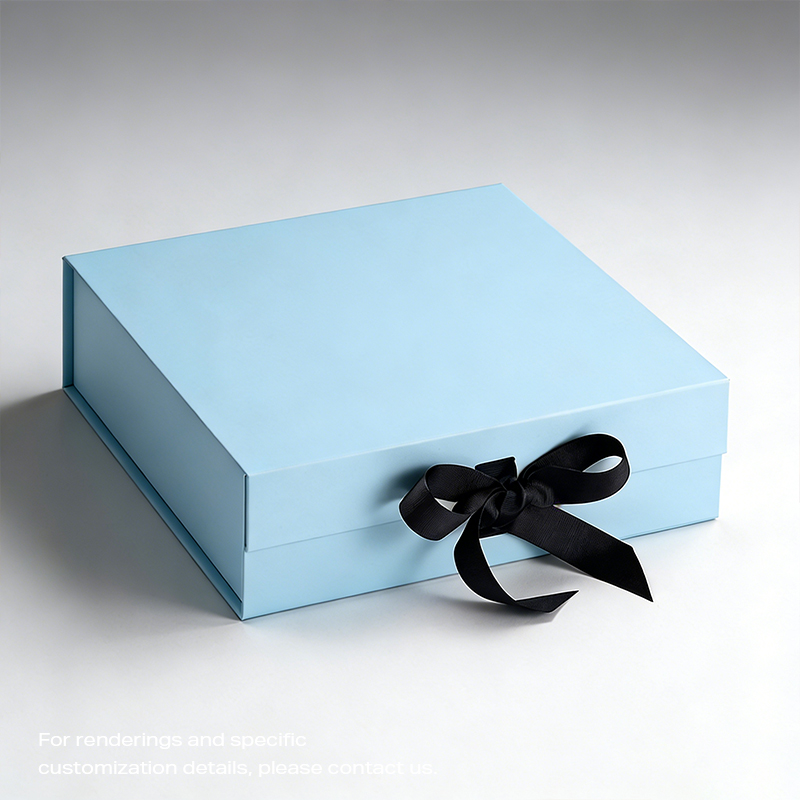
Mass-produced packaging often focuses on repeatable shapes and standardized finishing. Handmade rigid boxes can introduce subtle variations and more visible construction details. A wrapped paper surface, carefully formed corner, ribbon attachment, or textured finish can make the package feel closer to a crafted object than disposable packaging.
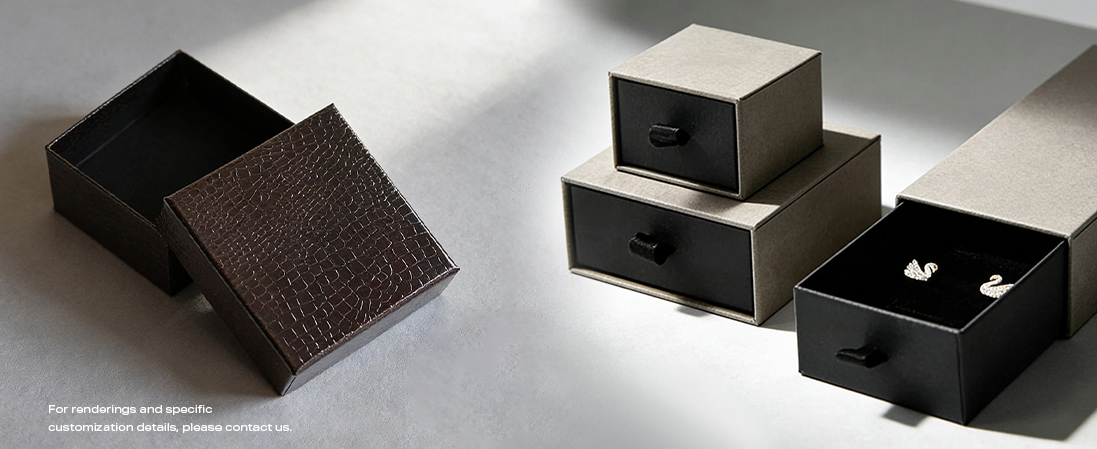
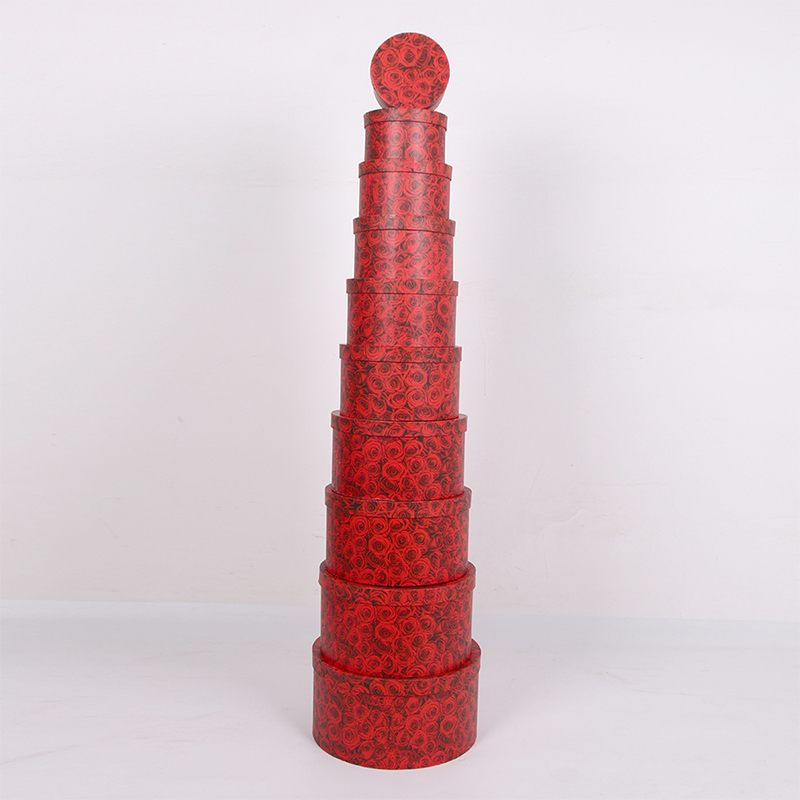
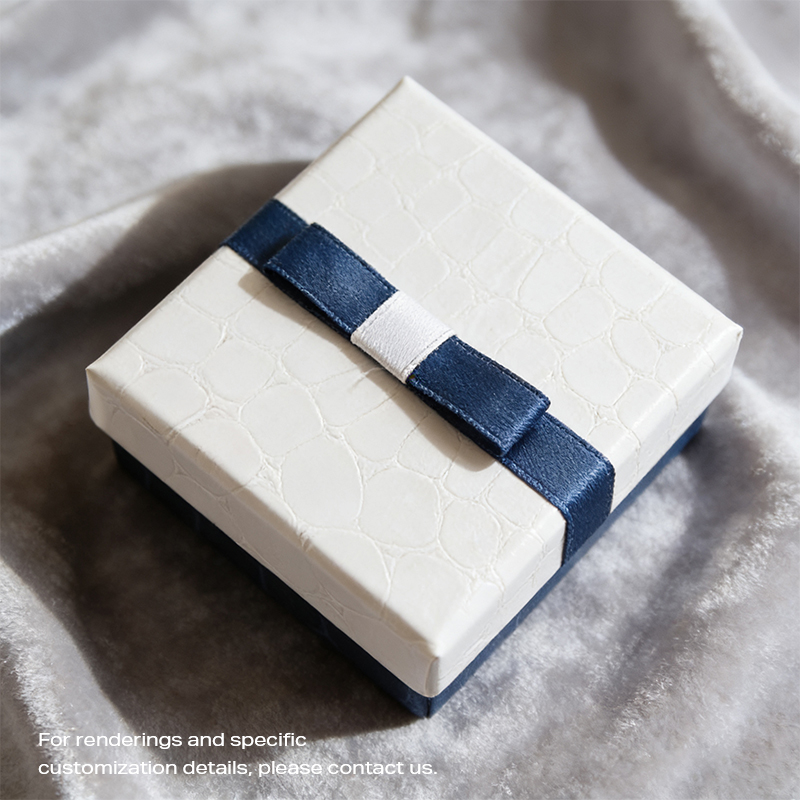
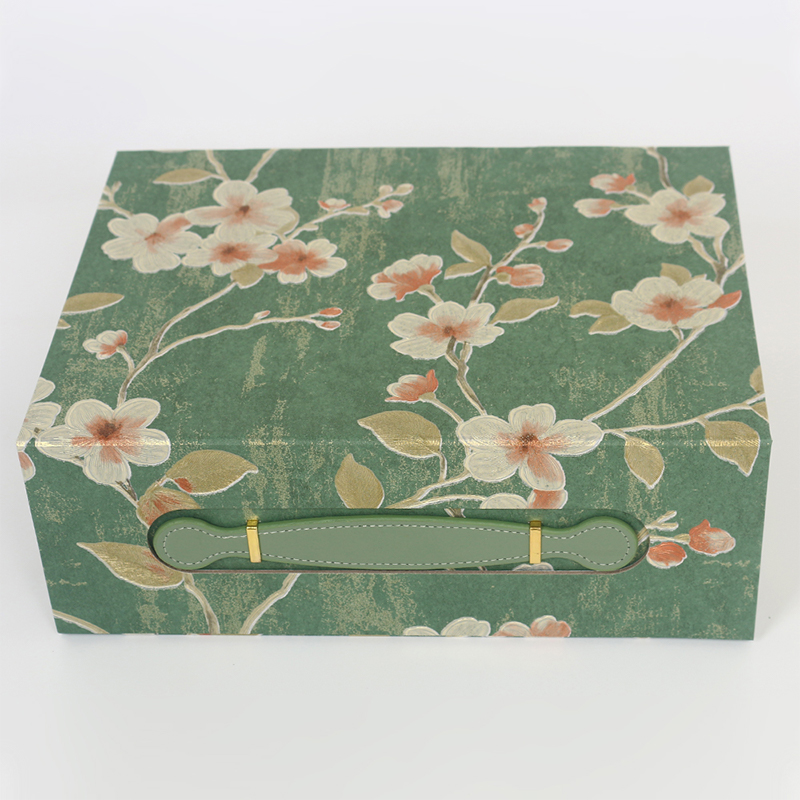
Texture can communicate a different mood without adding extra graphics. Smooth coated paper can create a clean retail appearance, while linen-textured paper can feel more traditional. Kraft wrapping can give a handmade or natural visual direction, while embossed patterns can add depth without covering the entire surface with printing.
Packaging suppliers currently offer combinations such as 1200 GSM rigid board with 157 GSM coated paper, while other rigid-box specifications use approximately 1.5–3 mm greyboard with art or specialty paper wraps.
A handmade gift box does not need complicated decoration to feel distinctive. Sometimes a carefully chosen structural or finishing detail has a stronger visual effect than adding multiple decorative elements.
| Packaging Detail | Possible Visual Effect | Suitable Applications |
| Textured paper | Adds tactile depth | Handmade gifts, cosmetics |
| Embossing | Creates raised patterns or logos | Luxury gifts, branding |
| Hot foil stamping | Adds a metallic accent | Jewelry, celebration gifts |
| Ribbon closure | Creates a ceremonial opening | Wedding and seasonal gifts |
| Custom insert | Frames the product inside | Jewelry, cosmetics, gift sets |
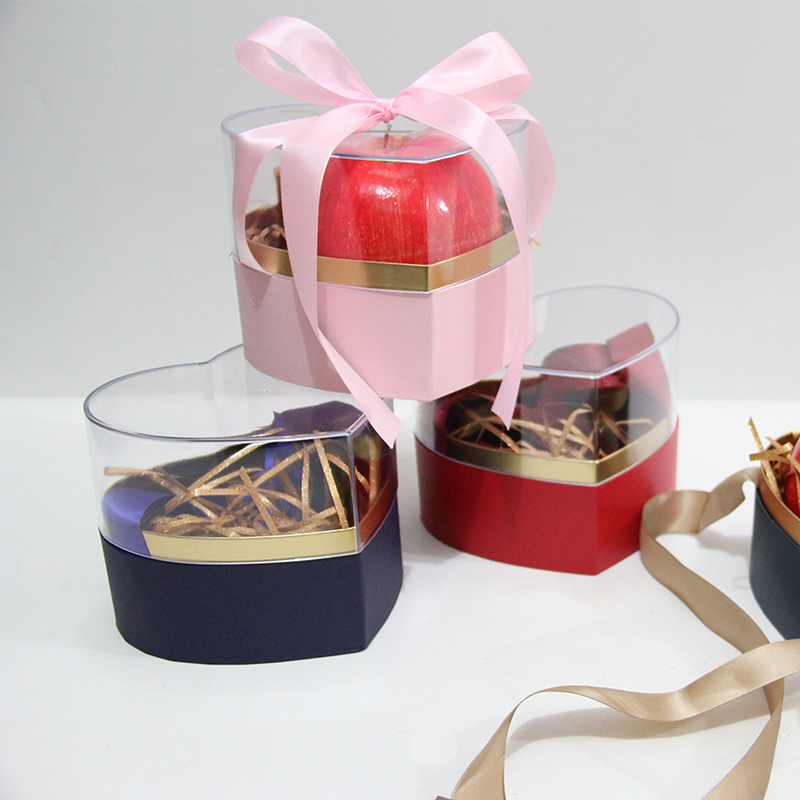
Current rigid-box designs can combine paperboard construction with embossing, foil stamping, textured surfaces, ribbons, foam, paper, satin, or velvet inserts.
The emotional impression of a box also comes from its physical structure. Thin folding cartons can be practical for lightweight retail products, while rigid paperboard creates a firmer shell that resists bending during normal handling.
Typical rigid-board specifications range from around 1.5 mm to 3 mm, while commercial suppliers also list 1200–2000 GSM constructions for rigid gift packaging. The suitable specification depends on box dimensions, product weight, insert design, and the desired opening experience rather than thickness alone.
Personal packaging is sometimes reduced to printing a customer's name on the lid. A Handmade Hard Paperboard Gift Box can support a much broader customization strategy.
Brands can coordinate the box structure, paper texture, interior insert, logo placement, ribbon, closure, and printing style with the product itself. A jewelry box may require a fitted insert, while a candle gift set may need a deeper cavity and protective interior layer. A wedding gift box can use names and dates, while a corporate gift may emphasize a restrained logo treatment.
This flexibility makes handmade rigid packaging suitable for products where the package is expected to remain part of the gift rather than being discarded immediately after opening.
Not necessarily. Handmade production can still follow defined dimensions, materials, artwork specifications, and quality standards. The difference is that hand assembly and finishing allow additional attention to wrapping, corners, inserts, ribbons, and decorative components.
That balance is important for commercial buyers. A brand may want the emotional character of handcrafted packaging while still requiring consistent dimensions and appearance across an entire order.
The strongest role of a Handmade Hard Paperboard Gift Box is not simply holding the product. Its rigid structure, tactile surface, customized artwork, and carefully finished details can extend the gift experience from the outside of the package to the moment of opening.
That is why handmade paperboard packaging works particularly well for jewelry, cosmetics, candles, keepsakes, wedding gifts, seasonal collections, and boutique products. The combination of material weight and human-oriented detailing gives the package a more personal character while allowing brands to build a recognizable presentation around the product.
Recommended Products

Contact Us

No. 15, Xiayang Road, Huangzhai Town, Jinhua, Zhejiang, China

(+86) 579-84230069

(+86) 13085675766


Products

Gift Box Packaging Manufacturer
 English
 Français
 Español
 عربى
عربى