What are the common types of gift packaging boxes?
The selection of a gift box is often the step in the presentation process, with choices varying widely based on the item's shape, size, and the desired impression.
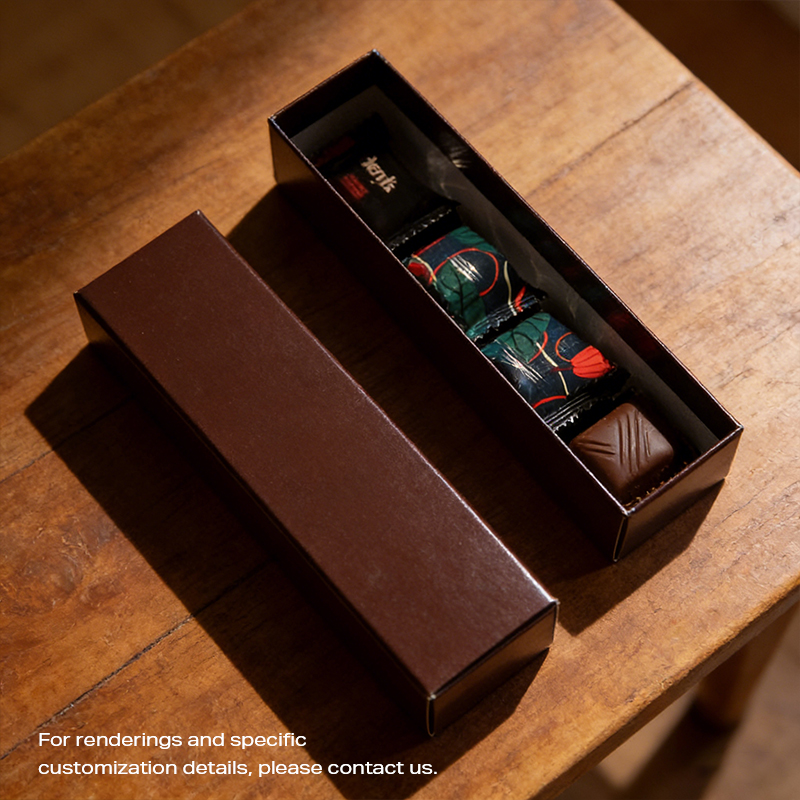
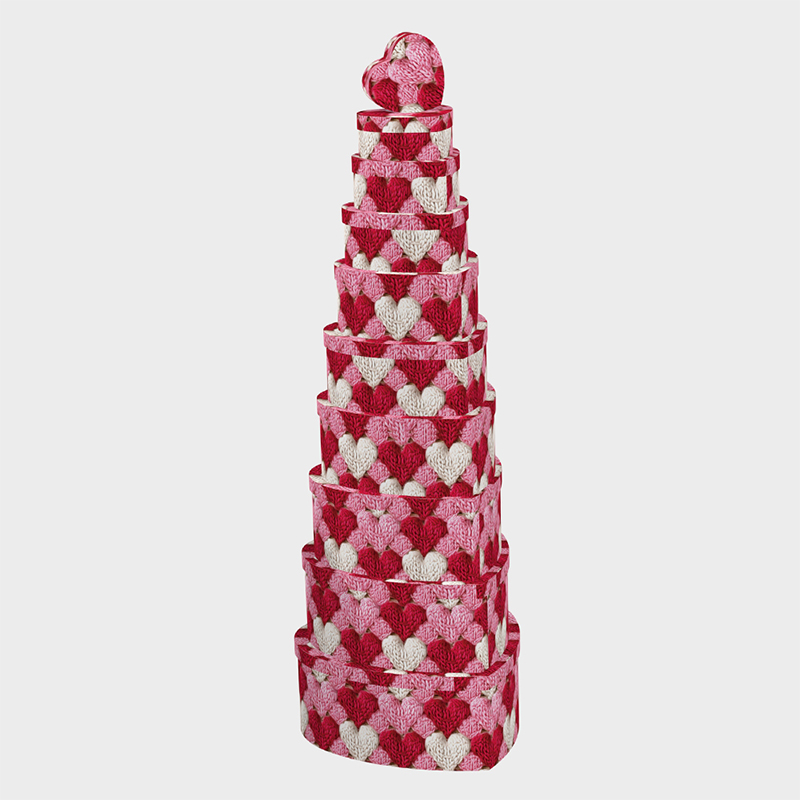
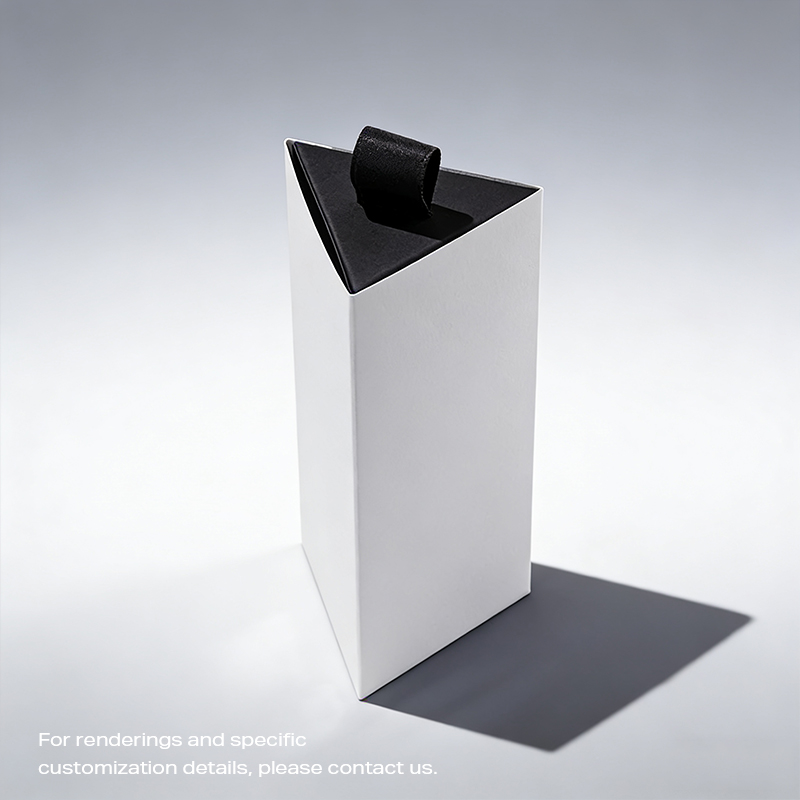
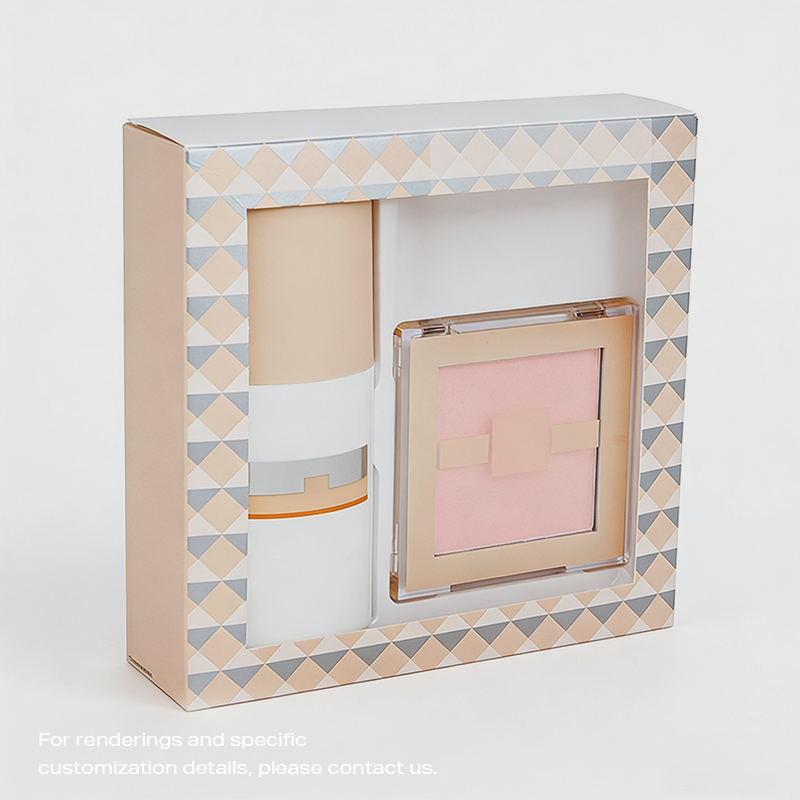
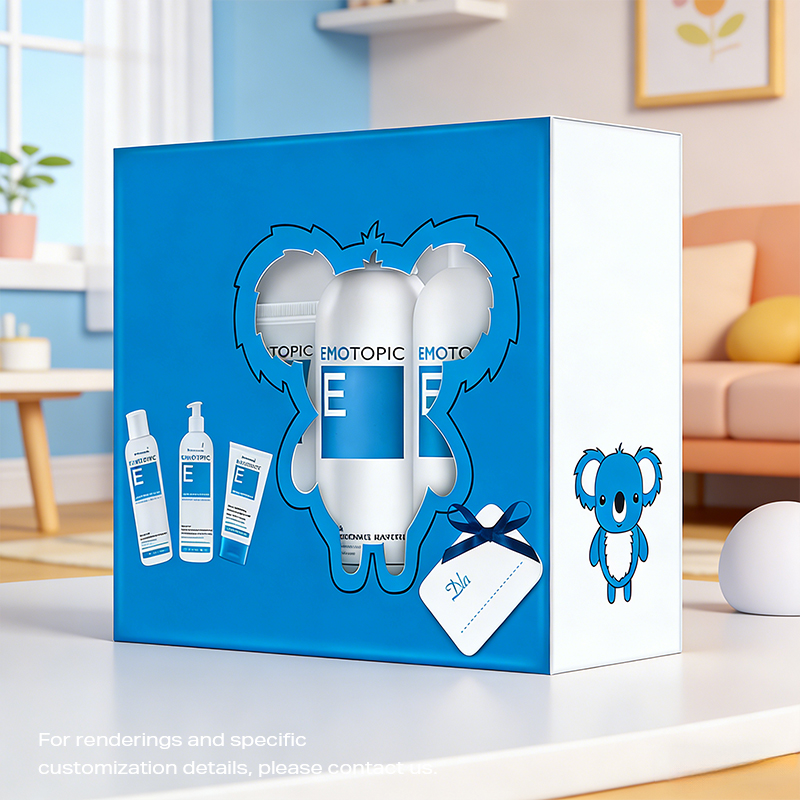
Folding Cartons are among the prevalent and versatile types. Typically made from paperboard, they are shipped and stored flat, assembled at the point of use. Their affordability and ease of customization make them ideal for a vast range of products, from cosmetics and confectionery to small electronics and books. They can feature windows, intricate cut-outs, and a wide array of finishing techniques.
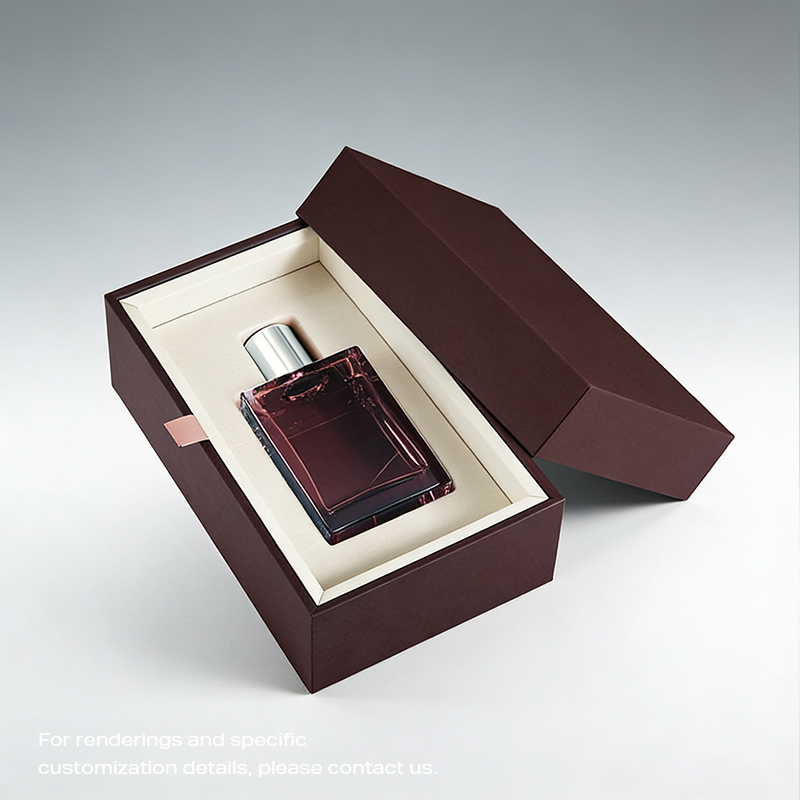
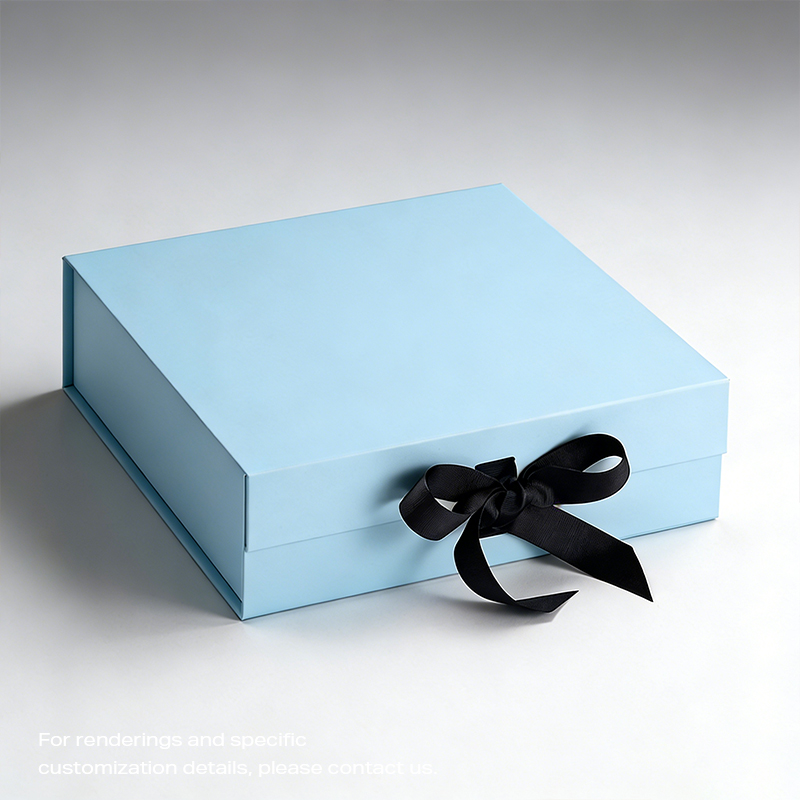
Rigid or Set-Up Boxes offer a more substantial and premium feel. As the name implies, these boxes are pre-formed and maintain their shape even when empty. Constructed from thick chipboard and covered with decorative paper, fabric, or leather, they convey durability and quality. Rigid boxes are the standard for high-end products like luxury watches, fine jewelry, and premium spirits, where the unboxing experience is a key part of the product’s perceived value.
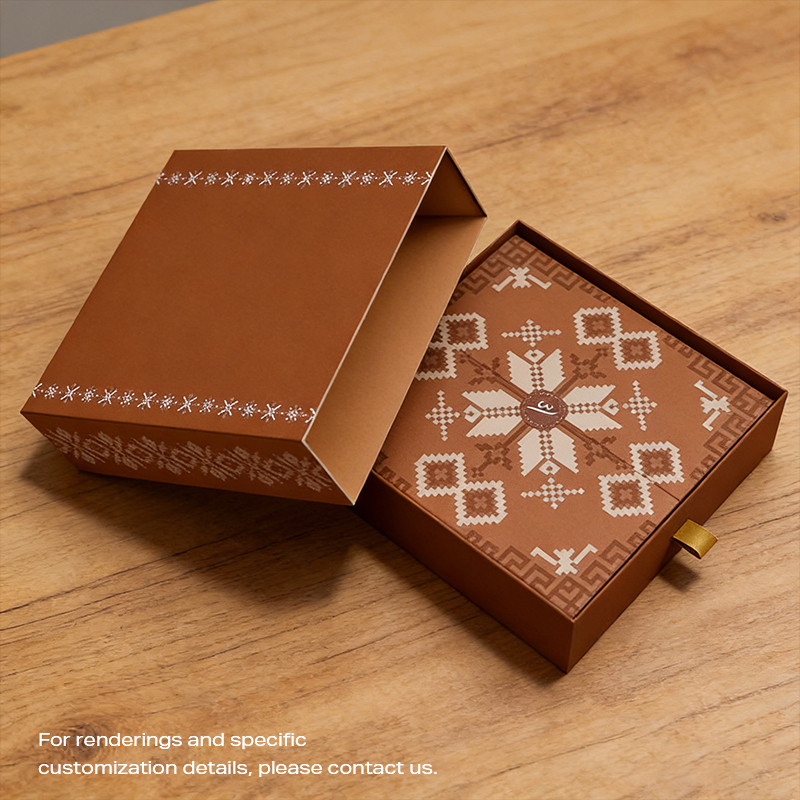
Drawer Boxes provide a unique and engaging opening mechanism. The gift is housed on a sliding drawer that pulls out from a sleeve. This design is not only practical for heavier items that might topple out of a hinged lid box but also adds an element of interactive discovery. They are commonly used for artisan foods, collectibles, and gourmet gift sets.
Pillow or Dome Boxes are characterized by their curved, soft-shaped lids that resemble a pillow. Made from clear or colored plastic or sturdy cardboard, these boxes are particularly popular for soft goods, such as scarves, plush toys, or holiday ornaments, as they provide a generous, inviting volume and a distinctive, charming aesthetic.
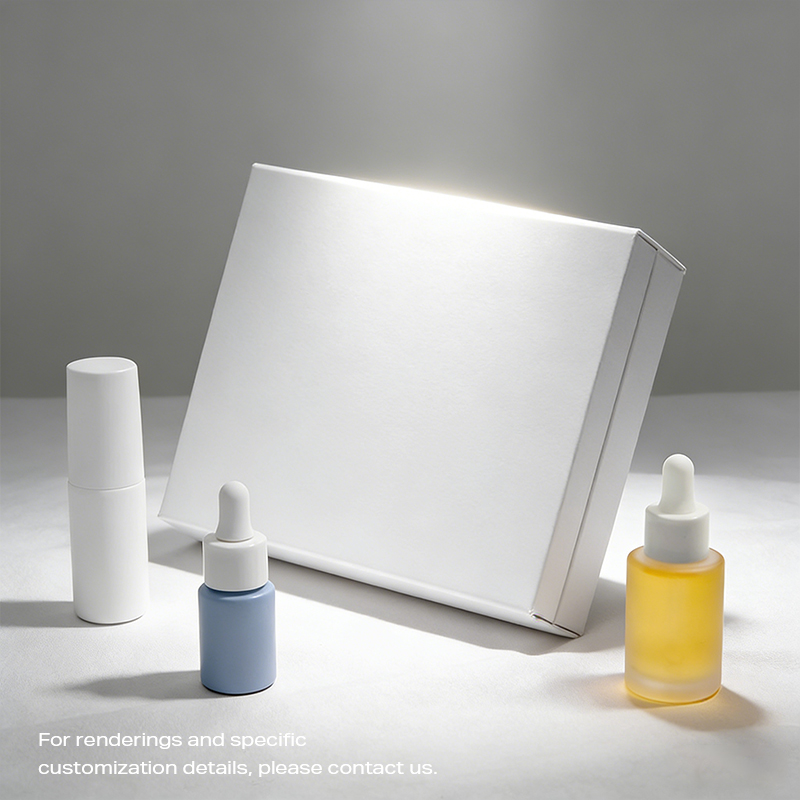
Mailer Boxes represent the practical fusion of packaging and shipping logistics. Designed to be durable, self-locking, and often requiring no additional outer shipping box, these corrugated cardboard boxes are the backbone of e-commerce. They are frequently adorned with branded prints, turning a functional delivery vessel into a branded customer touchpoint that begins the unboxing ritual right at the doorstep.
What are the advantages of paper gift packaging boxes?
Amid growing environmental consciousness and a desire for versatility, paper-based packaging boxes offer a compelling array of benefits.
- Environmental Sustainability: Paper is biodegradable, recyclable, and often sourced from renewable forests. It represents a more eco-conscious choice compared to many plastics, aligning with consumer values and corporate sustainability goals. The use of recycled content further enhances this advantage.
- Customization Potential: Paper substrates provide an canvas for a multitude of decorative techniques. They can be easily printed on with high-quality graphics, embossed, debossed, foil-stamped, or textured. This allows brands and individuals to create truly unique and personalized presentations that reflect a specific theme or brand identity.
- Cost-Effectiveness: Particularly for folding cartons, paperboard is a relatively inexpensive material. Its efficient manufacturing and flat-shipping capabilities reduce storage and transportation costs, making sophisticated packaging accessible for businesses of all sizes and for personal use.
- Versatility and Function: The range of paper stocks—from lightweight cardstock to heavy-duty corrugated—means there is a suitable option for nearly every gift type. It can be engineered into countless shapes and sizes, and its inherent rigidity provides reliable protection for a wide array of items.
- Consumer Perception: Paper packaging is generally perceived as authentic, artisanal, and thoughtful. It can communicate a natural, wholesome, or crafted quality, which enhances the emotional resonance of the gift inside, contrasting with the sometimes cold or generic feel of purely plastic alternatives.
Differences Between Luxury Gift Boxes and Ordinary Packaging
The distinction between luxury and ordinary packaging is profound, affecting materials, construction, design, and the very experience they facilitate. The table below outlines these key differences.
|
Aspect
|
Luxury Gift Boxes
|
Ordinary Packaging
|
|
Primary Objective
|
To create an unforgettable, multi-sensory experience that elevates the brand and justifies a premium price. The box is often kept and repurposed.
|
To protect the contents during transit and provide a clean, presentable, and cost-effective container. Functionality is paramount.
|
|
Materials & Construction
|
Employ thick, rigid chipboard, often covered with premium materials like linen, silk, velvet, or high-gloss laminated papers. Precision engineering for a good fit and feel.
|
Typically use thinner, folding paperboard or corrugated cardboard. Construction is simpler, focused on efficiency and durability for shipping.
|
|
Design & Finishing
|
Features intricate, tactile finishes: embossing, debossing, hot foil stamping in gold or silver, custom magnetic closures, and ribbon pulls. Design is minimal, elegant, and heavy on texture.
|
Relies primarily on printed graphics. Finishes are simpler, such as basic gloss or matte lamination. Design can be more colorful and graphic to attract shelf attention.
|
|
Unboxing Experience
|
Designed as a ritual. May include multiple layers, such as outer sleeves, inner trays, tissue paper, and certificates of authenticity. Each step is intended to build anticipation.
|
Typically straightforward—open the lid to reveal the product, possibly with minimal internal padding. The experience is efficient but not necessarily memorable.
|
|
Cost Implication
|
Significantly higher cost per unit, considered a justifiable investment in brand equity and customer perception.
|
Low cost per unit is a critical driver, essential for maintaining profitability on high-volume, lower-margin items.
|
 English
 Français
 Español
 عربى
عربى