2026-08-04
Jewelry packaging does more than protect a product. It establishes the first emotional connection between a brand and its customer, influences how a gift is received, and communicates the perceived value of the jewelry inside. A well-designed jewelry box can turn a simple presentation into a memorable experience, especially when its materials, structure, decoration, and finishing work together harmoniously.
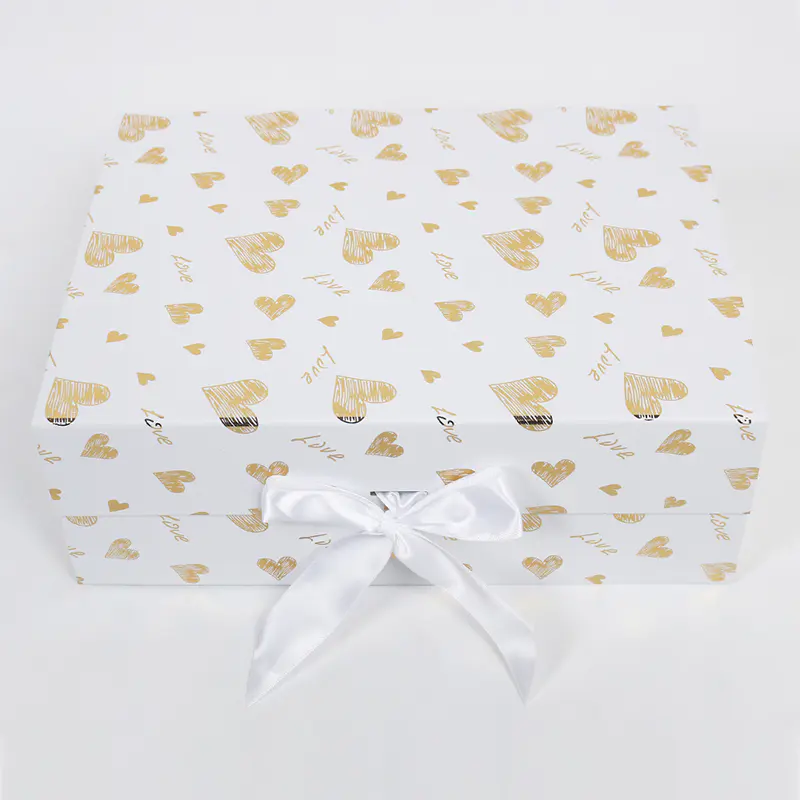
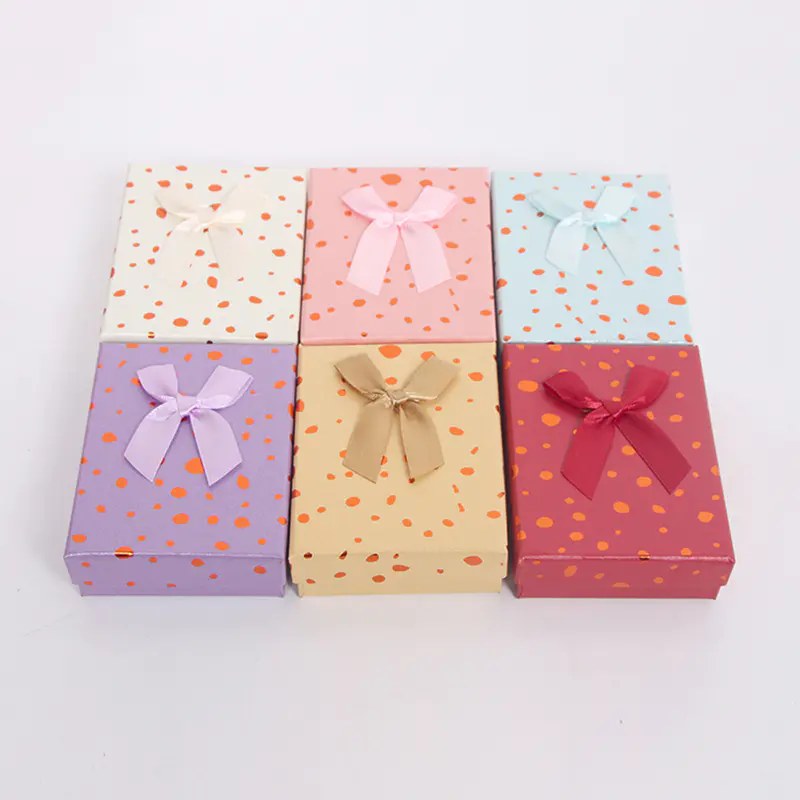
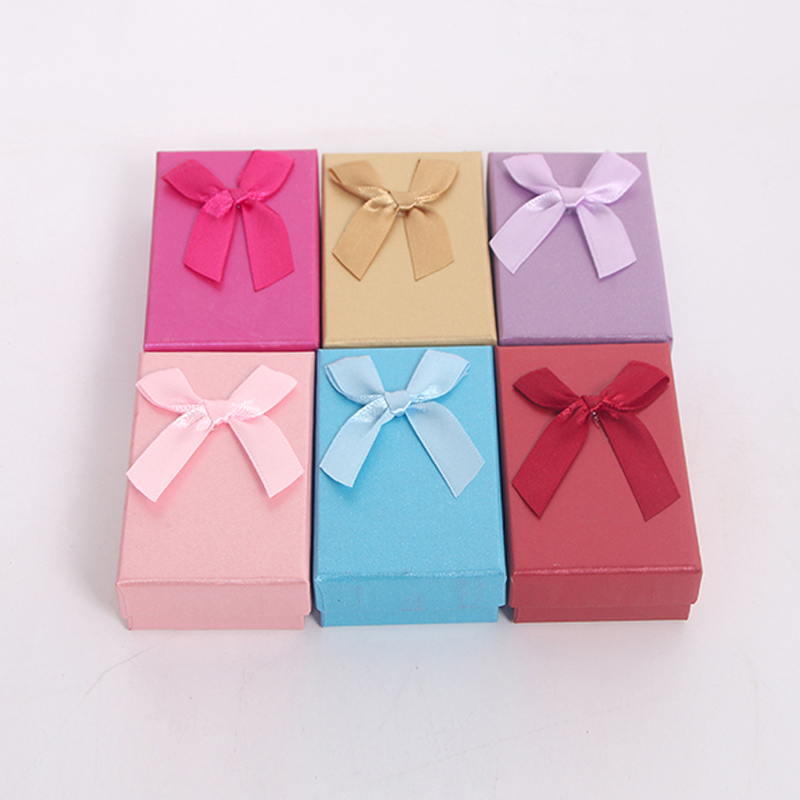
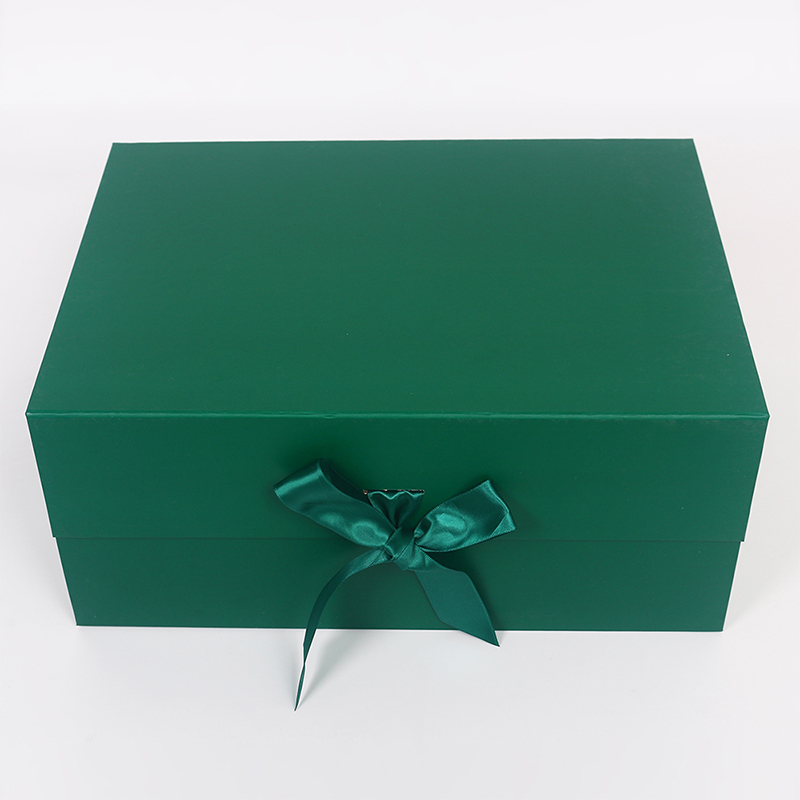
The HY-1 square top-and-bottom cover glitter paper jewelry gift box with ribbon bow is designed for brands, retailers, wholesalers, and gift businesses seeking an attractive packaging solution with a refined appearance. Its square construction, separate lid and base, glitter paper exterior, and decorative ribbon bow create a presentation that is both practical and visually impressive.
Manufactured by Zhejiang Shihao Gift Packaging Co., Ltd., this jewelry gift box reflects more than attractive styling. It is supported by a mature production system, experienced packaging specialists, professional design capabilities, modern equipment, and a broad range of customization options. These strengths enable the manufacturer to serve businesses that require consistent quality, flexible design development, and dependable production capacity.
This article examines the product’s design, material advantages, manufacturing process, customization potential, commercial applications, sustainability considerations, and competitive value. It also explains how an experienced gift box factory can help jewelry brands improve presentation quality while maintaining practical packaging performance.
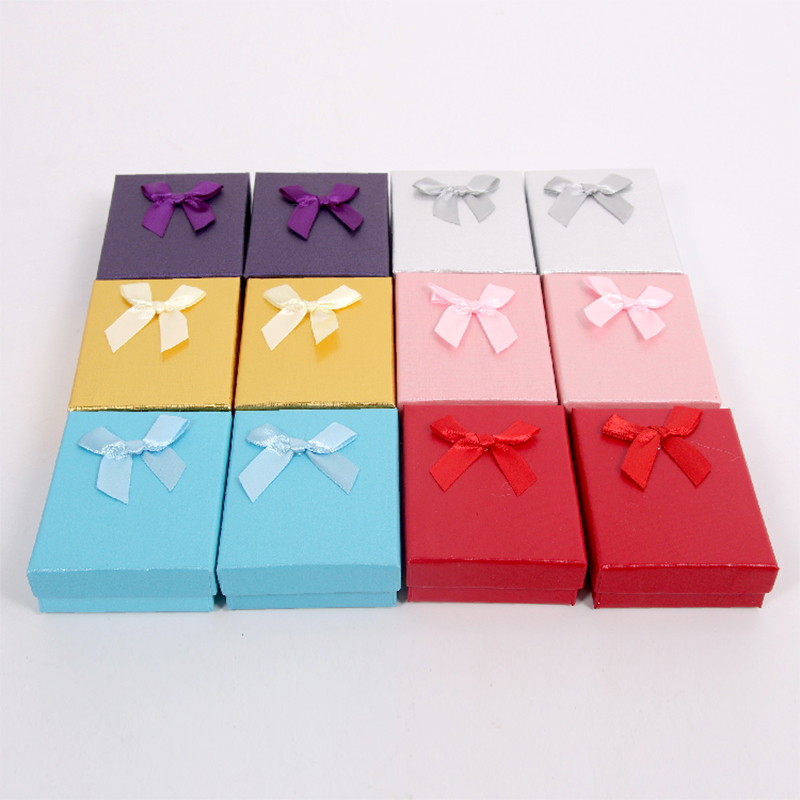
HY-1 Square Top and Bottom Cover Glitter Paper Jewelry Gift Box with Ribbon Bow
The HY-1 jewelry gift box is a square box with a separate top cover and bottom section. This classic structure is widely used in jewelry packaging because it is easy to understand, simple to open, and suitable for a variety of jewelry products. The lid fits over the base, creating a clean exterior appearance and providing a stable enclosure for the packaged item.
The box is covered with glitter paper, a decorative paper material that contains a subtle or visible shimmering effect. Depending on the selected paper grade, color, lighting environment, and production treatment, the glitter surface can create anything from a delicate sparkle to a more dramatic luxury appearance. This makes the box suitable for brands that want packaging with stronger visual impact than plain coated paper.
A ribbon bow is positioned on the center of the lid. This decoration gives the box an immediately recognizable gift-like character and adds a ceremonial feeling to the opening process. The bow may be coordinated with the glitter paper, printed branding, seasonal color scheme, or jewelry collection. Ribbon material, ribbon color, and bow style can be adjusted according to the customer’s requirements.
The square shape provides a balanced visual proportion and organized internal space. It can be used for earrings, rings, pendants, bracelets, small accessories, and selected compact jewelry sets. Depending on the product dimensions, the interior may be fitted with inserts, cushions, cards, or other protective components.
Available product references associated with the HY-1 series indicate multiple size options. This gives buyers the opportunity to select a suitable format for different jewelry categories instead of using one universal box for every product. Exact dimensions, insert structure, paper color, ribbon style, and surface finish can be confirmed during the sampling and production process.
| Product Feature | Packaging Benefit | Commercial Value |
|---|---|---|
| Square top-and-bottom structure | Easy opening and closing with a neat presentation | Suitable for jewelry retailers, gift companies, and private-label brands |
| Glitter paper exterior | Creates a distinctive shimmer and premium visual effect | Helps products stand out on shelves, counters, and gift displays |
| Ribbon bow decoration | Provides an immediately recognizable gift appearance | Supports festive, romantic, wedding, and celebration-themed sales |
| Customizable colors and materials | Allows packaging to match a brand identity or collection | Improves visual consistency across a product range |
| Multiple size possibilities | Supports different jewelry types and product combinations | Reduces the need to force multiple products into one box format |
| Paper-based construction | Offers a lightweight and adaptable packaging solution | Can be integrated into broader paper packaging and sustainability programs |
Jewelry is frequently displayed among many products with similar sizes and shapes. When packaging is visually plain, it may be difficult for a brand to communicate distinction before the customer examines the jewelry itself. Glitter paper introduces a surface effect that catches light and creates movement across the box. This can help the package attract attention in a retail display, showroom, gift shop, or online product photograph.
Unlike a simple flat color, a glitter surface changes subtly according to the angle of the light. This creates depth and texture without requiring a complicated structural design. The result is a box that can appear elegant and understated in one setting while looking more festive and eye-catching in another.
Shimmering surfaces are commonly associated with celebrations, special occasions, premium products, and decorative gifts. For jewelry packaging, these associations are particularly relevant. A glitter paper box can reinforce the importance of a birthday, wedding, anniversary, holiday, proposal, or personal milestone.
The material also supports a broad range of positioning strategies. A soft gold or champagne glitter may communicate elegance and warmth. Silver or white glitter may create a clean, modern, and sophisticated appearance. Darker colors can suggest luxury and exclusivity, while brighter shades may appeal to younger or more fashion-oriented customers.
Some premium packaging concepts rely on elaborate mechanisms, multiple layers, magnets, metal components, or complex inserts. These designs may be effective, but they can also increase production cost, assembly time, shipping weight, and minimum order requirements. Glitter paper provides a way to improve visual impact while retaining the straightforward construction of a paper box.
This balance is one of the product’s key competitive advantages. Buyers can obtain a decorative and gift-ready package without necessarily adopting a highly complicated structure. The result may be easier to manufacture, pack, transport, store, and use in daily retail operations.
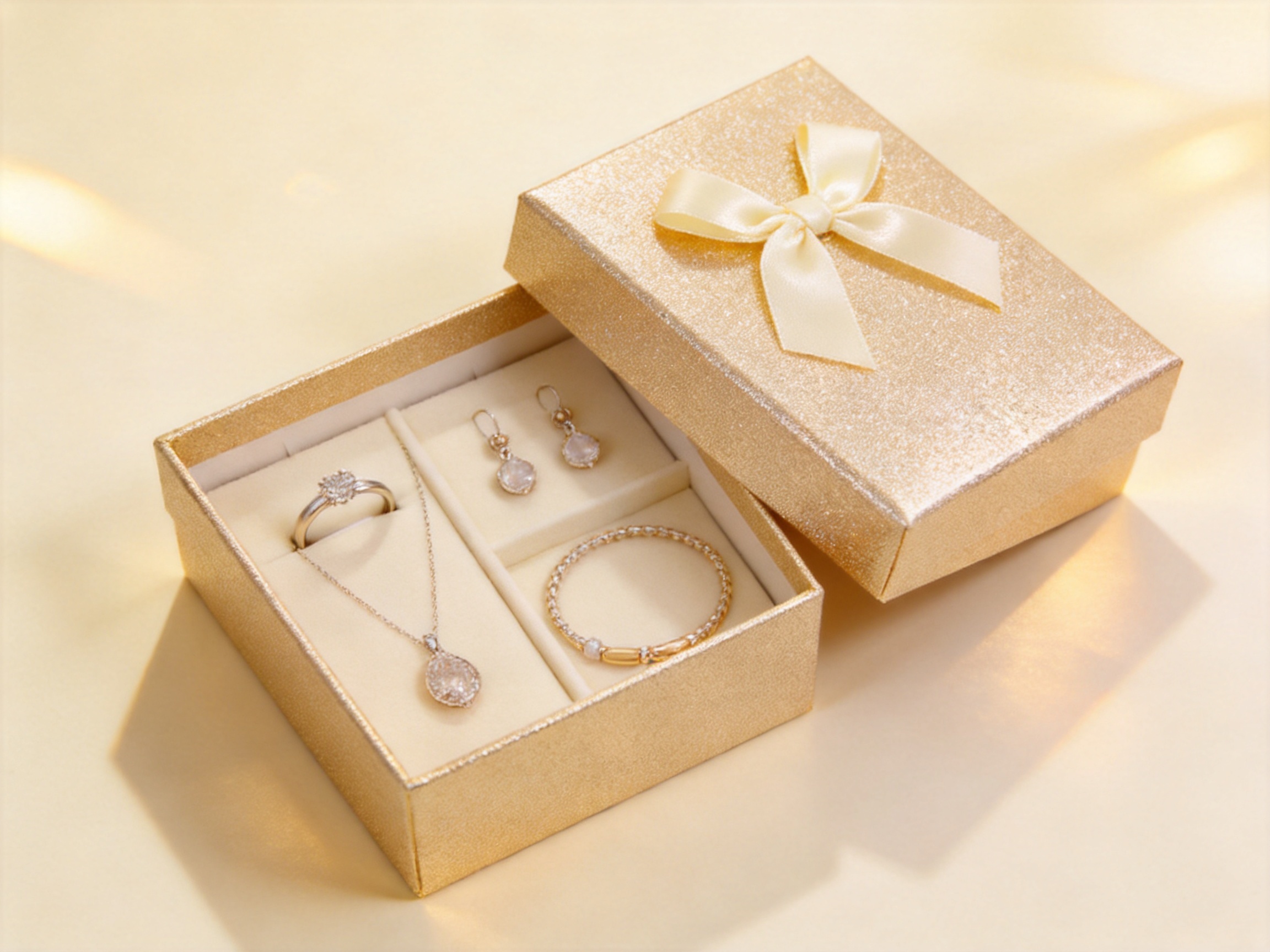
The separate lid-and-base construction is familiar to customers and requires no special explanation. The user lifts the top cover from the bottom section, revealing the jewelry inside. This simple motion is particularly suitable for gift presentation because it creates a gradual reveal while remaining convenient and reliable.
Compared with some folding carton structures, a rigid-style top-and-bottom box can provide a more substantial hand feel. Compared with highly engineered presentation boxes, it avoids unnecessary complexity. Its operation is intuitive for retail staff, gift recipients, and end users in different markets.
The square profile allows the internal area to be arranged efficiently. Inserts can be designed for individual items or sets. For example, a jewelry brand may use a ring cushion, an earring card, a pendant support, a bracelet pad, or a molded paper insert. The insert can hold the jewelry in position and keep the presentation visually organized.
Interior dimensions should be matched carefully with the jewelry product. A suitable insert prevents unnecessary movement during handling, reduces the risk of scratches caused by contact, and improves the visual effect when the box is opened. An experienced manufacturer can help coordinate the external box size with the insert, product dimensions, and required protective clearance.
Square boxes are generally convenient to arrange in cartons, on shelves, and in warehouse storage areas. Their regular shape helps reduce unused space during packing and can simplify inventory organization. For jewelry businesses carrying several collections, consistent square formats also make it easier to categorize packaging by color, size, or product line.
The box can be supplied as a finished presentation package or incorporated into a broader packaging system that includes outer cartons, shopping bags, product cards, care instructions, and protective wrapping. This flexibility is valuable for brands seeking a coordinated customer experience.
The design can be adapted for mass-market fashion jewelry, boutique accessories, wedding favors, seasonal gift programs, promotional campaigns, and selected premium collections. Its final market position depends on the chosen paper, color, ribbon, printing, insert, and finishing details.
This adaptability allows the same basic structure to serve different customers. A simple printed glitter box may be appropriate for a large retail program, while a customized ribbon and refined interior may be used for a boutique or wedding collection.
The ribbon bow is more than an ornamental addition. It changes the way the customer interacts with the packaging. A box without decoration may communicate efficiency, while a box with a bow communicates giving, celebration, and anticipation. The recipient is encouraged to pause, appreciate the package, and open it with greater attention.
For jewelry, this emotional dimension is especially important. Jewelry is often purchased to mark a relationship, achievement, celebration, or personal expression. A ribbon bow helps connect the physical package with the meaning behind the purchase.
Ribbon customization may include color, width, texture, sheen, tying method, and bow proportion. Satin ribbon can create a smooth and polished appearance. Grosgrain ribbon may provide a more textured and structured effect. Organza or other lightweight ribbon styles can offer a delicate and decorative character.
Color coordination should consider the glitter paper, logo treatment, interior insert, and intended sales occasion. A consistent palette can make the package look professionally designed. Seasonal colors may be used for holiday programs, while neutral colors can support a year-round jewelry collection.
A ribbon bow can reduce the need for customers to add separate wrapping before presenting the jewelry as a gift. This is convenient for retailers and consumers. It also allows the package to function as part of the gift itself rather than merely as a protective container.
For e-commerce businesses, decorative packaging can create a more satisfying delivery experience. Customers often share unboxing photographs and videos, and attractive packaging may increase the likelihood of user-generated content. The box therefore has potential value beyond the point of sale.
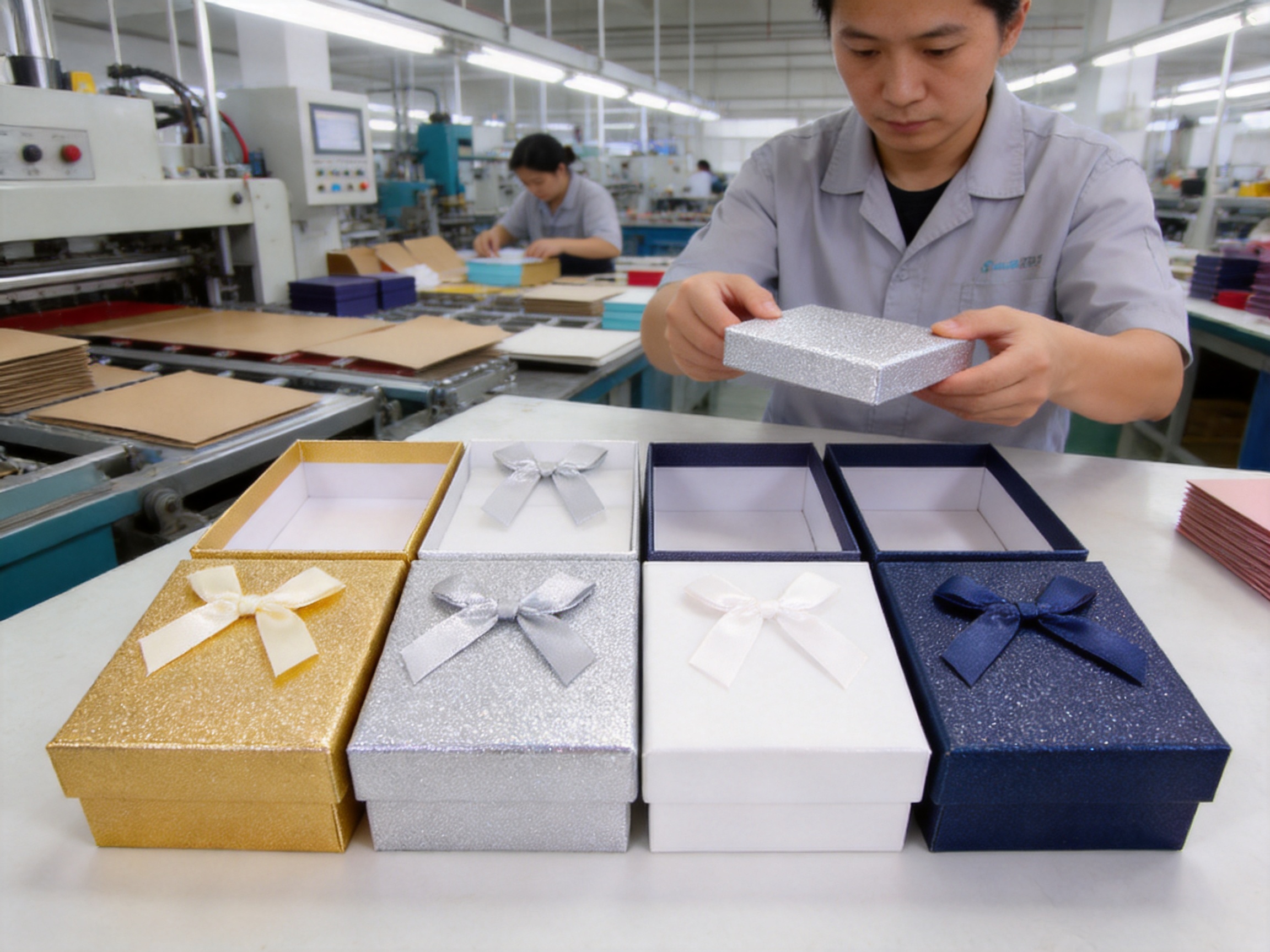
Jewelry brands can choose from paper cartons, plastic cases, fabric pouches, wooden boxes, metal tins, and rigid presentation boxes. Each format has its own advantages. The HY-1 glitter paper jewelry box competes by offering a practical combination of visual appeal, customization, gift suitability, and manufacturing flexibility.
| Packaging Type | Typical Strength | Potential Limitation | Position of the HY-1 Box |
|---|---|---|---|
| Plain paper carton | Lightweight and economical | May appear less distinctive or less gift-oriented | Offers a more decorative exterior through glitter paper and ribbon |
| Plastic jewelry case | Clear product visibility and structural durability | May provide a less luxurious or less paper-focused presentation | Provides a warmer, more gift-like paper presentation |
| Fabric pouch | Soft, flexible, and compact | May offer limited protection and less structured display value | Provides a defined shape and stronger shelf presentation |
| Wooden jewelry box | Substantial feel and long-term reuse | Often heavier, more expensive, and less efficient for shipping | Offers a lighter and more scalable alternative |
| Metal tin | Strong and reusable | Can be less customizable in shape and more industrial in appearance | Supports a softer, decorative, and personalized image |
| Highly engineered rigid box | Premium opening mechanisms and complex presentation | May involve higher cost and longer development time | Balances premium appearance with a simpler structure |
These comparisons do not mean that one package is suitable for every jewelry product. Instead, they show how the HY-1 format occupies a useful middle ground. It can appear more special than a basic carton without reaching the cost and weight of some heavy luxury packaging formats.
Its competitive value is strongest when the buyer wants a paper-based gift box that looks decorative, supports customization, and can be produced in multiple sizes and designs. The product is particularly suitable for companies that need attractive presentation at commercial volumes.
Zhejiang Shihao Gift Packaging Co., Ltd. is an export-oriented manufacturer specializing in the research, development, production, and sales of paper gift packaging boxes. The company has operated in the sector for more than 15 years, giving it practical experience with product development, material selection, production planning, quality control, and international customer requirements.
The company operates on a site covering approximately 20,000 square meters and employs around 300 people. This scale supports dedicated functions across design, sampling, purchasing, production, inspection, warehousing, and export coordination. For overseas buyers, such organizational depth can be important because successful packaging production involves more than printing or assembly alone.
The reported average daily production capacity is approximately 5,000 sets of gift boxes. Capacity at this level can support both ongoing supply programs and larger seasonal orders, subject to product structure, material availability, order quantity, and production scheduling.
Capacity is especially important for jewelry companies that experience demand peaks around weddings, holidays, promotional seasons, and retail launches. A manufacturer with established production resources may be better positioned to coordinate material preparation and delivery planning than a small workshop with limited equipment.
The company has its own design team and updates dozens of products weekly. This product development activity indicates a focus on market responsiveness and packaging innovation. For customers, an active design department can provide useful support when they need modifications to an existing box or development of a new collection.
Design assistance may include selecting paper colors, adjusting proportions, creating insert layouts, coordinating ribbon details, preparing artwork, and recommending finishing methods. The buyer’s brand identity remains central, while the manufacturer contributes knowledge of what can be produced consistently and efficiently.
Modern packaging equipment supports accurate cutting, folding, forming, covering, printing, and finishing. Production efficiency depends on coordinating these processes so that each component fits correctly and the final box maintains a clean appearance.
For a glitter paper jewelry box, process coordination is particularly important. The paper must be handled carefully to preserve the surface effect. Cutting and folding need to be aligned with the grain and structure of the board. Adhesive application must be controlled to prevent visible marks, lifting edges, or uneven corners. Ribbon placement must also be consistent from one box to another.
A professional factory can develop standardized operating procedures for each stage. These procedures help reduce variation between samples and mass production. They also make it easier to identify the cause of defects when an issue occurs.
Production begins with a review of the customer’s requirements. This normally includes box dimensions, paper type, glitter effect, base and lid structure, ribbon specifications, logo treatment, insert design, quantity, packing method, and delivery schedule.
At this stage, the manufacturer may request jewelry samples or detailed measurements. This helps ensure that the internal space and insert are suitable for the actual product rather than being based only on an external box size.
The external glitter paper is selected according to the desired appearance, thickness, texture, color, and performance. The board underneath the paper must provide enough rigidity for the box to retain its shape during handling and transportation.
Material selection also considers the intended market and production volume. A paper suitable for a small boutique program may not be the most efficient choice for a large retail order. Professional consultation can help balance appearance, durability, cost, and availability.
The engineering team prepares the box structure and creates a sample. The sample allows the buyer to inspect the dimensions, lid fit, surface appearance, bow placement, interior space, and overall presentation.
Sampling is a critical stage because it identifies potential problems before mass production. The customer may request changes to the lid depth, wall thickness, insert position, ribbon length, paper color, or logo size. Once the sample is approved, the final specifications can be documented for production.
Paperboard components are cut according to the approved dimensions. Precision is important because small differences can affect corner alignment, lid fit, and the visual symmetry of the finished box.
The board is then scored, folded, or formed as required by the design. For a top-and-bottom box, the lid and base must be manufactured to work together. The fit should be secure enough to protect the contents while remaining easy for the customer to open.
The glitter paper is applied to the prepared board structure. The covering process must maintain smooth surfaces, clean corners, and consistent alignment. Skilled operators and suitable equipment help control the application of adhesive and prevent wrinkles or exposed board.
The direction and position of the glitter effect may influence the final appearance. Consistency is therefore important when multiple pieces are displayed together. Inspection during this stage can detect surface flaws before additional decorations are added.
Brand names, logos, product information, or decorative graphics may be applied according to the approved artwork. Depending on the design, finishing options can include foil effects, embossing, debossing, spot treatments, or other decorative methods.
Printing and finishing should be selected carefully for glitter paper because the underlying texture may affect color reproduction or fine detail. The manufacturer can advise on suitable artwork dimensions, contrast, and placement to achieve a clear and attractive result.
Ribbon components are cut, tied, formed, and attached to the lid. The bow must be positioned accurately so that it remains centered and visually balanced. Attachment strength is also important. A bow that shifts or detaches during normal handling can reduce the perceived quality of the package.
For larger orders, standard templates and work instructions help keep bow size and placement consistent. The customer may approve a physical sample before the factory begins full assembly.
The insert is produced and fitted according to the jewelry style. Materials may include paperboard, covered board, foam, fabric, or other suitable components. The insert should hold the jewelry securely while preserving the desired visual presentation.
Interior design is often overlooked when buyers focus on the outside of the box. However, the insert is the part that directly supports the jewelry. A well-designed insert can improve product visibility, prevent movement, and make the opening experience more polished.
Finished components are checked for dimensions, surface quality, lid fit, ribbon placement, printing accuracy, and insert compatibility. Boxes that meet the specifications are assembled and prepared for packing.
Quality control may be performed at several stages rather than only at the end. Early inspection can reduce material waste and prevent large quantities of defective products from reaching final assembly.
Boxes are packed in a manner that protects the glitter surface, ribbon bow, corners, and overall shape. Carton organization should support efficient counting and reduce pressure or friction during transportation.
Export packaging may be adapted to the customer’s logistics requirements. Buyers should confirm carton dimensions, labeling, stacking expectations, moisture protection, and inspection procedures before shipment.
Quality in jewelry packaging is both visual and functional. A box may look attractive but still fail if the lid is too loose, the corners are uneven, the ribbon is poorly attached, or the insert does not support the jewelry. A strong quality program evaluates the complete package.
| Inspection Area | Key Points | Why It Matters |
|---|---|---|
| Dimensions | Length, width, height, lid depth, and insert fit | Ensures compatibility with the jewelry and consistent retail presentation |
| Surface condition | Glitter paper alignment, wrinkles, scratches, stains, and exposed board | Protects the premium appearance of the package |
| Structural fit | Ease of opening, lid stability, and corner alignment | Improves usability and prevents accidental opening |
| Ribbon assembly | Bow size, centering, color, and attachment strength | Maintains decorative consistency and gift readiness |
| Printing and decoration | Color, position, clarity, and registration | Supports brand recognition and professional presentation |
| Interior components | Insert position, support, cleanliness, and compatibility | Protects the jewelry and improves unboxing quality |
| Carton packing | Quantity, protection, labeling, and stacking arrangement | Reduces logistics damage and simplifies receiving operations |
Customers can strengthen quality control by providing clear approval samples, written specifications, artwork files, tolerance expectations, and packing instructions. Communication before production is often the most effective way to prevent misunderstandings later.
Customization begins with the dimensions. A ring box may require a narrow internal insert, while a bracelet or pendant may need greater length or depth. A gift set may require a wider box with several insert sections.
The external proportions should also reflect the brand’s intended image. A compact box can appear refined and efficient, while a deeper box may create a more substantial presentation. The manufacturer can develop different sizes within one visual series so that the brand maintains consistency across product categories.
Glitter paper is available in different colors and visual intensities. Color should be selected based on the jewelry material, logo contrast, target customer, and sales occasion. Gold-colored jewelry may be paired with warm neutral packaging, while silver jewelry may be presented in cool tones or crisp white.
Custom color matching can support brand guidelines. However, glitter paper and other textured materials may reflect light differently from standard smooth paper. A physical color sample is recommended when exact appearance is important.
A logo can be placed on the lid, inside the lid, on an insert, or on an accompanying card. The most effective location depends on how the customer sees the box during display and opening.
Minimal branding may be appropriate for a luxury collection, while stronger graphic treatment may be useful for fashion jewelry or promotional programs. Printing, foil effects, embossing, and other techniques can be evaluated according to the chosen paper and budget.
The interior can include a printed message, care instructions, product information, brand story, or customer service details. These elements extend communication beyond the exterior and can help build a more complete brand experience.
Inserts can also be customized for specific jewelry forms. A pendant may need a slot or hook to keep the chain visible. Earrings may require a card with holes. Rings may need a central cushion. Bracelets may need a soft support that prevents excessive movement.
The HY-1 structure is suitable for limited editions associated with holidays, weddings, anniversaries, birthdays, and promotional campaigns. Changing the ribbon color or glitter paper tone can create a new appearance without redesigning the entire packaging system.
This flexibility can help brands launch seasonal packaging more efficiently. A common structure may be retained while surface details are modified to create different collections.
The box is suitable for jewelry retailers that want a ready-to-present package for customers purchasing gifts. It can also be used by online jewelry businesses that want to improve the delivery experience and create stronger visual content for marketing.
Wedding jewelry and bridal accessories are another suitable application. The ribbon bow and shimmering surface align naturally with wedding celebrations, bridal party gifts, engagement jewelry, and anniversary products.
Fashion jewelry brands may use the box for earrings, rings, pendants, charms, and small collections. The design can be adjusted to support different product sizes while maintaining a recognizable package family.
Corporate gifting and promotional programs may also benefit from custom printing. A company can use a jewelry box to present commemorative accessories, awards, branded pins, or small keepsakes. The exterior and interior may be coordinated with the event theme or corporate colors.
Gift shops, department stores, boutiques, jewelry manufacturers, importers, and packaging distributors can all consider the format. Its combination of decoration and straightforward structure makes it appropriate for both direct retail use and resale through packaging suppliers.
Working with a manufacturer that provides design, sampling, production, inspection, and export support can reduce the number of separate suppliers involved in a packaging project. Fewer handoffs may simplify communication and reduce the risk of inconsistent materials or mismatched components.
A factory with substantial production capacity can support growth from initial sampling to repeat orders. This is useful for brands that begin with a limited launch but expect demand to increase after successful market testing.
An active design team and existing experience with gift boxes can help shorten the path from concept to sample. Buyers do not need to create every structural detail independently. They can communicate the target use, dimensions, aesthetic direction, and budget while the manufacturer helps translate those requirements into a producible design.
Products from the company are exported to Europe, the United States, the Middle East, and other regions. International export experience can help a manufacturer understand common requirements related to documentation, packing, production communication, and delivery coordination.
The company has passed BSCI and FSC certifications. BSCI relates to social compliance practices, while FSC certification supports responsible forest-based material sourcing when certified materials are specified and used according to the applicable requirements.
Buyers should confirm the current scope of certifications, the validity of certification documents, and whether a particular order will use certified materials. Responsible packaging decisions depend on the complete material and supply chain configuration.
Paper-based packaging can offer advantages in weight, material familiarity, printing flexibility, and end-of-life handling. The HY-1 box uses a paper-based construction, making it a potential alternative to packaging formats that rely heavily on plastic or metal.
However, sustainability should be evaluated carefully. Glitter effects, coatings, adhesives, ribbons, inserts, and mixed materials may influence recyclability. If environmental performance is a priority, buyers should discuss paper composition, surface treatments, adhesive selection, ribbon materials, insert construction, and packaging reduction with the factory before finalizing the design.
Material efficiency is another consideration. A well-sized box avoids unnecessary empty space and reduces the amount of material used per jewelry item. Appropriate dimensions can also improve carton utilization and reduce transportation volume.
Durability contributes to sustainability when it prevents damage and reduces replacement. A box that protects the jewelry effectively can help avoid product loss, return shipments, and additional packaging consumption. The best design therefore balances attractive appearance, sufficient protection, efficient dimensions, and responsible material choices.
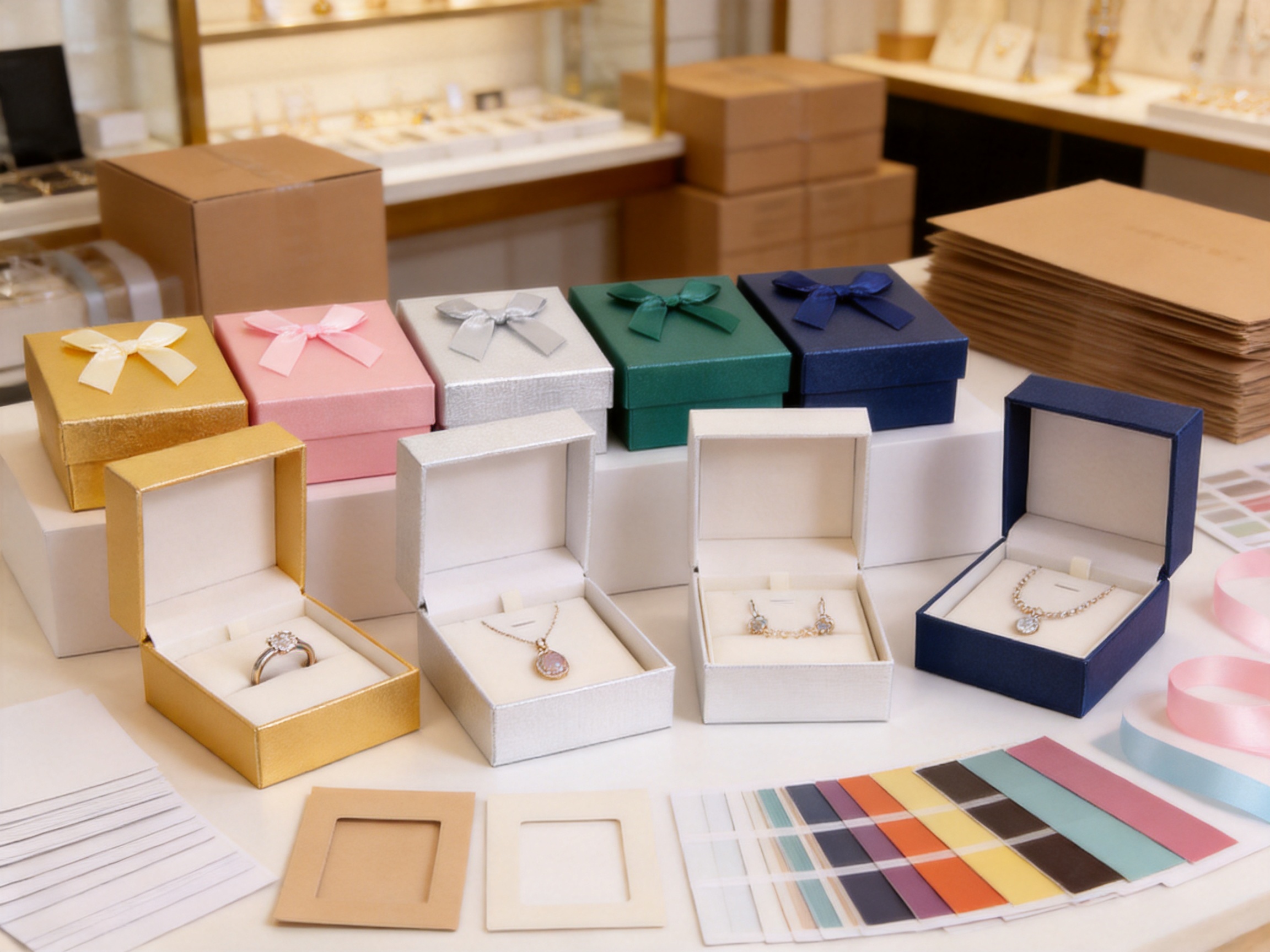
A useful brief should include the jewelry dimensions, desired box size, target quantity, preferred material, color direction, ribbon requirements, logo artwork, interior insert concept, intended market, and delivery expectations.
Photographs can be helpful, but physical jewelry samples or accurate measurements are better when the insert must hold the product precisely. The buyer should also explain whether the package will be sold in stores, shipped directly to consumers, used for events, or distributed as a promotional gift.
A sample provides information that digital images cannot fully communicate. Buyers can evaluate the glitter effect under different lighting, feel the rigidity of the box, test the lid movement, inspect the bow, and place the actual jewelry inside.
Sample approval should cover both appearance and function. Once approved, the sample and specifications can become the reference standard for mass production.
Paper packaging includes natural variations related to material, folding, covering, adhesive, and manual assembly. Buyers should discuss reasonable tolerances for dimensions, color, printing position, bow placement, and surface condition.
Clear expectations help both parties evaluate quality consistently. If a buyer requires especially strict alignment or color matching, this should be identified before production rather than after delivery.
Packaging schedules should account for sampling, material procurement, production, inspection, packing, and transportation. Seasonal orders should be planned early because demand for paper, ribbon, printing, and factory capacity may increase during peak periods.
Carton dimensions and shipping methods should be reviewed before the order is finalized. Efficient packing can reduce freight costs and help protect the boxes during transit.
The box can be developed for rings, earrings, pendants, bracelets, charms, and compact jewelry sets. The appropriate size and insert depend on the actual jewelry dimensions and presentation requirements.
Yes. Customers can discuss available glitter paper colors, surface effects, and possible custom color requirements with the manufacturer. A physical sample should be approved when appearance matching is important.
Yes. Ribbon color, material, width, bow style, and placement can be customized. These details can be coordinated with the paper color, logo, collection theme, or event.
The box can support a luxury-oriented presentation when carefully specified with refined paper, appropriate color, high-quality printing or finishing, a well-designed insert, and precise assembly. For very high-value jewelry, the interior protection and structural requirements should be evaluated in detail.
Yes. Logo placement and decoration methods can be discussed during the design stage. Options may include conventional printing, metallic effects, embossing, or other finishing treatments, depending on the selected material and artwork.
The HY-1 series includes multiple size references, and custom dimensions may be developed according to the product requirements. Final sizes should be confirmed through drawings and physical samples.
An interior insert can be designed and produced as part of the packaging project. The insert type depends on the jewelry category, the desired presentation, and the level of movement protection required.
The glitter paper creates a more decorative visual effect, while the ribbon bow gives the package a ready-to-gift appearance. The square top-and-bottom structure also provides a more substantial presentation than many basic folding cartons.
Yes. The glitter surface and ribbon bow are well suited to weddings, birthdays, anniversaries, holidays, and other special occasions. Colors and decorative details can be changed for different seasonal or event-based programs.
The manufacturer provides design, sampling, material coordination, production, inspection, and export support. Its design team and established manufacturing capabilities help customers develop packaging that is both visually attractive and practical to produce.
Yes. The company exports to Europe, the United States, the Middle East, and other regions. International buyers can discuss product specifications, customization, packing, and delivery requirements with the export sales team.
Paper-based materials and certified sourcing options can be discussed. Buyers should confirm the exact paper, coating, adhesive, ribbon, insert, and certification requirements for their order because sustainability performance depends on the complete packaging configuration.
Packaging quality depends on the relationship between design and manufacturing. A concept may look attractive in a digital rendering but become difficult to produce if the material, structure, decoration, and assembly method are not considered together. An experienced factory can identify these risks early and recommend practical solutions.
Zhejiang Shihao Gift Packaging Co., Ltd. combines more than 15 years of industry experience with a large production site, a workforce of approximately 300 employees, advanced equipment, design capabilities, and international export experience. Its reported daily output of approximately 5,000 sets supports production for different order scales, while its product development activity helps the company respond to changing market preferences.
The manufacturer’s product range includes kits, storage boxes, folding boxes, jewelry boxes, and gift boxes. This breadth indicates familiarity with different paper structures and packaging applications. Buyers can therefore seek related packaging products or build a coordinated packaging series around the HY-1 design.
The company’s business philosophy emphasizes innovation, quality, practicality, and customer benefit. These principles are relevant to jewelry packaging because successful products must combine emotional appeal with dependable daily performance. A beautiful box that is difficult to assemble, expensive to ship, or inconsistent in quality will not provide long-term value. The strongest packaging solutions are attractive, functional, manufacturable, and aligned with the customer’s commercial goals.
The HY-1 square top-and-bottom cover glitter paper jewelry gift box with ribbon bow offers an effective combination of presentation quality, structural simplicity, and customization flexibility. Its glitter paper surface creates visual distinction, while the ribbon bow adds a ceremonial and gift-ready character. The square lid-and-base structure is easy to use, convenient to display, and adaptable to different jewelry inserts and product sizes.
Compared with plain cartons, the box provides a stronger decorative effect. Compared with heavy wood, metal, or highly engineered rigid packaging, it can offer a lighter and more scalable alternative. This middle-ground position makes it suitable for jewelry brands, retailers, gift companies, wedding businesses, wholesalers, and e-commerce sellers seeking attractive packaging at commercial production volumes.
The product’s value is supported by the manufacturer’s broader strengths. More than 15 years of experience, a 20,000-square-meter facility, approximately 300 employees, advanced equipment, an internal design team, international export experience, and reported production capacity of around 5,000 sets per day provide a foundation for custom packaging development and repeat supply.
For buyers, the most successful project will begin with clear requirements, accurate jewelry measurements, careful material selection, physical sample approval, and a shared quality standard. When these steps are followed, the HY-1 box can become more than a container. It can serve as a visible extension of the jewelry brand, improve the unboxing experience, support gift occasions, and help create a stronger connection between the product and its customer.
1. Zhejiang Shihao Gift Packaging Co., Ltd. Product information for the HY-1 square top-and-bottom cover glitter paper jewelry gift box with ribbon bow.
2. Zhejiang Shihao Gift Packaging Co., Ltd. Corporate information concerning manufacturing capacity, facility size, workforce, product categories, design capabilities, and export markets.
3. Forest Stewardship Council. General principles for responsible forest-based material sourcing and chain-of-custody practices.
4. Business Social Compliance Initiative. General guidance concerning social compliance assessment in international supply chains.
5. Packaging industry practices relating to paperboard box construction, insert design, decorative finishing, ribbon assembly, quality inspection, and export packing.
Recommended Products

Contact Us

No. 15, Xiayang Road, Huangzhai Town, Jinhua, Zhejiang, China

(+86) 579-84230069

(+86) 13085675766


Products

Gift Box Packaging Manufacturer
 English
 Français
 Español
 عربى