2026-09-26
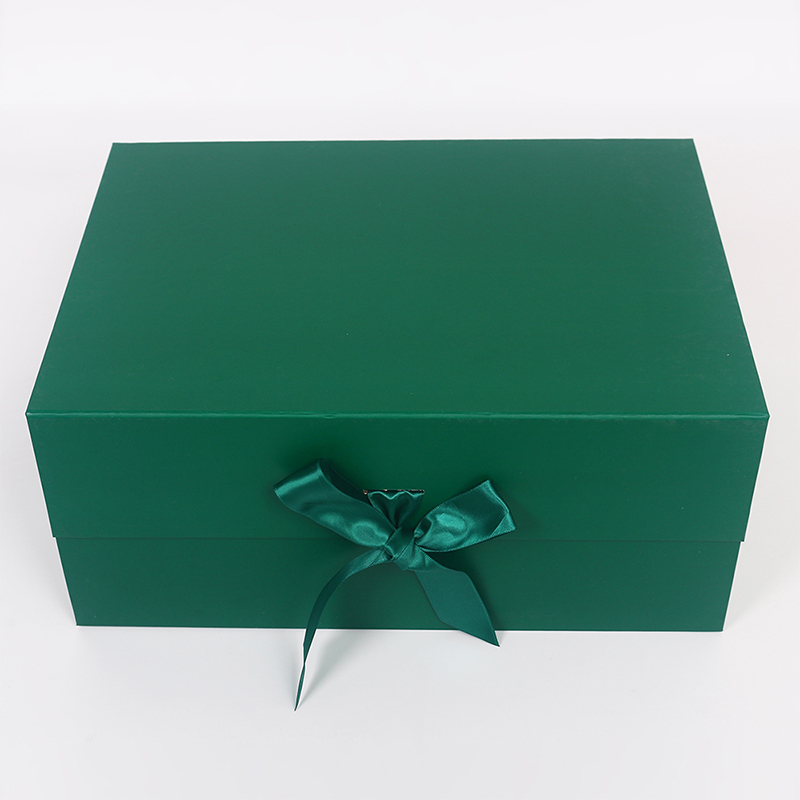
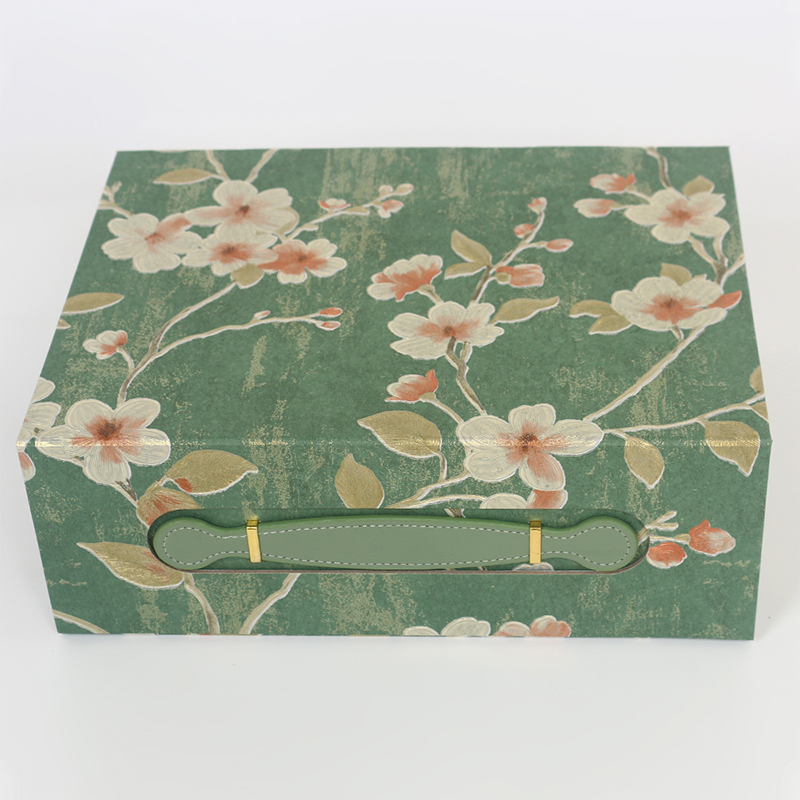
In premium gifting, packaging is more than a container. It is the first physical expression of a brand, the framework for an unboxing experience, and an important part of how a recipient evaluates the value of the product inside. A well-designed box must therefore combine visual appeal, structural reliability, practical usability, and efficient manufacturing. The 666 Top-opening Spunlace Bottom Plush Gift Box Packaging is designed around these requirements, offering a refined solution for gift presentation, storage, jewelry, crafts, and other high-value products.
This gift box combines an elegant top-opening format with a durable spunlace-bottom structure and a soft plush exterior. Its construction creates a distinctive contrast: the box has the stability needed for protection and repeated handling, while its tactile surface gives the package a warm, luxurious character. The result is packaging that can support both commercial presentation and long-term reuse.
Manufactured by Zhejiang Shihao Gift Packaging Co., Ltd., the product benefits from more than 15 years of experience in paper gift packaging, an in-house design team, modern production equipment, and an export-oriented manufacturing system. The company operates a facility covering approximately 20,000 square meters, employs around 300 people, and has an average daily capacity of approximately 5,000 gift-box sets. These capabilities allow the manufacturer to support customized packaging projects while maintaining consistent quality and dependable delivery.
This article examines the product’s design, materials, manufacturing advantages, customization options, applications, logistics, and competitive strengths. It also explains why a top-opening plush box can provide greater value than ordinary folding cartons, basic paper boxes, or less durable decorative packaging.
The 666 Top-opening Spunlace Bottom Plush Gift Box Packaging is a premium presentation box in the velvet gift box category. It is suitable for brands and buyers seeking a package that feels more distinctive than a conventional printed carton. The main product characteristics include a top-opening structure, a plush outer finish, a spunlace-reinforced bottom, and an art paper-coated cardboard surface used within the box construction.
The top-opening configuration allows the lid to be lifted in a deliberate and visually appealing motion. Unlike a simple tuck-end carton, the opening process can create a stronger sense of ceremony. This feature is particularly useful when the package is intended for jewelry, beauty products, holiday gifts, commemorative items, crafts, or other goods where presentation strongly influences perceived value.
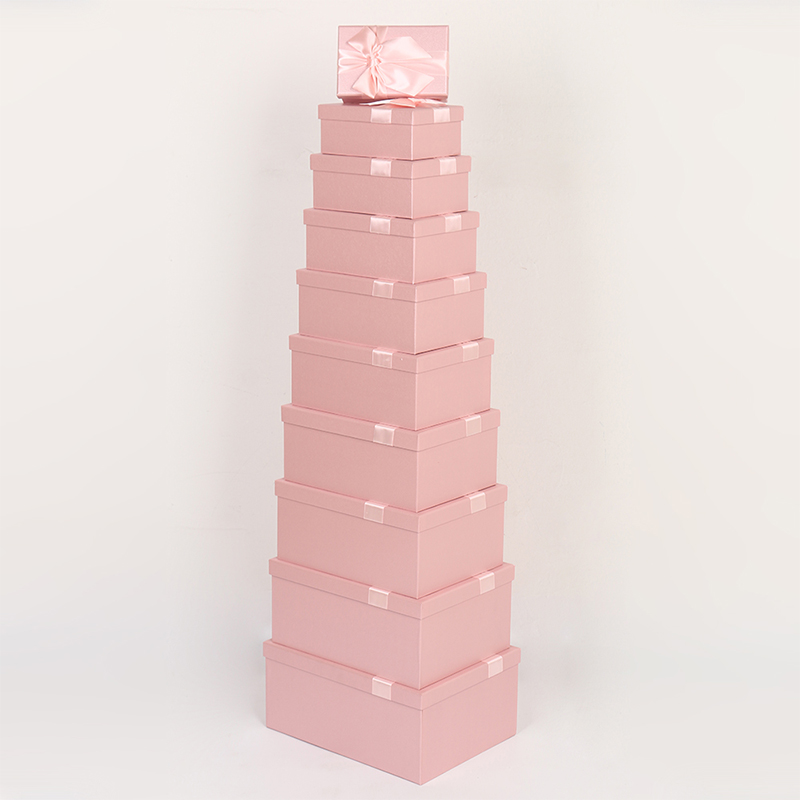
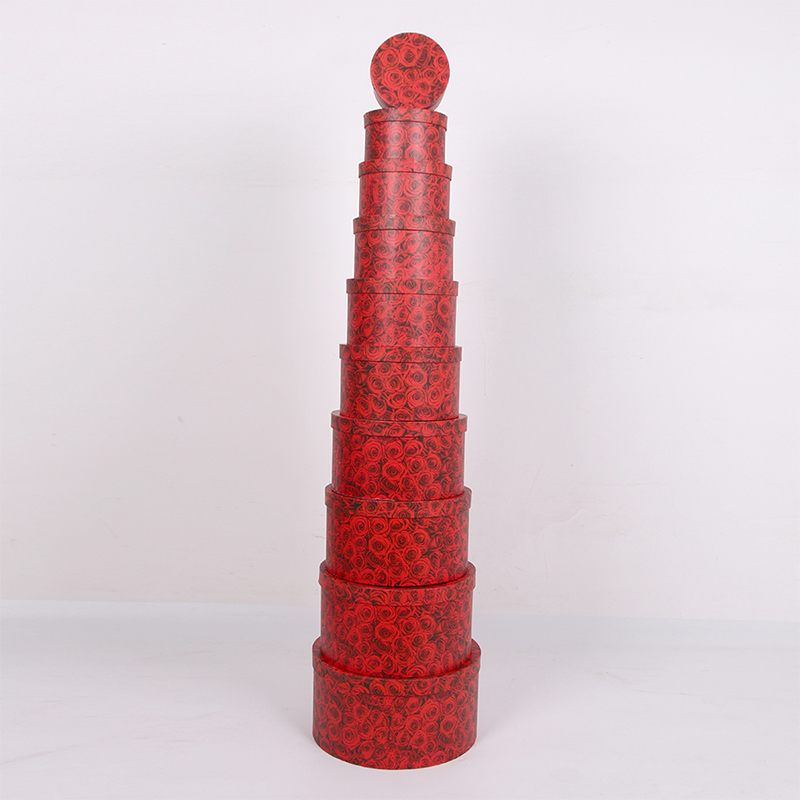
The box is available in multiple sizes. The listed range extends from approximately 38.5 × 29.5 × 16.5 centimeters for size 1 to approximately 16.9 × 10.6 × 7.6 centimeters for size 10. This range enables the same general design concept to serve different product dimensions and retail requirements.
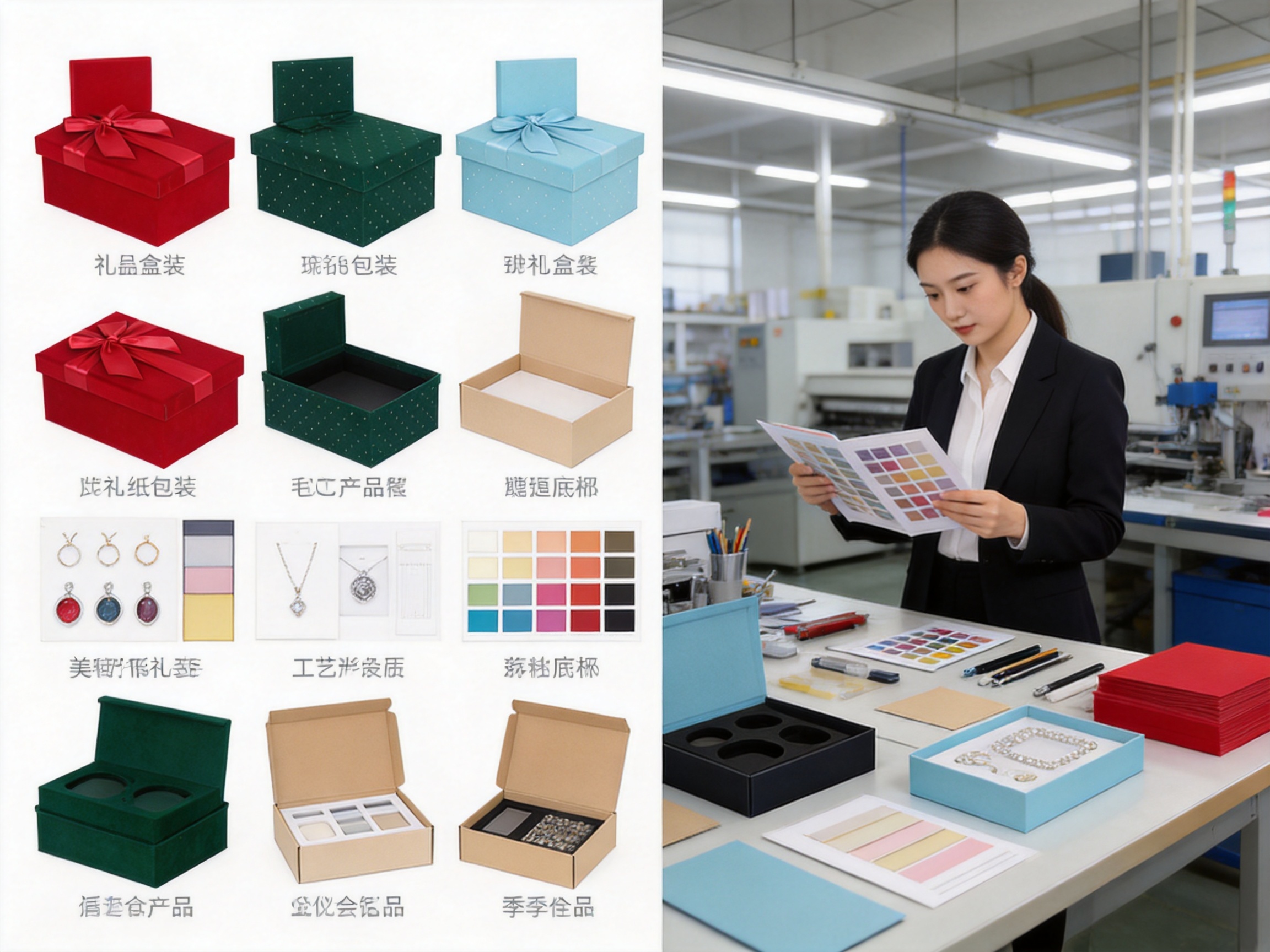
Color can be produced in CMYK, Pantone colors, or customer-specified colors. Buyers may also request custom designs, patterns, branding elements, and structural adaptations. The manufacturer’s internal design team can provide professional recommendations and help prepare production-ready files in commonly used formats, including Adobe Illustrator and CorelDRAW-compatible artwork.
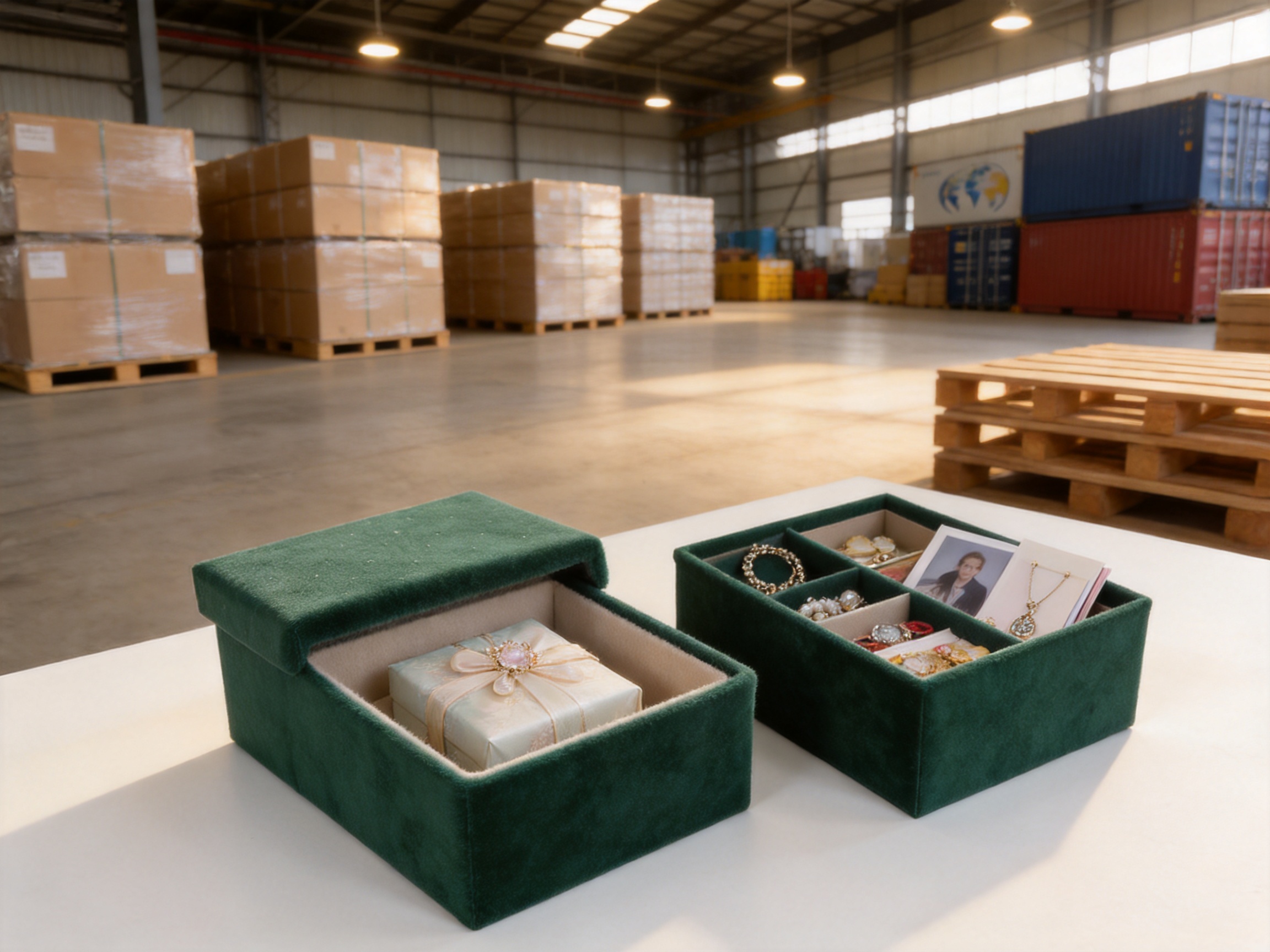
The box is intended for gift packaging, storage, gifts, and crafts. This combination of presentation and storage functionality is one of its most important commercial advantages. After the original product has been removed, the box can continue to be used for accessories, keepsakes, stationery, small personal items, or household organization.
Packaging design influences how a product is remembered. A box that opens smoothly and reveals its contents in an organized way can make the product feel more carefully selected and more valuable. The top-opening format of this gift box supports that experience by giving the user a clear opening action rather than requiring the package to be torn, unfolded, or discarded immediately.
A top-opening box also provides practical advantages. The lid can help keep the contents covered during storage, while the rigid box body offers a more stable enclosure than thin flexible packaging. When the box is produced with an appropriate interior fit or insert, the opening movement can reveal the product without excessive shifting.
For retailers, the top-opening construction can support attractive shelf presentation. The box can be displayed as a complete premium package, and the exterior surface provides space for color coordination, logos, decorative patterns, seasonal graphics, or understated luxury styling.
For consumers, the opening experience can create emotional value. Gift packaging is often associated with celebrations, milestones, holidays, and personal relationships. A plush box that feels soft and substantial in the hand can reinforce the importance of the occasion before the recipient even sees the product inside.
Compared with a standard folding carton, the top-opening format may also be more suitable for repeated use. A folding carton is normally designed for transport and a single opening, whereas a sturdier gift box can be opened and closed several times. This supports a longer service life and reduces the likelihood that the package will be discarded immediately after purchase.
Material selection determines both the visual impression and the functional performance of a gift box. The 666 model uses an art paper-coated cardboard surface as part of its core packaging construction, together with a plush outer treatment and a spunlace-bottom structure. Each element contributes a different benefit.
Art paper-coated cardboard provides a smooth, stable surface suitable for printing and decorative finishing. It can support sharp graphics, controlled color reproduction, and a clean overall appearance. The board also contributes to the box’s shape retention, allowing the package to maintain a more structured form than lightweight paper packaging.
A coated paper surface is particularly useful when a design includes fine typography, brand patterns, illustrations, or color-sensitive artwork. It gives the manufacturer a dependable base for CMYK printing, Pantone matching, and custom visual treatments.
The plush exterior gives the box its distinctive tactile character. When a recipient touches the package, the surface creates a softer and more premium impression than ordinary uncoated paper or basic laminated board. This tactile difference can be highly valuable for luxury, beauty, jewelry, wedding, seasonal, and commemorative packaging.
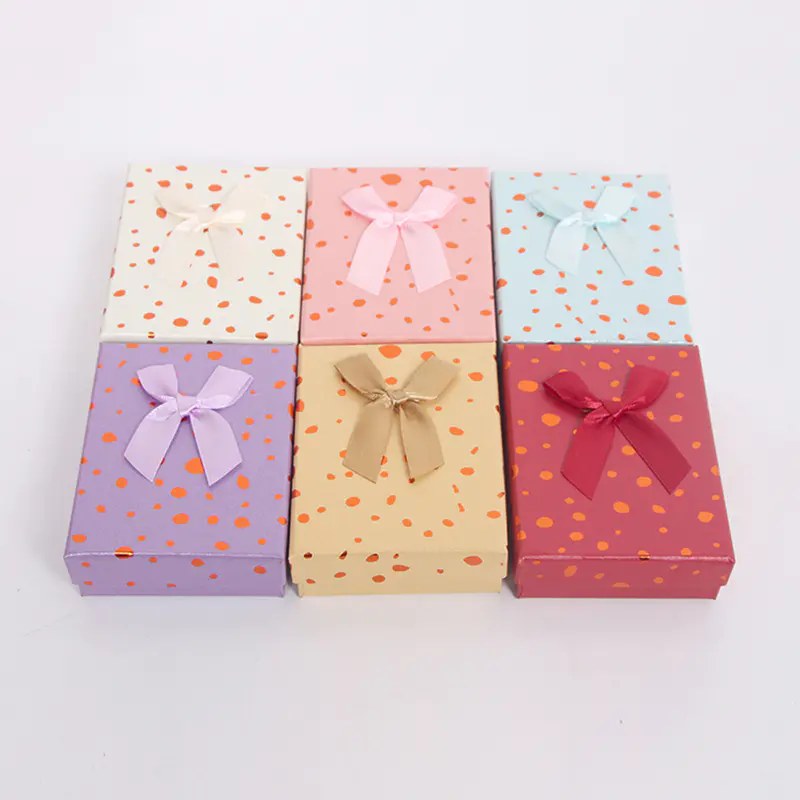
Plush materials can be produced in a broad range of colors, making them suitable for different product categories and occasions. Deep colors can suggest elegance and sophistication, while light colors may support wedding, baby, spring, or minimalist themes. Bright colors can be used for festive campaigns, holiday gifts, or younger consumer markets.
The plush surface may also help conceal minor handling marks more effectively than highly glossy surfaces. It can be maintained with suitable gentle cleaning methods, helping the box remain presentable during storage and repeated use. Care instructions should be selected according to the final fabric and finishing specification.
The spunlace-bottom structure is intended to strengthen the base of the package. A weak bottom can lead to sagging, deformation, or loss of stability when the box carries a product. By incorporating a more robust bottom construction, the package can provide improved support and cushioning for the contents.
This feature is particularly important for products that have moderate weight or that need to remain properly aligned inside the box. It also benefits gift boxes that are likely to be carried, stacked, opened repeatedly, or repurposed as storage containers.
The bottom structure works together with the cardboard body rather than functioning as an isolated feature. The overall result is a package that balances rigidity, softness, and usability. This combination distinguishes the product from decorative boxes that focus only on appearance and from rigid boxes that lack tactile warmth.
Premium packaging must protect the product during manufacturing, handling, transport, display, and final use. The 666 gift box is designed to provide a more supportive enclosure than thin paper bags or lightweight folding cartons. Its structured body and reinforced bottom can help reduce the risk of compression, shifting, and deformation under normal handling conditions.
The spunlace bottom contributes cushioning and support, while the box walls help create a stable space around the product. For delicate items, the manufacturer can discuss the use of inserts, partitions, pads, or shaped internal supports. These options can be adapted to the dimensions and sensitivity of the packed product.
The plush surface may also provide a soft contact experience when used with suitable interior arrangements. However, the final protection level depends on the product’s weight, shape, fragility, transport conditions, and the chosen internal structure. Buyers should provide complete product specifications so the packaging can be engineered appropriately.
Thermal insulation is another potential benefit of plush materials. The material is not a substitute for temperature-controlled packaging, but its layered structure may provide some resistance to rapid temperature changes for products that benefit from additional surface buffering. Any temperature-sensitive application should be evaluated through product-specific testing.
The material is also described as less prone to generating static electricity than some alternative surfaces. This may make it suitable for products that easily attract dust. As with all packaging claims, the final result depends on the material blend, humidity, finishing process, and usage environment.
The 666 model offers several advantages when compared with ordinary paper cartons, basic decorative boxes, and low-cost single-use packaging.
A conventional carton may communicate basic product information, but it often provides limited emotional impact. The combination of a top-opening structure and plush surface creates a more deliberate presentation. This can help brands make a stronger impression at the point of gifting and improve the perceived value of the packaged product.
Thin folding cartons are efficient for shipping but may be less suitable for high-end products or repeated use. The art paper-coated cardboard construction and reinforced spunlace bottom give the 666 box a more stable form. This can improve the package’s appearance on shelves and reduce deformation during normal handling.
Many gift packages are discarded immediately after opening. A plush storage box has a better opportunity to remain in the home or office. It can hold jewelry, stationery, photographs, accessories, small crafts, or personal keepsakes. This extended usefulness can increase consumer satisfaction and support a brand’s sustainability message.
Low-cost stock packaging is generally limited in size, color, and appearance. This product supports custom dimensions, CMYK printing, Pantone colors, custom colors, patterns, and design adaptations. A brand can therefore coordinate its packaging with an existing visual identity or create a special edition for a particular market or campaign.
The box can be used for gifts and crafts, storage, and a variety of presentation applications. Its design is not limited to one product type. This flexibility can help importers, retailers, and brand owners use a common packaging platform across several product lines while modifying size and appearance as needed.
Luxury packaging does not always require excessive weight or complicated construction. A carefully selected surface, an attractive opening method, and a reliable base can create a strong premium impression while retaining a practical paper-based format. This balance may help brands manage shipping, storage, and production considerations more effectively than extremely complex packaging.
The performance of a customized gift box depends not only on the design but also on the manufacturer’s ability to convert that design into repeatable production. Zhejiang Shihao Gift Packaging Co., Ltd. has developed its manufacturing operation around paper gift packaging, including kits, storage boxes, folding boxes, jewelry boxes, and gift boxes.
With more than 15 years of experience, the company has had the opportunity to refine its understanding of materials, folding structures, surface finishing, assembly, and export requirements. This experience is valuable when customers require more than a standard catalog item. It enables the manufacturer to identify potential structural risks and recommend adjustments before mass production.
The company’s facility covers approximately 20,000 square meters and employs around 300 people. This scale supports the coordination of design, sampling, production, quality control, packing, and shipping. An average daily production capacity of about 5,000 gift-box sets provides a foundation for larger orders and recurring supply programs.
Advanced equipment supports consistent processing and helps reduce variation between production batches. In gift packaging, consistency is important because small differences in color, folding, alignment, surface bonding, and assembly can affect the appearance of the finished product. A professionally managed production system helps control these factors.
The company also maintains its own research and development and design capabilities. Product development is an ongoing process, and the company reports updating dozens of products weekly. This focus can help customers access current packaging styles while also receiving support for product-specific adaptations.
Professional design advice is especially useful when a buyer has a concept but not a finalized production file. The design team can assist with dimensions, artwork placement, color choices, construction details, and manufacturability. Custom design is welcome, allowing customers to develop packaging aligned with their brand identity rather than selecting an unrelated standard box.
The company has passed BSCI and FSC certifications. BSCI relates to social compliance and responsible supply-chain practices, while FSC certification supports responsible forestry-related material sourcing where applicable. Buyers should confirm the precise certification scope and the requirements for each order, but these certifications can provide useful assurance during supplier evaluation.
Customization is central to the value of this product. A gift box should not merely fit the product physically; it should also fit the brand, sales channel, audience, occasion, and price position. The following elements can be discussed during development.
The listed size range offers several starting points, from approximately 38.5 × 29.5 × 16.5 centimeters to approximately 16.9 × 10.6 × 7.6 centimeters. Custom dimensions can be evaluated according to the product’s length, width, height, weight, and internal protection needs.
Accurate dimensions help reduce unnecessary empty space. A well-fitted package can improve presentation, reduce movement, and use shipping volume more efficiently. Buyers should provide the product’s actual measurements, including any accessories, inserts, bottles, trays, or protective wrapping that will be packed inside.
The manufacturer supports CMYK, Pantone colors, and custom colors. CMYK is appropriate for many full-color designs, illustrations, and photographic graphics. Pantone colors are useful when consistent brand color matching is important. Custom colors can be assessed according to the selected surface and production process.
Because plush materials and printed paper may display color differently, buyers should review physical samples when color accuracy is critical. Lighting, material texture, and surface absorption can influence the final visual result.
Customers can provide logos, slogans, patterns, illustrations, seasonal graphics, or other brand assets. Artwork may be prepared in Adobe Illustrator or CorelDRAW-compatible formats. The design team can help check whether text, lines, logos, and other elements are appropriate for the selected box size and finishing method.
Early artwork review is helpful because the lid, side panels, base, and opening edge may each require different placement considerations. A strong design uses the box’s three-dimensional form rather than treating it as a flat surface only.
Although the standard product uses a top-opening format, internal arrangements can be developed for different goods. Possible options may include a simple cavity, a paper insert, a divider, a fitted tray, or a protective pad. The appropriate solution depends on the product’s shape and the desired unboxing sequence.
Structural adaptations should be tested through samples before mass production. This helps confirm that the box opens correctly, the product is easy to remove, and the contents remain secure during handling.
The product’s premium surface and reusable structure make it suitable for many commercial and personal applications.
Jewelry and small accessories often require packaging that communicates value while protecting compact products. A plush box can create a refined presentation for bracelets, necklaces, earrings, watches, hair accessories, and similar items. Internal inserts can help separate products and maintain alignment.
Cosmetic sets, fragrance collections, skincare gifts, and personal-care products can benefit from packaging that appears soft, elegant, and carefully designed. Seasonal colors and custom graphics can support product launches, holiday campaigns, or limited-edition collections.
The soft surface and color flexibility are well suited to wedding favors, anniversary gifts, engagement presents, birthday packaging, and other celebration-related products. A customized pattern or coordinated color scheme can help connect the package to the event theme.
The box can be used for stationery collections, writing accessories, craft kits, sewing items, small art supplies, and other creative products. After use, the box can continue to serve as a stationery storage box, making it especially appropriate for organized home or office use.
Because the plush material can be dyed in different colors and the surface can carry custom artwork, the design can be adapted for major holidays, gift-giving seasons, cultural events, and promotional campaigns. Brands may create multiple appearances from the same basic structure.
Corporate gifts require packaging that reflects professionalism and attention to detail. A custom logo, restrained color palette, and carefully selected interior can create a premium presentation for employee gifts, client gifts, conference items, and commemorative products.
The box’s secondary use as a storage container adds practical value. Consumers can reuse it for letters, photographs, keepsakes, office supplies, accessories, or small household objects. This continued use may increase brand visibility because the package remains present in the user’s environment.
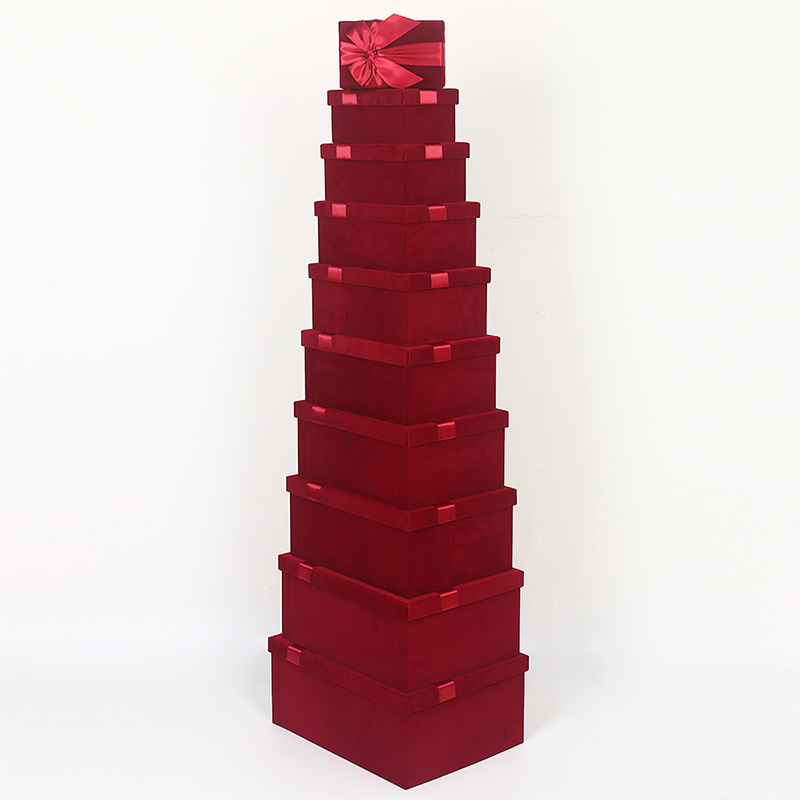
666 Top-opening Spunlace Bottom Plush Gift Box Packaging
A successful packaging project usually follows a controlled series of stages. The first stage is requirement collection. The buyer supplies product dimensions, weight, quantity, target market, preferred materials, artwork, color references, and expected delivery schedule. Clear information at this stage reduces the risk of later changes.
The second stage is structural planning. The design team reviews the top-opening format, bottom support, outer dimensions, interior clearance, and any required inserts. If the product is fragile or unusually shaped, additional protection can be incorporated into the design.
The third stage is artwork preparation. Graphic elements are placed on the box panels, and production files are checked for resolution, color mode, bleed, folding positions, and readable text. The design team can provide advice when a customer’s initial files need adjustment.
The fourth stage is sampling. A physical sample or production proof allows the buyer to evaluate size, color, surface appearance, opening action, and product fit. Sampling is particularly important for plush packaging because texture and color cannot always be judged accurately on a computer screen.
The fifth stage is material and component preparation. Cardboard, art paper, plush materials, spunlace components, adhesives, printing materials, and any interior accessories are prepared according to the approved specification.
The sixth stage is printing and surface processing. Artwork is transferred to the relevant surfaces, colors are checked, and the paper components are prepared for mounting or assembly. The exact production sequence depends on the final construction and finishing requirements.
The seventh stage is forming and assembly. The cardboard structure is shaped, the surface materials are applied, the bottom is reinforced, and the top-opening components are assembled. Attention to alignment and bonding is essential to achieve a clean final appearance.
The eighth stage is inspection. Finished boxes should be checked for dimensions, color consistency, surface defects, bonding, structural stability, opening performance, and packing quantity. The manufacturer’s production and quality-control teams coordinate these checks before shipment.
The final stage is packing and delivery. The listed packing arrangement is 10 pieces per set and 4 sets per carton, with carton dimensions of approximately 61 × 40 × 35 centimeters and a stated CBM of approximately 0.085. Buyers should confirm the final packing configuration for the exact order, as customized sizes and inserts may alter carton utilization.
The minimum order quantity is listed as 300 sets. This quantity is suitable for brands testing a new packaging concept, launching a limited edition, supplying a regional retail program, or developing a small-to-medium promotional campaign. Larger recurring orders can be discussed according to production planning and material requirements.
The stated delivery time is approximately 7 to 45 days or according to customer requirements. Actual timing may depend on design approval, sampling, material availability, order quantity, production complexity, peak-season demand, and shipping arrangements. Buyers should request a confirmed schedule before placing an order.
The standard port is Ningbo, although alternative arrangements may be considered according to customer requirements. Export buyers should confirm the delivery term, destination, documentation, carton marking, and responsibility for freight, insurance, customs clearance, and local charges.
Payment is generally made by T/T, although other payment methods may be discussed. Commercial terms should be confirmed in a formal quotation or sales contract. The quotation should clearly identify the product model, dimensions, materials, color standard, printing, accessories, order quantity, packing method, delivery schedule, and payment milestones.
For international procurement, buyers should also confirm whether the order requires testing reports, material declarations, labeling, sustainability documentation, or special packaging regulations. These requirements can vary by destination market and product category.
Packaging sustainability includes more than the choice of one material. It also involves service life, material efficiency, responsible sourcing, manufacturing practices, shipping volume, and the likelihood that the package will be reused. The 666 box can support a more durable packaging model because its structure and finish allow it to function as a storage box after the original gift has been opened.
Extended use can reduce the frequency with which consumers need to purchase or use separate small storage containers. It may also prevent the immediate disposal of a package that still has practical value. Reuse is especially relevant for stationery, jewelry, keepsakes, craft items, and household organization.
The company has passed FSC certification, which may support responsible forestry-related sourcing for applicable paper materials. Customers seeking certified materials should confirm the certification claim, chain-of-custody requirements, and whether the specific components in their order are covered.
The company also describes its plush materials as environmentally friendly options. The final environmental profile depends on the exact plush fiber, coating, adhesive, printing system, packaging composition, and end-of-life conditions. Buyers with strict sustainability targets should request detailed material specifications and evaluate the complete packaging system.
Designing the box to match the product closely can also improve material efficiency. Excessive empty space may increase material use and shipping volume, while an overly tight fit may compromise protection. The most effective solution is a carefully tested balance between fit, durability, presentation, and logistics.
When comparing suppliers, buyers should assess more than the appearance of a catalog photograph. A reliable evaluation should cover design competence, production capacity, materials, quality control, certifications, communication, and delivery performance.
For this product, buyers should confirm whether the plush material, art paper-coated cardboard, and spunlace bottom match the approved sample. They should inspect the surface for consistent texture, the base for stability, the lid for correct alignment, and the interior for adequate product clearance.
Color approval is also important. If the project uses a brand-specific Pantone color, the buyer should request a physical proof or production sample. Digital images can vary according to screen settings and lighting, while plush surfaces can absorb or reflect color differently from paper.
Buyers should test the opening and closing action. The lid should operate smoothly without excessive looseness, friction, or misalignment. The box should remain stable when placed on a flat surface, and the bottom should support the intended product weight during normal use.
Packaging tests may include stacking, drop simulation, vibration, compression, humidity exposure, and transport trials, depending on the product and distribution route. The appropriate test level should be agreed before mass production.
Finally, buyers should confirm communication procedures. A clear process for artwork approval, sample changes, production authorization, inspection, and shipment reduces misunderstandings and protects both sides of the transaction.
| Specification | Available Information | Buyer Considerations |
|---|---|---|
| Product model | 666# | Confirm the model and any customized construction. |
| Box style | Top-opening plush gift box | Evaluate opening action and presentation sequence. |
| Material | Art paper-coated cardboard surface with plush finish and spunlace bottom | Approve material samples and confirm component specifications. |
| Color | CMYK, Pantone colors, and custom colors | Use physical proofs when exact color matching is important. |
| Size range | Approximately 38.5 × 29.5 × 16.5 cm to 16.9 × 10.6 × 7.6 cm | Confirm product fit, inserts, and final external dimensions. |
| Design support | In-house design team and custom design service | Provide editable artwork and structural requirements. |
| Applications | Gift packaging, storage, gifts, crafts, and stationery organization | Match the box to product weight, shape, and retail positioning. |
| Minimum order quantity | 300 sets | Confirm whether quantity applies to one design, size, or color. |
| Delivery time | Approximately 7–45 days or as agreed | Allow time for sampling, approval, production, and shipping. |
| Standard port | Ningbo | Confirm destination, shipping terms, and export documentation. |
| Certifications | BSCI and FSC reported | Verify certificate scope and order-specific documentation. |
Premium packaging often involves more variables than buyers initially expect. A box may look simple, but its result depends on board thickness, surface tension, adhesive behavior, fold accuracy, lid clearance, material direction, color control, and packing method. An experienced manufacturer can identify these variables early and reduce avoidable production problems.
A specialized gift packaging factory can also offer a wider range of related products. This is useful for buyers who need several packaging formats from one supply partner. In addition to plush gift boxes, the company produces kits, storage boxes, folding boxes, jewelry boxes, and other gift packaging solutions.
In-house design and research capabilities reduce the distance between an idea and a manufacturable product. Instead of simply reproducing a customer file, the design team can review whether the structure is realistic, whether the artwork fits the available panels, and whether the materials support the intended use.
Production scale is another advantage. An average daily capacity of approximately 5,000 gift-box sets can support both developing brands and larger export programs. Scale does not replace quality control, but it can improve scheduling flexibility and the ability to manage repeat orders.
International experience is also important. Products are exported to Europe, the United States, the Middle East, and other regions. Experience with overseas customers can help the manufacturer understand export packing, communication expectations, documentation, and the importance of consistency between samples and mass production.
The company’s stated business philosophy emphasizes innovation, quality, practicality, and benefit. These principles are relevant to buyers seeking packaging that looks premium but remains useful, manufacturable, and commercially sensible.
Customers can improve project results by preparing complete information before requesting a quotation. The product’s length, width, height, weight, fragility, intended orientation, and interior accessories should all be supplied. If the box will be used for shipping rather than hand delivery, transport conditions should also be explained.
It is helpful to provide a clear visual direction. Buyers may share brand guidelines, reference colors, sample packaging, mood boards, logos, patterns, or photographs of similar products. These references help the design team understand whether the desired result is modern, traditional, festive, understated, playful, or luxurious.
Sampling should not be skipped for complex projects. A sample can reveal practical issues that are difficult to identify in a drawing, including lid clearance, interior fit, surface feel, base strength, and the relationship between printed artwork and plush texture.
Buyers should approve a final specification sheet before mass production. The document should include dimensions, materials, colors, artwork version, finishing details, inserts, packing quantity, carton information, and acceptable tolerances. This creates a common reference for the customer, design team, production department, and quality-control team.
For recurring orders, buyers should retain an approved reference sample and record the relevant material and color details. This can help maintain consistency when the product is reordered months later or produced in several batches.
The product combines a top-opening presentation format, a plush exterior, an art paper-coated cardboard construction, and a spunlace-supported bottom. These features provide a softer tactile experience, stronger visual impact, improved structural support, and better potential for reuse than many basic folding cartons.
Yes. Its elegant surface and ceremonial opening style make it suitable for jewelry, accessories, beauty products, commemorative gifts, corporate gifts, and other products that require a premium presentation. Internal inserts can be considered when additional product protection is required.
Yes. The listed color options include CMYK, Pantone colors, and custom colors. The manufacturer also supports custom dimensions and design adaptations. The listed sizes provide starting references, while the final size should be based on the packed product and required interior structure.
The spunlace bottom is intended to make the base more robust and resistant to deformation. It helps provide support and cushioning for the contents, especially during handling and repeated use. The final performance depends on the complete box construction and the product weight.
Yes. The box is suitable for storage after the original product has been removed. It can hold stationery, jewelry, photographs, keepsakes, accessories, crafts, and other small items. This secondary function adds practical value and may extend the package’s useful life.
The plush material has some stain-resistant and easy-care characteristics, but maintenance should follow the specification of the final fabric. Gentle cleaning is generally preferable, and buyers should request care recommendations when the packaging will be used repeatedly.
The plush material may provide some heat insulation, but it is not a substitute for specialized temperature-controlled packaging. Any temperature-sensitive application should be assessed through product-specific testing and an evaluation of the complete supply chain.
The plush material is described as less likely to generate static electricity than some other surfaces. Actual behavior depends on the material composition, humidity, finishing process, and environment. Buyers with sensitive products should request a suitable material assessment.
The listed design file formats include Adobe Illustrator and CorelDRAW-compatible artwork. Buyers should provide editable, high-resolution files whenever possible so the design team can check dimensions, fonts, colors, and production requirements.
The stated minimum order quantity is 300 sets. Buyers should confirm how quantity is calculated when several sizes, colors, or artwork versions are included in one project.
The stated delivery time is approximately 7 to 45 days or according to customer requirements. The actual schedule depends on sampling, design approval, order quantity, materials, production complexity, seasonality, and shipping arrangements.
Yes. The company has an in-house design team and offers professional advice. Customers may submit their own concepts or request assistance with dimensions, artwork, color selection, structural details, and customized packaging solutions.
The listed port is Ningbo, although shipping arrangements may be discussed according to customer requirements. The final quotation should confirm the shipping term, destination, documentation, and responsibilities of each party.
The company reports passing BSCI and FSC certifications. Buyers should request current documentation and confirm whether the certification scope applies to the materials and production requirements of their specific order.
Customers should review dimensions, product fit, lid operation, base strength, plush texture, color, artwork placement, surface bonding, packing quantity, and carton utilization. Transport tests may also be appropriate when the product will be shipped through complex distribution networks.
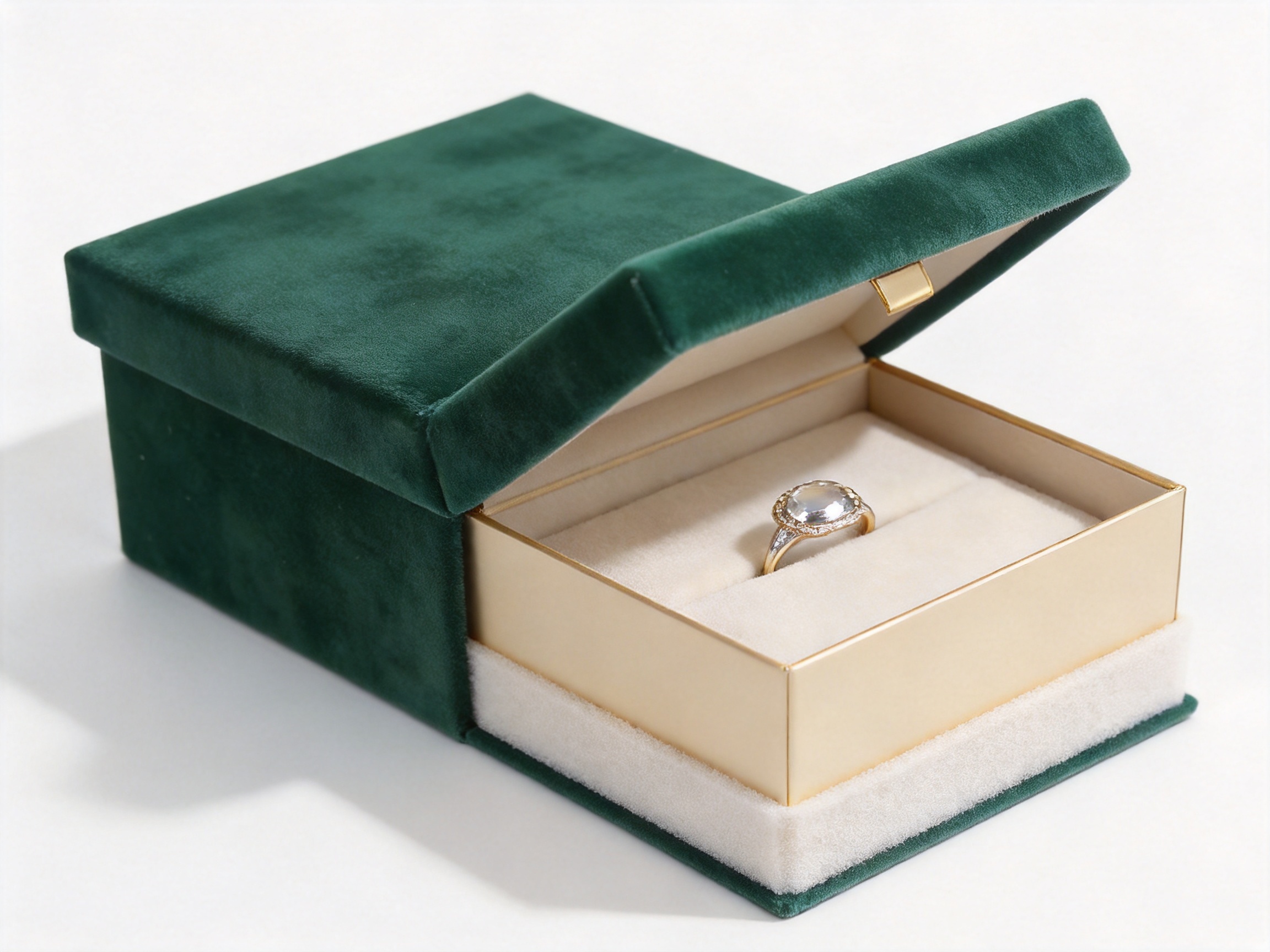
The 666 Top-opening Spunlace Bottom Plush Gift Box Packaging is designed for brands and buyers that want more than basic product containment. Its top-opening format creates a memorable unboxing sequence, the plush exterior provides a soft and premium tactile impression, and the spunlace bottom contributes structural support and durability. The art paper-coated cardboard construction offers a stable foundation for printing, color matching, and custom branding.
Its advantages extend beyond appearance. The box can protect and organize products, support multiple applications, adapt to different sizes and colors, and remain useful as a storage container after the original gift has been opened. This combination of presentation, protection, customization, and reuse gives it a strong position among premium paper gift packaging options.
The manufacturer adds further value through specialized experience, a large production facility, an in-house design team, advanced equipment, export capability, and reported BSCI and FSC certifications. With support for custom orders, a minimum quantity of 300 sets, multiple color systems, professional design advice, and a broad product range, the company can serve both developing brands and established international buyers.
For the best results, customers should provide accurate product specifications, approve a physical sample, confirm the final material and color details, and establish clear quality and delivery requirements before mass production. When these steps are followed, the 666 plush gift box can become not only an attractive package but also a durable and reusable part of the product experience.
1. Product specification sheet for the 666 Top-opening Spunlace Bottom Plush Gift Box Packaging.
2. Manufacturer-provided information on materials, dimensions, customization, applications, packing, delivery, and payment terms.
3. Manufacturer profile describing production capacity, facility size, design capabilities, export markets, and product categories.
4. General packaging-development principles relating to structural design, sampling, product protection, color approval, and transport testing.
5. General guidance on responsible paper sourcing, reuse-oriented packaging design, and supply-chain sustainability.
Recommended Products

Contact Us

No. 15, Xiayang Road, Huangzhai Town, Jinhua, Zhejiang, China

(+86) 579-84230069

(+86) 13085675766


Products

Gift Box Packaging Manufacturer
 English
 Français
 Español
 عربى